Ready to order? 10 rules for UK’s restaurant diners
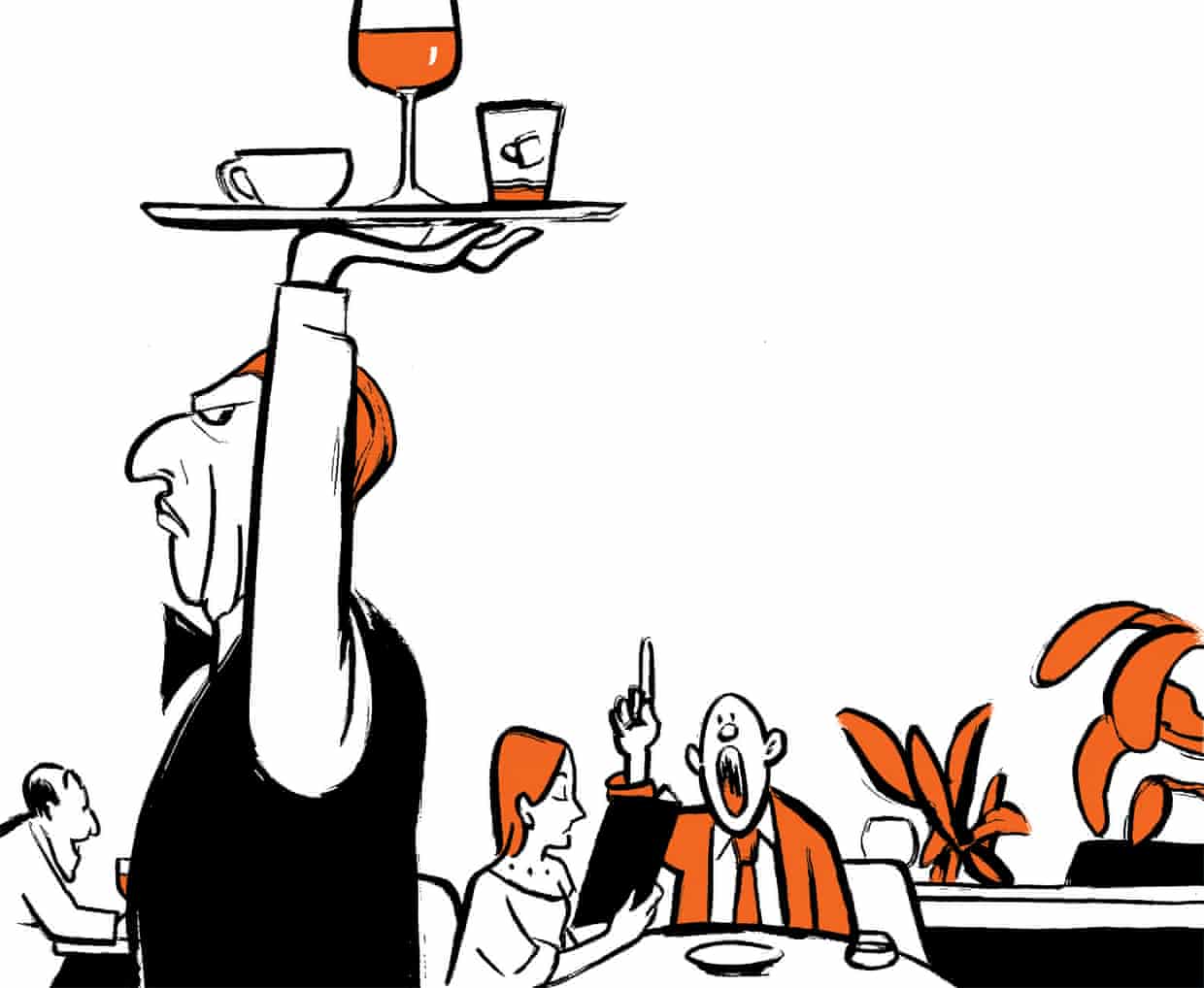
Hospitality is in a right state at the moment, what with the seemingly never-ending shitshow of rising rents and rates, extortionate VAT, higher staffing, produce and utility costs, and all those other well-documented socioeconomic pressures (don’t mention the Bre*it word, please),So the last thing those of us who work in this beleaguered industry need right now is to be kicked in the proverbials by the very people we rely on perhaps more than anyone,And, yes, by that I mean you, our lovely customers,So here is some advice on how to avoid infuriating your serving staff,Turn up … Pre-Covid, most restaurants didn’t have the balls to take card details or charge for late cancellations and no-shows, but that’s all changed now (thank God).
If you buy a ticket to the football or a gig, say, you’ll be out of pocket if you can’t be arsed to turn up,Why should restaurants be any different? What’s more, even if we have charged you a cancellation fee, remember that we’ve still lost out on drink sales and service charge,… and turn up on time You’d be surprised how many people seem oblivious to the fact that a restaurant is a business, just like any other,If you’ve booked dinner for 7pm and show up half an hour late, don’t be surprised or, worse, turn all bolshie on us when we try to bum-rush you out of the door at 9pm,We’ve got another booking for that table, and sod’s law dictates that they will show up on time.
Don’t stick your chewing gum under the table Yes, really.You’d hope that people would have grown out of this by the time they leave secondary school, but I’ve never, ever worked a floor – even Michelin-starred ones – where I haven’t had to scrape used gum off the underside of tables on an almost daily basis.Why can’t you just ask me for a tissue or, better still, put the offending object in the bin yourself? You wouldn’t do it at home (hopefully), so don’t do it at my place of work, either.Speak up if something’s wrong … As in all walks of life, stuff sometimes just goes wrong (though whether that’s our fault or yours is often up for debate), so don’t smile meekly and mumble “fine” when we ask if everything’s OK.Hospitality folk are people-pleasers, otherwise there’s no way we’d be in this godforsaken game, and we’re more than happy to do our best to put things right.
Plus, you never know: you may even get a free dish or glass of wine on us (or on our boss, but don’t tell).… and don’t go online to complainDon’t keep stumm on the night only to log on to TripAdvisor three months down the line, usually after you’ve had one too many, to give us a one-star review and whinge about a dish that’s not even on the sodding menu any more.Be clear about dietary needsAKA work on your communication skills.There’s a reason we ask “Any dietaries?” when people book (we don’t want you to die on us, because that’s not the best look for either of us), not least because we don’t have a magical endless larder that can miraculously cater to every need.Much as you’d never dream of going to a vegetarian restaurant and asking them to cook you a steak, don’t expect us to be able to come up with a bespoke vegan, gluten-free, pulse-intolerant, mushroom-averse meal at the drop of a hat.
Stand by your request If, say, you’ve asked for your steak well done, don’t blame the chef when it turns out to be a bit, well, tough.That’s 100% on you.Leave the clearing-up to me Believe it or not, there’s an art to clearing a table that can get thrown out of whack if, for example, you hand me your empty plates or pile everyone’s dirty cutlery on the same platter.Yes, I know you’re trying to help, bless, but you’re actually doing the opposite.Don’t dissect the bill at the tableFew things are more excruciating than listening to grown adults quibble over how many olives, slices of bread or whatever each of them ate, then argue the toss about their fair share of the bill.
Stop it already.You’re embarrassing yourself.And me.(See also larger groups who can’t just split it and sort things out between themselves later, instead of wasting their time and mine doing complex mathematical calculations on the spot, often while tipsy.)Above all, don’t be rudeI will never understand why some people apparently think the best way of getting what they want is to be downright obnoxious.
If you’re disrespectful, raise your voice or treat me like your servant, do you honestly expect me to go out of my way to make sure you have a good time?As told to Bob Granleese

The great care home cash grab: how private equity turned vulnerable elderly people into human ATMs
When did care homes come to be seen as recession-proof investments? And who pays the price?On a spring morning in 1987, a 30-year-old man named Robert Kilgour pulled up beside a row of foamy cherry trees in the town of Kirkcaldy, on Scotland’s east coast, to visit an old hotel. The building was four storeys of blackened Victorian sandstone. Kilgour was a big man, a voluble Scot with a knack for storytelling. He already owned a hotel in Edinburgh but wanted to branch into property development and was planning to turn this old place, Station Court, into apartments. A few months after he completed the purchase, however, the Scottish government scrapped a grant for developers that he had been counting on

Conversations about infertility are hard, but essential | Letters
Perhaps one of the reasons that conversations about infertility are so difficult is that people are often encountering the experience for the first time without a shared language (Infertility: at a time when we need the right words, some are unable to find them, 21 March). In many ways, what people need is not just support, but a vocabulary for what they are going through. When someone loses a loved one, we have a go-to phrase: “I’m so sorry for your loss”. It’s not enough, but it’s something. With infertility, we don’t even have that

Polio virus detected in London days before ministers cut global eradication funding
The polio virus was detected in London sewage for the second time this year, days before ministers withdrew funding for global polio eradication efforts.Its detection reveals the spending cuts to be “shortsighted and self-defeating”, campaigners said. Polio is an extremely infectious viral disease, which typically affects young children under five. It can cause paralysis by damaging nerves in the spine and base of the brain, and can be life-threatening if it affects muscles used for breathing.UK health officials take weekly samples of wastewater from sewage plants around England to check for the presence of polio and will typically pick up a handful of cases a year

‘I decided not to jog here after dark’: new English council guidance prioritises women’s safety
Reetta Vaahtoranta used to go running in the evening along the Greenway, a four-mile (7km) pathway stretching across east London. But increasingly, she found herself receiving unwanted attention from lone male passersby. She switched her running clothes to baggier options, because “the less attractive and weirder you look, the less likely you are to get people following you”.“In the end, I just decided it was not worth it to come jogging here after dark,” she said. “If I know it can be a bit dodgy, then I just stop doing it
What does new guidance in the UK say about screen time for children?
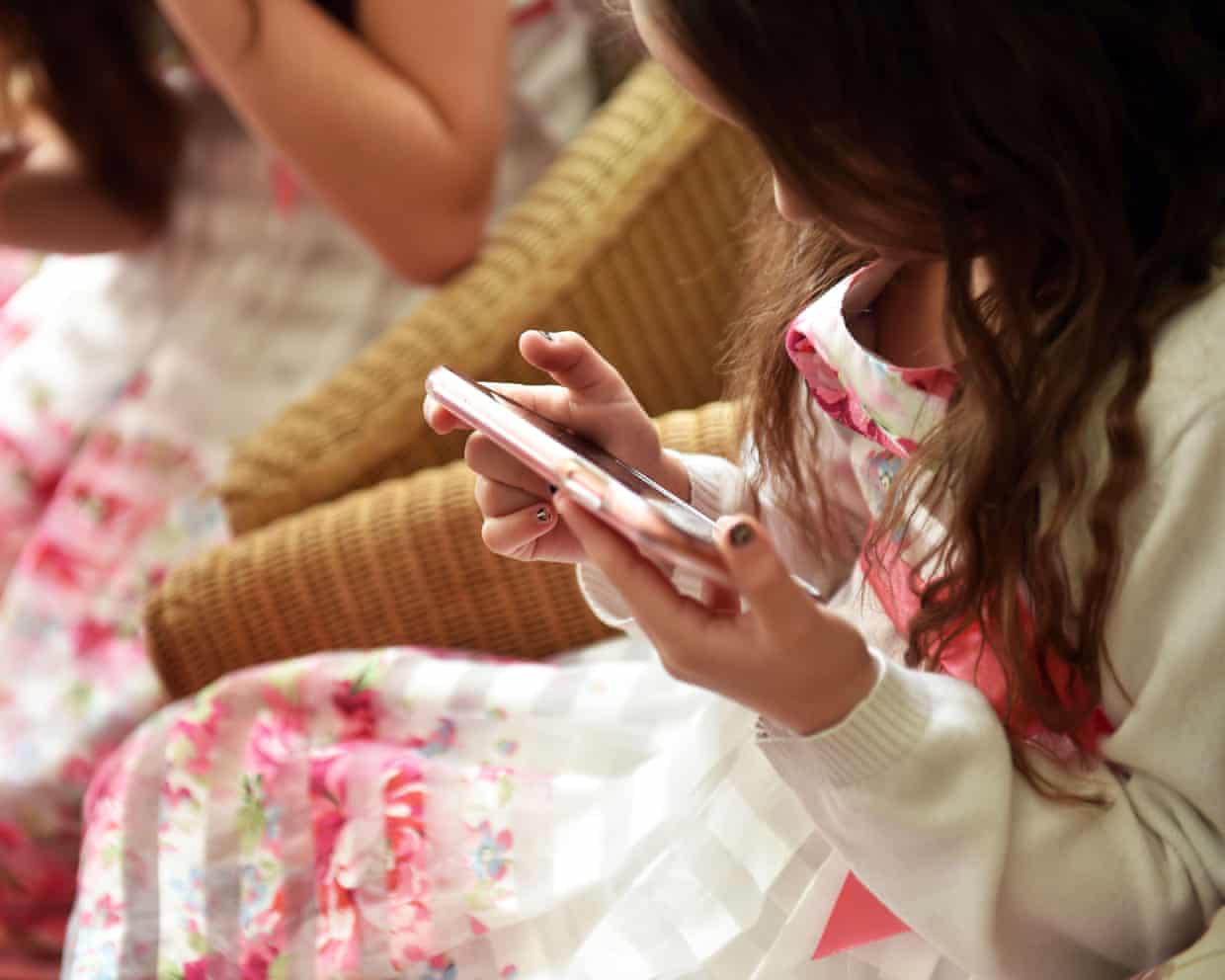
The government has issued new guidance on how much time children below the age of five should spend on screens.Children’s relationships with screens have become one of the key struggles of 21st-century parenting, along with the impact of the content that appears on those devices. The guidance has been developed by a panel led by the children’s commissioner for England, Rachel de Souza, and children’s health expert Prof Russell Viner.Children below two years old should avoid screen time other than for shared activities that encourage interaction. For children between the ages of two and five, screen time should be kept to no more than one hour a day

Starmer vows to ‘fight’ social media firms to protect children from addiction
Keir Starmer has promised a “fight” with social media companies amid efforts to limit children’s use of mobile phones, tablets and TVs, as new official guidance recommends children under five spend no more than an hour a day on screens.The guidance, developed by a panel led by the children’s commissioner, Rachel de Souza and children’s health expert Prof Russell Viner, advises screen time for children under two should be avoided other than for shared activities.Ministers are also considering Australia-style measures to limit or ban social media for under-16s.Speaking at a school in south London about the new guidance, the prime minister said: “When there’s a lot going on, when children are having a tantrum, trying to find something to distract them is an obvious thing, and I don’t think parents and carers have had any guidance at all yet about what would be appropriate, what might be best.”The government is consulting on potential age restrictions on social media and other services, such as gaming sites and AI chatbots, as well as restrictions on addictive design features and risky functionalities, and better support for parents and families
‘It feels like they’re pulling figures out of the sky’: UK pet owners welcome crackdown on vet fees

Hundreds of North Sea licences granted by Conservatives have ‘so far produced only 36 days worth of gas’

UK ‘weeks away’ from medicine shortages if Iran war continues, experts say

Wall Street hits six-month low and Dow falls into correction as Trump ‘appears to lose his grip on markets’ – as it happened

Lloyds bank faces £66m court battle with car loan customers

UK government borrowing costs hit 5% as Iran war fuels bond market sell-off