Rise of the ‘daycap’: is this the end of late-night drinking?

Forget nightcaps – an afternoon tipple is the new way to squeeze socialising into your evening, while still getting to bed on time,A great idea or a recipe for disaster?Name: The daycap,Age: As old as fermentation, and impatience,Appearance: Nothing new, under the sun,It’s not a hat, then.
No, it’s a drink you have before your evening starts – a daycap, as opposed to a nightcap.So you’re taking that ill-advised, final tipple before bedtime, and moving it several hours earlier? Yes, it’s a whole new way of drinking!I know the strategy only too well.It begins with a 6pm sharpener, and it ends in a Magistrates Court.This isn’t day drinking in the traditional sense; this is about making different drinking choices.Exactly – I choose to start early, to fit another one in.
Wrong: daycapping is about replacing late-night excess with afternoon indulgence.It amounts to the same thing.No it doesn’t.According to the Bacardi 2026 Cocktail Trends report, the rise of the daycap “marks a shift toward micro-celebrations that fit modern routines”.I don’t know what that means.
It means that modern consumers are reshaping their socialising around earlier evenings of shorter duration,So the idea is, you start drinking early in the day, consume less alcohol overall, and go to bed on time? Yes,What’s your objection?I’m not objecting,I’m just saying: good luck with that,And the new daycap has little in common with the stiff gin of the old-fashioned sharpener.
Instead, it revolves around “spritz culture, mood-based cocktails, and small serves that tap into the sweet treat economy”.Is there any evidence that this predicted trend is actually happening? In keeping with the ethos of daycapping, meal times are also getting pushed forward.The online booking service OpenTable reports a sharp rise in 6pm restaurant reservations.Are you kidding? No – they’re up 6% nationally, and 11% in London.Apparently the new national average dining time is 6.
12pm,Isn’t that just boomers trying to spend their disposable income? Apparently it’s driven by younger diners prioritising health, wellbeing and sleep,Classic gen Z – they really don’t know fun from a hole in the ground,God bless them, they’re trying,How will the shift affect a night-time economy entirely based on impaired decision-making? By replacing committed boozing with “loud luxury”.
Bacardi predicts metallic garnishes, fire presentations and “high-drama glassware”.In other words, a whole new era of expensive, questionable drinks.And all while it’s still light out.Do say: “Drinking is no longer about escape; it’s about finding new rhythms and routines of enjoyment.”Don’t say: “What a great evening! I don’t remember anything that happened after 7.
30pm!”
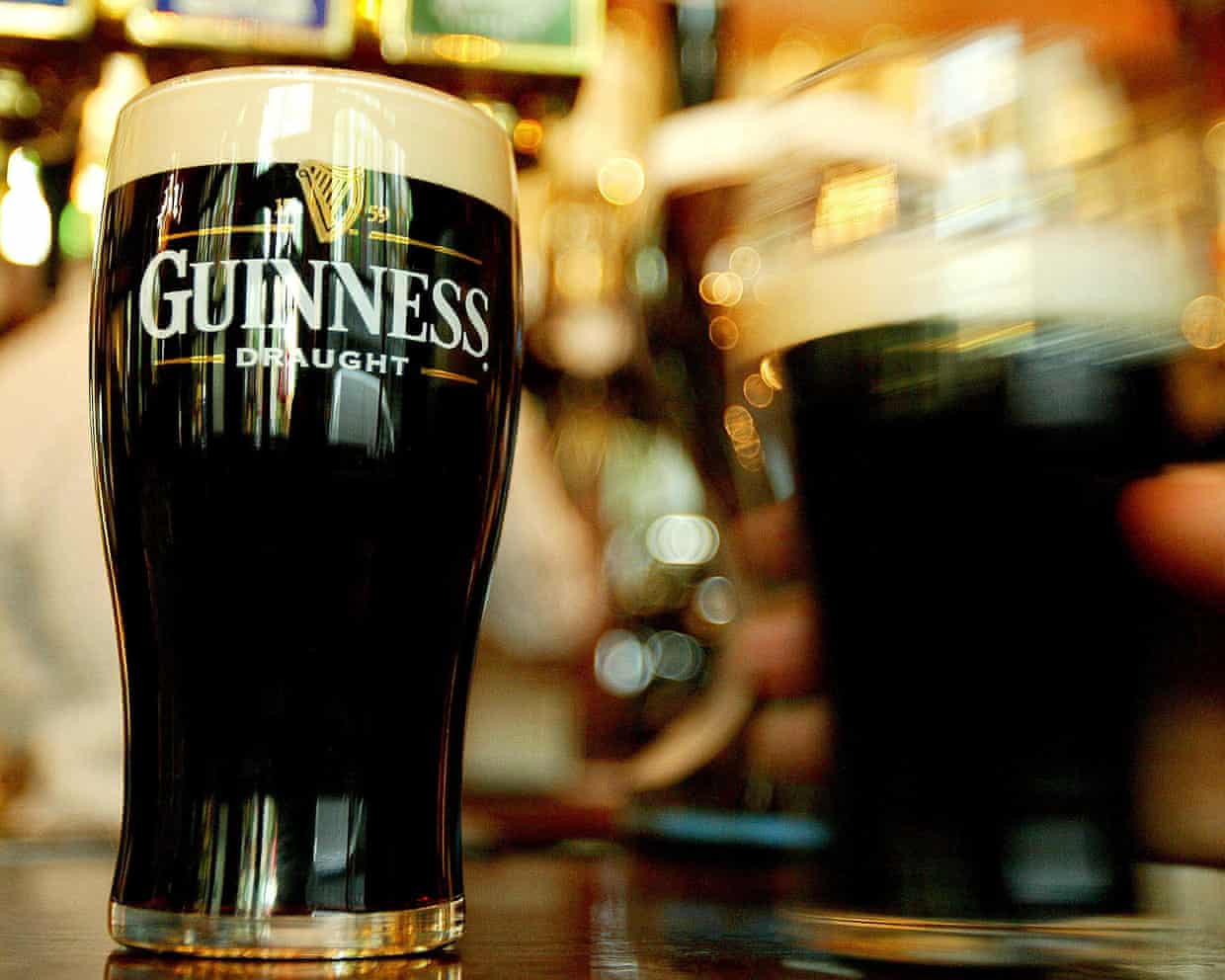
Diageo slashes dividend and vows to address Guinness capacity constraints in London
Diageo has slashed its dividend and cut its annual sales and profit forecast for the second time in four months, as the maker of Guinness warned of capacity constraints affecting drinkers of “the black stuff” in London pubs.The world’s largest spirits maker – which owns brands including Smirnoff vodka, Johnnie Walker whisky and Don Julio tequila – reported weak demand in the US and China in the first results released under the new chief executive, Sir Dave Lewis.The former Tesco chief executive, who earned the nickname “Drastic Dave” as a result of his cost-cutting during almost three decades at the conglomerate Unilever, took the reins at Diageo in January and wasted no time in cutting the company’s shareholder dividend in his attempt to turn around the drinks maker.Describing his first seven weeks in the role as “pretty intense”, Lewis said in a results webcast it had not been a simple choice to reduce the dividend, halving it to 20 cents a share, down from 40.5 cents a year ago
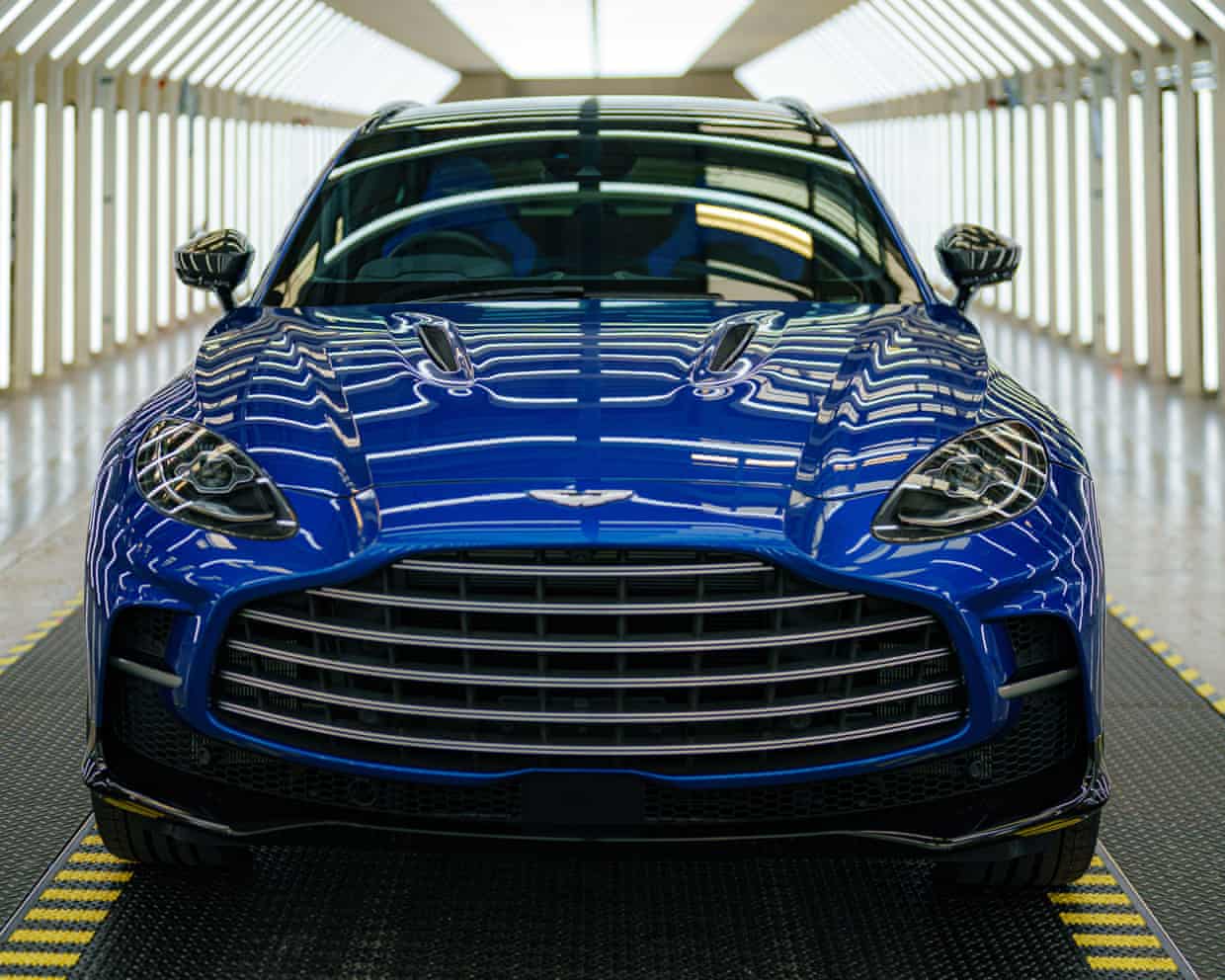
Aston Martin to cut 20% of workforce in effort to save £40m
The luxury carmaker Aston Martin Lagonda is to cut its workforce by 20% as it looks to save about £40m after reporting widening losses.The group, which said earlier this month it was consulting on the latest redundancy programme, said it would reduce its workforce by up to a fifth after action at the start of last year that cut 170 jobs.In a statement, the company, which is majority-owned by the Canadian billionaire Lawrence Stroll, said: “Having undertaken at the start of 2025 a process to make organisational adjustments to ensure the business was appropriately resourced for its future plans, we had to take the difficult decision at the end of 2025 to implement further changes.“This latest programme will ultimately see the departure of up to 20% of our valued workforce.”Details of the job cuts came as the carmaker reported widened pre-tax losses of £363

‘A feedback loop with no brake’: how an AI doomsday report shook US markets
US stock markets have been hit by a further wave of AI jitters, this time from yet another viral – and completely speculative – warning about the impact of the technology on the world’s largest economy.The latest foreboding is from Citrini Research, a little-known US firm that provides insights on “transformative ‘megatrends’”. Its post on Substack, which it called a “scenario, not a prediction”, rattled investors by portraying a near future in which autonomous AI systems – or agents – upend the entire US economy, from jobs to markets and mortgages.Citrini’s scenario begins now and ends in June 2028, with US unemployment cresting over 10% and an Occupy Silicon Valley movement setting up camp outside OpenAI and Anthropic’s offices. In the interim, a series of events triggered by the widespread use of AI agents guts software companies and ripples outwards, hitting private credit and mortgages, and leading to an unchecked downward spiral

Meta agrees $60bn deal with chipmaker AMD despite AI bubble fears
The owner of Facebook has agreed to buy $60bn (£44.5bn) of artificial intelligence chips from the US semiconductor company Advanced Micro Devices – despite fears about the vast sums committed to AI infrastructure projects.It is one more massive deal in a year in which US tech companies are expected to spend $660bn on AI assets, and may represent part of a broader pivot in Meta’s AI strategy, said Alvin Nguyen, an analyst at Forrester.The five-year deal involves Meta buying 10% of the California chip company, a similar arrangement to a partnership between OpenAI and AMD last year.Both deals underscore an appetite among leading AI players to diversify their chip supplies beyond the offerings of Nvidia, AMD’s larger rival, said Nguyen
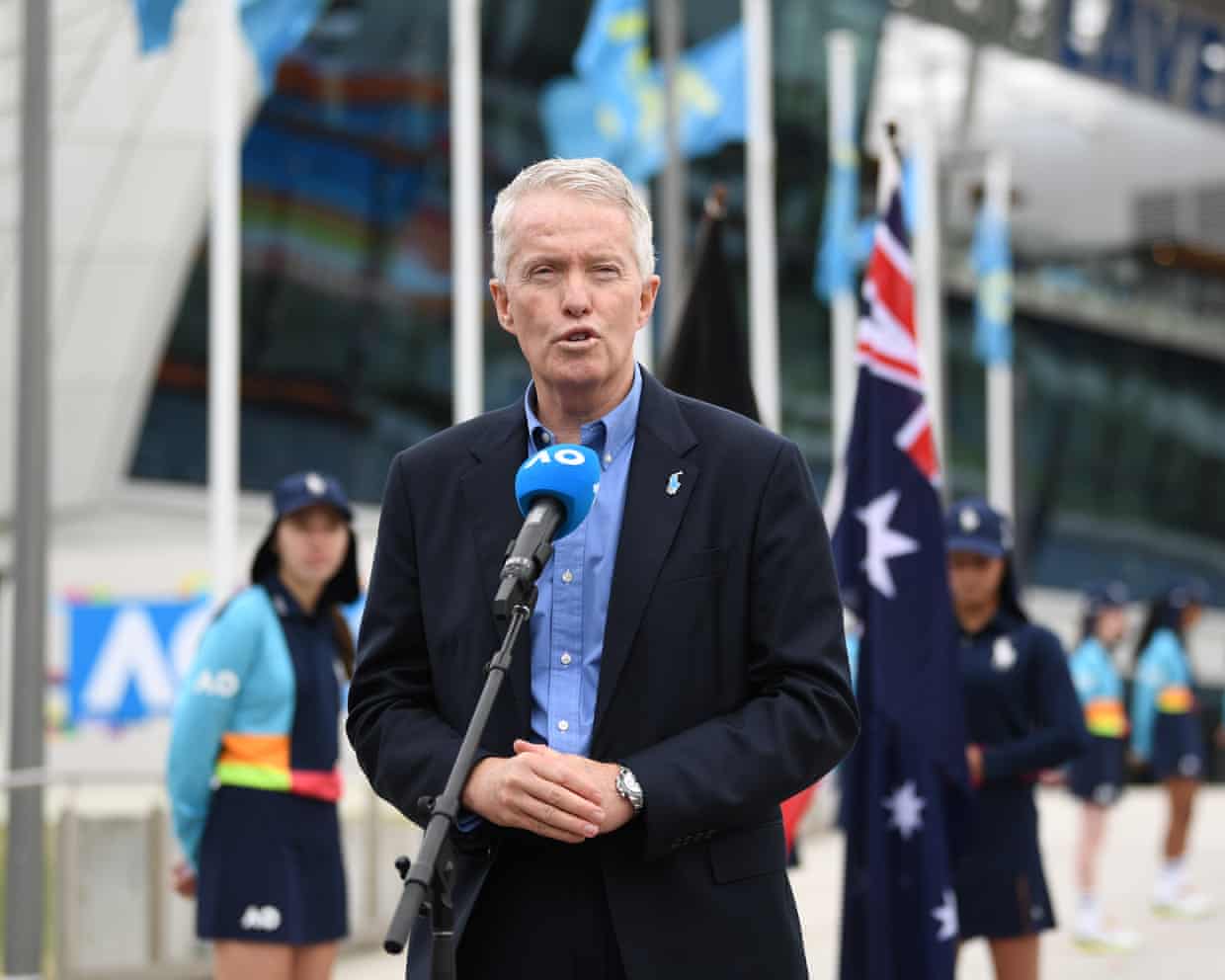
Craig Tiley departs Australia having indelibly changed the tennis landscape
Craig Tiley arrived as Tennis Australia’s director of tennis in 2005 and, two decades and two high-profile roles later, will leave behind a complex and formidable legacy.The Australian Open, which he has overseen since his 2006 appointment as tournament director, has expanded into the acclaimed event that dominates the sporting landscape each January. As chief executive of TA since 2013, Tiley’s dual roles have extended his influence beyond the grand slam’s monster success.Entirely Tiley? No, but the highest-paid sports administrator in the country has built both an impressive empire and a reputation as a political maestro. A bold innovator with limitless ambition for himself and the event shaped in his player-accommodating vision

From the Pocket: Charlie Curnow was let off too easily for jumping ship
With about half an hour to go before last year’s trade period deadline, as player manager Tom Petroro began to resemble financial analyst Tom Piotrowski, Michael Voss phoned Charlie Curnow. The deal was unlikely to go through, the Carlton coach told him. Curnow would have to suck it up, mend some bridges, say all the right things and commit to the Blues again.Within a few minutes, however, he was a star in someone else’s sky. The Sydney players they traded him for were on holiday in South America, and took a call from their now former coach

Buy now, pay later: how to use it without getting into debt

Group expands legal claim over South West Water sewage pollution

Trump’s new global tariffs kick in at 10%; Bank of England governor says March rate cut ‘open question’ – as it happened

US datacenters face slew of problems amid grassroots protests against AI
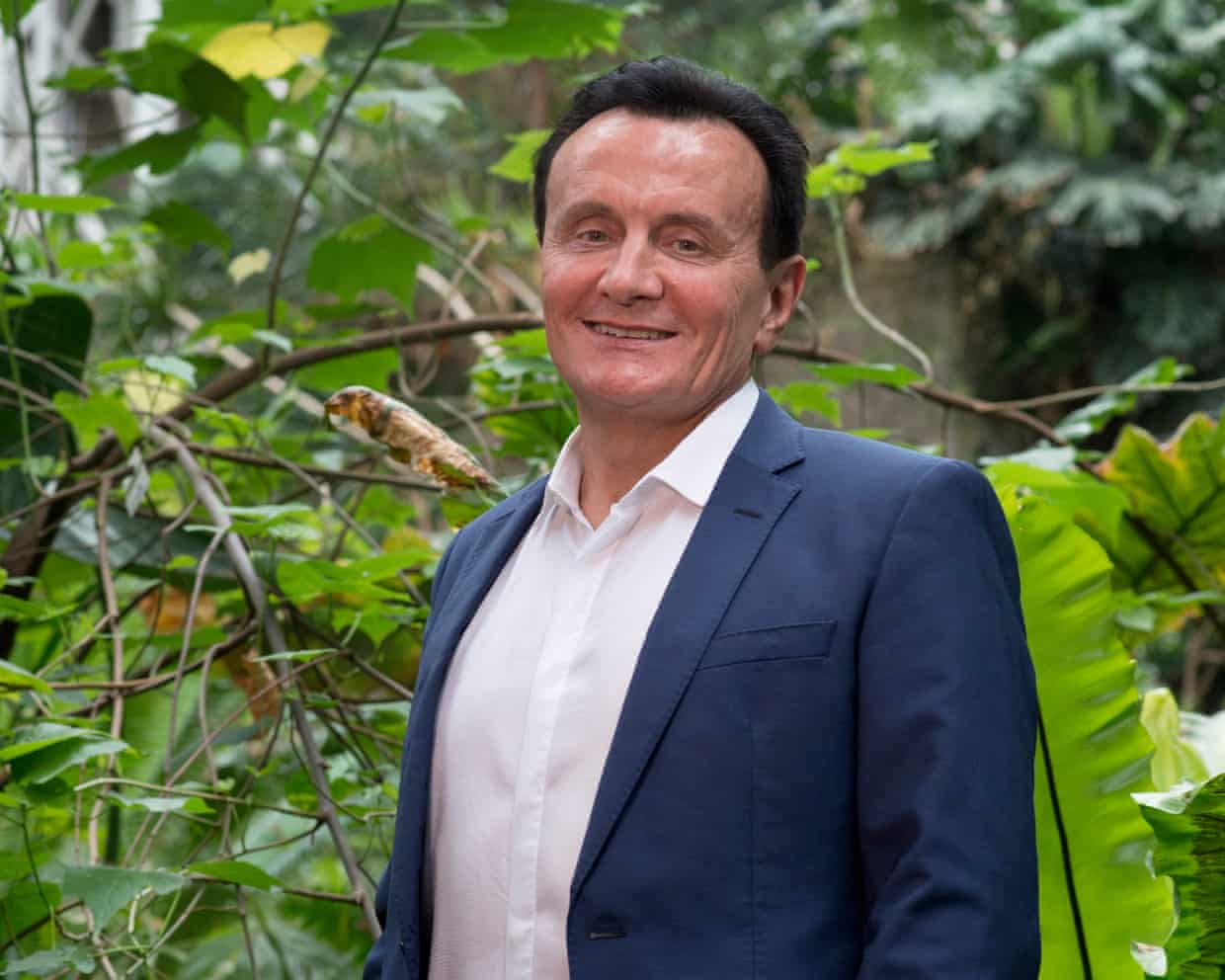
AstraZeneca boss Pascal Soriot’s pay rises to £17.7m

Oil prices hit seven-month highs as tensions rise before US-Iran talks