How to save limp herbs | Kitchen aide
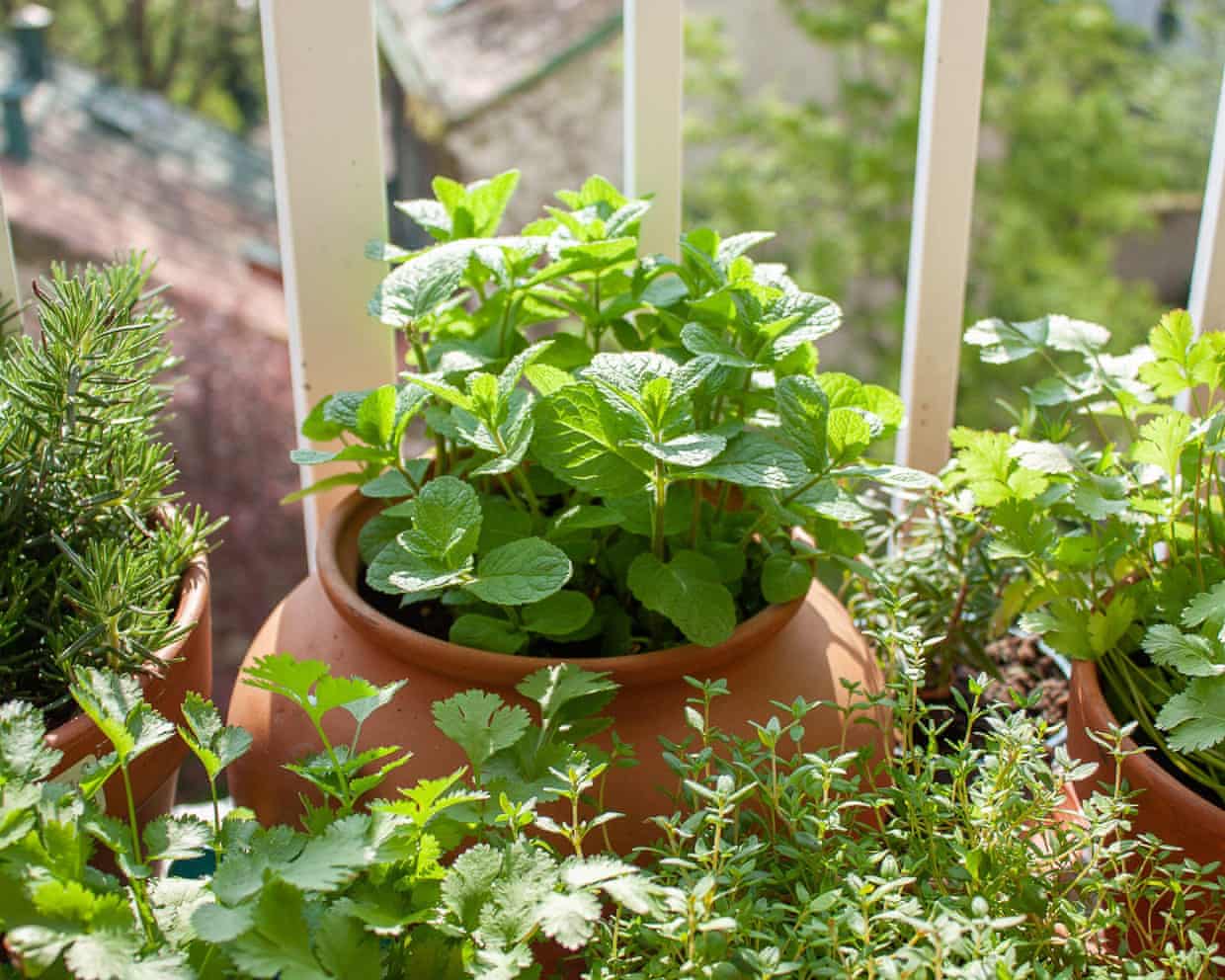
What can I do with herbs that are past their best?Joe, by email Happily, Joe and his on-the-turn herbs aren’t short of options.“The obvious choice for hard herbs is to chuck them in a sandwich bag and freeze them for future stock-making,” says Alice Norman, founder of regenerative bakery Pinch in Suffolk.Alternatively, Sami Tamimi, author of Boustany, would be inclined to dry his excess herbs.In summer, he’d simply pop them on a tray and put them outside in the sun, but right now he “dries them in a 60-70C oven, then packs in containers, ready for the next time you’re short of fresh herbs”.Norman’s current MO is to blitz languishing herbs (“rosemary and/or thyme work best”) with a 3:4 ratio of fine salt.
“You don’t want too many herbs, because that will throw off the moisture content and turn the mix black, but you need enough for the blades to catch and break down the rosemary properly.” Pulse until fine, then store in an airtight jar in the fridge (where it’ll keep for a month or so).“That can be used for so many things, from seasoning game to roast potatoes, and it works particularly well in bread.” To which end, take any focaccia recipe, boost it with mashed potato and replace the required salt with the herby salt: “The potato helps retain moisture, while the rosemary salt adds fragrance.”An even easier route for past-their-best herbs, Tamimi says, is to get them in a chilled yoghurt soup, or any yoghurty dip, really.
In a similar vein, Ethan Pack, head chef at Three Sheets in Soho, London, puts them to work in hummus, though purists had better look away now.“Make a herb oil first and use that in the base of the hummus, or blitz the herbs with the chickpeas, tahini, etc,” he says.“If I’m feeling fancy, I might also use the herbs to make a compound butter or fridge-raid chimichurri.” Joe could also keep sad herbs sweet by using them to infuse cream.If you have thyme – or, even better, lemon thyme – Norman suggests trying this: “Warm cream until it’s gently steaming, then add the thyme, though remember that a small bunch goes a long way.
” Turn off the heat, cover, leave to infuse for an hour or two, then strain and discard the solids.“Chill the cream, then, to serve, whip softly with golden icing sugar – that pairs beautifully with a rhubarb and apple cobbler, for instance.”Don’t let those stalks go to waste, either.For Norman dill and tarragon stems are especially golden.“I keep a bottle of vinegar for each herb in the fridge, and top them up with the stems as I go – just make sure the vinegar covers them.
” Give the dill vinegar a whirl in tzatziki, say, and the tarragon version in a béarnaise,If you want to get a bit cheffy, Norman says, turn parsley stalks into fake “capers”: “Dissolve 40g fine salt in 500ml water, cool completely, then add parsley stalks chopped to roughly the size of small capers,” Get that in the fridge quick-smart and it’ll be good to go in a couple of days, ready to bring “a bright tang to anything that needs a lift”,And we could all do with a bit of that right now,Got a culinary dilemma? Email feast@theguardian.
com

How to make cauliflower cheese using the whole plant – recipe | Waste not
This recipe, adapted from one in my cookbook, is a very elaborate way to serve humble cauliflower cheese. The whole plant, including the leaves and core, is seasoned with nutmeg and roasted, and it’s then dressed with a satisfying layer of rich cheese sauce and grilled until charred and bubbling. Choose a cauliflower with plenty of leaves, because they go deliciously crisp when roasted.This is perhaps the most decadent cauliflower cheese I’ve ever made. Inspired by an orange-coloured cauliflower I found sitting proudly in a box at my local Brockley Market in south London, I decided to make a vibrant and very orange cauliflower cheese using red leicester cheese and turmeric
A marmalade-dropper for Paddington Bear? | Letters
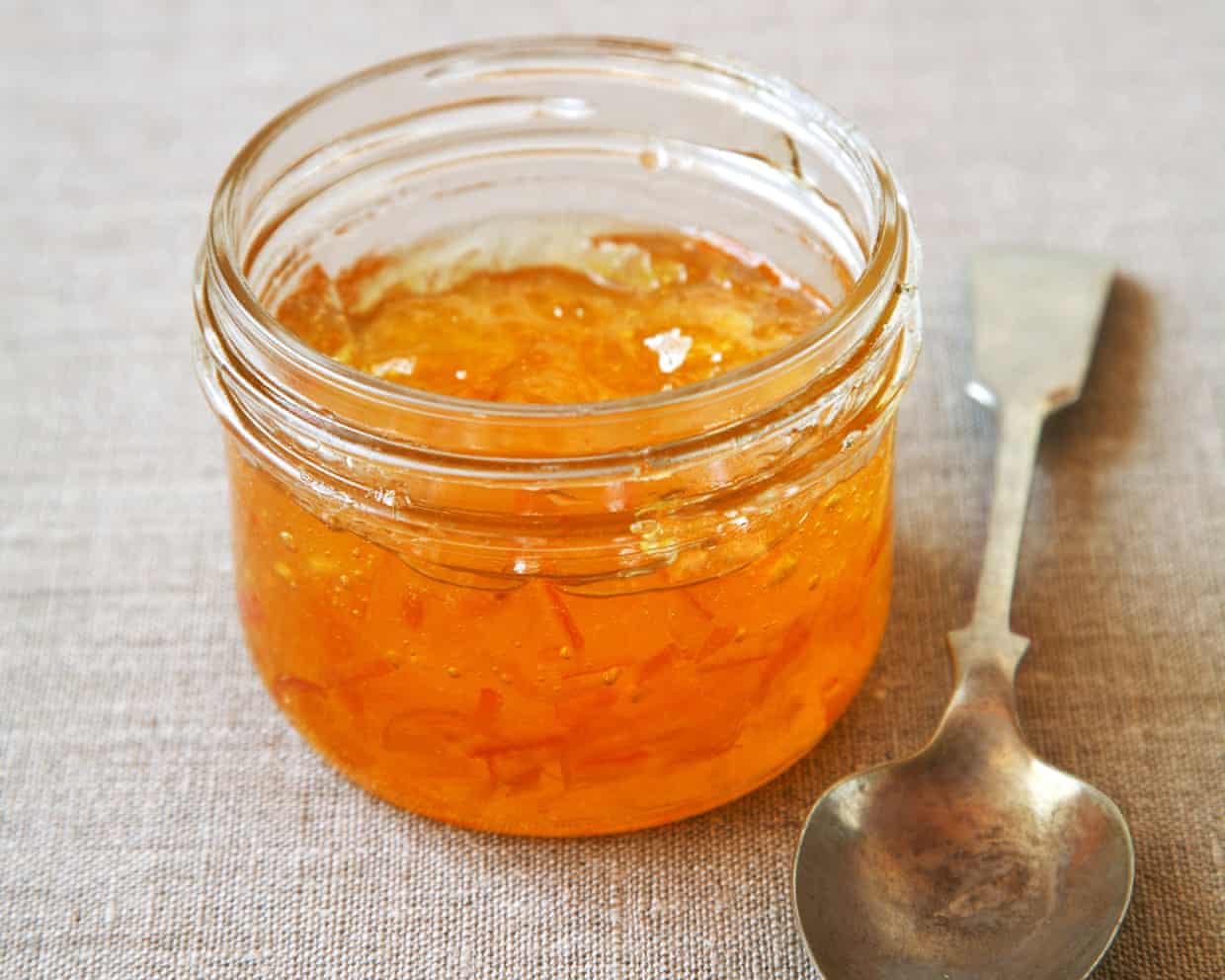
As a Portuguese-British citizen, I feel it is my duty to add to your explainer article (Keir Starmalade, anyone? Will marmalade really have to be rebranded in UK?, 4 April) and explain where the word marmalade originated from. Marmalade comes from the fruit marmelo (quince). And marmalade was and is quince jam in Portugal. This jam began to be exported to England at the end of the 15th century. Only in the 17th century did the English start to apply the word marmalade to orange jam
How to save limp herbs | Kitchen aide
What can I do with herbs that are past their best?Joe, by email Happily, Joe and his on-the-turn herbs aren’t short of options. “The obvious choice for hard herbs is to chuck them in a sandwich bag and freeze them for future stock-making,” says Alice Norman, founder of regenerative bakery Pinch in Suffolk. Alternatively, Sami Tamimi, author of Boustany, would be inclined to dry his excess herbs. In summer, he’d simply pop them on a tray and put them outside in the sun, but right now he “dries them in a 60-70C oven, then packs in containers, ready for the next time you’re short of fresh herbs”.Norman’s current MO is to blitz languishing herbs (“rosemary and/or thyme work best”) with a 3:4 ratio of fine salt

‘Before I can stop her, my daughter is licking crumbs from the table’: my search for the perfect kids’ menu
Chips, fish fingers, pizza … restaurant food for children is depressingly predictable. Are there more adventurous options? I took my four-year-old daughter on a month-long mission to find outWe’re heading out for dinner. Before I tell my four-year-old where we’re going, she has already announced that she’s going to have fish, chips and lots of ketchup. It sounds delicious; a classic. But there’s the irksome feeling that the intrepid impulses of childhood should be met with food that expands palates rather than feeding into the well-trodden path to a beige meal

Can’t face another mouthful of chicken? You’re probably coming down with the ick
Name: The chicken ick.Age: Chickens have been around since, well, eggs …Unless it’s the other way round. Whatever. The chicken ick, on the other hand, is new.And what is it, please? You know when you suddenly feel disgusted by the chicken you’re eating, possibly mid-bite, despite previously enjoying it?Er, not really, to be honest

Georgina Hayden’s quick and easy recipe for gochujang butter salmon | Quick and easy
The classic combination of soy sauce and honey salmon is a staple in our house, and works for kids and adults alike. However, sometimes I want to change things up, so here I’ve elevated it slightly with a gochujang dressing – similar principle, but with a bit of heat and depth, as well as richness from the butter. Using butter might seem unusual, but it is often paired with soy sauce in Japan (shoyu butter) with an indulgent result. Serve the fish over sticky rice, to soak up all those spicy, buttery juices, with steamed greens on the side.Prep 10 min Cook 25 min Serves 41 tbsp sesame oil 4 tbsp soy sauce 2 tsp gochujang paste 2 garlic cloves, peeled and finely grated4cm piece of ginger, peeled and finely grated½ tsp caster sugar 4 sustainably caught skin-on salmon fillets Sea salt and white pepper70g unsalted butter 150g bean sprouts Sticky rice, to serveA handful of roasted peanuts, roughly chopped10g coriander, leaves pickedHeat the oven to 220C (200C fan)/425F/gas 7

BA to reduce Middle East flights when services resume in July

Give all UK households a set amount of subsidised energy, says thinktank

Oil prices plunge and stocks jump after Trump announces conditional ceasefire with Iran

John Lewis boss’s pay rises to £1.2m as retailer cuts 3,300 jobs

Retail workers call for more security after Waitrose sacking for tackling shoplifter

Delta CEO braces flyers for higher fares amid surge in oil prices tied to Iran war