Who’s Afraid of Virginia Woolf? at 60: Elizabeth Taylor still crackles with feral energy

After a long day at work, we may not instinctively leap to films about toxic marriages and relationship breakdowns – but by God they can make good drama.Blue Valentine, The Squid and the Whale and A Separation are some of the great portraits of love turned septic.But perhaps greatest of all is Mike Nichols’ directorial debut – a sizzling adaptation of Edward Albee’s legendary Who’s Afraid of Virginia Woolf?, which arrived in 1966, four years after the play, and helped cement it in the zeitgeist.The film was nominated for every eligible Academy award and won five, including best actress for Elizabeth Taylor, who delivers a searing performance as the ferocious yet vulnerable Martha.It’s lost none of its gut-busting charge today and her brilliantly performed experience still crackles with emotional electricity.
The drama takes place over the course of one long booze and bile-filled evening between Martha and her husband, George, played by an equally astonishing Richard Burton,Watching him and Taylor go at it is a masterclass in screen acting – if not a bit unpleasant,It doesn’t take long for the principal characters to start sniping, and things get very nasty very quickly,Take, for example, their equivalent of pillow talk: lying in bed, Martha tells George “you’re going bald”, to which he responds “so are you” – and not in a gently ribbing way,When she tells him she can drink him under the table, he shoots back: “There isn’t an abomination award going that you haven’t won.
”Their dynamic in these early scenes is testy, even volcanic, but nothing compared with what’s coming when they’re joined later in the evening by a much younger married couple: Nick (George Segal) – who works in the same university as George – and Honey (Sandy Dennis).It’s perhaps not Martha and George’s finest hour, though it’s hard to imagine them as paragons of virtue even while sober.In fact, they’re living testaments to that old saying: “misery likes company”.These are not people who are prepared to drink by themselves or sit and stew; they want to share their pain and bring others down with them.There are only four characters, with one very interesting exception: Martha and George’s son, whose presence hangs over everything despite him never being named or seen – or even existing.
Early on, Martha mentions him to Honey, telling her that his 16th birthday is the following day.This upsets George, and we later realise that merely mentioning their son betrays a special pact between them.It’s famously revealed, deep into the runtime, that this son is a fiction shared between them: a protective shield, perhaps, distracting them from their loneliness and emotional seclusion.The meaning of this twist, though, is up for grabs, enabling all sorts of readings about the story’s metaphorical essence.The Guardian’s Michael Billington described it as being in part about “the stock American theme of truth and illusion”, arguing that Nichols’ film stamped the play “in the public mind as a liquor-fuelled marital slugfest”, pushing critical readings away from its commentaries about the state of America.
Maybe that was inevitable, given the immediacy of the film format compared with the very literal distance between the audience and the actors in stage productions.Nichols does indeed get right up in the characters’ faces.Sometimes the frame moves slowly, and sometimes in sharp and unexpected ways; sometimes the camera is fixed and sometimes it swings madly about.Always, the staging feels closely tuned to the performers, sometimes very uncomfortably so; you can practically smell the rancidness of their breath.Who’s Afraid of Virginia Woolf? is available to stream on HBO Max in Australia and available to rent in Australia, the UK and the US.
For more recommendations of what to stream in Australia, click here
Resident doctors in England to begin six-day strike after rejecting offer in pay dispute
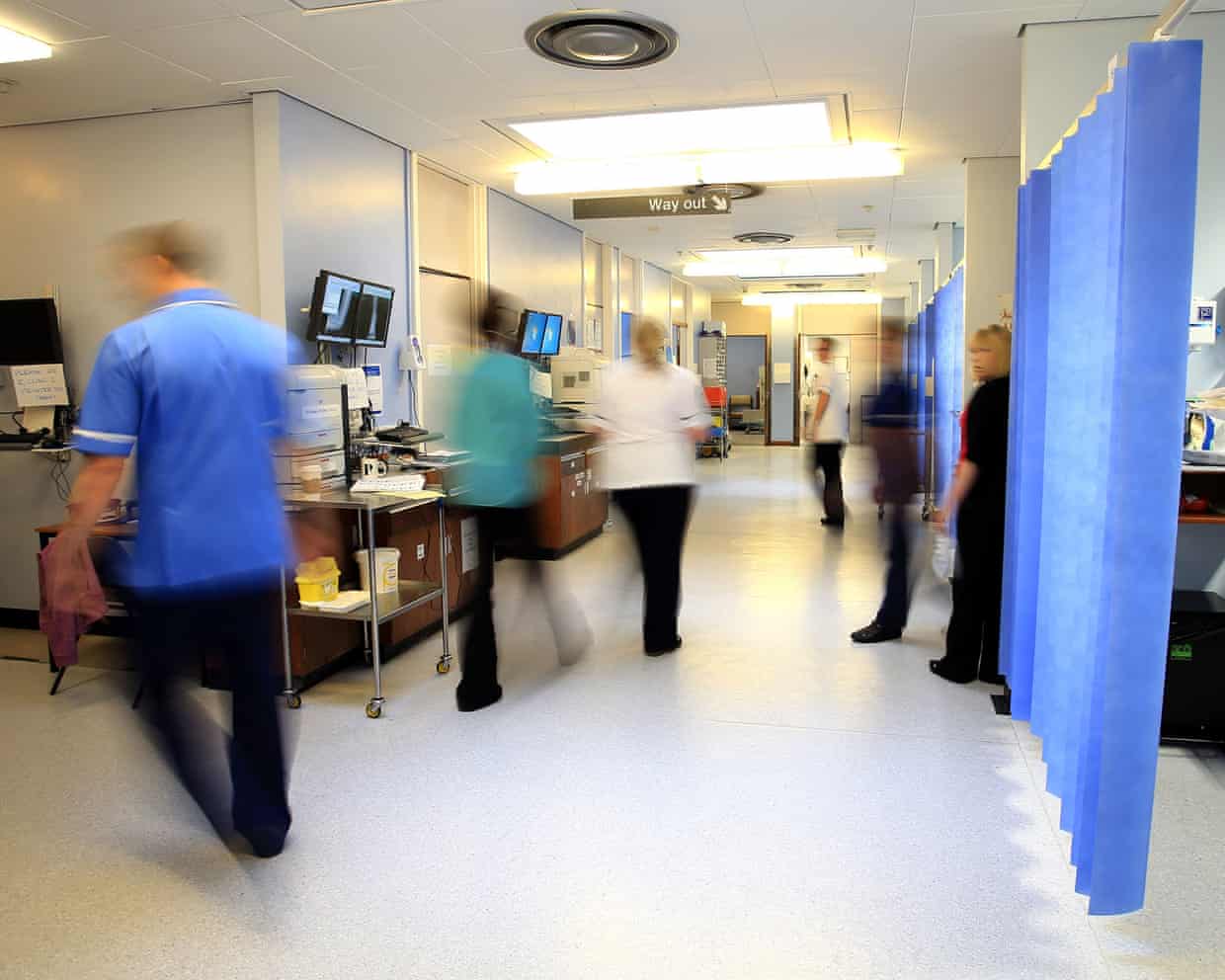
Resident doctors in England will strike for six days after Easter after rejecting what they said was the final offer by the health secretary, Wes Streeting, to end the long-running pay and jobs dispute.The British Medical Association blamed the government for its decision to undertake its longest stoppage so far, from 7am on Tuesday 7 April to 6.59 on Monday 13 April.This will be the 15th industrial action that resident doctors have staged in their campaign for “full pay restoration” and means they will strike for the fourth year running.NHS leaders warned the strike would cost the health service an estimated £300m, lead to appointments being cancelled, and force patients to wait longer for tests, treatment and surgery

Fifteen new councils to be created in south and east of England
Fifteen new councils will be created in the south and east of England under the latest round of a major local government overhaul, aimed at boosting economic growth and accelerating mass housebuilding plans.The new unitary councils will replace 43 counties and districts across Norfolk, Suffolk, Essex and Hampshire, with hundreds of councillors’ roles axed. A decision on future arrangements for East Sussex and West Sussex has been delayed.Ministers said the new councils, which will come on stream in 2028, will sweep away outdated administrative structures and enable local authorities to focus on government priorities such as building 1.5m new homes by 2029
Kent meningitis outbreak prompts rush for routine vaccinations in England
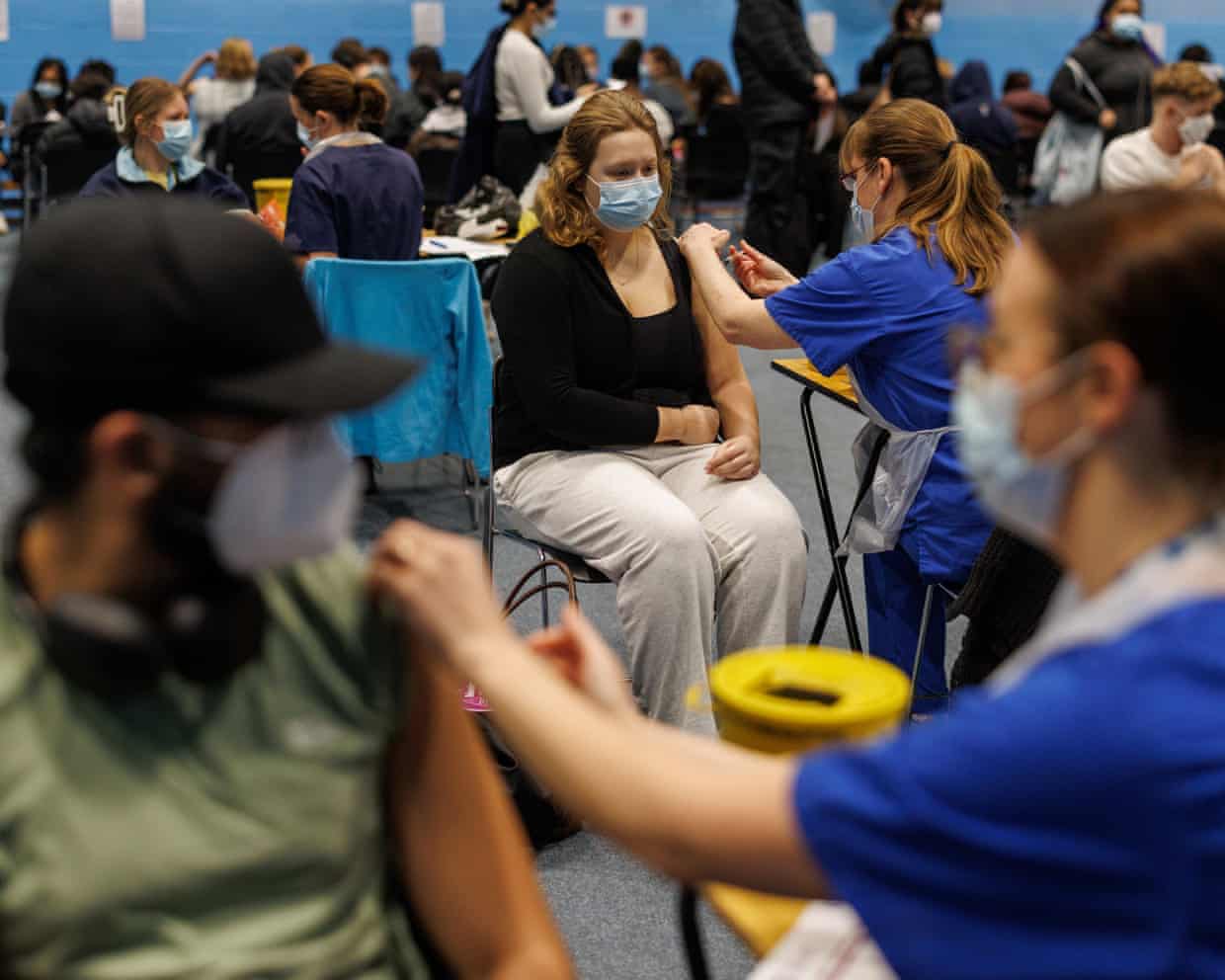
School immunisation services and pharmacies are reporting surging demand for routine vaccinations after the Kent meningitis outbreak in which two teenagers died.Thousands of teenagers across England have booked or received jabs in the past fortnight against the A, C, W and Y strains of meningitis (MenACWY), and diphtheria, polio and tetanus (Td/IPV).Experts said the increase in immunisation was a small silver lining to the meningitis B outbreak, which has also left 18 people in hospital. Latest figures show that only 72% of year 9 pupils received the MenACWY or booster Td/IPV inoculations in the 2024-25 academic year, well below the recommended 95%.The Royal College of GPs (RCGP) and the National Pharmacy Association (NPA) have reported burgeoning demand for routine year 9 inoculations across England

More frequent ejaculations may boost men’s fertility, research suggests
Encouraging men to have more frequent ejaculations may boost their fertility, according to researchers who found that sperm deteriorates over time as it remains in the body.The longer men went without sex, the more their sperm showed signs of DNA damage and oxidative stress, and the more tests rated the sperm as less viable and poorer swimmers.The work has implications for fertility clinics and suggests that if doctors want to collect the best quality sperm, men should probably not abstain from ejaculating for several days as guidelines suggest.“In men, the negative effects we found on sperm DNA damage and oxidative damage were large-ish, so we are confident that this is a biologically meaningful and important effect,” said Dr Krish Sanghvi, a biologist at the University of Oxford and lead author on the study.The findings emerged from a meta-analysis that combined 115 human studies involving nearly 55,000 men, and 56 studies that looked at the impact of sperm storage in 30 non-human species
Public satisfaction with the NHS rises for first time since 2019
Public satisfaction with the NHS has risen for the first time since 2019, but people remain deeply frustrated with stubbornly long waits to receive GP, A&E or hospital care.The proportion of voters in Great Britain satisfied with the way the NHS runs has increased from the record low of 21% seen last year to 26%. At the same time dissatisfaction with the health service fell 8% – the biggest drop since 1998 – although it remains high at 51%.Wes Streeting hailed the findings as proof that the NHS, which he said was “broken” when Labour won power in July 2024, was now “on the road to recovery”.The health secretary will cite them as evidence of progress in a speech on Wednesday in which he will set out plans to improve care at five badly performing health trusts

Polyurethane coating reduces implant complications after mastectomy, cancer study finds
Women with breast cancer who have reconstructive surgery after a mastectomy are much less likely to have complications if they have a polyurethane-coated implant, according to research.About 55,000 women are diagnosed with breast cancer in the UK every year, of whom about 30% have a mastectomy. Many of these will subsequently have radiotherapy.Many women opt to have reconstructive surgery. But hard, painful scar tissue can form around the implant, especially if they have had radiotherapy
Transgender women athletes banned from female events at Olympics by IOC

Why Max Verstappen gave me my marching orders from a press conference | Giles Richards

Rams star Puka Nacua sued over alleged antisemitic remark and biting incident
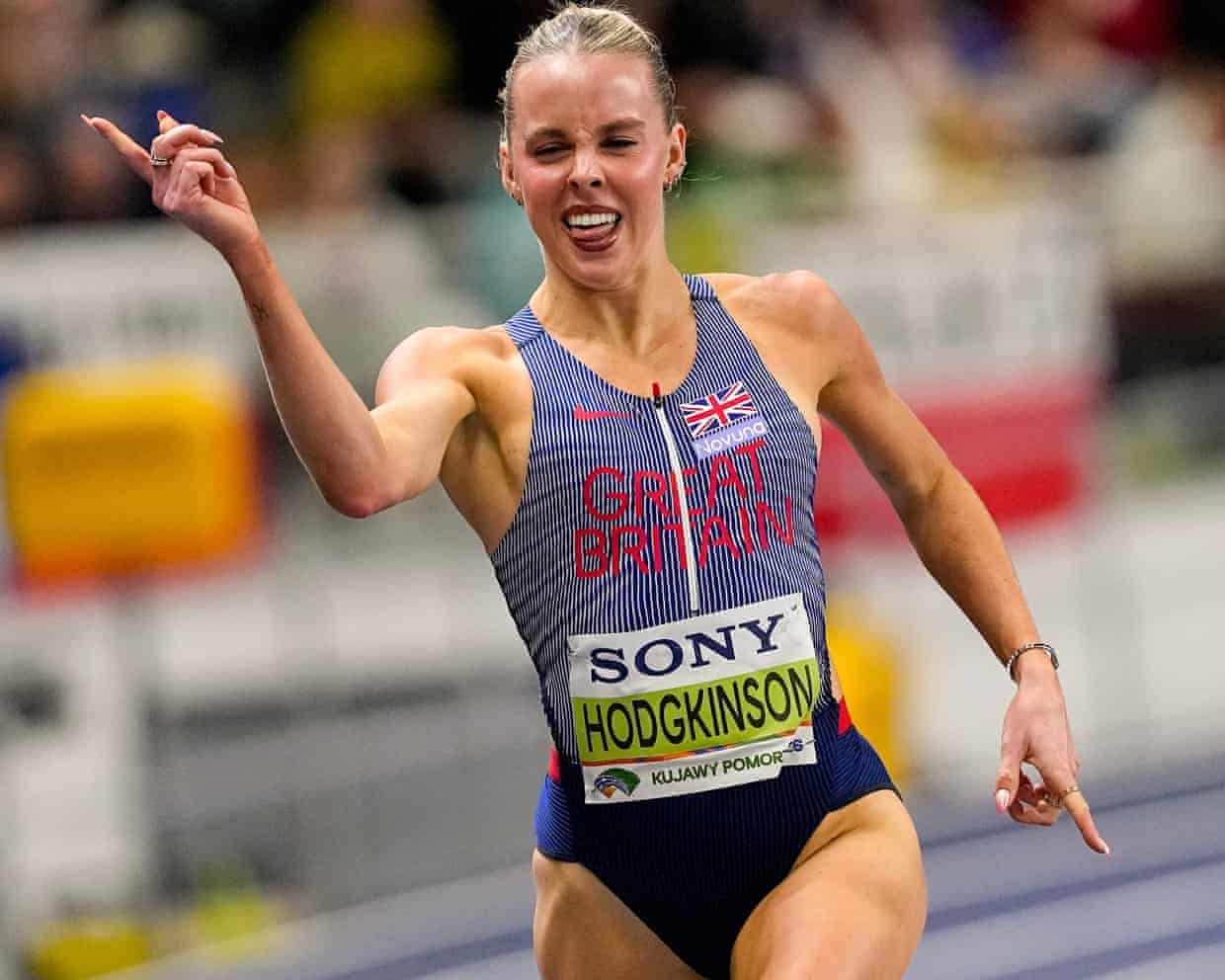
Keely Hodgkinson pokes fun at West Ham over world championships stadium dispute

The nerdy, authentic Oklahoma City Thunder are a breath of fresh air

MLB 2026 predictions: are the Dodgers inevitable? Maybe not …