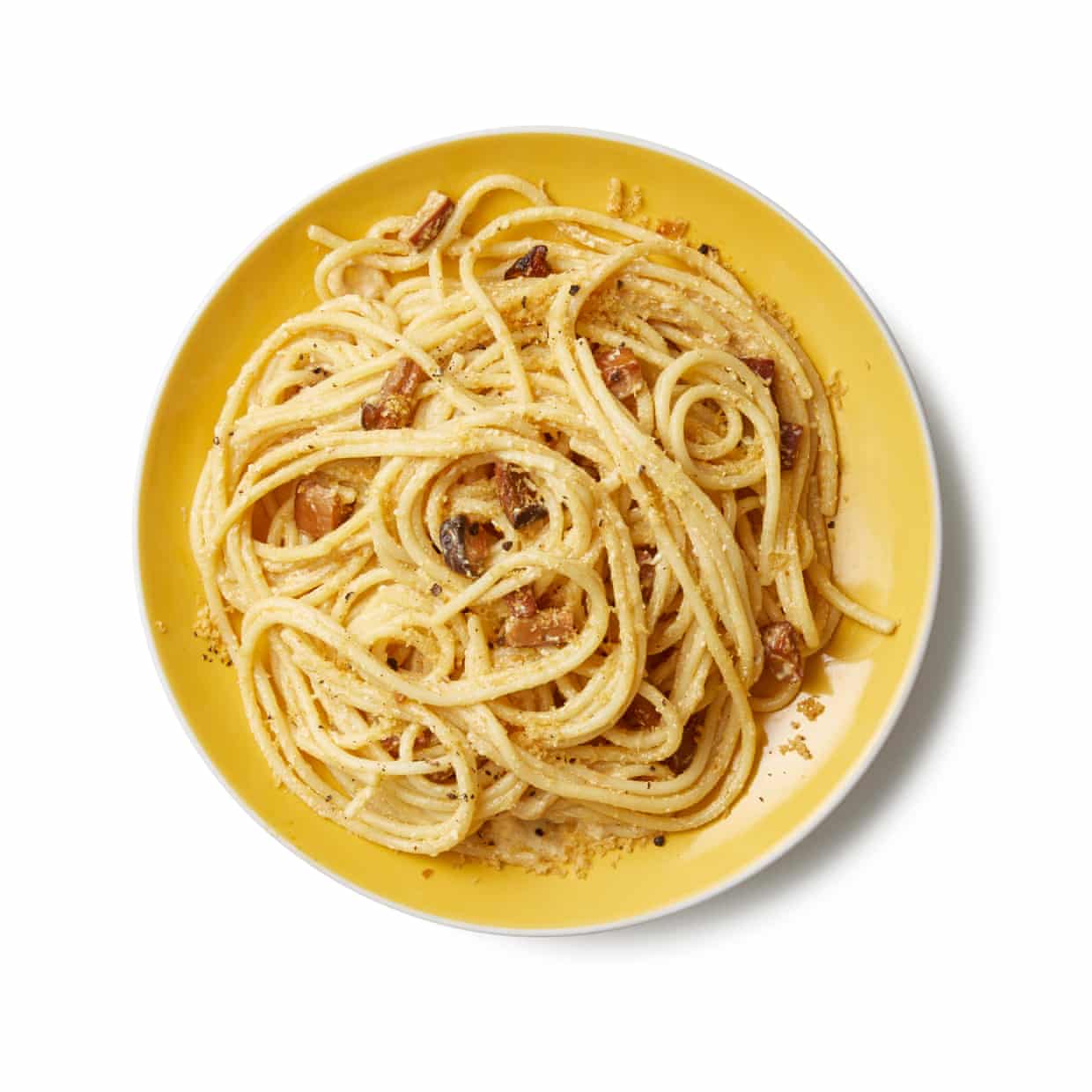
How do I get texture and that umami hit without meat? | Kitchen aide
I’ve recently given up eating pork, but I’m struggling to compensate for its umami. How can I recreate the taste and texture in, say, carbonara or my beloved chorizo dishes?James, by emailFor Joe Woodhouse, author of Weeknight Vegetarian, there’s just something about white beans: “Whether cooked from dried, then dropping chopped onion, garlic, sage and thyme into the broth, or just dumping a jar or tin into a pan with fried garlic and sage, the smell that fills the kitchen is like that of sausagemeat,” he says. “It tastes a bit like it, too – or at least the memory of it, bearing in mind I haven’t eaten the stuff for 30 years.”The quest for that umami savouriness could start with soy sauce, Woodhouse says (“or Slow Sauce’s oat shoyu”), while chef Mike Davies’ first port of call would be Totole’s Chinese mushroom seasoning powder: “It’s super-effective in replacing the richness and fattiness that comes from cooking with any meat, and especially pork,” says the chef-director of the Camberwell Arms, south London. “Honestly, it’s such a cheat-code ingredient
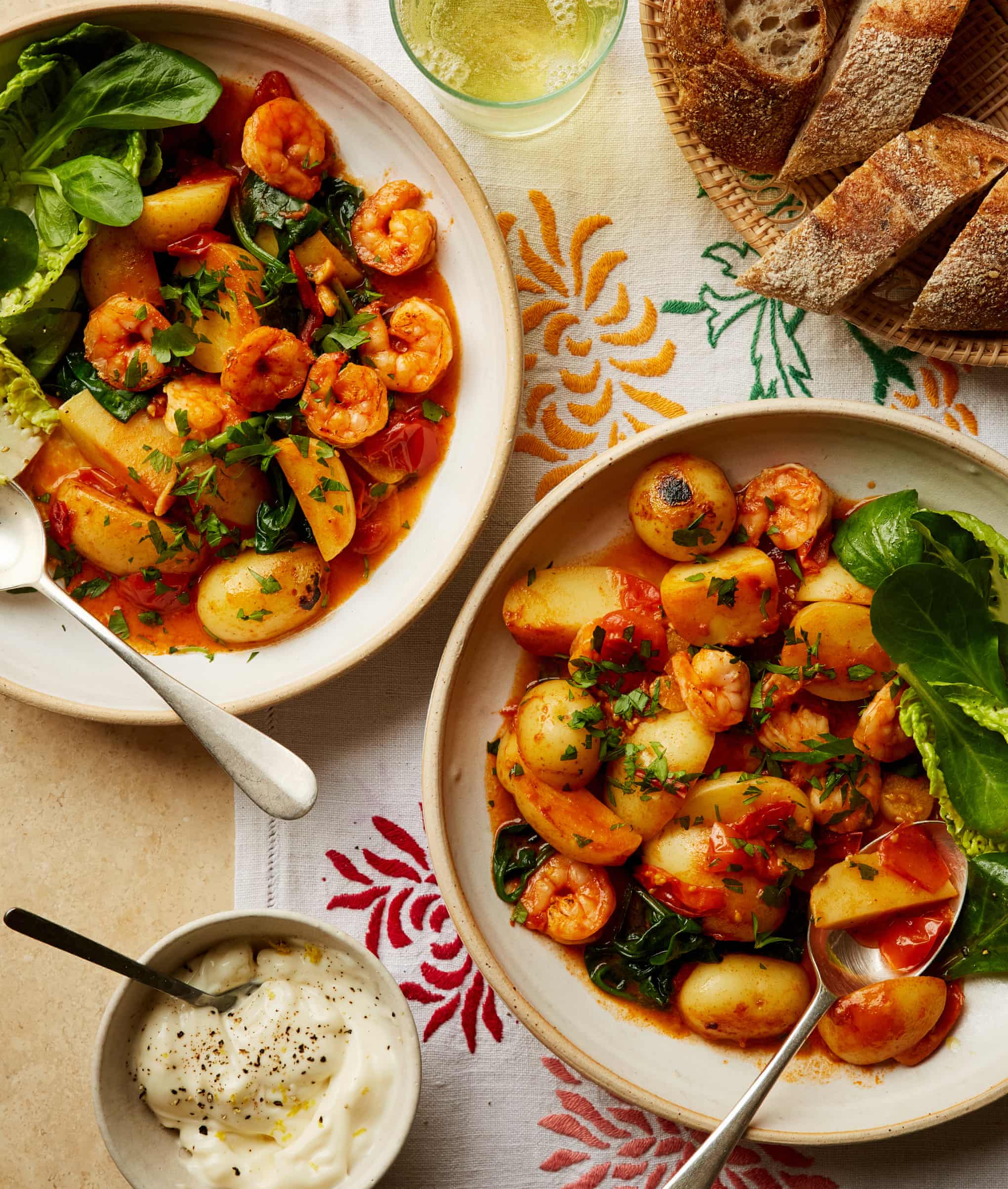
Georgina Hayden’s quick and easy recipe for smoky prawn, new potato and spinach stew | Quick and easy
This Spanish-style stew is a superb midweek dinner – it’s effortless but looks specialThis Spanish-inspired stew is a great weeknight dinner, particularly if you are having a few friends over, because it feels a bit special while actually being effortless and easy. If you want to take that effortlessness to the next level, make the potato base in advance, then finish off with the spinach and prawns just before serving (I like to do as little cooking as possible in front of guests, leaving me free to chat and pour drinks). Serve with a peppery, lemon-dressed salad on the side and hunks of crusty bread to mop up the juices.Prep 5 min Cook 35 min Serves 44 tbsp olive oil, plus extra for drizzling 5 garlic cloves, peeled, 4 finely sliced, 1 left whole½ tsp sweet smoked paprika ¼ tsp mild chilli powder 1 tbsp tomato puree 250g ripe tomatoes, choppedSea salt and black pepper 300ml fish stock 600g new potatoes, halved (or quartered if very large)1 lemon 150g baby spinach 350g peeled king prawns, deveined, if you like6 tbsp mayonnaise ½ bunch flat-leaf parsley, finely choppedPut a large, deep, ovenproof frying pan on a medium-low heat and drizzle in the olive oil. Add the sliced garlic, fry for a minute, then stir in the paprika, chilli powder and tomato puree
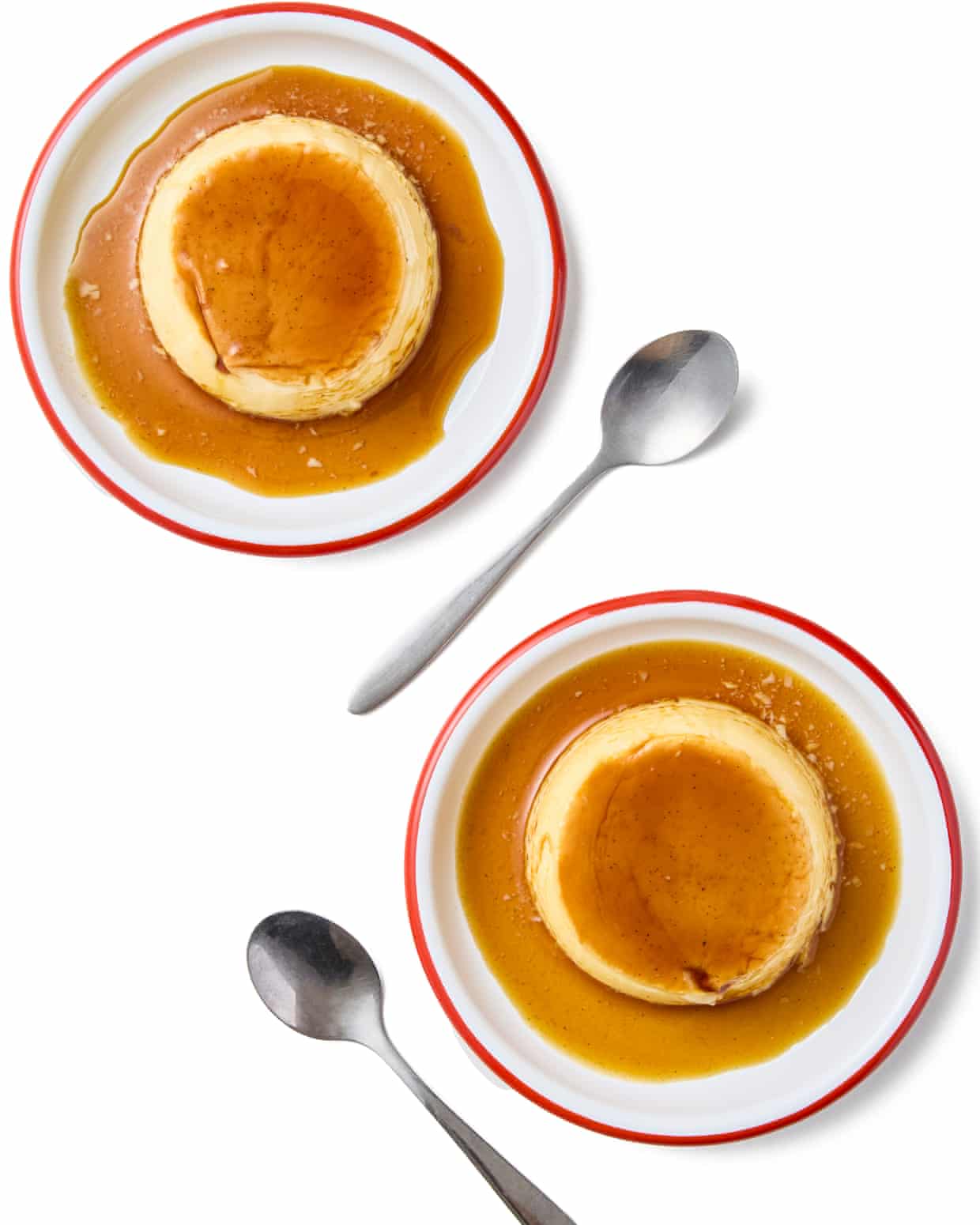
How to make creme caramel – recipe | Felicity Cloake's Masterclass
I don’t know why this classic French dessert isn’t more popular online, given how pleasant it is to watch a softly set custard jiggling seductively on screen, or to admire the way the light bounces off its glossy, caramel top. Worse still, it’s also increasingly hard to find on menus, too. Well, you know what they say: if you want something done well, do it yourself.Prep 15 min Cook 50 minCool 4 hr+ Makes 6For the custardSoft butter, or neutral oil (eg, sunflower, vegetable or groundnut), for greasing500ml whole milk (see step 2)1 vanilla pod, or 1 tsp vanilla extract 2 whole eggs 100g caster sugar 4 egg yolksFor the caramel60g caster sugar 40g soft dark brown sugar (see step 3)1 pinch saltLightly grease six dariole moulds, small pudding bowls or smooth-sided ramekins.Arrange these on a baking tray or shallow tin, preferably one just large enough to hold them all without too much room around the edge, and put it within easy reach of the hob

Making a splash: demand for raw and ‘brewed’ milk growing in UK
Farmers and delivery firms launch new options for those seeking alternative to traditionally pasteurised productRaw milk has long been popular, as well as controversial, in the US. While health authorities warn it can carry harmful bacteria, supporters argue it is more natural, and it has also become tied to anti-government and “natural living” movements.In the UK, it is now gaining popularity, particularly among younger consumers, farmers say, as a less processed option, with new products launching to meet demand.Raw milk comes straight from the cow (or sheep or goat) and has not been pasteurised, the process of heating liquids to eliminate harmful pathogens and make them safe to drink.Because it does not undergo this heat treatment, the Food Standards Agency warns that raw milk can cause food poisoning, posing particular risks to pregnant women, young children and people with weakened immune systems

Holy Carrot, London E1: ‘As good as plant-based dining gets’ – restaurant review | Grace Dent on restaurants
This place is about so much more than just a portobello mushroom in a white bap masquerading as dinnerHoly Carrot has, cough, taken root in Spitalfields, east London. It’s the second sprouting from this plant-based restaurant with a name that’s especially hard to sell to meat-loving friends. “Please come with me to a vegan restaurant,” one might say. “It’s not one of those pious places, honest! Oh, um, the name? Holy Carrot.” In fairness, though, it’s generally tricky to cajole meaty people to venture anywhere vegan or even vegetarian, because there’s always a sense that your steak addict acquaintance is enduring their meal “as an experiment”, and despite quite charitably being “willing to be convinced”
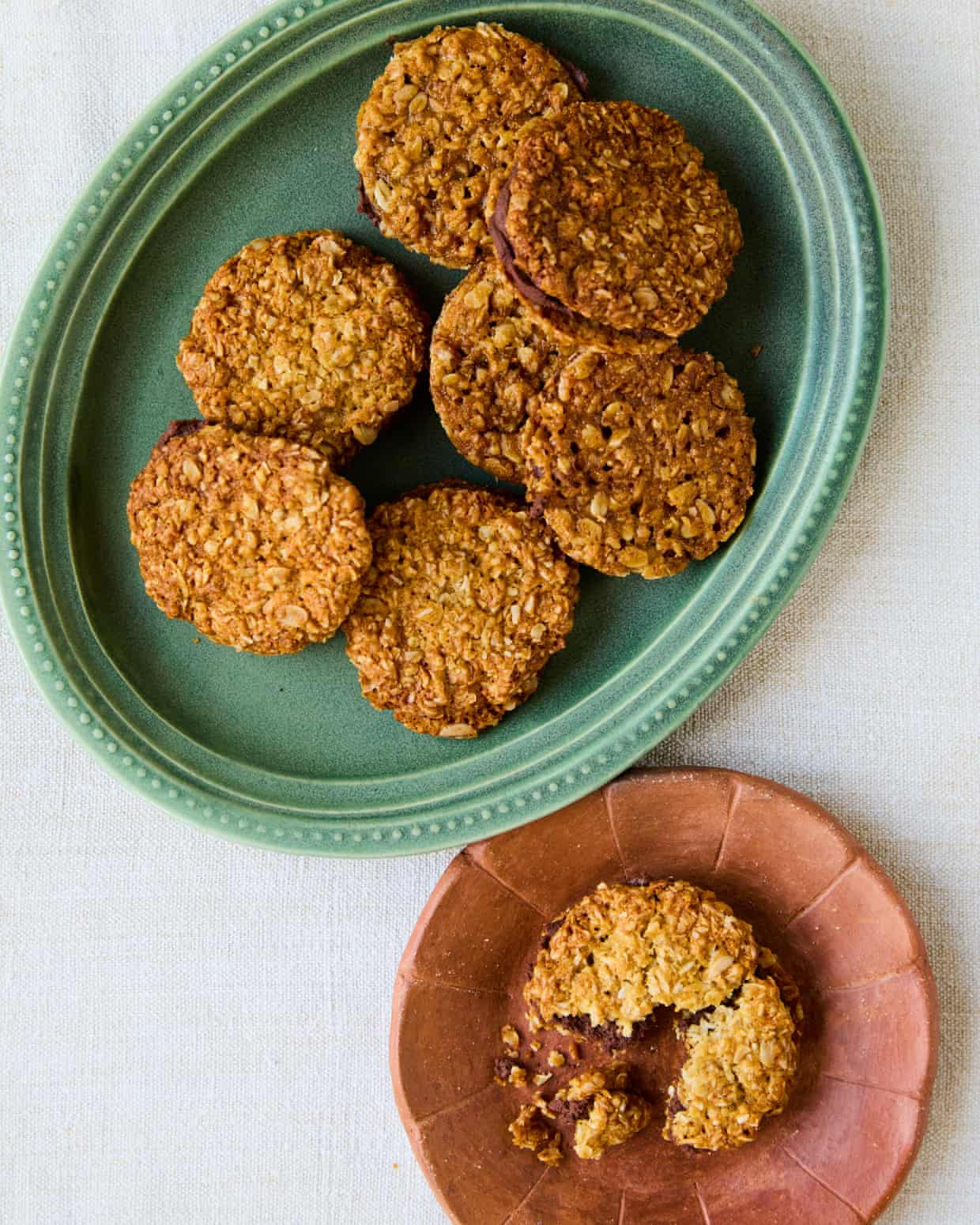
Helen Goh’s recipe for Anzac sandwich biscuits with dark chocolate filling | The sweet spot
Anzac biscuits are closely associated with Anzac Day on 25 April, which commemorates the members of the Australian and New Zealand Army Corps who served in the first world war. Made with oats, coconut and golden syrup, the biscuits are said to have been popular because they travelled well and kept for long periods, making them suitable for sending to forces overseas. My version here, a slightly less austere take on the classic, sandwiches two small biscuits with a lightly salted, olive oil-enriched dark chocolate ganache. The result is crisp at the edges, soft within and not too sweet.Prep 5 min Cook 35 min, plus cooling Makes 12 sFor the biscuits 90g rolled oats 45g plain flour 40g light brown sugar 30g caster sugar 40g desiccated coconut 80g unsalted butter 40g golden syrup ½ tsp bicarbonate of soda ¼ tsp fine sea saltFor the ganache110g dark chocolate (60-70% cocoa solids), chopped60ml single cream 2 tsp olive oil ¼ tsp flaky sea saltPut the oats, flour, sugars and coconut in a medium bowl and whisk to combine

Lewis Moody ‘picking up baton’ left by Doddie Weir with MND fundraising cycle ride

South Africa struggling to secure UK TV deal to screen England Test series

‘Tennis is about being fluid’: how Iga Swiatek is drawing on her time with Rafael Nadal to regain No 1 spot

‘Two are stronger than one’: Boston Marathon duo praised for helping struggling runner cross finish line

London Marathon organisers believe two-day event could bring £400m economic boost

Ryder Cup tickets hit record Europe high at £434 a day in Ireland next year