Vanessa’s a pillar of the hiking community | Brief letters
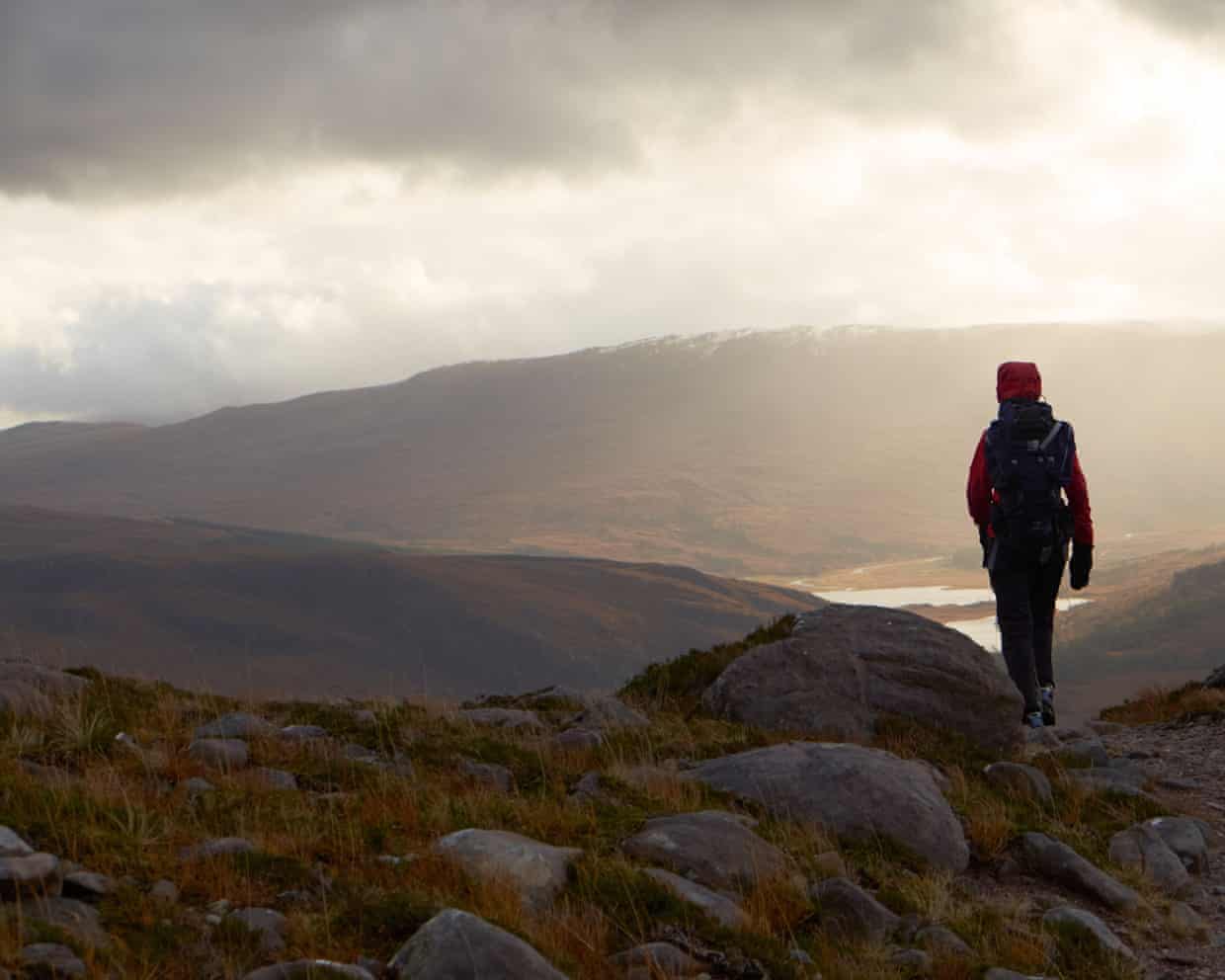
Your report (Campaigners seek listed status for historic trig points that mapped Britain, 16 April) didn’t mention the Vanessa trig point – Vanessa being a corruption of the Venesta company, which made cardboard tubes into which the concrete for the pillars was poured.These were designed for less accessible places, mostly in the Scottish Highlands and Islands.I was never less than half exhausted when I met one.Margaret SquiresSt Andrews, FifeThe Guardian’s journalism is independent.We will earn a commission if you buy something through an affiliate link.
Learn more.Who knew Yes Minister was a documentary (Letters, 19 April)? My friend Graham Fortune did.He was a New Zealand public servant and diplomat.On their first day working for the public service, he would tell new recruits to watch the programme as an essential part of their training.Penelope HornerWhitchurch, Hampshire If my memory is correct, while I was serving in the Royal Navy in the 1960s, the sheets of Izal toilet paper (Letters, 17 April) provided had “HM Government Only” printed on them.
I remember being delighted at being to wipe my bum on the government.Gareth DaviesEllington, Northumberland It was good to see a flyer for environmentally friendly loo roll falling out of my Guardian last Friday – only slightly undermined by there being three copies of it.Steven BurkemanYork There are 15,481 people for each public toilet in England (Report, 20 April)? With my prostate playing up these days, I just hope that they tolerate queue-jumpers.Prof Gareth WilliamsRockhampton, Gloucestershire Have an opinion on anything you’ve read in the Guardian today? Please email us your letter and it will be considered for publication in our letters section.
Tui cuts profit forecast as effects of Iran war cost travel group €40m
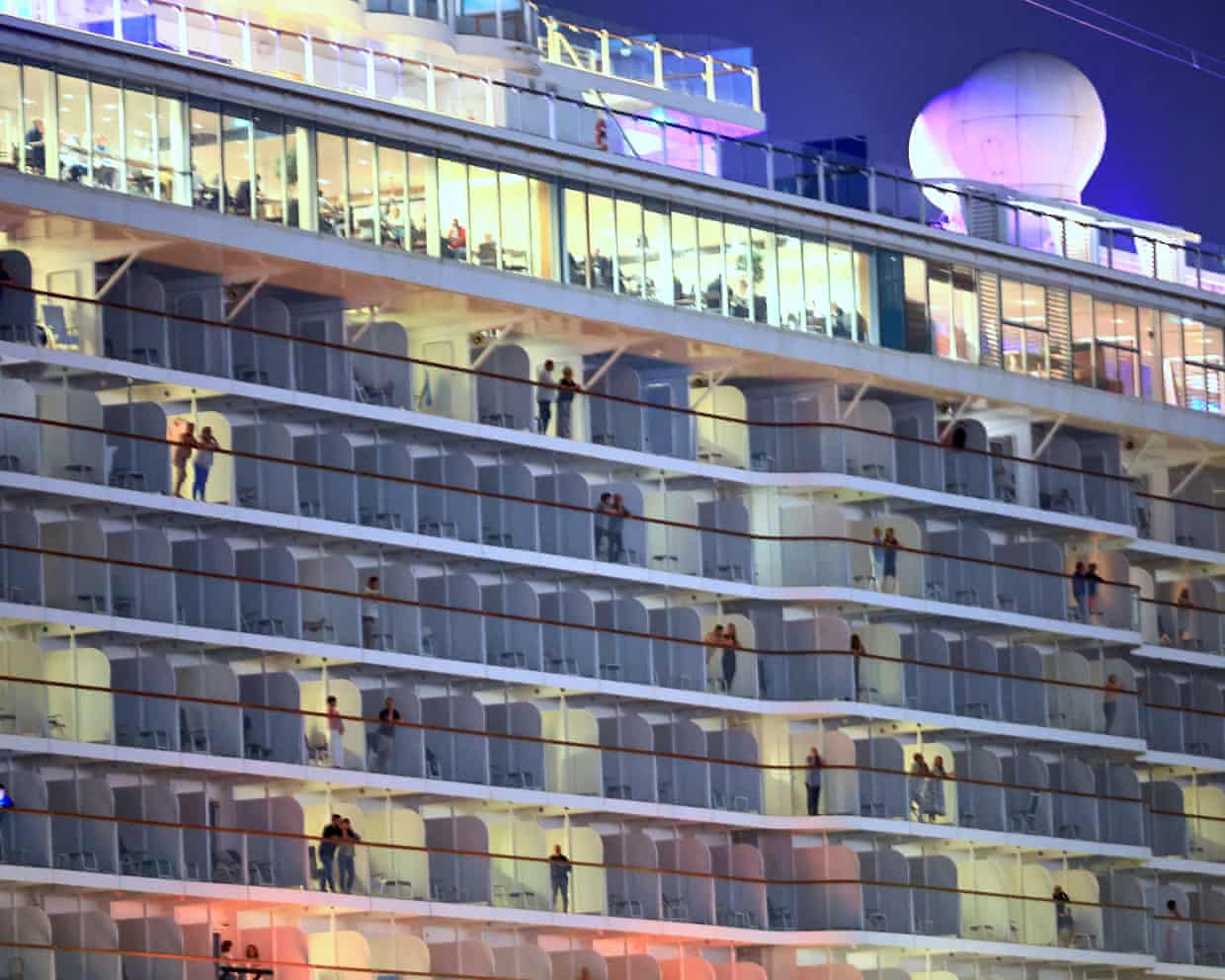
The Iran war has cost the travel company Tui €40m (£34.7m) so far, including repatriating almost 12,000 holidaymakers and staff, and forced it to cut its profit forecast for this year.Europe’s biggest holiday operator said it had taken the hit in March owing to the impact of the conflict in the Middle East, as it was forced to bring home 5,000 guests from two cruise ships anchored in ports in Abu Dhabi and Doha.A further 5,000 European holidaymakers were also repatriated from destinations in the region, with Tui saying its operations in Turkey, Cyprus and Egypt were particularly badly affected.In addition, the company returned 1,500 crew members from the ships, which were able to escape through the strait of Hormuz “during a pause in hostilities” on Sunday, and will commence their summer season itineraries in the Mediterranean from the middle of next month
UK inflation rises to 3.3% amid biggest jump in fuel prices in more than three years
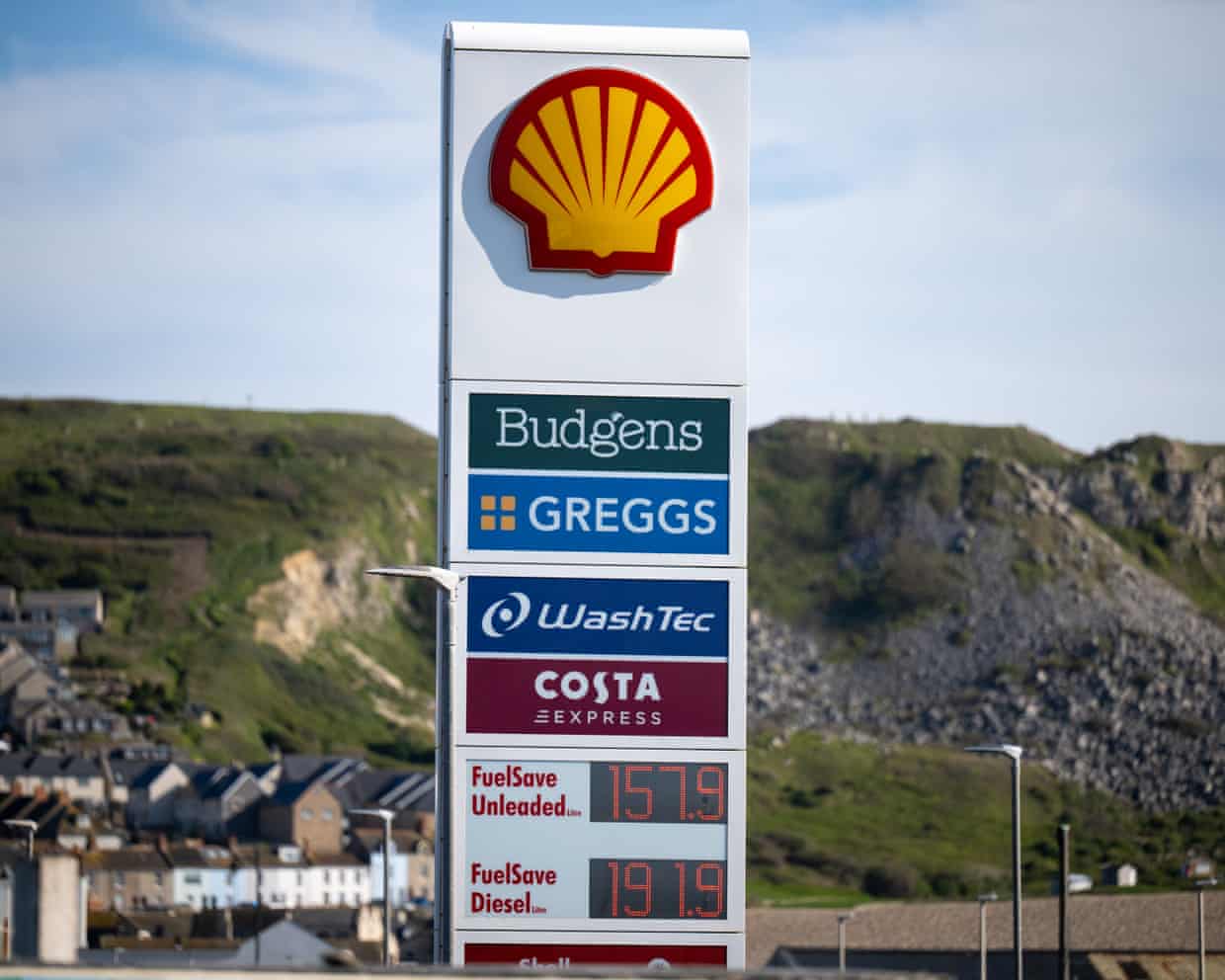
UK inflation accelerated to 3.3% in March after the Iran war triggered the biggest jump in fuel prices for more than three years.In the first official snapshot of the damage to living standards in Britain from the US-Israeli war on Iran, the Office for National Statistics (ONS) said the consumer prices index increased last month from a rate of 3% in February. The rise matched the forecasts by City economists.Grant Fitzner, the ONS chief economist, said: “Inflation climbed in March, largely due to increased fuel prices … Air fares were another upward driver this month, alongside rising food prices
UK firms to face tougher checks on export licences to bolster sanctions on Russia
British firms will face “much tougher” controls to prevent their goods from reaching Russia via other countries, undermining sanctions and aiding Vladimir Putin’s assault on Ukraine.Under plans to be unveiled on Wednesday, the government will be able to require UK manufacturers to obtain a licence if they want to export to a country suspected of acting as a staging post for exports ultimately destined for Russia.It comes after the business minister, Chris Bryant, ordered a review of a decision to allow UK carbon fibre equipment to be exported to an Armenian firm with links to Russia’s war machine, after reporting by the Guardian.Liam Byrne MP, chair of the business select committee, had written to Bryant raising concerns about the planned export of machinery that can be used in the production of military hardware such as drones and missiles.In a subsequent evidence session with Byrne’s committee, Bryant said the government was planning to strengthen export licensing laws to plug gaps in export controls

Why Trump’s pick for Fed chair will not bring home the bank for the president
Donald Trump’s fate is to be frustrated by monetary policy.Even assuming he gets his way and Kevin Warsh succeeds Jerome Powell as chair of the Federal Reserve next month, it is unlikely that the president will finally gain control of the Fed.Trump has called Warsh a “central casting” choice for the Fed. And he certainly looks like Trump’s man. His monetary thinking seems blatantly partisan
City watchdog faces legal action over £9.1bn compensation scheme for car loan victims
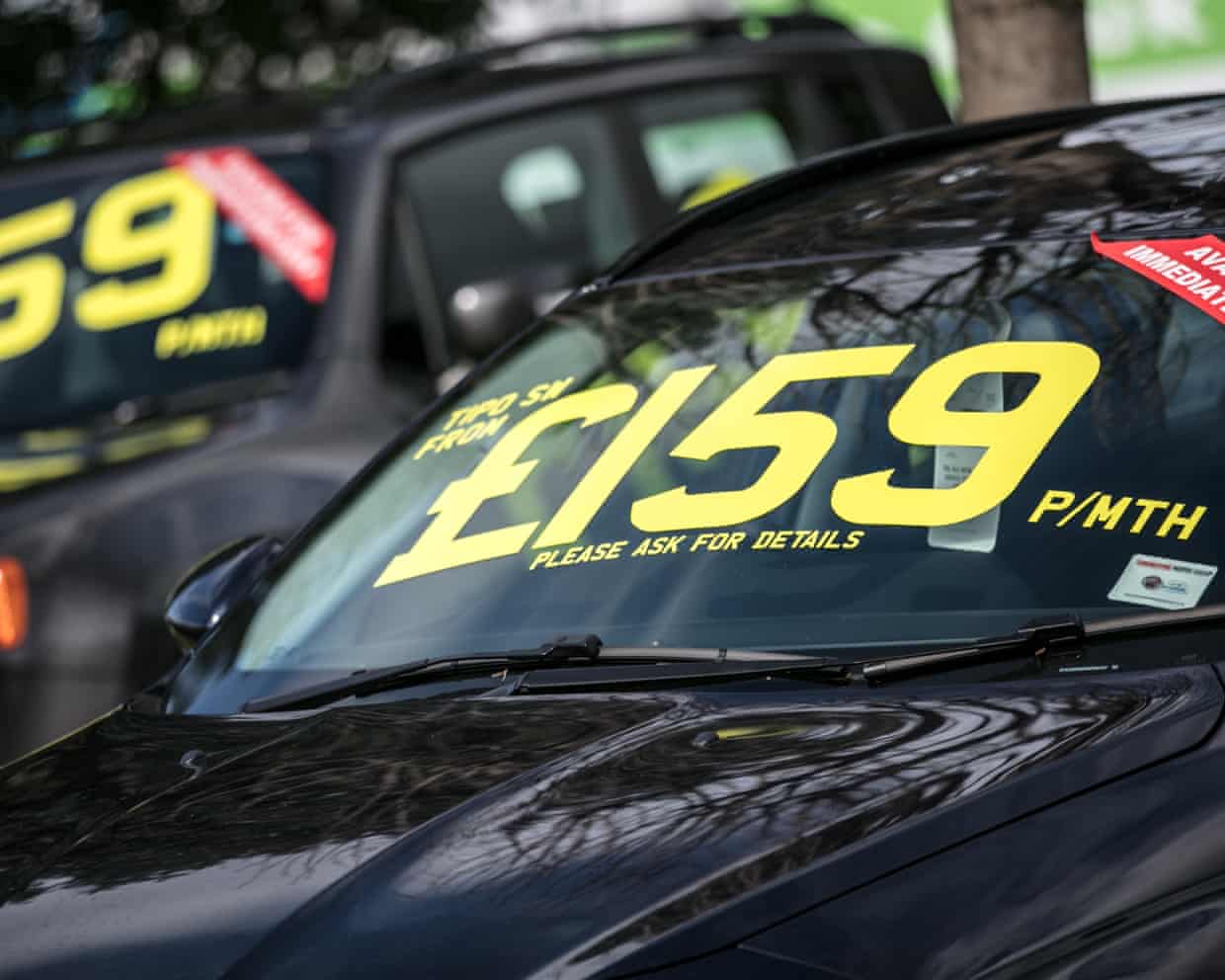
A consumer group is preparing to take the City watchdog to court in the hope of overhauling a £9.1bn compensation scheme that it claims massively shortchanges victims of the UK car loan scandal.Lawyers working for Consumer Voice have written to the Financial Conduct Authority (FCA), notifying them that they intend to challenge the redress programme in order to protect drivers’ interests, according to sources familiar with the group’s plans.It will dash the regulator’s hopes of drawing a line under the motor finance scandal, in which drivers were overcharged for loans as a result of commission payments between lenders and car dealers between 2007 and 2024.The challenge would mean hauling the FCA to the upper tribunal, where a judge would be asked to review the merits of the long-awaited compensation programme
Takeaway coffee sales plunge as fuel and living costs dent Australian spending. Is the economy next?
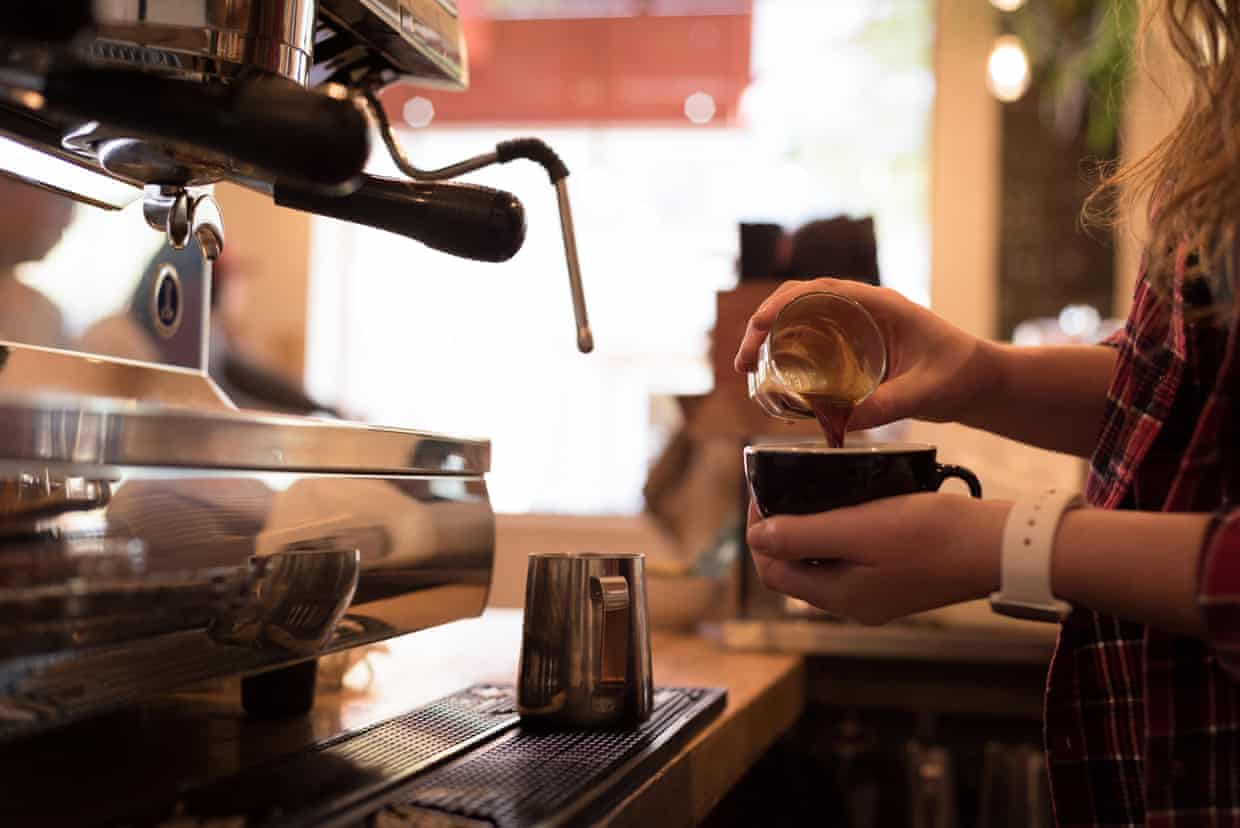
For many coffee drinkers, takeaway orders are changing from a habitual purchase to an occasional treat, as elevated petrol prices and other living costs leave households feeling glum.This rapid shift in behaviour has disappointed cafe owners and surprised economists, raising an uneasy question: if takeaway coffee sales are falling, is the economy next?Changes in coffee purchases are an early indicator of consumer attitudes because Australians are generally unwilling to give up their daily habit until absolutely necessary.National Australia Bank research shows that more than 50% of consumers are cutting back on treats such as coffee and snacks, which the bank says are usually among the most resilient purchases.While the trend has been in place for a few months, it accelerated quickly when petrol prices ignited in March due to the Iran conflict.“We are hearing from cafes and restaurants around the country that they’ve seen a slowdown in what patrons are purchasing,” says Wes Lambert, chief executive of the Australian Restaurant & Cafe Association
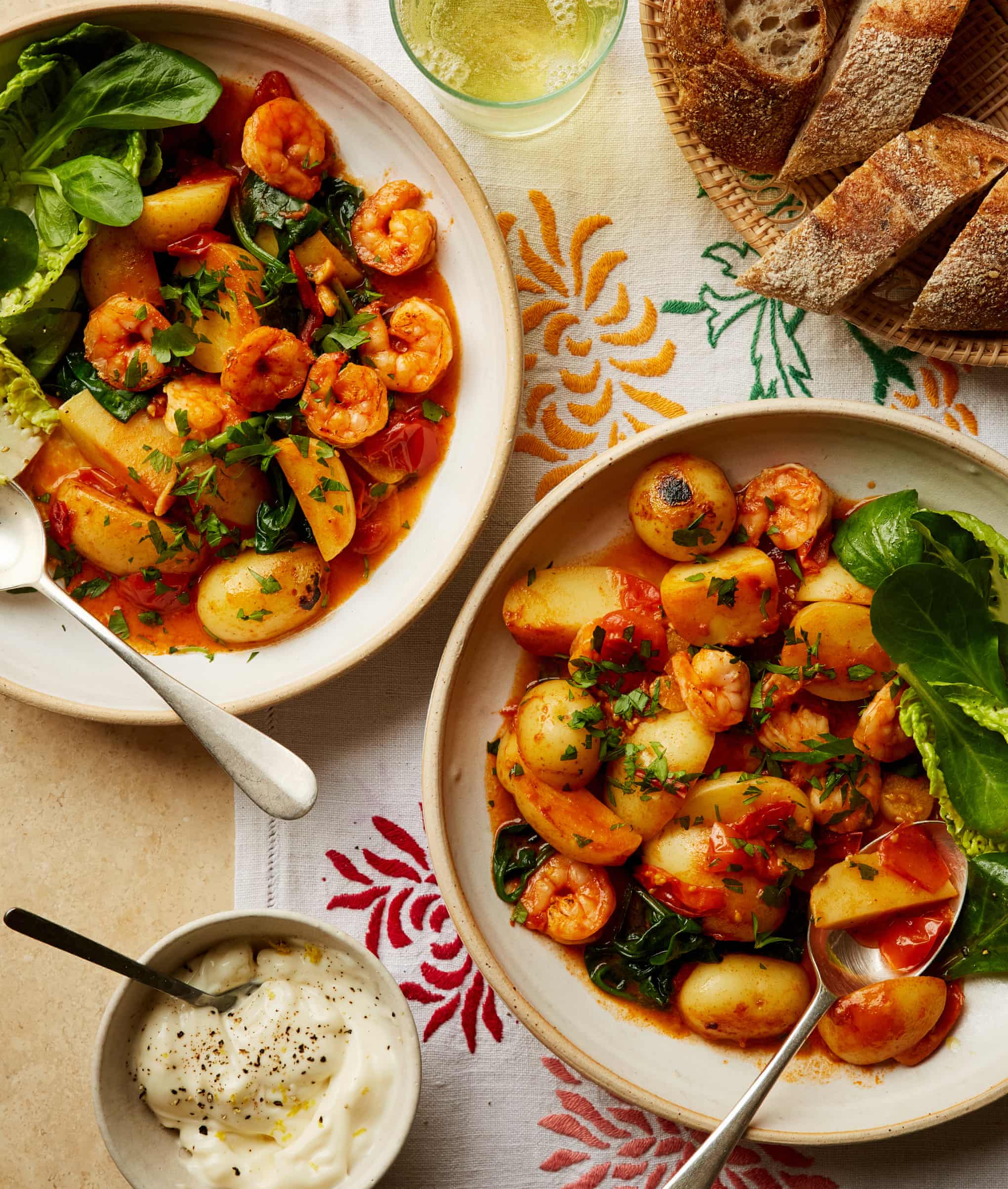
Georgina Hayden’s quick and easy recipe for smoky prawn, new potato and spinach stew | Quick and easy

How to make creme caramel – recipe | Felicity Cloake's Masterclass
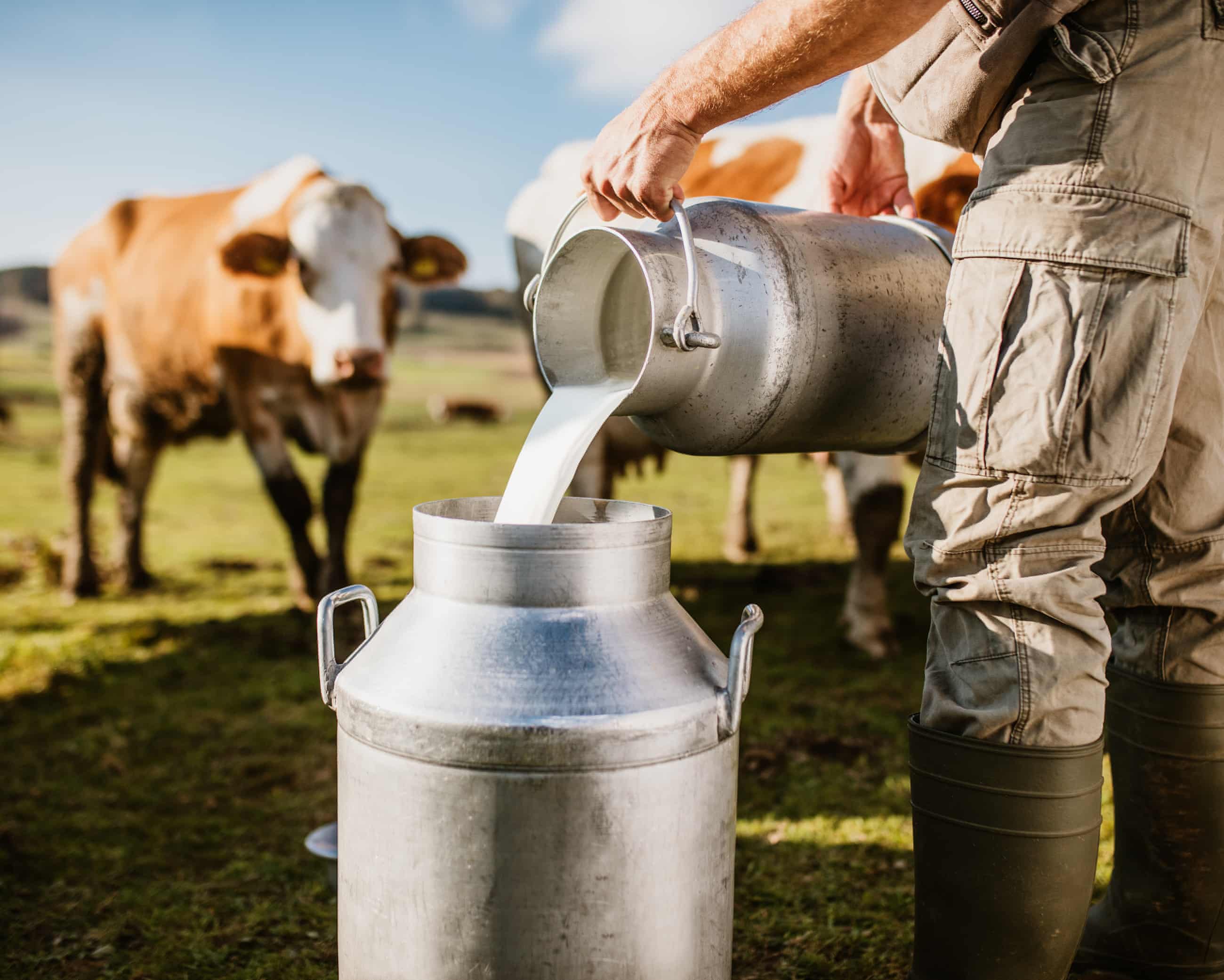
Making a splash: demand for raw and ‘brewed’ milk growing in UK
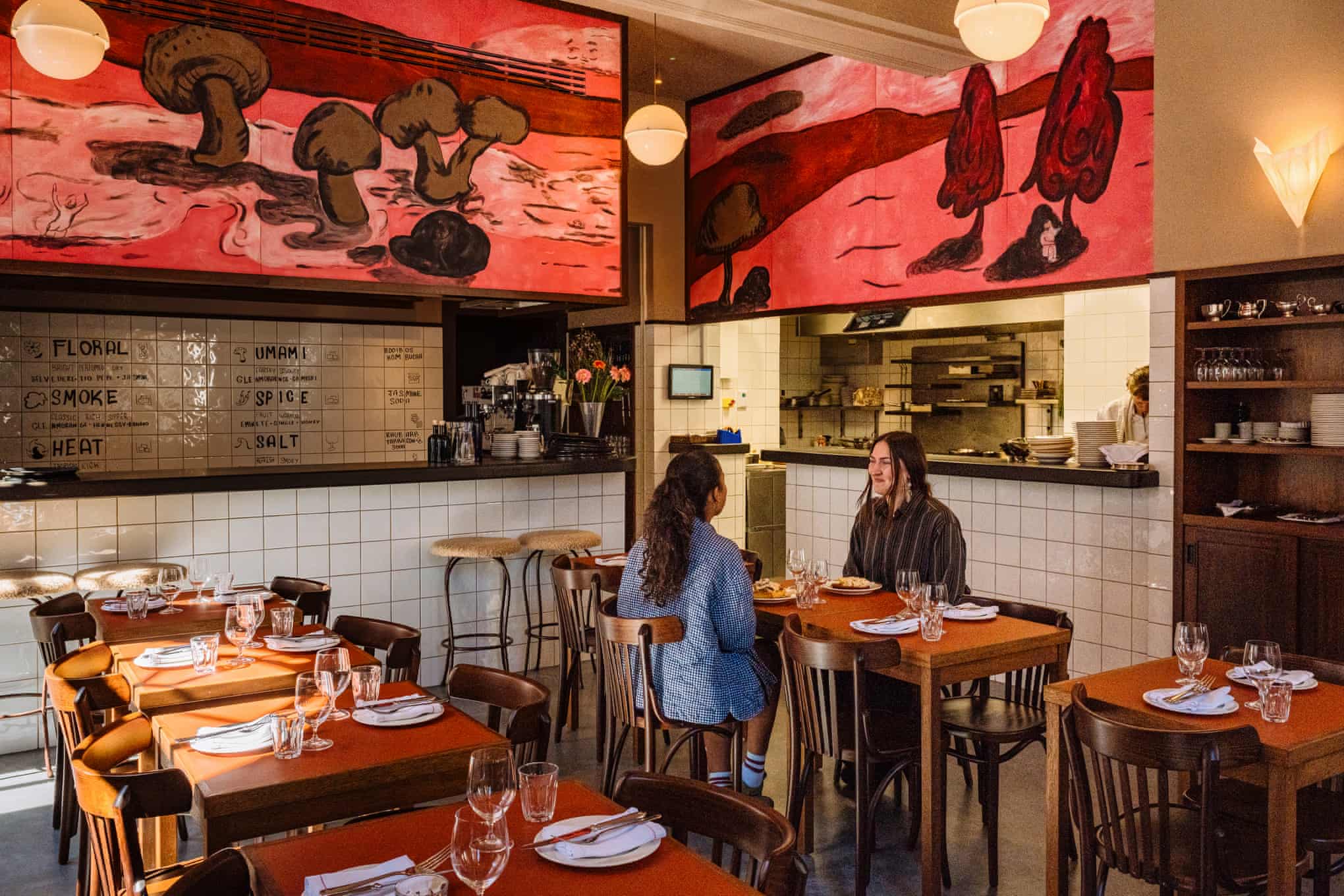
Holy Carrot, London E1: ‘As good as plant-based dining gets’ – restaurant review | Grace Dent on restaurants
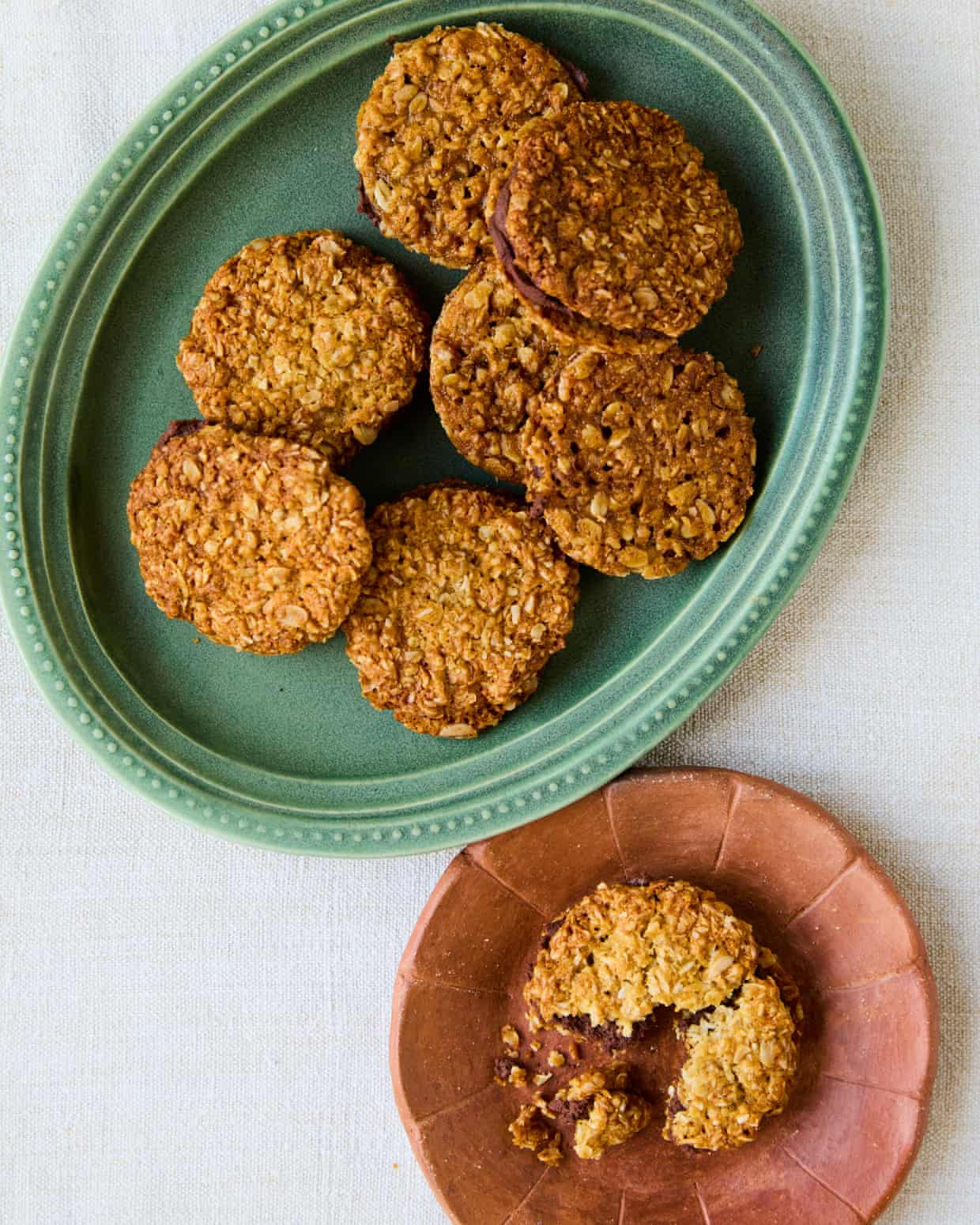
Helen Goh’s recipe for Anzac sandwich biscuits with dark chocolate filling | The sweet spot

Just the tonic: why it’s more than a mixer