‘An Arab in a post-9/11 world’: Khalid Abdalla’s one-man play about belonging comes to Australia
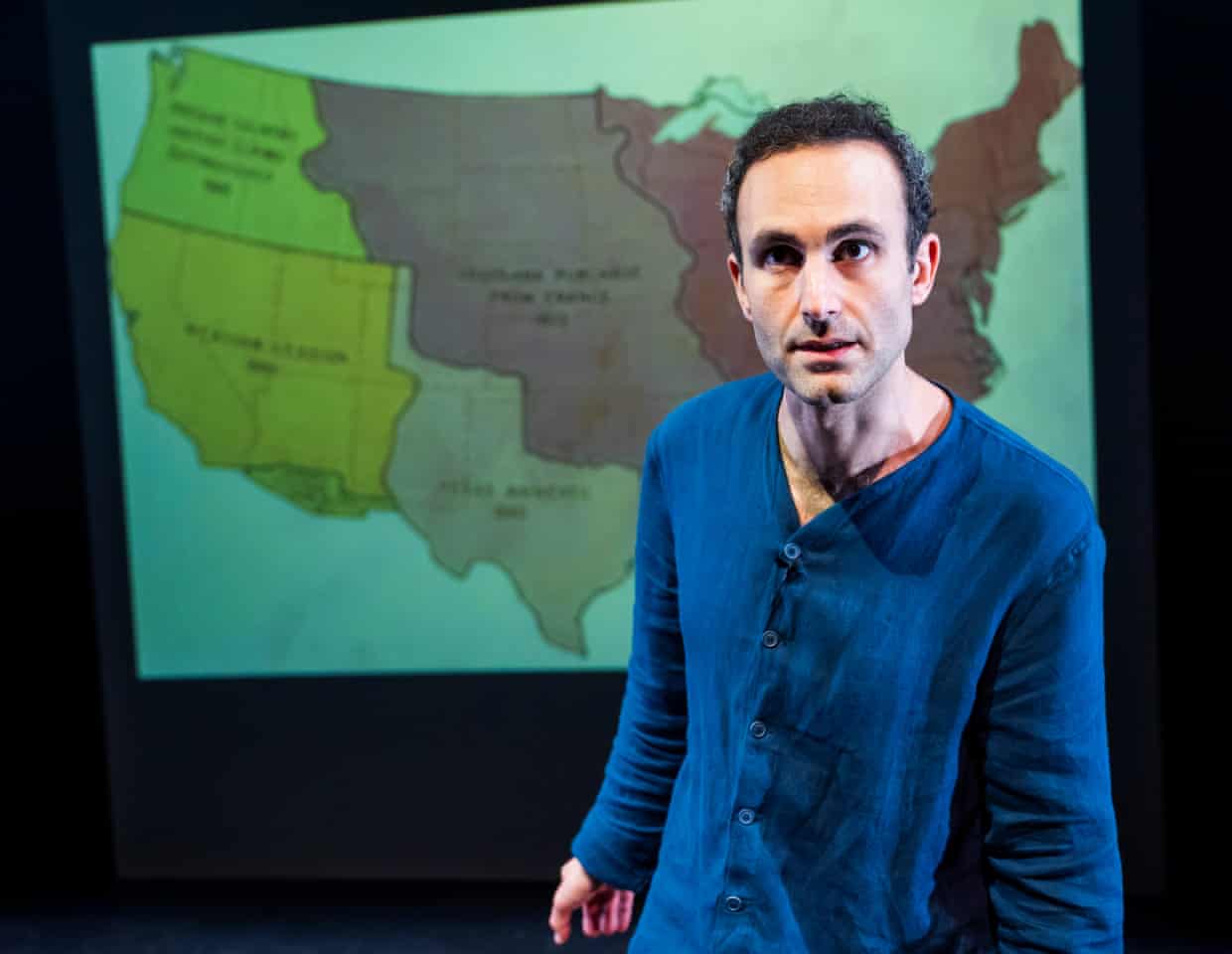
When British-Egyptian actor Khalid Abdalla farewelled the hit series The Crown and his character, Dodi Fayed, he knew he was saying goodbye to a role with a depth and significance well beyond merely a love interest for Princess Diana.“Dodi is one of the first Arab characters I can think of in the history of [western] film that you get to know and love, not fear,” says Abdalla, seated in his London home two years after the series ended.“And so, when he dies, you mourn him.”Glasgow-born Abdalla, 45, whose father and grandfather were leftist political dissidents in Egypt, well understood the cultural significance of fleshing out the character of Alexandria-born Fayed beyond the playboy of legend.He was also acutely aware of the political moment in which his portrayal was being presented.
Walking the red carpet in London when the final episodes of The Crown premiered in December 2023, just two months after the 7 October attack by Hamas that triggered Israel’s war on Gaza, Abdalla held up his palms to reveal “return the hostages” written on the right and “end the occupation” on the left.On the backs of each hand were the words “permanent” and “ceasefire” respectively.Interlocking his thumbs, he made the shape and motion of a bird with his hands, referencing the peace dove.Sign up for our rundown of must-reads, pop culture and tips for the weekend, every Saturday morningThis symbol became a motif in his one-man play Nowhere, an exploration of what it means to belong – or not – that premiered at Battersea Arts Centre in London in 2024 and is coming to the Sydney festival in January.Nowhere blends the personal and political in a multimedia show that includes photography and footage, song and dance, performed by Abdalla.
It interweaves his own life and family history with commentary on western colonialism in the Arab world, 9/11, the 2011 Arab spring protests in Egypt (which Abdalla and his father took part in) and Israel’s “genocide livestreamed into our phones”.Abdalla often rewrites the play’s ending to adapt to the latest developments in the Israel-Palestine situation.Nowhere is a vehicle for Abdalla’s freedom of expression against the backdrop of what he has described as an “alarming rise in attempts to censor voices that stand up for Palestine”.In March, Abdalla was ordered to attend a British police interview over his participation in a Palestine Solidarity Campaign protest in January.“The right to protest is under attack in this country and it requires us all to defend it,” he wrote in a statement posted to Instagram in response to the summons.
Police questioned him for a few hours, he says.“But the process from receiving the letter until having confirmation that there would be no further action was six months, and so you live under its shadow and the intimidation for quite some time.“I’ve got two young kids, I have a family and you worry at some level about reputational harm.“And yet it’s also an honour, because you know you’re doing it for the right reasons … On some deep level, it also linked me to my family history.”Weeks after our interview took place, on 14 December, two gunmen killed 15 innocent people during Hanukah celebrations at Bondi beach; 10 days later, New South Wales premier Chris Minns’ Labor government passed controversial new powers for police to ban street protests for up to three months.
In an email after we spoke, Abdalla tells the Guardian he is continuing to adjust the show based on when and where it is being performed.“It’s too early for me to know what this will mean in practice [in Sydney] but the experience of Nowhere is also about what audiences bring to the show and what they are carrying.So, even if I wasn’t to change a word, I’m sure it will feel different.”Beyond its politics, Nowhere is also a showcase for Abdalla’s considerable talents as an Ecole Philippe Gaulier-trained performer with roles spanning from London’s National and Almeida theatres to films including The Kite Runner and United 93.“There’s this gorgeous moment where he goes, ‘OK, I’m also an actor, and I’ve lived in a lot of places’,” the Sydney festival director, Kris Nelson, told Guardian Australia.
“He just flips through all his accents, turning on a dime, and you’re like, ‘Oh my God, this guy’s very talented’.”Abdalla lost his broad Glaswegian accent around the age of five, after his family left Scotland.He grew up in London and studied English literature at Cambridge University and speaks with the cut-glass received pronunciation of the British establishment.He calls Nowhere “an anti-biography” in recognition of the fact that “the world shapes who I’m able to be … I’m put under the gaze of ‘an Arab in a post-9/11 world’”.The play asks “where is my agency?”, Abdalla says.
The play’s title was inspired by former British prime minister Theresa May’s infamous 2016 statement on citizenship: “If you believe you are a citizen of the world, you are a citizen of nowhere.”That word continued to resonate with Abdalla as he contemplated “the genocide [and] this idea that nowhere is safe”.“And part of my political experience is in that sense of a lack of safe belonging,” he says.Nine months after being questioned by police, Abdalla is heartened there are more high-profile artists willing to “stick their head above the parapet”, including the actors and directors who have joined a boycott pledging not to work with Israeli film groups “implicated in genocide”.Abdalla has been keeping a keen eye on freedom of speech in Australia and has been briefed by Nasser Mashni, the president of the Australia Palestine Advocacy Network.
When I bring up the controversy over three actors wearing keffiyehs in support of Palestine during a curtain call at Roslyn Packer theatre, where Abdalla will be performing Nowhere, he says: “Look, we’ve moved significantly from that time, right? There is a massive shifting global consciousness in relation to Palestine and solidarity with Palestine,”Abdalla says he was heartened to see the pro-Palestine march across Sydney Harbour Bridge in August,“Those are the images that come to my mind in terms of who I imagine I’m coming to encounter [in Sydney],” he says,At the same time, he says, “in every country, there’s this tension between what seems to me the majority global consciousness versus political power and the various corporate interests that act as gatekeepers to what you are and are not allowed to say, whether it’s in the media or in cultural spaces,“As we’re in a so-called ceasefire, here is where we set the ground for the journey of the next 10 years, so that it is truly the anti-apartheid civil rights movement of our time.
”Theatre and the arts have an important role to play, he says.“It’s so important to have these gathering spaces where we can explore these things safely together, in a way that is meaningful and touches people’s hearts.”Nowhere by Khalid Abdalla is at the Roslyn Packer theatre from 13-17 January as part of Sydney festival
UK ministers face increased pressure to restrict gambling ads
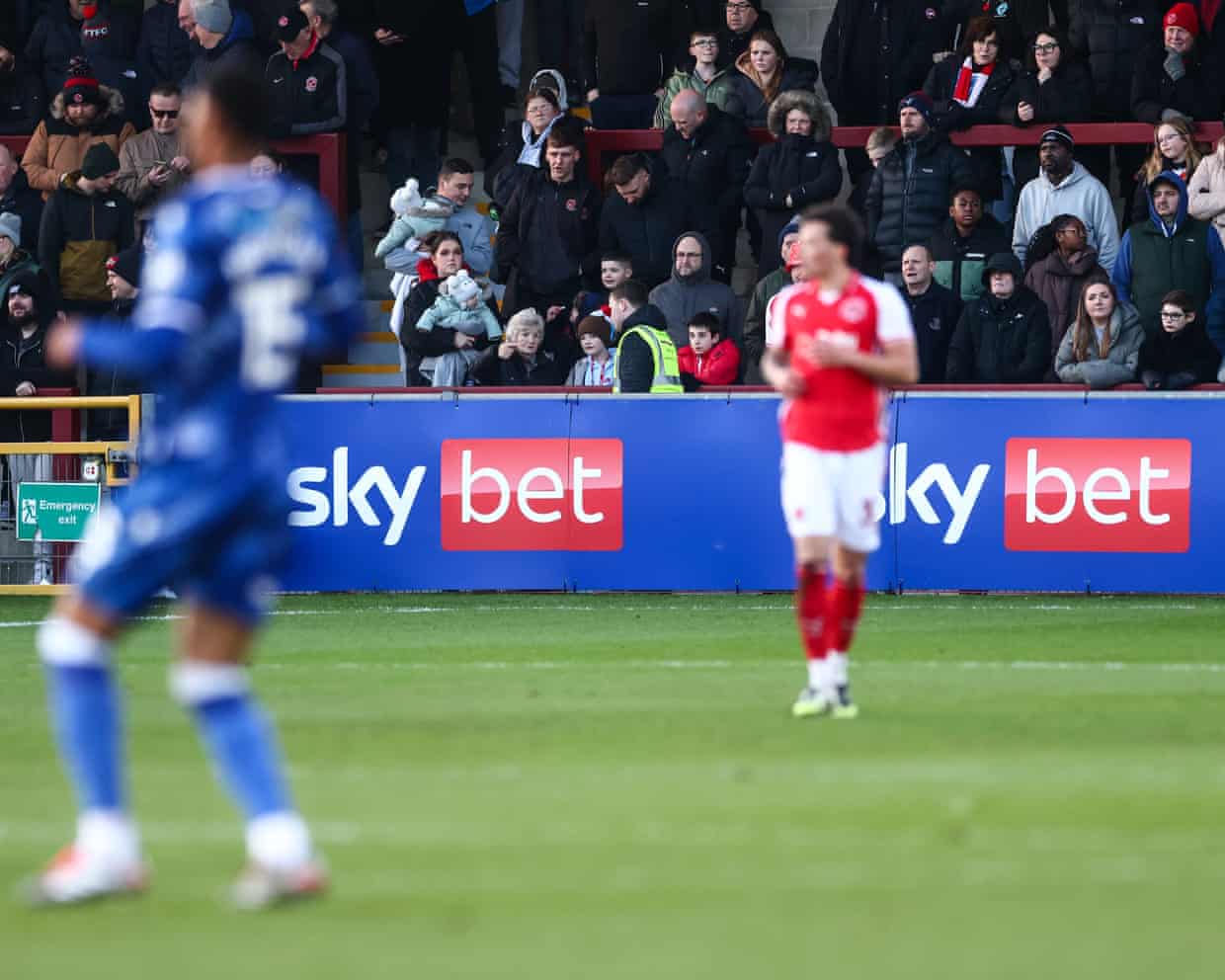
Ministers will come under mounting pressure to introduce curbs on gambling advertising this year, as MPs and campaigners latch on to polling that indicates widespread public support for tougher restrictions.Policies affecting gambling have been the subject of fierce debate over recent years, leading to stricter regulation of the £12.5bn-a-year sector and higher taxes announced in November’s budget, despite intensive lobbying by the industry.But, while successive governments have brought in measures such as lower stake limits on online slot machines and a statutory levy to fund addiction treatment, gambling advertising has remained largely unaffected.New polling, shared with the Guardian, indicates strong public backing for a much less permissive approach to gambling ads, which have exploded in volume since deregulation by Tony Blair’s Labour government in 2005
Hundreds of Blackpool families to be evicted in ‘mass dispersion’ of vulnerable people
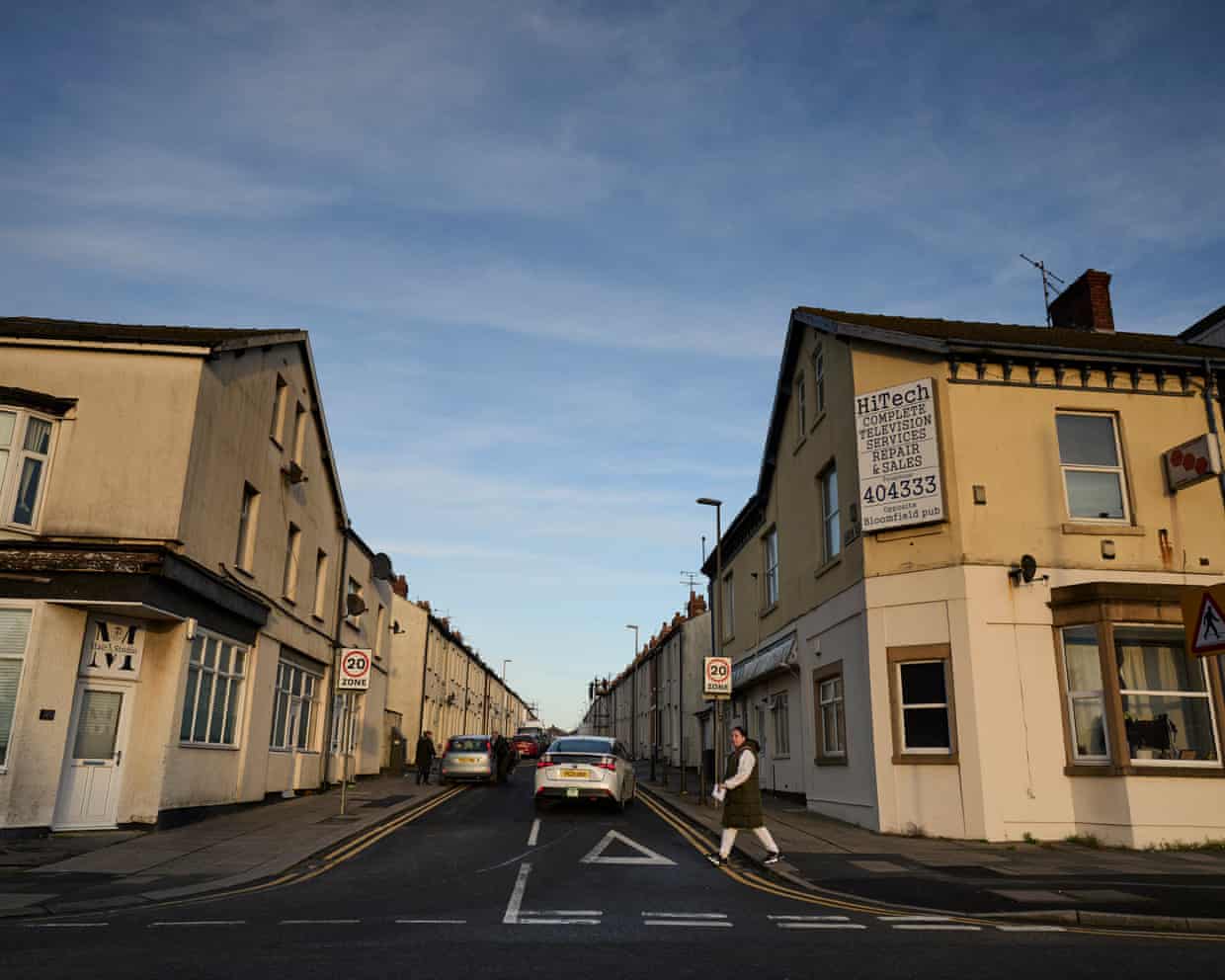
Hundreds of families in one of England’s poorest neighbourhoods will be evicted under a £90m plan described by critics as a “mass dispersion” of vulnerable people.Four hundred homes in Blackpool will be bulldozed this summer and replaced with 230 new properties under levelling up proposals signed off by Rishi Sunak’s government. The area has more than 800 people – about 250 of them children – who are in the poorest 10th of the population of England, according to official documents.The Rev Matthew Lockwood, the leader of Beacon church, said residents were “bewildered, angry and distraught” and risked being made homeless in a “mass dispersion of statistically some of the most vulnerable people in the country”.Chris Webb, the Labour MP for Blackpool South, is understood to have raised concerns about the scheme after an angry and emotional public meeting last month

Ethnic minorities in England less likely to have access to diabetes tech – study
People from ethnic minority backgrounds in England are less likely to have access to the latest diabetes technology, despite being more likely to live with the condition, according to analysis.Devices such as a continuous glucose monitor (CGM) can help people check their blood glucose levels in order to better manage the disease.Without this technology, people with diabetes are left with much less efficient and inconvenient ways of managing their blood sugar levels, such as through finger pricking.The study, published in the journal Diabetic Medicine, found significant disparities in access to continuous glucose monitors, with people from black and south Asian backgrounds facing lower prescribing rates per 1,000 people.People from ethnic minority backgrounds made up 17
Children in England to be offered vaccines in their own homes
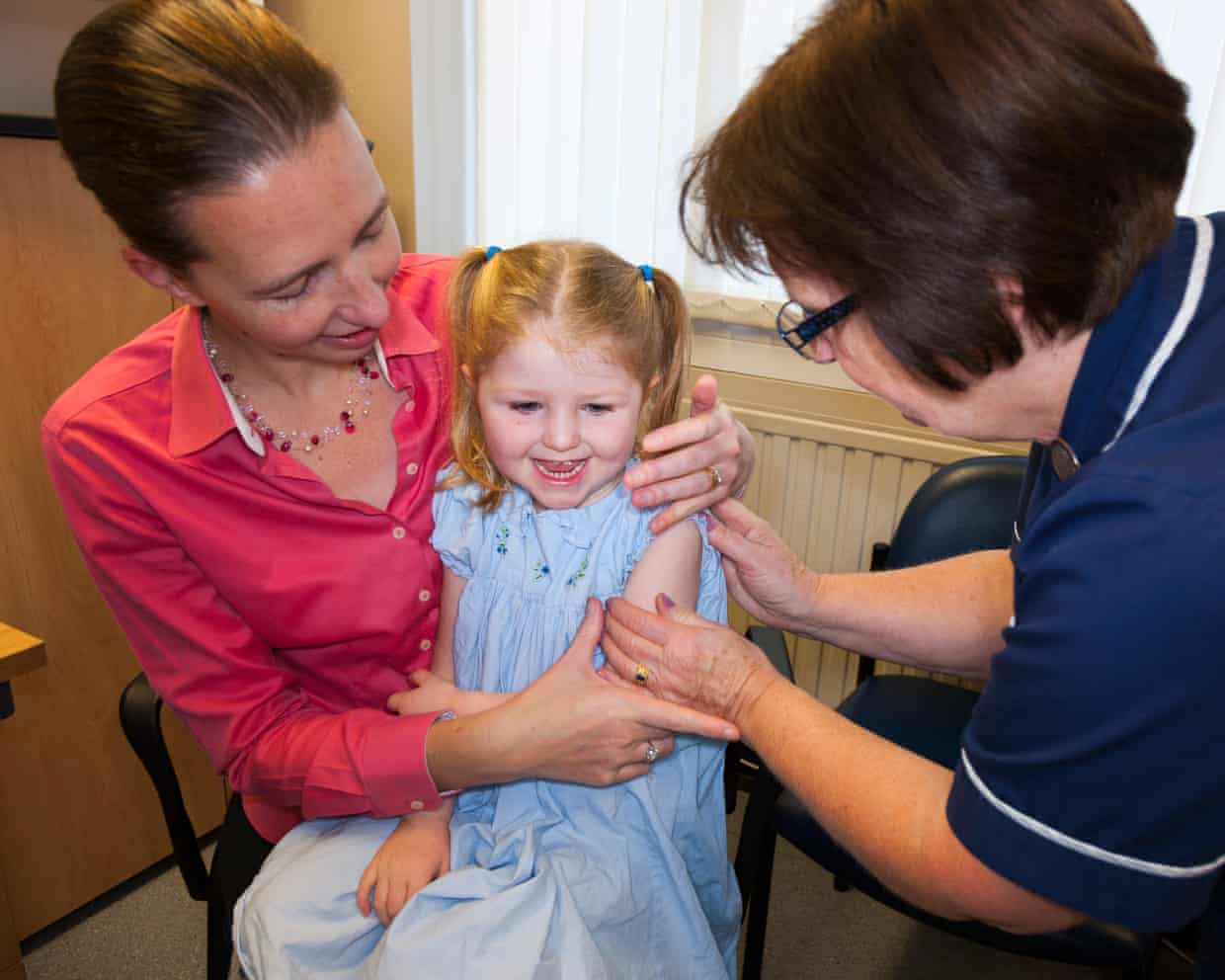
Health visitors will be sent door-to-door to deliver vaccines to children in England amid alarm that one in five start primary school with no protection against deadly diseases, the Guardian can reveal.The World Health Organization (WHO) recommends that at least 95% of children should receive vaccine doses for each illness to achieve herd immunity. However, not a single one of the main childhood vaccines in England hit the target in 2024-25. There were also sharp differences in uptake across the country.In an effort to tackle the crisis, health visitors will begin offering a range of life-saving jabs to children in their own homes as part of a £2m pilot scheme starting in January
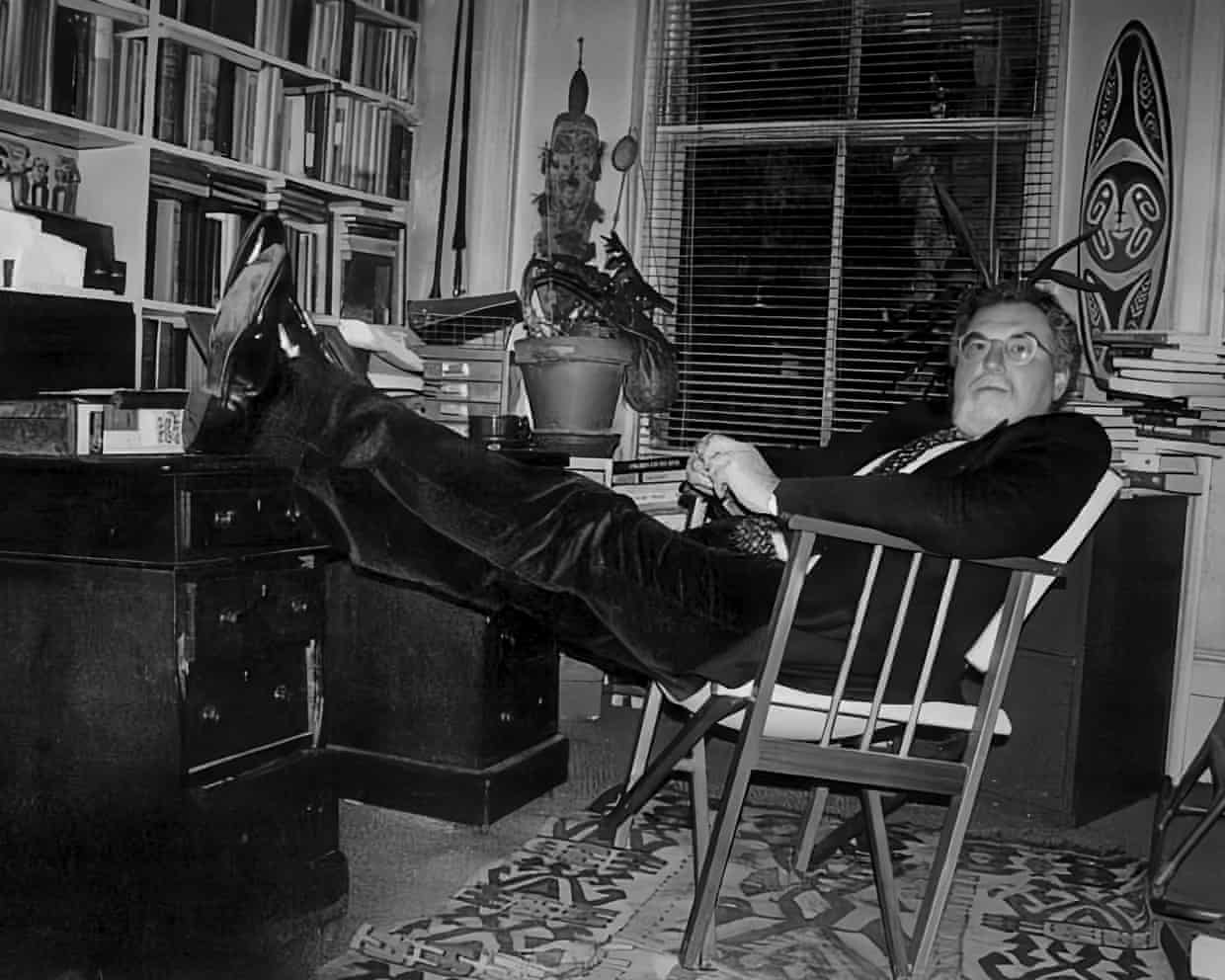
Roland Littlewood obituary
My husband, Roland Littlewood, who has died aged 78, was professor of psychiatry and anthropology at University College London from 1994 until 2012, and for more than 20 years the joint director of UCL’s Centre for Medical Anthropology, which explores how health, medicine and healing are influenced by cultural values and practices across different societies.In the course of his research, Roland travelled to Trinidad to study the healing practices of Mother Earth (Jeanette Baptist) and the Earth People (a spiritual community), to Haiti to research voodoo and healing, and to the Lebanon to observe the Druze sect.Born in Leicester, he was the younger son of Robert Littlewood, a lecturer in Spanish, and his Swiss wife, Trudi (nee Lehner), a lecturer in French and German. He spent formative years at Wyggeston grammar school in Leicester, then trained as a doctor at St Bartholomew’s Hospital Medical College in London. I met Roland in 1969 at a party at Barts, where I was training as a nurse – we married there in 1975, with our wedding reception held in the Great Hall
Focus on communities in new towns and old | Letters
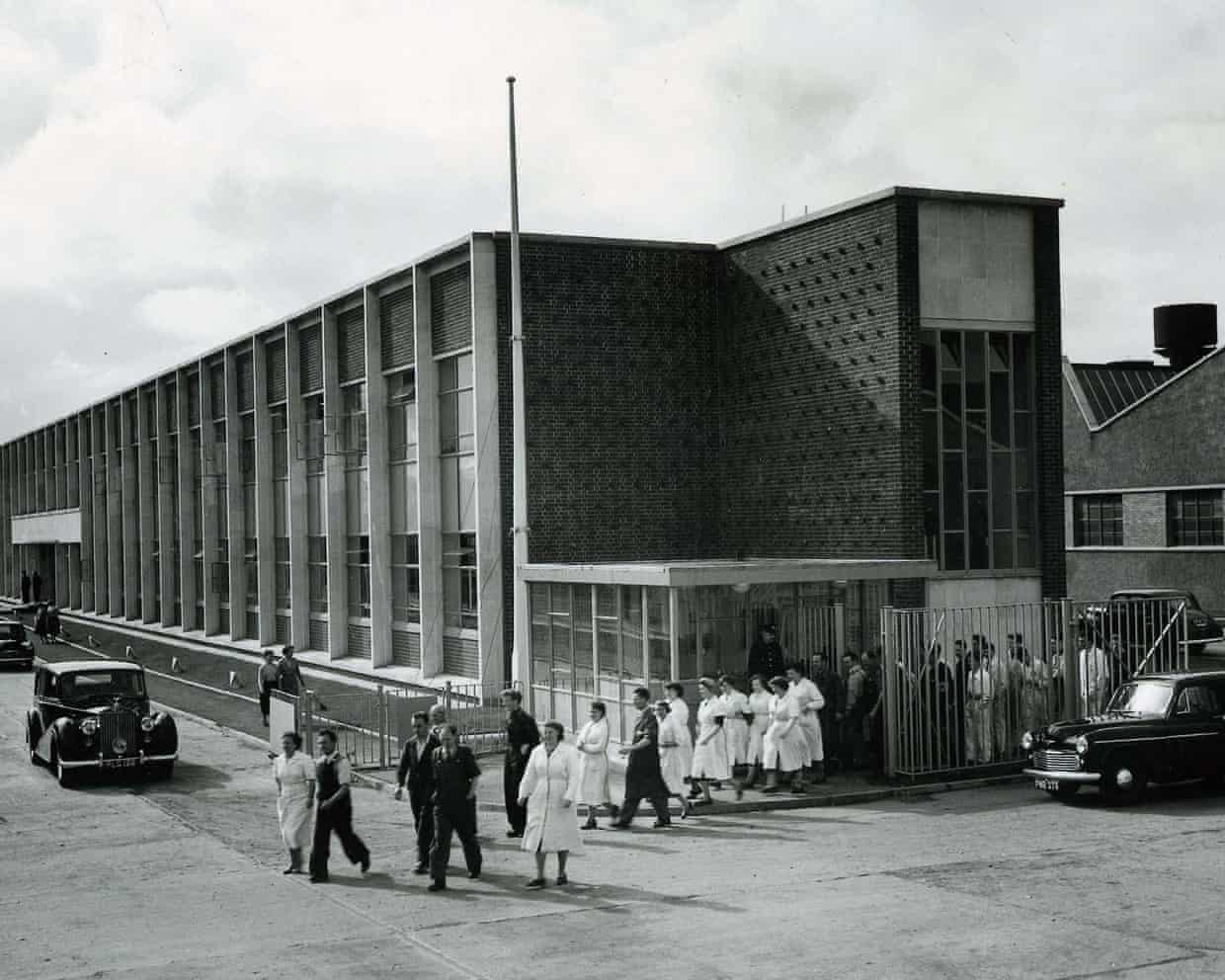
The government’s renewed enthusiasm for building new towns may make for bold headlines, but it risks missing the people who need housing most. Even senior planners involved in the postwar new towns programme have warned that the current proposals lack ambition on social housing and may not reach those in greatest need (Key figures in creation of Milton Keynes criticise UK’s new towns plan, 25 December). Other analyses suggest that new towns have historically contributed only a small proportion of the homes required and are unlikely to deliver at the scale ministers claim.Instead of pouring resources into speculative new settlements, we should focus on the towns and cities we already have – places with infrastructure, identity and communities that are being steadily hollowed out. Across the UK, redundant land, vacant upper floors, derelict retail units and brownfield sites offer enormous potential for affordable, well‑located homes
UK law firms get ready for crackdown on money laundering
Oil prices record steepest annual fall since Covid pandemic

Apple reportedly cuts production of Vision Pro headset after poor sales
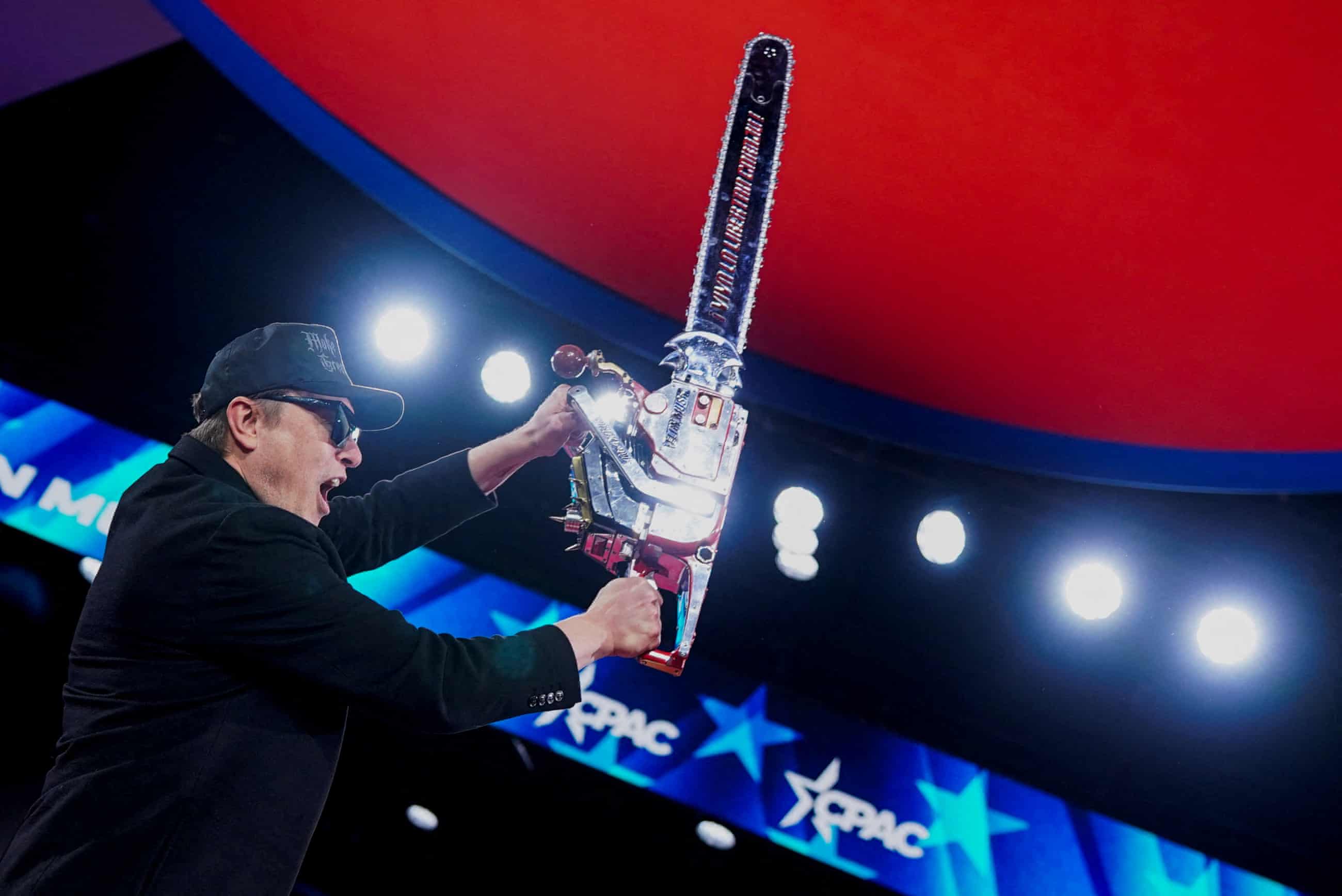
‘They sowed chaos to no avail’: the lasting legacy of Elon Musk’s Doge
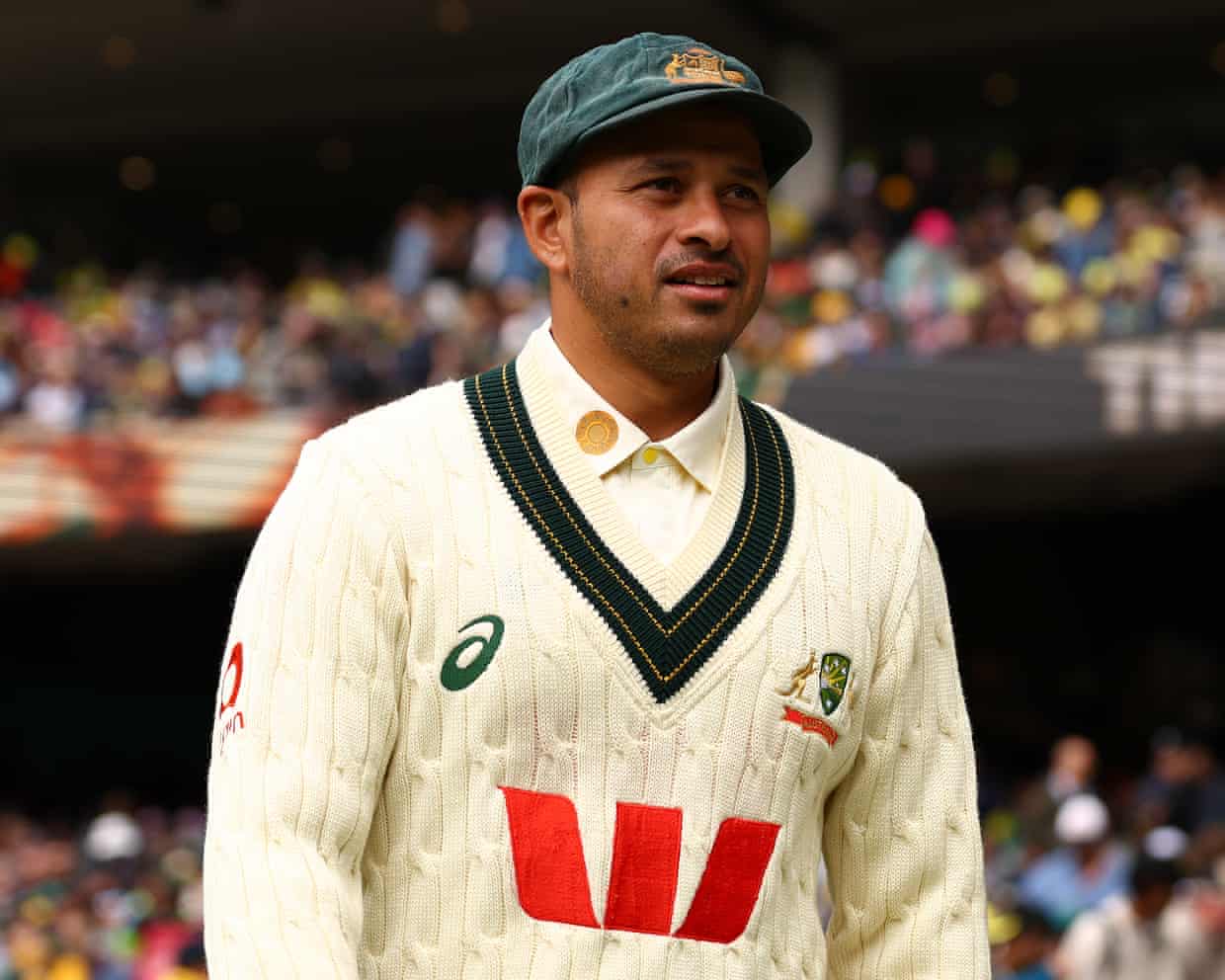
Usman Khawaja announces retirement from international cricket after SCG Ashes Test

PDC World Championship darts quarter-finals: Van Veen and Littler cruise into semis