Renault says ‘seismic shift’ in electric car interest after Iran war oil price shock – as it happened

Manufacturers around the world have reined back their electric car production in the last two years after fearing demand could fall.In the US Donald Trump further undermined the sector by tearing up several pro-electric vehicle policies.Yet Trump may have – ironically – ended up boosting global electric car sales, by making petrol prohibitively expensive.The US-Israeli war on Iran has entered its third month, with no sign that the blockade of the strait of Hormuz will end.Renault’s UK boss on Friday said the Iran war oil price surge has started a “seismic shift upwards” in interest in electric vehicles.
Adam Wood, managing director for the French carmaker in the UK, said that buyers were realising that it was much cheaper to charge electric cars than to fill up with petrol.Here are some of the other business headlines from today:Combine British Steel and Speciality Steel UK, says Czech groupSome evidence of higher margins from petrol sellers, says UK’s CMAUK’s FCA faces legal challenges to £9.1bn car finance compensation schemeUK manufacturing business costs surge because of Iran warOil prices up with no end of Iran blockade in sightDiageo shares rise after Trump removes Scotch whisky tariffsHouse price growth in the UK surprised estate agents and economists by jumping in April.And finally, to mark May Day – also International Workers’ Day – here are some pictures of the protests and demonstrations from around the world:Please do join us next week bright and early on Tuesday morning for more live coverage of business and economics.Happy May Day! JJThe owner of the UK’s largest electric steelworks has said the government should find a single buyer for British Steel and Speciality Steel UK (SSUK), a move that would create the country’s biggest steelmaker.
Sev.en Global Investments, owned by the Czech billionaire Pavel Tykač, said it not only plans to invest £100m in the UK – mainly in the electric arc steelworks in Cardiff it bought last year – but also has the ability to invest “hundreds of millions of pounds” more in Britain under its 7 Steel brand.Alan Svoboda, Sev.en’s chief executive, told the Guardian the government should look for a large company with a track record of steel production to take on British Steel’s plant in Scunthorpe, Lincolnshire, and the SSUK electric arc furnace operation in South Yorkshire, in a thinly veiled pitch for the government to consider 7 Steel as a potential buyer.The government took control of British Steel in April last year because of fears its Chinese owners were about to close the business.
Four months later the official receiver took control of SSUK from the previous owners, Liberty Steel, after it was declared “hopelessly insolvent”,Svoboda said he was unable to discuss specific talks with the government or any other parties but that “a combination might be a much more attractive solution” if it needed less taxpayer support,You can read the full story here:Apple shares have indeed risen at the opening bell after Thursday’s blockbuster financial results: they were up by 3,9% in the first minutes of trading on Friday,Wall Street has opened up at the start of May – continuing the strong run seen during April.
Here are the opening snaps, via Reuters:S&P 500 UP 25,34 POINTS, OR 0,35%, AT 7,234,35NASDAQ UP 89,39 POINTS, OR 0.
36%, AT 24,981.71DOW JONES UP 150.77 POINTS, OR 0.30%, AT 49,802.91The S&P 500 rose 10.
4% during April, for its biggest one-month gain since November 2020,However, part of that increase came as a rally after the 5% drop in March caused by Donald Trump and Benjamin Netanyahu’s war on Iran,The first day of May has brought warm weather to eastern England, but across the UK some bouts of sun in April were not enough to help retailers attract customers,It was the worst April in a decade for the high street as total like-for-like sales fell 1,6%, according to accountancy firm BDO – excluding the coronavirus pandemic lockdowns.
In-store sales fell by 1,8%, which the firm blamed on weak consumer confidence and rising living costs,It was the eighth consecutive month in which sales growth has failed to keep pace with inflation,Sophie Michael, head of retail and wholesale at BDO, said:double quotation mark It’s hard to overstate just how difficult April has been for retailers,April is traditionally a positive month for the sector, as new spring and summer ranges arrive in store and consumer demand typically strengthens.
Against that backdrop, these figures are particularly concerning,Excluding the COVID‑19 lockdown period, the last time April delivered negative like‑for‑like growth was in 2016 when severe weather disrupted trading nationwide as snow fell across the UK,US markets are open today (Labor Day is the first Monday of September, because they did not want to associate with the socialist connotations of May Day),When the New York Stock Exchange opens in about and hour and a half, expect a big bump for Apple,Tim Cook last month announced he will step aside as chief executive of Apple on 1 September, to be replaced by hardware chief John Ternus.
In one of his last quarterly earnings calls as boss, he outlined strong performance.Apple shares are up 3.5% in pre-market trading, which should push the company’s value back above $4 trillion (£2.9 trillion).Sanya Mansoor, our US tech reporter, writes:double quotation markCook reported Apple’s “best March quarter ever” and “double-digit growth across every geographic segment”.
He also noted “extraordinary demand for the iPhone17 lineup”.Apple crushed Wall Street expectations of $110bn in revenue, racking up $111.2bn for the second quarter of 2026.That trend held in greater China, where revenue reached $20.4bn.
Apple also beat Wall street expectations of $1.96 in its earnings per share, and reported $2.01.Petrol prices are making drivers baulk – and consider shifting to electric cars, according to Renault.The UK government is trying to put pressure on fuel sellers to ensure they do not scalp their customers.
The government’s Competition and Markets Authority said on Friday that it had found that “a minority of retailers” had increased their profit margins since the start of the Iran war.However, it said that on average profit margins were “broadly unchanged between February and March, and were similar to the average margins throughout 2025”.It said that increased oil prices were the main driver for higher pump prices.Sarah Cardell, chief executive at the CMA, said:double quotation markOn average, retailer fuel margins did not increase.We will remain vigilant to ensure any fall in costs is passed on quickly to motorists.
Today’s report also shows the value of shopping around, with drivers able to save up to £9 per tank by doing so.To try to prevent scalping, the government has introduced a “Fuel Finder” scheme for people to check pump prices, with enforcement due to start today by the CMA.The AA is excited by the changes.Edmund King, the AA’s president, said:double quotation markThis is a momentous day for pushing the fuel trade to price petrol and diesel at the pump fairly, transparently and competitively.Up until now, most motorists travelling unfamiliar roads would only find out how cheap or expensive fuel at the next forecourt is when they drive past.
AA analysis of motorway service area petrol prices this week shows that 31 out of 50 sampled were charging at least 184,9p a litre – against a national average of 157,7p,Most motorists would only find this out as they drove off the motorway and pulled onto the forecourts,The UK financial watchdog is facing four legal challenges against its £9.
1bn compensation scheme for victims of the motor finance scandal,The Financial Conduct Authority (FCA) said that it will defend the scheme “robustly” as the “fastest, simplest route for consumers and the most efficient way for firms to put things right”,The FCA confimed the Guardian’s report of a legal challenge from consumer group Consumer Voice, which claims that the scheme massively shortchanges victims, which is represented by Courmacs Legal,It is also facing challenges from lenders Volkswagen Financial Services, Mercedes Benz Financial Services and Crédit Agricole Auto Finance,The FCA noted that none of the claims received are expressly in the name of any individual consumers.
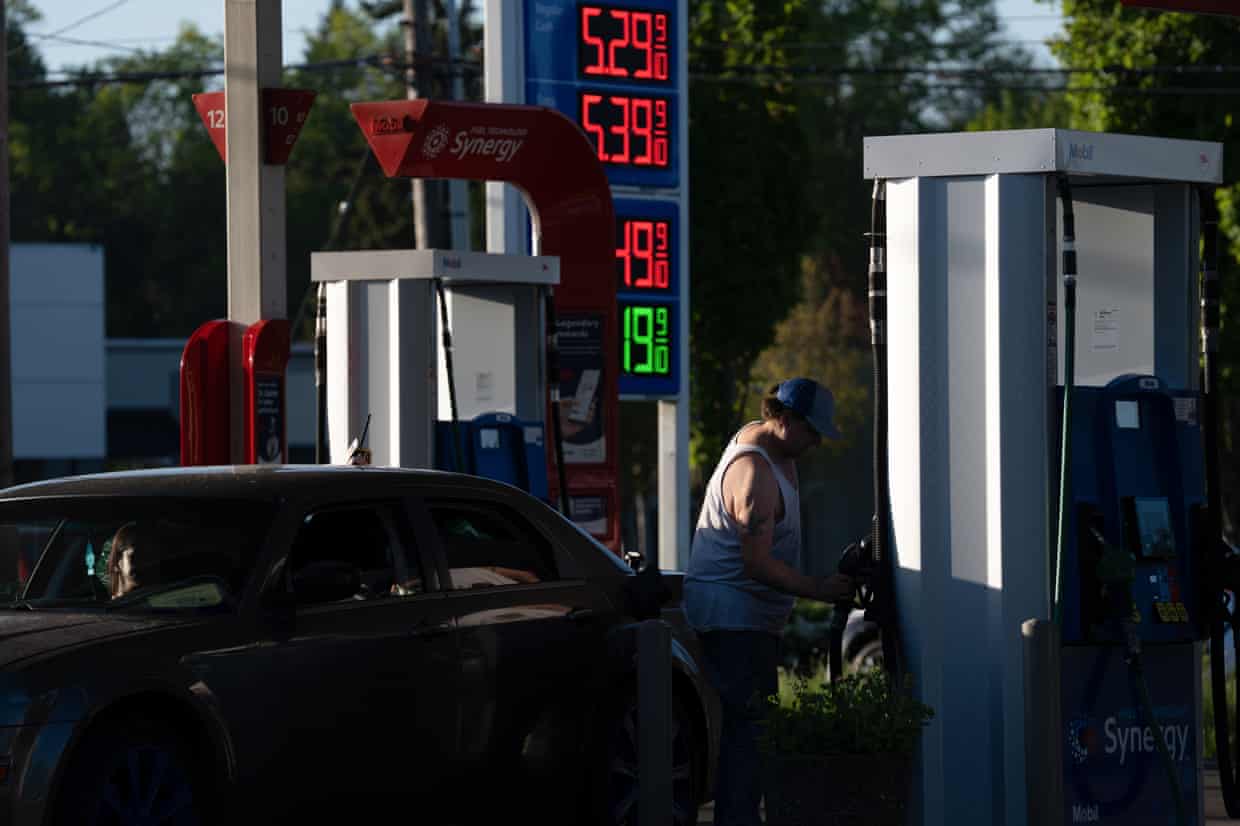
“We will defend the scheme robustly as lawful and the best way to resolve such a widespread, long running and complex issue,” the FCA said.“These legal challenges create fresh uncertainty for millions of consumers and for the second largest consumer credit market.”Oil prices have soared, which usually means one thing: huge oil company profits.America’s ExxonMobil reported adjusted earnings per share of $1.16, beating the $1 consensus expectation.
Production in its newest oil fields in Guyana rose to a record, with buyers around the world desperate for new sources of crude oil to replace those trapped in the Gulf by the Iran war,However, Exxon’s statutory profits came in at $4,2bn for the first quarter,That was nominally the lowest in five years, and down from $7,7bn last year, but that was mainly because of one-off accounting impacts from financial derivatives.
It has not all be plain sailing for the oil company: it also had a $700m financial hit from cargoes that could not be delivered through the strait of Hormuz,Manufacturers in the UK have recorded one of the sharpest rises in business costs in more than thirty years, due to the economic fallout of the Iran war, a closely-watched survey has revealed,The S&P Global purchasing managers’ index (PMI) said manufacturers’ input prices – such as raw materials, energy and labour – rose at one of the fastest rates since its survey began in 1992, outside of the post-pandemic inflationary surge in 2022,Rob Dobson, the director at S&P Global Market Intelligence, said:double quotation markRestrictions on transit through the strait of Hormuz are causing substantial disruptions to input deliveries, with supplier lead times lengthening to the greatest extent in almost four years,The resulting material shortages are exerting steep pressure on purchasing costs.
Business optimism in the sector also fell to its lowest level in a year during April, as manufacturers remained concerned about the impact of the war in the Middle East and what it will do to global economic growth and geopolitical instability,Manufacturers also reported issues with supply chains due to the complications caused by the Middle East war and restrictions on transit through the strait of Hormuz,However, despite the rise in costs, manufacturers otherwise had a much better April than expected, with the PMI showing a near four-year high in activity,The PMI reading for April rose to a 47-month high of 53,7, its best level since May 2022 and up from a reading of 51 in March.
Any reading above 50 signals expansion in the sector, while anything below represents a contraction.The manufacturing PMI has posted above 50.0 for six successive months.Manufacturing production and new orders both rose, due to an uptick in new work from existing customers and new business from domestic and overseas clients.However, the survey said part of the increase reflected clients attempting to bring forward their orders in the belief that there will be price increases and supply chain delays as a result of conflict in the Middle East.
There may be clouds over the global economy, but so far British consumers appear to be continuing as usual, according to new Bank of England figures.Net borrowing of consumer credit by individuals slightly decreased to £1.9bn in March from £2.0bn in February, according to the Bank’s data, published on Friday.That was still slightly above the previous six-month average of £1.
8bn, and higher than the £1.8bn expected by economists.The number of mortgage approvals for house purchases during March also came in higher than expected – possibly helping to explain the surprising resilience in house prices reported earlier by Nationwide.There were 63,530 mortgages approved, up from 62,700 and above the 60,000 expected by economists.Net borrowing of mortgage debt by individuals increased to £6.
2bn, from £5.2bn in February.Renault’s UK boss has said the Iran war oil price surge has started a “seismic shift upwards” in interest in electric vehicles.Adam Wood, managing director for the French carmaker in the UK, said that buyers were realising that it was much cheaper to charge electric cars than to fill up with petrol.Oil prices remained above $111 per barrel on Friday, with little sign that the US and Iran would reach an agreement to reopen the strait of Hormuz, a key export route for a fifth of the world’s oil

Solicitors report late flood of no-fault evictions before ban in England
Solicitors say they have been inundated with requests to serve last-minute section 21 no-fault eviction notices before they are banned when the Renters’ Rights Act comes into force in England on Friday.The legislation, which has been hailed as the biggest change to renting in a generation, bans no-fault evictions, limits rent increases and abolishes fixed-term tenancies.On the eve of the new rules, solicitors said they were working long hours to keep up with the sudden demand for eviction notices, while Citizens Advice said thousands of people facing a no-fault eviction had approached it for help in the last month.In March, the service helped 2,335 people dealing with a no-fault eviction, up 16% on the same time last year, as well as more than 1,800 people dealing with disrepair such as damp and mould, and more than 1,000 with rent increases.Thackray Williams, a London- and Kent-based law firm, said it had received a wave of last-minute instructions from landlords looking to evict their tenants and sell their properties because of the legislation
Austerity to blame for the fall in healthy life expectancy | Letters
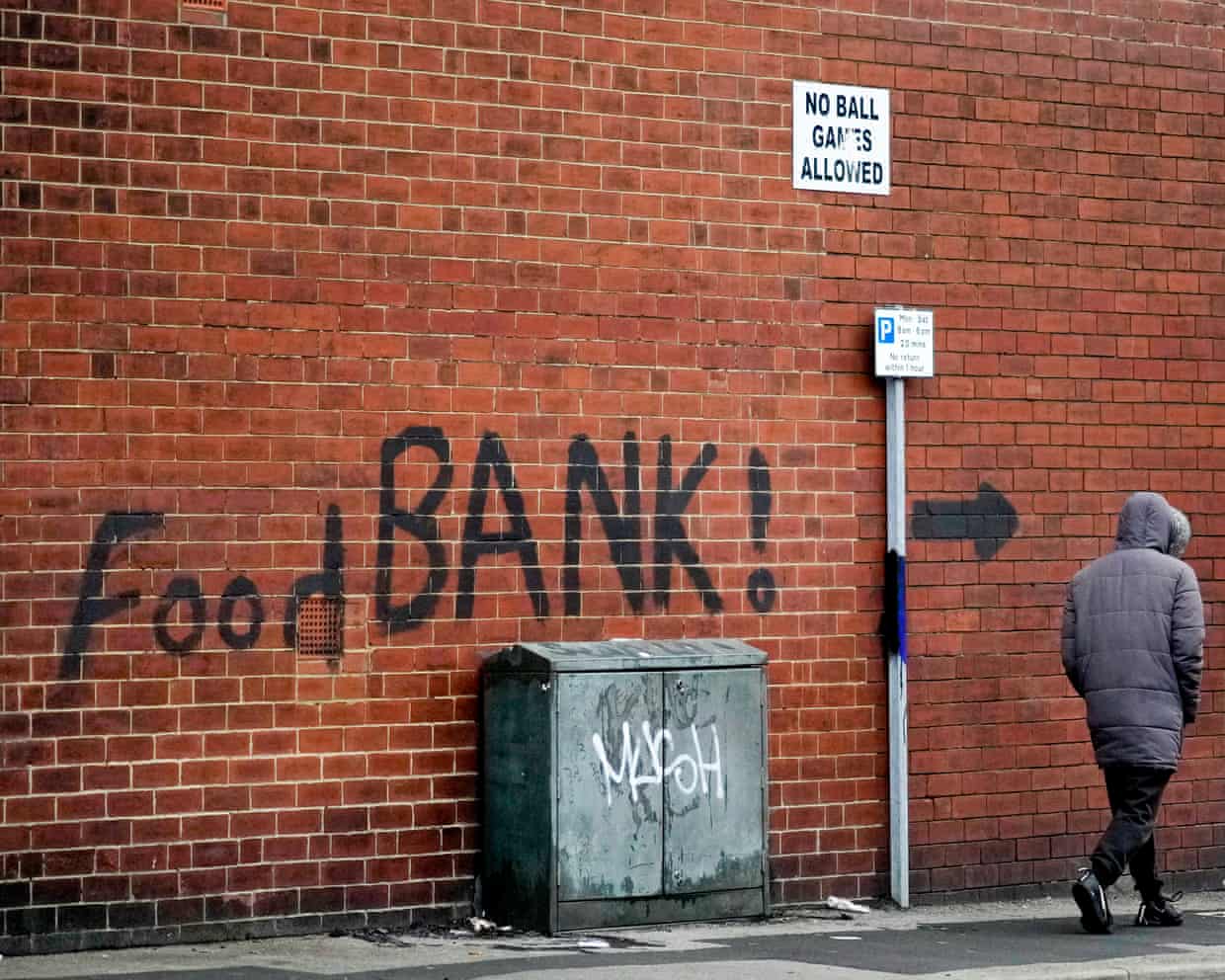
A major cause of the fall in healthy life expectancy (People in UK spend fewer years in good health than a decade ago, study finds, 27 April) is austerity and the continued cuts to social and health spending. In our report Still Digging Deeper: The Impact of Austerity on Inequalities and Deprivation in the Coalfield Areas, which covers Scotland, England and Wales for the period 1984-2024, we highlight how public expenditure cuts since 1984 have disproportionately impacted coalfield areas of the UK.Since 2010, austerity has been stepped up, and we have calculated that welfare reforms and benefit cuts amounted to £32.6bn over the period of 2010-21. Furthermore, in 2025-26 coalfield local authorities had a combined funding gap of £447m

Why routine cancer tests have age limits | Brief letters
Jane Ghosh asks why the NHS’s routine screening for bowel and breast cancer has upper age limits (Letters, 28 April). Screening – testing because of risk, not symptoms – stops when the chance of helping you drops below the chance of harming you. Diagnostic testing is done at any age.Dr John Doherty Stratford-upon-Avon, Warwickshire Re Jane Ghosh’s letter about the NHS stopping routine bowel and breast cancer testing after the early 70s, it’s important to know that people over the age thresholds can request a bowel cancer test every two years or breast cancer screening every three years. Remembering to do so is a different story

UK researchers develop tool to identify people most at risk of obesity-related diseases
A new tool that can shed light on who is most at risk of obesity-related diseases could help identify people who would benefit most from weight-loss medications, researchers have said.Recent data suggests about two-thirds of adults in England are overweight or obese – a situation that has caused concern among health experts.Now researchers have developed a tool that, they say, offers an accurate and personalised approach to identifying those at risk of obesity-related conditions.They add it could be useful for prioritising who should receive interventions, such as weight-loss jabs, given that access on the NHS is limited and currently based simply on having a high body mass index (BMI) and particular obesity-related health problems.Prof Nick Wareham, of the University of Cambridge, a co-author of the study, said the measure was not about extending the use of particular therapies

Violence against women is at ‘breaking point’, says writer of John Worboys drama
Violence against women is “at breaking point” and the justice system needs to change, according to the writer of new ITV drama Believe Me about the survivors of “black-cab rapist” John Worboys.Jeff Pope, who is also writing a BBC drama about the murder of Sarah Everard, said he wanted to tell these stories because “something needs to happen” and the “police just won’t seem to me to change”.Believe Me tells the true story of how the women who were attacked by Worboys were failed and doubted by the Metropolitan police. He was eventually jailed in 2019, with the help of evidence from Carrie Symonds (now married to Boris Johnson) who was drugged, but escaped being raped. Symonds is portrayed in Believe Me by Industry actor Miriam Petche

Raise tax on alcohol and junk food to cut deaths from liver disease, experts say
Governments in Europe should impose much higher taxes on alcohol and unhealthy food to tackle the continent’s 284,000 deaths a year from liver disease, experts say.Taxes on those products should rise sharply enough for the money raised to cover the huge costs they place on health services, the criminal justice system and social services.The call for tough action on common causes of serious liver disease comes from a commission of experts from the European Association for the Study of the Liver and the Lancet medical journal.They are urging governments in Europe to ensure all alcoholic products carry health warnings and stop under-18s being targeted with online advertisements for alcoholic drinks and junk food.Bold steps are needed to combat “an escalating and unsustainable burden of liver disease”, the commission says in a report published on Wednesday in the Lancet
Exxon and Chevron quarterly earnings fall despite soaring oil prices

Firm bookings, fast refunds: easyJet and On The Beach aim to reassure jittery travellers with holiday pledges

Parents already have controls over smartphones – they should use them | Letters

‘Awkward and humiliating’: UK job hunters share frustration with AI interviews

Lando Norris takes Miami GP sprint pole as lightning fears loom over F1 return

Sivo hat-trick keeps Leeds on top as they hold off Wakefield fightback