NHS was ‘on brink of collapse’ during pandemic, Covid inquiry finds
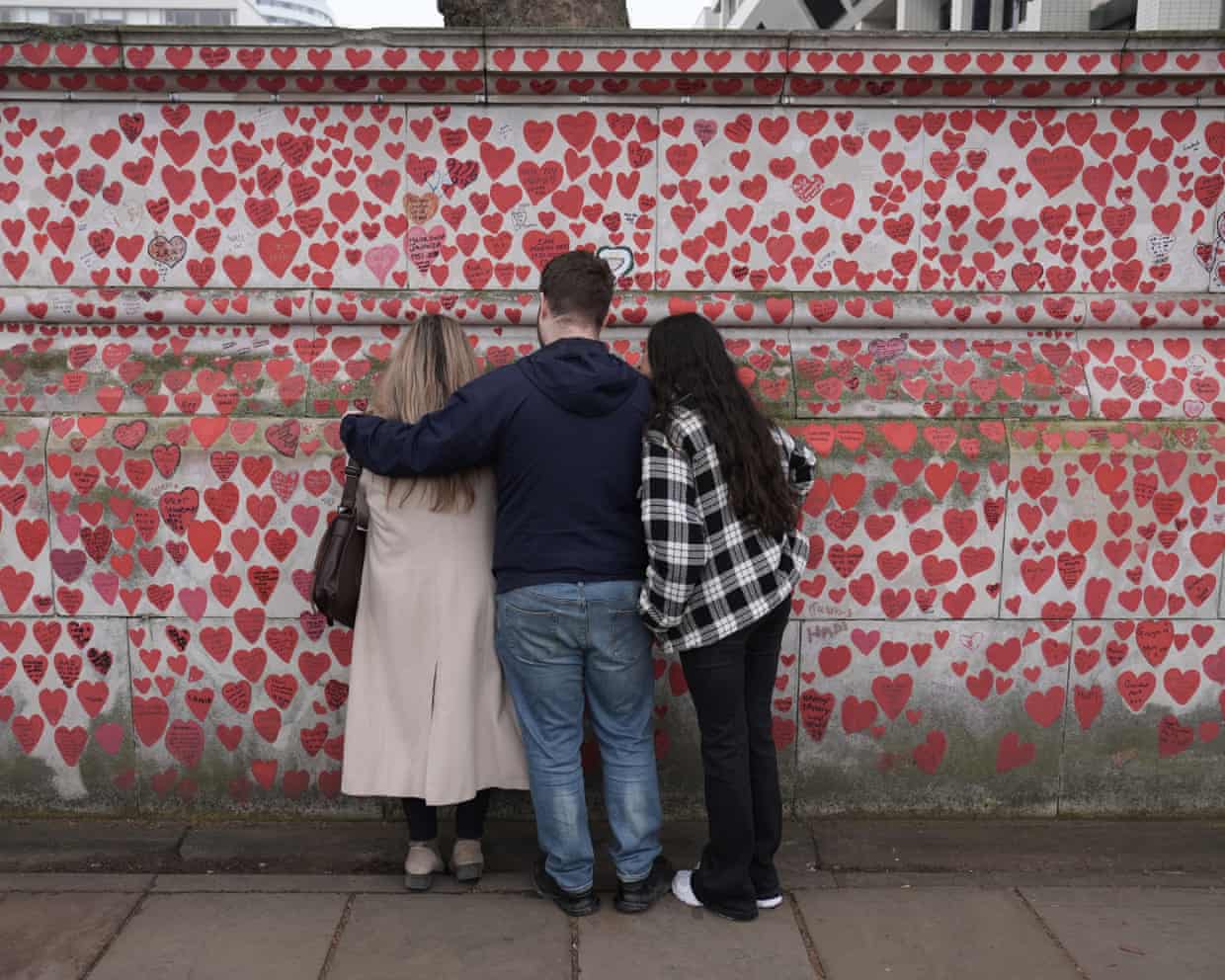
The NHS “teetered on the brink of collapse” during the Covid pandemic and only managed to survive thanks to the “superhuman” efforts of healthcare workers, an official inquiry has concluded.In a damning assessment of how the UK’s healthcare systems dealt with the unprecedented pressure of the pandemic, the Covid-19 inquiry chair, Heather Hallett, said the impact of the virus was “devastating” due to the NHS being in a “parlous state” before the outbreak.She said Covid patients did not always receive the care they needed, with some diagnoses and treatments coming too late to save lives.“Healthcare systems coped with the pandemic, but only just,” said Lady Hallett, a former court of appeal judge.“On a number of occasions, they teetered on the brink of collapse and only coped thanks to the almost superhuman efforts of healthcare workers and all the staff who support them.
”She said politicians, including the former health secretary Matt Hancock, refused to admit the NHS was “overwhelmed” during the pandemic as they believed this to mean total collapse.“There was clearly overwhelm,” she said.“Whatever word one chooses, healthcare systems were placed under intolerable strain.Patients could not be admitted to hospital and, in particular, into intensive care units.This continued for wave after wave of the virus.
”The report’s other findings included:The NHS entered the pandemic with low bed numbers, high numbers of staff vacancies and high bed occupancy, meaning it was already in a “precarious position” and ill-prepared to deal with a pandemic.There was not enough PPE at the start of the pandemic, meaning healthcare workers had to put themselves and their families at risk to care for patients.Infection control in the early stages of the pandemic was flawed as it assumed Covid-19 was spread by physical contact, rather than being airborne.The “stay home, protect the NHS, save lives” public message may have inadvertently led to a decline in hospital attendance of life-threatening emergencies such as heart attacks.80% of healthcare professionals said they acted in a way that conflicted with their values during the pandemic, with some saying they felt they were “playing God” as they were unable to give everyone the treatment they needed.
The report is the third of 10 due to be published as part of the official Covid-19 inquiry, which finished taking evidence this month, almost three years after hearings began.It has become the most expensive inquiry in history, with total costs standing at £204m.Looking specifically at healthcare, this report was based on 300 written statements and 300,000 pages of evidence, along with the testimony of 93 witnesses who gave evidence in a 10-week hearing in 2024.Dr Tom Dolphin, the council chair of the British Medical Association, said it was “good to finally have pushback against the narrative from politicians that the NHS was never overwhelmed”.He said many healthcare staff, disproportionately those from ethnic minorities, paid with their lives, and people were left to use bin bags instead of gowns in the face of a deadly disease.
Dolphin added that the report showed if lockdown had not happened when it did, the impact on healthcare could have been even more catastrophic.“Just another week of doubling of cases would probably have completely overwhelmed the NHS.I think we came very close.In a lot of hospitals, things were extremely stretched,” he said.The Covid-19 Bereaved Families for Justice group said: “This is about how our loved ones died, often alone, without proper care, in a system pushed beyond its limits.
Years of austerity left the NHS dangerously exposed, without the staff, beds or resilience needed to withstand a major shock.And our health service is now in a worse position to cope with another pandemic than it was six years ago.”They urged the government to see the report as a “catalyst for change” and hoped its recommendations were “the floor, not the ceiling” of ambitions.The report included harrowing testimony from healthcare workers describing scenes in hospitals during the height of the pandemic, which some said were similar to a war zone.Prof Kevin Fong, the national clinical adviser in emergency preparedness, resilience and response, said in evidence: “We had nurses talking about patients raining from the sky.
Sometimes they were so overwhelmed they were putting patients in body bags, putting them on the floor, and putting another patient in their bed straight away.”Others said they were traumatised by watching patients die alone, and they were “haunted by the cries” of family members they were unable to comfort.Fong said: “Exactly at a time when you would recuse yourself to give the patient and their family some dignity, you are actually holding a phone or an iPad up, showing them the monitor, showing the family the patient, listening to families imploring the patient not to die and then the howling down the phone, and with nothing else that you can do other than to stay there.”Staff said they resorted to sleeping on hospital floors, or in sleeping bags and camp beds, to get rest while on long shifts.Hallett’s recommendations included increasing capacity in emergency care, strengthening the body responsible for infection control guidance and increasing support for healthcare workers.
“When the next pandemic strikes, there may not be a workforce able or willing to work under the conditions that arose during the Covid-19 pandemic,” she said,Prof Nicola Ranger, the general secretary of the Royal College of Nursing, said: “The recommendations show what needs to be done, but the true experience and horror is very difficult to capture in a report like this,“There’s more that could be said and done,There is absolutely no way we were prepared for the pandemic,And do we see that investment in that preparedness at the moment? Absolutely not.
We have patients in corridors now so there’s a long way to go in order to in any way ever be prepared again in the future.”

‘All right mate?’: Amazon pins UK hopes on AI upgrade of Alexa
“Commiserations, mate, Chelsea lost 3-0 in the Champions League last night against Paris Saint-Germain,” says Alexa as it attempts to break the news gently to an awaiting Blues fan.Such is the injection of personality and understanding that Amazon hopes will lead to Britons re-engaging with their millions of Alexa devices, restoring it to the cutting edge of voice assistants rather than resigned to being a glorified egg timer.After its early access launch last year in the US, the long-awaited generative AI upgrade Alexa+ is finally making its debut in the UK, supporting eight years of existing devices strewn through more than half of UK households.With the UK being Amazon’s most engaged market and more than 40 accents to contend with across the UK and Ireland, the “next-generation ambient AI assistant” has its work cut out for it.The service will be available immediately for new purchases of Amazon’s latest generation of Echo and Show devices, with an invite system in operation for existing devices, which Amazon’s head of Alexa and Echo, Daniel Rausch, insists will progress faster than it did in the US
‘We don’t tell the car what it should do’: my ride in a self-driving taxi
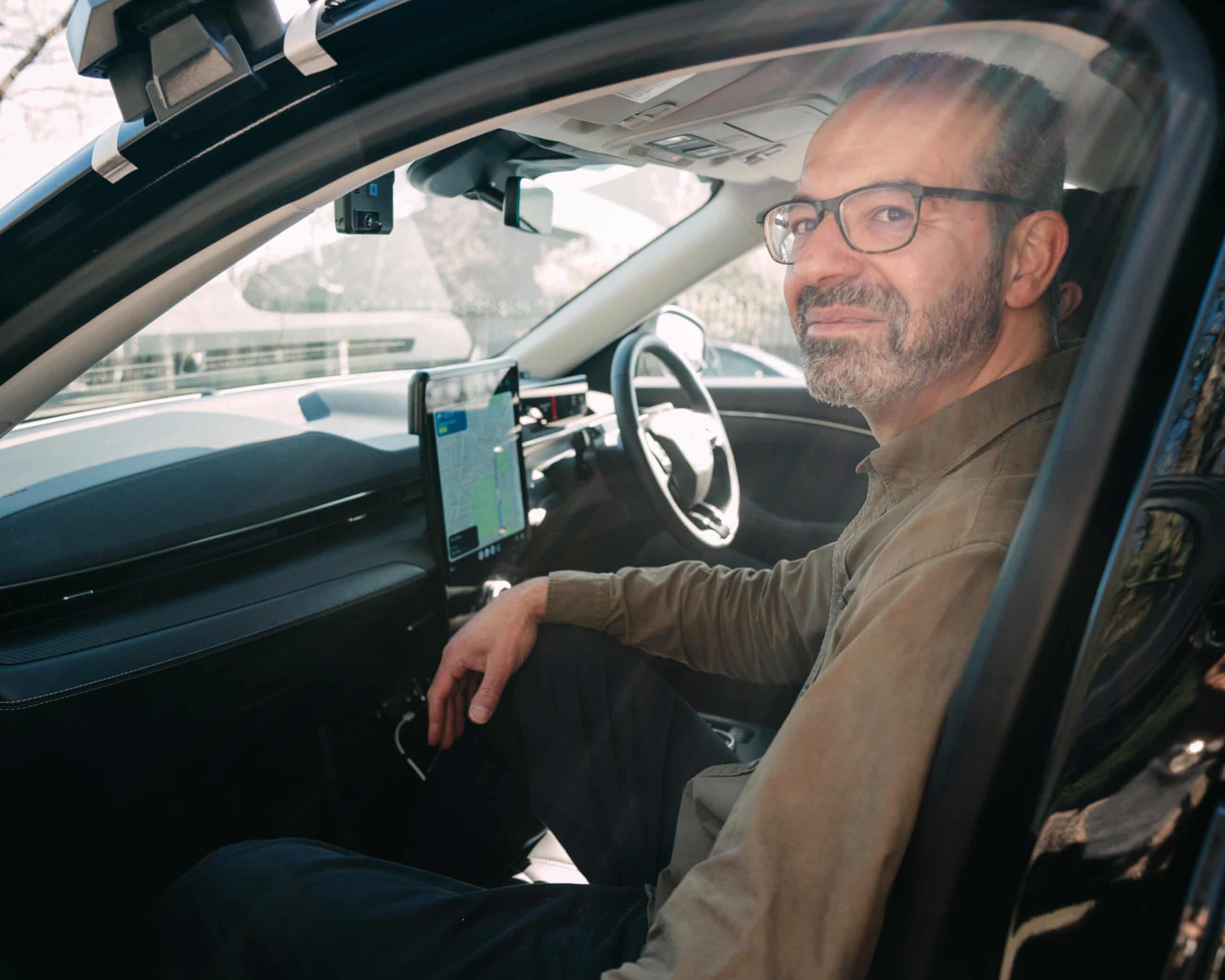
Driverless ‘robotaxis’ will be accepting fares in Britain’s biggest city by the end of next year. Can they deal with London’s medieval roads, hordes of pedestrians and errant ebikers? I got in the passenger seat to find out‘I’m really excited to show you this,” says Alex Kendall, the CEO of Wayve, as he gets behind the wheel of one of the company’s electric Ford Mustangs. Then he does … nothing. The car pulls up to a junction at a busy road in King’s Cross, London, all by itself. “You can see that it’s going to control the speed, steering, brake, indicators,” he says to me – I’m in the passenger seat
Inside China’s robotics revolution
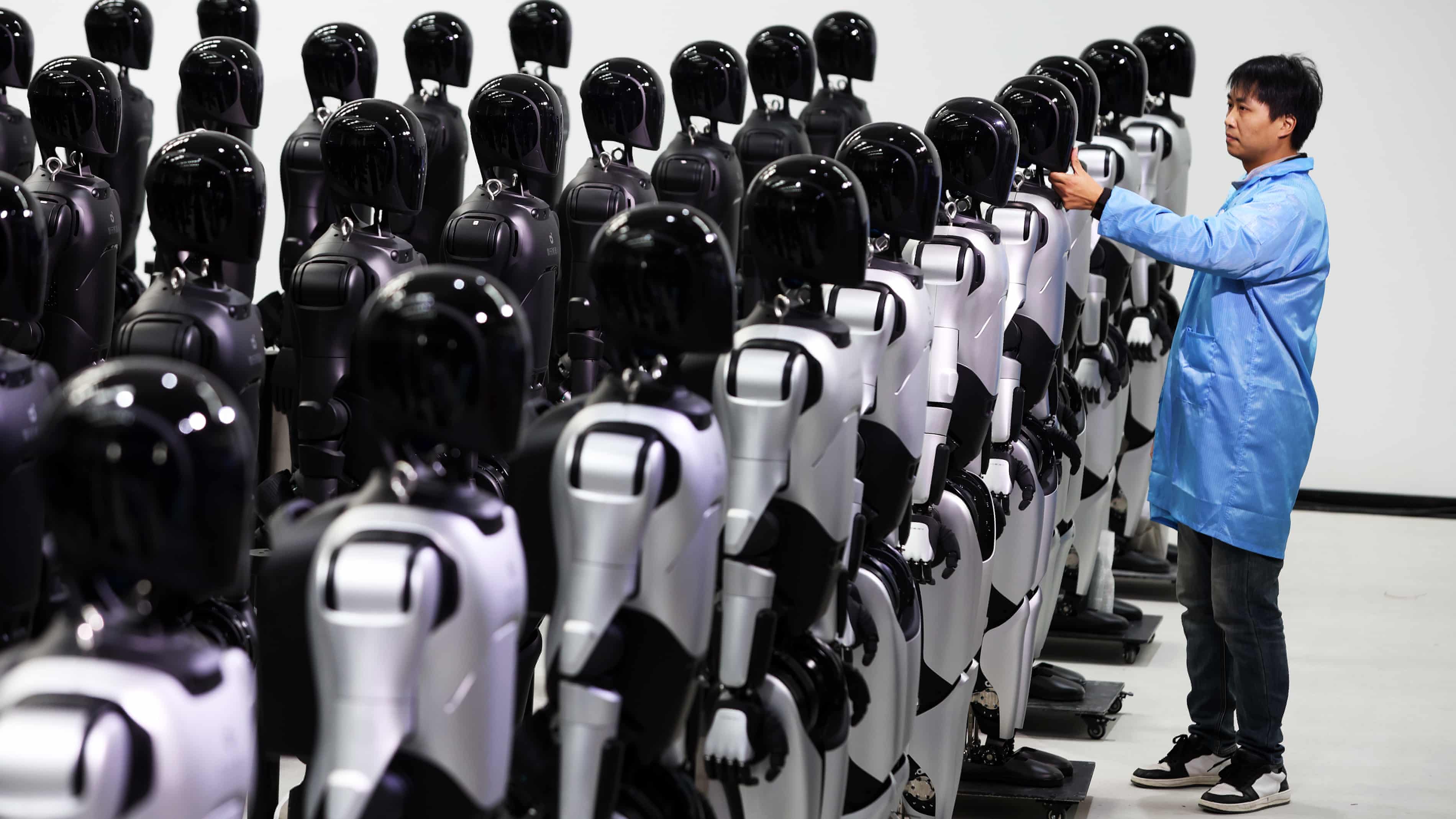
Chen Liang, the founder of Guchi Robotics, an automation company headquartered in Shanghai, is a tall, heavy-set man in his mid-40s with square-rimmed glasses. His everyday manner is calm and understated, but when he is in his element – up close with the technology he builds, or in business meetings discussing the imminent replacement of human workers by robots – he wears an exuberant smile that brings to mind an intern on his first day at his dream job. Guchi makes the machines that install wheels, dashboards and windows for many of the top Chinese car brands, including BYD and Nio. He took the name from the Chinese word guzhi, “steadfast intelligence”, though the fact that it sounded like an Italian luxury brand was not entirely unwelcome.For the better part of two decades, Chen has tried to solve what, to him, is an engineering problem: how to eliminate – or, in his view, liberate – as many workers in car factories as technologically possible
Actors, musicians and writers welcome UK U-turn on AI use of copyrighted work
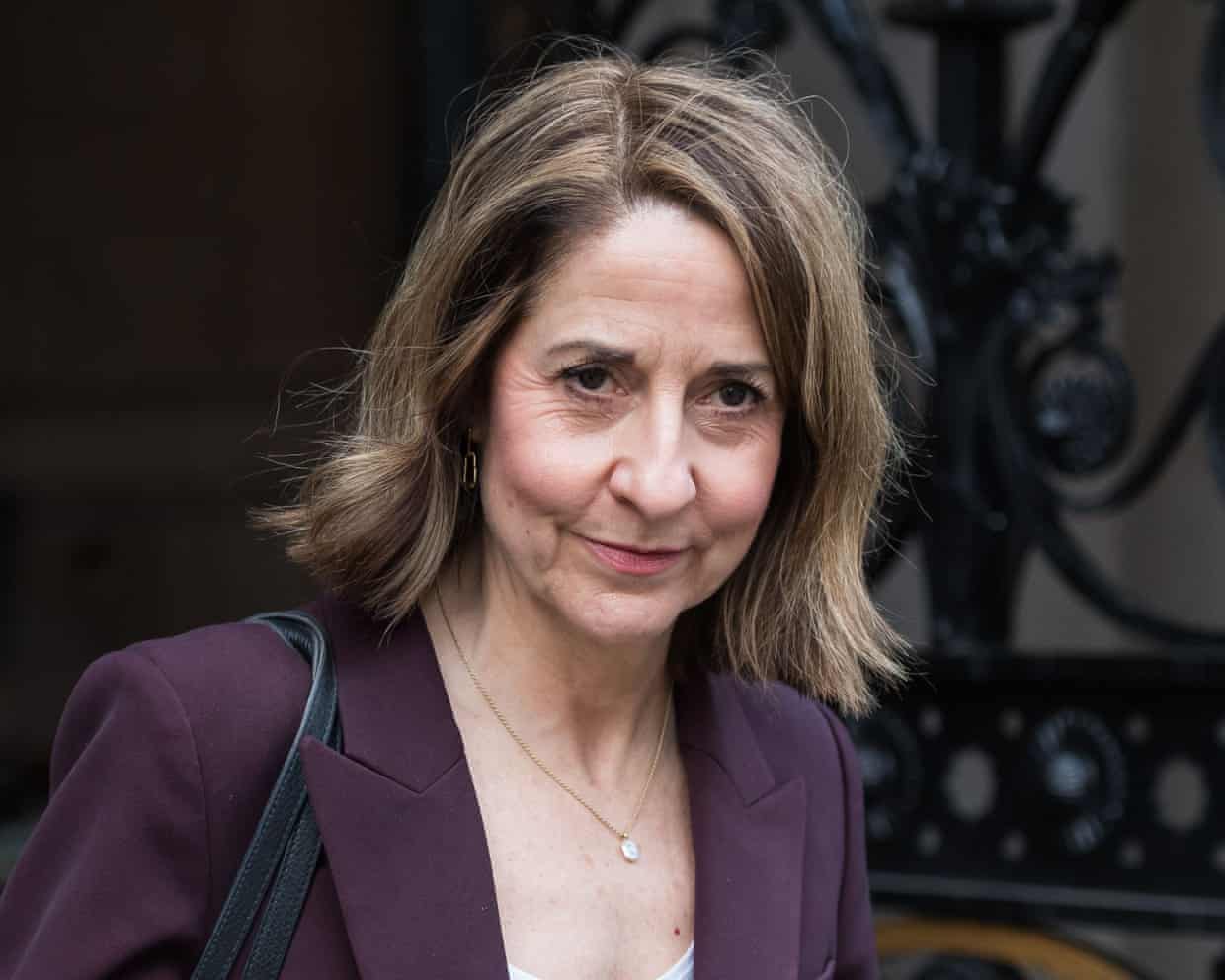
Actors, musicians and writers have welcomed the UK government’s decision to backtrack on plans to let AI firms use copyright-protected work without permission.Technology secretary Liz Kendall said it no longer had a “preferred option” on copyright reform, having previously supported a proposal allowing tech companies to take copyrighted work – unless rights holders opted out of the process.“We have listened,” said Kendall on Wednesday, “we have engaged extensively with creatives, AI firms, industry bodies, unions, academics and AI adopters, and that engagement has shaped our approach. This is why we can confirm today that the government no longer has a preferred option.”The proposal had triggered a backlash from Elton John, who called the government “absolute losers” over the plans

How AI is actually changing day-to-day work
Hello, and welcome to TechScape. I’m your host, Blake Montgomery, chuffed about One Battle After Another’s big win at the Oscars. This week, we’re examining how artificial intelligence is changing the everyday reality of white-collar work in the US, the roots of the current appetite for AI in war, and the United Kingdom’s phantom datacenters.As part of the Guardian’s Reworked series on AI’s effect on modern work, we published two stories this week on how specific jobs are changing: those of university professors and Amazon’s technical employees. Both groups are wrestling with profound shifts
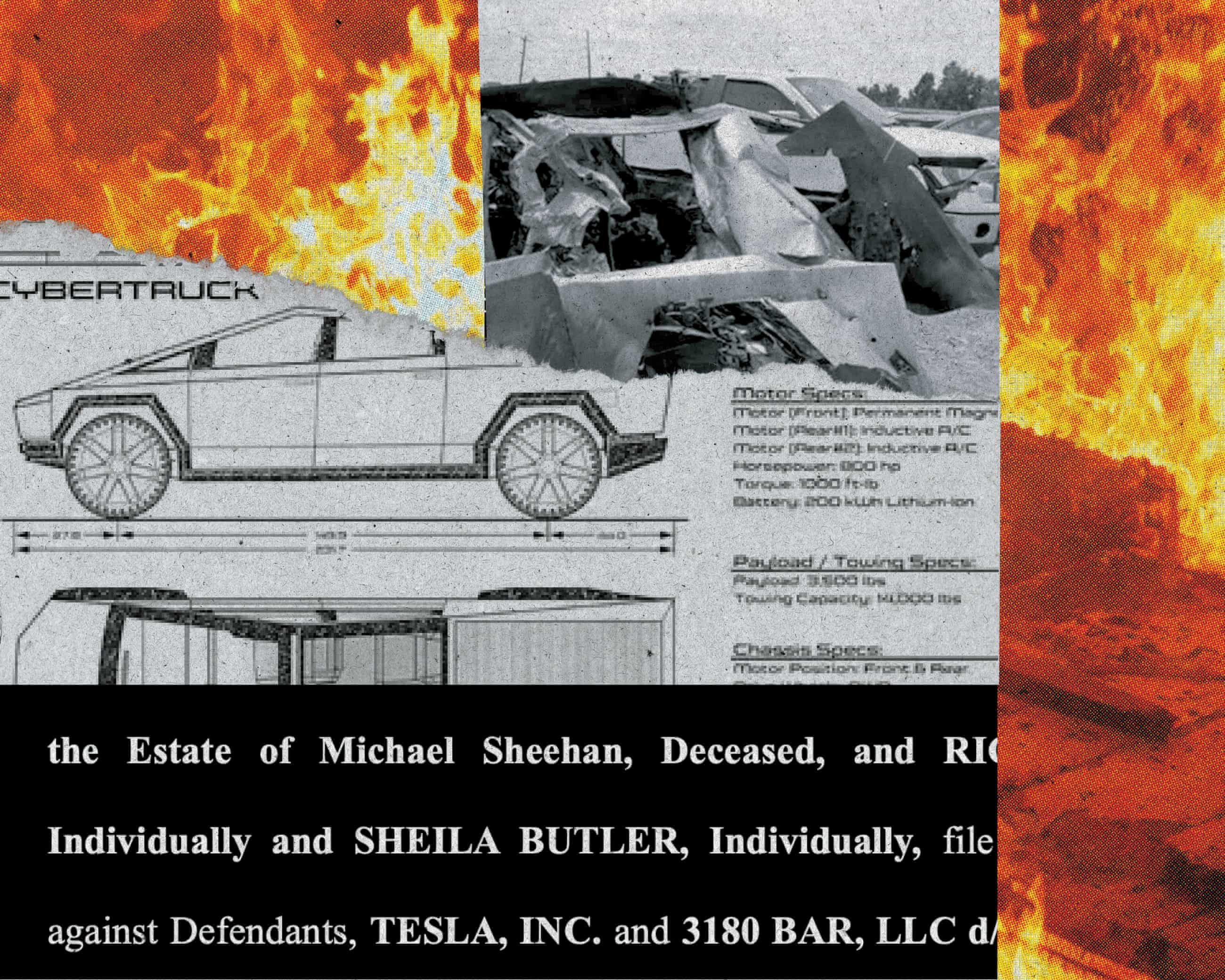
Inside the fiery, deadly crashes involving the Tesla Cybertruck
Cybertrucks have locked passengers inside and burned so hot they’ve disintegrated drivers’ bones. Victims’ families blame what they say is the faulty design of a truck Elon Musk calls ‘apocalypse-proof’When sheriff deputies arrived at the scene of a late-night crash off a desolate Texas road in August 2024, they could see a giant pyre through heavy smoke.According to police reports detailing the events of that night, the officers tried to approach the vehicle, but the fire burned too intensely. They saw it was a Tesla Cybertruck and couldn’t see anyone inside. So they combed the surrounding area for the driver
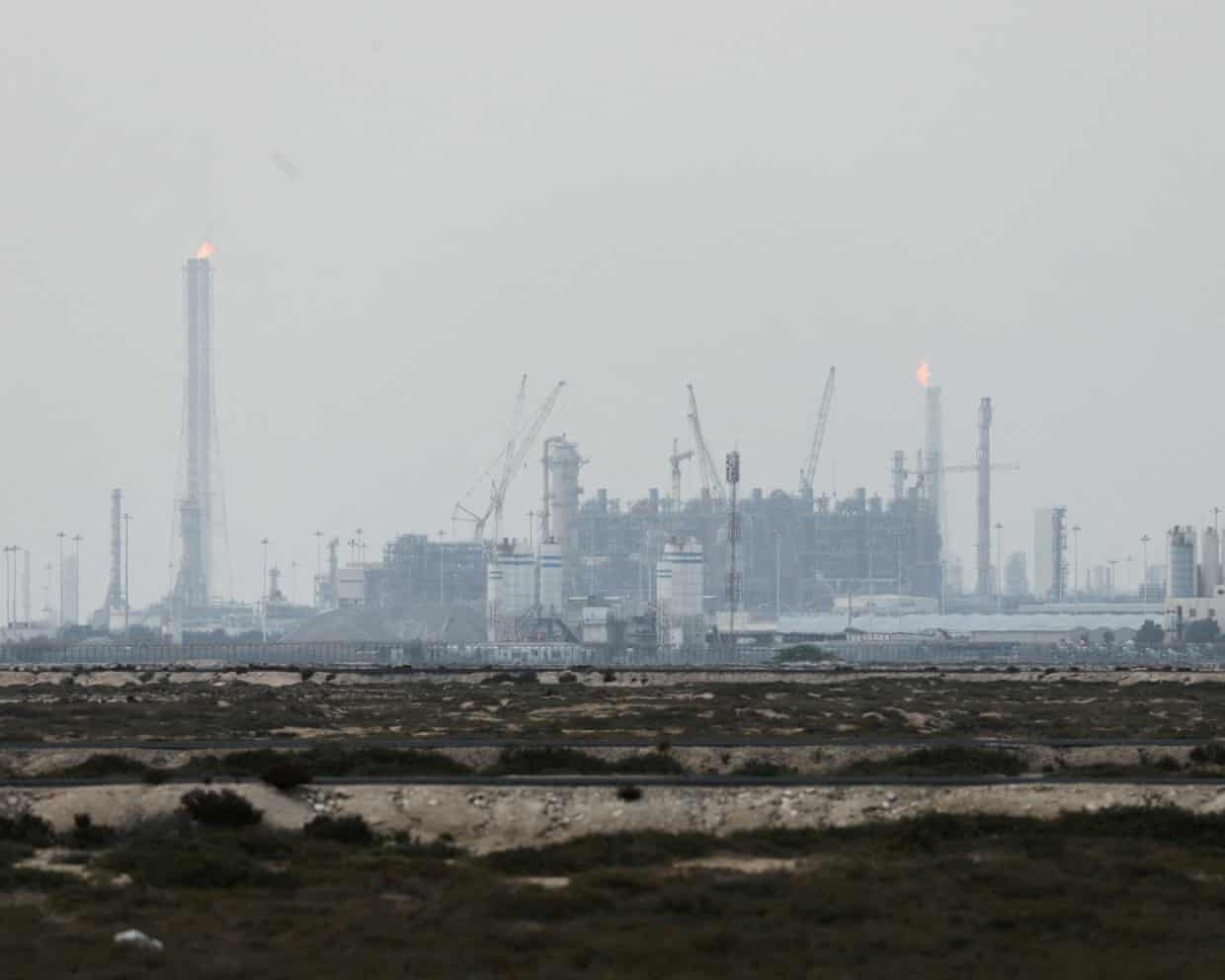
Markets keep the faith – but oil staying above $100 could test that optimism | Nils Pratley
US moves to soften capital rules: ‘Big banks can declare mission accomplished’
Cryptocurrency firms suffer heavy losses in Illinois primaries after spending big

Lack of funding is stifling scientific research | Letter

Keely Hodgkinson leads British medal hopes at world indoor championships

Meg Jones to captain England at Women’s Six Nations with Zoe Stratford pregnant