Prince’s death made me upend my life and move to his home town

The star’s potent sexuality made him my ‘secret friend’ but, with my career in the arts stalling, his death led me to the life-changing decision to move to Minneapolis and maintain his legacyI distinctly remember the first time I heard Prince.I was a dreamy, artistic child growing up in 80s rural Australia, feeling completely out of place.One day, I turned towards the cassette radio in my bedroom, hearing something totally different to the rock music I had grown up with – something electric and alive.It was Prince.My body moved.
From that moment, he became my secret soul friend, his music carrying a powerful mix of sexuality and spirituality that I didn’t yet have the language for.Songs such as Controversy and Purple Rain felt like permission to be fully expressive, and fully myself.My love for Prince remained as I grew up.I moved to New York to pursue a career in the arts, but never quite fully managed it, ending up as an arts administrator.I supported other artists, organised programmes, lived alongside creativity rather than inside it.
Throughout my life I had wanted to see Prince live, but always hesitated.I came close, hovering over tickets for a show at Madison Square Garden, but didn’t go.After his religious conversion in 2001, I think I was afraid of seeing him changed, diminished from the exciting vision of liberation I held in my imagination.It’s a regret that shaped everything that came next.When he died in 2016, I was in a subway station.
I read the news on my phone and physically stumbled backwards, catching myself against the tiled wall.The grief was overwhelming and immediate.I went home and cried for days, consuming everything Prince-related I could.I combed the city looking for a purple item of clothing, eventually sourcing a purple sequined gown, which became my armour.I wore it from the store straight into the subway, which felt both absurd and right.
Within a week, cinemas across the city were showing Purple Rain.For about a month, I took myself to screenings every few days after work.Sometimes they were packed, other times it was just me and Prince in the room.Within weeks of his death, the idea of visiting Minneapolis, Prince’s home, began to take hold.It didn’t feel logical – Prince was gone, what could I possibly find there now? – but I couldn’t shake it.
So I booked a ticket,From the moment I got in the taxi at the airport, people began telling me their Prince stories,I visited his estate, Paisley Park for the first time, where strangers had gathered at the fence, leaving offerings – flowers, letters, artwork – speaking to one another with refreshing openness,The whole city began to feel enchanted by this shared love and experience,I went back to New York, but couldn’t settle.
I returned to Minneapolis again and again,Within months, I had decided that I was going to relocate,Unlike the rest of my life, where I’d become an administrator rather than an artist, I thought: “What if I just listen to this call this time, and see where this mysterious journey leads?” Finally, about a year after Prince’s death I quit my job, and left my life in New York,I didn’t have a clear plan,I was in the middle of a PhD, researching the role of artists in society, and I shifted my focus entirely towards Prince and his legacy.
In that way, Minneapolis became both my subject and my home.I started collecting stories, noticing the way people were creating their own tributes, their own forms of memorial.That became The People’s Museum for Prince, a grassroots museum I founded, which traces Prince’s transformational impact through the memories of those whose lives he touched.Around the same time, friends connected me to a man who needed a housesitter for his Minneapolis home while he travelled for the summer.The moment we met, we fell in love.
I moved into his house while he was away.When he returned, I didn’t move out.It was intense and overwhelming, and the emotional acceleration mirrored everything else in my life.For a while, it felt like Minneapolis had given me everything at once.Then the relationship ended, in an intense and devastating way.
In the wake of that, I left the city, eventually returning to Australia during the pandemic.But Minneapolis still felt like a second home.Now, at 55, I live between Australia and Minneapolis, continuing the museum, making films – including a documentary short, Dearly Beloved, about my journey connecting with Prince – finishing the work that began there.I came to Minneapolis looking for Prince, tracing the places he had lived, researching his life.Instead, what I found was community and, most importantly, a rediscovery of my artistic self.
I went searching for Prince and found a way back to my own life, and the artist I always dreamed of becoming.Dearly Beloved is currently screening at festivals.A feature film based on the short is in development.You can tell us how a cultural moment has prompted you to make a major life change by filling in the form below or emailing us on cultural.awakening@theguardian.
com.Please include as much detail as possiblePlease note, the maximum file size is 5.7 MB.Your contact details are helpful so we can contact you for more information.They will only be seen by the Guardian.
Your contact details are helpful so we can contact you for more information.They will only be seen by the Guardian.If you include other people's names please ask them first.
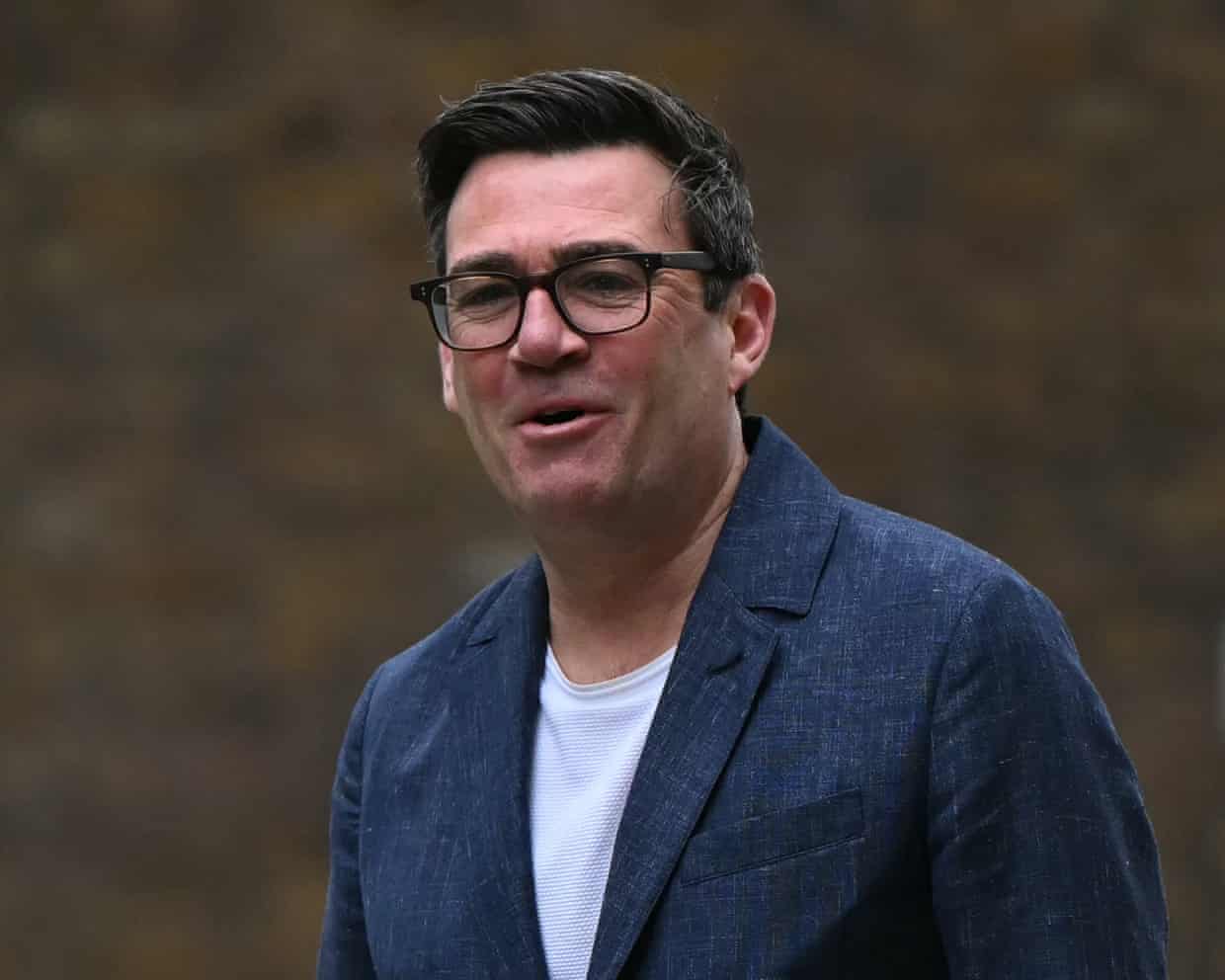
‘Hold the line’: Burnham tells allies in parliament he still has options to return
Andy Burnham has told Labour MPs they should hold the line and that he has options to return to parliament after several seats identified by his allies failed to materialise.Two seats that backers of the Greater Manchester mayor had described as “nailed on” as recently as Monday night are now out of contention after the MPs concerned got cold feet.Burnham spoke to a number of MPs by phone on Tuesday and assured them that he still intended to seek an imminent return to parliament.The Guardian was told by two MPs on Wednesday that Jeff Smith, who represents Manchester Withington, an affluent suburb of the city, was in talks about stepping aside for Burnham, but his friends denied it. Asked whether he was about to make way, Smith told the Press Association he was not
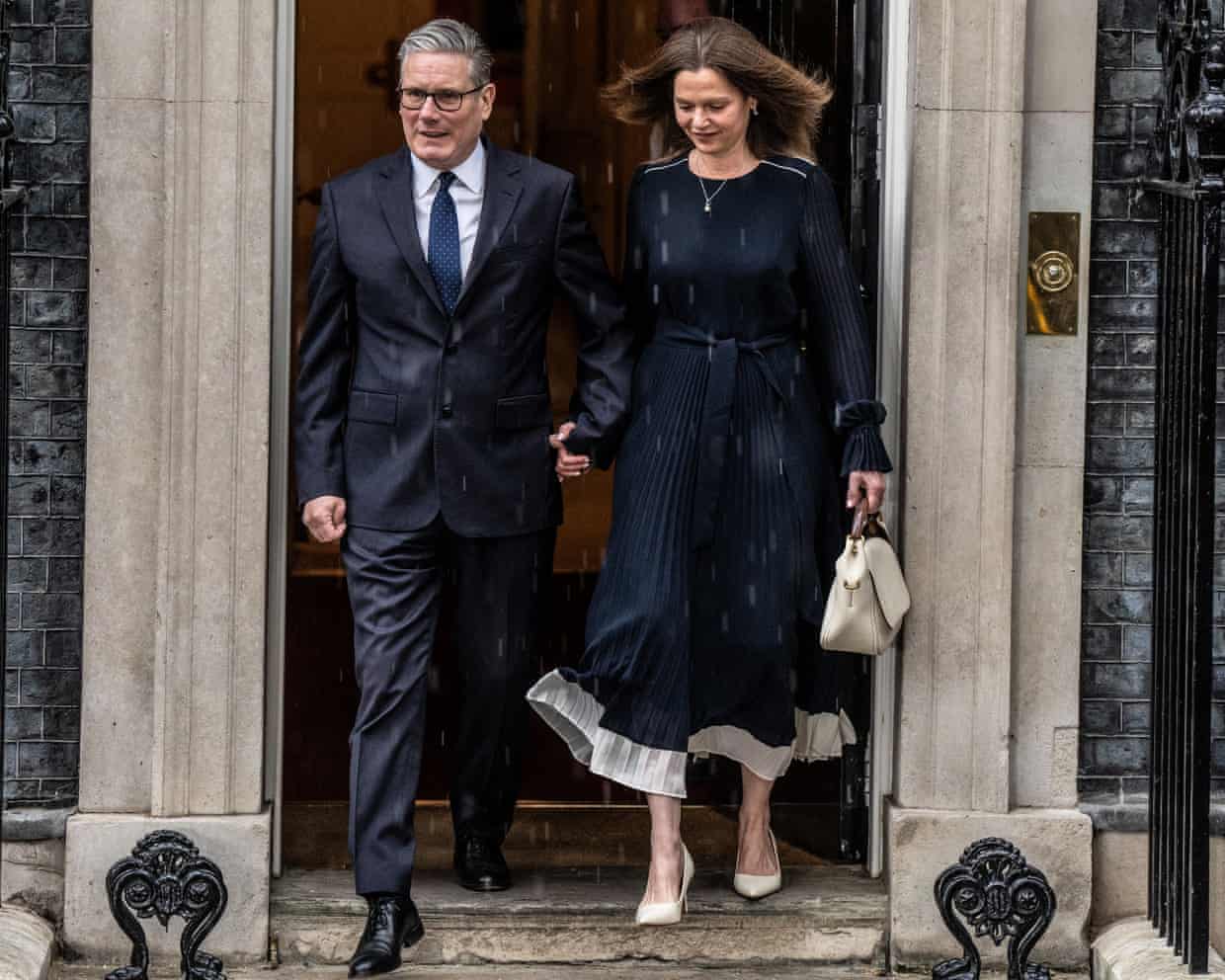
‘It’s more incrementalism’: Starmer’s safe king’s speech fails to quell mutiny
For Keir Starmer’s Labour critics, his second king’s speech, in which the government set out what it would do in parliament over the next 12 to 18 months, was a crystallisation of everything that was wrong with the prime minister’s strategy.Over 34 bills and three draft ones, Starmer set out a programme he said would “make this country stronger and fairer”. But the package, which included limiting trial by jury, reshaping the NHS and moving the country closer to the EU, fell short of what some in the prime minister’s party feel is needed to win back voters’ trust.“Most of this is incrementalism,” said one Labour MP. “This sums up where we have gone wrong in the first two years in government
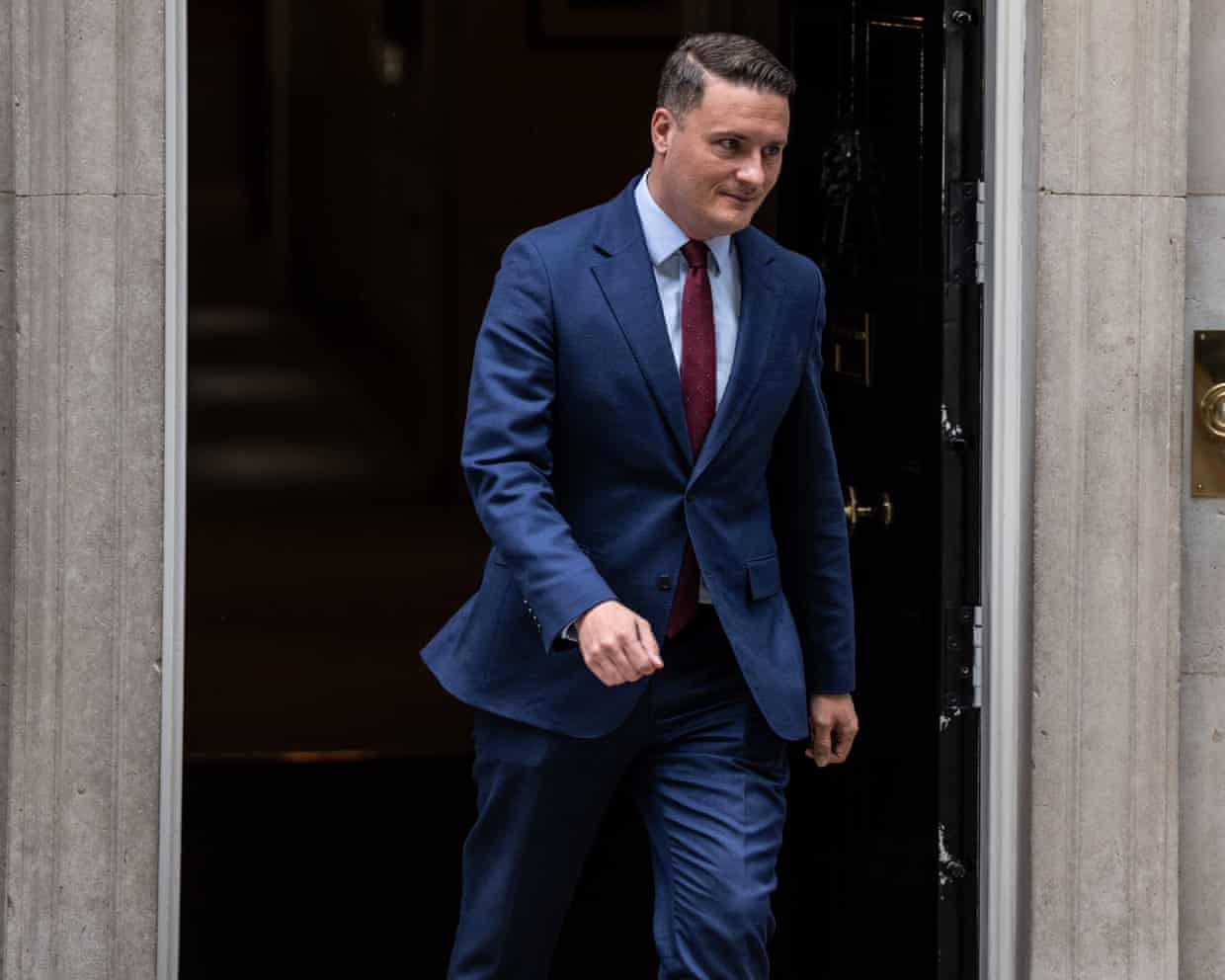
Starmer has ‘full confidence’ in Streeting despite health secretary’s allies saying he is planning to resign – as it happened
Downing Street has now confirmed that Wes Streeting is still health secretary. The PM’s spokesperson told reporters the prime minister has “full confidence” in the health secretary.Allies of Wes Streeting have said he is preparing to stand down as health secretary amid deep frustration with Keir Starmer’s leadership, and could mount a formal challenge for the leadership as early as Thursday.Keir Starmer has put long-promised changes to education, health and the courts at the heart of his agenda for the next year, as the embattled prime minister looks to prove he can enact the scale of change being demanded by Labour MPs and voters. There were 37 bills in the speech
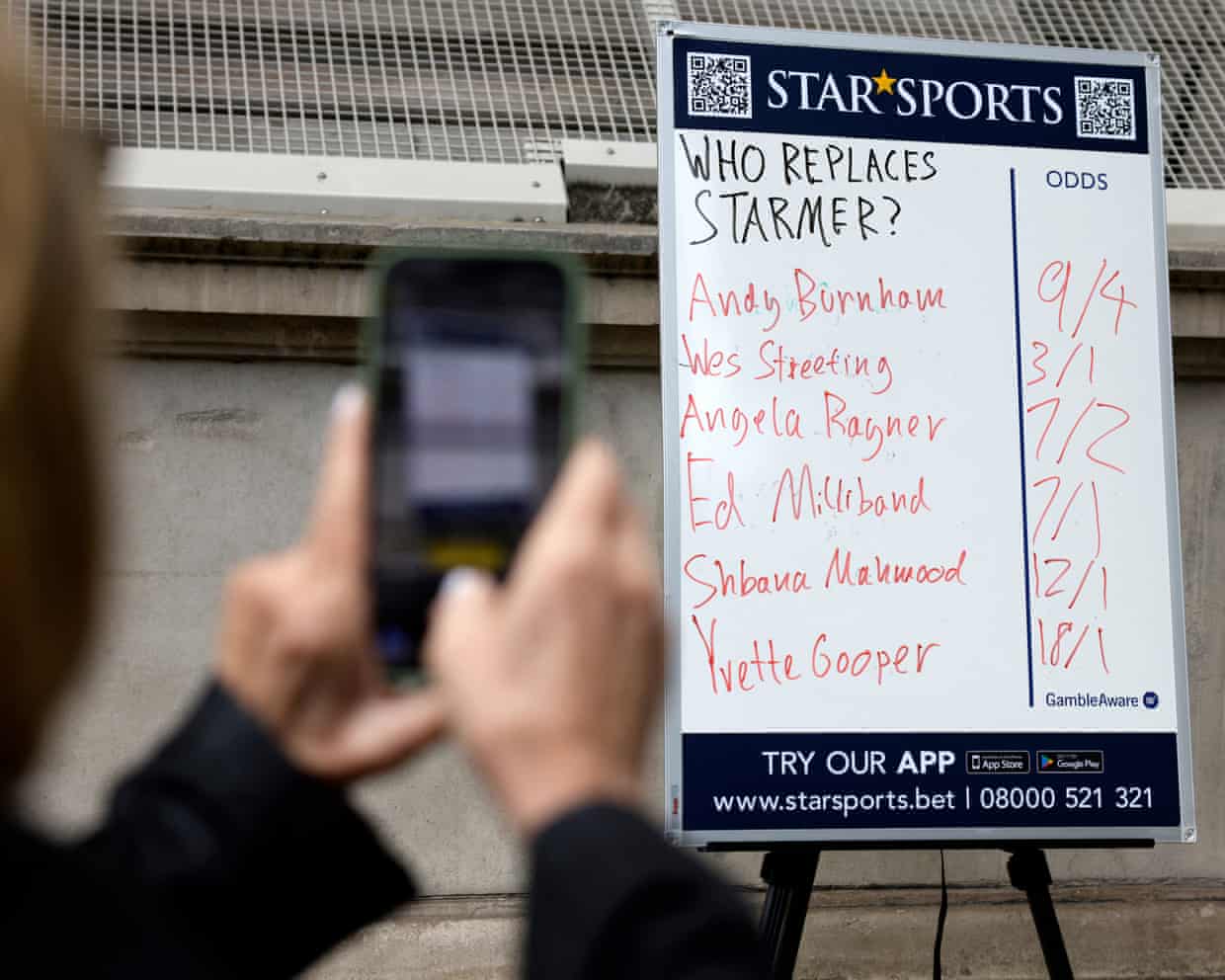
Labour politicians should put the country before their party | Letters
As an active and loyal Labour member, I am infuriated by what is happening within the party (Burnham allies warn against quick ‘coronation’ of Streeting if Starmer quits, 12 May). The ongoing circus about the leadership is a terrible distraction from the numerous global and national issues that the government and the prime minister should be focused on. But the most infuriating aspect of the entire shambles is the relentless speculation and briefings from so-called “allies” of Andy Burham.No Labour member has an innate right to be selected as a parliamentary candidate. The assertion that a sitting Labour MP should give up the seat voters elected them to, necessitating a byelection so that Burnham can run, then assuming that he would automatically retain the seat, is arrogance beyond belief

Labour lost the vote of small business owners like me | Letter
Your report (Reform wins across northern England overturn decades of Labour control, 8 May) touched on Labour losing support among small business owners. I wanted to offer the perspective of a small independent business owner who has traditionally supported Labour.Labour’s poor local election results may reflect a growing frustration among small business owners who no longer feel recognised as “working people”. In hospitality, hair and beauty, retail and trades, there are thousands upon thousands of us keeping local economies alive while taking home increasingly modest incomes ourselves.Last year, our small independent restaurant in Margate turned over roughly £350,000
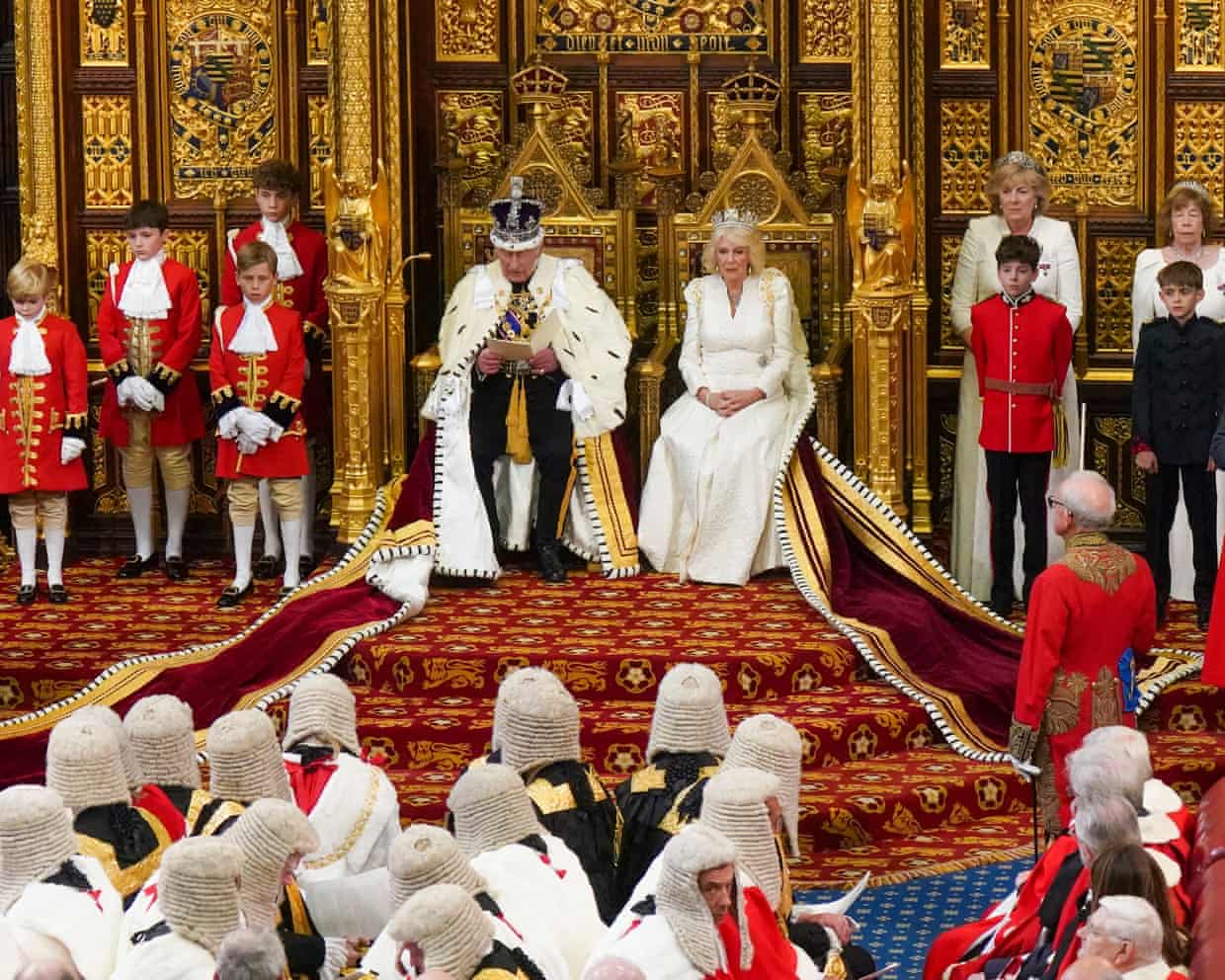
King’s speech might be the last word on Starmer as reluctant monarch does his duty | John Crace
The king looked fed up. His attempts to throw a sickie had come to nothing. Did the government really want to go ahead with the state opening? Apparently it did. Would it be OK if he phoned it in? He fancied a day working from palace. It wouldn’t be OK

Milka maker milked shoppers over size of chocolate bars, German court rules

Global oil inventories falling at record pace amid Iran war; US producer price inflation hits four-year high – as it happened
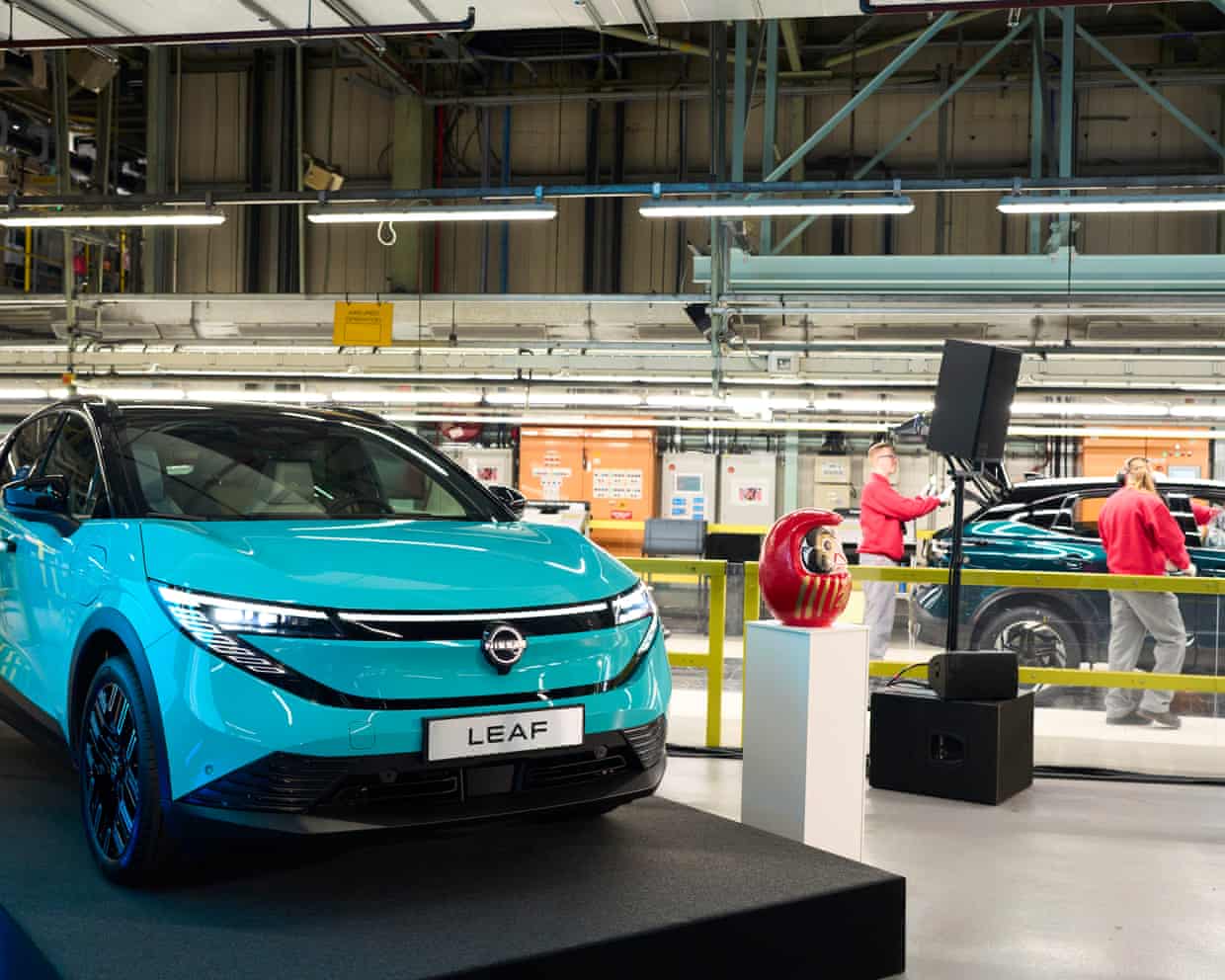
Nissan ponders building cars for Chinese rivals at Sunderland plant

Lab testing group Intertek to back £10.6bn takeover by Swedish firm EQT

UK housebuilder Vistry warns of ‘significantly’ lower profits amid Iran war uncertainty

How new owner became all powerful in ‘high stakes’ attempt to revive former WH Smith chain