Blink and miss: Trump’s tactic of threats first and U-turn later is proving stale in Iran war
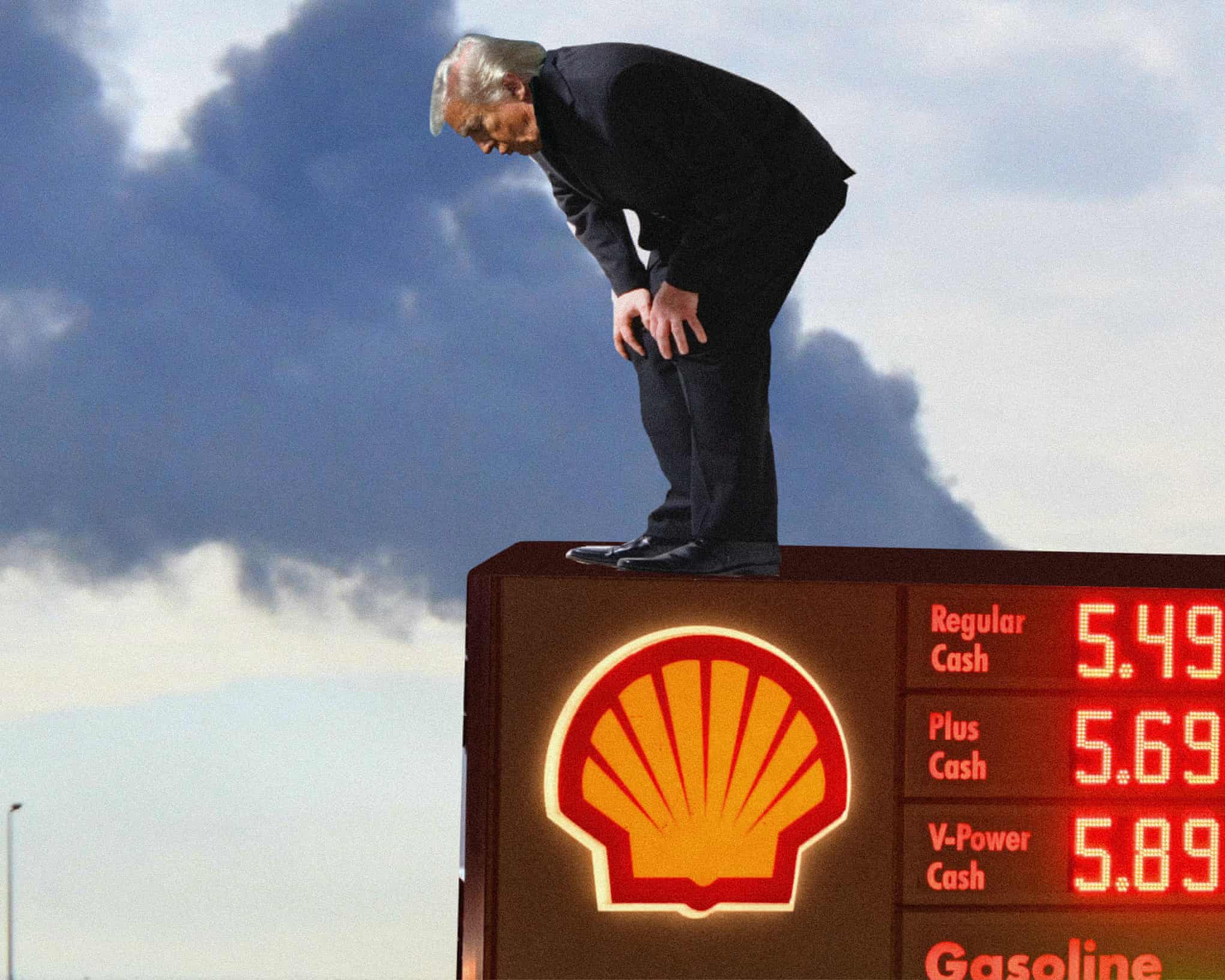
President’s move, dubbed Trump Always Chickens Out, appears to have soured as he loses hold on situation in IranFrom Wall Street to the White House, the dish everyone’s talking about this week is the Persian Taco.It’s what’s served when Trump chickens out in Iran.In the early hours of Monday morning, witnessing oil prices surge, stock futures plummet and bond yields climb due to his threat to pummel Iran’s civilian power infrastructure, the president hurriedly walked it back, announcing he would put off the bombing because talks with Iran were actually going great.After the bombast and bloodshed, it was time for Taco (Trump Always Chickens Out), a move he first put on display during the tariffs crisis last year.Bonds snapped back in instants and the price of Brent crude recoiled to below $100 a barrel from more than $112 seconds earlier.
By 9.30am in New York, the S&P 500 stock index had jumped 1.5%, defying futures contracts that had earlier signalled a 1% daily decline.Maybe we should thank Trump for stopping American forces before they committed a war crime, setting off an inevitable tit-for-tat with Iran to blow up civilian infrastructure around the Gulf; delivering a gut punch to the global economy that would send financial markets into a tailspin.But events in the hours after the president offered up his dish of Mex-Middle Eastern fusion cuisine suggest his tactic may have run its course.
He can still inflict tremendous damage to the region and the world economy.Making extreme threats and walking them back will again provide Trump with the illusion of agency.But he no longer has control of events in Iran.He does not get to decide when the conflict ends.Markets are figuring out that that will probably be up to Tehran.
Oil rebounded on Tuesday and stocks gave up much of their Monday gains after Iranian officials denied the “productive conversations” Trump claimed had taken place “regarding a complete and total resolution of our hostilities”, and sent waves of missiles into Israel, Iraq and other American allies in the Gulf.Though markets welcomed news late on Tuesday that Washington had sent Iran a peace plan, they have freaked out again since then, as investors figured out that the president’s words mean little.This is not the first time markets sense Trump’s waning power to shape events.On 9 March, the president had another Taco episode and tried to stop rising oil prices by claiming the fighting would end “soon, very soon” because the war was “very complete, pretty much”.The S&P index rebounded that day.
But it quickly resumed its decline.On “liberation day” in April last year, when the Taco trade was christened, Trump was roughly in control of events.He imposed a round of what he called “reciprocal” tariffs on imports from every patch of land on earth, including islands inhabited exclusively by penguins.Markets went haywire.So he backtracked to calm the markets down.
No great damage was done to the economy.Over subsequent months, as Trump again raised tariffs against groups of countries in a somewhat more gradual, piecemeal way, markets reacted more calmly, especially since the harm from his maneuvers – to growth and inflation – appeared muted.The dollar suffered, but the stock market rallied.Trump is dealing with a trickier landscape now.The November midterm elections loom and he is underwater in opinion polls.
Americans didn’t approve of this war from the get-go and their opposition has increased as the average price of gas at the pump has risen to near $4 a gallon.The OECD forecast that US inflation will surge to 4.2% this year.Trump’s challenge is that his objectives are in conflict.He desperately needs to end the war and bring the fleet home.
And he desperately needs to unblock the supply of oil through the strait of Hormuz, which Iran now controls.Iran, by contrast, has time.Its leadership has already been taken apart.Its military has been devastated.But the regime remains in control and there is little indication that it is about to be swept from power.
As we have seen, it is capable of imposing enormous costs on the world by throttling the strait and depriving the global economy of 12.5m barrels of oil and 11.5bn cubic feet of gas a day.Tehran’s incentive to back down is minimal.It probably calculates that the only way to prevent future attacks is to demonstrate how much damage it can inflict in response.
And there is nothing the US can do about this unless it puts boots on the ground, which would raise additional political problems in Washington.Indeed, Iran reportedly responded to Washington’s peace proposals by putting up some demands of its own, which included recognition of Iranian sovereignty over the strait of Hormuz and reparations for the damage caused by American and Israeli attacks.Press TV, the Iran state broadcaster, reportedly cited a senior official saying: “Iran will end the war when it decides to do so and when its own conditions are met.”Markets are starting to understand this.If the US were in control of things, Trump wouldn’t threaten to bomb civilian targets – which is a war crime.
At best for the president, it means he’s degraded all of Iran’s military targets and doesn’t know what else to do.At worst, it means he hasn’t figured out how to take them out.On Thursday the S&P index lost 1.78% and closed at a new low for the year.The price of a barrel of Brent crude hovered around $108 in mid-afternoon.
Like Trump, investors have been surprised to discover that after its leader was killed and its armed forces taken apart, Iran emerged perhaps deadlier and more resolute to hang on and cause more havoc than before.Trump’s Persian Tacos may not be enough to calm their nerves.
UK government borrowing costs hit 5% as Iran war fuels bond market sell-off
UK government borrowing costs have risen above 5% amid an intensifying global bond market sell-off fuelled by the Iran war.The yield – or interest rate – on 10-year debt hit its highest level since the 2008 financial crisis, rising 13 basis points to 5.081%, as investors acted on concerns about the economic fallout from the conflict.Borrowing costs also rose for the US and eurozone governments, underscoring growing turbulence in the global financial system after Donald Trump’s extension of a deadline for a peace deal failed to soothe jittery investors.Financial markets worldwide slumped on Friday, extending falls seen since the outbreak of the war, with losses in London and across major US and EU trading hubs

Italy investigates beauty brands over concerns about young girls’ mental health
Italian regulators are investigating Sephora and Benefit Cosmetics over the apparent use of “covert marketing strategies” to sell beauty products to young girls that might be fuelling an unhealthy skincare obsession known as “cosmeticorexia”.The Italian Competition Authority said it was looking into promotions for skincare products such as face masks, serums and anti-ageing creams that in some cases appeared to target girls under 10.“These practices are linked to the broader issue of ‘cosmeticorexia’ – an obsession with skincare among minors,” the authority said.The cosmetics brands, which are both owned by the French luxury group LVMH, appeared to have adopted a “particularly insidious marketing strategy”, it said. This involved using “very young micro-influencers who encourage the compulsive purchase of cosmetics among young people, a particularly vulnerable group”

Number of AI chatbots ignoring human instructions increasing, study says
AI models that lie and cheat appear to be growing in number with reports of deceptive scheming surging in the last six months, a study into the technology has found.AI chatbots and agents disregarded direct instructions, evaded safeguards and deceived humans and other AI, according to research funded by the UK government-funded AI Security Institute (AISI). The study, shared with the Guardian, identified nearly 700 real-world cases of AI scheming and charted a five-fold rise in misbehaviour between October and March, with some AI models destroying emails and other files without permission.The snapshot of scheming by AI agents “in the wild”, as opposed to in laboratory conditions, has sparked fresh calls for international monitoring of the increasingly capable models and come as Silicon Valley companies aggressively promote the technology as a economically transformative. Last week the UK chancellor also launched a drive to get millions more Britons using AI
‘Accountability has arrived’: dual US court losses show shifting tide against Meta and co
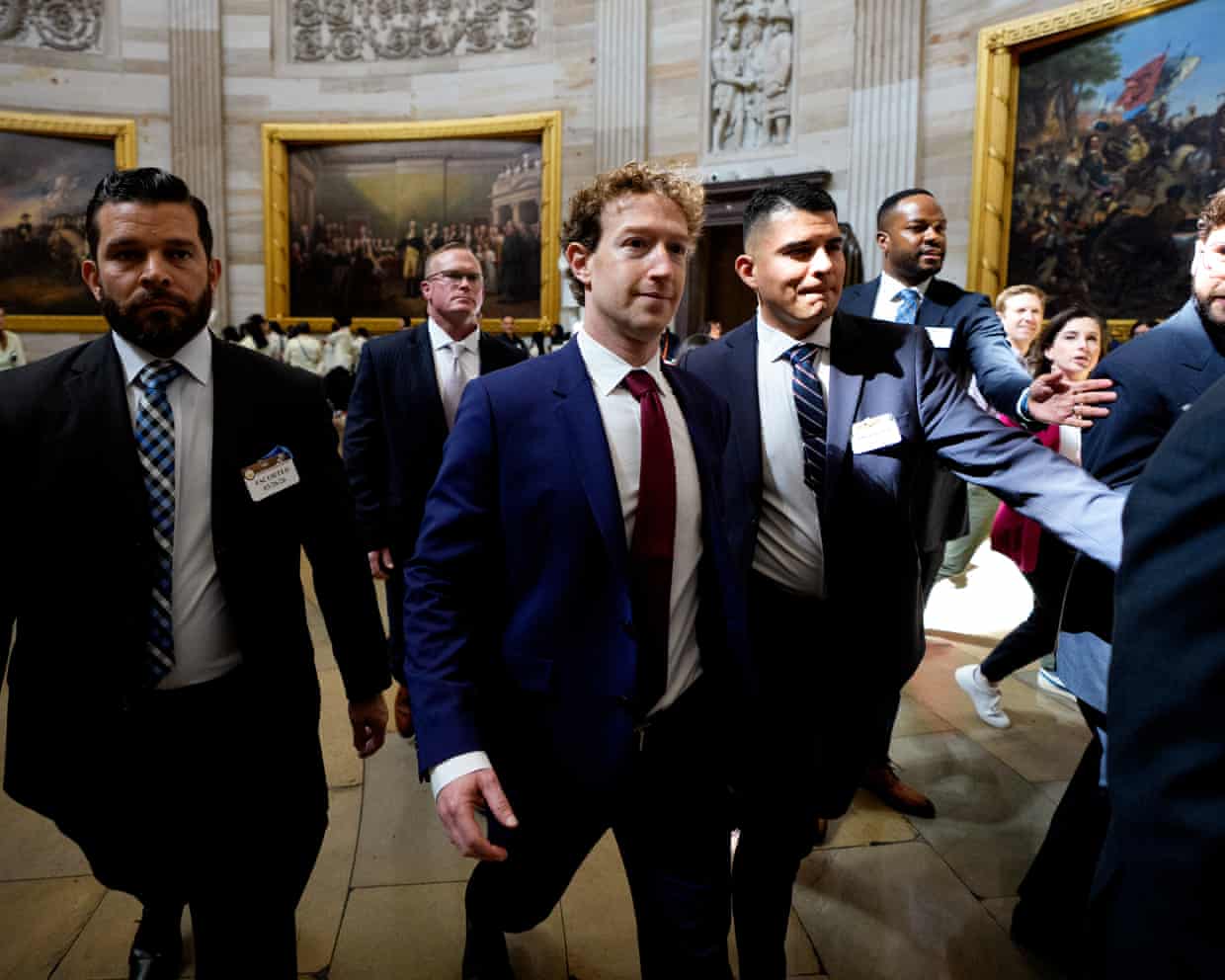
In the span of just two days, the most powerful social media company in the world faced a more severe public reckoning than it has in years.Jurors in California and New Mexico gave back-to-back verdicts this week that for the first time ever found Meta liable for products that inflict harm on young people. For years, lawmakers, parents and advocates have raised red flags over how social media can hurt children, but now the tech firms are being held to account via court rulings that could set long-lasting precedents.A jury in New Mexico ordered Meta to pay $375m in damages on Tuesday over claims that its products led to child sexual exploitation, among other harms. The following day, a jury in California ordered Meta and YouTube to pay $6m over claims that both companies deliberately designed addictive products to hook young users
Billy Loughnane’s bid to become champion jockey hit by 21-day ban
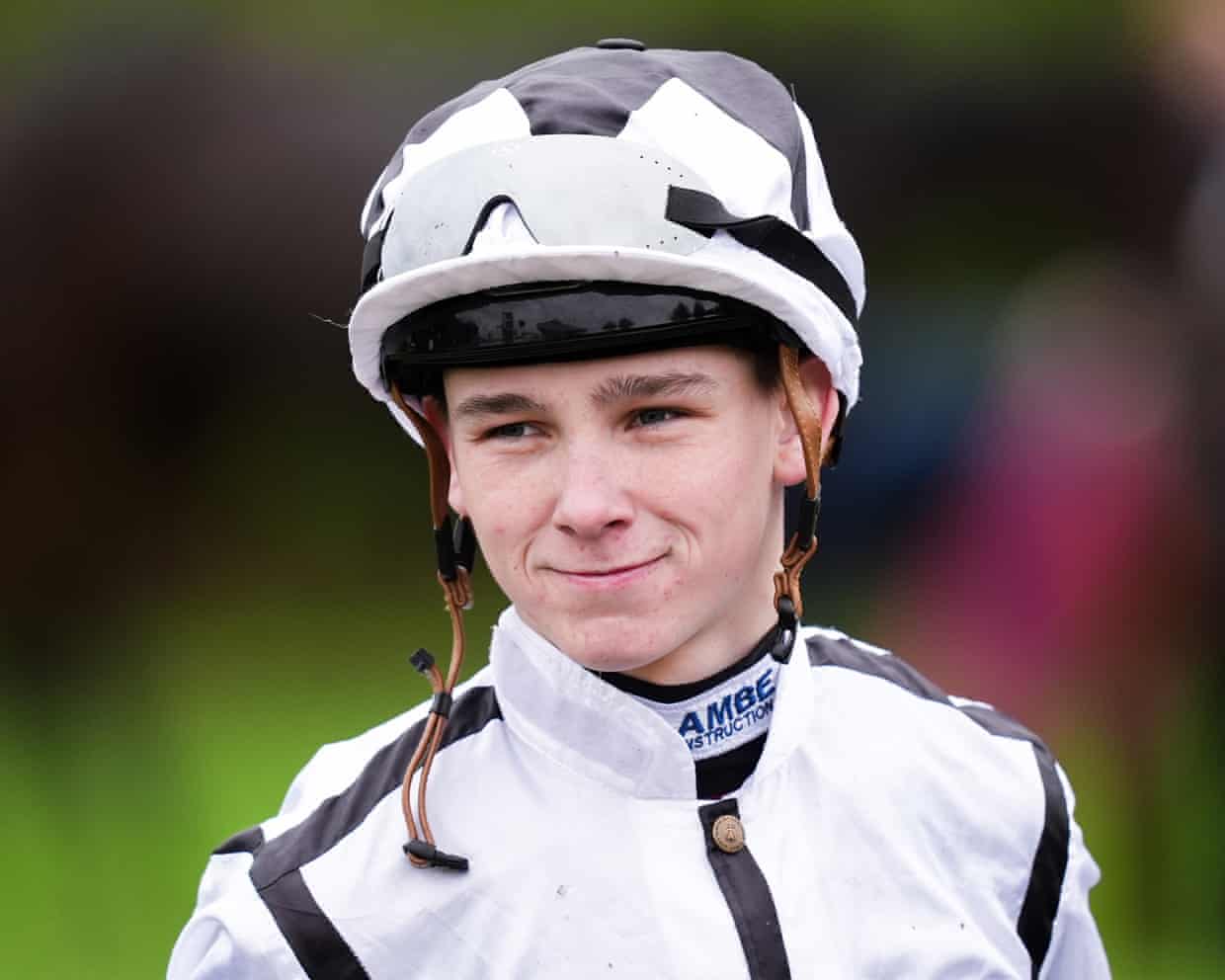
Billy Loughnane, who will be Britain’s youngest champion jockey on the Flat since Frank Wootton in 1909 if he takes the title this season, has lodged an appeal against a 21-day ban imposed by the stewards at Southwell for riding a horse back to the unsaddling enclosure after it had been scratched from a race on vets’ orders.Loughnane’s mount, Beelzebub, was kicked at the start before the final race on Thursday evening and deemed to be lame following a veterinary examination. Loughnane, who was suspended for improper riding, has appealed against both the finding of the stewards’ inquiry and the penalty.If his appeal is unsuccessful, Loughnane will be on the sidelines from 9 April to 30 April, ruling him out of both the three-day Craven meeting at Newmarket, which includes several Classic trials, and the Greenham Stakes meeting at Newbury.He will return in time for the start of the championship race on 2 May, but a three-week “holiday” in the early weeks of the turf campaign will still be a source of considerable frustration for the 20-year-old, who has made no secret of his ambition to win the title
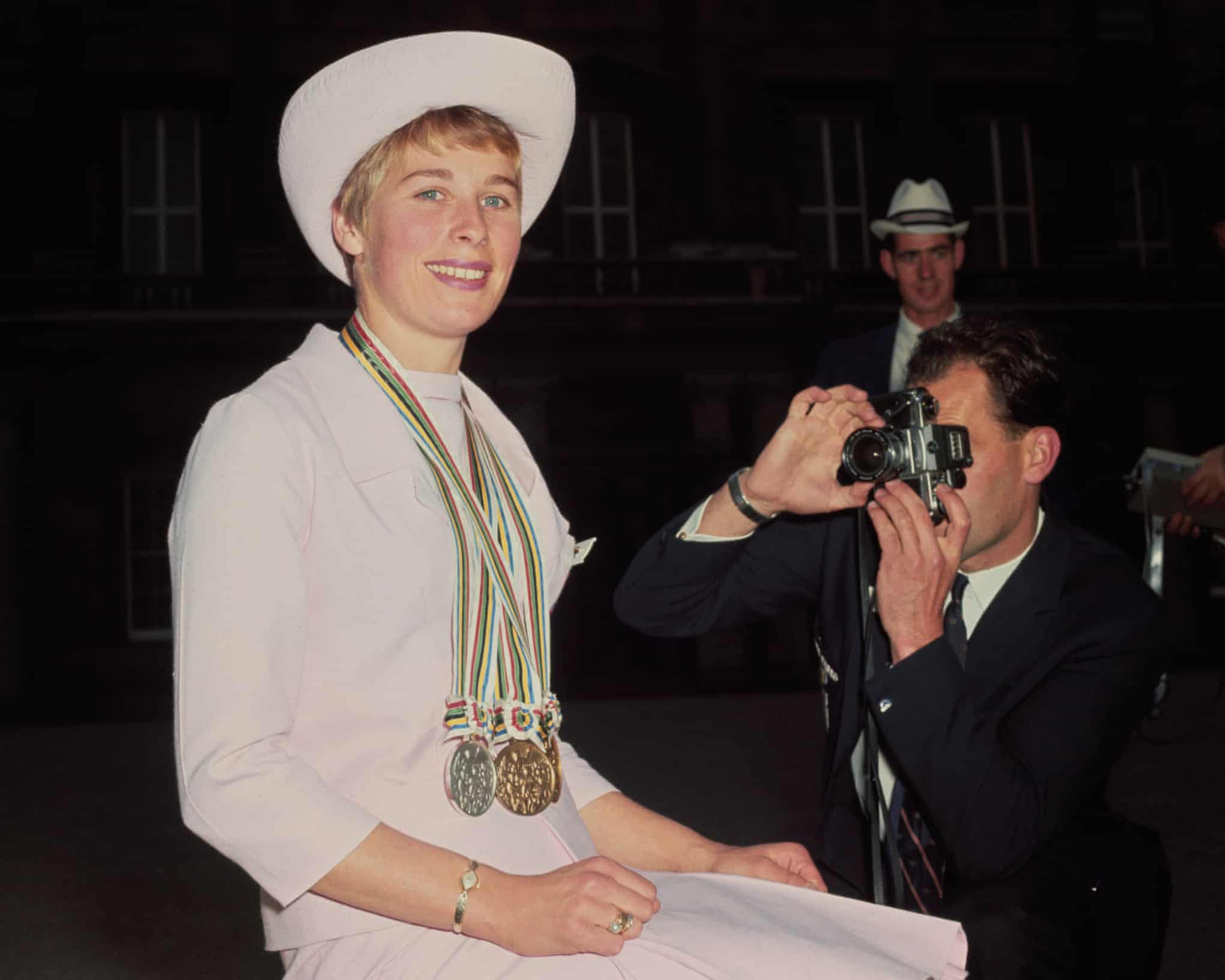
Mary Rand, first British woman to win Olympic athletics gold, dies aged 86
Rand won gold, silver and bronze medals at Tokyo 1964Mary Peters pays tribute to ‘most gifted athlete ever’Mary Rand, the British track and field athlete who blazed a trail for women by winning three Olympic medals at the Tokyo Games in 1964, has died at the age of 86.Rand was one of the giants of her sport: the epitome of speed, power and grace. Her long jump victory in Tokyo made her Britain’s first female Olympic gold medallist in athletics, and she followed it up with a silver in the pentathlon and a bronze in the 4x100m relay.That supreme talent was also fused with 60s style. She was famously called “Marilyn Monroe on spikes” by one journalist, because of her blonde highlights, while Mick Jagger declared her to be his dream date
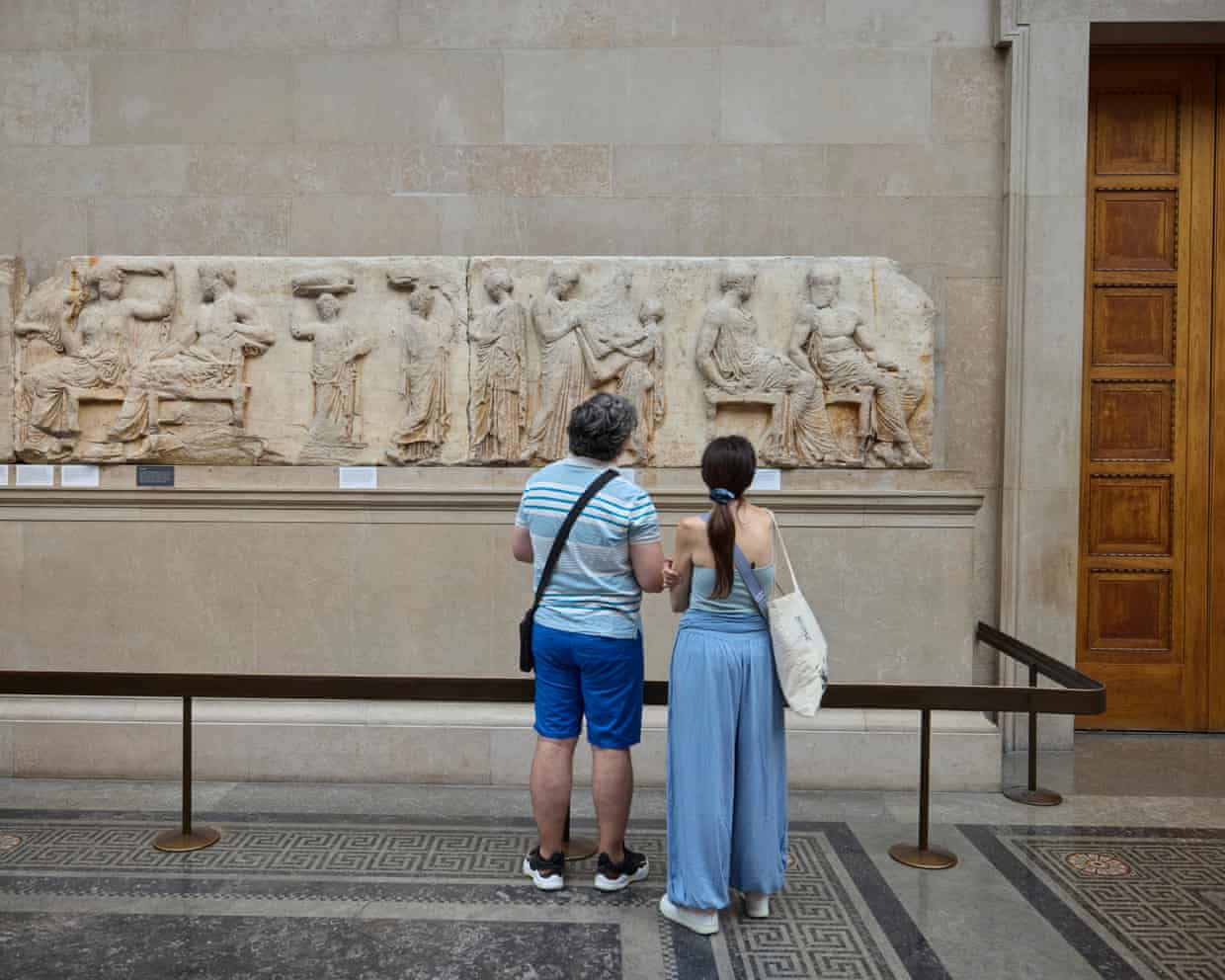
Ministers consider charging tourists to enter national museums in England
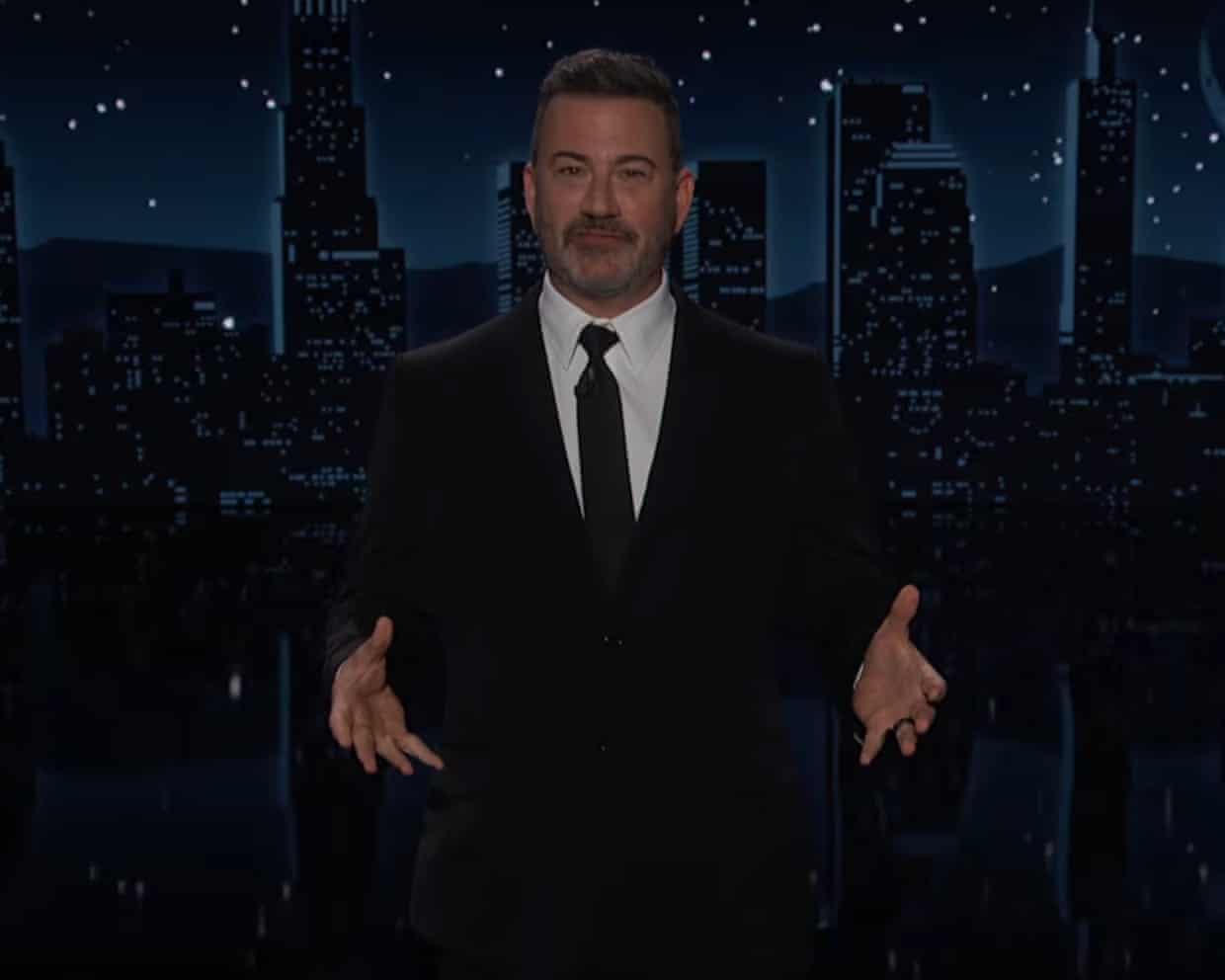
Jimmy Kimmel on Trump’s election integrity push: ‘Like Bill Cosby telling you he’ll watch your drink for you’
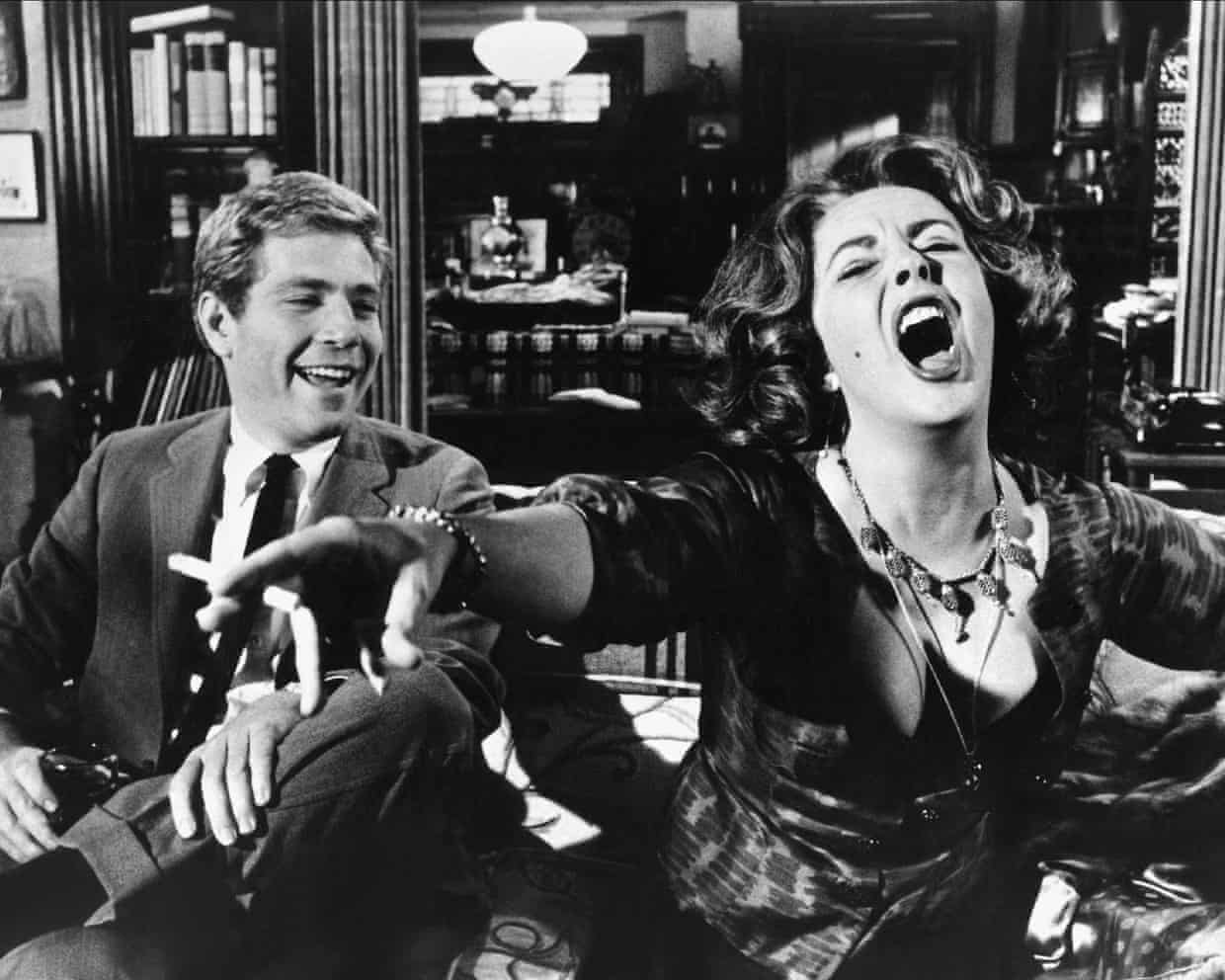
Who’s Afraid of Virginia Woolf? at 60: Elizabeth Taylor still crackles with feral energy
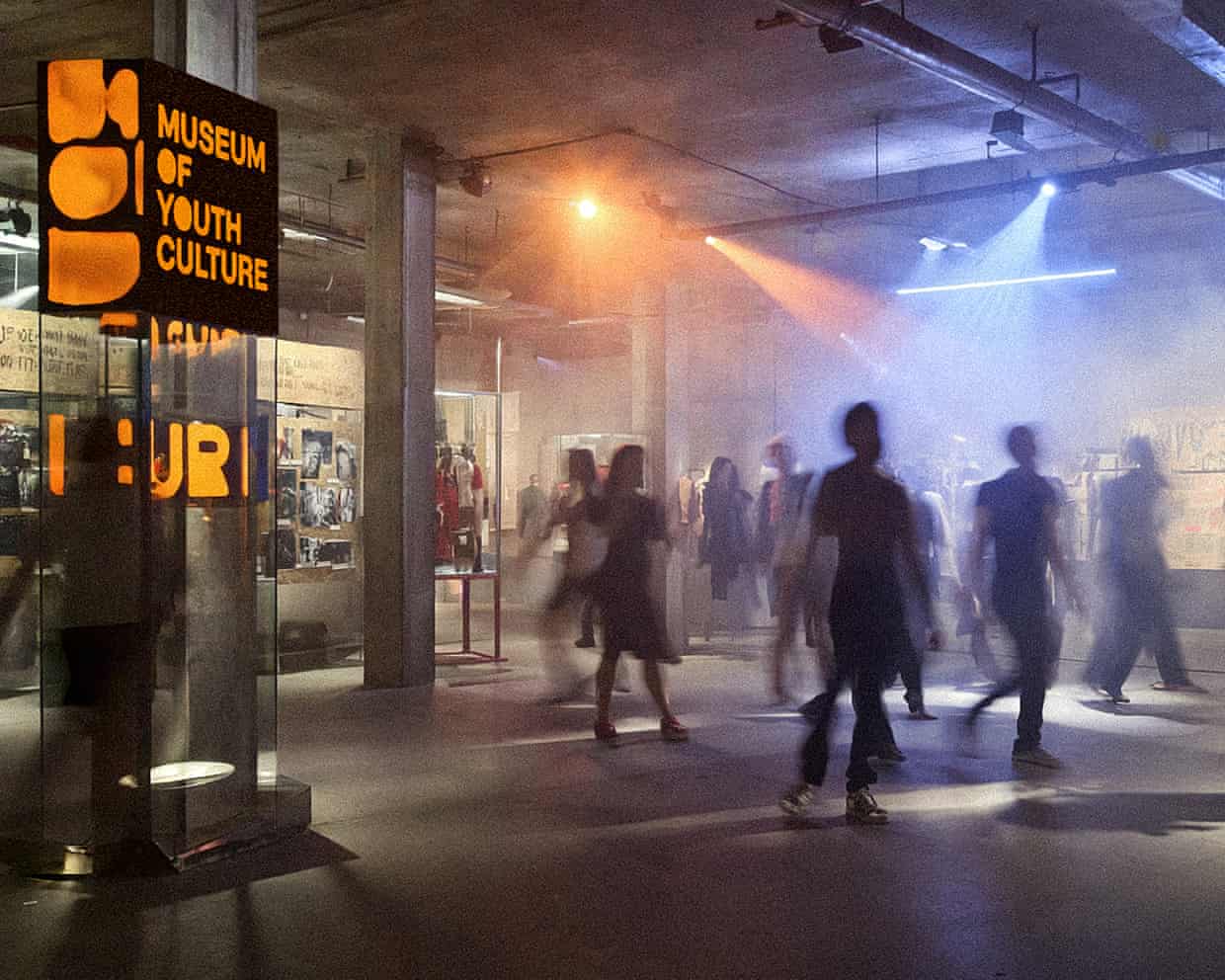
Punk masks, Walkmans and Choppers: Museum of Youth Culture to open in London

‘Audiences told us we didn’t show enough teacher sex’: how we made Waterloo Road
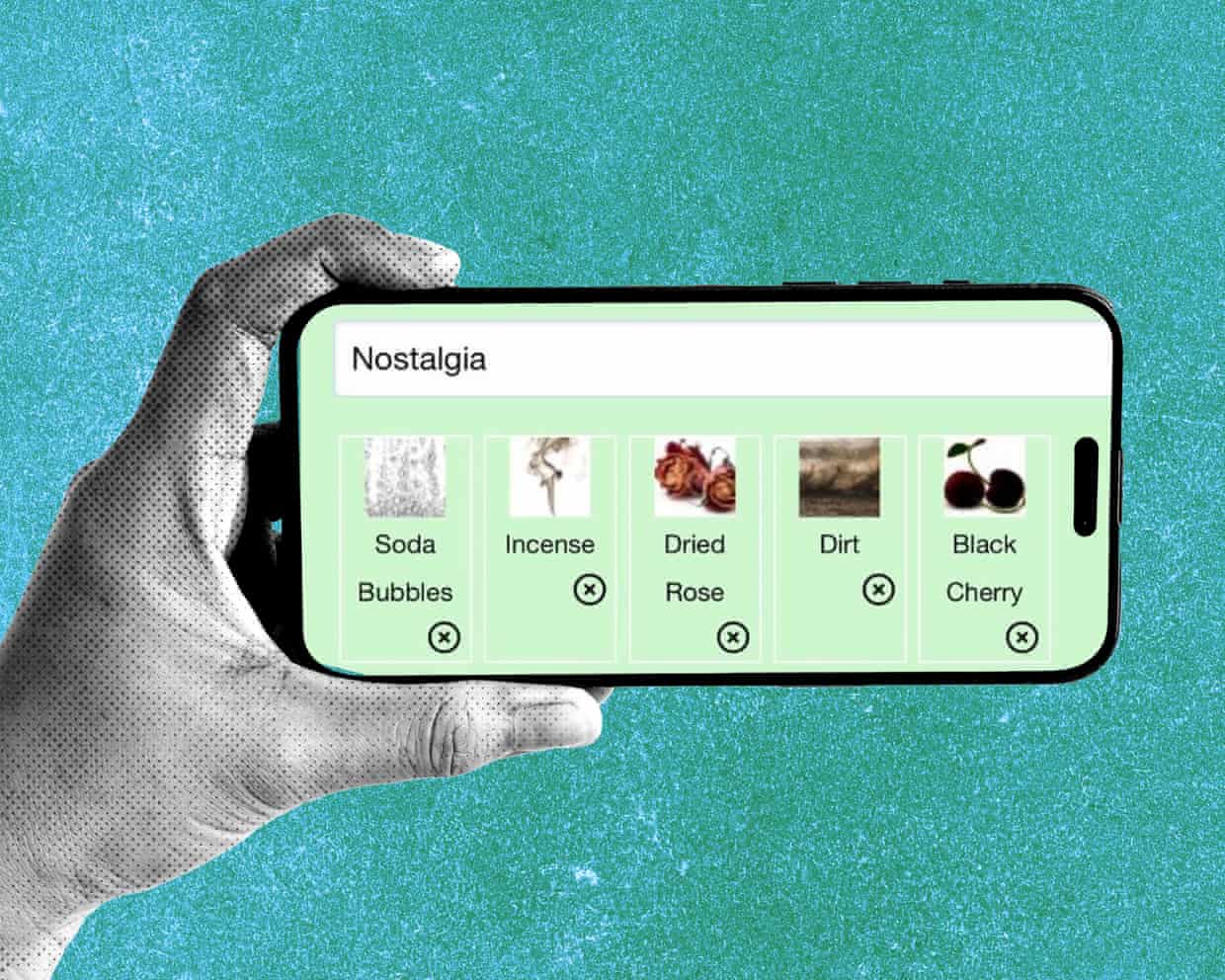
What does loneliness smell like? Inside the strangely soothing world of fragrance TikTok