UK consumer confidence has ‘collapsed’ during Iran war, retail industry says
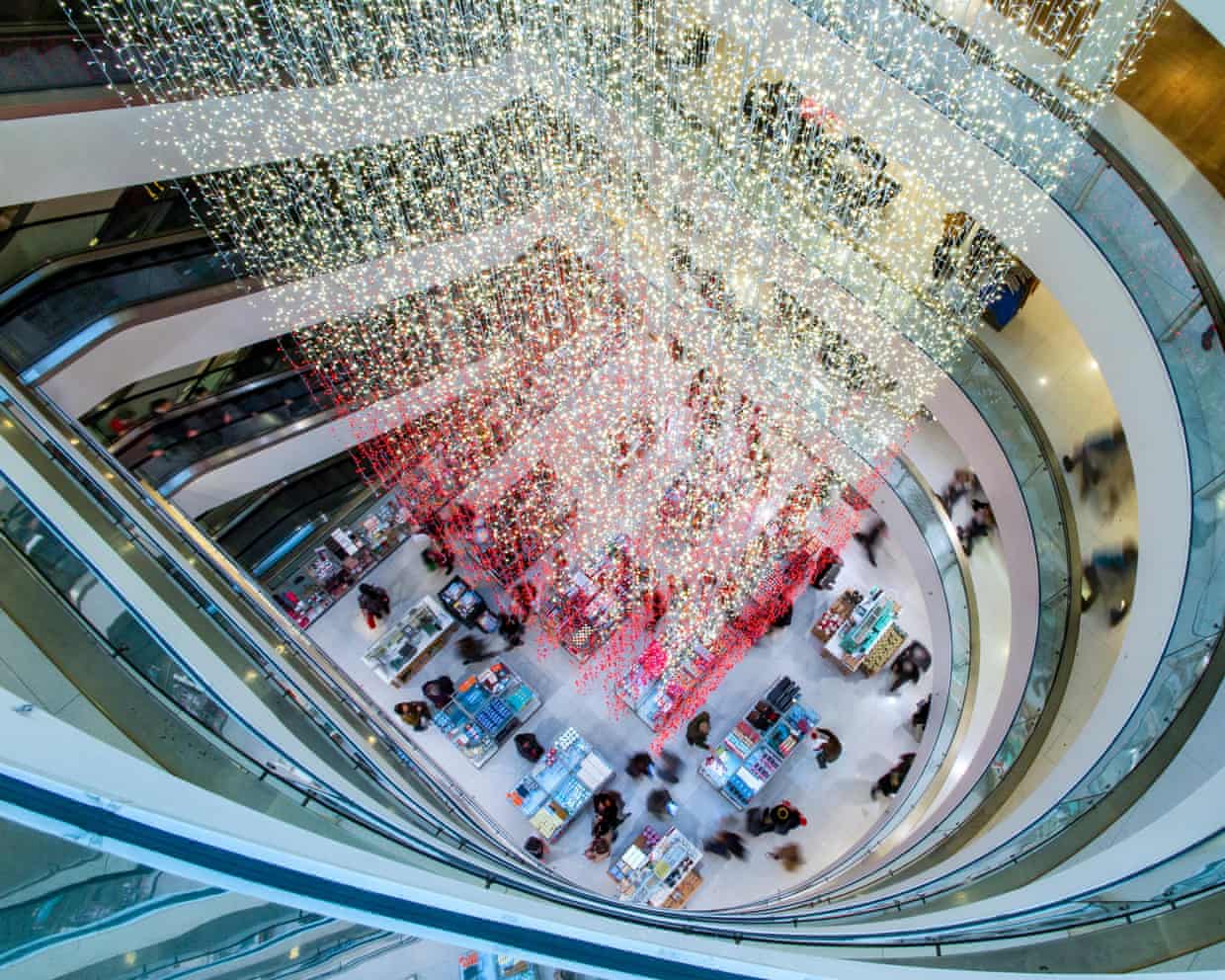
Consumer confidence in the UK has “collapsed” since the start of the Iran war, according to new research from the British Retail Consortium.The sharp rise in energy prices caused by the effective closure of the strait of Hormuz and attacks on infrastructure in the region has led to fears of higher inflation and weaker growth across oil-importing countries.Asked about the state of the UK economy over the next three months, 64% of respondents told a survey they expected it to get worse.Just 11% thought it would get better.The resulting balance of -53% was sharply lower than the -20% reading a month earlier.
The UK adults surveyed by Opinium on behalf of the BRC between 10 and 13 March were also significantly more pessimistic about the outlook for their personal finances, with a negative balance of -17, down from -6 in February.Helen Dickinson, the chief executive of the BRC, said: “Consumer confidence collapsed as the Middle East conflict raised the prospect of higher inflation in the months ahead.“Just as the economy was beginning to turn a corner on inflation, the rise in global energy prices is particularly unwelcome for businesses and families.”Analysts have been hastily downgrading their UK growth forecasts for 2026 amid fears that higher energy prices – which are already evident at petrol pumps – will prompt nervous shoppers to cut back on other spending.News of the sharp decline in consumer confidence came after official figures showed the inflation rate held steady at 3% in February, before the war upended expectations.
As recently as last month, the Bank of England expected inflation to return to the government’s 2% target in spring, opening the way for more interest rate cuts.However, last week’s monetary policy committee meeting left interest rates on hold – and hinted the next move could be up.Slower food price inflation was one factor influencing February’s data, and was driven by drops in olive oil, flour and pizza.The Food and Drink Federation (FDF) warned this was likely to be “the calm before the storm”.Karen Betts, the FDF chief executive, said: “The longer the conflict in the Middle East goes on, the bigger its impact will be on food prices.
With food and drink price inflation already running above historical averages, heightened energy, maritime fuel and fertiliser costs will put further pressure on prices.”Announcing the unchanged 3% inflation figure for February, the Office for National Statistics said higher prices for some products including clothing had been offset by declines elsewhere.Grant Fitzner, the ONS chief economist, said: “The largest upwards driver was the price of clothing, which rose this month but fell a year ago.This was offset by falls in petrol costs, with prices collected before the start of the conflict in the Middle East and subsequent rise in crude oil prices.”Petrol prices have increased significantly since the war began.
The RAC said at the end of last week that a litre of unleaded was up by 12p, or 9%.The chancellor, Rachel Reeves, said on Tuesday that the Treasury was preparing contingency plans in case the government decided to step in to protect consumers from rising energy prices later in the year.She made clear any such rescue package would involve targeted help for needier households, not handouts for all energy customers.Shevaun Haviland, the director general of the British Chambers of Commerce, will urge member companies on Thursday to continue seeking export opportunities despite the darkening global outlook.“The global economy is reeling from the Middle East conflict.
Trade routes are severely disrupted; energy costs and wider prices are soaring.The impact of this war is profound.But in a more uncertain world the answer is not to retreat.It is to reach out, build more connections, open more doors and trade more, not less,” she is to say.
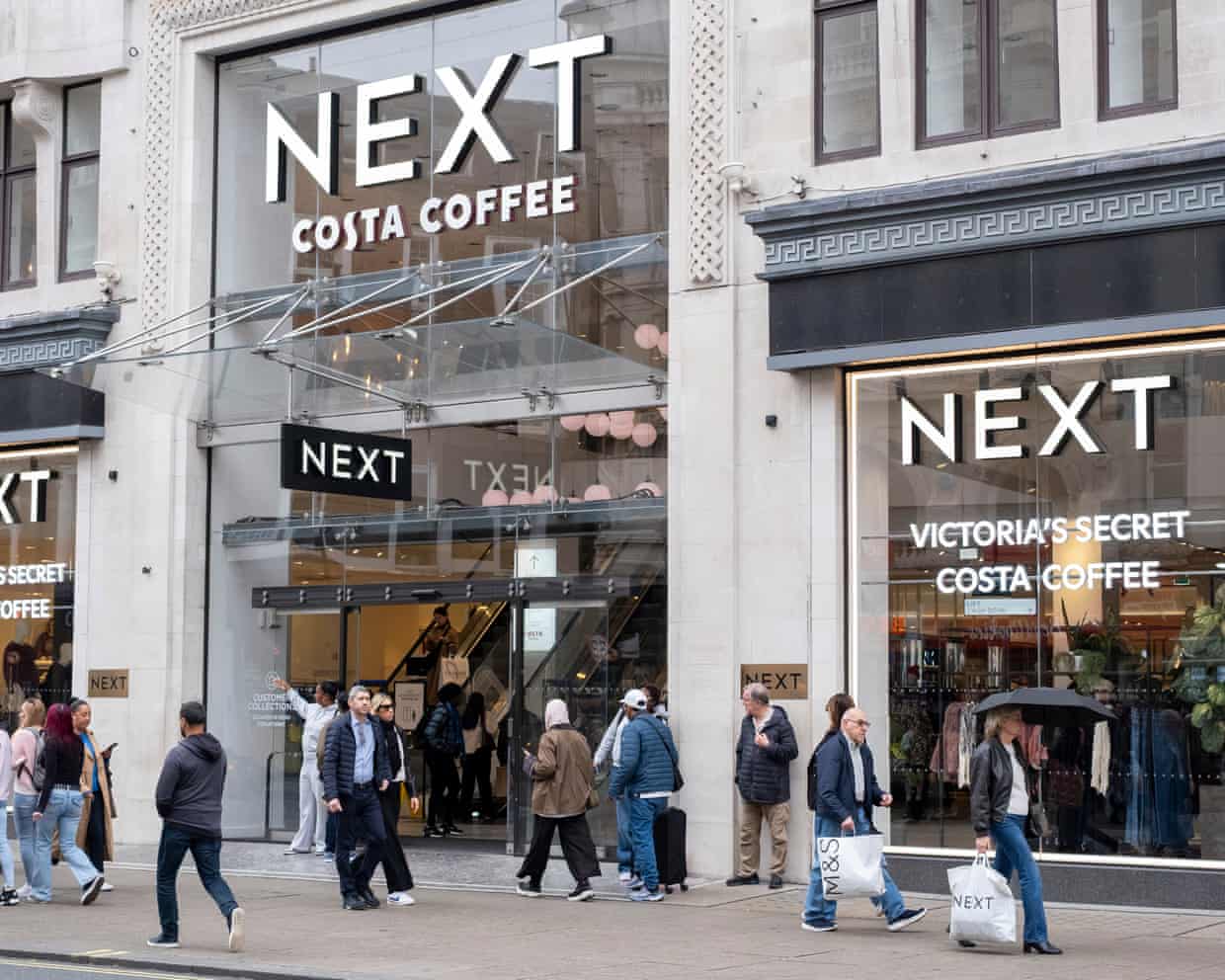
The Middle East price shock hasn’t hit Next – yet | Nils Pratley
In the context of Next, which has just reported full-year pre-tax profits of £1.16bn, an estimated £15m of extra fuel and air freight costs arising from the Middle East conflict is tiny. The sum, which in any case assumes disruption lasts three months, can be lost in the wash, or more precisely “offset by savings elsewhere”.The chief executive, Simon Wolfson, a boss who tends to err on the side of caution when guiding on profits, saw no reason not to add £8m to this year’s number as a mechanical read-through from last year’s outcome. If there wasn’t a war on, one can assume there would have been a proper profit upgrade
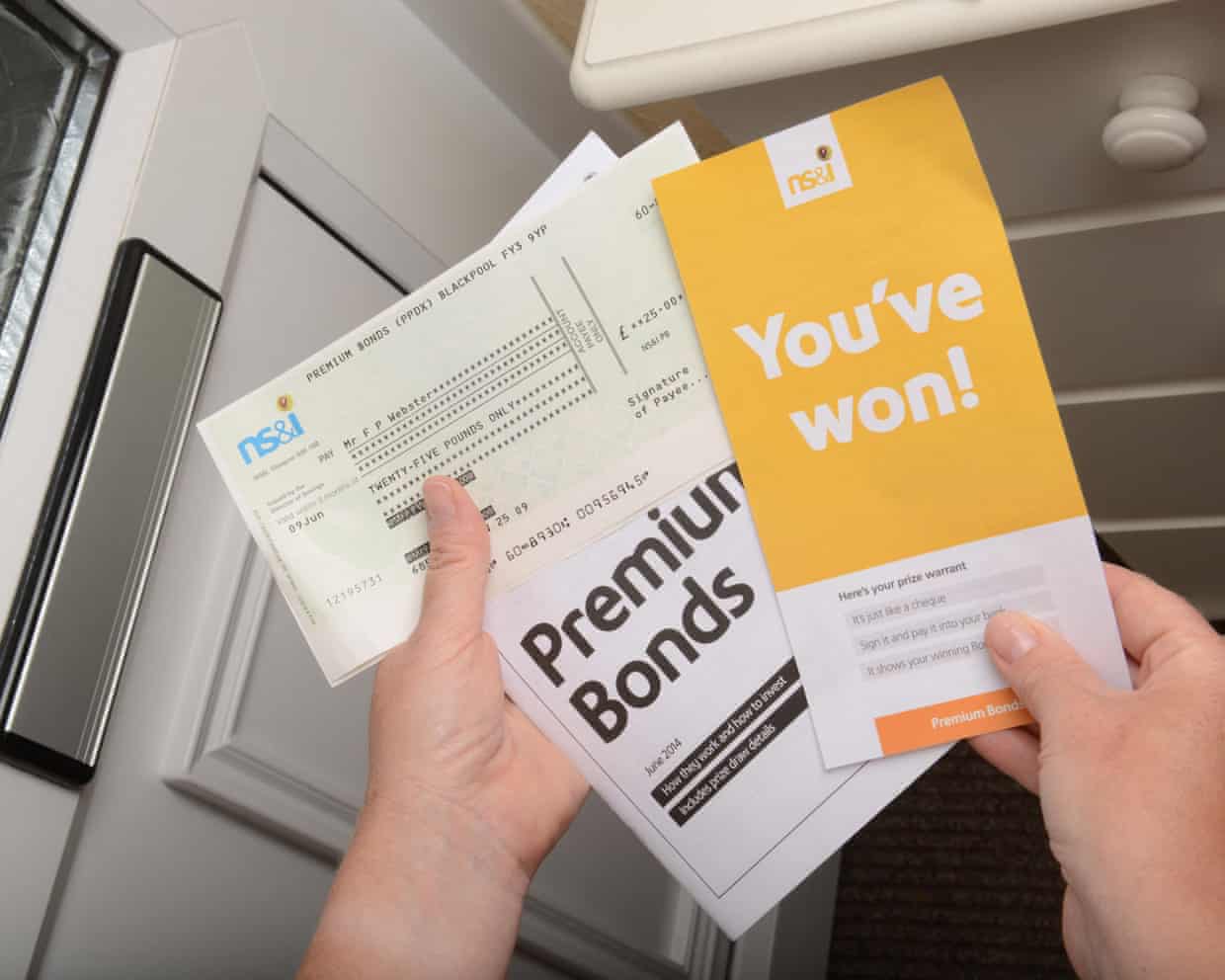
NS&I chief executive replaced in ‘fresh start’ over missing savings crisis; bad day for markets – as it happened
The boss of National Savings and Investments appears to have been dismissed over the £476m savings scandal at the bank.Pensions minister Torsten Bell has told MPs that he has appointed Sir Jim Harra, a senior civil servant, to take over as the chief executive of NS&I on an interim basis, replacing Dax Harkins.Bell says Harra, a former first permanent secretary at HMRC, will provide “a fresh start for NS&I”, following its failure to trace missing savings belonging to customers who have died.Updating MPs on the crisis over deceased customers’ savings, Bell says he wants to make sure NS&I has “the very best leadership” in place.Bell tells MPs: double quotation markSir Jim will undertake a review over the next three months to spell out in detail the background to this tracing problem and to set out what lessons must be learned for NSI going forward
New York City hospitals drop Palantir as controversial AI firm expands in UK
New York City’s public hospital system announced that it would not be renewing its contract with Palantir as controversy mounts in the UK over the data analytics and AI firm’s government contract.The president of the US’ largest municipal public health care system, Dr Mitchell Katz, testified last week before the New York City Council that the agreement with Palantir would expire in October.He said at the hearing that the contract, which focused on recovering money for insurance claims, was always meant to be short term, and that there was an “absolute firewall” preventing Palantir from sharing information with US Immigration and Customs Enforcement. He said that the agency has “not had any incidents”.The contract and related payment documents shared with the Guardian by the American Friends Service Committee and first reported by the Intercept, show that NYC Health + Hospitals has paid Palantir nearly $4m since November 2023

Brussels opens investigation into Snapchat amid concern over children’s safety
Brussels has opened an investigation into Snapchat over concerns the social messaging app is exposing children to grooming, sexual exploitation and other criminality.In a separate decision on Thursday, the European Commission also said four pornographic websites were failing to prevent minors seeing adult content, harming young people’s mental health and fuelling negative gender attitudes.The investigations into five tech companies were brought under the EU’s Digital Services Act (DSA), which has come under fire from Donald Trump since coming into force two years ago. Aiming to protect European society from a wide range of internet harms, the DSA includes child safety provisions to combat cyberbullying, exposure to adult content and illegal products.The announcements came after a landmark ruling in a Los Angeles court found that two social media companies, Meta and YouTube, had deliberately created addictive products that harmed a young user
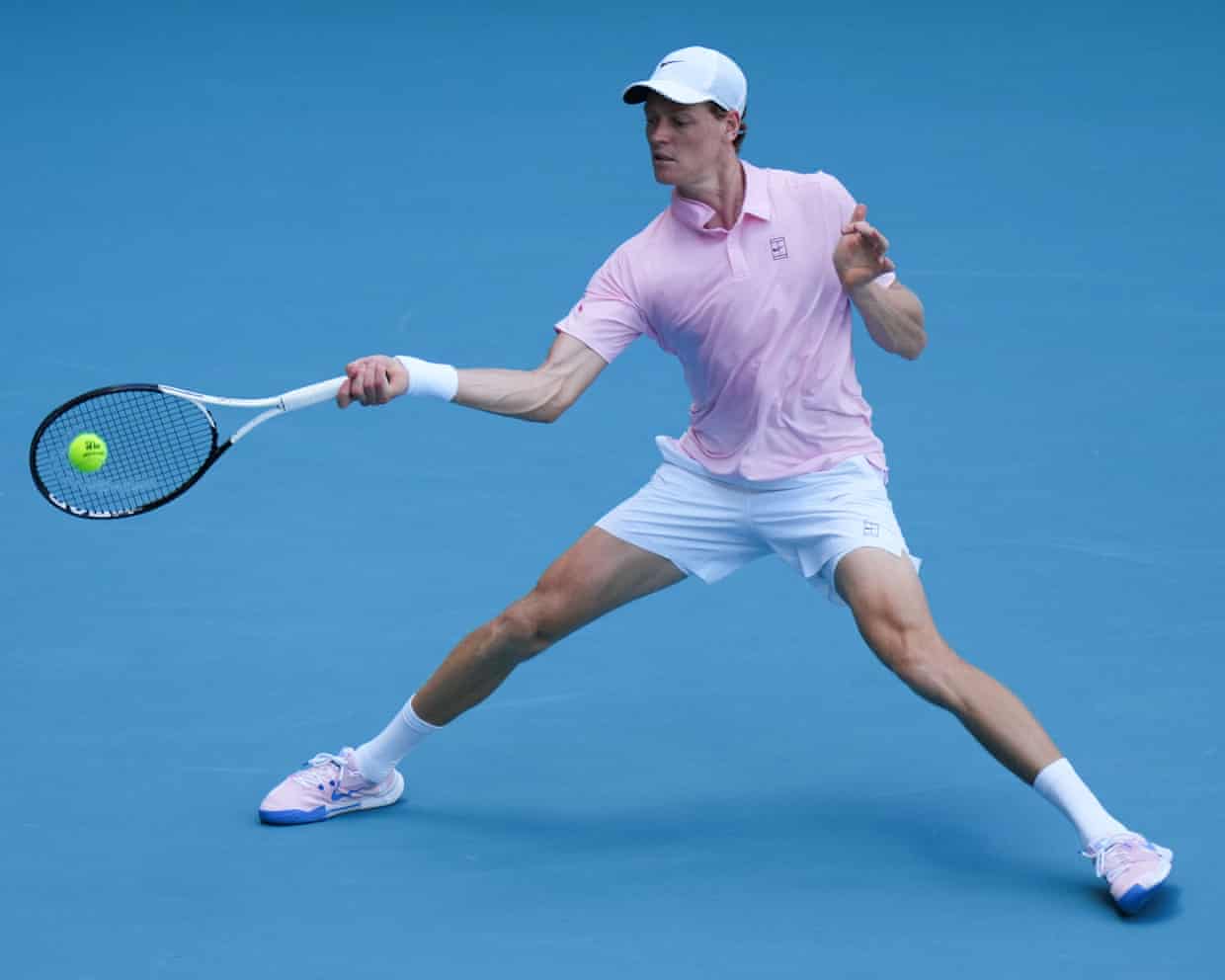
Sinner continues smooth Miami progress with win over Tiafoe as rivals fall
The past nine days at the Miami Open have not been kind to most of the world’s best male tennis players. One by one, so many have fallen, most dumped out with mediocre performances. Even Carlos Alcaraz, the world No 1, was not immune to the string of giantkillings in Florida.One man remains completely unbothered. Having broken Novak Djokovic’s 2016 record for most consecutive sets won at Masters 1000 events earlier in the tournament, Jannik Sinner has continued to bulldoze through the draw as he tries to follow up his recent Indian Wells title by winning the Sunshine Double
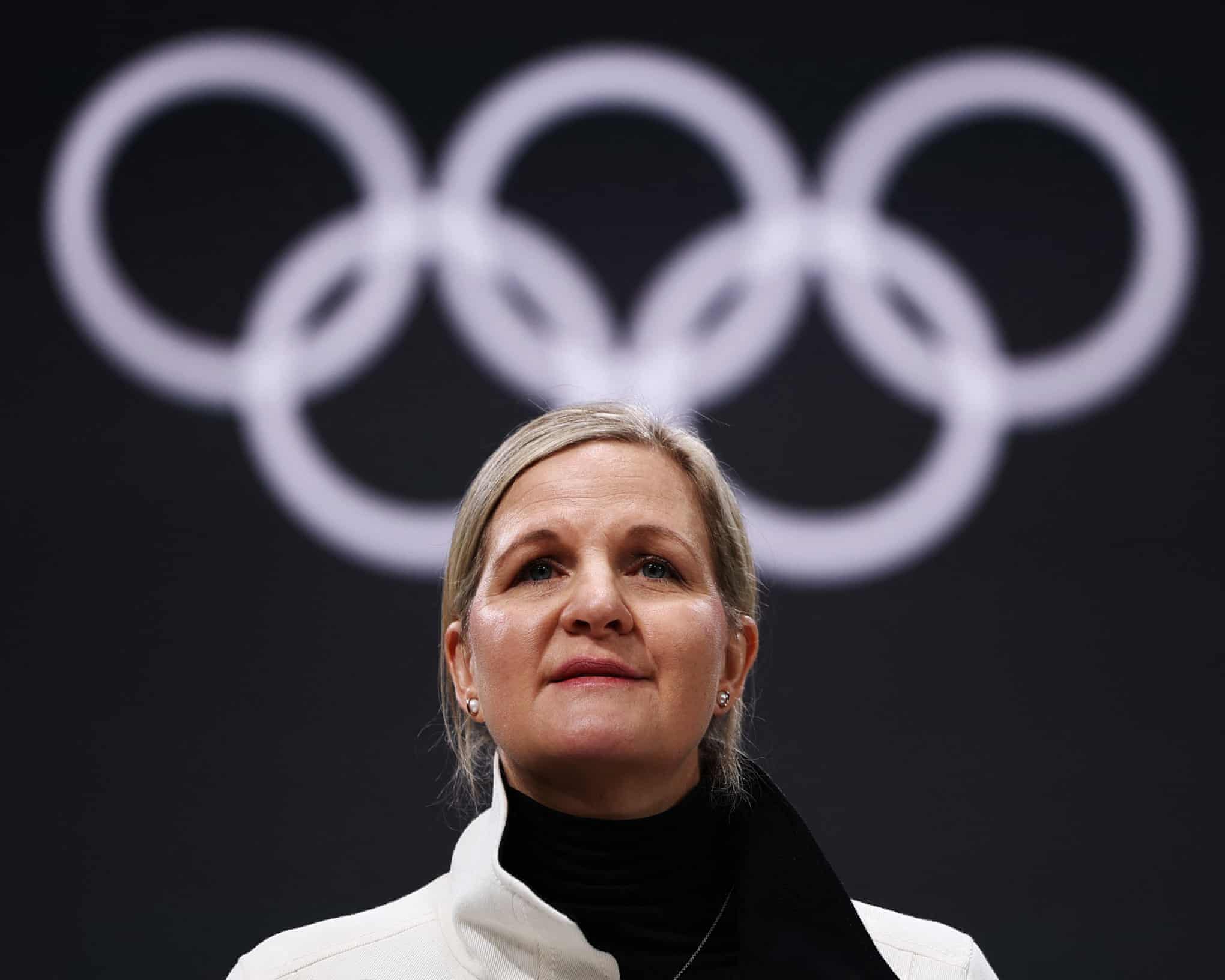
From Laurel Hubbard to sex testing in five years: why the Olympics U-turned on transgender rules | Sean Ingle
The IOC’s shift in position on trans women in elite sports is seismic, but new president Kirsty Coventry is reflecting a changed political climateBy any measure, it amounts to one of the most astonishing U-turns from a governing body in modern times. Four and a half years ago, the International Olympic Committee was lauding the appearance of the first transgender weightlifter, Laurel Hubbard, at an Olympics, and issuing a framework to sports saying that transgender women “should not be deemed to have an unfair or disproportionate competitive advantage” over biological women.Now it has not only ripped up every last morsel of that guidance but also performed a spectacular 180-degree turn.Over 10 tightly worded pages, the IOC now states that the female category must be protected for fairness and safety reasons, and makes it clear that SRY screening – a sex test using saliva or a cheek-swab – will be used to determine biological sex.It is a monumental shift that means transgender women and athletes with differences in sex development (DSD), who were reported as female at birth but have internal testes and have undergone male puberty, are now banned from the female category at all future Olympics

Jon Stewart on Donald Trump’s Iran lies: ‘Our Supreme Misleader’
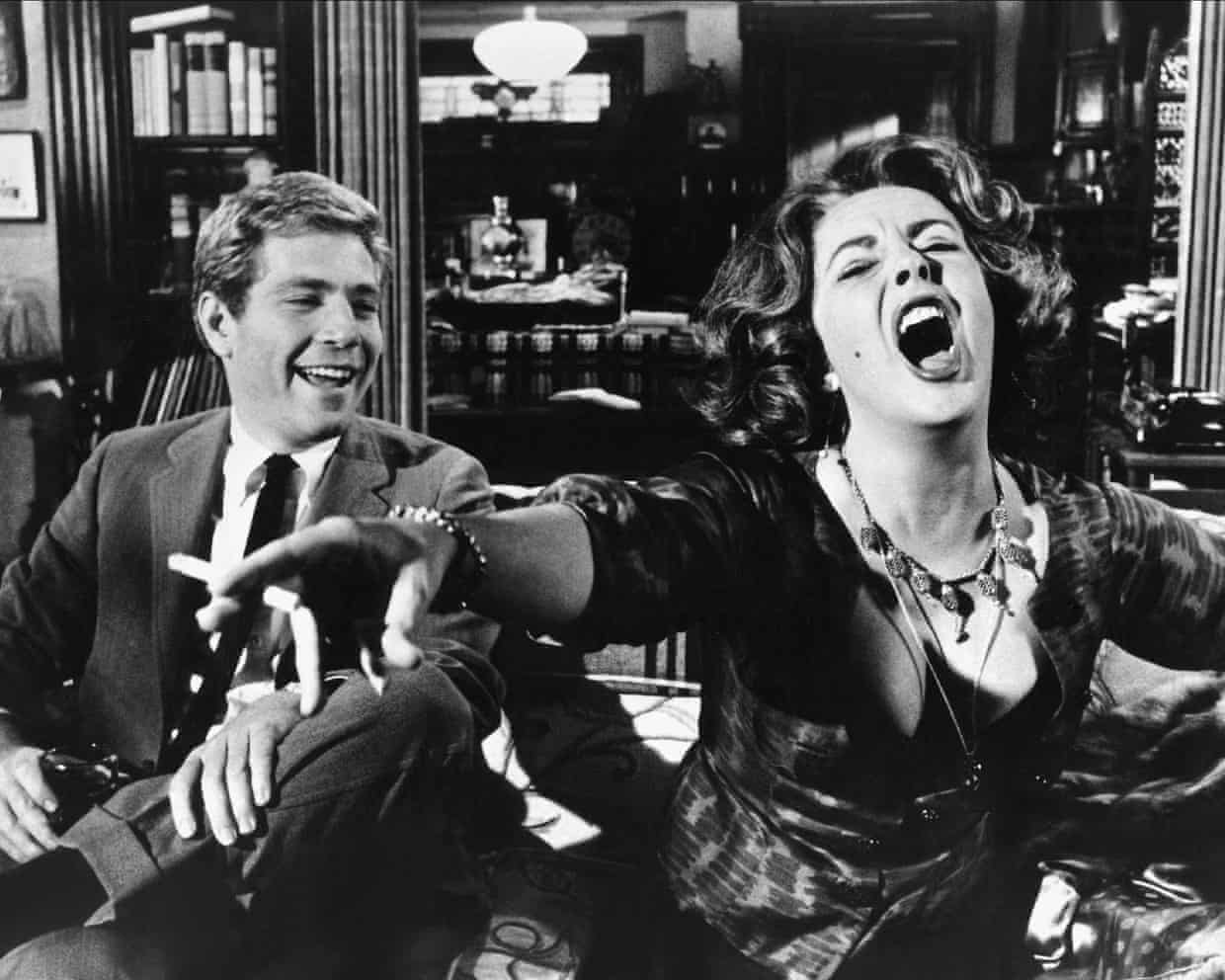
Who’s Afraid of Virginia Woolf? at 60: Elizabeth Taylor still crackles with feral energy
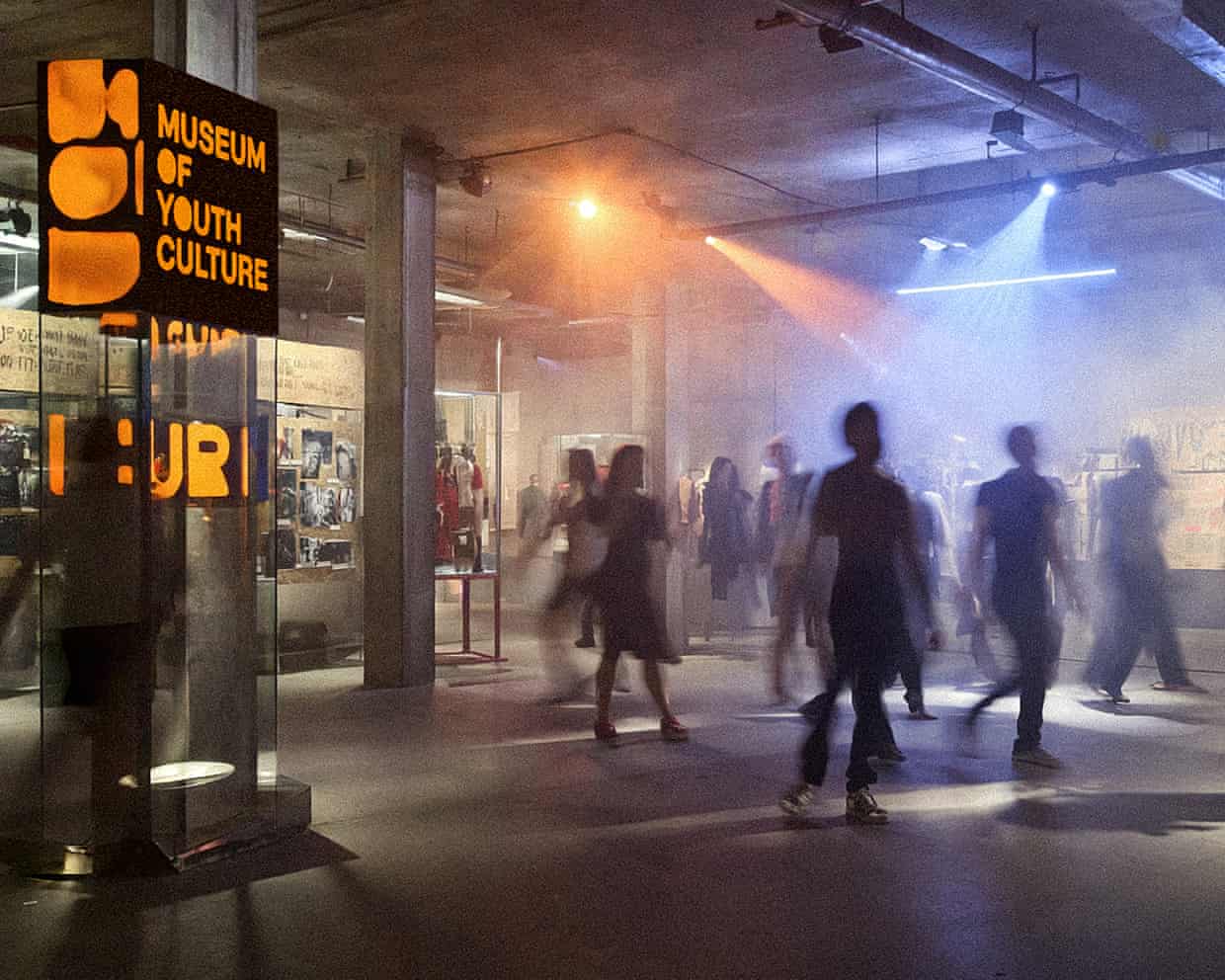
Punk masks, Walkmans and Choppers: Museum of Youth Culture to open in London

‘Audiences told us we didn’t show enough teacher sex’: how we made Waterloo Road

What does loneliness smell like? Inside the strangely soothing world of fragrance TikTok

‘On the threshold of a new age’: inside the New Museum’s $82m expansion and landmark new exhibition in New York