Taxpayer bill for saving Scunthorpe steel furnaces could top £1.5bn by 2028, auditor says
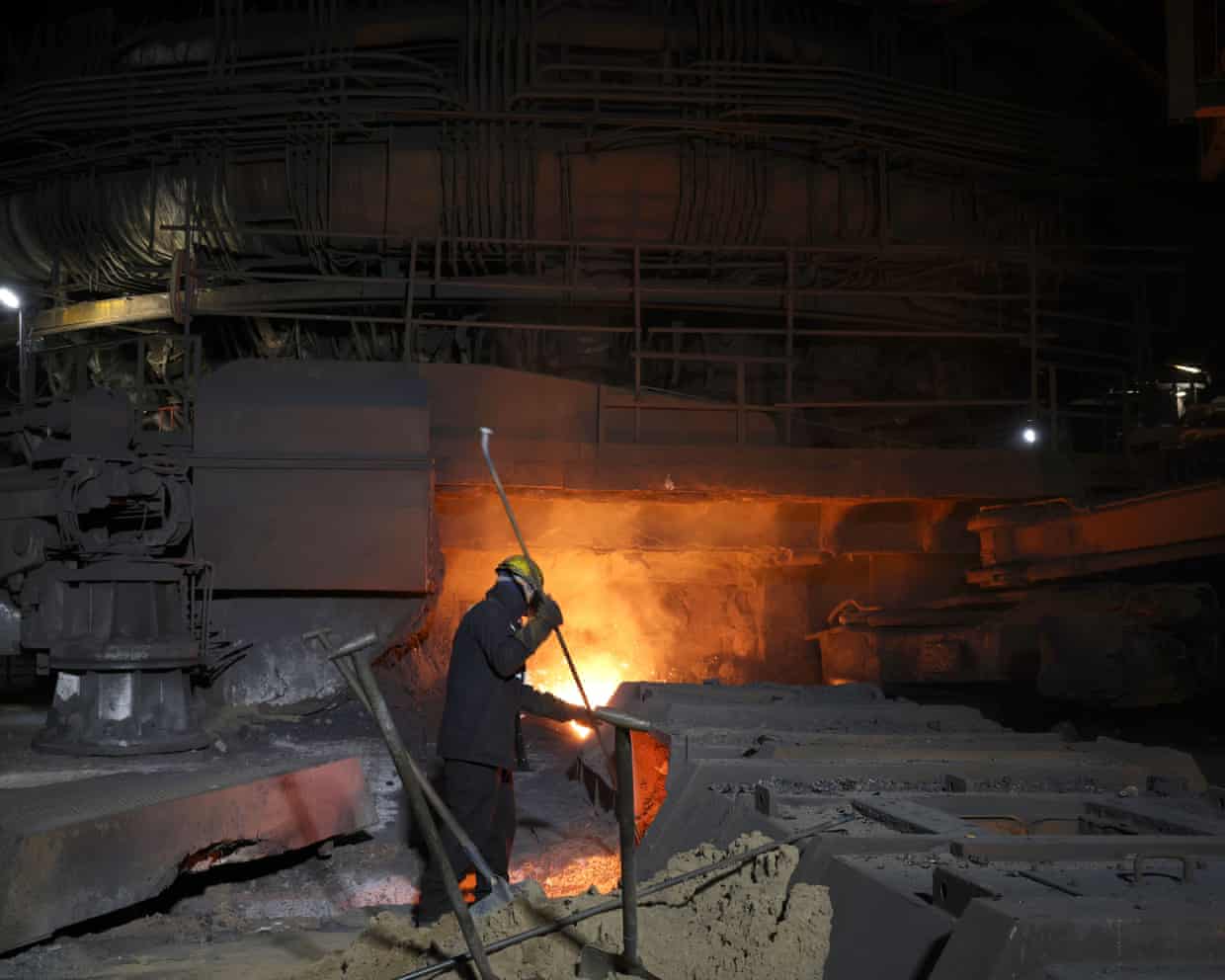
The cost of keeping the UK’s last remaining blast furnaces going at British Steel’s Scunthorpe plant could exceed £1.5bn by 2028 if it continues at its current rate, according to the government’s spending watchdog.Ministers took the plant into public control in April last year, after its Chinese owner – industrial firm Jingye – threatened to shut down the loss-making site.The National Audit Office (NAO), which monitors state spending, said the intervention saved thousands of jobs at Scunthorpe and prevented a “serious impact” on UK industry, including Network Rail, which buys steel for the railways from the plant.Shutting the plant would also have ended Britain’s “primary” steel-making ability because blast furnaces allow steel to be made from scratch, rather than relying on scrap metal.
While the NAO’s report highlighted the benefits of the intervention, it warned about the high cost of the rescue package, which had reached £377m by the end of January this year, including £15m spent on advisers.The bill could soar beyond £1.5bn if operating costs continue at their rate of £1.3m a day, it said.In practice, taxpayer liability could be significantly higher because the estimate does not include compensation that might be paid to Jingye, costs associated with any eventual sale process, or the huge investment that would be required to replace its blast furnaces to greener electric arc furnaces.
Gareth Davies, head of the NAO, said the Department for Business and Trade (DBT) “should learn from this experience to be better prepared for future interventions”.The £377m spent so far is classified as a loan from DBT.DBT has no repayment schedule in place, the NAO said, and it is not apparent that British Steel will be able to repay the money.The department was not allocated funding for the intervention at the spending review and will have to make savings elsewhere to meet some of the costs, it added.The government has previously announced a £2.
5bn support package for the steel industry, through measures such as reducing energy bills, and using more green UK-made steel for infrastructure projects.The NAO said using that fund to support British Steel would lead to “trade offs” with other spending plans.DBT is working on a wider strategy proposal for the struggling UK steel industry.Alasdair McDiarmid, general secretary of the steelworkers’ union Community, said: “Should the government have sat on its hands, and allowed British Steel to collapse, the financial and social impacts would have been catastrophic.“The government made the right decision to invest now because local economies would have been decimated, our nation would have been less secure, and we would have seen a massive and long-term increase to the welfare bill.
”A government spokesperson said: “Last year we protected thousands of jobs by saving British Steel from collapse, and we are determined to support British steel-making now and for generations to come.“We update parliament on British Steel every four weeks, including spending, and we continue discussions with Jingye to find a pragmatic, realistic solution for its long-term future.”
US oil prices could see another day of wild fluctuation as Iran war drags on
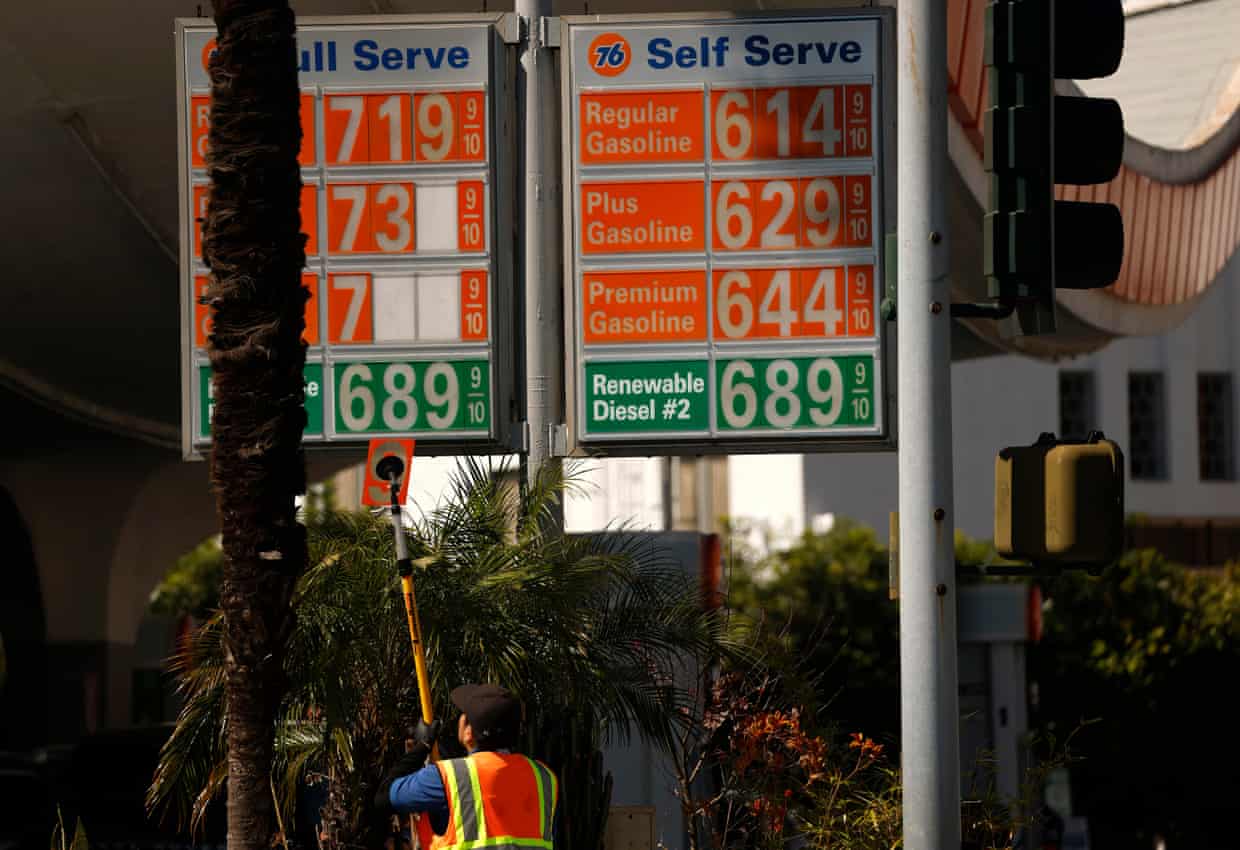
US oil prices could see another day of wild fluctuation as the US-Israel campaign against Iran extends into a third week, with one analyst predicting that prices at the pump might hit $3.85 per gallon on Monday.Petroleum prices have spiraled upward as the broadening conflict has imperiled oil and gas production infrastructure in the region. On Friday, the US conducted strikes on Kharg Island, an essential oil processing hub in Iran. Tehran, meanwhile, continues to block ships from passing through the strait of Hormuz, where a fifth of the international oil supply typically passes through
Chinese-owned Syngenta to build new £100m bioscience hub in UK
Syngenta is to build a new £100m research centre for agricultural bioscience, a move hailed by the government as a vote of confidence in the UK’s science base.The Chinese-owned company, one of the biggest agrichemical groups in the world, will open the centre at its Jealott’s Hill site in Berkshire to host hundreds of scientists.The decision will provide a boost to relations between the research industry and government after a public row with the pharmaceutical sector over drug pricing and other issues, which led to big drugmakers cancelling or pausing nearly £2bn in UK investments last year.AstraZeneca’s planned £200m expansion of its research operations in Cambridge is still on hold.Switzerland-based Syngenta said the new bioscience hub would focus on a range of technologies such as biological pesticides – the next generation of crop protection
Sobering times: alcohol-free beer added to UK inflation basket
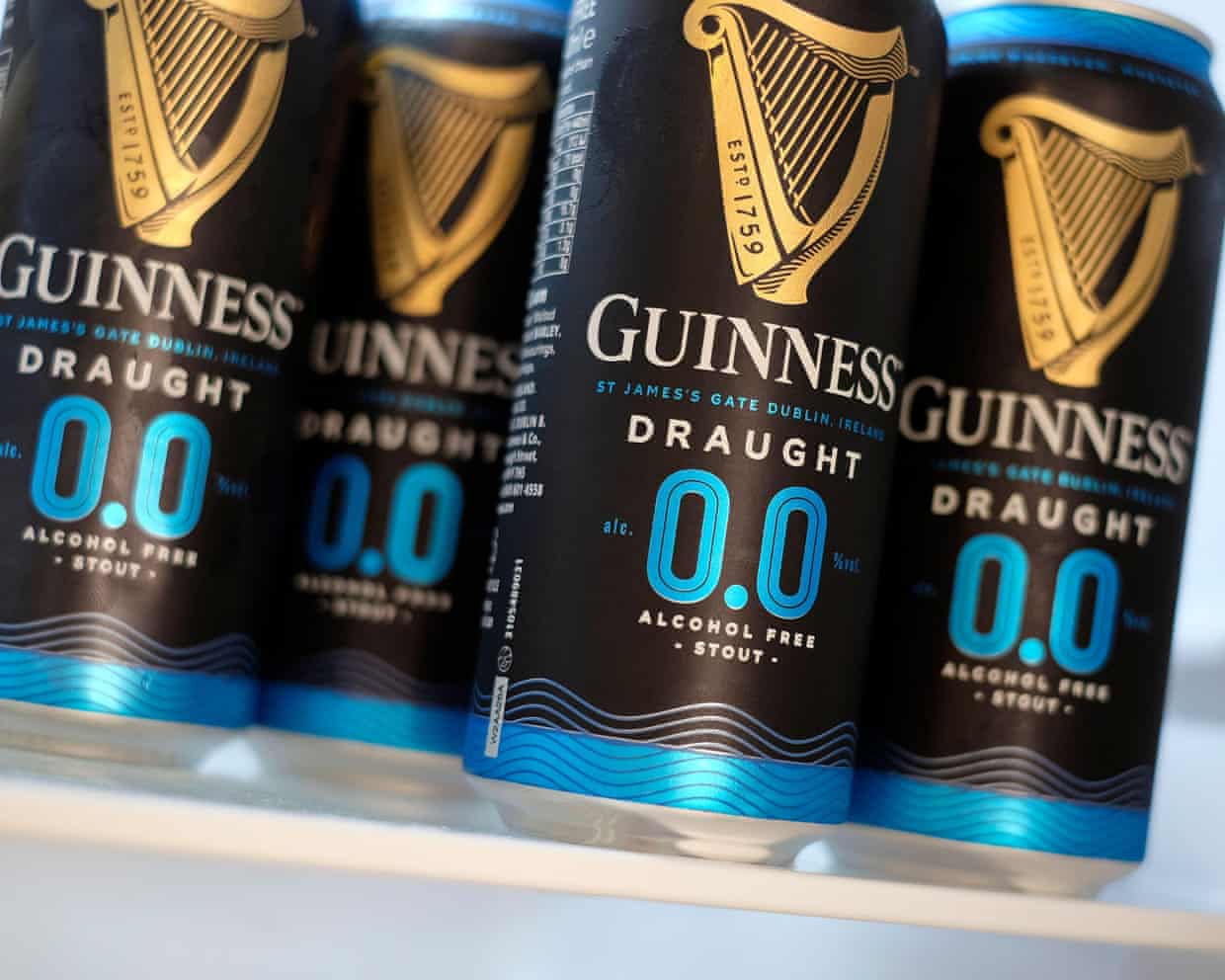
The UK’s increasing sobriety will be recognised from next month in the basket of goods used to calculate inflation after alcohol-free beer was added to a list by the Office for National Statistics totalling 760 items.Hummus and pet grooming were also included in the list of goods and services used to help judge the impact of rising prices on the cost of living.The new data will feed into the consumer prices index (CPI), the retail prices index (RPI) and the consumer prices index including housing costs (CPIH), which is the ONS’s preferred measure of inflation.Alcohol-free beer was included after sales increased, as did “the product range and shelf-space devoted to the product,” the ONS said.Hummus gained the attention of statisticians after the “increasing popularity of this item among health-conscious consumers, with estimates of expenditure rising to around £170m in 2024”

European takeover battle hots up with UniCredit’s ‘unfriendly attack’ on Commerzbank
Two European banking powerhouses have become embroiled in a €35bn (£30bn) takeover battle after Italy’s UniCredit stepped up its long-running pursuit of German lender Commerzbank, despite strong opposition from the German government.UniCredit first took a stake of 9% in Commerzbank in September 2024 and has since built up its holding to just under 30%. It said on Monday it was pushing to increase that holding further and push the rival lender into formal merger talks.Under German law, a shareholder that has a more than 30% stake is required to make a takeover bid. The Milan-headquartered bank said on Monday it was planning a share swap that would imply a €30
Taxpayer bill for saving Scunthorpe steel furnaces could top £1.5bn by 2028, auditor says
The cost of keeping the UK’s last remaining blast furnaces going at British Steel’s Scunthorpe plant could exceed £1.5bn by 2028 if it continues at its current rate, according to the government’s spending watchdog.Ministers took the plant into public control in April last year, after its Chinese owner – industrial firm Jingye – threatened to shut down the loss-making site.The National Audit Office (NAO), which monitors state spending, said the intervention saved thousands of jobs at Scunthorpe and prevented a “serious impact” on UK industry, including Network Rail, which buys steel for the railways from the plant.Shutting the plant would also have ended Britain’s “primary” steel-making ability because blast furnaces allow steel to be made from scratch, rather than relying on scrap metal
Thames Water lenders float new £10bn rescue plan
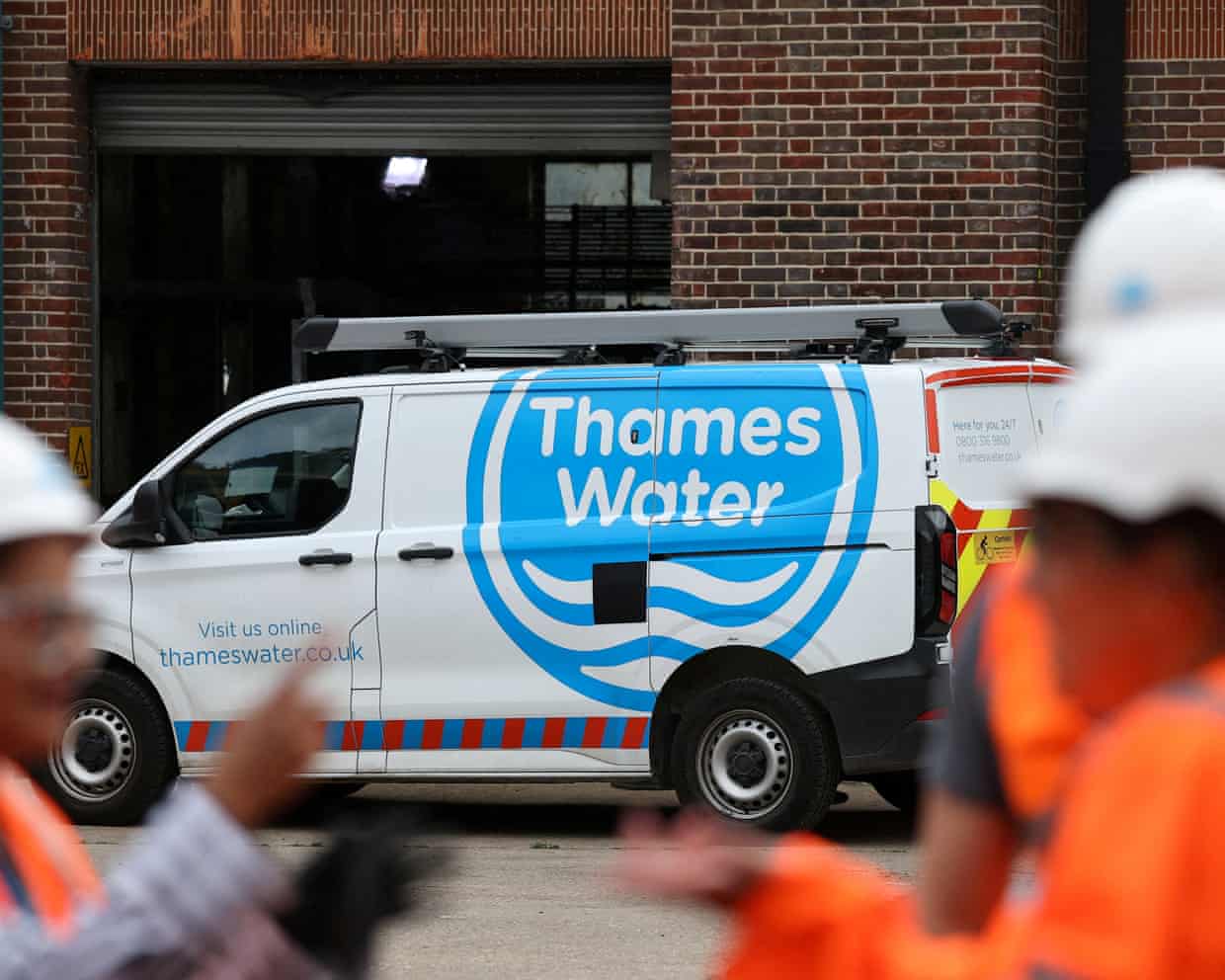
Thames Water’s lenders have put forward a £10bn rescue plan that would involve paying off the troubled water company’s hundreds of millions of pounds-worth of fines for leaks and pollution, as part of an effort to stave off financial collapse.A group of private equity firms and investment groups said they would inject about £3.35bn of cash into Thames Water and raise £6.65bn in debt, in exchange for the company not falling into a government-handled administration, in effect a temporary nationalisation.Bills for Thames Water’s 16 million customers in south-east England are already due to rise steeply until 2030 but the rescue plan would, at least, hold them at that level rather than pushing them even higher

Fallouts and financial woes: inside Heston Blumenthal’s sinking empire

Mother’s Day UK recipes: three delicious ideas to make for your mum from Ravinder Bhogal

Benjamina Ebuehi’s recipe for caramelised white chocolate and rhubarb cheesecake | The sweet spot

Noma chef resigns amid allegations of physical abuse of staff

Light red wines for spring drinking
Rachel Roddy’s recipe for risotto in bianco | A kitchen in Rome