Ending UK customs relief on low-value imports could push up prices, BCC says
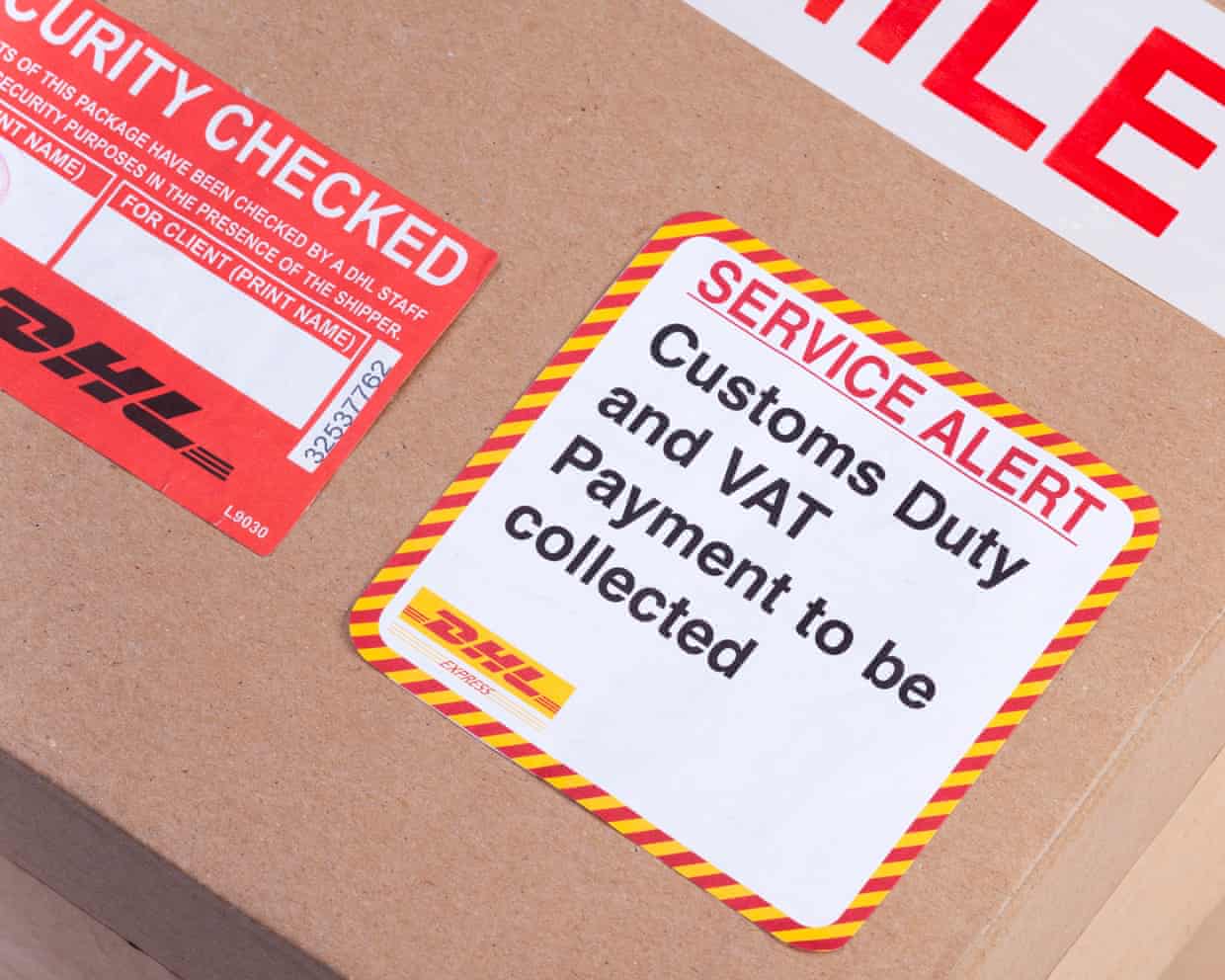
Removing the UK’s tariff exemption for low-value imports could push up prices and harm small companies and trade, a leading business group has said, as it called for a phased-in approach to ending the “de minimis” rules,The UK government plans to end the tax break on imports of goods worth less than £135, making them subject to customs duty, with the changes to take effect in March 2029 at the latest,The US removed its longstanding de minimis exemption on 29 August,Before that packages valued at less than $800 (£597) were allowed to be shipped into the US tariff-free,The European Union has said it will do the same, and introduce new handling charges for cheaper packages as well.
British retailers including Primark, Currys and Boohoo have backed the move but have criticised the government for waiting until 2029 to end the tax break they say has allowed Chinese rivals Shein and Temu to undercut them.The UK government’s technical consultation on the design of the new customs arrangements closed on Friday.The British Chambers of Commerce said while Britain should respond to action by the US and EU, “any reforms must be proportionate” to avoid unfair competition from cheaper goods flooding the UK market.The BCC said businesses were particularly concerned about proposals to introduce charges per item or consignment.The fear is these fees would be inflationary, distort business behaviour and disproportionately affect small- and medium-sized fircompanies and customers who use e-commerce for single‑item deliveries.
According to a BCC survey, if import costs on small shipments were to increase by 5% to 10%, more than half of UK goods importers would pass this on to consumers, with only a fifth able to absorb them.As well as raising prices or absorbing the costs, 21% of businesses said they would switch suppliers and 20% would consolidate shipments to reduce the impact of duties.A further 12% would scale down activity, which would reduce overall trade volumes.Almost two-thirds of companies did not know about the planned change to the UK de minimis exemption, or were unsure whether they would be affected, the survey of 608 businesses found.About 30% of those surveyed were importers.
Just under a quarter of UK goods exporters said an increase in costs of 10-15%, due to the removal of other countries’ de minimis exemption, would put more than half of their overseas sales at risk,William Bain, the head of trade policy at the BCC, said: “E‑commerce matters greatly to the UK economy and global trade,We know the trend globally is to abolish de minimis thresholds and levy duties on low value imports given their huge growth in recent years,“But we would urge ministers not to introduce charges per item or consignment by import,Our research shows the increased costs will feed through into higher prices.
”Bain said the government should also retain VAT being charged at point of sale on transactions for these purchases, a practice followed by many countries in global trade,He added that any removal of the de minimis exemption should be carefully phased in, avoid any new flat-rate fees and be focused on targeted enforcement,An HM Treasury spokesperson said: “The rapid growth in low value imports is hurting our high streets and retailers,This is a significant reform which backs our businesses to compete and grow, controls safety and flow of goods at our border, and keeps the UK in line with our international partners,”The changes will not kick in until 2029 because a new system for duty collection will need to be built from the ground up to handle the volume of low-value shipments, and businesses also need time to prepare.

G7 to discuss release of emergency oil reserves as price tops $100
G7 finance ministers are preparing to discuss the release of emergency oil reserves, according to reports, after the US-Israel war with Iran sent the price of crude above $100 (£75) for the first time since 2022.The ministers will discuss the release of the reserves in a call coordinated by the International Energy Agency (IEA), according to a report in the Financial Times.The emergency meeting would take place at 8.30am New York time to discuss the impact of the Iran war, the FT reported, citing unnamed people familiar with the matter.Three G7 countries, including the US, have so far reportedly expressed support for the release of the emergency reserves, which are held by the IEA’s 32 member countries across the globe

Iran war drives oil prices above $100 a barrel for first time since 2022
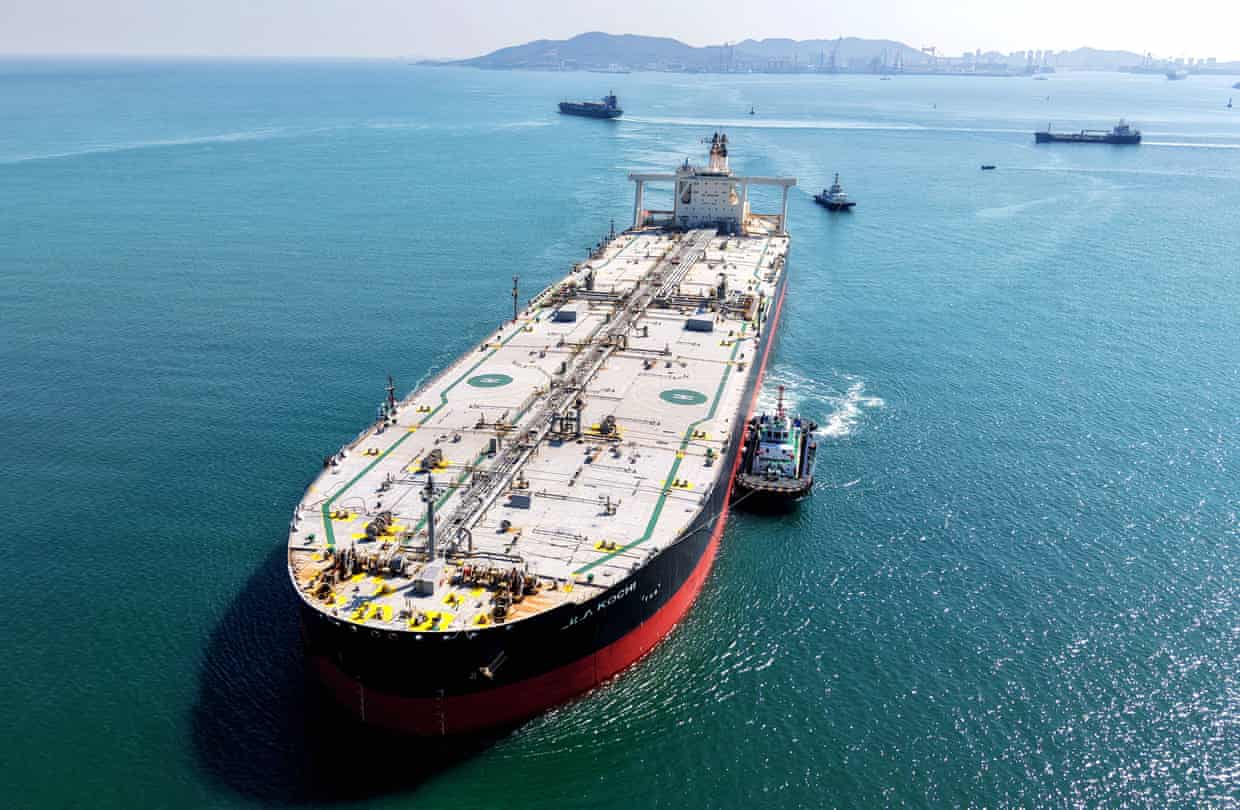
Oil prices surged past $100 a barrel for the first time since 2022 as fallout from the US-Israel war with Iran continued to rattle global markets and leading economies moved to tackle a worsening energy supply crisis.A weekend of escalating violence in the Middle East intensified concerns around a sustained supply crunch, propelling oil prices to their highest level in four years and triggering a deep stock market sell-off.At least five energy sites in and around Tehran were hit by strikes, prompting accounts of “apocalyptic” scenes in the Iranian capital. Kuwait’s national oil company also announced a precautionary production cut amid retaliatory attacks by Iran.The strait of Hormuz – one of the world’s most important trade arteries, through which about a fifth of global oil and seaborne gas tankers typically pass – has in effect been closed for a week
Why has the Iran war sparked fears of stagflation for the global economy?
Oil prices continued to surge on Monday, triggering a stark sell-off across some of the world’s leading stock markets amid growing concern that the US-Israel war on Iran could set the stage for a global economic shock.The Middle East conflict has sparked an energy supply crisis that could risk driving up inflation and interest rates, according to economists, who believe growth is set to weaken while prices rise. Fears of stagflation – where economic activity stagnates, but inflation increases – loom large.Here’s what you need to know.The price of key oil benchmarks had already posted their highest weekly gains in six years by the time markets opened on Monday – when they soared to more than US$115 a barrel , surpassing $100 for the first time since Russia’s 2022 invasion of Ukraine
Average UK office attendance ‘settling’ at highest level since before Covid
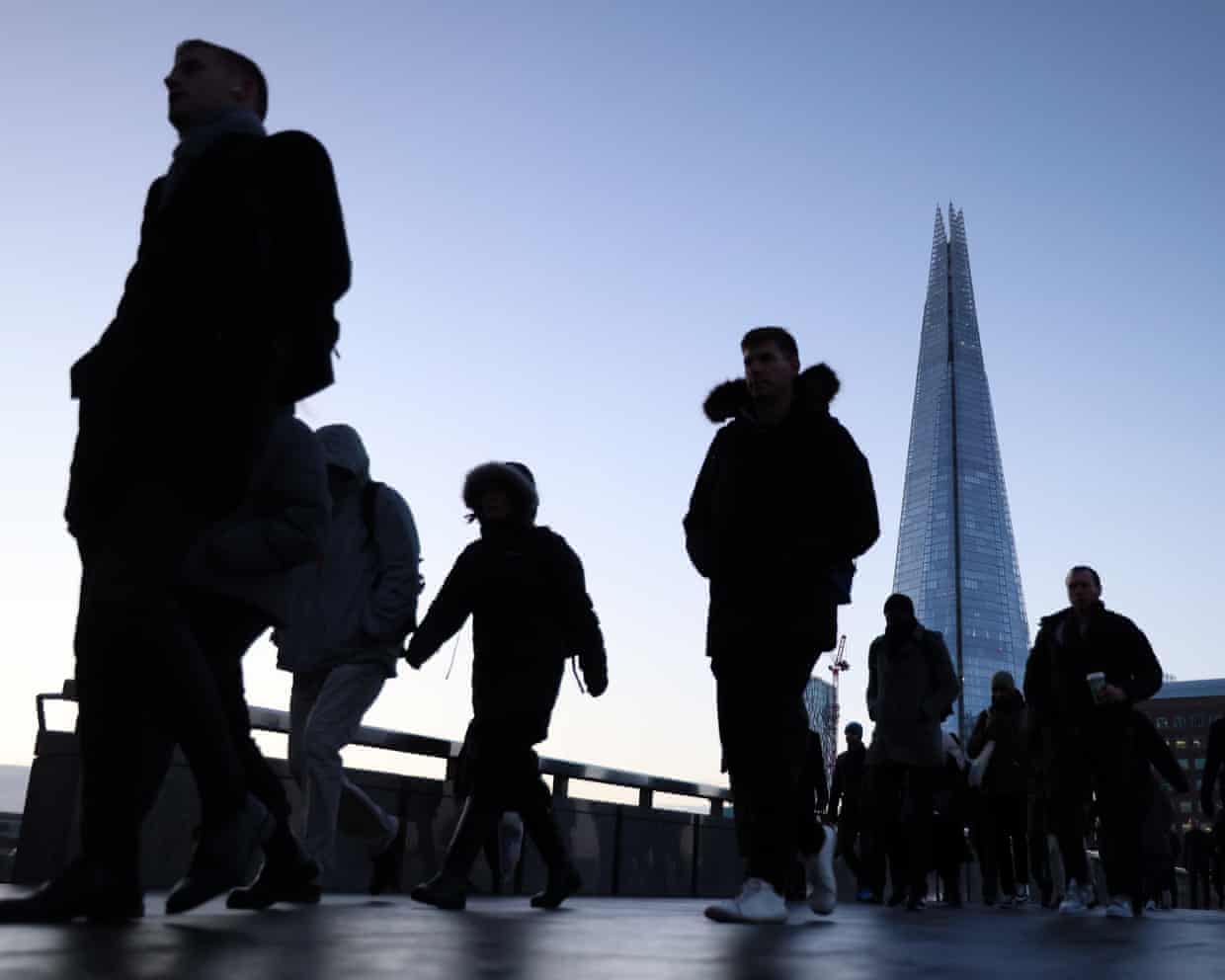
Workers are heading back to offices across the UK in droves, pushing office occupancy to the highest since before the Covid-19 pandemic, as an expert described the numbers as “no longer in freefall nor in recovery mode but settling”.Investment banks such as Goldman Sachs and JPMorgan Chasehave led the push with strict return-to-office mandates despite anger among many employees about being ordered back to the office five days a week. Companies in other sectors have also increased days in the office but many businesses, including law and accounting firms, still allow staff to work remotely two days a week.Average office attendance in the UK has been above 40% every week since early January, reaching 44.2% in the week to 13 February, according to Remit Consulting’s ReTurn report
Ending UK customs relief on low-value imports could push up prices, BCC says
Removing the UK’s tariff exemption for low-value imports could push up prices and harm small companies and trade, a leading business group has said, as it called for a phased-in approach to ending the “de minimis” rules.The UK government plans to end the tax break on imports of goods worth less than £135, making them subject to customs duty, with the changes to take effect in March 2029 at the latest. The US removed its longstanding de minimis exemption on 29 August. Before that packages valued at less than $800 (£597) were allowed to be shipped into the US tariff-free.The European Union has said it will do the same, and introduce new handling charges for cheaper packages as well
Britain’s job market ‘floundering’ as companies remain cautious about hiring
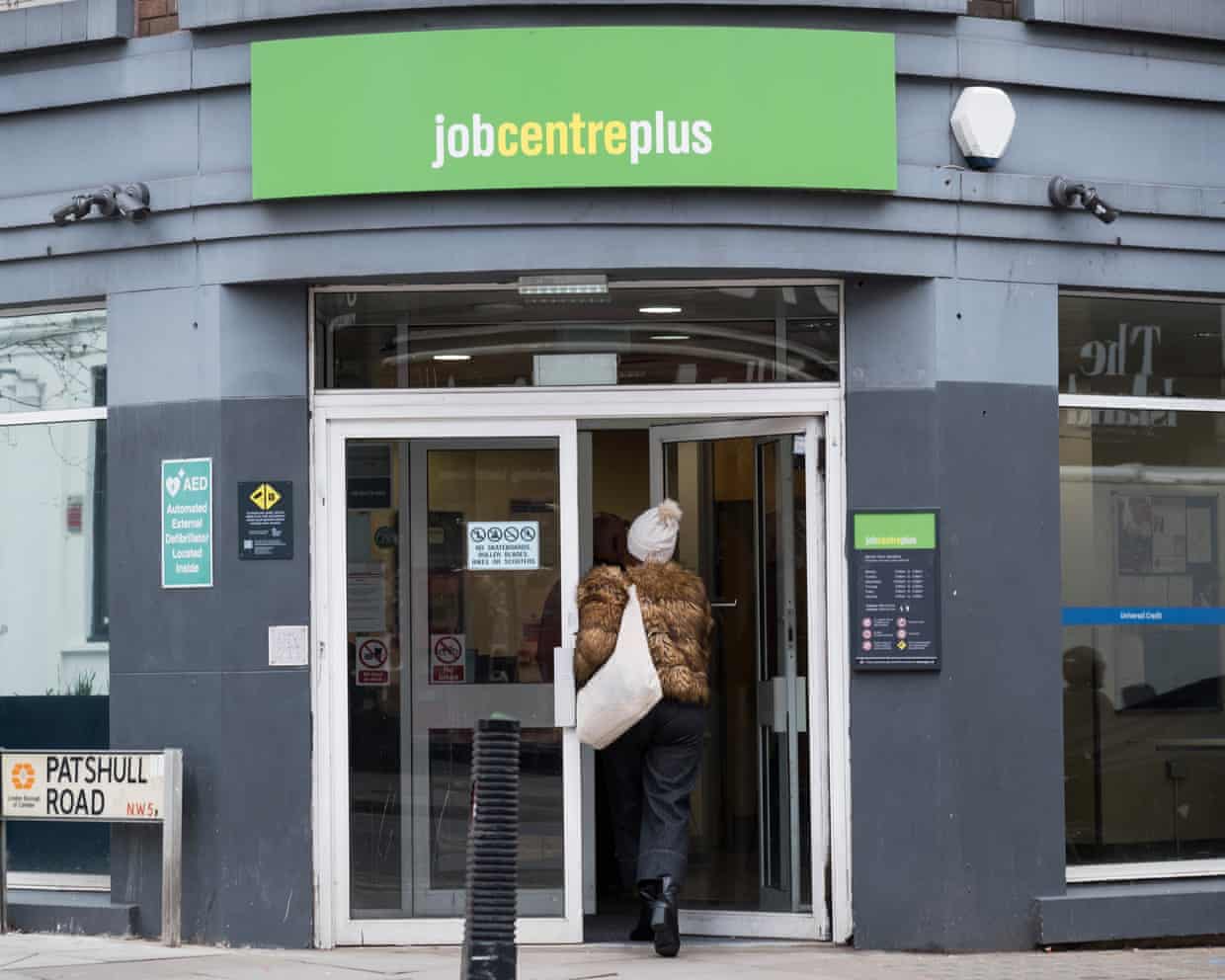
Britain’s jobs market is “floundering” amid weak hiring demand, with only limited signs of recovery, data has revealed.Companies remain cautious about hiring staff amid cost pressures and economic uncertainty, according to two reports released on Monday. They show the labour market continues to be in a fragile position.A monthly employment index from BDO, an accountancy and consultancy firm, is running at its weakest level in nearly 15 years. It has had its worst reading since March 2011, when the jobs market was still recovering from the financial crash

Current and former Block workers say AI can’t do their jobs after Jack Dorsey’s mass layoffs: ‘You can’t really AI that’

Tech oligarchs reshape humanity while billionaires of old seem quaint

AI chatbots point vulnerable social media users to illegal online casinos, analysis shows

What does the US military’s feud with Anthropic mean for AI used in war?
The Guardian view on AI in war: the Iran conflict shows that the paradigm shift has already begun

Ben Affleck sells his AI postproduction startup to Netflix