War in Middle East ‘could wipe out growth in UK living standards’
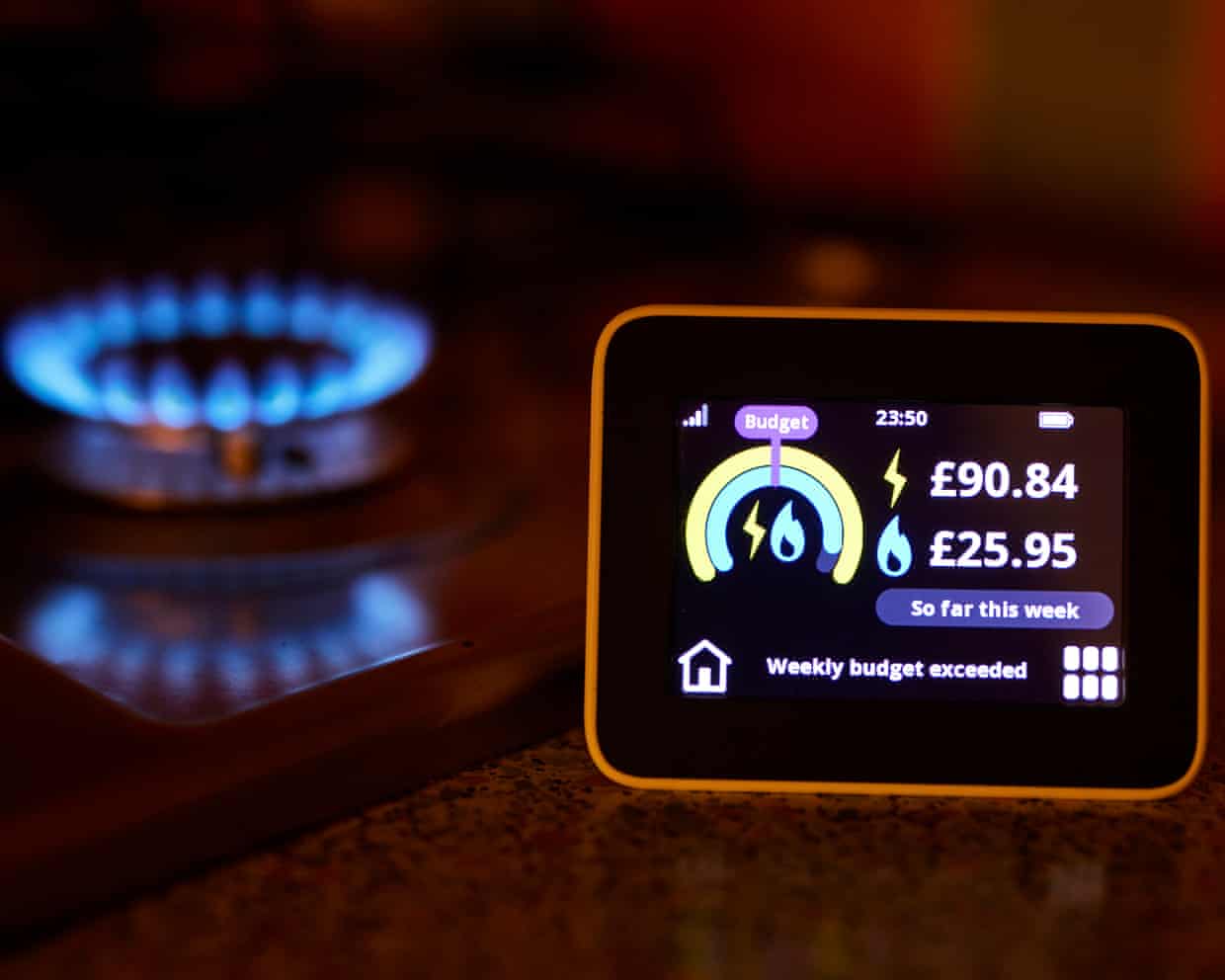
The Middle East crisis could trigger an energy price shock that more than wipes out the £300 rise in living standards a typical working-age household could otherwise expect this year, a leading thinktank has warned.The Resolution Foundation said a “decent” one-off increase in average living standards in 2026 and a bumper rise for lower-income households could be reversed by rising oil and gas prices as the Iran conflict disrupts supplies.However, if the recent jump in energy prices persists, the foundation said all the gains could be wiped out.While the effect may not be as large as the increase caused by the Russian invasion of Ukraine, which sent the cost of food, oil and gas soaring, a rise this year in oil and gas prices could add a percentage point to UK inflation and £500 on typical annual energy bills, it said.The UK’s reliance on gas from the Middle East makes it especially vulnerable to an effective blockade of the strait of Hormuz, through which about 20% of the world’s liquid natural gas is transported.
According to the thinktank’s calculations in its analysis of Tuesday’s spring forecast, living standards for typical working-age households are on track to grow by £300 over the next year, or 0.9%.Lower-income households are set for a larger rise of £800, up 3.9%, mainly because of the lifting of the two-child benefit cap and an above-inflation increase in universal credit.This would be the second strongest year for living standards in the past two decades for poorer households.
The research director, James Smith, said the government should consider developing a social tariff, to protect low-income households from any energy shock because an across-the-board support package had proven very costly in the past.“We have called for the government to develop the infrastructure for a social tariff.Targeting people with high energy needs and low levels of income.Liz Truss showed us that if you try to support people across the board, that is very expensive.“There is pressure from right and left on the government who say why are we worrying about [borrowing levels] and tightening our belts? This is exactly the reason.
Because if the government says it can’t do things like energy support, you know it has a big problem.”The Institute for Fiscal Studies (IFS) echoed that argument against offering across-the-board energy support, as Truss’s government did in the wake of Russia’s invasion of Ukraine at the cost of £35bn.Helen Miller, the thinktank’s director, said: “This kind of government support is a key reason that debt has been rising in recent years.And, partly because bad shocks keep coming along, and partly because we are aiming only to stabilise debt in the better times, debt keeps rising over time.That can’t go on for ever.
“The short answer is, rather than do something across the board, try to target help to where it’s most needed,”The IFS also laid out the trade-offs from accelerating the government’s pledge to spend 3% of GDP on defence,Bringing that target forward, to 2030, would cost £14bn a year, wiping out planned spending increases in every other area, unless taxes were raised to fund the rise,Ruth Curtice, the chief executive of the Resolution Foundation, said: “The immediate economic outlook for Britain is highly uncertain, with yesterday’s forecasts already looking out of date, while the living standards picture for the rest of the parliament is very lopsided,“This coming year is set to be a decent one for living standards, and a bumper one for poorer families, as wages and benefit support rise above the level of inflation.
But a fresh energy price shock risks puncturing this good news.”The Joseph Rowntree Foundation said the situation could be even worse, arguing that Rachel Reeves’s claim that living standards will rise by £1,000 a year by the time of the next general election ignored pressures from housing costs.“Our modelling finds that average annual household disposable incomes are projected to grow by only £40 over the course of the current parliament (from April 2024 to April 2029) after adjusting for inflation,” it said.The chancellor’s claim is based on real household disposable income – a measure of inflation-adjusted wage growth that does not account for housing costs.

Labour MP says she had no reason to suspect her husband may have broken law after his arrest on suspicion of spying for China – as it happened
One of the three men arrested on suspicion of spying for China is David Taylor, the husband of a Labour MP.Joani Reid, MP for East Kilbride and Strathaven, told Sky News in a statement:double quotation markI have never seen anything to make me suspect my husband has broken any law.I am not part of my husband’s business activities, and neither I nor my children are part of this investigation, and we should not be treated by media organisations as though we are.Above all I expect media organisations to respect my children’s privacy.That’s all from me, Tom Ambrose, and indeed the UK politics live blog for today
Ex-Nato commander defends Starmer after Trump’s ‘no Winston Churchill’ jibe
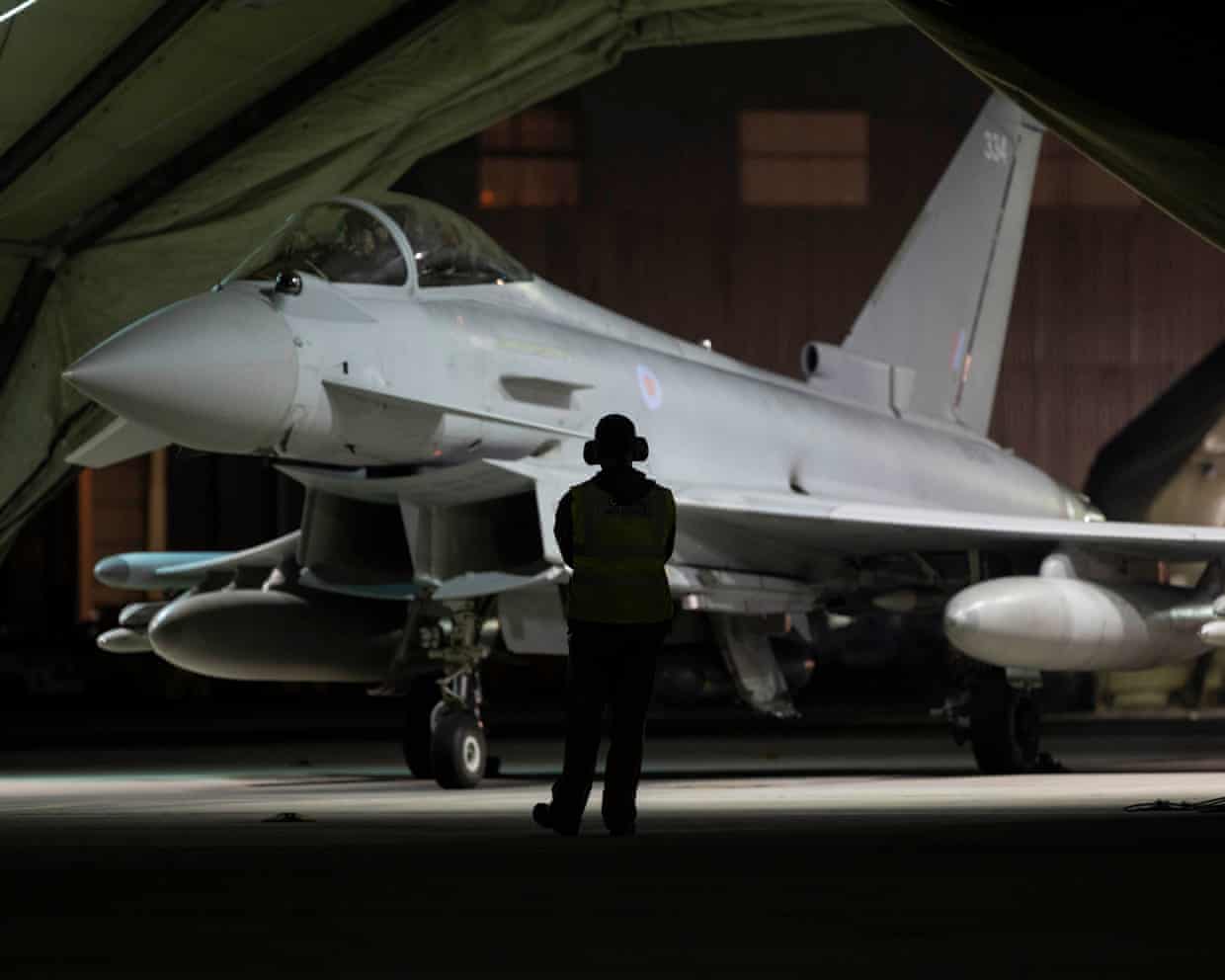
Britain cannot become embroiled in a war “without a clear end point”, a former senior Nato commander has said, as he defended Keir Starmer after Donald Trump’s jibes that he was “not Winston Churchill”.Trump was “another American president who had launched a war of choice,” said Gen Sir Richard Shirreff, as a minister insisted that the UK prime minister had acted “with a cool head” by not allowing British bases to be used for initial strikes.The US president launched a deeply personal attack on Starmer over his refusal to let Washington launch initial strikes on Iran from British bases, telling reporters on Tuesday in the White House: “This is not Winston Churchill that we’re dealing with.”In his latest extraordinary salvo, Trump said he was not happy with the UK even though Starmer eventually agreed the US could use the Diego Garcia military base in the Chagos Islands for strikes on Iranian missile facilities.Asked in a series of interviews on Wednesday morning about Trump’s comments, the chief secretary to the Treasury, James Murray, said: “The prime minister took the decision he did in the national interest
MPs say Starmer’s UK-EU reset lacks ‘direction, definition and drive’
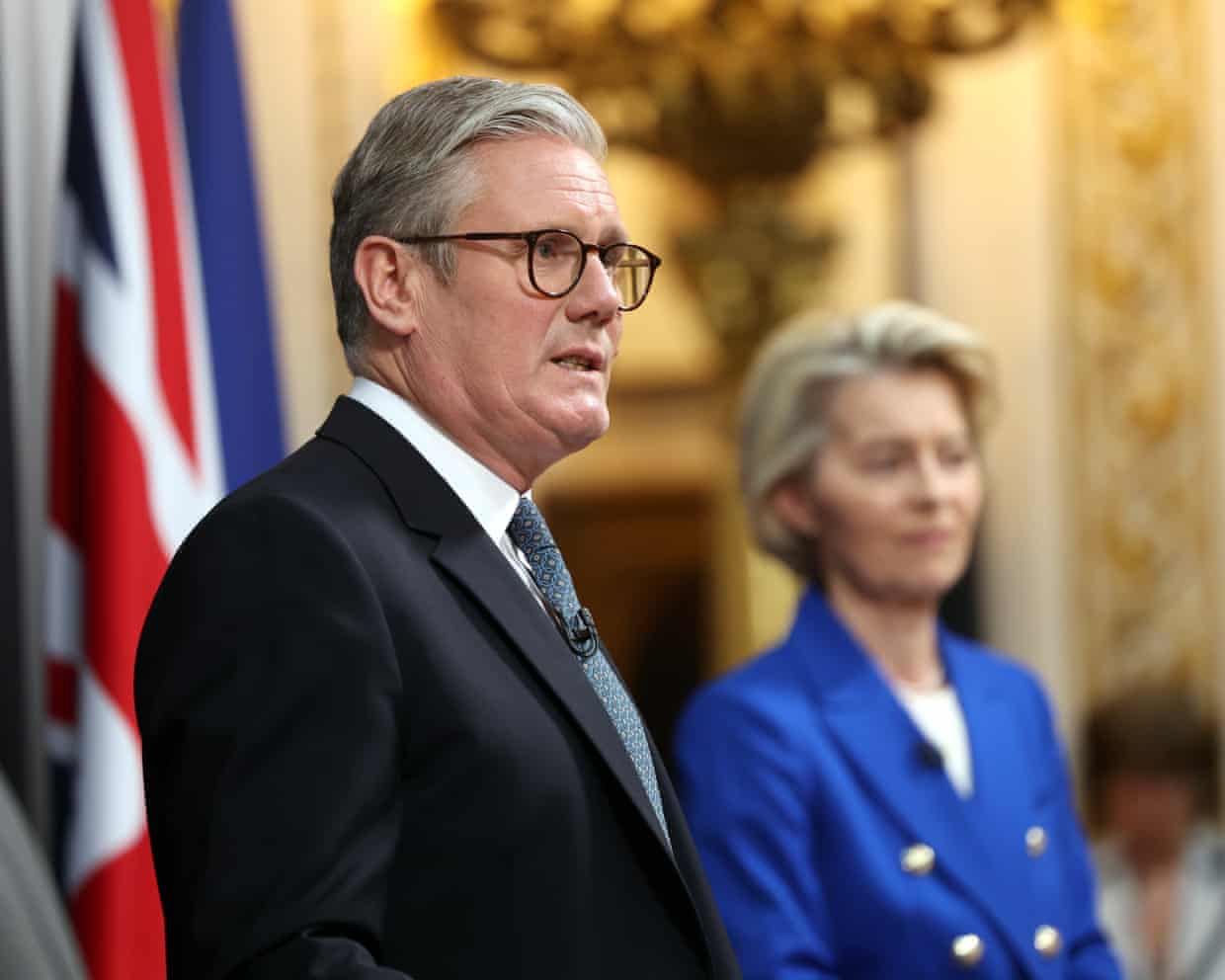
Keir Starmer’s efforts to reset the UK’s relationship with the EU are lacking in “direction, definition and drive”, parliament’s foreign affairs committee has said.A report based on months of expert witness testimony found the summit between the UK and the EU at Lancaster House last May had “substantially improved the overall political relationship” after years of Brussels-bashing by the Conservatives.But it concluded the UK “lacks clear strategic priorities”, which in turn results in “the appearance that the EU has achieved more concrete progress towards their most pressing demands than the UK”.Emily Thornberry, Labour MP and chair of the committee, said: “Sadly, we found that despite progress in some areas, the government’s reset is languishing, suffering from a lack of direction, definition and drive. It feels as though we are on a journey with no clear destination
Most Reform members believe non-white UK citizens born abroad should be forced or encouraged to leave, poll finds
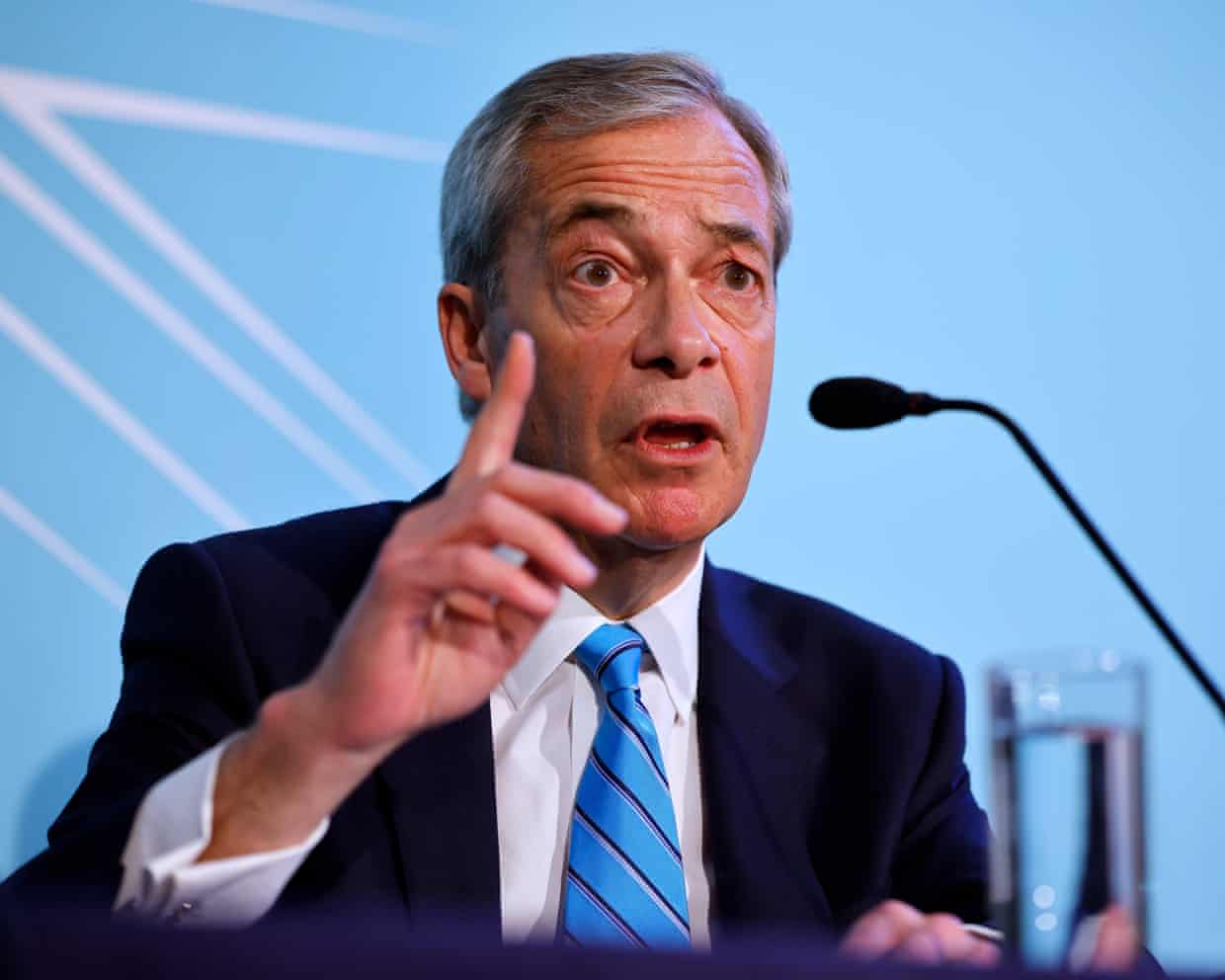
More than half of Reform UK members believe non-white British citizens born abroad should be deported or encouraged to leave, according to the first publicly available poll of those in Nigel Farage’s party.The findings come as the Reform leader attempts to court centre-ground voters while facing pressure from his right flank, including a hardline new party launched by Rupert Lowe, who left Reform after falling out with Farage.According to the research published by the anti-racism group, Hope Not Hate (HnH), 54% of Reform members thought non-white British citizens born abroad should be forcibly removed or encouraged to leave, while one in five (22%) also supported it for non-white citizens whose parents were born in the UK.Survation, a respected polling company, surveyed 629 Reform members between 29 January and 16 February. Reform said in December that it had about 270,000 paid-up members
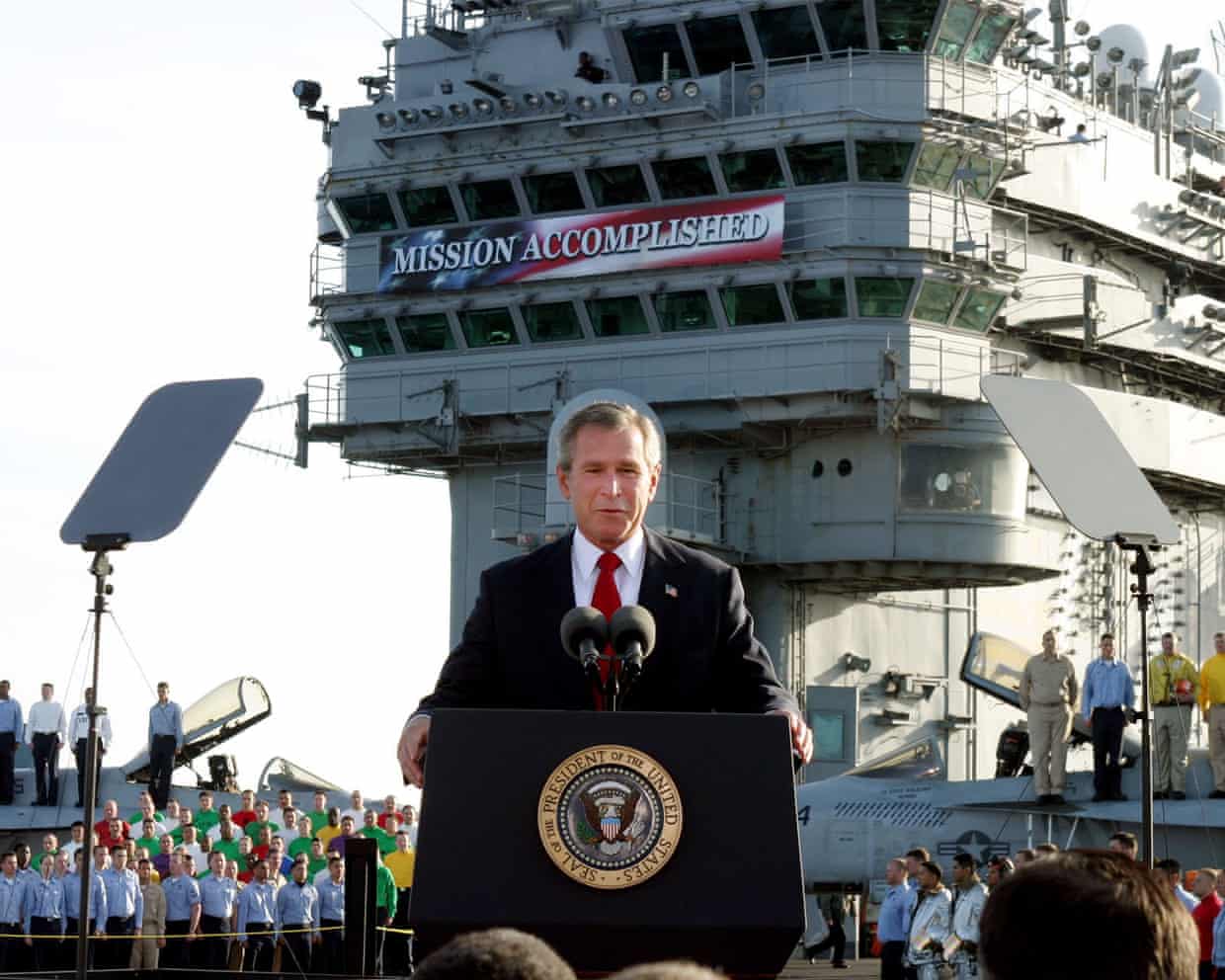
Shadow of Iraq war lies over Westminster as MPs consider US-Israeli attack on Iran
Calvin Bailey keeps his Iraq medal, issued to members of the British armed forces who served as part of Operation Telic, safe in a drawer in his home. It features a clasp, given to personnel who were part of the very first wave of flights to leave British bases to invade Iraq in March 2003.So when the Labour MP for Leyton and Wanstead spoke at a meeting between Labour MPs and the prime minister on Monday evening, people listened. “I was exposed to and aware of all the things that were happening in the lead-up to the invasion of Iraq: the groupthink, the sense of unstoppable momentum,” he said on Tuesday. “If you look at what is happening right now, it’s materially different to 2003, but I think I can speak with adequate weight and credibility
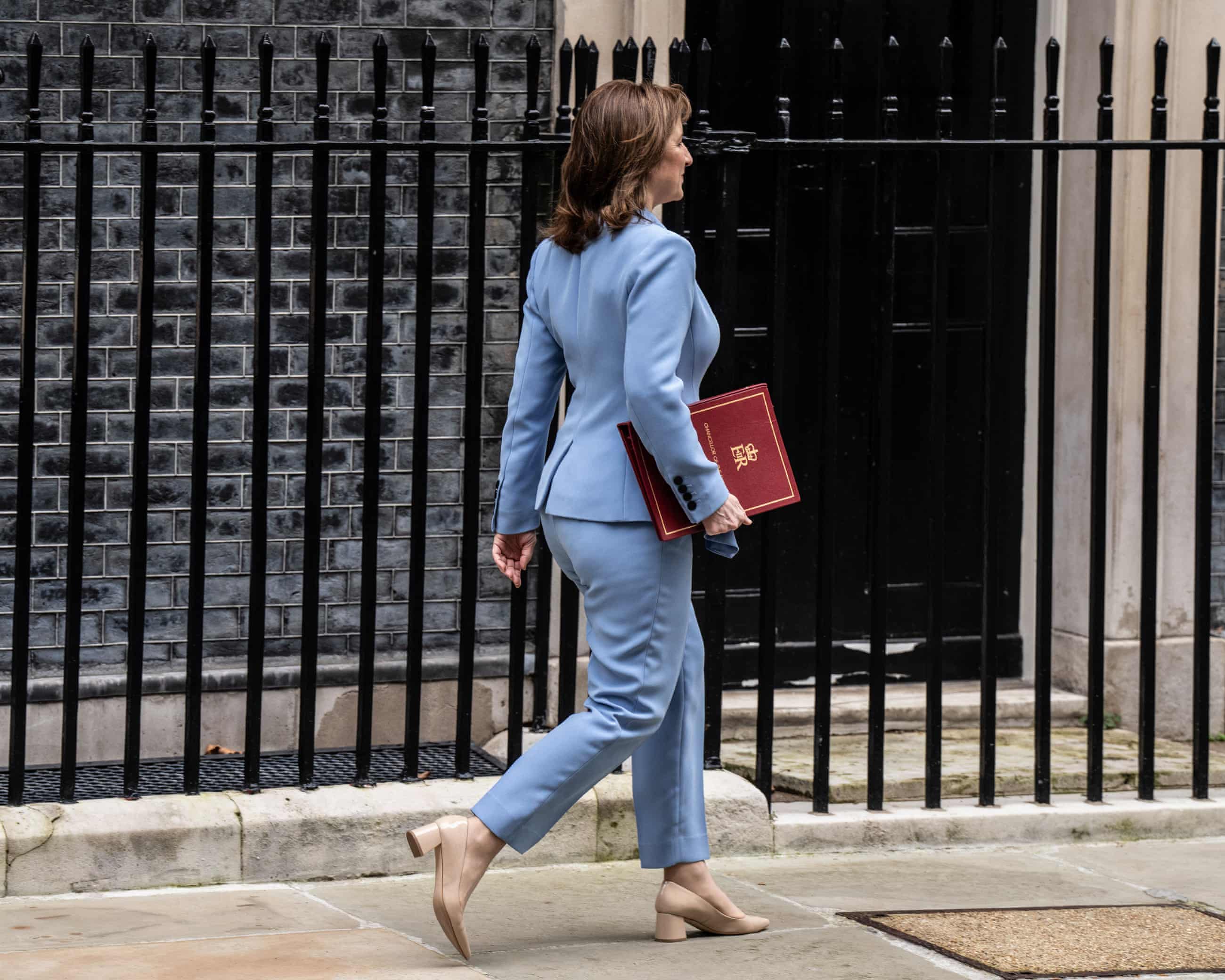
‘It’s no news just when we wanted some’: bosses react to spring statement
Amid global volatility, Rachel Reeves tried to project calm with a low-key forecast. But business owners have their doubtsRachel Reeves gave a deliberately low-key spring forecast on Tuesday, in an attempt to project calm amid volatility abroad and after repeated tax rising budgets.But for some business owners struggling with rising costs, a lack of policy announcements this time around was a disappointment.Changes to the business rates system are set to go ahead on 1 April, while Reeves offered little relief for companies still reeling from increases to employment costs last year. Nor was there clarity on the long-delayed defence investment plan, a key part of promises to increase spending

More than 220m children will be obese by 2040 without drastic action, report warns

Unemployment set to hit 5.3% this year amid ‘worrying’ rise in young jobless

Recruiting nurses overseas must work for all | Letter
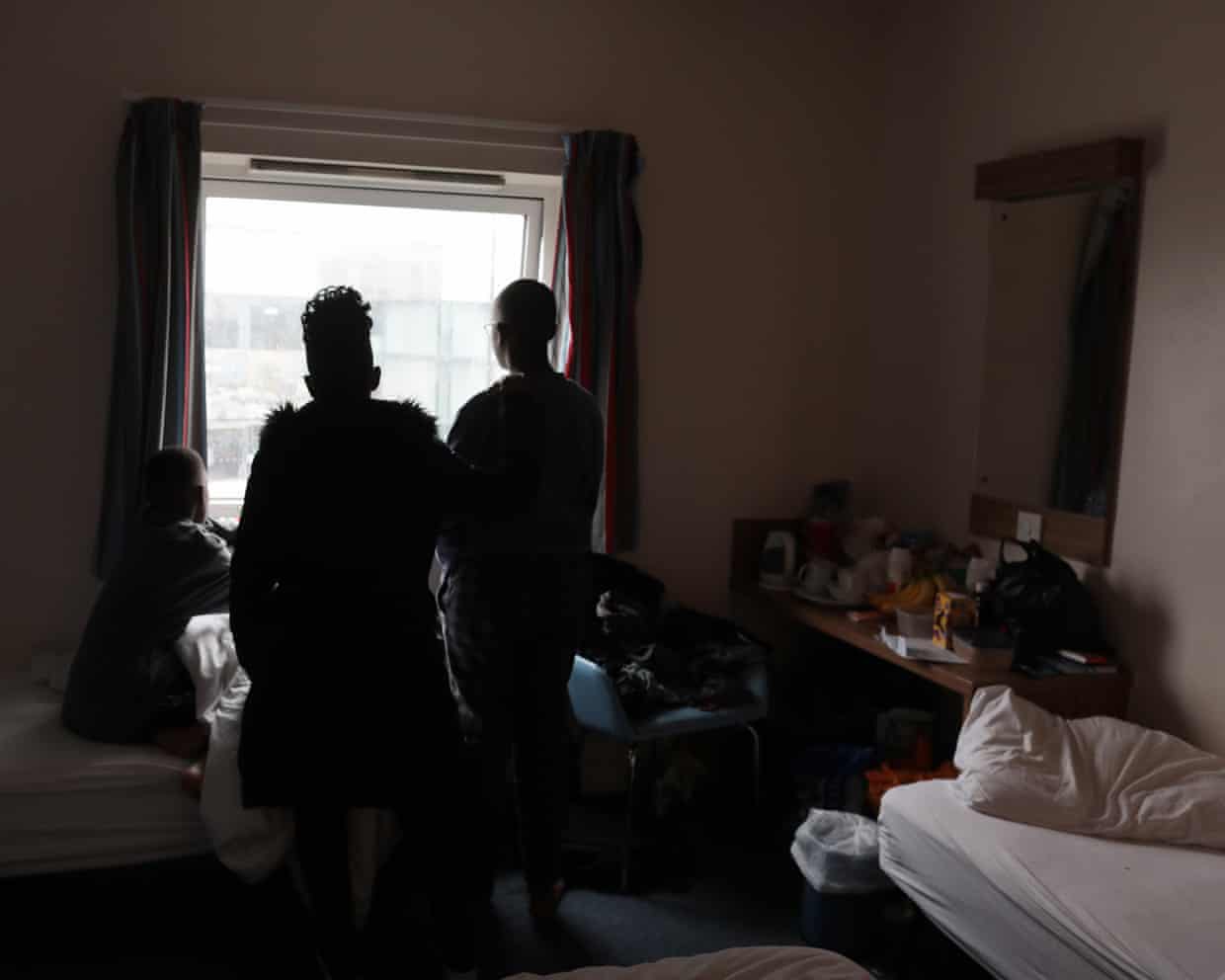
Councils’ temporary housing costs to more than double by 2029-30, says LGA

Quarter of healthy years lost to breast cancer are due to lifestyle factors, research finds
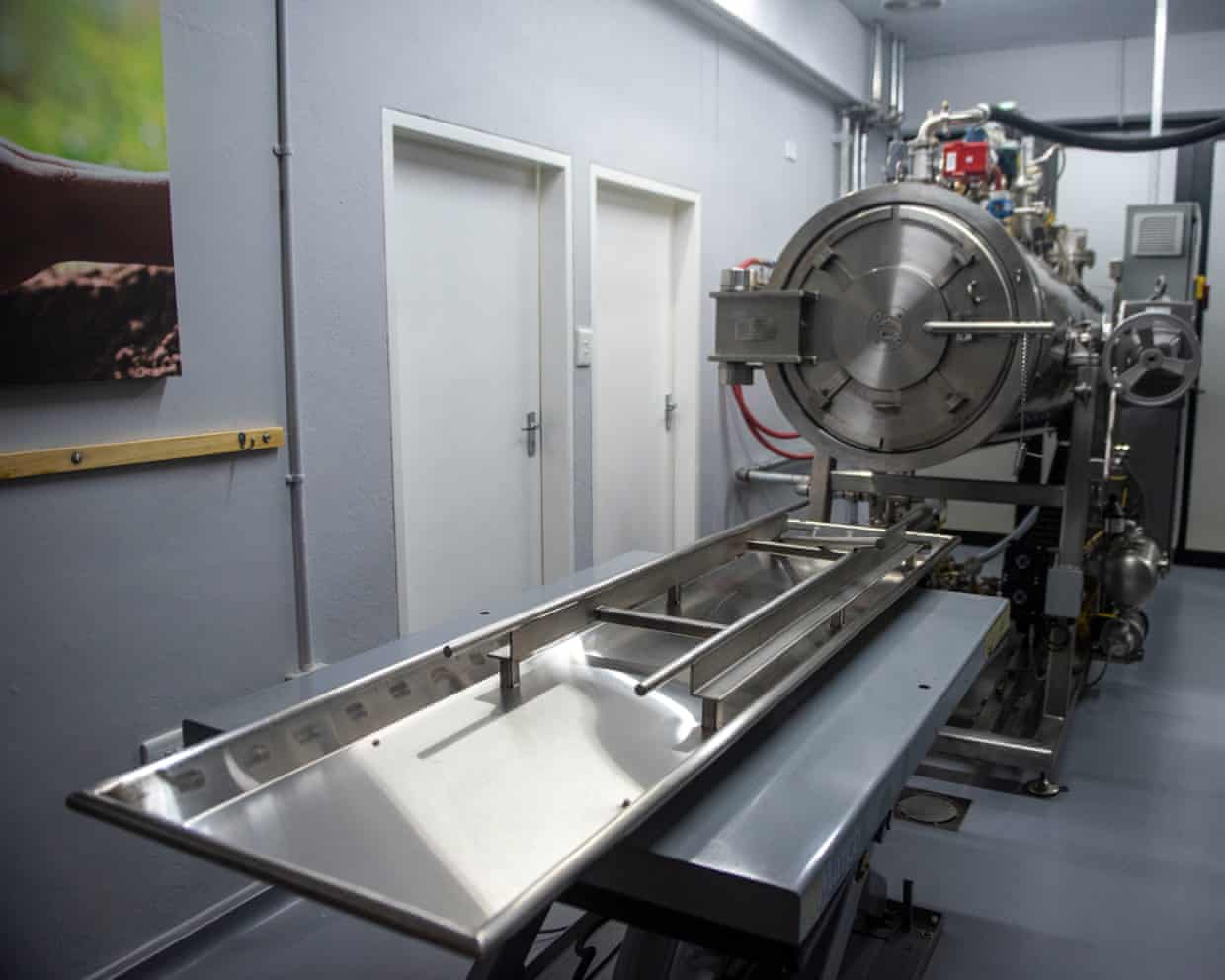
Scotland becomes first UK country to legalise water cremations