AI-resistant ‘halo’ stocks drive UK and EU markets to record highs

Investors have a new mantra as they prepare for AI to shake up the global economy – the Halo trade.Interest in Halo – short for “heavy assets, low obsolescence” - has risen as investors seek out companies with tangible, productive assets, which might be insulated from AI disruption, such as energy and transport infrastructure companies.While US mega-cap tech companies have had a rough start to 2026, the Halo trade helped to push UK and EU stock markets to record levels by the end of February.Goldman Sachs reported this week that its basket of more than 100 big-spending companies had outperformed a similar grouping of capital-light firms by 35% since 2025, as “asset intensity becomes a key driver of valuations and returns”.“After more than a decade of under‑investment (particularly in Europe), corporates are shifting decisively back toward physical assets,” Goldman analysts told clients.
Goldman defined Halo businesses as ones which pair substantial physical capital (where barriers to replication include cost, regulation, time to build or engineering complexity) with long-lived economic relevance,“Examples include grids, pipelines, utilities, transport infrastructure, critical machinery and long-cycle industrial capacity,” they said,They have calculated that the valuation gap between capital-intensive and capital-light businesses in Europe has narrowed significantly, with capital-intensive firms now more highly rated on a price-to-earnings basis – a key measure of a stock’s performance,Ruben Dalfovo, an investment strategist at Saxo, said energy infrastructure companies and oil and gas majors with control over their entire supply chain are examples of Halo companies, along with “you still need this on Monday morning” businesses, such as utilities,“Waste collection, water services and regulated power networks rarely dominate dinner party chat.
They tend to show up when investors stop paying for excitement and start paying for reliability,” Dalfovo said,The FTSE 100, which is relatively stacked with old economy companies, has hit a series of record highs in 2026,February was the blue-chip stock index’s strongest month since November 2022, and its eighth monthly gain in a row,“Investors are rotating from expensive AI and growth stocks into businesses with tangible infrastructure and long-lived assets – energy, materials, industrials, shipping and other ‘real world’ enterprises,” said Ipek Ozkardeskaya, a senior analyst at Swissquote,“In this context, the FTSE 100 is well positioned to benefit from Halo inflows, rallying from record to record, driven by energy and mining names,” Ozkardeskaya added.
The pan-European Stoxx 600 share index also hit record highs last week, helped by a rotation out of US technology stocks into other sectors.Cyprus-based oil tanker shipping company Frontline is the best-performing member of the Stoxx 600 so far this year, up 57%.Norway’s Kongsberg Gruppen, which sells high-tech systems to marine, aerospace, defence and energy producers is up 46% since the start of January.In contrast, software and data-focused companies have come under pressure in recent weeks, as AI companies have added services that threaten their revenue models.Last week, analysts at Citrini Research rattled the markets with a speculative report outlining a future in which autonomous AI systems had upended the entire US economy, from jobs to markets and mortgages, driving up unemployment and hammering the stock market.
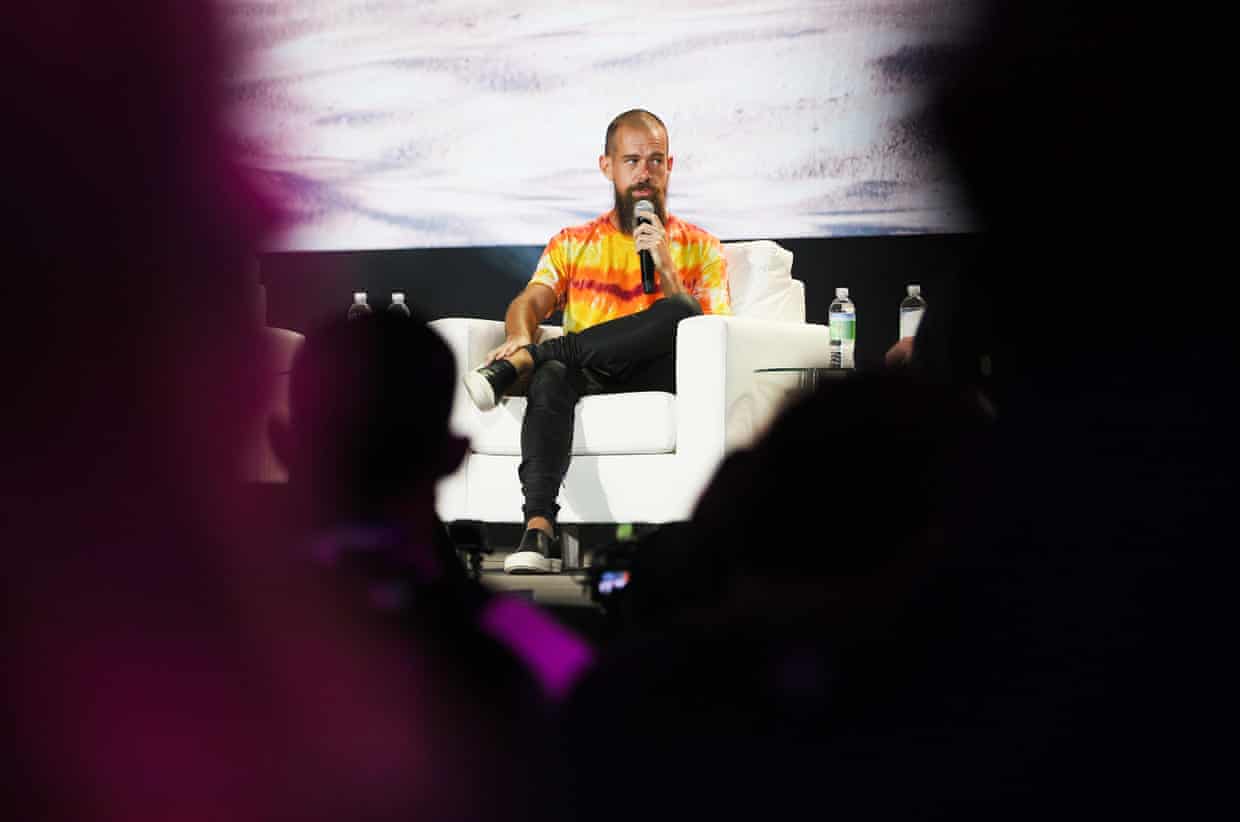
Jack Dorsey to cut 4,000 jobs due to AI advances at Square parent Block
Fintech company Block announced that it would be laying off 4,000 of its 10,000 employees because of gains in AI productivity.“Intelligence tools have changed what it means to build and run a company,” Jack Dorsey, Block’s CEO, said in a letter to shareholders on Thursday. “We’re already seeing it internally. A significantly smaller team, using the tools we’re building, can do more and do it better. And intelligence tool capabilities are compounding faster every week

Woman at heart of US trial says she was addicted to social media at age six
The young woman at the heart of the landmark trial about the addictive nature of social media testified for the first time on Thursday, saying she got hooked on YouTube starting at age six and Instagram at nine. By the time she was 10, she said, she had become depressed and was engaging in self-harm.The woman, who is now 20 and known by her initials KGM, is the lead plaintiff in an expansive lawsuit against YouTube and Meta, which owns Instagram and Facebook. The crux of the case alleges social media companies intentionally create addictive products, leading to mental health issues in young people.KGM testified on Thursday that her use of social media made her anxious and insecure, and features like beauty filters distorted her self-image

Riaz Hasan obituary
My father, Riaz Hasan, who has died aged 87, was a water resources engineer with a distinguished career working across 40 countries – in the 1970s with the British firm Halcrow and, from the 80s, at the UN and the World Bank.Originally from Hyderabad, Riaz arrived in the UK in 1965 with £3 and an A–Z, invited, like many engineers in India at that time, by the government. After completing a master’s degree in water resources at Bradford University, where he developed a love of Yorkshire pudding and received his degree from Harold Wilson (which he described as a real privilege), he embarked on his career designing life-saving, long-term water and food solutions for the most vulnerable and those affected by war, famine and natural disasters.Born in the small town of Warangal, near Hyderabad, to Mohammed, an English professor, and his wife, Khadija, Riaz went to Nizam college. He did his engineering degree at Osmania University, graduating in 1960, then got his first job at the Central Water Power Commission (CWPC) in Delhi
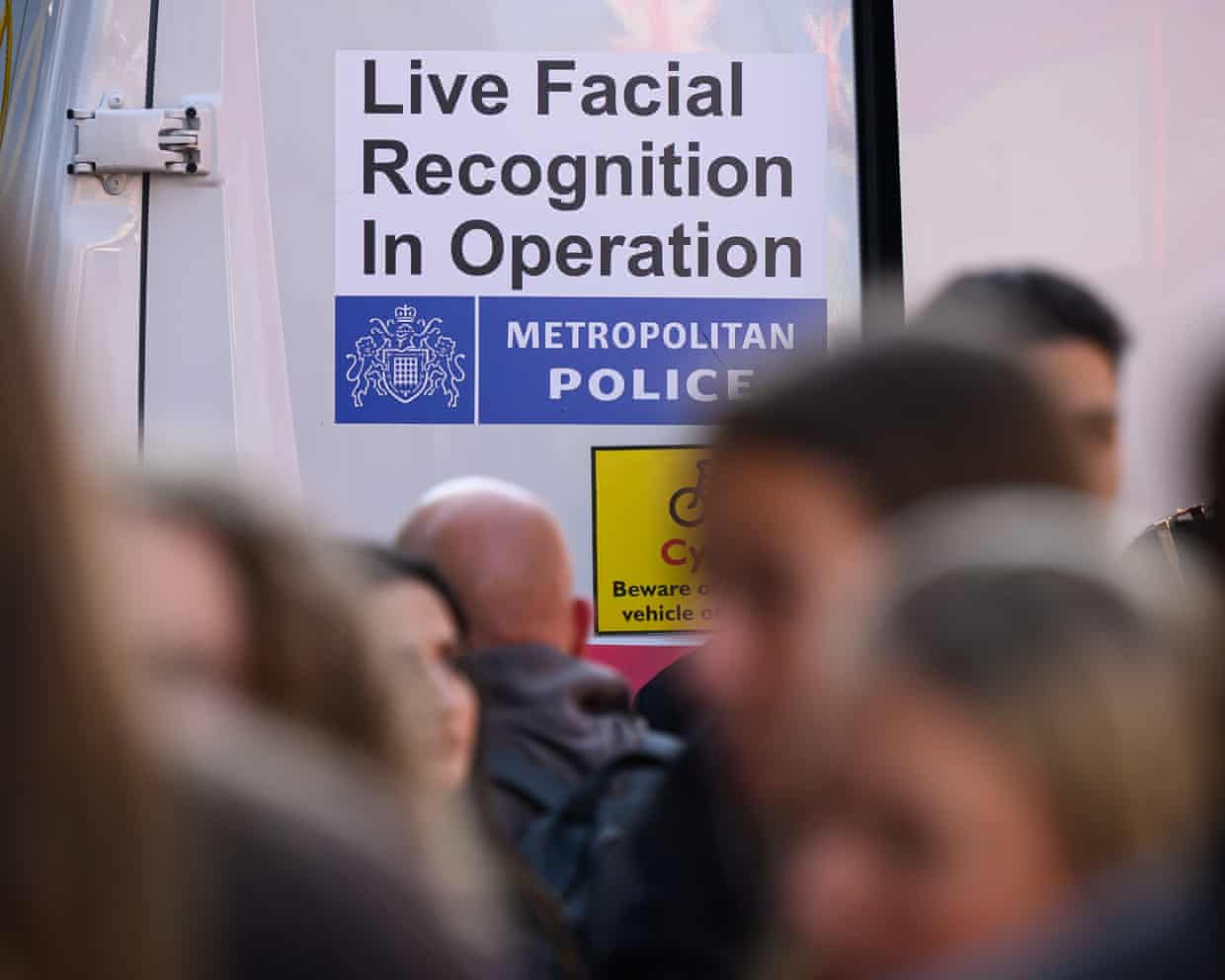
Met police to pilot facial recognition identity checks, mayor confirms
Metropolitan police officers are to start scanning citizens’ faces using automated facial recognition technology to check their identities, in a move backed by the mayor of London but described as “alarming” by opponents.The pilot was revealed on Thursday when Sadiq Khan said 100 officers would use the roaming technology – commonly deployed on smartphones – for six months. The mayor was responding to questioning from an opposition politician amid rising concern about the rollout of AI-powered policing tools. The Met’s website still states it “does not presently use the so-called operator initiated facial recognition”.Face scanning has already been deployed by police with cameras on vans and in fixed locations including in Croydon, Manchester and South Wales

Tell us: how will the UK’s landline switch-off affect you or your family?
UK telecoms companies are retiring traditional landline services and replacing them with internet-based home phone connections.The industry has set a deadline of January 2027 to complete this switch with roughly 3.2 million homes still to move over. While the digital switchover has been straightforward for most households, for some vulnerable customers, such as those with telecare devices, it has been very stressful.In December 2025 Virgin Media was fined £23

‘Unbelievably dangerous’: experts sound alarm after ChatGPT Health fails to recognise medical emergencies
ChatGPT Health regularly misses the need for medical urgent care and frequently fails to detect suicidal ideation, a study of the AI platform has found, which experts worry could “feasibly lead to unnecessary harm and death”.OpenAI launched the “Health” feature of ChatGPT to limited audiences in January, which it promotes as a way for users to “securely connect medical records and wellness apps” to generate health advice and responses. More than 40 million people reportedly ask ChatGPT for health-related advice every day.The first independent safety evaluation of ChatGPT Health, published in the February edition of the journal Nature Medicine, found it under-triaged more than half of the cases presented to it.The lead author of the study, Dr Ashwin Ramaswamy, said “we wanted to answer the most basic safety question; if someone is having a real medical emergency and asks ChatGPT Health what to do, will it tell them to go to the emergency department?”Ramaswamy and his colleagues created 60 realistic patient scenarios covering health conditions from mild illnesses to emergencies

Young fashion fans help UK charity shops thrive on struggling UK high streets
AI-resistant ‘halo’ stocks drive UK and EU markets to record highs
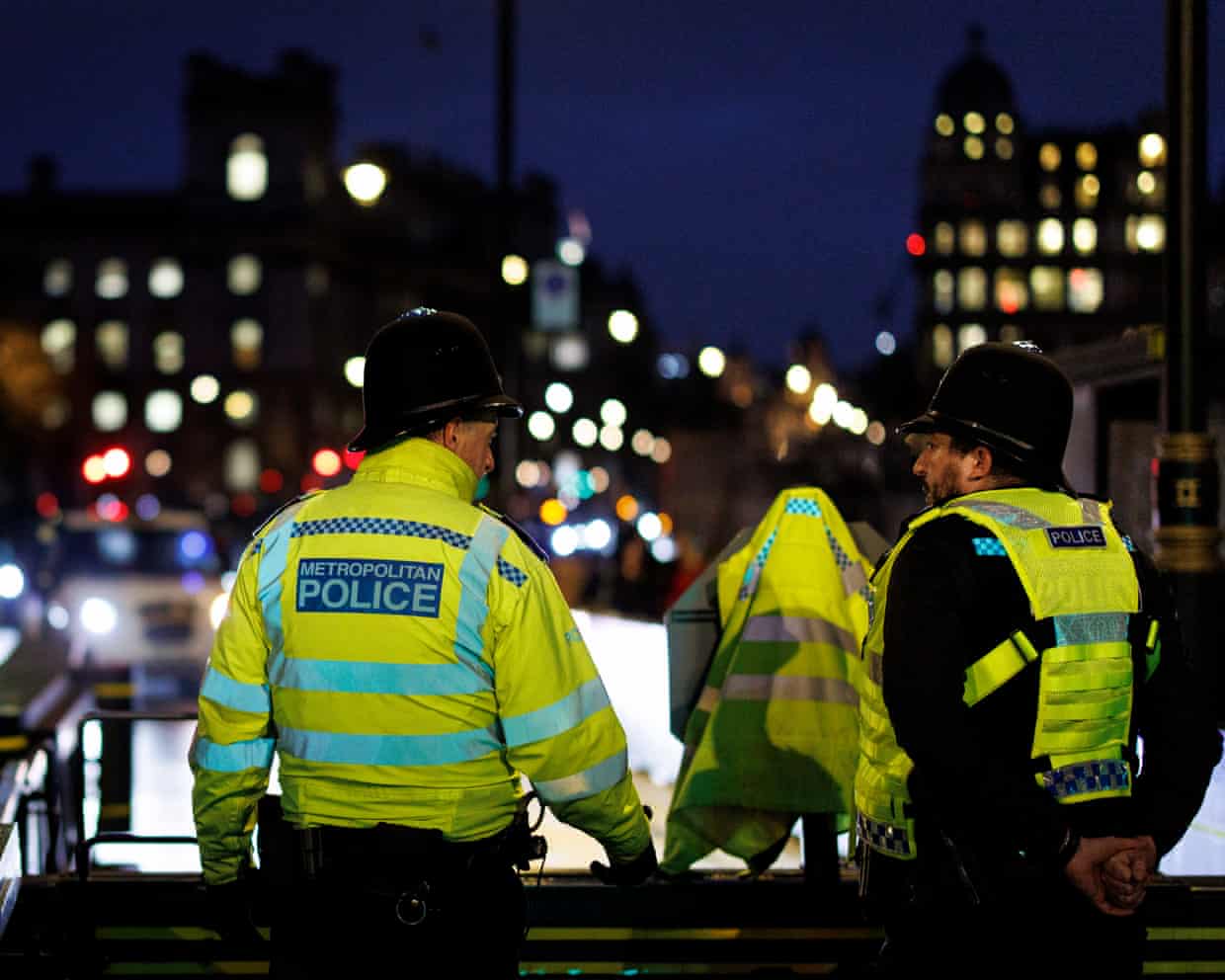
Square Mile strikes back: how the City of London is fighting disinformation about crime

Harrods faces legal action over £1-a-head dining charge not going to staff

Paramount Skydance wins Warner Bros Discovery bid after Netflix walks away from deal
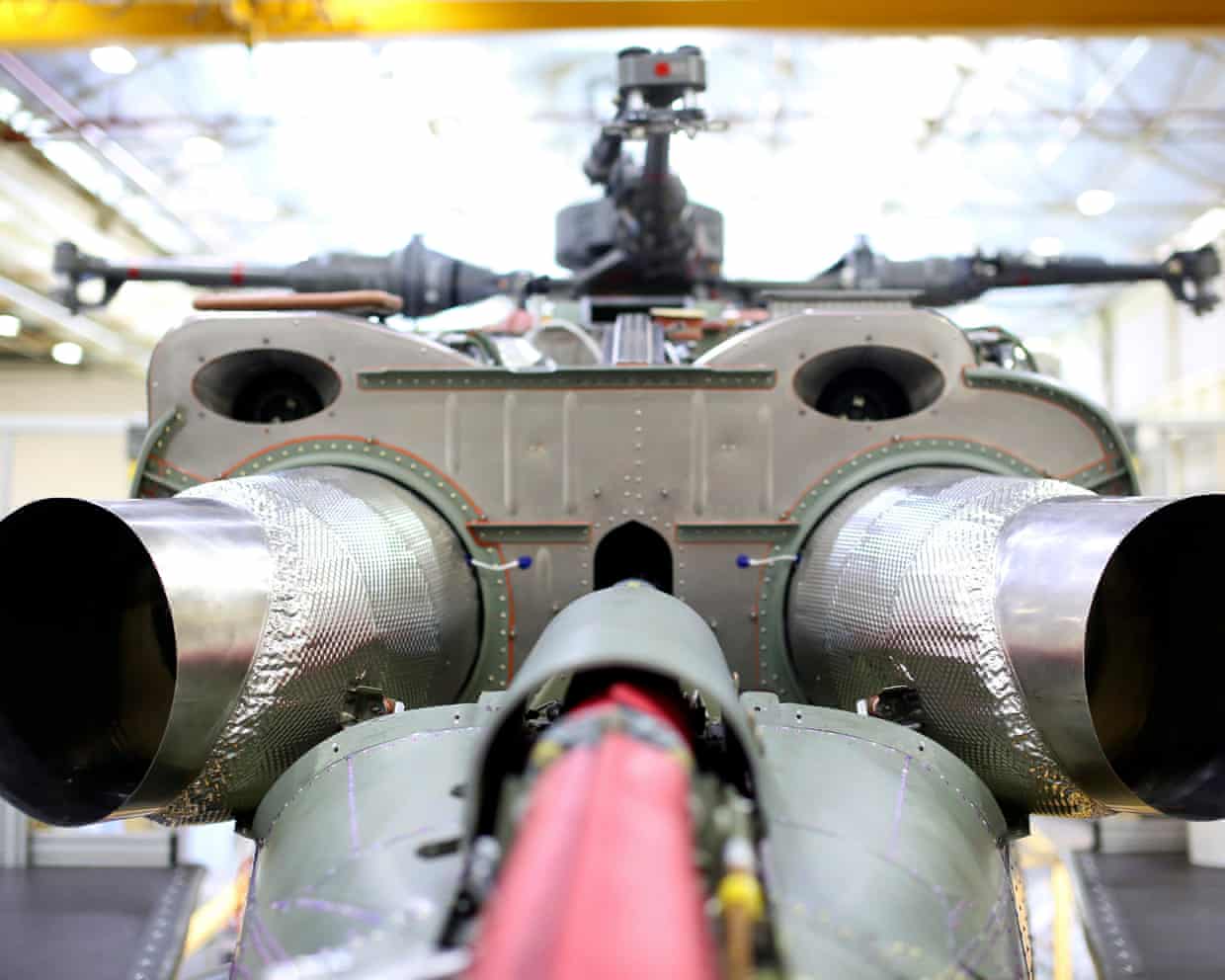
Rachel Reeves ‘to give go-ahead’ for £1bn military helicopter deal