More than a quarter of Britons say they fear losing jobs to AI in next five years
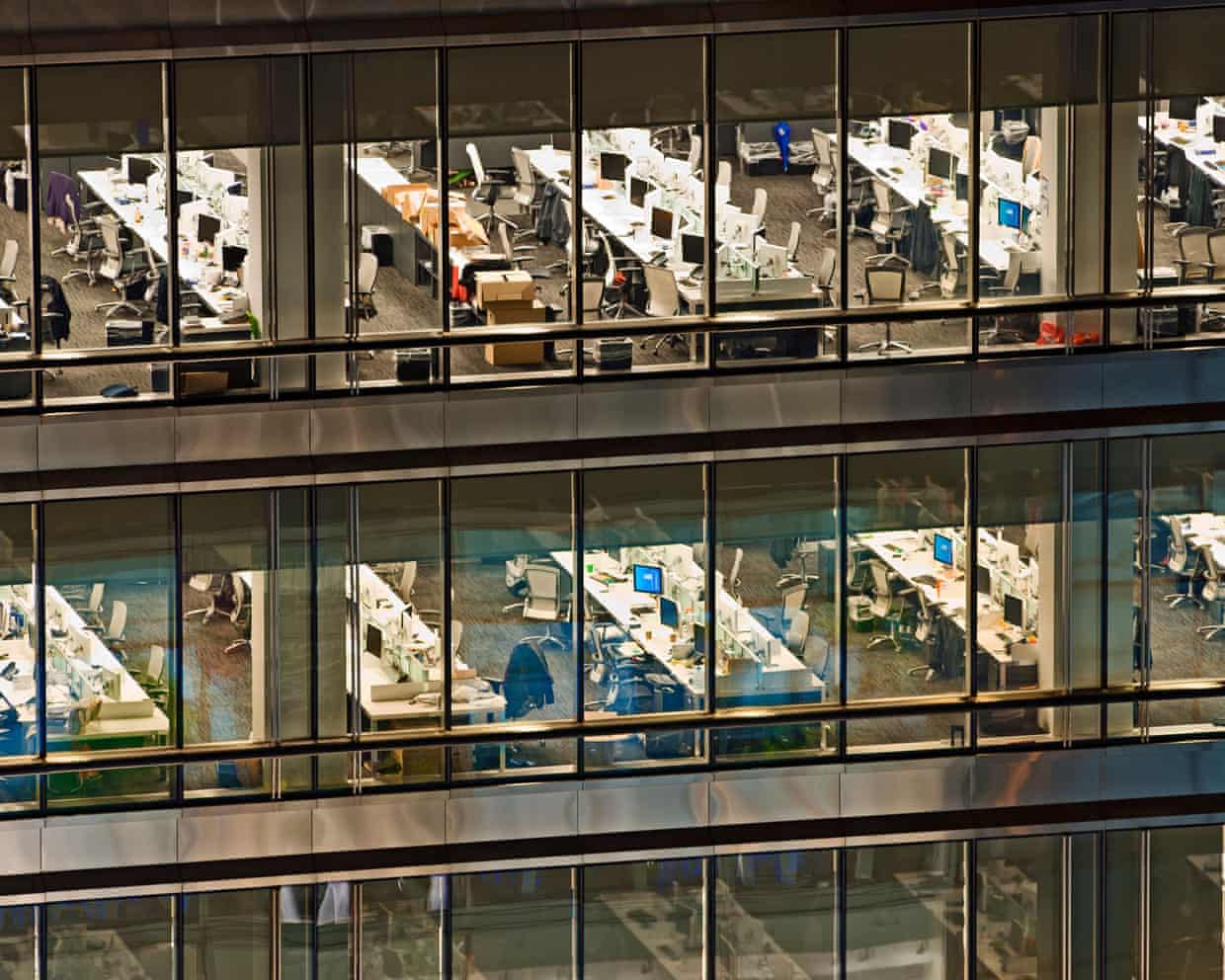
More than a quarter (27%) of UK workers are worried their jobs could disappear in the next five years as a result of AI, according to a survey of thousands of employees.Two-thirds (66%) of UK employers reported having invested in AI in the past 12 months, according to the international recruitment company Randstad’s annual review of the world of work, while more than half (56%) of workers said more companies were encouraging the use of AI tools in the workplace.This was leading to “mismatched AI expectations” between the views of employees and their employers over the impact of AI on jobs, according to Randstad’s poll of 27,000 workers and 1,225 organisations across 35 countries.Just under half (45%) of UK office workers surveyed believed AI would benefit companies more than employees.Younger workers, particularly those belonging to gen Z – born between 1997 and 2012 – were the most concerned about the impact of AI and their ability to adapt, while baby boomers – born in the postwar years between 1946 and 1964 and nearing the end of their careers – showed greater self-assurance.
Higher levels of concern expressed by young people entering the workforce could stem from the decision of many business leaders, highlighted by separate research, to invest in AI to plug skills gaps through automation instead of training up new hires.This is adding to the challenges facing younger workers at a time when the labour market is cooling.Increased use of AI and automation in businesses is increasingly replacing “low-complexity, transactional roles”, the survey showed, which could help to address labour shortages in certain industries through boosting productivity.About half (55%) of UK workers surveyed said AI had made a positive impact on their productivity, a view echoed by employers.“AI is not a rival to labour; it should be seen as key to augmenting tasks and highlighting the importance of roles that only people can do,” said Sander van ‘t Noordende, the chief executive of Randstad.
“We must close the ‘AI reality gap’.While businesses race to embrace a new way of working, our data shows that one in five talent believe AI will have a limited impact on their tasks and nearly half perceive it as more beneficial to the company than themselves.This leaves them vulnerable in both their careers and the value they can add to organisations.”The pace of adoption of AI in the workplace is also having an impact on workers around the world.Four in five workers believe AI will affect their daily work tasks, while the survey found that job vacancies requiring “AI agent” skills had risen by 1,587% over the past year.
Jamie Dimon, the boss of the US bank JP Morgan, told an audience at the World Economic Forum in Davos this week that governments and businesses would have to step in to help workers whose roles were displaced by the technology, or risk “civil unrest”.

Ryanair says it could use Starlink in future despite Elon Musk feud
Ryanair would be open to using Elon Musk’s Starlink wifi on its planes in the future, its finance chief has suggested, amid a feud between the boss of the Irish airline and the world’s richest person.The airline would look at “whoever is the best, when the tech and price is right” for in-flight wifi, the Ryanair chief financial officer, Neil Sorahan, said.Sorahan was speaking after an online spat between Ryanair boss Michael O’Leary and Musk, after O’Leary was asked whether he would follow Lufthansa and British Airways in installing Starlink satellite internet technology on his fleet of 650 aircraft.The chief executive rejected the idea, saying that adding antennas to the jets would result in a “2% fuel drag”, adding an extra $200-250m to its $5bn (£3.66bn) annual kerosene bill
‘A southern economy in the north’: how Warrington has adapted to change
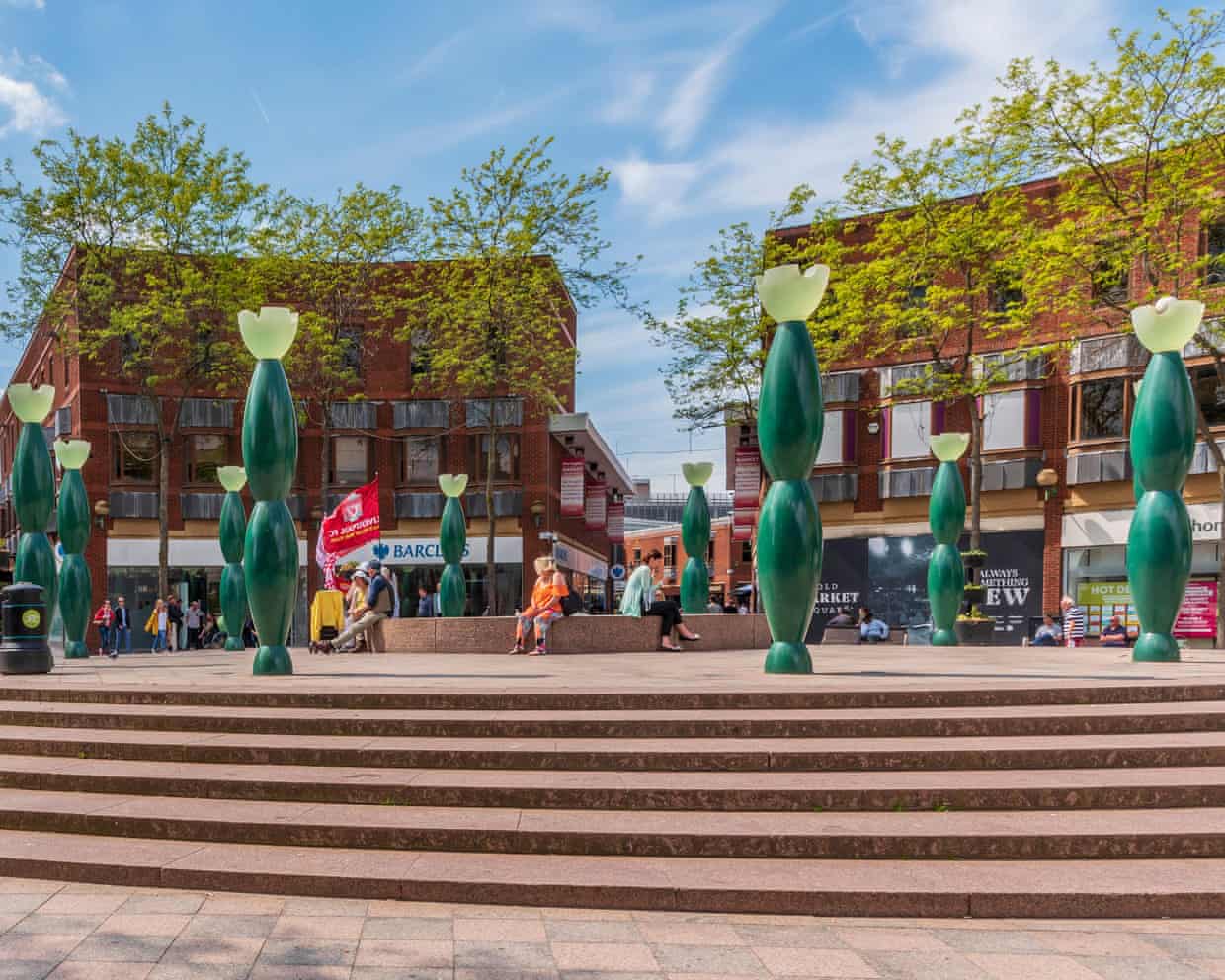
As the demolition excavator crashes its metal jaws through Warrington’s former Unilever soap factory, Carl Oates says the town is good at handling change. Once contractors have finished, his company plans to open a datacentre, reinventing a site from the first Industrial Revolution for the next.“As one industry closes, Warrington has been quite good at opening new ones – and we hope datacentres is one of those new spaces.”A director of a local property firm, Dante Group, he knows the blue corrugated-metal factory looming over Bank Quay station is a well-known local landmark on the Cheshire skyline. Alongside wire, beer and gin, soap helped to power Warrington’s industrial development

UK maker of AI avatars nearly doubles valuation to $4bn after funding round
A British AI startup that makes realistic video avatars has almost doubled its valuation to $4bn (£3bn), in a boost for the UK technology sector.Synthesia was valued at $2.1bn last year and moved into new offices in central London, marking the moment with a ceremony attended by the Sadiq Khan, the city’s mayor, and Peter Kyle, then technology secretary.On Monday, it announced its latest funding round, led by an existing investor, Google Ventures, had raised $200m and valued the British company at $4bn. Google Ventures is the search firm’s venture capital arm

AI is hitting UK harder than other big economies, study finds
The UK is losing more jobs than it is creating because of artificial intelligence and is being hit harder than rival large economies, new research suggests.British companies reported that AI had resulted in net job losses over the past 12 months, down 8% – the highest rate among other leading economies including the US, Japan, Germany and Australia, according to a study by the investment bank Morgan Stanley.The research, which was shared with Bloomberg, surveyed companies using AI for at least a year across five industries: consumer staples and retail, real estate, transport, healthcare equipment and cars.It found that British businesses reported an average 11.5% increase in productivity aided by AI
How Alex de Minaur can beat Carlos Alcaraz in Australian Open quarter-final
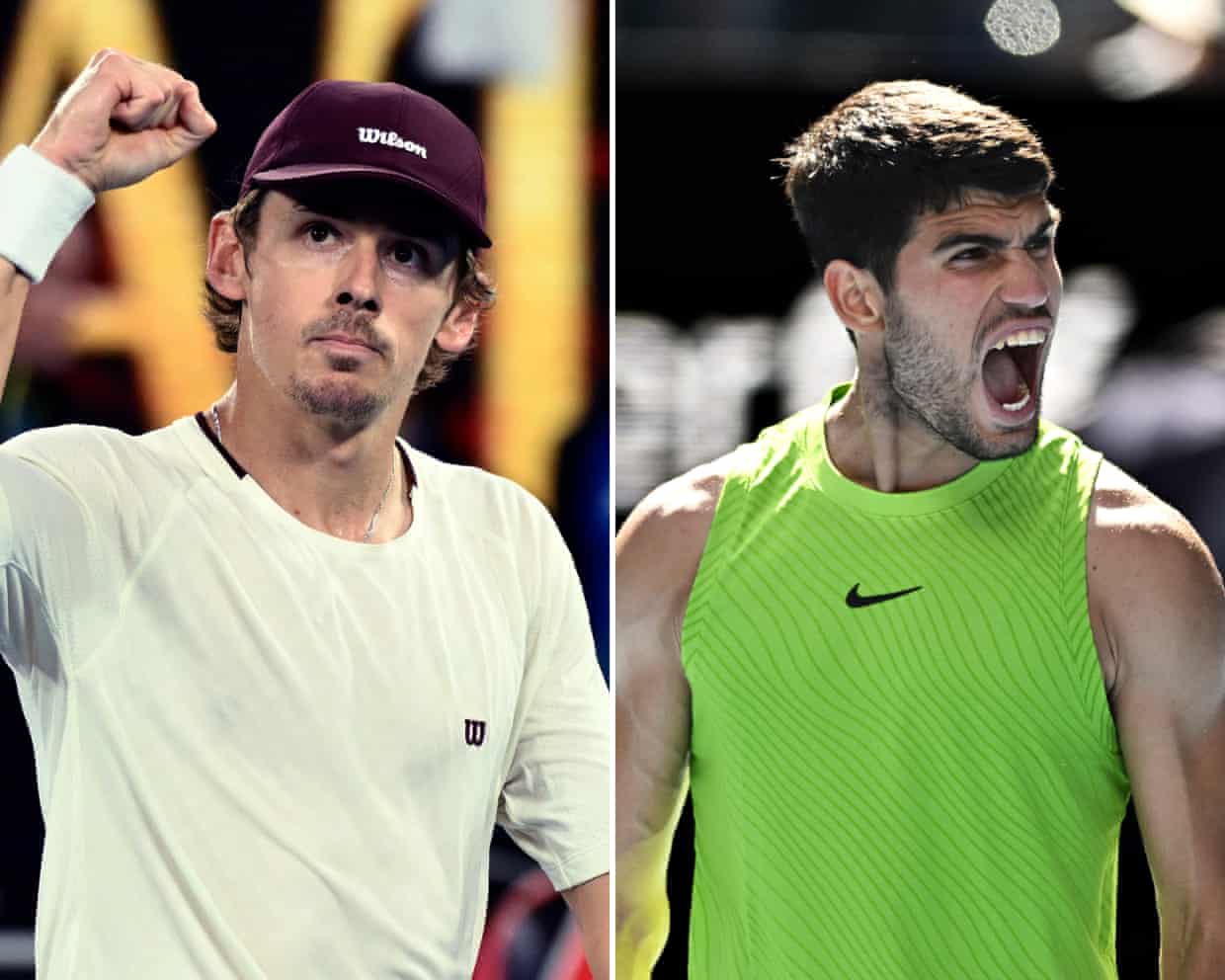
Alex de Minaur went into his quarter-final with Jannik Sinner at the 2025 Australian Open hopeful that he could make life difficult for the defending champion. Not only did that not happen, but the manner of his one-sided defeat left him wondering if he really had the game to trouble the top players.Fast forward a year and the Australian again finds himself in the last eight, again facing one of the sport’s superstars, this time Carlos Alcaraz. As with Sinner, the head to head doesn’t make pretty reading for De Minaur, with Alcaraz leading 5-0. This, though, is their first grand slam meeting and there is a growing feeling that things can be different
Courtside fashion at the Australian Open: ‘People are definitely dressing up more’
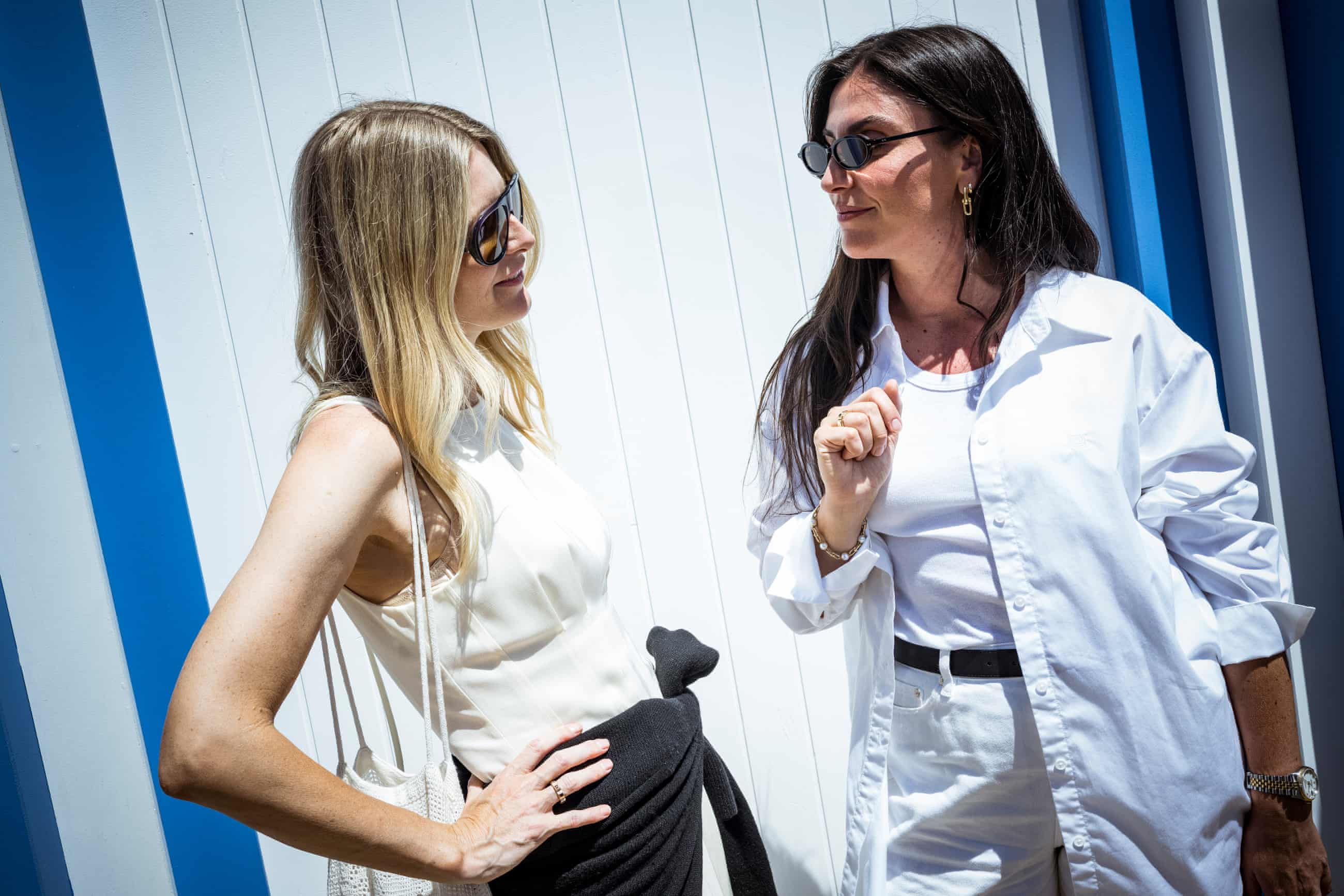
If the races is a nightclub, the tennis is a long lunch with spectators in silk dresses, sneakers and tailored shortsSomething is happening sartorially at the Australian Open. In addition to the on-and-off-court partnerships with some of the world’s most recognisable fashion brands – Rolex, Louis Vuitton and Polo Ralph Lauren – Melbourne Park visitors are dressing up.The men are in tailored knee length shorts, leather loafers and softly textured button-downs. The women are in pretty mid-to-ankle length dresses and sneakers or flat sandals. While the crowd’s look at the country’s biggest sporting event (the organisers expect it to inject more than $600m into the economy) is undeniably preppy – plenty of jumpers are tied around shoulders and T-shirts are tucked into high waisted trousers – the energy is decidedly more inclusive than a cordoned off country-club

RFU targets transport revamp and undercover police to sway Twickenham residents over concert plan
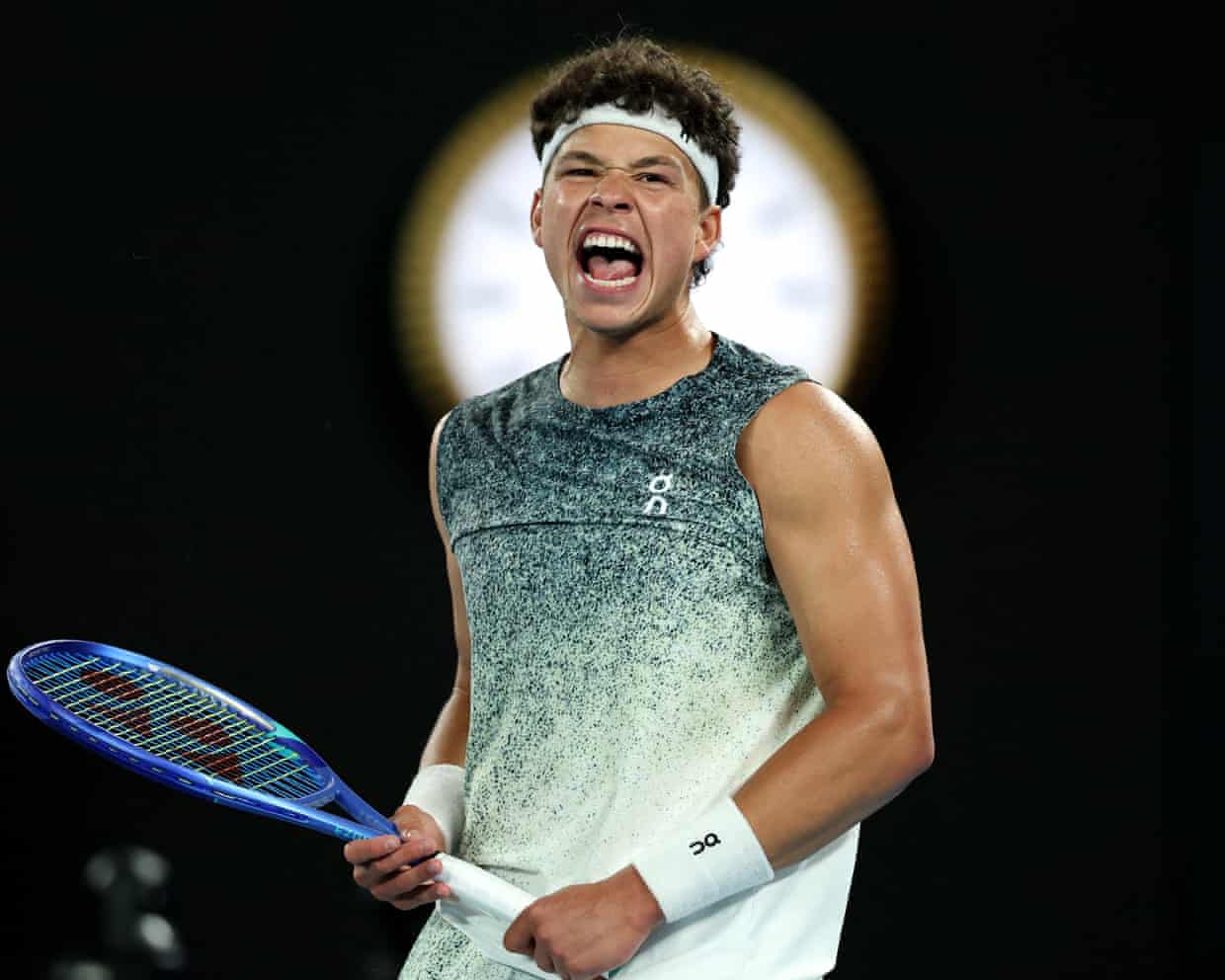
Australian Open 2026: Shelton beats Ruud, Swiatek swats aside Inglis, Sinner defeats Darderi – as it happened
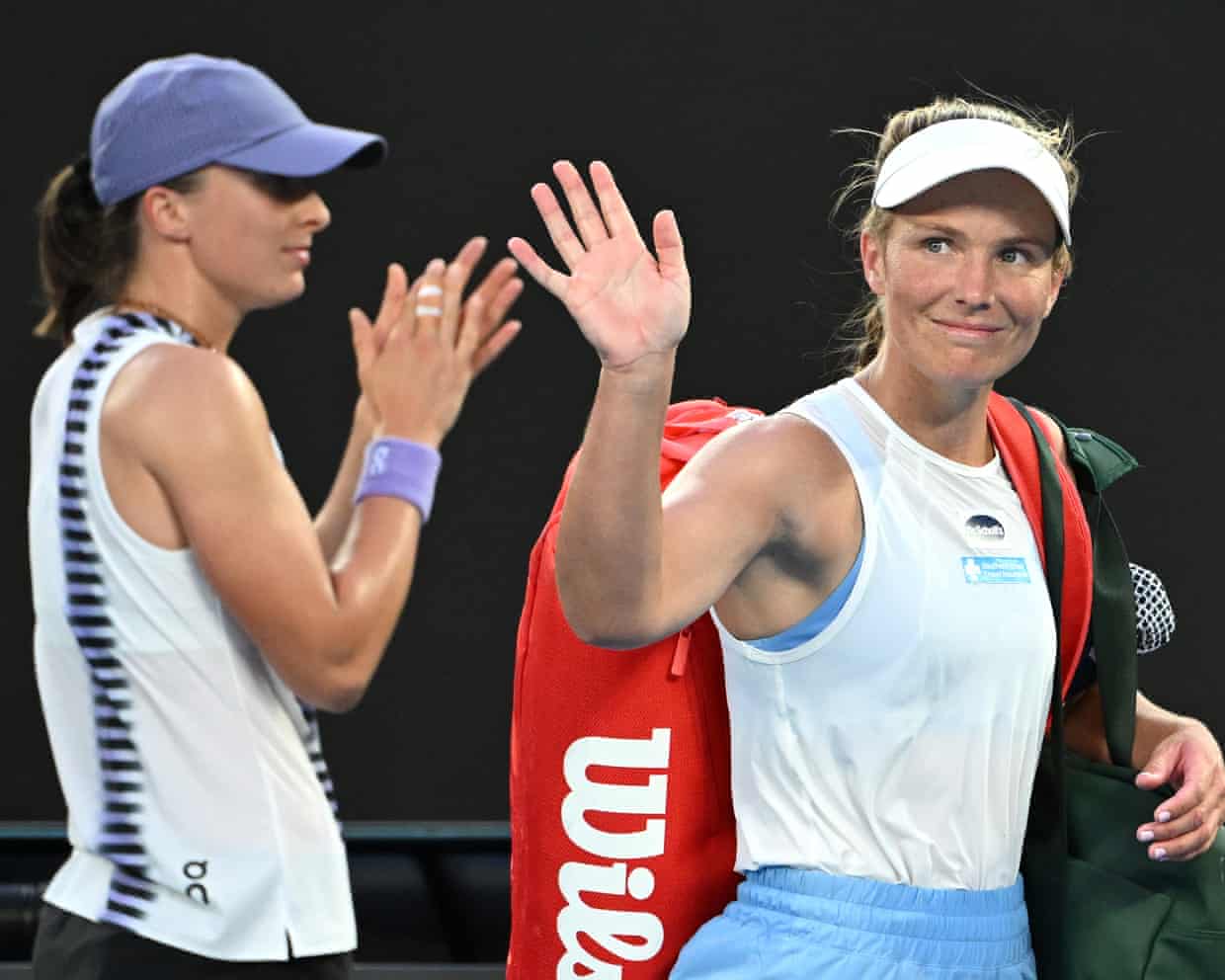
Inglis to splash out on new toaster ‘and maybe the kettle’ after Swiatek ends Melbourne run

Sam Darnold: after five teams and plenty of mockery, ‘Ginger Cuz’ reaches the Super Bowl

Bangladesh boycott brings a sad reality to T20 World Cup countdown | Taha Hashim
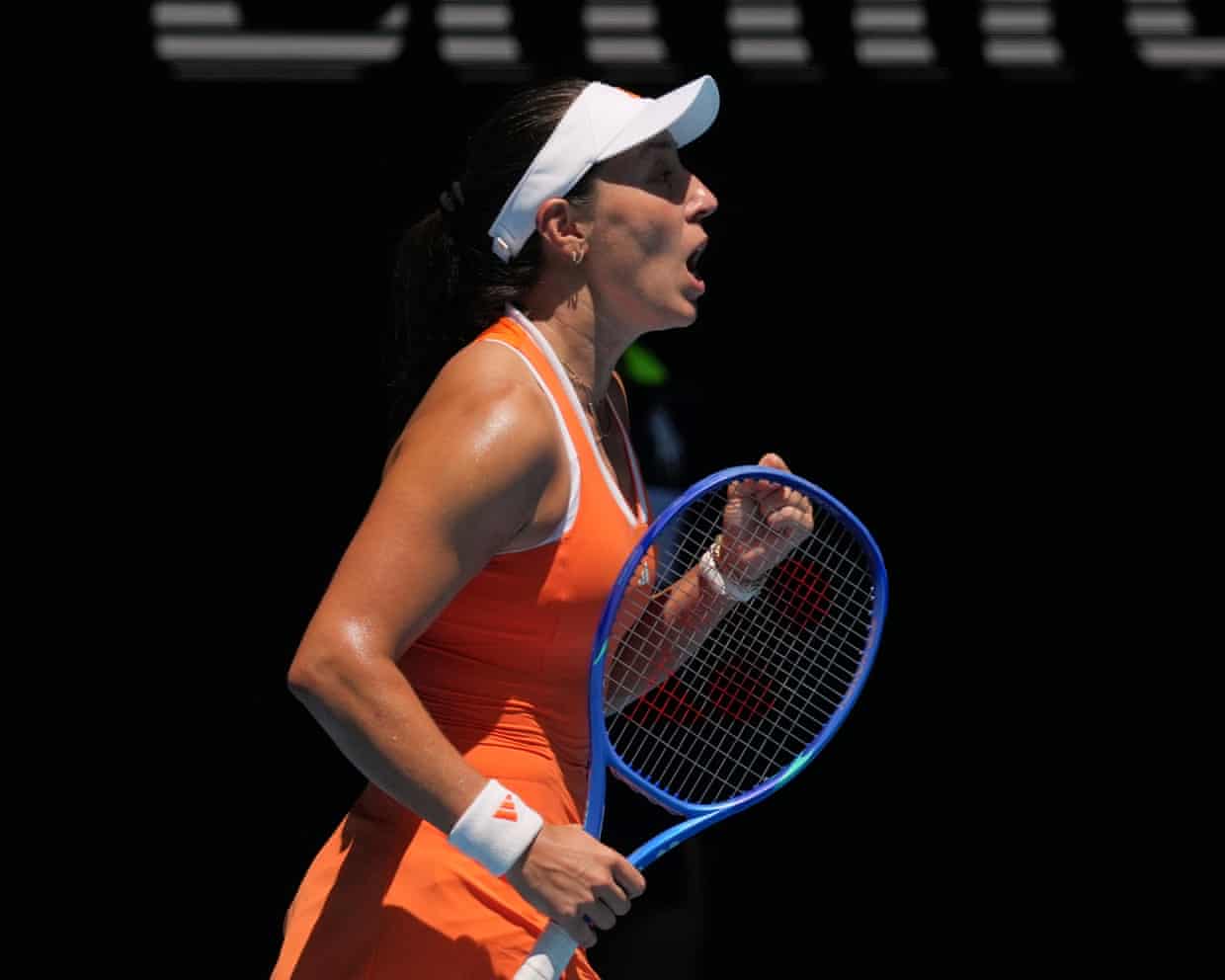
Spotless Pegula ends Keys’ Australian Open reign with serve of apple pie and cheese