Courtside fashion at the Australian Open: ‘People are definitely dressing up more’
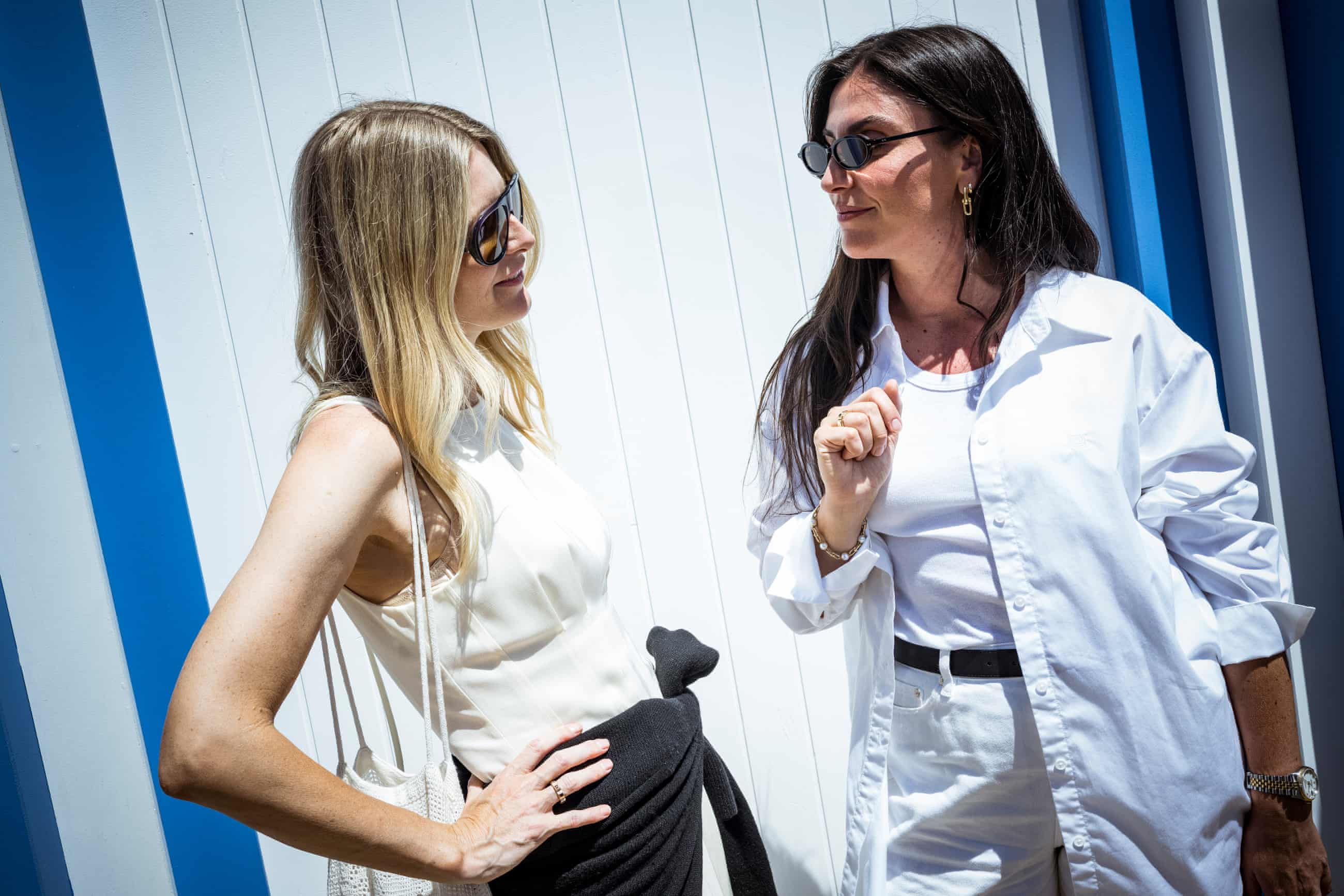
If the races is a nightclub, the tennis is a long lunch with spectators in silk dresses, sneakers and tailored shortsSomething is happening sartorially at the Australian Open.In addition to the on-and-off-court partnerships with some of the world’s most recognisable fashion brands – Rolex, Louis Vuitton and Polo Ralph Lauren – Melbourne Park visitors are dressing up.The men are in tailored knee length shorts, leather loafers and softly textured button-downs.The women are in pretty mid-to-ankle length dresses and sneakers or flat sandals.While the crowd’s look at the country’s biggest sporting event (the organisers expect it to inject more than $600m into the economy) is undeniably preppy – plenty of jumpers are tied around shoulders and T-shirts are tucked into high waisted trousers – the energy is decidedly more inclusive than a cordoned off country-club.
Even though almost everyone looks like if you threw them a racket they’d happily take to court.“The fashion is so much more elevated than it has ever been,” says interior designer Georgina Jeffries who attends the Australian Open every year.“All of the events, the things you can do here and the hospitality on offer has advanced it enormously.It has elevated the crowd as well.”This elevation didn’t happen by accident.
Over years, Tennis Australia’s chief executive, Craig Tiley, has deliberately leant into the “festivalisation” of the event to attract bigger crowds.It is working, this year attendance has been record-breaking with, on average, 100,000 people walking through the gates each of the first five days.The crowd is buzzing and social, as though tennis is an appetiser to lounging in large groups outside the courts, eating burgers from Shake Shack (a special US export) while sipping on Aperol spritzers (a partner) and networking (flirting).Jeffries’ outfit – a cream, mid-length dress with a black knit tied around her waist and mesh Mary-Jane ballet flats – captures the mood.It’s 1990s New York City style icon Carolyn Bessette Kennedy coded, but with less of the elitism often associated with east coast US Wasps.
When I approach Jeffries, who lives in Lorne, and Sian Redgrave, they have the happy energy of friends at a barbecue.In a nod to tennis’s signature colour, Redgrave is wearing all white (a popular choice): jeans and a shirt over a singlet, accessorised with a black leather belt and fishermen’s sandals.“It’s the merger of fashion and sport,” says Redgrave, a chef from Sydney.“People are definitely dressing up more.It’s really an event, which is nice for Australia.
”This merger has been pushed for, and capitalised on, by local and international designers.Luxury brand Gucci, whose ambassadors include top-ranked players Jannik Sinner and Aryna Sabalenka, hosted an influencer dinner before the tournament.Sport brand Reebok launched a new collection with a campaign fronted by Mia Hewitt and India Rafter, daughters of Australian tennis greats Lleyton Hewitt and Pat Rafter.Local designer Viktoria & Woods teamed up with US tennis brand Wilson on a pop-up at the brand’s Emporium boutique.Another local designer Henne has dressed tennis WAGs Paige Lorenze and Sophia Sinacola.
The cosmetic conglomerate Mecca has a three story, hot pink retail activation on site.It’s hard not to draw a comparison to the scene at the Spring Racing Carnival, where poured-on polyester cocktail dresses are chosen over high-waisted cotton shorts, and stilettos are favoured over sneakers (notably the members’ enclosure rules prohibit above the knee shorts and sports shoes).Despite once being a premier event, horse racing has seen its cultural cache plummet.Racing Victoria has reported a $20m loss over two years and its attendance numbers pale in comparison with the tennis.In 2025 286,746 people attended the four-day event.
Before this year’s Open had even begun 217,999 people had shown up to watch qualifying matches.But perhaps the decline in relevance is most notable across its major sponsorships.Despite having once been considered an event on the fashion calendar and a boom time for retail, not a single fashion brand has an official relationship with the Spring Racing Carnival.In terms of appeal, if the races is a nightclub, the tennis is a long lunch.There are no heels slowly sinking into the grass.
No fake-tanned shoulders shivering in the unpredictable weather.No one is being turned away for not wearing a tie.The fabrics are breathable, the styling has layers, the trousers are tailored, the shoes are sensible.There is still a spectrum of dressiness: T-shirts, cargo shorts, Birkenstocks and caps do not feel out of place beside linen shirts, silk dresses and light-weight blazers.“The tennis is good because it brings everyone together,” says Freya Lewis, a fashion student from Melbourne.
“There’s no specific dress code, so it gives people free rein to express themselves.You don’t have to be super fancy; you can be a bit more casual, more chic.”Lewis is wearing a pale blue, floor length dress with comfortable shoes – a pairing that could be the look of the fortnight based on a similar outfit from two-time Australian Open champion Naomi Osaka (who unfortunately withdrew last week).She walked on to the court for her first-round match wearing an ensemble created in collaboration with Nike and designer Robert Wun that became a talking point around the world.Inspired by a butterfly that landed on her face during a match at the 2021 tournament (which she went on to win), the long, floaty pleated skirt layered with her tennis-dress was accessorised with a wide brimmed hat draped in a veil, a parasol and of course, sneakers.
‘They’re trying to milk us’: leaseholders tell of soaring charges amid Labour reform delays
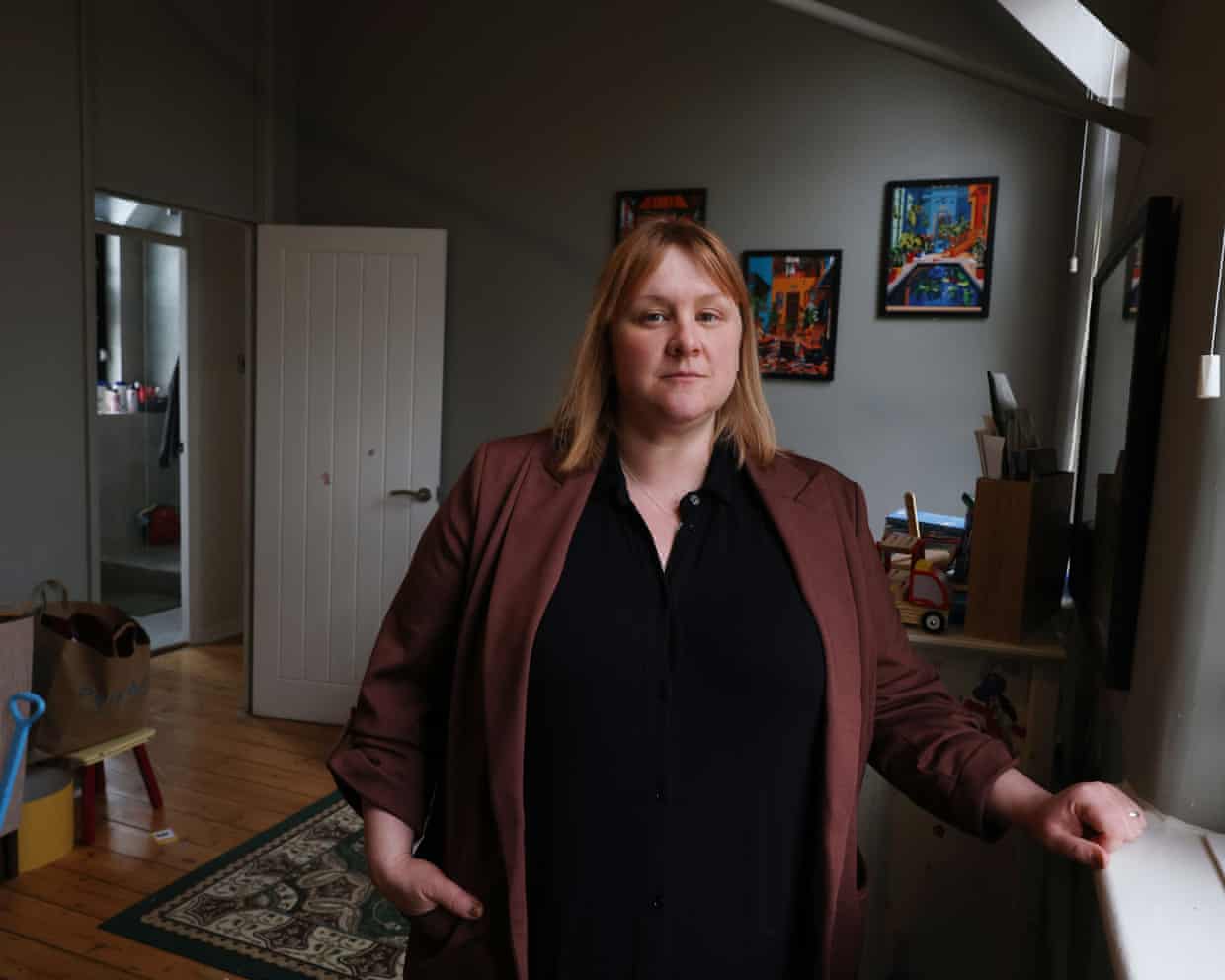
“I don’t say this lightly, but I feel traumatised by this,” said Sarah*, a leaseholder who owns a one-bedroom flat in Moseley, south Birmingham. “Every time I open the front door to my house I’m expecting some frightening letter with lots of zeros on it. It has ruined my life, to be honest.”Sarah works full-time as a school teacher, but has been forced to take up a second job to pay the spiralling bills from the management company of her building.While she was aware of the annual service charge of around £1,400, she wasn’t prepared for the bills for a reserve fund which have risen steeply as the management company aims to secure an extra £400,000 from residents for a roof replacement and other projects
Teachers in England driving homeless pupils to school and washing clothes, research shows
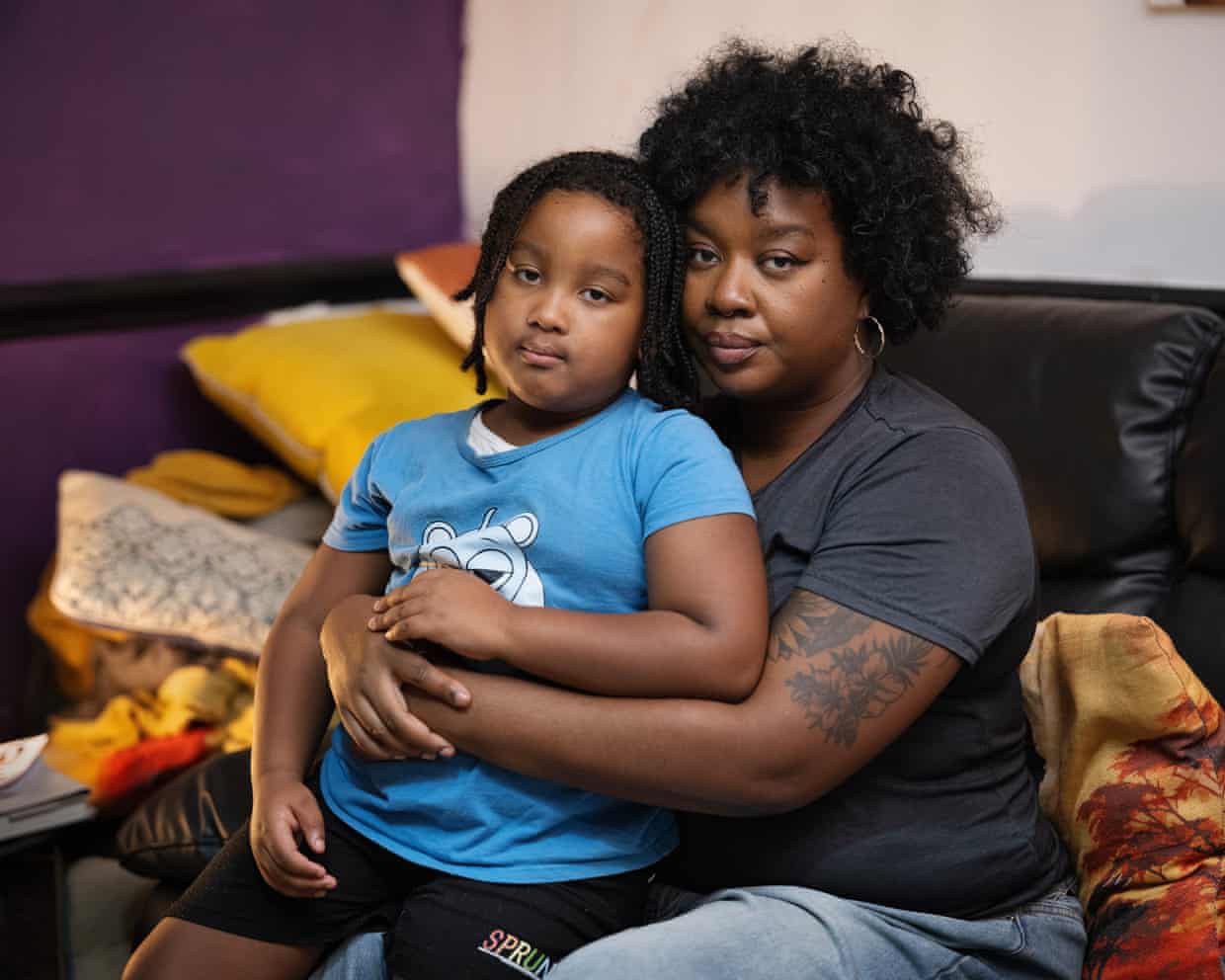
Schools are regularly referring homeless children to food banks, driving them to classes and washing their clothes, according to research.A survey conducted by the housing charity Shelter and NASUWT, also known as the Teachers’ Union, asked 11,000 teachers about their experiences of working with children living in temporary accommodation.There are now a record 175,025 children in temporary housing in England, according to the most recent government figures. Many families affected are living in B&Bs, hostels and overcrowded flats.Most teachers who responded said homeless children had attended their school in the last year
High on ... mustard? Cannabis industry teams up with chefs in push to stand out
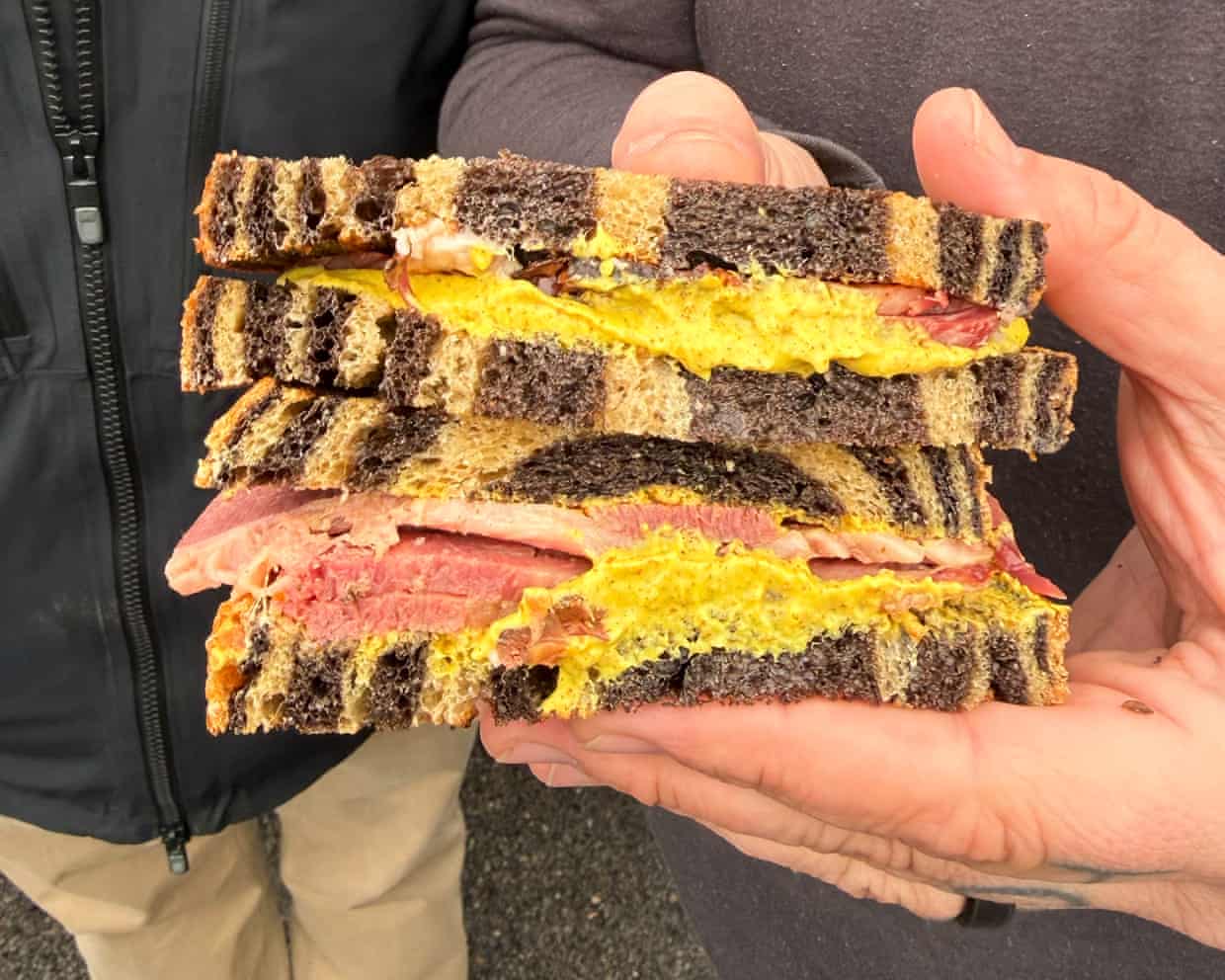
Food and stoner culture have always gone together, but these days chefs and cannabis professionals are working together to find thoughtful, new ways to incorporate weed into meals.For National Hot Pastrami Day on 14 January, a celebrated Jewish deli in Chicago teamed up with a local Illinois dispensary to give customers free pastrami sandwiches garnished with cannabis-infused mustard.The “High on Rye” event was held in the parking lot of Ivy Hall dispensary’s Logan Square location. Customers lined up for free pastrami sandwiches from Steingold’s Deli, complete with an intoxicating brown mustard. Asked if the mustard was a one-time gimmick or the beginning of something bigger, Aaron Steingold, the deli’s founder and Jonny Boucher, Ivy Hall’s director of marketing, said they weren’t sure – but they were having a good time

Reform UK’s private health insurance plan would cost £1.7bn, Streeting to say
Reform UK’s policy of tax relief on private health insurance could cost the country £1.7bn, the health secretary, Wes Streeting, is expected to say on Saturday.Streeting will make the claim at a conference organised by the Fabian Society, a socialist thinktank aligned to the Labour party, and will describe the Reform proposal as a “tax cut for the wealthiest”.Before the 2024 general election, Reform pledged to offer tax relief of 20% on all private healthcare policies if it won power. The party claimed in its manifesto that this would improve the general standard of care by reducing demands on the NHS

The ADHD grey zone: why patients are stuck between private diagnosis and NHS care
Sameer Modha knows the ADHD system all too well. He has been diagnosed himself, as have his two children, giving him a clear view of how the system works – and where it breaks down.While his own diagnosis was relatively straightforward, the experience with his daughter was very different. The diagnosis he obtained for his eldest child, after an assessment carried out privately by a “very senior ex-Camhs [child and adolescent mental health service] director, someone who knows the system and has seen a huge amount of this”, was later rejected by the NHS. He was told it was not compliant with guidelines from the National Institute for Health and Care Excellence (Nice), which sets healthcare standards nationally
Seeing red over the Greens’ advocacy of ‘buy the supply’ housing policy | Letters
I was surprised to see Siân Berry (Letters, 9 January) advocate that Labour “buy the supply” of landlord homes as a way of increasing the stock of social housing. Siân may want to pay more attention closer to home. The Labour council in Brighton and Hove is pursuing exactly that policy, as was featured in the Guardian last year (Right to buy in reverse: how Brighton is tackling its social housing crisis, 26 October).As with many policy areas, the Greens like soundbites and writing letters, but often have vanishingly little interest in actual policy implementation. It was invariably the case when the Greens ran Brighton and Hove city council: a lot of talking about the climate crisis, but little progress in expanding recycling nor city-wide decarbonisation – something that we are now putting right
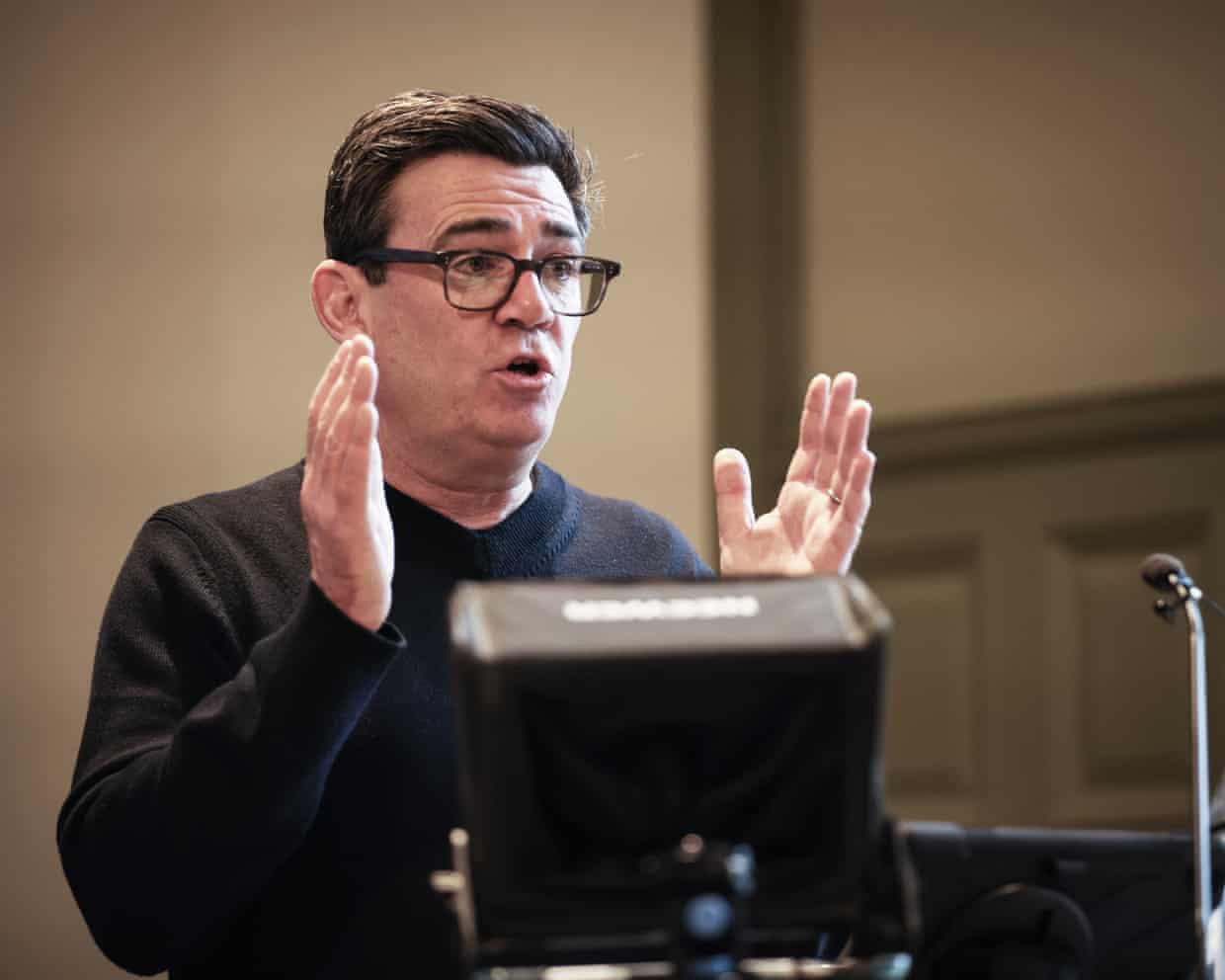
Labour’s Burnham veto has made a tricky Manchester byelection much harder
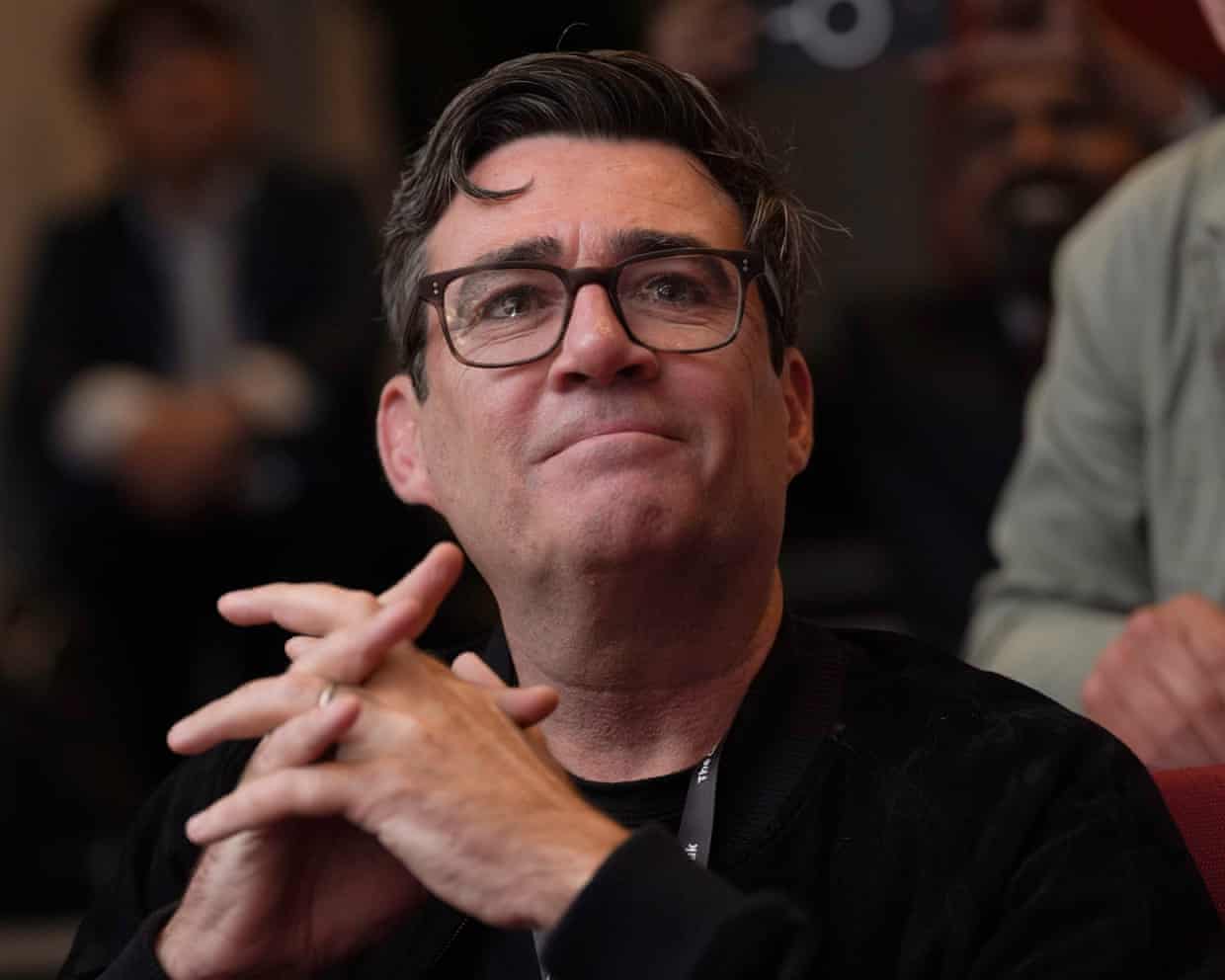
Rebuffed Burnham can return to honing his stature and attack lines

Sajid Javid calls on Nigel Farage to apologise for alleged schoolboy racism

Starmer had no good options on Burnham – but blocking him is a big risk
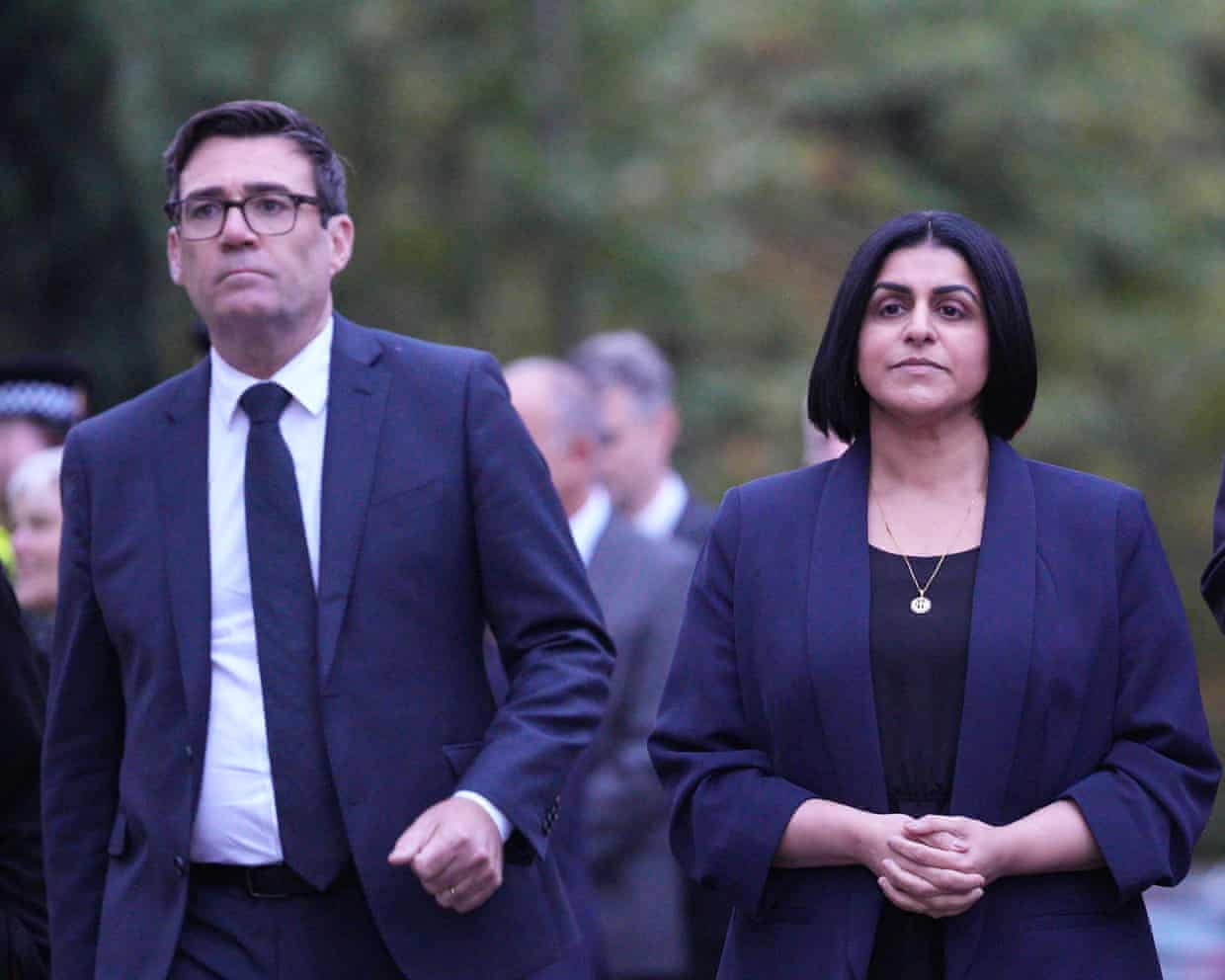
Labour must avoid ‘psychodrama’, says Mahmood, as NEC meets to decide if Burnham can stand

Meet ‘Amelia’: the AI-generated British schoolgirl who is a far-right social media star