K-pop supergroup BTS set to trigger US economic boom with tour: ‘Every stop is going to see a boost’
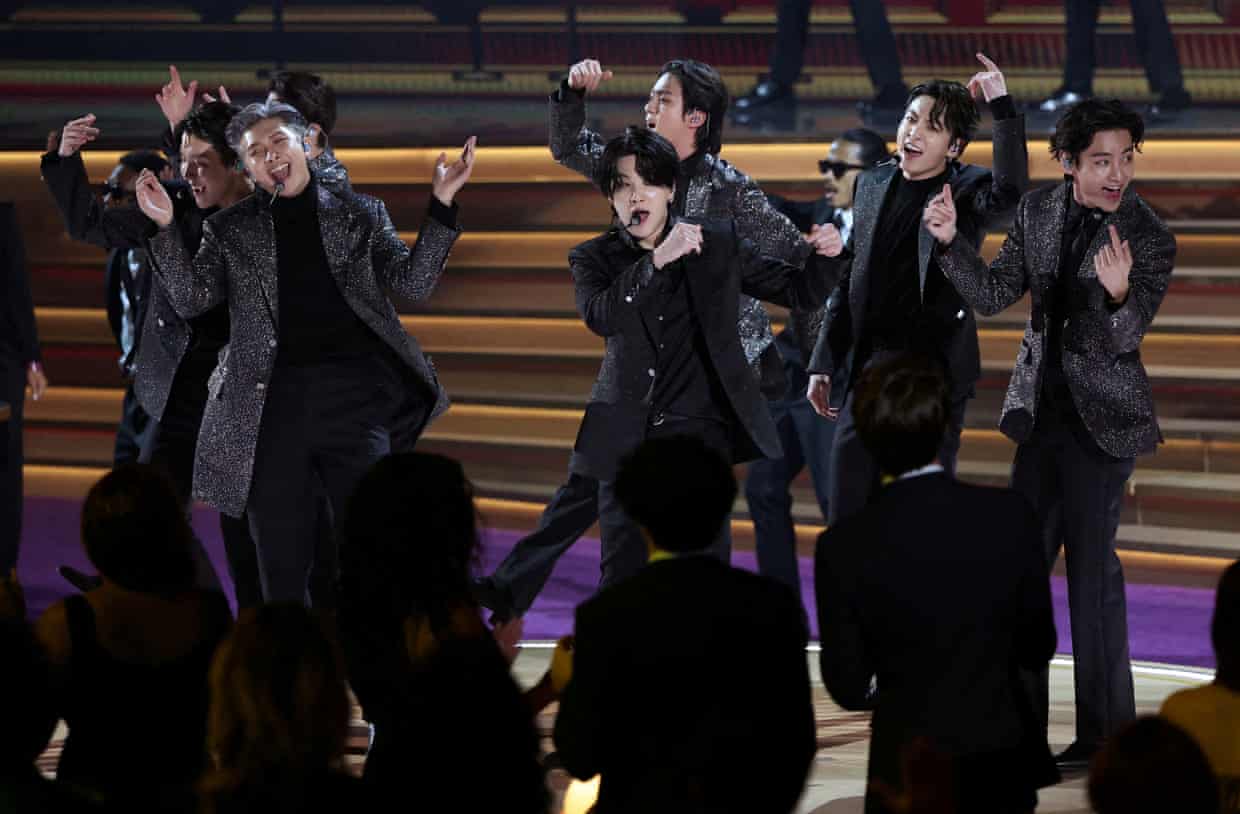
Move over, Taylor Swift.Her Eras tour was the highest grossing in history, sparking an estimated $5bn in direct consumer spending across the US.But now another musical phenomenon is preparing to sweep through North America – and economists expect it will generate tens of billions of dollars in economic activity along the way.K-pop sensation BTS will embark this year on their largest tour yet, spanning 34 regions across five continents, ending a hiatus due to mandatory military service that lasted almost four years.“The BTS tour will be the event of the year,” Timothy Calkins, a marketing professor at Northwestern University, said.
“Every stop is going to see a boost in tourism, hotel occupancy, and economic activity to an extraordinary degree that might be even bigger than Taylor Swift.”The first US stop is Tampa, Florida, on 15 April.Tickets have yet to go on sale, but that has not stopped fans like Leslie Huynh, 28, from booking up flights and hotels.“It’s a meme at this point that once BTS announces a tour, you just book hotels and flights first and tickets will somehow appear whether that is resale or not,” she said.“I consider BTS to be a very expensive hobby of mine – like, they are what I spend my money on.
”Huynh, a film equipment rentals associate based in New York, hopes to attend 11 cities on the tour, catching 22 shows along the way.She expects to spend at least $6,000.When she travels for a concert, Huynh explores the city and ventures on a “BTS pilgrimage”, hitting up spots the boyband has visited, such as restaurants or tourist attractions.“BTS has changed my life, and I hold them so near to my heart,” she said, acknowledging that this might sound dramatic.“They are genuinely a reason to wake up when you don’t feel like it.
They are something to look forward to, especially with this tour.”Economists say BTS fans, known as Army, share similar traits with Swifties: loyalty, age demographic and a willingness to spend.But there’s one key difference.“BTS fans are much more passionate and committed than western artists’ fans,” Seoyoung Kwon, an economic researcher at Yonsei University, said.“Especially given that BTS have not toured in so long, many BTS fans are willing to go the extra mile and attend concerts not just in their [home] country, but in other countries and cities as well.
”The group’s most recent tour in 2021, Permission to Dance, featured just three cities and 12 shows total.Four nights in Los Angeles reportedly generated over $100m for the local economy, while Las Vegas was estimated to have picked up $160m in revenue, figures that the upcoming 79-show tour is expected to multiply many times over.Nearly three in five gen Z and millennials are willing to travel more than 50 miles for concerts, according to a 2024 Bread Financial survey.Non-local attenders spend about 3.4 times their ticket cost on traveling and tourism expenses in the local economy.
But Michael Mariano, head of economic development at Tourism Economics, emphasized: “These average figures aren’t applicable to BTS.They will well surpass these numbers, and I honestly don’t think it’s possible to understand how big this tour can be.”This combination of factors – mass following, high demand, and willingness to travel – has created perfect conditions for BTS’s most impactful tour yet, economists say.“With BTS, it’s not just a concert,” Cailey Merulla, a content strategist in New Jersey, said with a wide smile.She plans to attend six shows across three different US cities during the upcoming tour.
“BTS got me through the worst parts of my life and they are an unconditional source of happiness,” added Merulla, 25,“I genuinely don’t know where I would be without them so I try to see them any chance I get,”Like Huynh, Merulla plans to build a vacation itinerary around the concert and pop-up events to connect with fellow fans,She also hopes to meet up with friends flying in from the UK for the shows in East Rutherford, New Jersey,“Not only are the boys born performers and the whole show is spectacle, but I often meet friends I would’ve never met had it not been for a concert,” Merulla laughed.
“Traveling for BTS is always a no-brainer for me,”She will not be alone, according to tourism experts,“The tour brings some much needed good news for the US in a time where US tourism is declining,” Richie Karaburun, professor of hospitality and tourism at the New York University, said,“It’s the trickle-down effect, and that is what expands the potential economic reach of this BTS tour,”Calkins, at Northwestern University, explained that an initial splurge on concert tickets typically causes a ripple effect.
Concertgoers become tourists, and boost the local economy.“These events don’t just bring people to a city – they showcase the city to the world,” he said.“The BTS tour is an opportunity for cities to enhance their brand and attract more people in a way that’s hard to replicate through traditional marketing.”Fan-organized events and pop-up vendors are likely to increase economic impact of the BTS tour beyond that of the Eras tour, according to Karaburun.“These events are very specific to K-pop fanbases,” he said.
“The overlapping pop-ups with the tour is going to be a phenomenal opportunity for small businesses and many entrepreneurs at large.”Small businesses are already mobilizing.Cherry Benyasri, 30, and her sister Neon, 28, run a K-pop inspired clothing brand called Ordinary Affair.They see the BTS tour as an opportunity for promotion and events aligning with the LA shows.“We are running off of the hype and excitement of BTS’s comeback for a new product launch soon,” Cherry said.
“Compared to the time BTS were away and now, you can feel Army’s excitement and they are showing up stronger than before.”Jaerim Choi, professor of economics at Yonsei University, sees the tour as part of a sustained expansion of Korean consumer goods in the US market.Last year, the US imported more than $2bn in Korean beauty products, up 34% from 2024, driven by K-pop’s cultural influence, according to research by Kwon and Choi.“This is much bigger than concerts,” Choi said.“This BTS tour will only accelerate the Korean boom.
It’s not just short-term economic gain.It’s expanding the entire Korean consumer market in the US for the long horizon.”The scope and scale of this tour remains to be determined, with BTS already hinting that more dates will be unveiled.“They don’t have to worry about demand,” said Mariano.“It’s guaranteed fans will show up.
”
‘Manosphere’ influencers pushing testosterone tests are convincing healthy young men there is something wrong with them, study finds
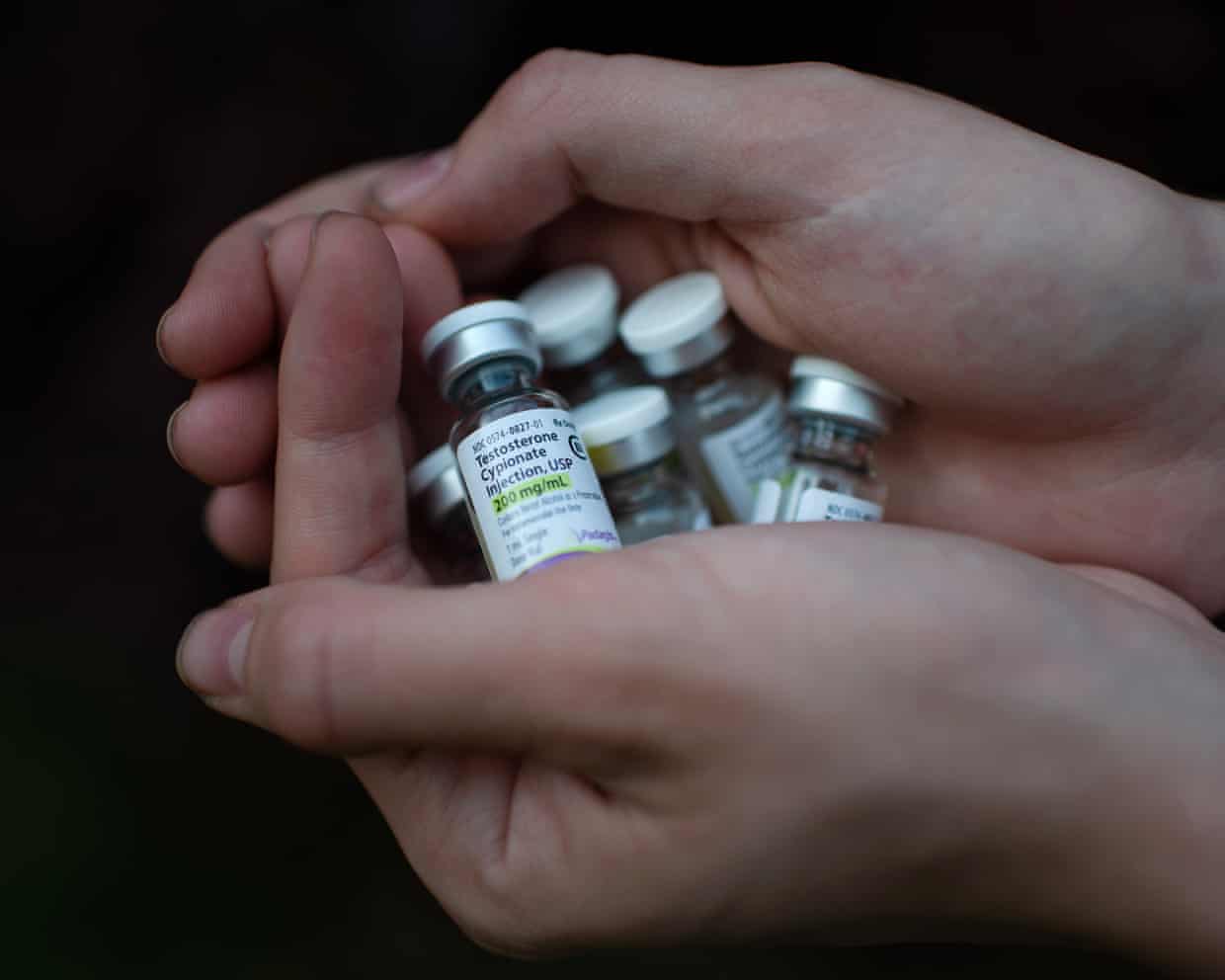
“If you’re not waking up in the morning with a boner, there’s a large possibility that you have low testosterone levels,” an influencer on TikTok with more than 100,000 followers warns his viewers.Despite screening for low testosterone being medically unwarranted in most young men, this group is being aggressively targeted online by influencers and wellness companies promoting hormone tests and treatments as essential to being a “real man”, a study published in the journal Social Science and Medicine has found.Researchers analysed 46 high-impact posts about low testosterone and testing made by TikTok and Instagram accounts with a combined following of more than 6.8 million, to examine how masculinity and men’s health are being depicted and monetised online.The lead author of the study, Emma Grundtvig Gram, a public health researcher at the University of Copenhagen, said influencers promoting routine testosterone screening often framed normal variations in energy, mood, libido or ageing “as signs of pathology”

John Knight obituary
Disabled people might still be waiting for all UK trains to be accessible were it not for the success of a high-profile campaign led by John Knight, who has died of sepsis aged 67, after himself overcoming profound disabilities from birth and becoming a leading figure in the charity and public sectors.Knight was responsible for policy and campaigns at the disability charity Leonard Cheshire during passage of the Disability Discrimination Act 2005, which was to set a deadline for railway carriages to be accessible. Train companies were pressing for a date of 2035, to maximise the life of inaccessible rolling stock, but the campaign persuaded the House of Lords to back an amendment to the legislation with a time limit of 2020. The change was then accepted by the Labour government.At the climax of the All Aboard campaign, Knight arranged for a horse-drawn hearse to deliver to MPs and peers thousands of postcards on which disabled people had written what age they would need to live to in order to benefit from a 2035 deadline
Assisted dying bill backers say it is ‘near impossible’ it will pass House of Lords
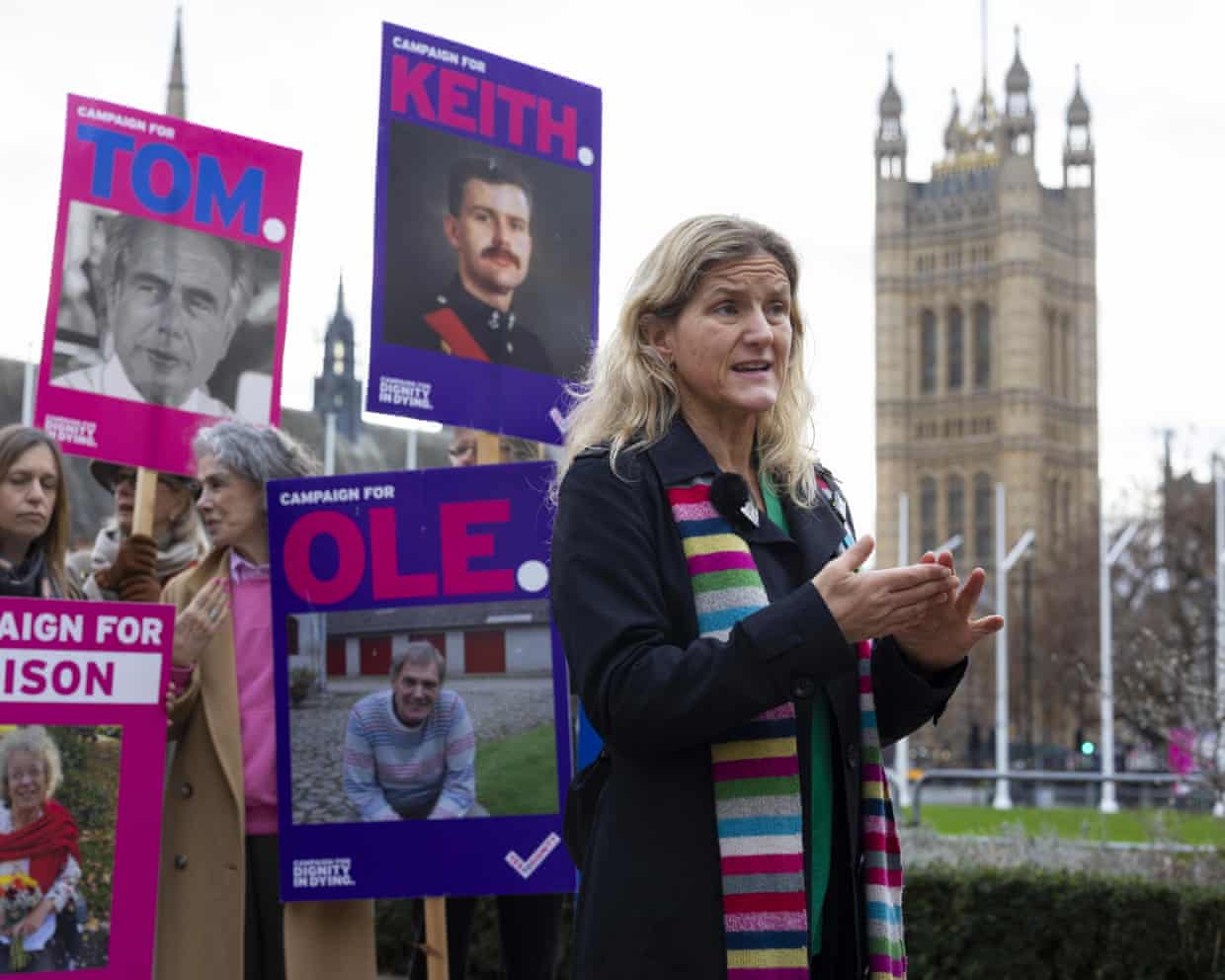
MPs and peers who backed the assisted dying bill now believe it is “near impossible” for it to pass the House of Lords in time because of procedural obstacles used by opponents.Supporters of the bill, including its sponsor, Kim Leadbeater, have been in intense discussions with the government to find ways to move it to a vote in the Lords. With progress so slow, experts and MPs believe it is unlikely the legislation will even be put to a vote before the end of the session in May, after which it will automatically fall.MPs told the Guardian they were in “blind fury” about the apparent inevitability of the billing falling in the Lords despite passing the Commons. “It is our system at its absolute most dysfunctional,” one MP said

Residents in legal fight to halt demolition of Clockwork Orange estate
A legal challenge has been launched in an effort to halt the demolition of a 1960s Brutalist estate in south-east London that featured in Stanley Kubrick’s dystopian film A Clockwork Orange.The challenge against Bexley council and Peabody housing association, which will be carrying out the redevelopment, has been launched by the Lesnes estate resident Adam Turk.He and others living there believe the estate could be refurbished rather than demolished and rebuilt under plans for the construction of up to 1,950 homes, which the council approved on 23 December.Residents fear the redevelopment would cause environmental damage and undermine the UK’s legal obligation to reach net zero by 2050.The dispute highlights a wider tension between environmental protection and initiatives to demolish and rebuild estates

How screen time affects toddlers: ‘We’re losing a big part of being human’
In the UK, 98% of two-year-olds watch screens on a typical day, on average for more than two hours – and almost 40% of three- to five-year-olds use social media. Could this lead to alarming outcomes?At Stoke primary school in Coventry, there are many four-year-olds among those starting in reception class who can’t sit still, hold a pencil or speak more than a four-word sentence. Lucy Fox, the assistant headteacher and head of foundations, is in no doubt what is causing this: their early exposure to screens, and a lot of it. When the children experiment with materials and creativity, and make things in the classroom, she says, “We notice a lot of children will cut pieces of cardboard out and make a mobile phone or tablet, or an Xbox controller. That’s what they know
Four in five blind people struggle with gap at UK train stations, survey finds
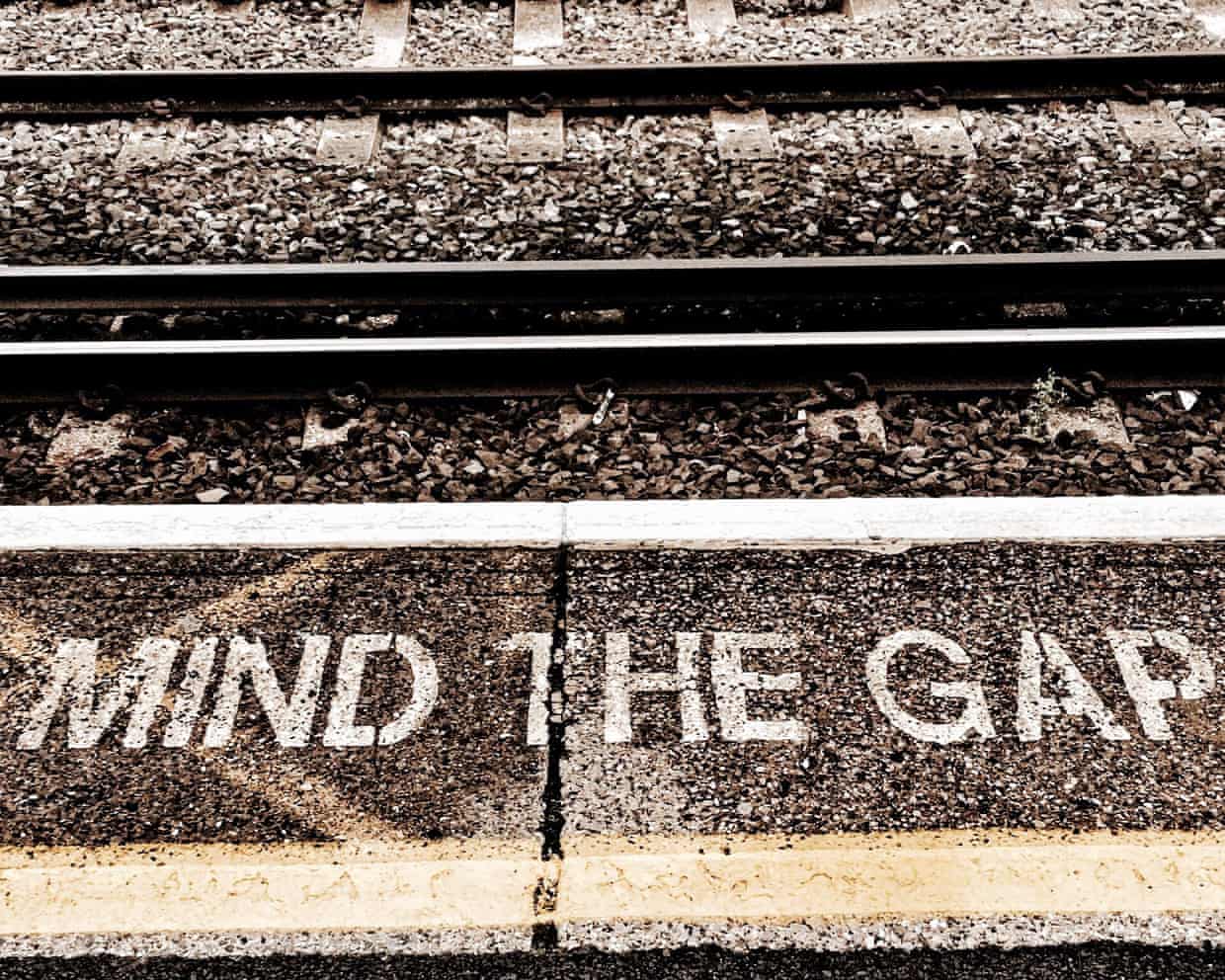
Four in five blind and partially sighted people in the UK have struggled to cross the gap between trains and station platforms, according to a survey, with some falling and injuring themselves.Many blind and partially sighted people avoid taking train journeys owing to anxieties around whether they will be properly supported after having had inconsistent experiences, according to research from the Royal National Institute of Blind People (RNIB).It found that more than one-third (37%) of blind and partially sighted people felt unable to take all the train journeys they wanted and needed. The gap between the platform and trains was a “significant source of fear”, with some people being struck by a train or coming into contact with an electric rail, or trapped in train doors and dragged as the train departed, the RNIB found.This is partly because tactile wayfinding, which uses raised bumps and colours to help blind and visually impaired people navigate, is less common in British train stations than in many comparable countries such as European nations and Japan, with just one-fifth of blind and visually impaired people surveyed by the RNIB saying they had encountered it at a station
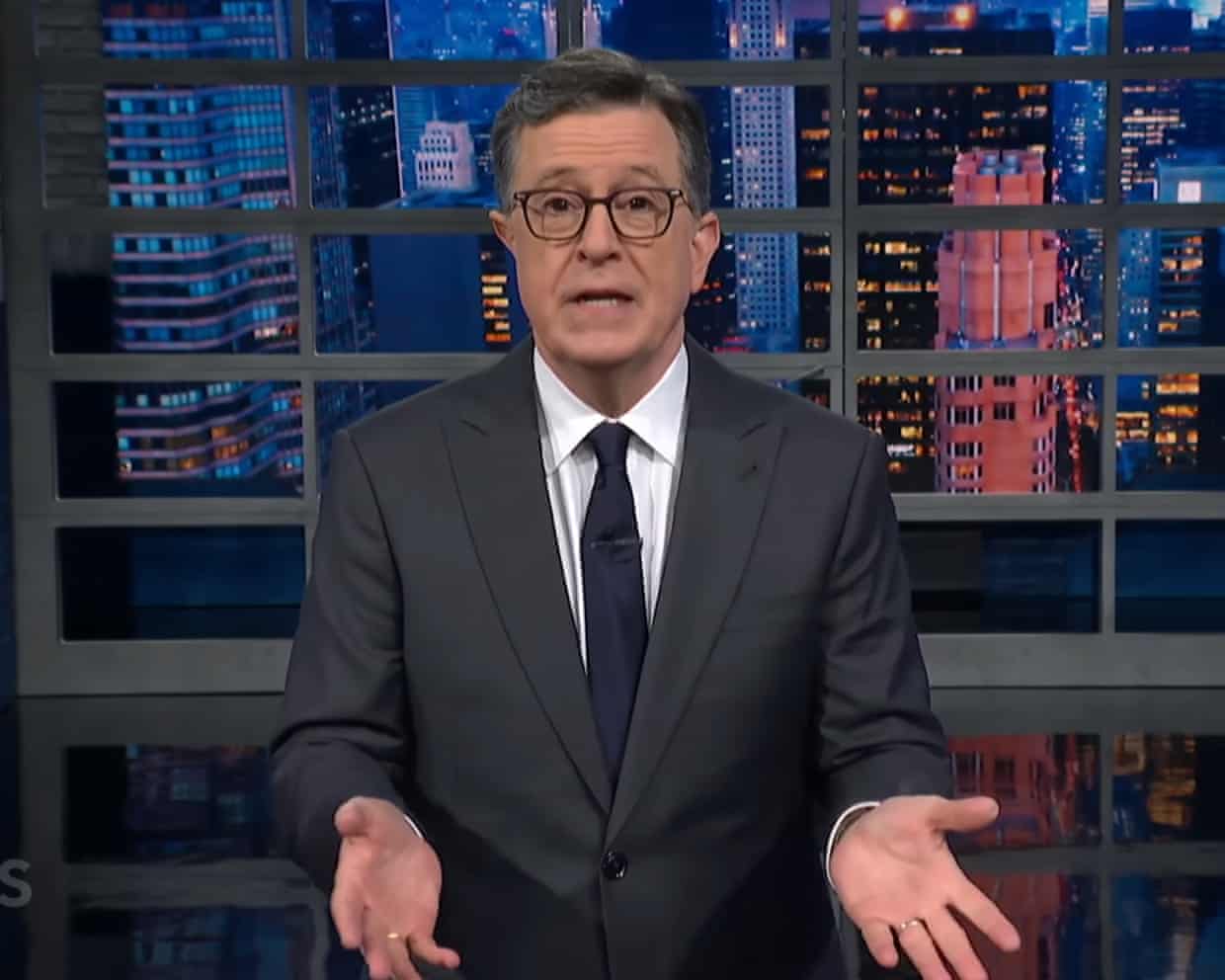
Stephen Colbert on Trump’s first year back: ‘Today’s maniacal criminality distracts us from yesterday’s maniac crimes’
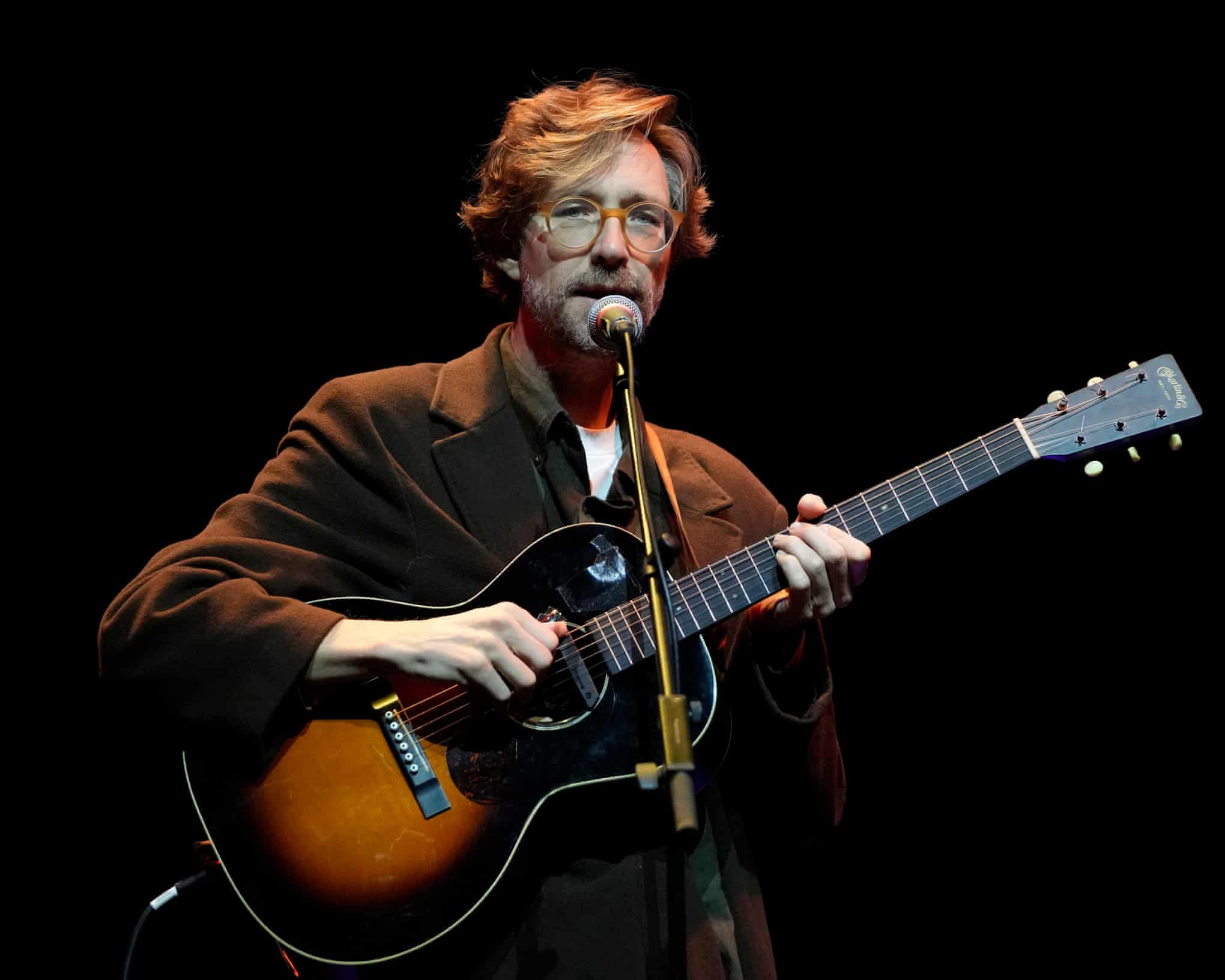
‘We played to 8,000 Mexicans who knew every word’: how the Whitest Boy Alive conquered the world

Sally Tallant appointed as new director of London’s Hayward Gallery
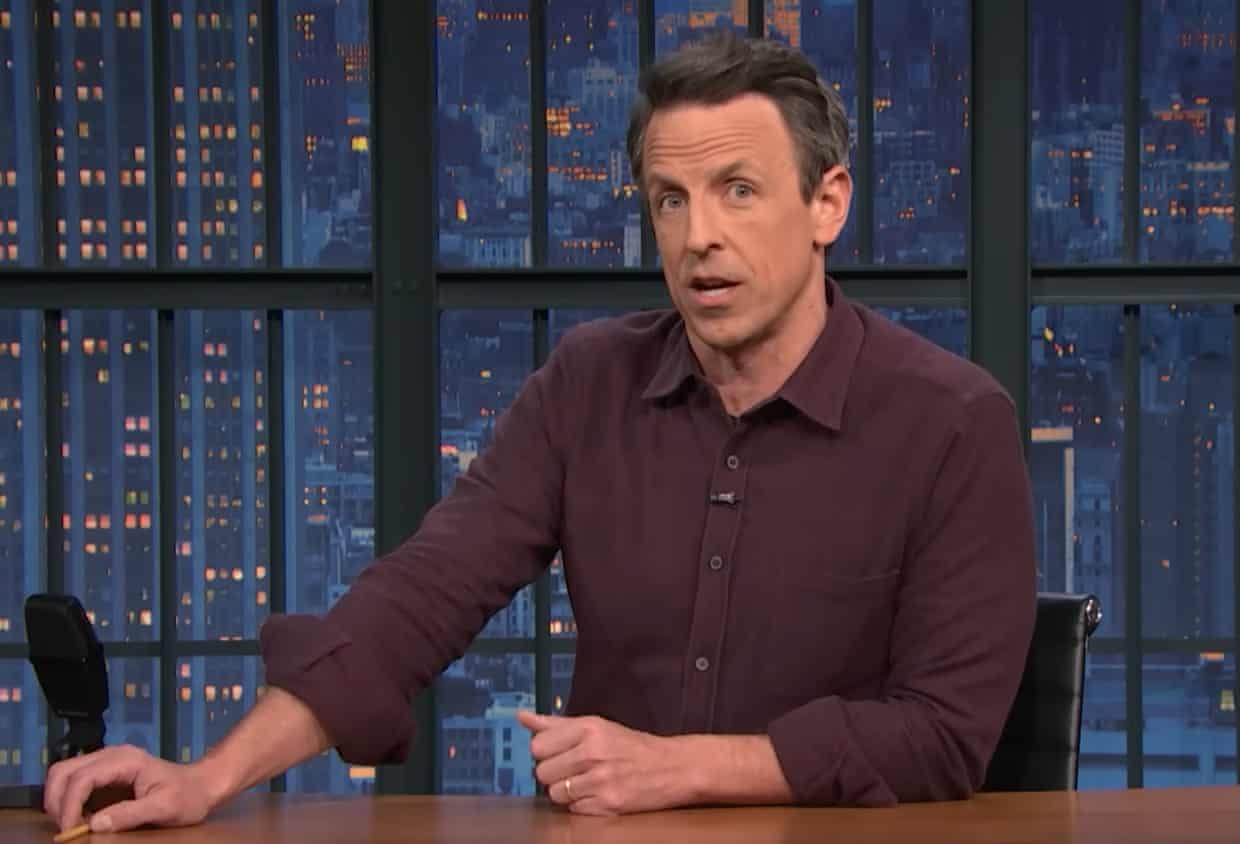
Seth Meyers on Trump: ‘It shouldn’t be this hard to make sense of what the president says and does’

Mama Does Derby review – Virginia Gay’s Town Hall takeover is ambitious, entertaining and irresistibly warm
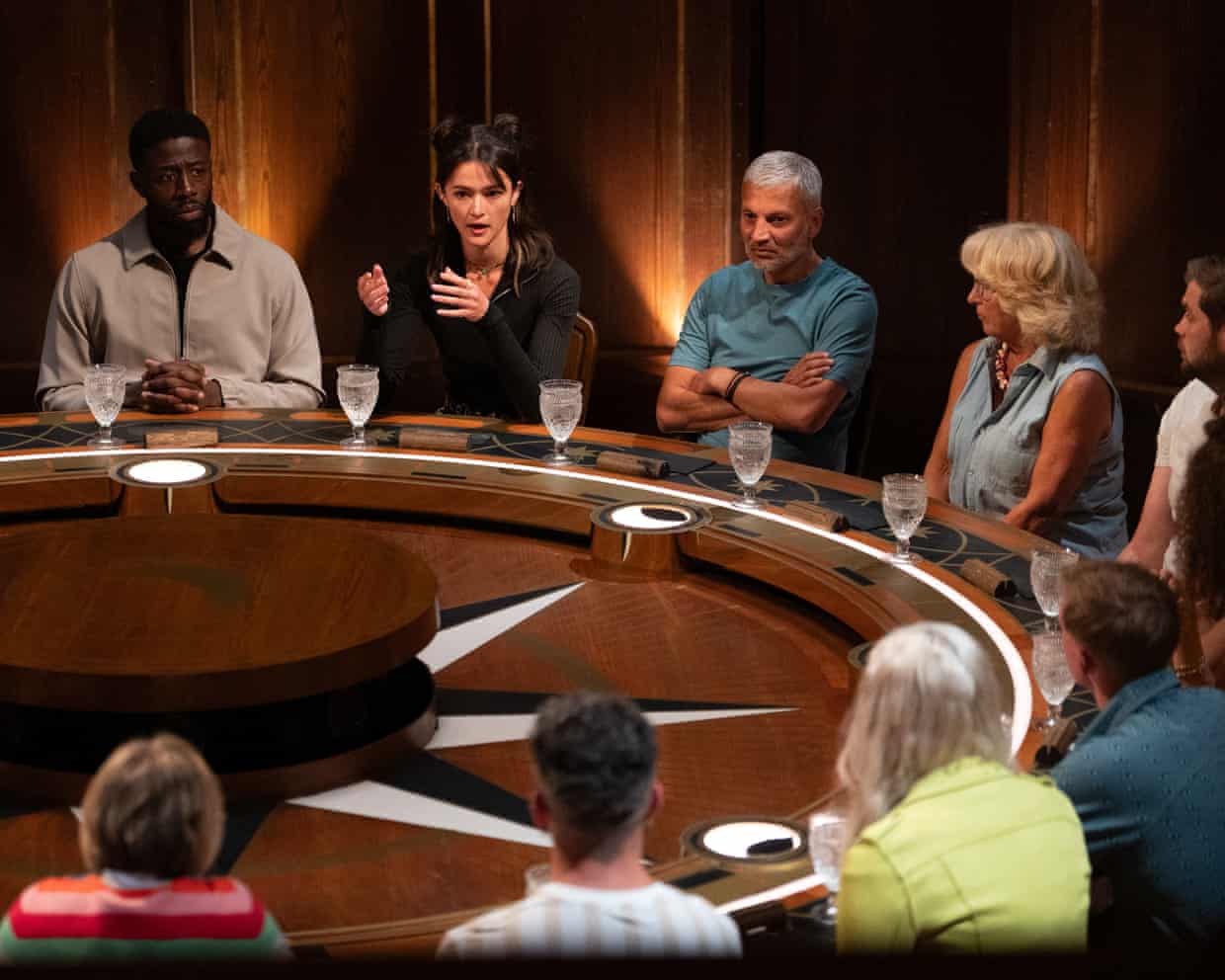
The Guide #226: SPOILER ALERT! It’s never been easier to avoid having your favourite show ruined