Middle powers assemble? Trump disorder prompts talk of new liberal alliances
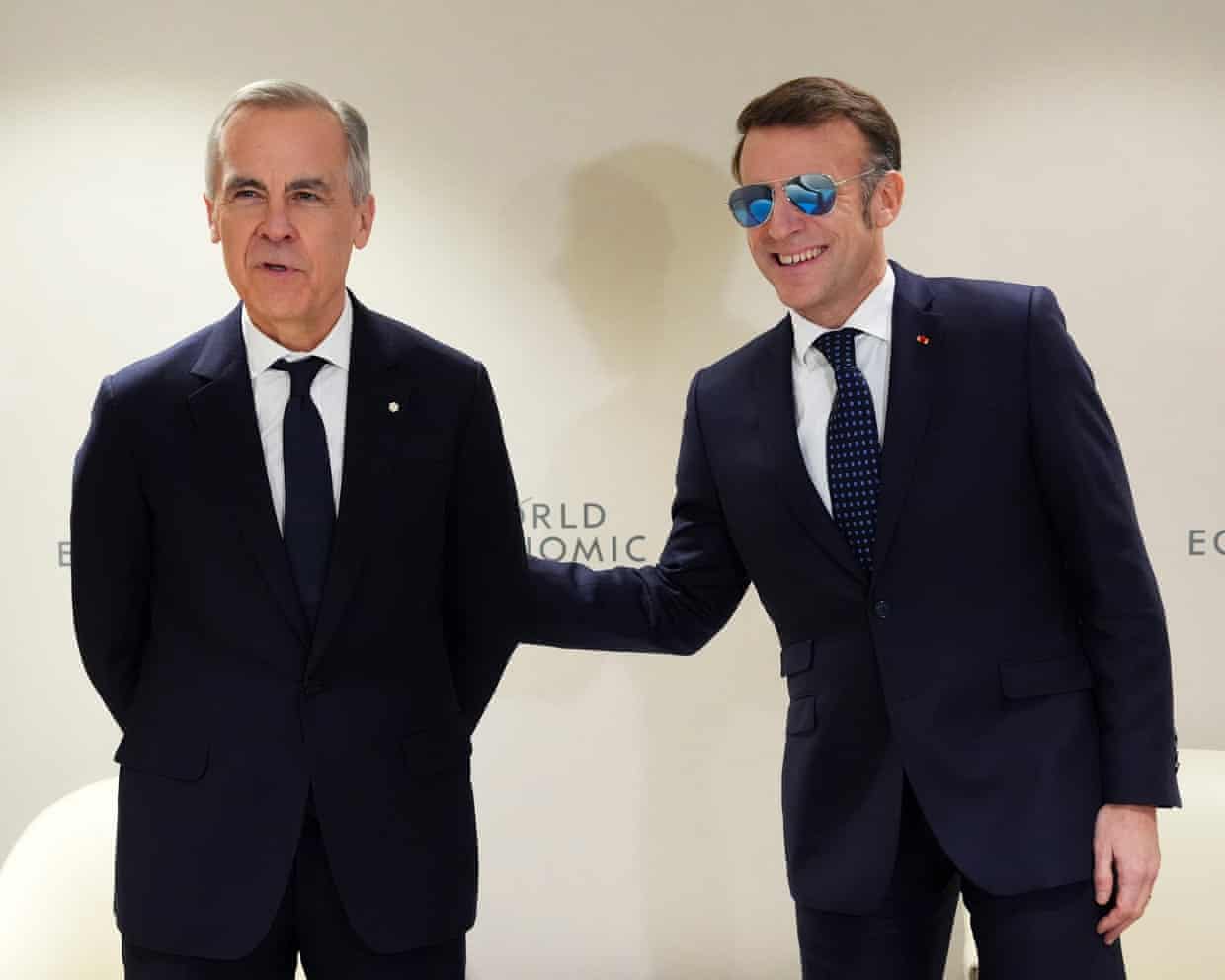
Donald Trump has told the Davos economic forum “without us, most countries would not even work”, but for the first time in decades, many western leaders have come to the opposite conclusion: they will function better without the US.Individually and collectively, they have decided “to live in truth” – the phrase used by the Czech dissident Vaclav Havel and referenced by the Canadian prime minister, Mark Carney, in his widely praised speech at Davos on Tuesday.They will no longer pretend the US is a reliable ally, or even that the old western alliance exists.Trump’s threat to invade Greenland – half-withdrawn in his unnervingly rambling Davos speech on Wednesday – and his glorification of the use of tariffs to intimidate his allies have been the final straw.As such – on the first anniversary of his second term – the taboos around denying him the role of “leader of the free world” seem to have been broken.
Just as the greengrocer in Havel’s story took down the sign in the shop window praising the communist empire and started to tell the truth about the sham in which he had been living, so leaders of some of the west’s liberal middle powers appear intent on shedding the collective lie about the continued value of a partnership with the US.Whether this collective discovery of backbone is more than rhetorical, time will tell.Carney, perhaps the most articulate of those giving voice to this sentiment, vowed he would no longer live in a state of nostalgia, waiting for an old world to return.This is rupture not a transition, he said.Without once mentioning the US, he marked “the end of a pleasant fiction and the beginning of a brutal reality where the geopolitics of the great powers is subject to no constraints”.
The former governor of the Bank of England was far from alone in his diagnosis that the old, deeply imperfect rules-based order has been trampled underfoot by Trump.Speaking to the European parliament on Wednesday, the European Commission’s president, Ursula von der Leyen, said: “We now live in a world defined by raw power, whether economic or military, technological or geopolitical.In an increasingly lawless world, Europe needs its own levers of power.”The French president, Emmanuel Macron, repeatedly belittled and mocked by Trump this week, was at his most frank: the world is heading towards a “rule-free” system, where imperialist ambitions weigh heavily on multilateralism; the international bodies that once served to resolve problems are weakened, even abandoned; the US “is openly seeking to weaken and subordinate Europe”, he said.The Finnish president, Alexander Stubb, the author of a book entitled The Triangle of Power: Rebalancing the New World Order, argued that liberal Europe was being squeezed twice over by the US because Washington no longer regards Europe as important in the hierarchy of US interests and because it is seen as a woke, ideological enemy.
Stubb said: “The people around Trump in the Maga movement see themselves as leading a big shift in the same way that Ronald Reagan and Margaret Thatcher did after the Keynesian consensus collapsed.They are leading a movement against liberalism, globalisation and interdependence.”The leader most reluctant to join this public confessional was the dogmatically pragmatic Keir Starmer.Without mentioning the UK, Carney sent a message to Starmer about the flaws in his position.“When we only negotiate bilaterally with a hegemon,” he said, “we negotiate from weakness.
” This is not sovereignty, he added, and the only choice for “in-between” countries was to compete with one another for favour or combine “to create a third path with impact”.It was notable that Ed Miliband, the UK’s energy secretary, made a point of praising Carney’s speech, saying “the situation has changed” between Starmer and the US.His remarks reflect the growing division inside the Labour leadership about the need not just to voice differences with Trump but to join with others in challenging the whole ideology.Wedded to the US because of the nuclear and security relationship, British diplomats have only seen the negatives in a rift with its indispensable ally.But Starmer has over the past year started to see the benefits in investing in a network of middle-power alliances to withstand the behemoths of China, Russia and the US.
Starmer’s allies say the obvious place for him to take this is by engaging with Macron to reopen the stalled talks on a closer defence alliance with Europe, including access to the European defence industry.Those talks fell apart over the high entry fee into that market demanded by the EU.So many European powers now share a common diagnosis that the US’s values-based realism requires Europe and the UK to work more closely than ever.That requires taking the world as it is, and not as one would like it to be, one of Stubb’s favourite phrases.It means trying, if possible, to find points of agreement with the US on Greenland through a possible permanent Nato presence, and on Ukraine through security guarantees.
What can be salvaged from the relationship should be salvaged.It does not mean giving gratuitous offence, but it does mean, like Havel’s greengrocer, “naming reality”.As Carney counselled his fellow leaders: “When middle powers criticise economic intimidation from one direction but stay silent when it comes from another, we are keeping the sign in the window.”For Starmer this would be a huge wrench, breaking with 80 years of foreign policy.It may be that Trump has left him no choice.
Ed Zitron on big tech, backlash, boom and bust: ‘AI has taught us that people are excited to replace human beings’
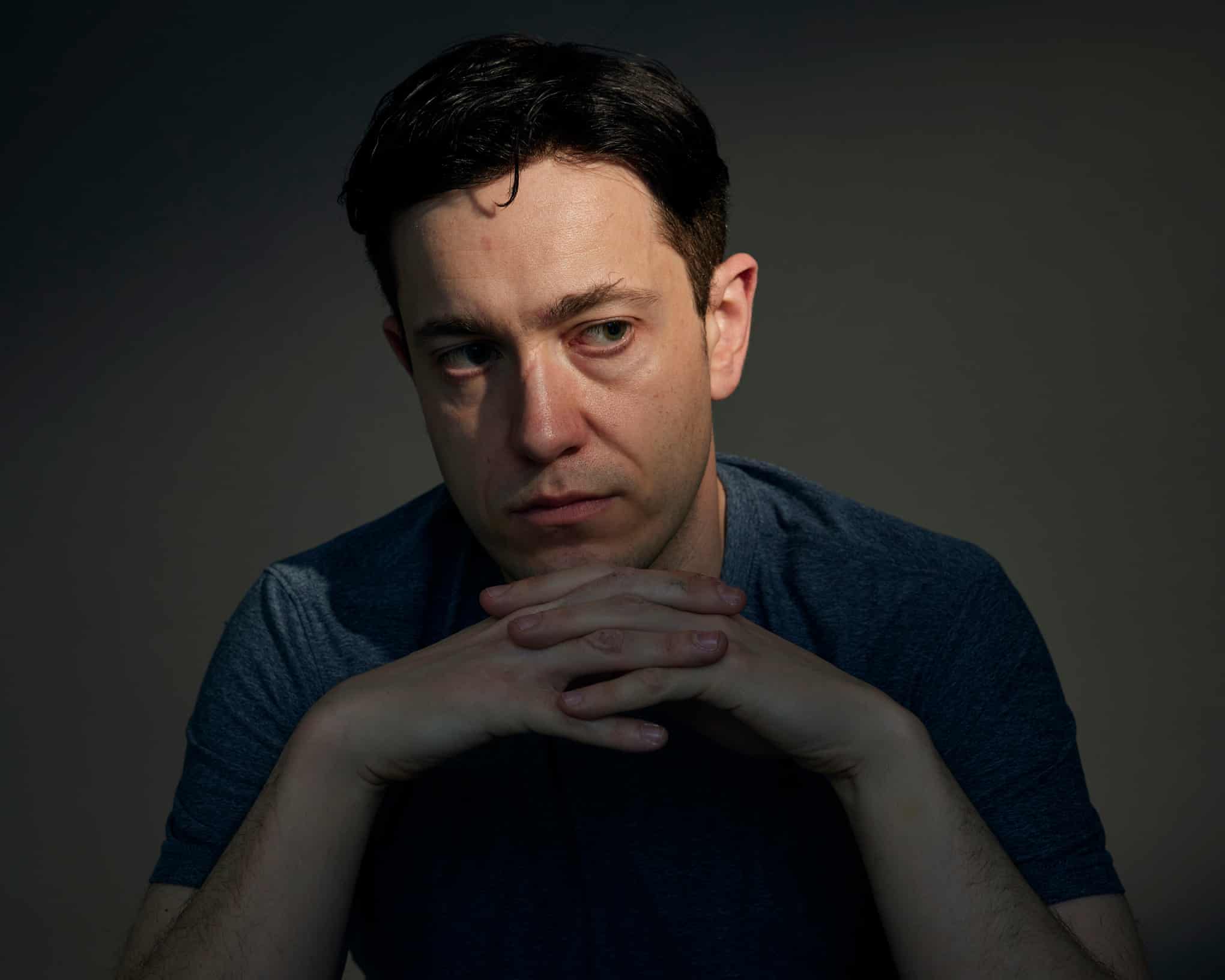
His blunt, brash scepticism has made the podcaster and writer something of a cult figure. But as concern over large language models builds, he’s no longer the outsider he once wasIf some time in an entirely possible future they come to make a movie about “how the AI bubble burst”, Ed Zitron will doubtless be a main character. He’s the perfect outsider figure: the eccentric loner who saw all this coming and screamed from the sidelines that the sky was falling, but nobody would listen. Just as Christian Bale portrayed Michael Burry, the investor who predicted the 2008 financial crash, in The Big Short, you can well imagine Robert Pattinson fighting Paul Mescal, say, to portray Zitron, the animated, colourfully obnoxious but doggedly detail-oriented Brit, who’s become one of big tech’s noisiest critics.This is not to say the AI bubble will burst, necessarily, but against a tidal wave of AI boosterism, Zitron’s blunt, brash scepticism has made him something of a cult figure

Deactivate your X account – you won’t miss it when it’s gone | Letter
As a past follower of Marie Le Conte (AKA the Young Vulgarian) on X, I read her column on leaving the platform with interest, complete empathy and self-reflection (To anybody still using X: sexual abuse content is the final straw, it’s time to leave, 12 January).I joined X – or rather, Twitter – in 2007 after reading a Guardian article on the five next hit websites. Needless to say, most of the others have been forgotten. I was bored in my uni halls and it sounded the most interesting.In those days one could sit and watch the global feed – every tweet being posted in the world – with notable seconds between posts

‘Still here!’: X’s Grok AI tool accessible in Malaysia and Indonesia despite ban
Days after Malaysia made global headlines by announcing it would temporarily ban Grok over its ability to generate “grossly offensive and nonconsensual manipulated images”, the generative AI tool was conversing breezily with accounts registered in the country.“Still here! That DNS block in Malaysia is pretty lightweight – easy to bypass with a VPN or DNS tweak,” Grok’s account on X said in response to a question from a user.Grok’s ability to allow users to create sexually explicit images, including images of children, has created a global outcry over recent weeks, with regulators and politicians around the world launching investigations. Indonesia and Malaysia became the first two countries to announce blocks on the technology, with Malaysia’s regulatory body saying last Sunday it had “directed a temporary restriction” on access to Grok, effective as of 11 January 2026. Officials in the Philippines have said they too plan to ban the technology
‘We could hit a wall’: why trillions of dollars of risk is no guarantee of AI reward
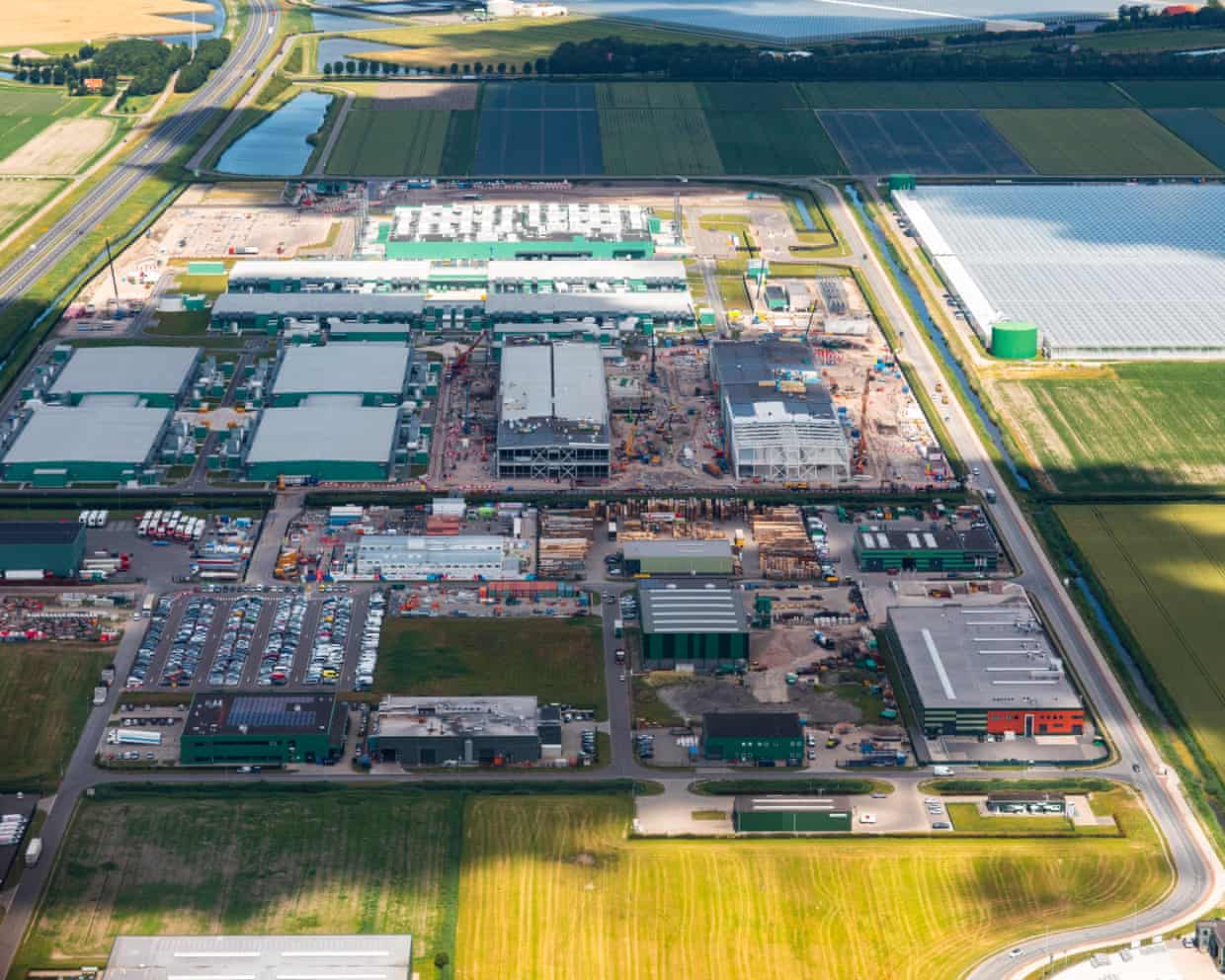
Will the race to artificial general intelligence (AGI) lead us to a land of financial plenty – or will it end in a 2008-style bust? Trillions of dollars rest on the answer.The figures are staggering: an estimated $2.9tn (£2.2tn) being spent on datacentres, the central nervous systems of AI tools; the more than $4tn stock market capitalisation of Nvidia, the company that makes the chips powering cutting-edge AI systems; and the $100m signing-on bonuses offered by Mark Zuckerberg’s Meta to top engineers at OpenAI, the company behind ChatGPT.These sky-high numbers are all propped up by investors who expect a return on their trillions
He called himself an ‘untouchable hacker god’. But who was behind the biggest crime Finland has ever known?
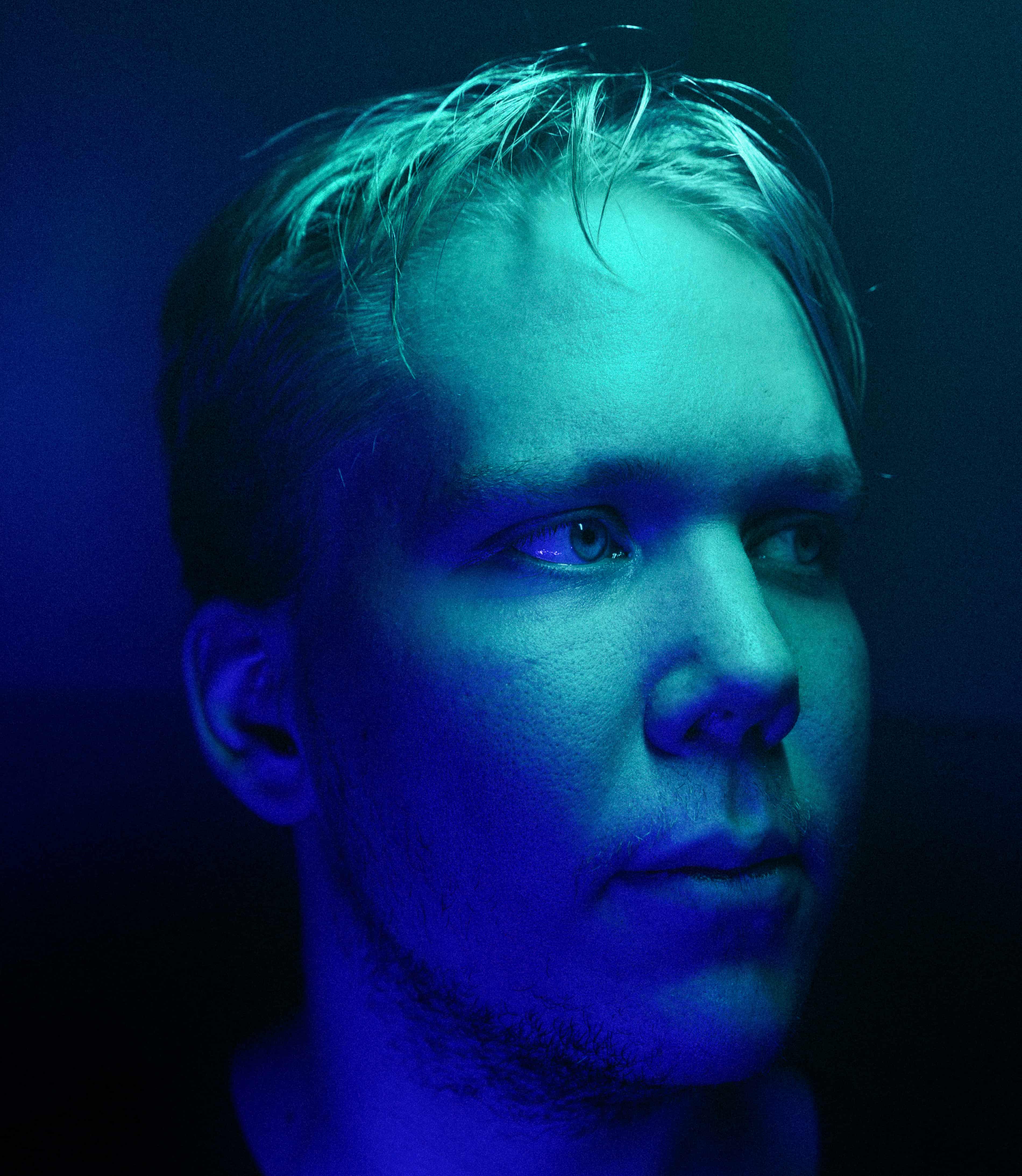
Tiina Parikka was half-naked when she read the email. It was a Saturday in late October 2020, and Parikka had spent the morning sorting out plans for distance learning after a Covid outbreak at the school where she was headteacher. She had taken a sauna at her flat in Vantaa, just outside Finland’s capital, Helsinki, and when she came into her bedroom to get dressed, she idly checked her phone. There was a message that began with Parikka’s name and her social security number – the unique code used to identify Finnish people when they access healthcare, education and banking. “I knew then that this is not a game,” she says
China blocks Nvidia H200 AI chips that US government cleared for export – report
Suppliers of parts for Nvidia’s H200 have paused production after Chinese customs officials blocked shipments of the newly approved artificial intelligence processors from entering China, according to a report.Reuters could not immediately verify the report, which appeared in the Financial Times citing two people with knowledge of the matter. Nvidia did not immediately respond to a Reuters request for comment made outside regular business hours.Nvidia had expected more than one million orders from Chinese clients, the report said, adding that its suppliers had been operating around the clock to prepare for shipping as early as March.Chinese customs authorities this week told customs agents that Nvidia’s H200 chips were not permitted to enter the country, Reuters reported
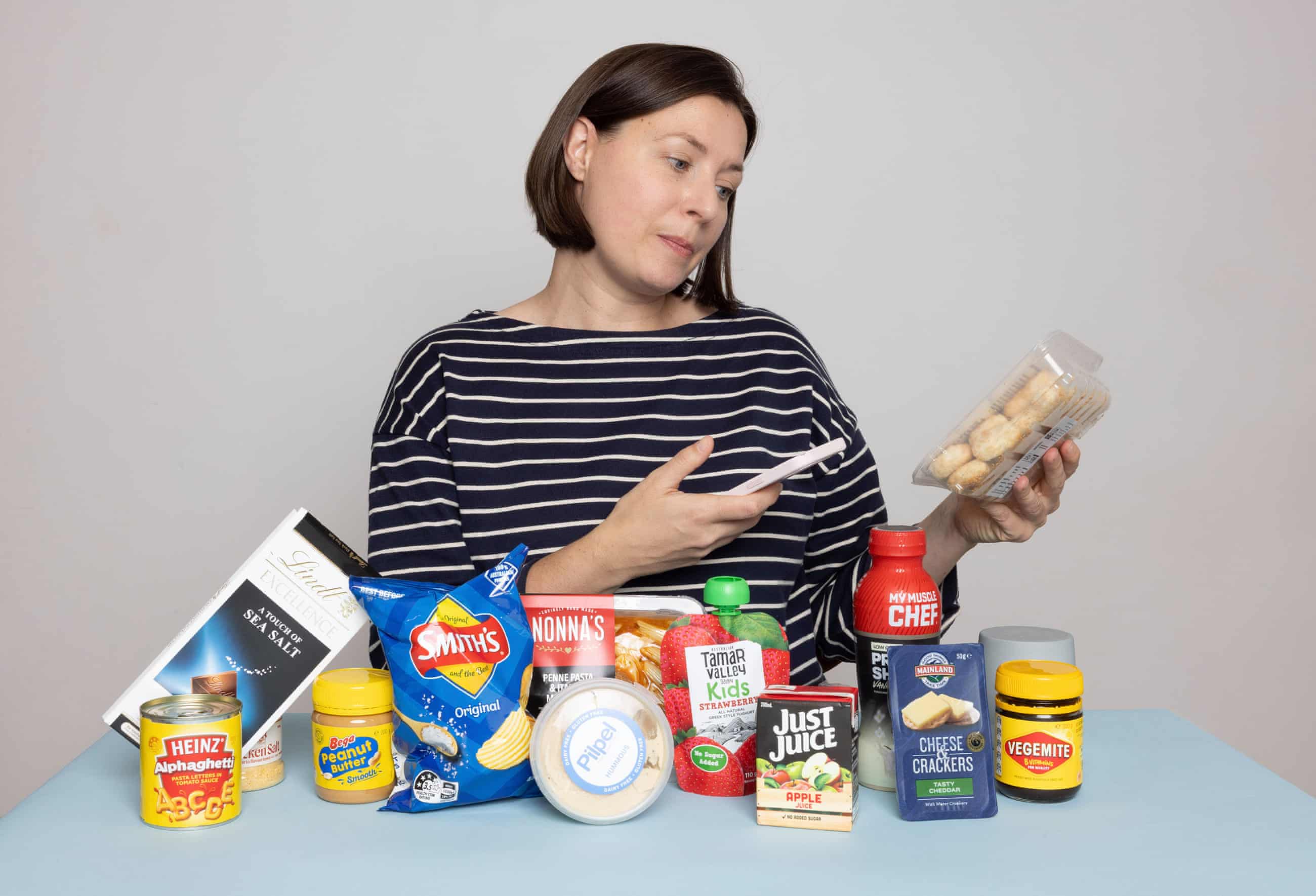
Nine easy swaps to reduce ultra-processed foods in your diet: it’s not an ‘all-or-nothing approach’
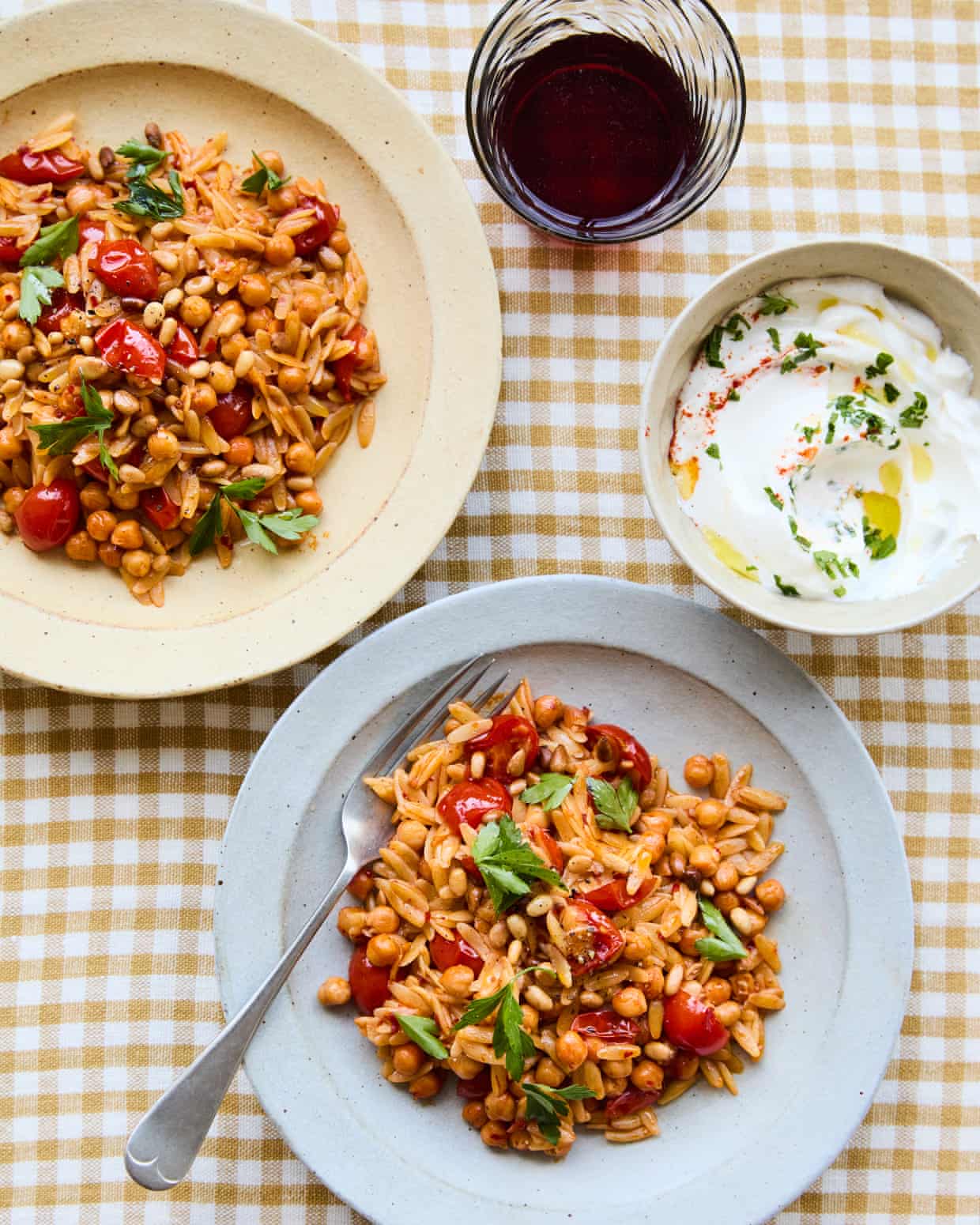
Rukmini Iyer’s quick and easy recipe for harissa-spiked orzo with chickpeas and pine nuts | Quick and easy

My week avoiding ultra-processed foods: ‘Why is it this hard?’

How to make mapo tofu – recipe | Felicity Cloake's Masterclass
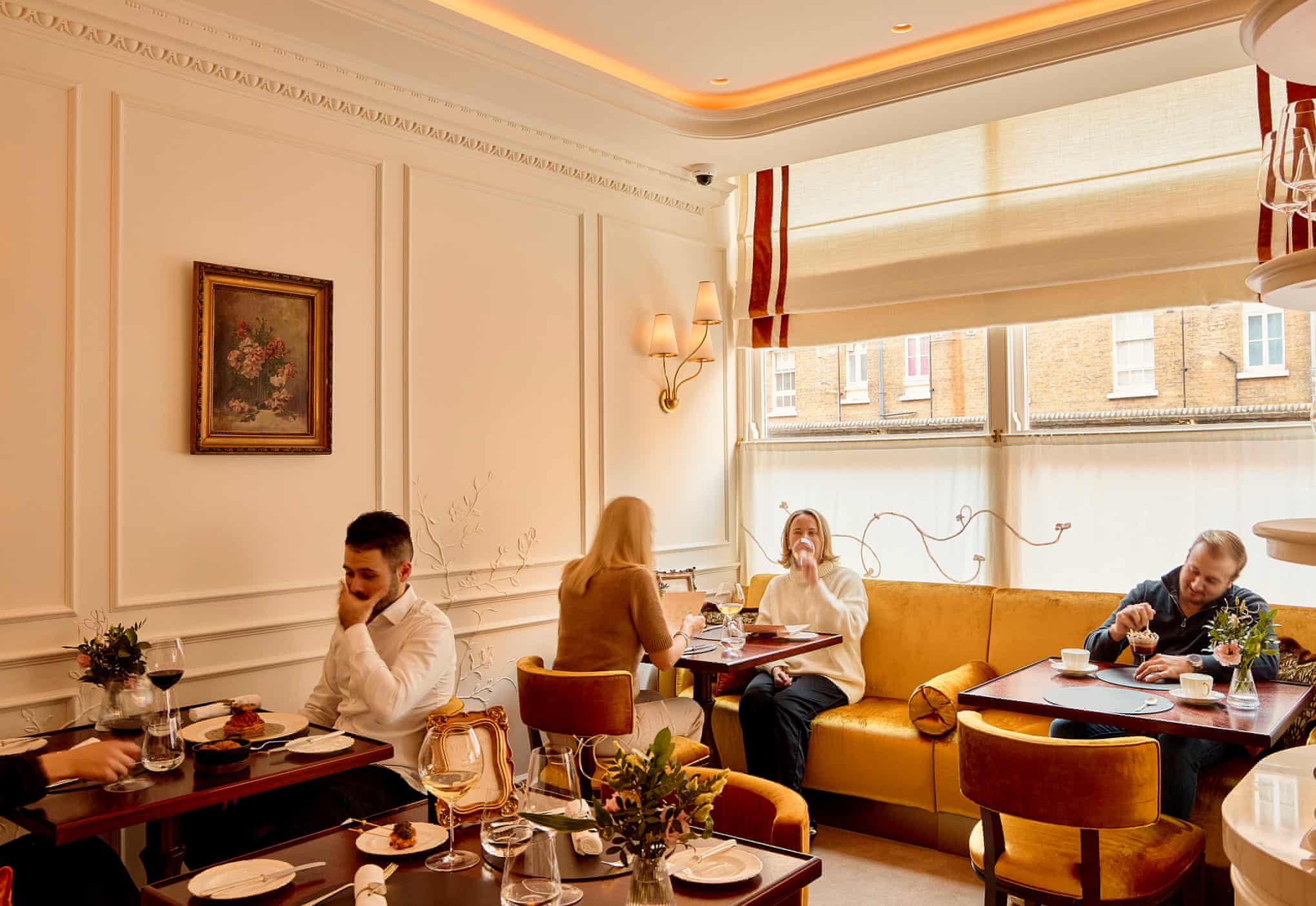
Corenucopia by Clare Smyth, London SW1: ‘Posh, calories-be-damned cooking and a dad rock soundtrack’ – restaurant review
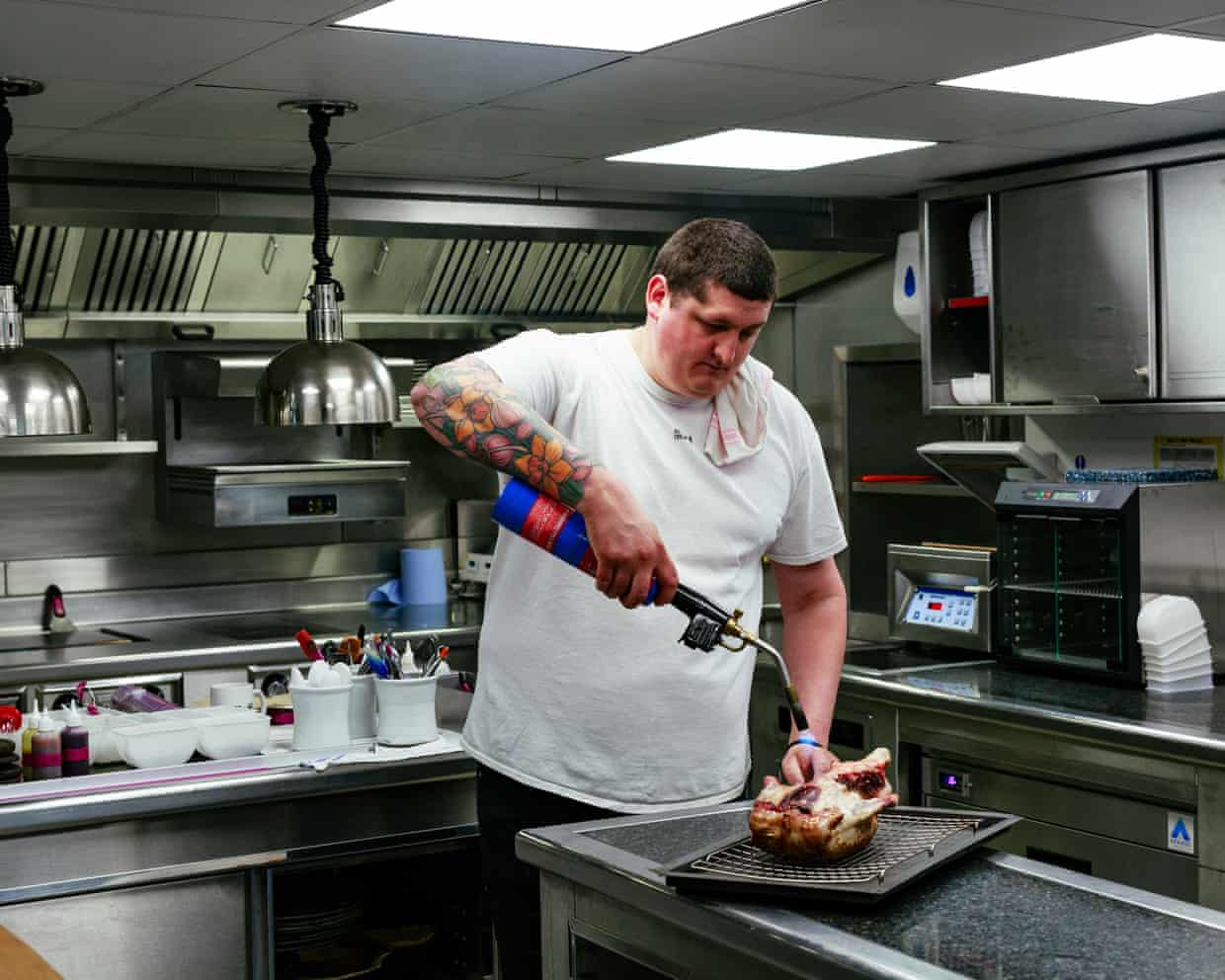
Two stars from Michelin, one for hygiene: star chef’s poor score ignites UK dining debate