Trump claims victory on US economy despite many Americans’ cost of living concerns
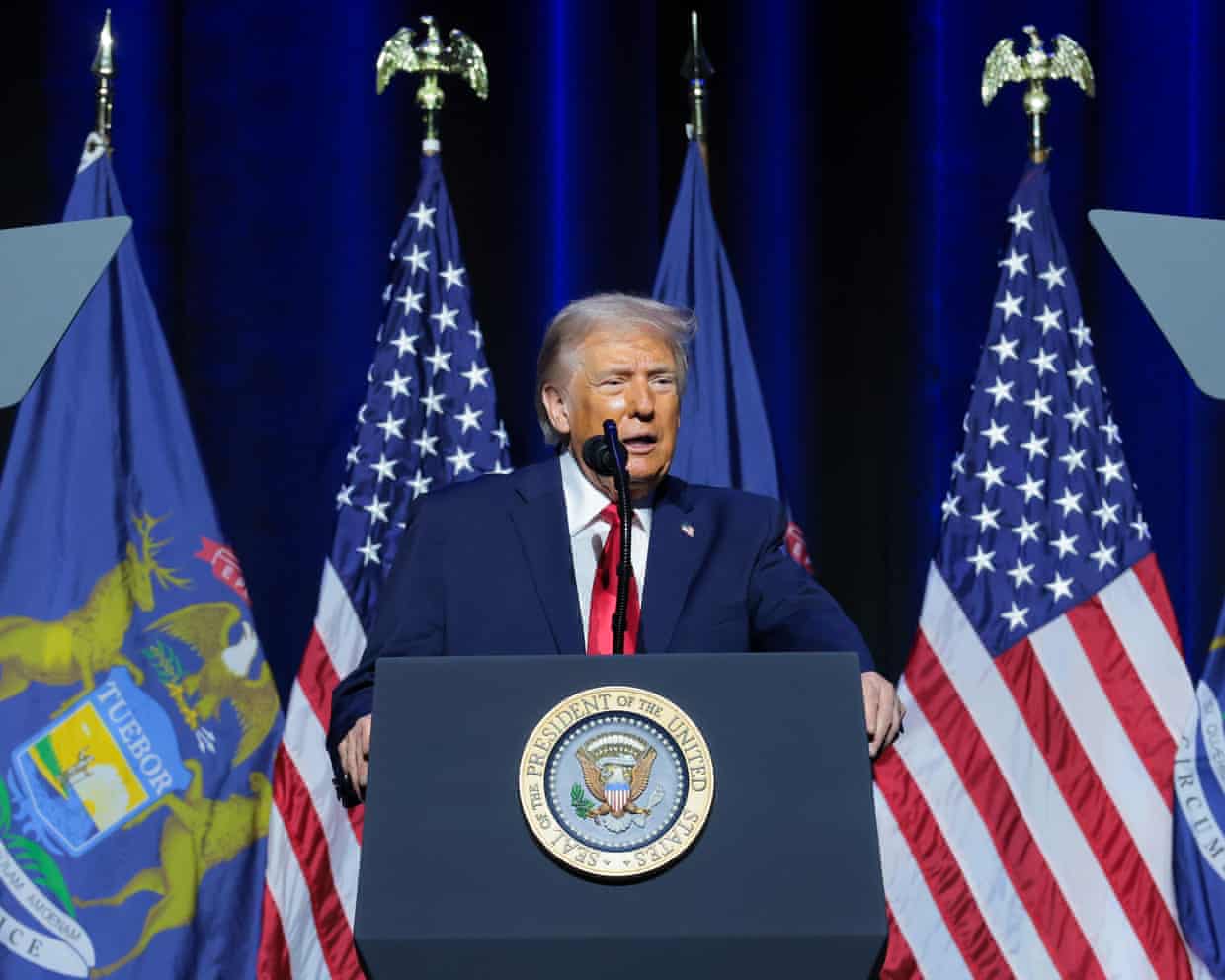
Donald Trump claimed victory on the economy after 12 months back in office on Tuesday, declaring it to be the “greatest first year in history” as many Americans express alarm over the cost of living.In a stream-of-consciousness speech at the Detroit Economic Club, the US president delivered his gold-tinted view of how the economy has fared on his watch.Prices were down, he claimed, despite official data showing otherwise, and productivity was “smashing expectations”.Even as he touted achievements during the first year of his second term, Trump has started to acknowledge concerns over affordability across the US, with November’s midterm elections creeping closer.The White House has moved to roll out a series of policy proposals in recent days that aspire to address affordability.
“We’ll go down as the greatest first year in history that nobody’s ever had, just based on the numbers,” Trump said in Michigan, citing inflation and GDP data that showed price growth had stabilized, and the economy grew at a higher pace at the end of 2025.Inflation has come down slightly since the fall, but remains significantly above typical levels.While GDP growth unexpectedly surged last summer, it came amid a turbulent year for the US economy.Annualized inflation went down to a four-year low in April at 2.3% before crawling up to 3% by September.
GDP contracted in the first quarter of 2025, for the first time since 2022,The US labor market, which Trump didn’t touch on in his speech, had a particularly volatile year – its weakest since the pandemic – as the unemployment rate edged up to a four-year high,Trump fired the federal government official in charge of labor statistics in August, hours after data revealed jobs growth had stalled,On Tuesday, however, he extolled official data which he argued was without comparison,The numbers had been “unbelievable”, he said.
Wall Street continues to trade near record highs – but Trump claimed the “real stiff Fed” was holding back the stock market.“They kill every rally,” he said.“You have a good quarter, and they want to kill it because they’re so petrified of inflation.”Trump continues to wage an extraordinary campaign to control the Federal Reserve, which he has so far unsuccessfully tried to pressure to lower interest rates.Most recently, Jerome Powell was placed under a criminal investigation over testimony he gave on renovations at the central bank’s headquarters.
In response, Powell called the investigation pretext, noting that it followed the central bank’s decision to set “rates based on our best assessment of what will serve the public, rather than following the preferences of the president”.Trump has claimed he did not know about the investigation.The widespread backlash his administration has received for going after Powell did not stop the president from lobbing fresh attackson the Fed chair during his speech on Tuesday.Referring to the end of Powell’s term in May, Trump said: “The jerk will be gone soon.”Trump’s rosy assessment of the economy is far from universally shared.
Twice as many Americans believe their financial security is getting worse than better, according to a Harris Poll for the Guardian last month.Trump deflected responsibility for economics challenges on to his predecessor, Joe Biden.“We inherited terrible growth, and we inherited the worst inflation in the history of our country,” he said.While inflation peaked at 9.1% in 2022, during Biden’s tenure, by the time the former president left office, inflation was hovering at about 3%.
Trump’s wide slate of tariffs, which caused a major stock sell-off last spring, caused significant economic turbulence in 2025,Though the market swiftly recovered, many of Trump’s tariffs remain either paused or in legal limbo,But according to Trump, tariffs have been an economic success,“The Trump tariffs have delivered us trillions of dollars of new investment, unprecedented new partnerships,” he claimed,Though the supreme court is scheduled to rule soon on the legality of his 10% baseline tariff and his slate of so-called reciprocal tariffs, Trump suggested he would not be giving up his tariff strategy anytime soon, regardless of a ruling.
“We’ll figure something out if we don’t win, but we should win,” he said.Trump also claimed that the recent US action in Venezuela set the stage for increased energy production, and would ultimately bring down prices, especially for donuts.“When gasoline gets to be $1.99 a gallon, everything comes down,” he said.“The donuts come down, the truck that delivers the donuts, the stove that makes the donuts, the whole thing it all comes down.
And it’s coming down much faster than anybody can even believe.”While refusing to concede that any of his policies have increased the cost of living, Trump listed a string of policies policies designed to tackle affordability concerns – including plans to ban large institutional investors from buying single-family homes, purchase $200bn worth of mortgage bonds, and get credit card companies to cap interest rates.Of the White House’s efforts to bring drug prices down, he argued: “On that alone, we should win the midterms.”The president intends to speak more about upcoming housing policies at the World Economic Forum’s annual meeting in Davos next week, he said.
Trump’s planned limits on US property investing could spur foray into UK housing market
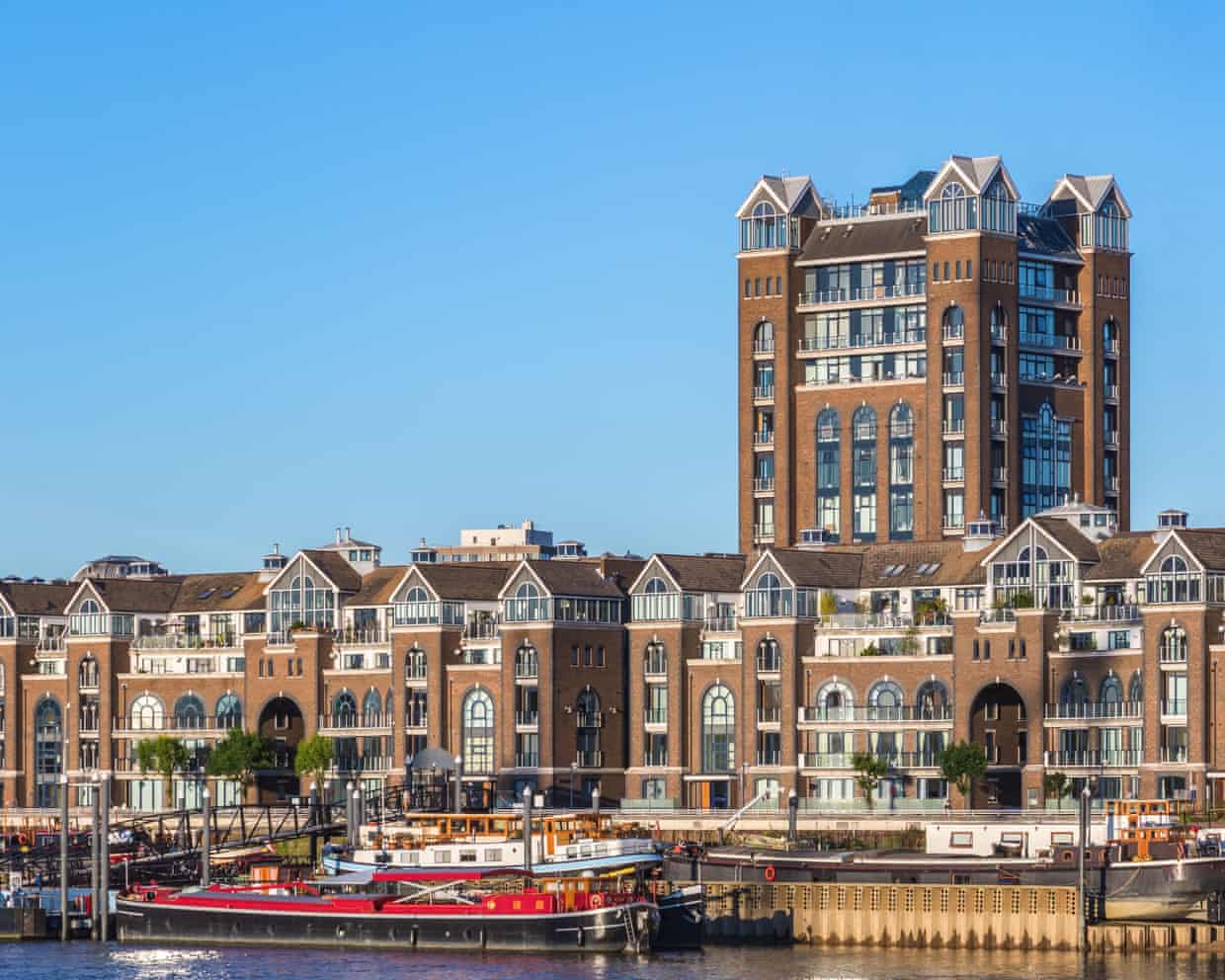
Leading US investors and private equity firms could step up their foray into UK new-build housing after Donald Trump’s move to ban institutional companies from buying single-family homes in the US, raising concerns that investors could “cut corners and increase rents”.The US president said last week that he would ask Congress to codify the measure as he tries to address concerns that families are struggling to buy or rent a home. The median property sale price was $410,800 (£305,000) last year, according to the US Census Bureau.Analysts have predicted the ban could prompt large US investors, including Madame Tussauds owner Blackstone, to double down on Britain’s property market.While corporate investors insist they want to provide good-quality, well-managed housing, expectations that they would seek increased profits from rents could put them at odds with tenants
JP Morgan boss says Trump attacks on Federal Reserve could push up inflation
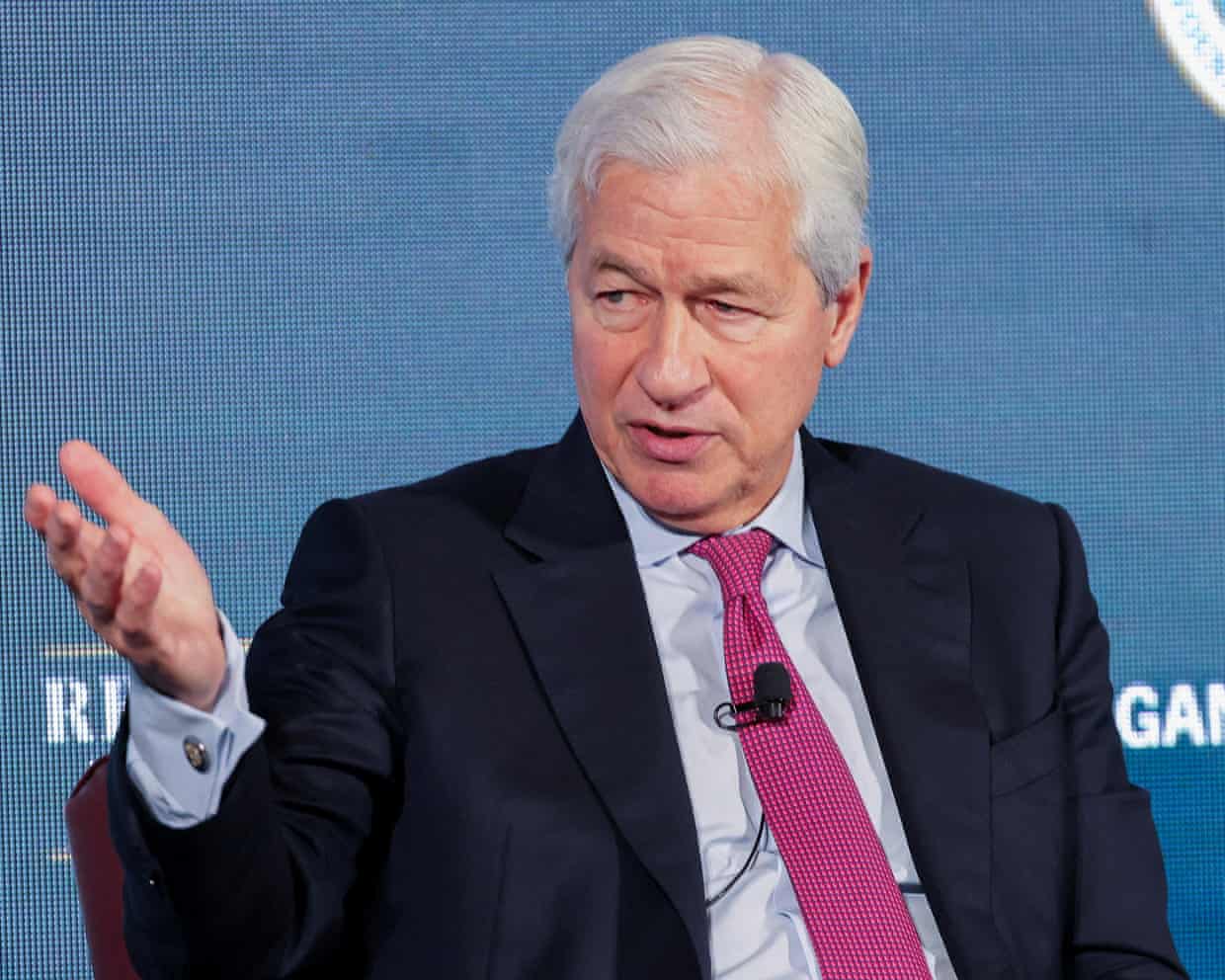
The boss of JP Morgan, the largest US bank, has said Donald Trump’s attacks on the Federal Reserve chair, Jerome Powell, are putting central bank independence at risk and could backfire and ultimately push up interest rates and inflation.Jamie Dimon told reporters on Tuesday he had “enormous respect” for the Fed chair, who on Friday became the target of a controversial criminal investigation by the US Department of Justice (DoJ) over alleged “abuse of taxpayer dollars”.Powell has denounced the investigation, linked to a $2.5bn (£1.9bn) renovation of the Fed’s headquarters in Washington DC, claiming it is punishment for not setting interest rates in line with the US president’s wishes
Trump claims victory on US economy despite many Americans’ cost of living concerns
Donald Trump claimed victory on the economy after 12 months back in office on Tuesday, declaring it to be the “greatest first year in history” as many Americans express alarm over the cost of living.In a stream-of-consciousness speech at the Detroit Economic Club, the US president delivered his gold-tinted view of how the economy has fared on his watch. Prices were down, he claimed, despite official data showing otherwise, and productivity was “smashing expectations”.Even as he touted achievements during the first year of his second term, Trump has started to acknowledge concerns over affordability across the US, with November’s midterm elections creeping closer. The White House has moved to roll out a series of policy proposals in recent days that aspire to address affordability
Labour revives Northern Powerhouse Rail project with pledge of £45bn funds
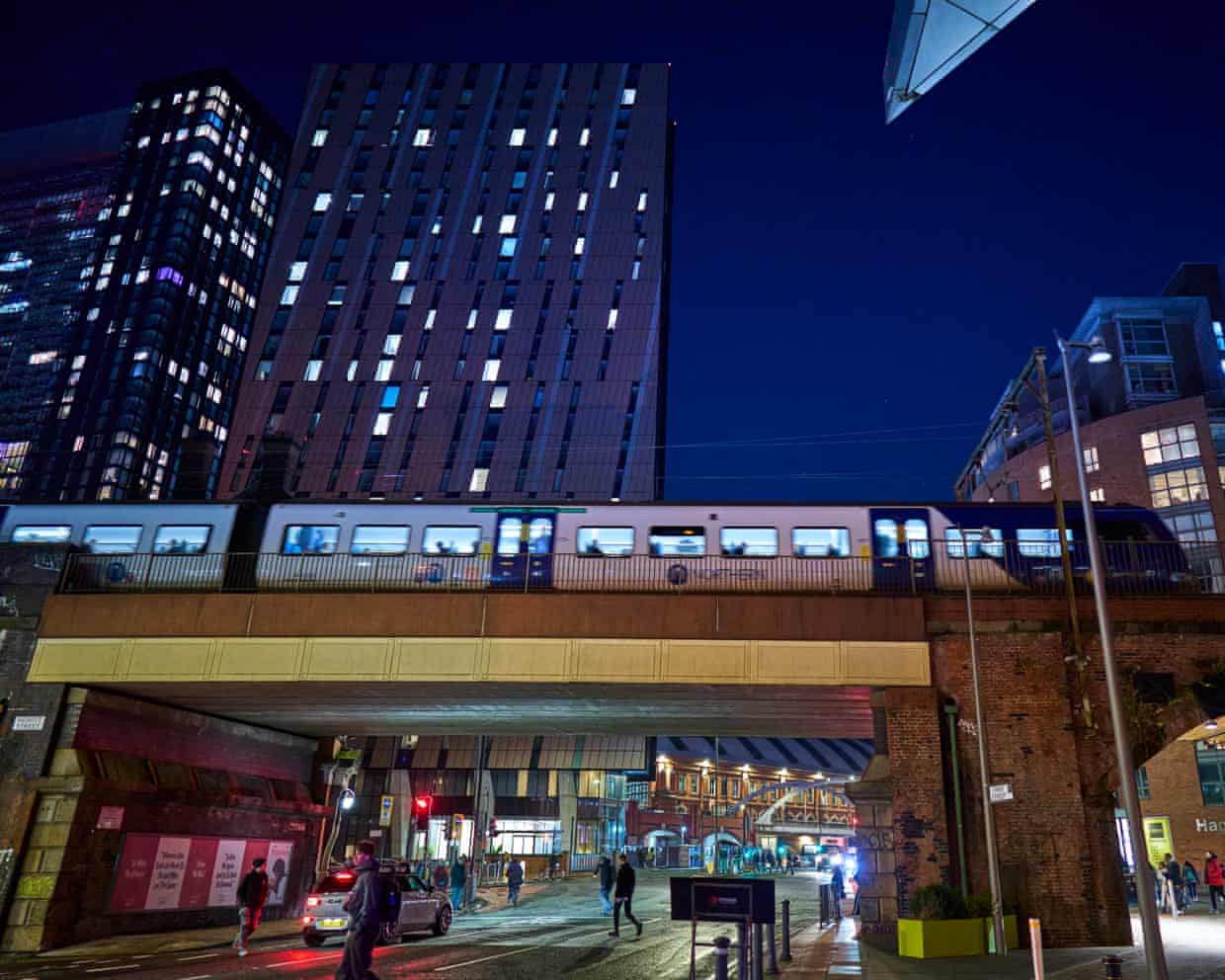
Long-awaited plans for better railways across the north of England have been given government backing with an undertaking to “reverse years of chronic underinvestment” by spending up to £45bn building Northern Powerhouse Rail.Just over £1bn has been allocated to work up a detailed three-stage plan to connect cities from Liverpool to Newcastle, which could fulfil most of the demands of northern leaders, in a series of long-term projects.However, mayors may have to raise local funding to pay for parts of the scheme, with the Treasury imposing a £45bn cap as it seeks to avoid the huge overspend that has blighted the construction of HS2.The government also “set out its intention” to build a Birmingham-Manchester line after the completion of Northern Powerhouse Rail (NPR), although it insisted this was “not a reinstatement of HS2”.It said NPR would form the backbone of a wider growth plan, with faster, more frequent train services transforming connections between cities
Only shoppers can save a nation of shopkeepers | Letters
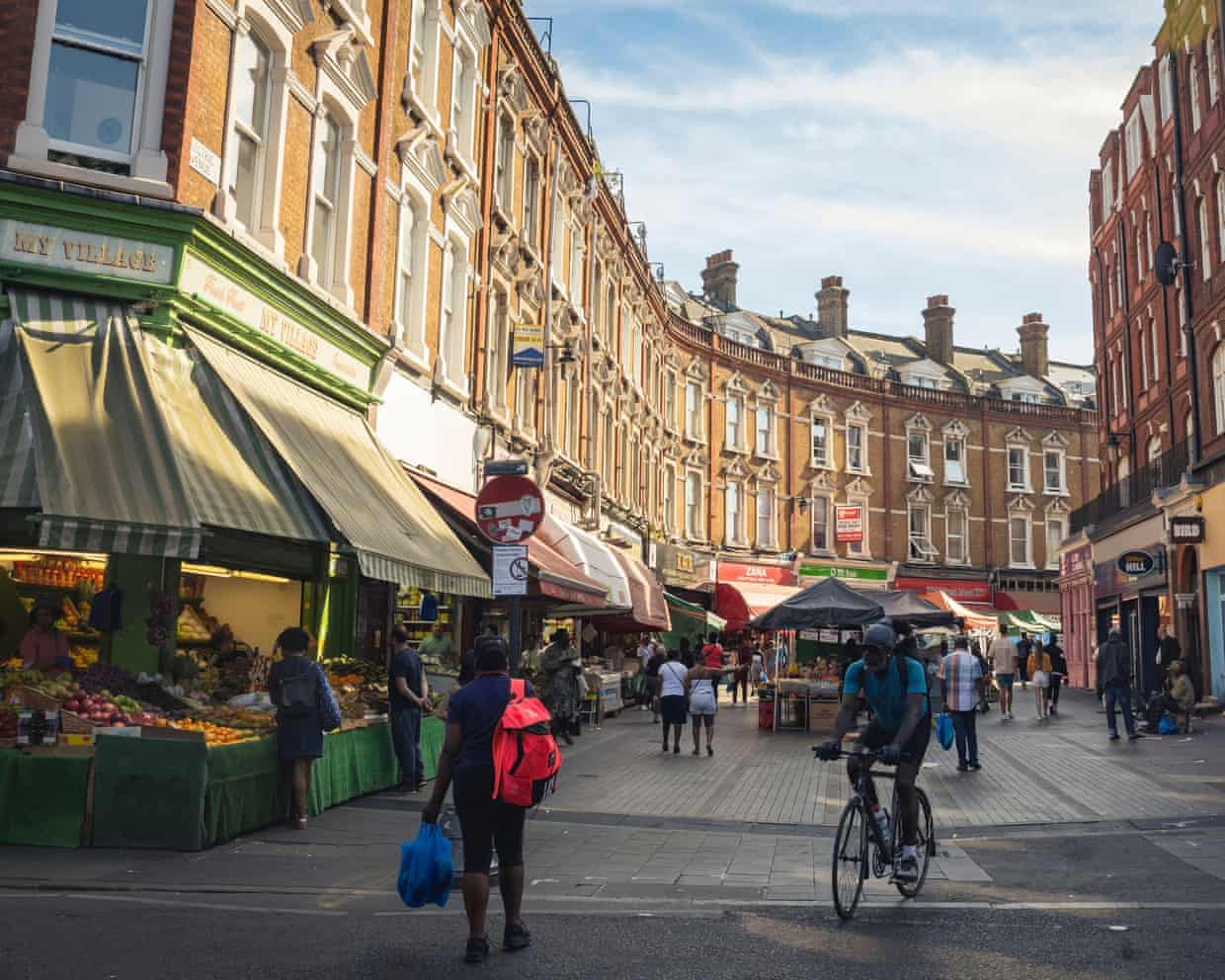
I fear that John Harris is partially buying into Reform UK’s rhetoric about the decline of the high street (The UK’s high streets have reached a tipping point – and Reform will reap the benefits, 11 January).The decline of small businesses in our high streets is largely the result of consumer choice. That’s why supermarkets exist. They sell goods more cheaply and have a range that would be equivalent to numerous shops. The majority of the population prefers to drive and do it all in one go, regardless of income
Twelve top central bankers defend Fed’s Jerome Powell over DoJ investigation; oil hits two-month high as Trump threatens Iran’s trading partners – as it happened
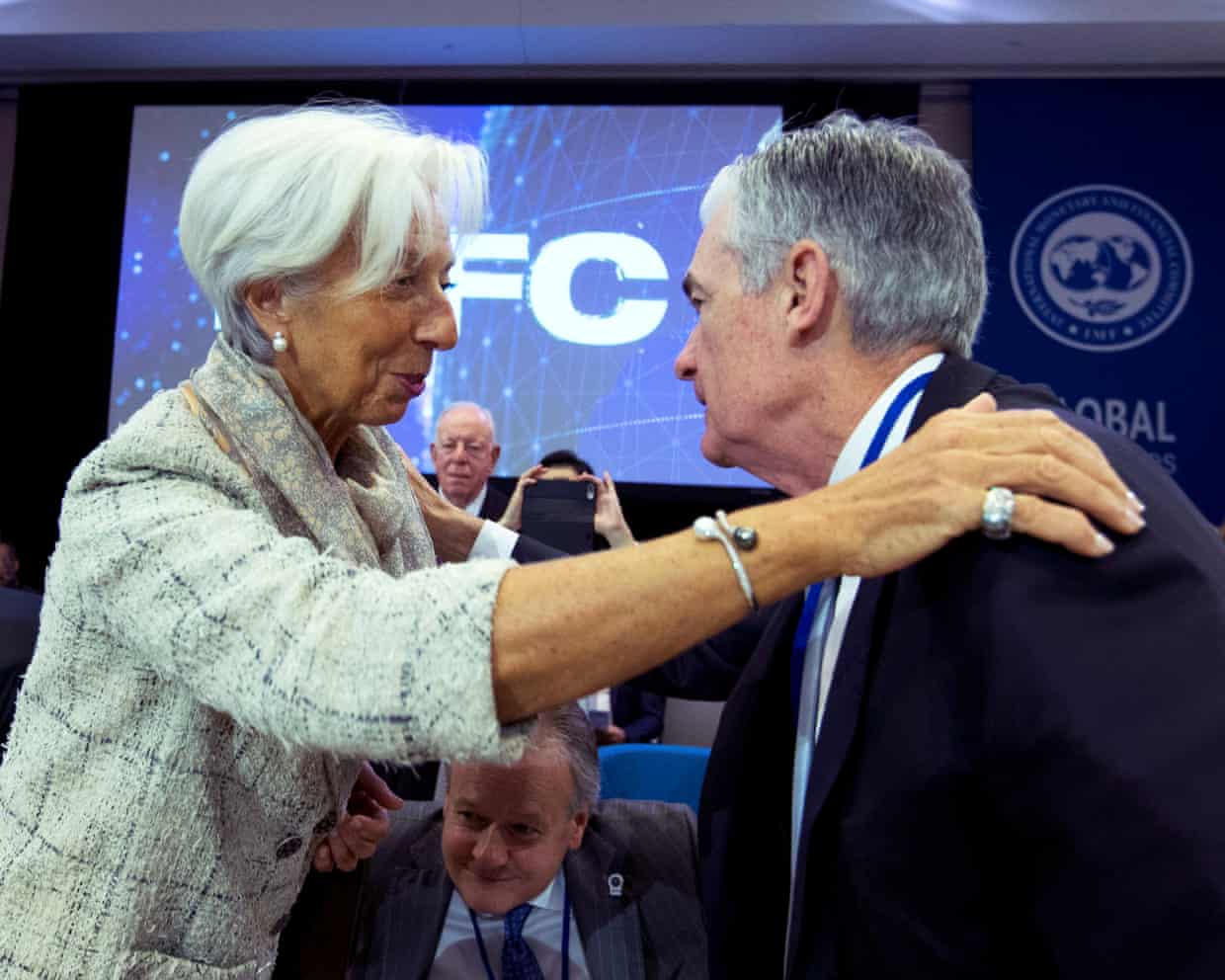
Newsflash: Eleven of the world’s top central bankers have released a statement of support for Federal Reserve chair Jerome Powell, after the US Department of Justice opened a criminal investigation into him.In an unprecedented move, top central bank chiefs including the Bank of England’s Andrew Bailey, and Christine Lagarde of the European Central Bank, have backed Powell, and warned against undermining central bank independence.The heads of the Swedish, Denmark, Swiss, Australian, Canadian, South Korean, and Brazilian central banks have also signed, as have two top officials at the Bank of International Settlements (known as the “central bank for central banks”).Others may yet sign the letter too, Reuters suggested this morning.The central bank chiefs say:We stand in full solidarity with the Federal Reserve System and its Chair Jerome H

West African sunshine dishes: Toyo Odetunde’s chicken yassa pot pie and stuffed plantain boats – recipes
How to make penne all’arrabbiata – recipe | Felicity Cloake's Masterclass
Martino’s, London SW1: ‘Beautiful bedlam’ – restaurant review | Grace Dent on restaurants

Helen Goh’s recipe for baked apples with lemon and tahini | The sweet spot
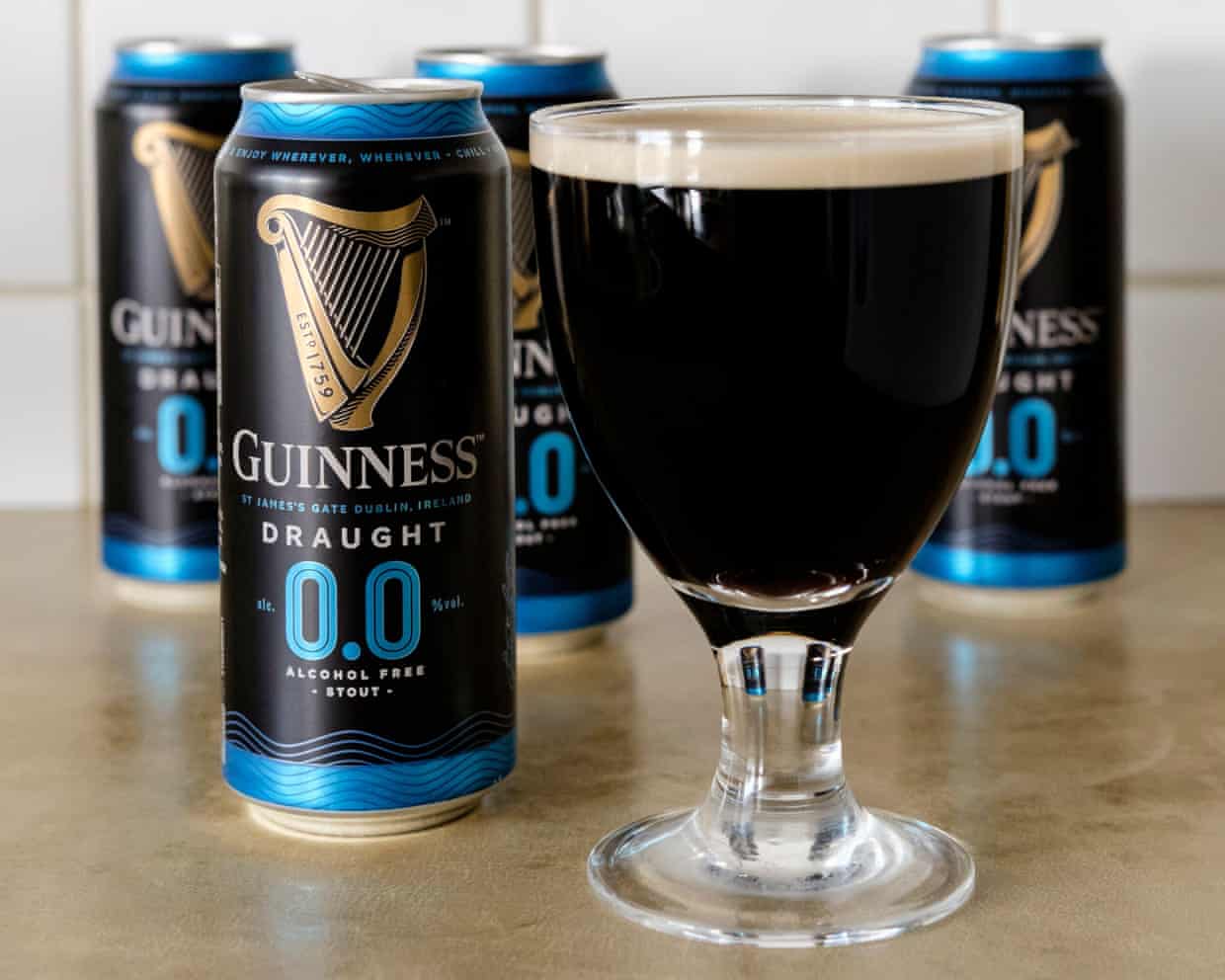
Health by stealth: the rise of drinkable no- and low-alcohol beer

Mark Hix’s recipe for roast pumpkin and pickled walnut salad