Price of average UK home passes £300,000 for first time, Halifax says
The average cost of a UK home passed £300,000 for the first time in January, as house prices increased at the fastest rate since November 2024.Data released by Halifax showed that house prices rose 0.7% month on month last month, the fastest rate since a 1.1% increase was recorded in November 2024.On an annual measure, prices grew 1%.
Halifax, which is part of Lloyds – Britain’s biggest mortgage lender – estimates that the average price of a UK home hit a record £300,077,However, Nationwide, which also releases monthly estimates on house prices, puts the average cost of a home at a much lower £270,873,The growth marks a significant bounceback after a sluggish run-up to Christmas, when the average price of a UK home fell by 0,5% month on month,Halifax has revised this figure down from 0.
2%.“The housing market entered 2026 on a steady footing,” said Amanda Bryden, the head of mortgages at Halifax.“While [£300,000] is undoubtedly a milestone figure, and activity levels show a resilient market, affordability remains a challenge for many would-be buyers.All in all, we still think house prices are likely to edge up between 1% and 3% this year.”Last month, Nationwide predicted that the average UK house price would rise by between 2% and 4% this year.
Homebuyers have been buoyed up by a string of cuts to the base rate by the Bank of England’s monetary policy committee, with the most recent coming in December.On Thursday, the bank maintained the rate at 3.75% over concerns of persistent inflation, which rose for the first time in five months in December, to 3.4%.However, the narrow 5-4 vote split has led analysts to factor in further cuts in the coming months.
The committee has cut rates six times since mid-2024.On a regional basis Northern Ireland continues to show the strongest house price in the UK, with average prices rising at 5.9% annually to £217,206.In Scotland, the rate of growth is running at 5.4%, with the average price of a property at £221,711.
In Wales, there has been only 0,5% annual growth, with the average home costing £228,415,In England, the strongest growth is in the north-west, at 2,1%, where an average home costs £244,329,“Looking ahead, much will depend on whether the expected rate cuts later this year materialise,” said Karen Noye, a mortgage expert at Quilter.
“If they do, the impact is more likely to be gradual support for affordability rather than a sudden jump in prices.“Stability has returned, but enthusiasm has not and that is likely to keep price growth contained over the months ahead.”Anthony Codling, an analyst at RBC Capital Markets, said: “While housing affordability is stretched for many, rising wages, falling mortgage rates and the easing of mortgage lending limits have all contributed to rising house prices at a national level.”While the average price of a UK property has topped the £300,000 mark for the first time, in part fuelled by sharp rises during the Covid pandemic, growth in recent years has been modest.Property prices have risen by 5.
7%, or about £16,000, over the last three years as higher interest rates and affordability issues have contributed to slower growth.However, between 2020 and 2023 house prices climbed almost 19%, over £44,000, as ultra-low borrowing costs and the pandemic-driven “race for space” led to homeowners looking to relocate.There are a number of factors that contribute to the difference in average UK house price estimates produced by Nationwide and Halifax.Both produce the estimates based on their own mortgage approvals, about 15,000 a month for Halifax and 12,000 for Nationwide.Cash transactions are also not included, with 30% to 40% of sales in cash.
Nationwide also does not include buy-to-let transactions.e
Rich plums and ripe tomatoes: Australia’s best-value fruit and veg for February
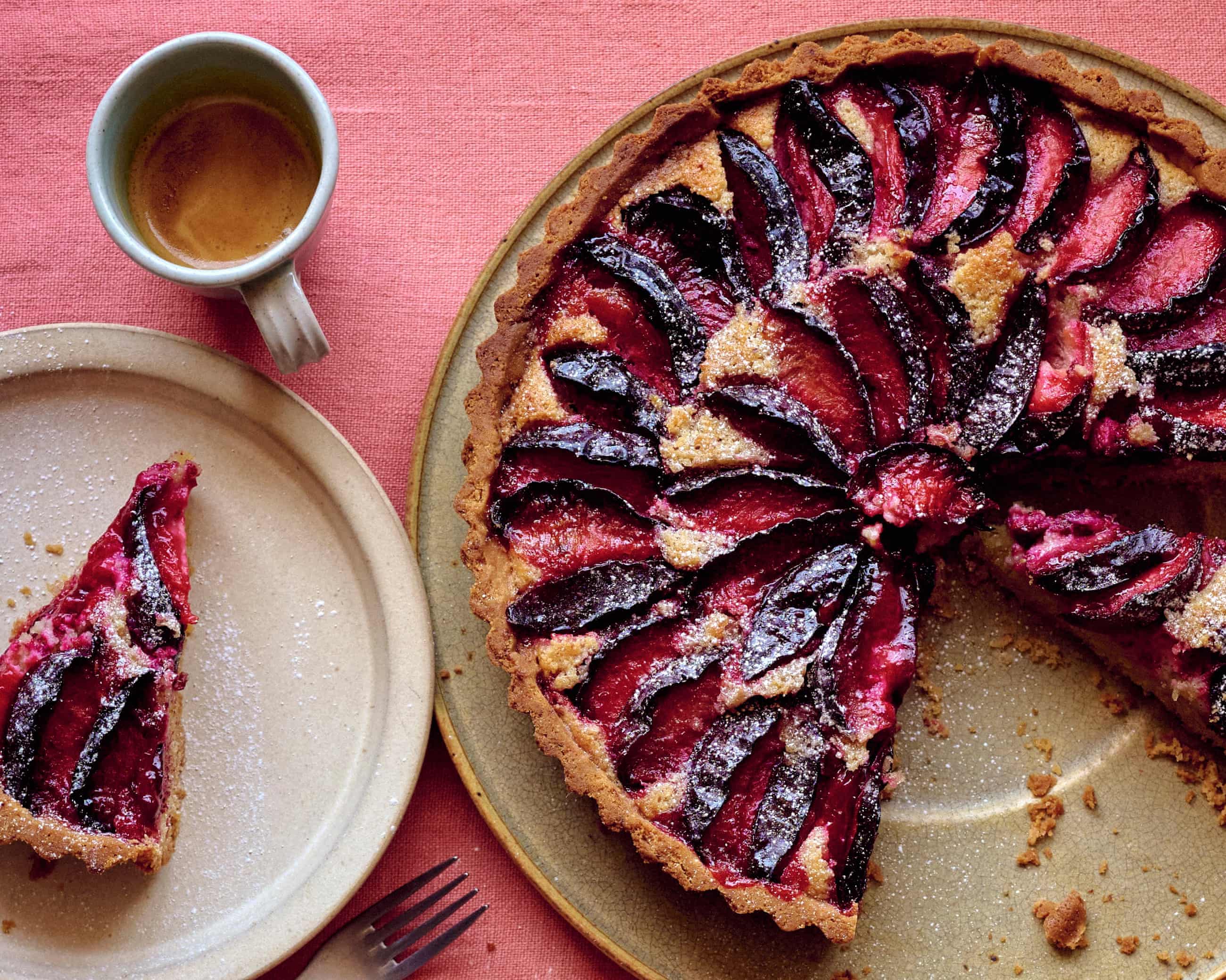
Tomatoes ripe for cooking, cheap watermelon and cucumbers for $2 a piece – but it’s the final call for apricots, cherries and mangoesGet our weekend culture and lifestyle emailJuicy watermelon, deep-purple plums and ripe roma tomatoes are some of the vibrant fruit and veg highlights this month, says Graham Gee, senior buyer at the Happy Apple in Melbourne.“Tomatoes are plentiful, in particular the saucing varieties,” he says. “Roma varieties are sold nice and ripe, ready to make passata.” Cooking tomatoes are roughly $2 a kilo at the Happy Apple, with Australian field tomatoes going for about $5 a kilo in supermarkets.Watermelon is “very cheap”, says Michael Hsu, operational manager at Sydney’s Panetta Mercato
How to make moreish cookies from store-cupboard odds and ends – recipe | Waste not
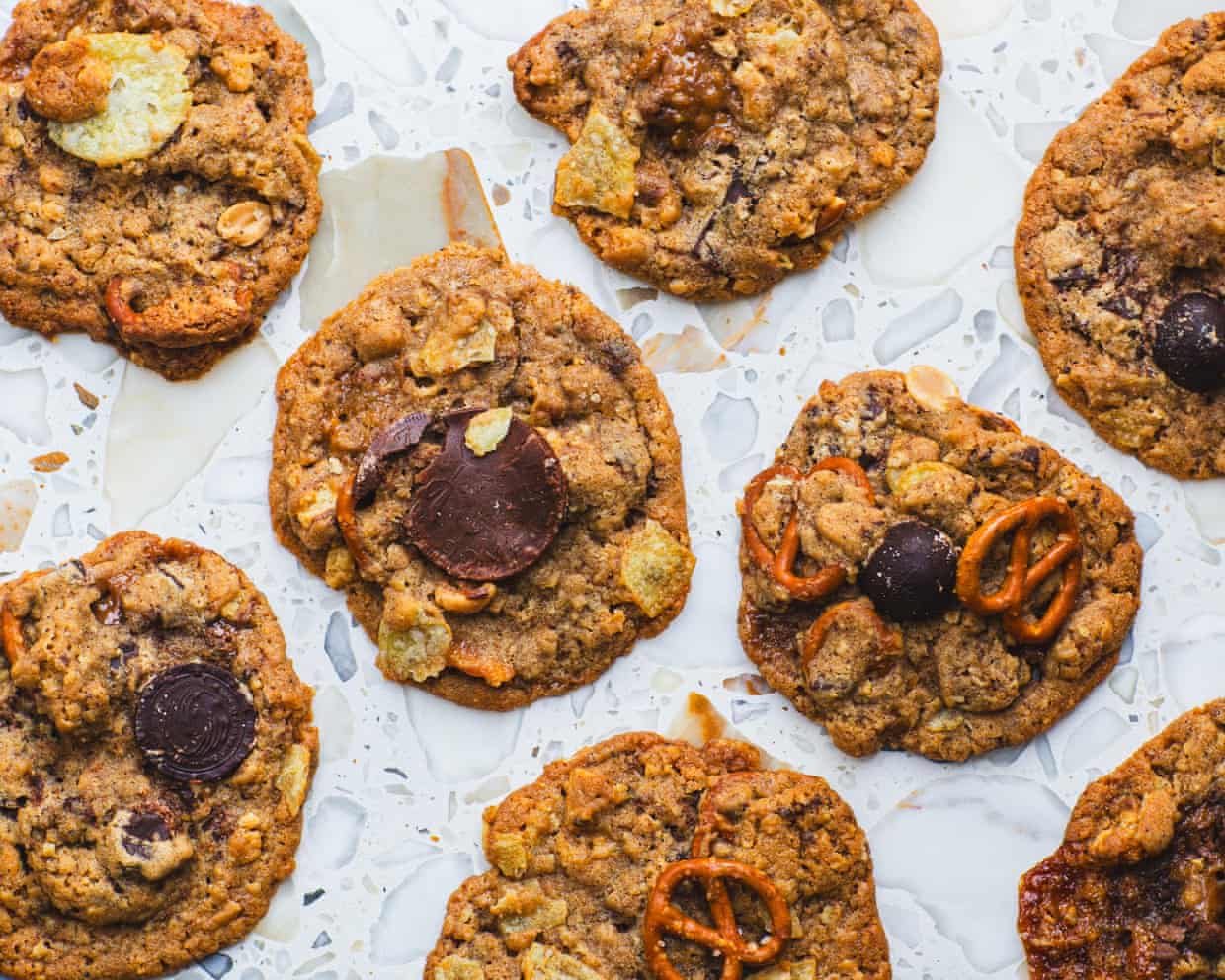
I often eat a bag of salty crisps at the same time as a chewy chocolate bar, alternating bite for bite between the two, because the extreme contrast of salt from the chips and the sweetness of the chocolate fire off each other and create an endorphin rush. The same goes for these cookies, adapted from a recipe by Christina Tosi at New York’s legendary Milk Bar.Christina Tosi writes in Gourmet Traveller Australia how she first learned to make these cookies at a conference centre on Star Island, New England, where they’d bake them each week with a hodge-podge of different ingredients. Being on an island, they didn’t always have access to what they wanted, so they had to come up with a new recipe every week using whatever they had. In the spirit of the recipe’s origins, I’ve adapted Tosi’s recipe for the UK, and made it flexible, so you can raid your own store-cupboards and adapt and invent your own version from it
Camilla Wynne’s recipes for blood orange marmalade and no-bake marmalade mousse tart
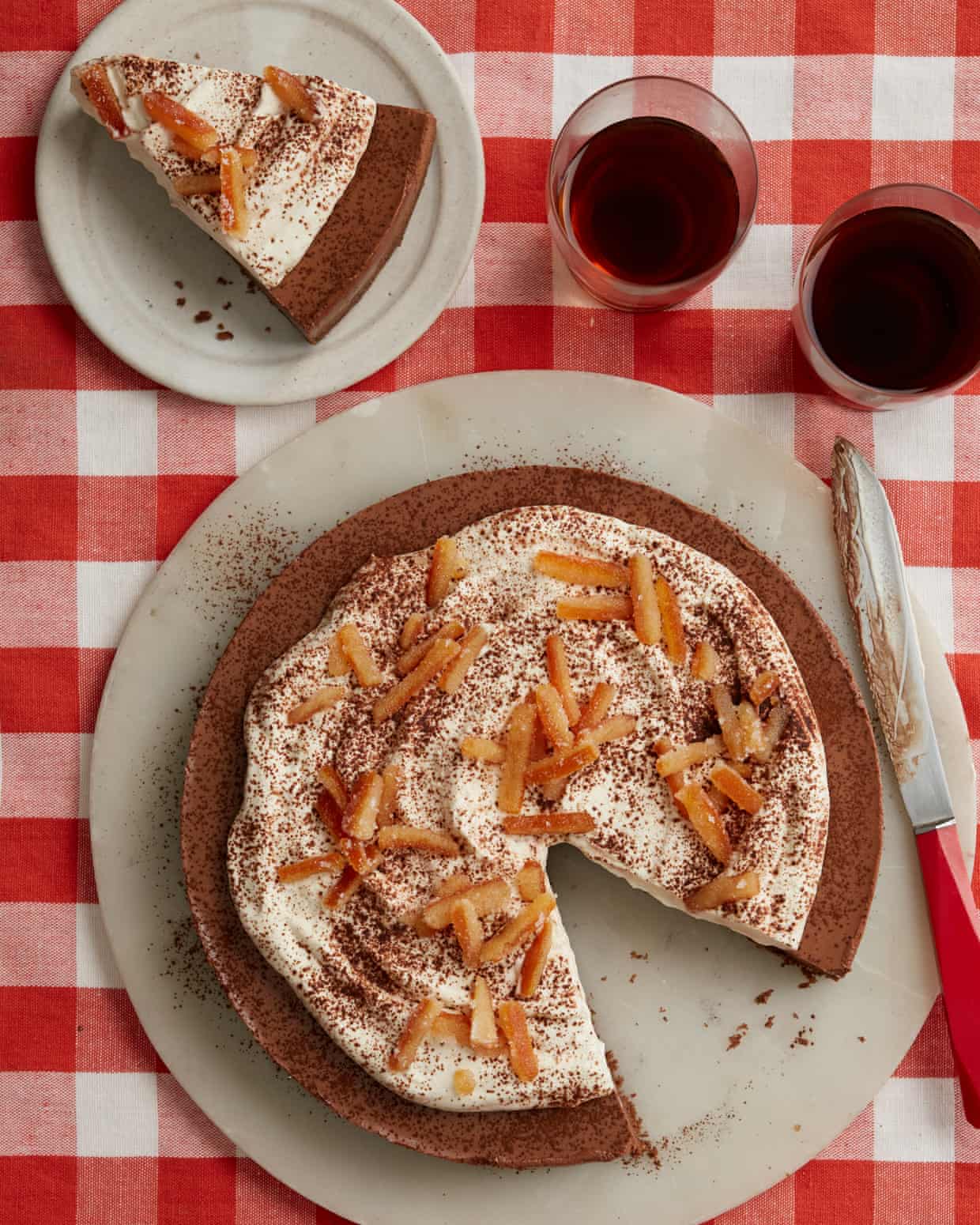
If you’re intimidated by making marmalade, the whole-fruit method is the perfect entry point. Blood oranges are simmered whole until soft, perfuming your home as they do so, then they’re sliced, skin and all, mixed with sugar and a fragrant cinnamon stick, and embellished with a shot of amaro. Squirrel the jars away for a grey morning, give a few to deserving friends, and be sure to keep at least one to make this elegant mocha marmalade mousse tart. A cocoa biscuit crust topped with a chocolate marmalade mousse and crowned with a cold brew coffee cream, it’s a delightful trifecta of bitterness that no one will ever guess is an easy no-bake dessert.If you’re not up for preserving, make this using shop-bought thick-cut marmalade

The dump dinner: spaghetti is now being served straight on to the table – but why?
Name: Dump dinners.Age: Horribly new.Appearance: Feeding time at the zoo, but for humans.I’ve just Googled this. Apparently a dump dinner is a make-ahead slow cooker recipe
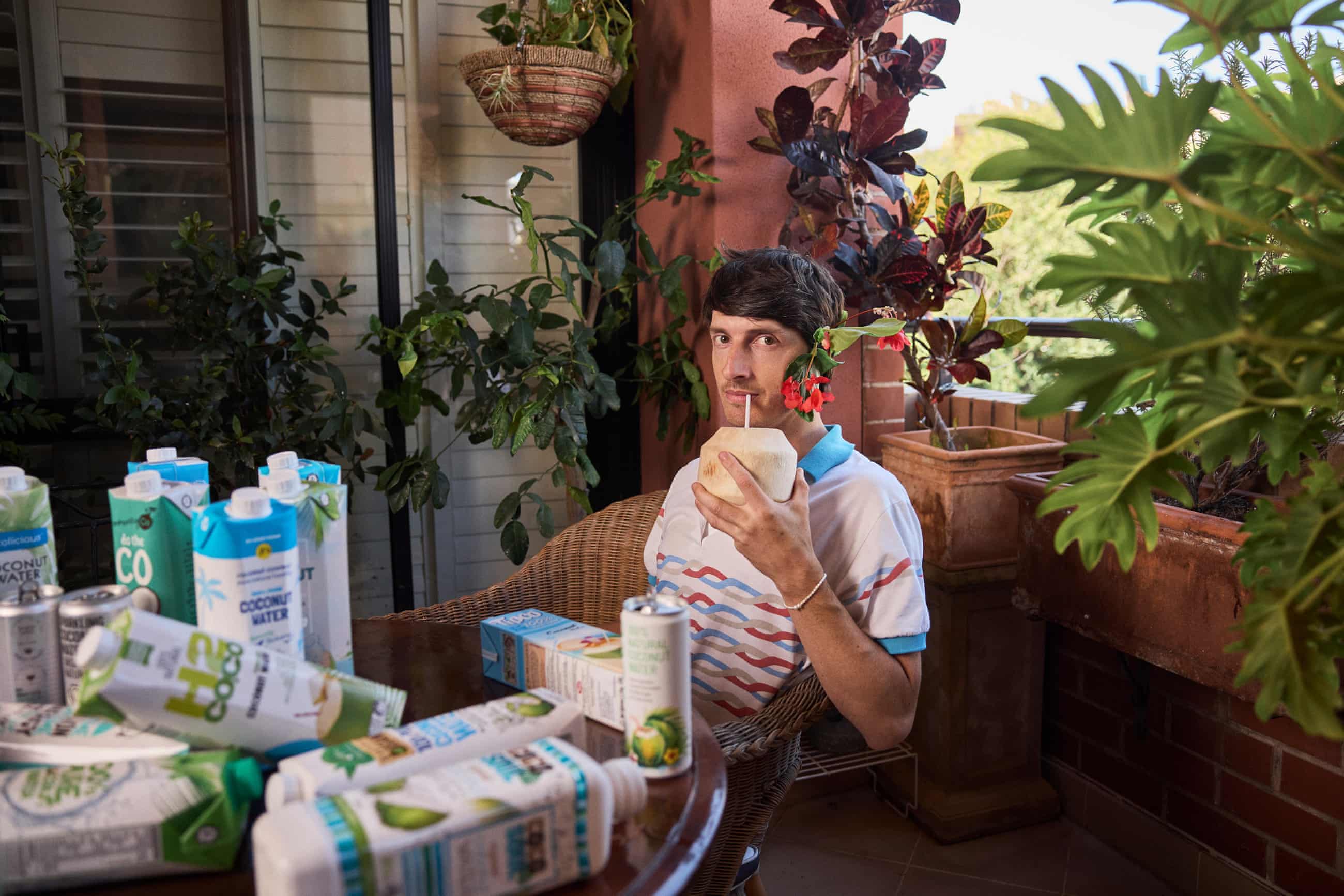
Australian supermarket coconut water taste test: ‘Smells like an island holiday’
Overcoming his irrational fear of coconut products, Nicholas Jordan tests a lovely – and lowly – bunch of coconuts in a rowIf you value our independent journalism, we hope you’ll consider supporting us todayGet our weekend culture and lifestyle emailI have a fear of coconut products. Like all fears it’s based on a questionable rationale and trauma, and my trauma is taste testing “health” coconut-heavy products that taste like soap. Which is why, until recently, almost all the coconut water I’d drunk was from a straw reaching out of a fresh coconut.Surely there’s no way a bottled coconut water, made from 100% coconut, could be that bad. Maybe it could be better than the real thing? I enjoy Melona more than the average honeydew melon
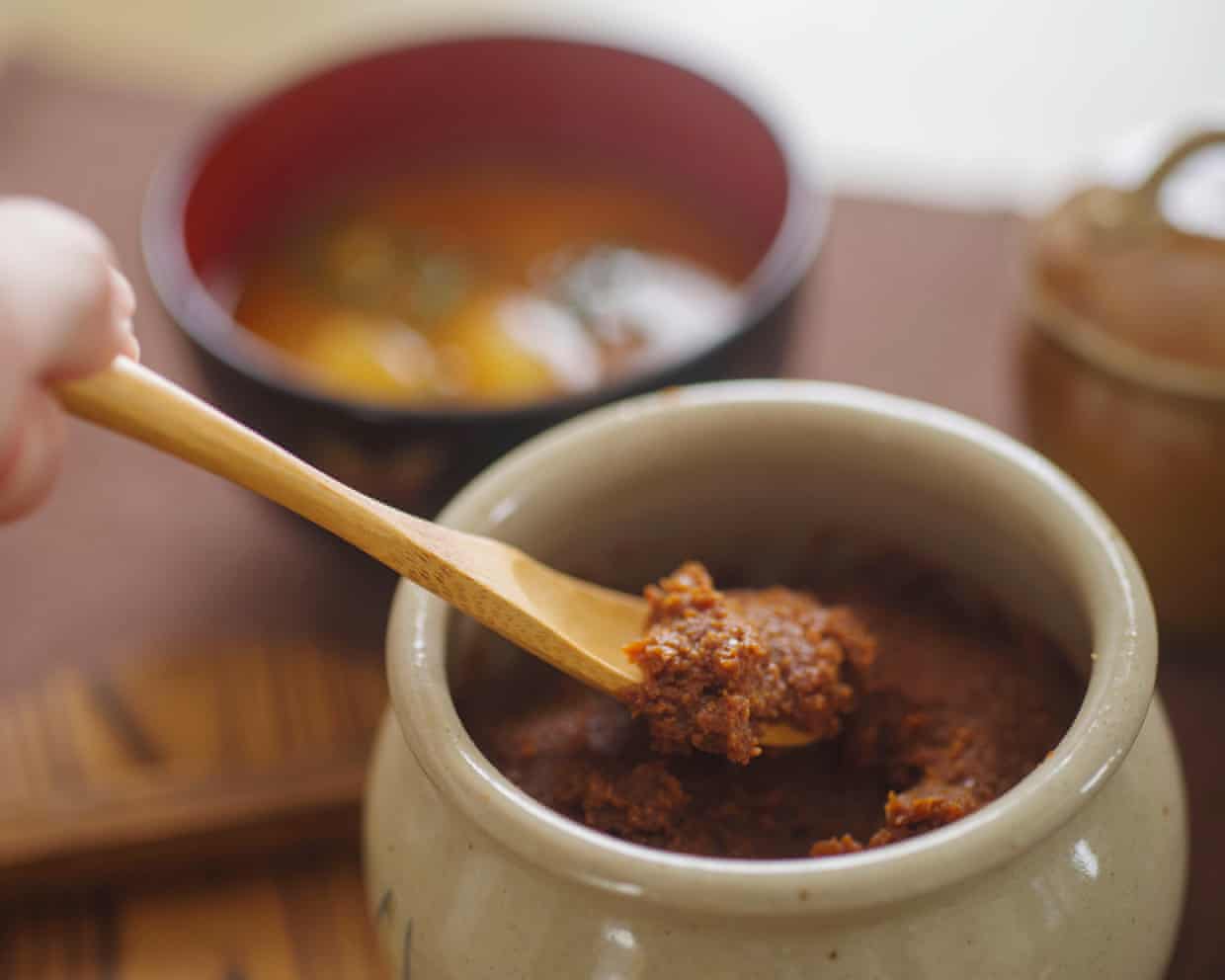
Miso mystery: red, white or yellow – how does each paste change your dish? | Kitchen aide
What’s the difference between white and red miso, and which should I use for what? Why do some recipes not specify which miso to use? Ben, by email“I think what recipe writers assume – and I’m sure I’ve written recipes like this – is that either way, you’re not going to get a miso that’s very extreme,” says Tim Anderson, whose latest book, JapanEasy Kitchen: Simple Recipes Using Japanese Pantry Ingredients, is out in April. As Ben points out, the two broadest categories are red and white, and in a lot of situations “you can use one or other to your taste without it having a massive effect on the outcome of the dish”.The Guardian’s journalism is independent. We will earn a commission if you buy something through an affiliate link. Learn more

‘Am I at peak popularity? I hope not’: on the road with Zack Polanski, from protest to podcast to Heaven nightclub

‘I’m British, English and British Asian’, says Rishi Sunak in riposte to racially charged debate over identity

Minister commissioned investigation of journalists looking into Labour thinktank

Reform faces police investigation over ‘concerned neighbour’ byelection letters

Mandelson lobbying firm sought work with Russia and China state companies, Epstein emails show

Gordon Brown ‘deeply regrets’ bringing Peter Mandelson into his government