BP board suffers triple climate rebellion from shareholders

BP’s board has suffered a triple climate rebellion in its first shareholder meeting since appointing new leadership to steer the embattled oil company.More than 50% of shareholders voting at the company’s annual general meeting (AGM) came out against its plans to scrap its existing climate reporting, and its resolution to replace in-person annual shareholder meetings – a lightning rod for climate protest in recent years – with online-only events.About 18% of shareholders voted against the re-election of BP’s chair, Albert Manifold, less than a year after he took on the role.The “unprecedented” revolt means BP will not be allowed to carry out the resolutions that were defeated by a majority, although Manifold will remain as chair.The dissenting shareholders included Legal & General Investment Management (LGIM), the UK’s largest asset manager, which had said it would vote against Manifold and oppose BP’s plans to cut back on climate reporting.
Manifold was heavily criticised in the run-up to the AGM for putting forward a resolution to dilute BP’s climate disclosures, and for blocking a resolution from shareholder activists at the climate campaign group Follow This.The influential proxy shareholder advisory Glass Lewis said Manifold was ultimately accountable for BP’s decision to exclude the Follow This resolution and recommended a vote against him on these grounds.The resolution called on BP to explain how its pursuit of rising oil and gas production aligned with a world shifting away from fossil fuels.“The question is simple: how does BP plan to create value for shareholders as oil and gas demand declines?” said Mark van Baal, the founder of Follow This.“BP would rather antagonise its shareholders than answer it.
”Nick Mazan, from the Australasian Centre for Corporate Responsibility (ACCR), said: “Today’s result is unprecedented and demonstrates that investors are fed up with BP’s lack of capital discipline and its approach to shareholder rights.“In our view it was a mistake for BP to expect to push through measures to undercut shareholder rights without resistance.Investors have communicated loud and clear to the company that brushing shareholders aside is unacceptable in public markets,” Mazan said.Shareholders landed the blows against BP weeks after Meg O’Neill joined the 116-year-old company as chief executive, as the first external hire to BP’s top job and the first woman to hold the position at any major oil company.O’Neill faces pressure from shareholders to revive BP’s flagging fortunes after its failed green agenda under its former boss Bernard Looney left the company’s market value lagging behind oil industry rivals, including Shell.
BP has watered down plans to reduce its oil and gas output in favour of growing its production, but the company’s resolution to scrap climate disclosures was criticised by investors.Glass Lewis and the proxy advisory ISS urged shareholders to oppose BP’s proposal to scrap two previous resolutions requiring company-specific climate disclosures.The resolution was also opposed by LGIM.
Five things we learned from Cat Little’s evidence to MPs about the Mandelson saga
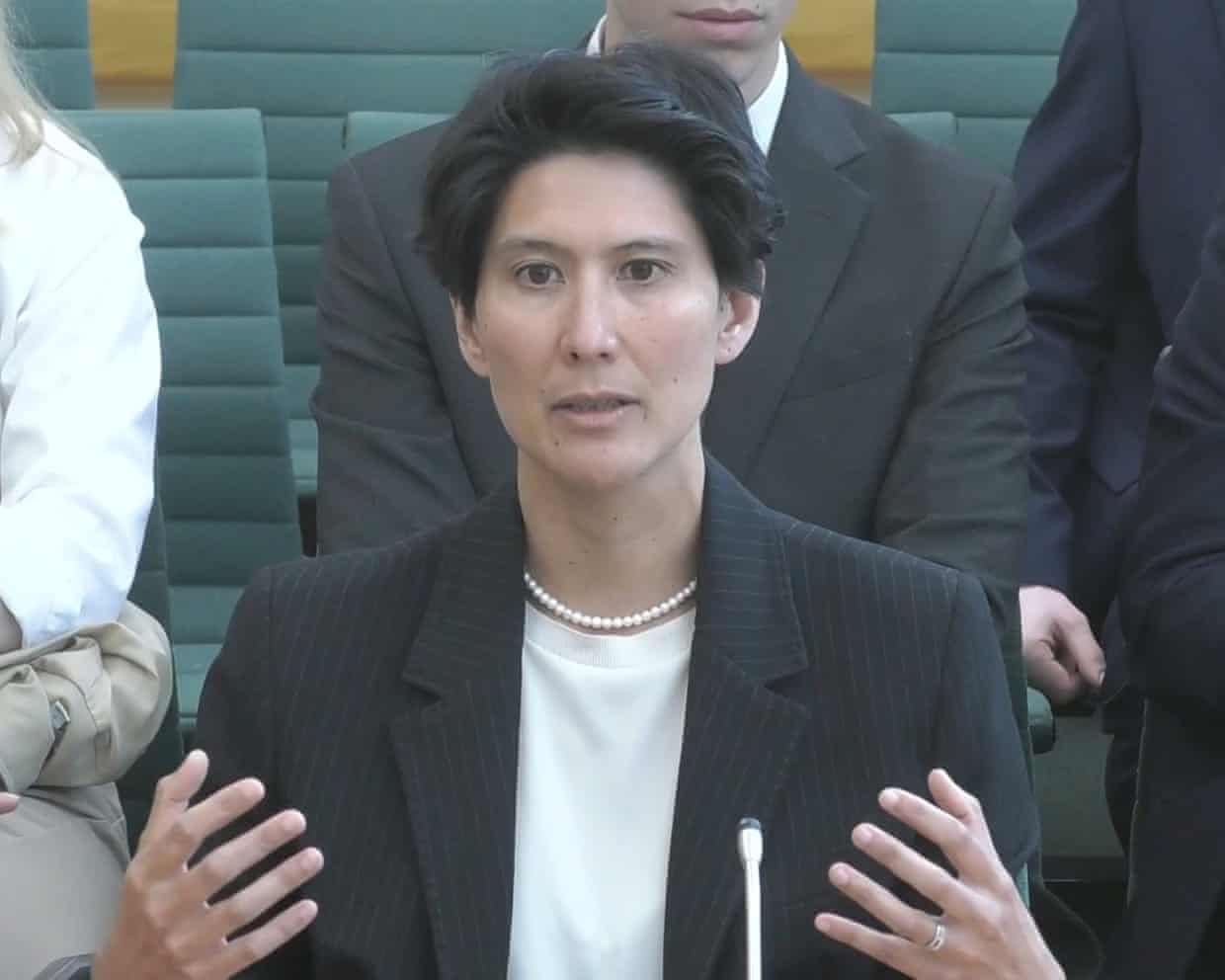
In more than 90 minutes of evidence to the foreign affairs select committee about the Peter Mandelson scandal, Cat Little, the head civil servant in the Cabinet Office, was low key and often cautious.But she did reveal several pieces of new information – or at times information different from that given to the same committee by Olly Robbins, the former permanent undersecretary at the Foreign Office.Little said her then Foreign Office counterpart had resisted sending her a summary of why Mandelson was initially refused vetting clearance, which she sought as part of her efforts to gather all relevant documents in line with a Commons “humble address” motion.“At the time, it was made clear to me that that information would not be forthcoming,” Little said. She thus “took the very unusual judgment” to ask UK Security Vetting (UKSV), which sits within the Cabinet Office, to provide it directly
Olly Robbins refused to give Mandelson vetting summary to Cabinet Office, says Cat Little
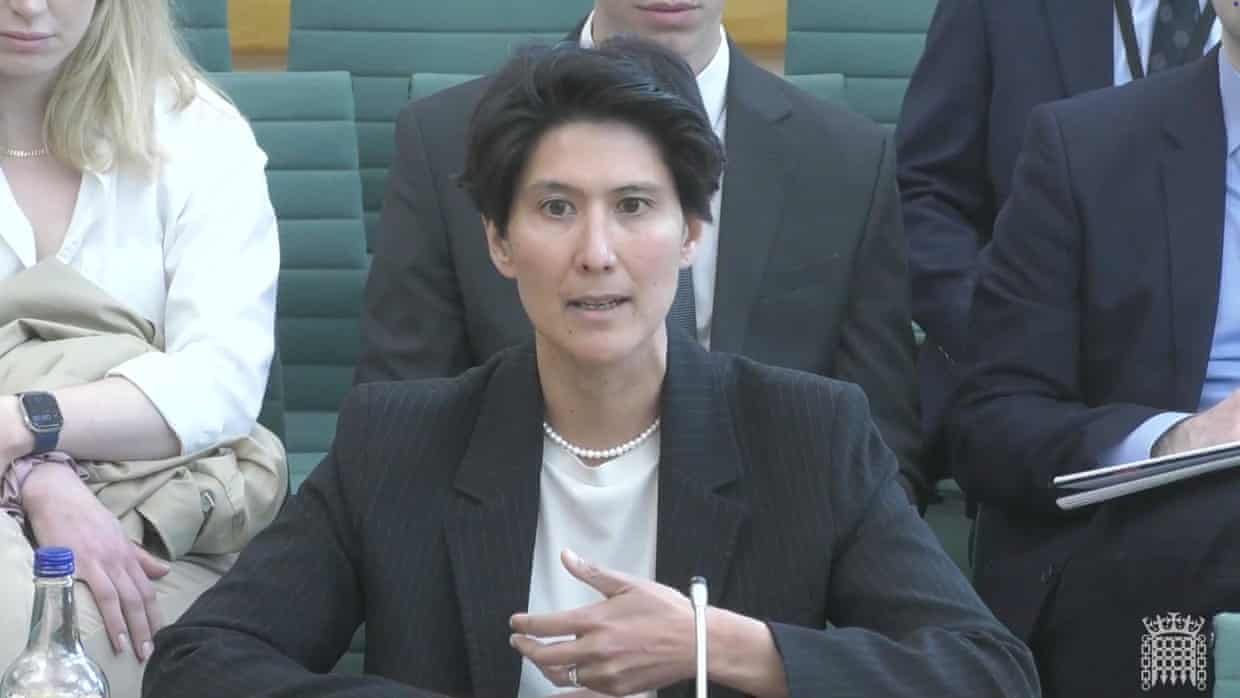
Olly Robbins refused to hand Peter Mandelson’s vetting summary to the Cabinet Office, the civil servant who leads the department has said.The summary – which would have revealed that Robbins, the now-sacked Foreign Office head, had granted Mandelson clearance against the advice of security officials – was instead provided to Cat Little by UK Security Vetting (UKSV), she told MPs.Giving evidence to the Commons foreign affairs committee, Little, the permanent secretary at the Cabinet Office, disputed the claim by Robbins that her department had suggested Mandelson might not need vetting at all.Citing “a number of emails” that she had reviewed, she said it had actually been the Foreign Office that raised the possibility of Mandelson not needing to be vetted given he was a member of the House of Lords.Little backed Keir Starmer’s insistence that normal processes were followed over how Mandelson was checked, saying: “So my view is that due process was followed

‘This is not the country I moved to’: the British Indians showing support for Nigel Farage
Savitha Prakash, an NHS doctor living in the London borough of Harrow, believes there are similarities between the Reform UK leader, Nigel Farage, and India’s prime minister, Narendra Modi. “He’s [Modi] one of those people, like Nigel, he walks the talk. He made [a] difference to the country,” said Prakash, who chairs Reform UK’s branch in Harrow.In particular, the 47-year-old said Farage and Modi – who have each been accused by their critics of scapegoating marginalised communities – were focused on putting the needs of the majority first.“There was a time before [Modi] came into power that minority appeasement was normal,” she said

Mapped: the elections that could deliver ‘unprecedented’ losses for Labour
Labour is on track for its worst local election performance, data analysed by the Guardian shows, in a blow that will pile further pressure on Keir Starmer’s leadership.Barring a drastic change in fortunes, Labour’s vote-share could fall to historic lows across elections for councils in England and devolved parliaments in Wales and Scotland on 7 May, with big gains for Reform, the Greens and nationalist parties, according to recent polling.The collapse in support is particularly existential in the race for the Welsh parliament, the Senedd, which Labour has dominated since its creation in 1999.Polling shows Labour’s vote share falling by more than half in Wales, enough to push the party into third place, with Reform and Plaid Cymru vying for first.Labour’s long-term decline in Scotland is expected to continue, with the Scottish National party likely to remain in power in Holyrood and Reform headed for second place
Ian Collard: the Foreign Office insider who may be key to Mandelson scandal
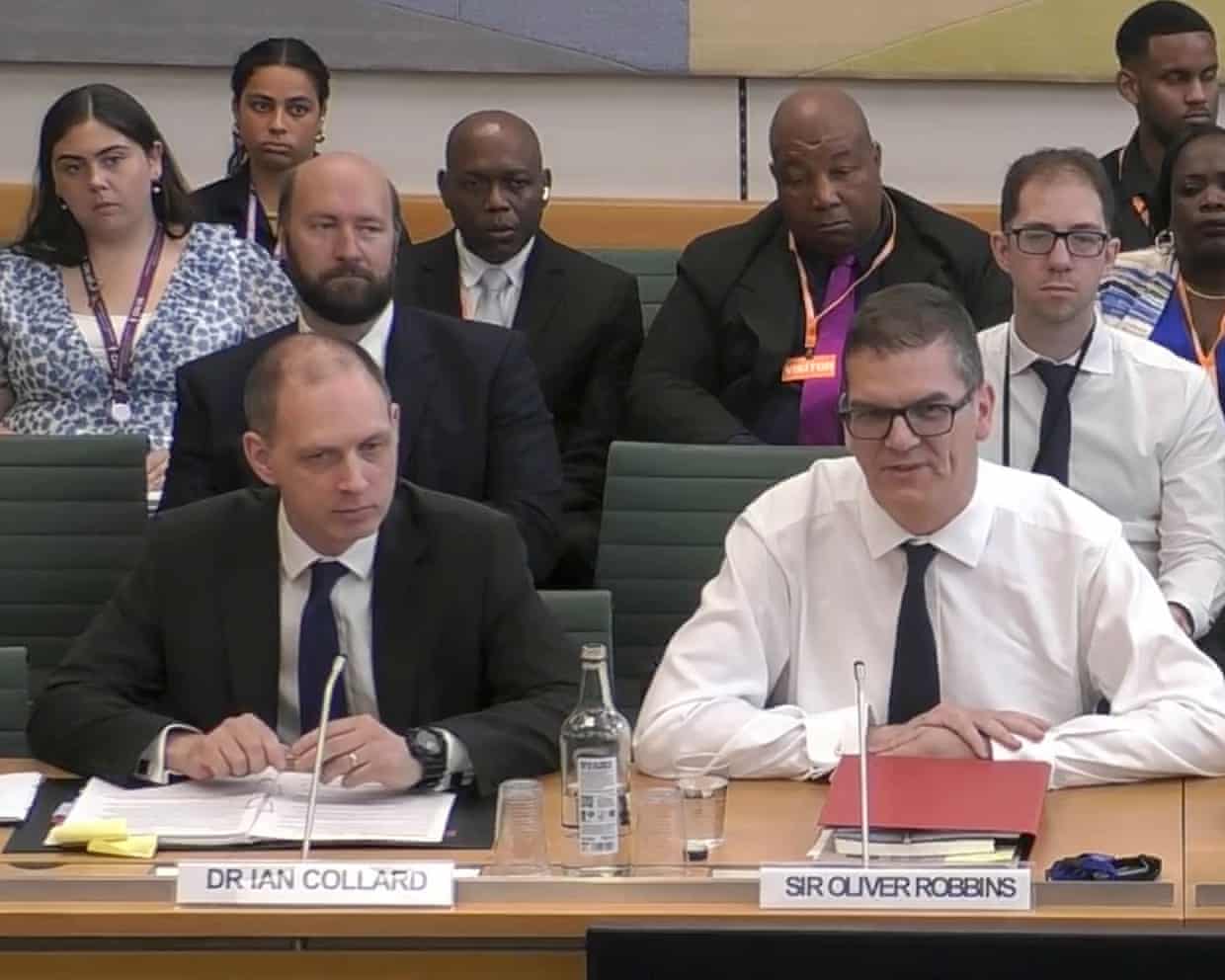
His name was only mentioned twice – and the meeting he had with Olly Robbins may have only lasted 10 minutes.But Ian Collard is a central – and perhaps the key – figure in the scandal over how Peter Mandelson ended up receiving the security clearance to become Britain’s ambassador in Washington.According to Robbins’s evidence to the foreign affairs committee on Tuesday, it was Collard, head of the estates, security and network directorate in the Foreign Office, who gave him an oral briefing on 29 January 2025.Robbins explained Collard had been having a “live dialogue” about Mandelson with the separate UK Security Vetting (UKSV) team, based in the Cabinet Office.Collard had then asked to speak to Robbins for what turned out to be a critical meeting: it concluded with Mandelson being granted vetting clearance

Divisions emerge in Keir Starmer’s cabinet over his sacking of Olly Robbins
Keir Starmer is looking increasingly isolated over his handling of the Peter Mandelson scandal with divisions emerging in cabinet over his decision to sack the Foreign Office civil servant Olly Robbins.On another difficult day for the prime minister, the Guardian learned of concerns around the cabinet table, a senior minister refused to say the dismissal was fair and several mandarins called for him to be reinstated. One Labour MP called on Starmer to quit.The scrutiny will continue on Thursday as MPs grill Cat Little, the permanent secretary at the Cabinet Office, over the decision to install Mandelson as Washington ambassador contrary to the advice of vetting officials.Some senior Labour MPs say the prime minister is now living on borrowed time as he continues to come under fire over his decision to appoint the former Labour peer

UK consumer confidence falls as people get ‘the jitters’; BP’s new chair suffers investor revolt – business live

American Airlines says soaring price of jet fuel will cost it $4bn this year
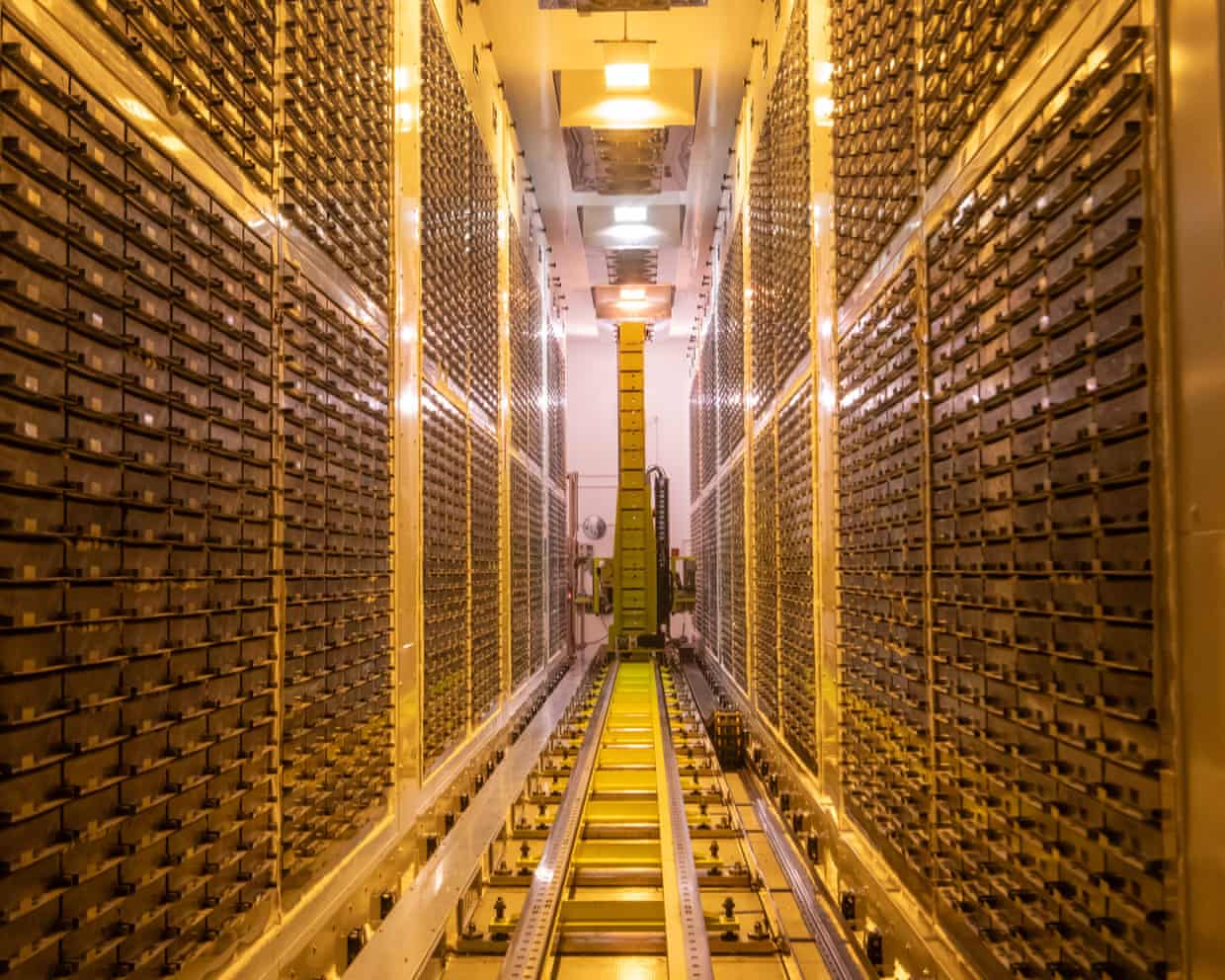
Private health records of half a million Britons offered for sale on Chinese website
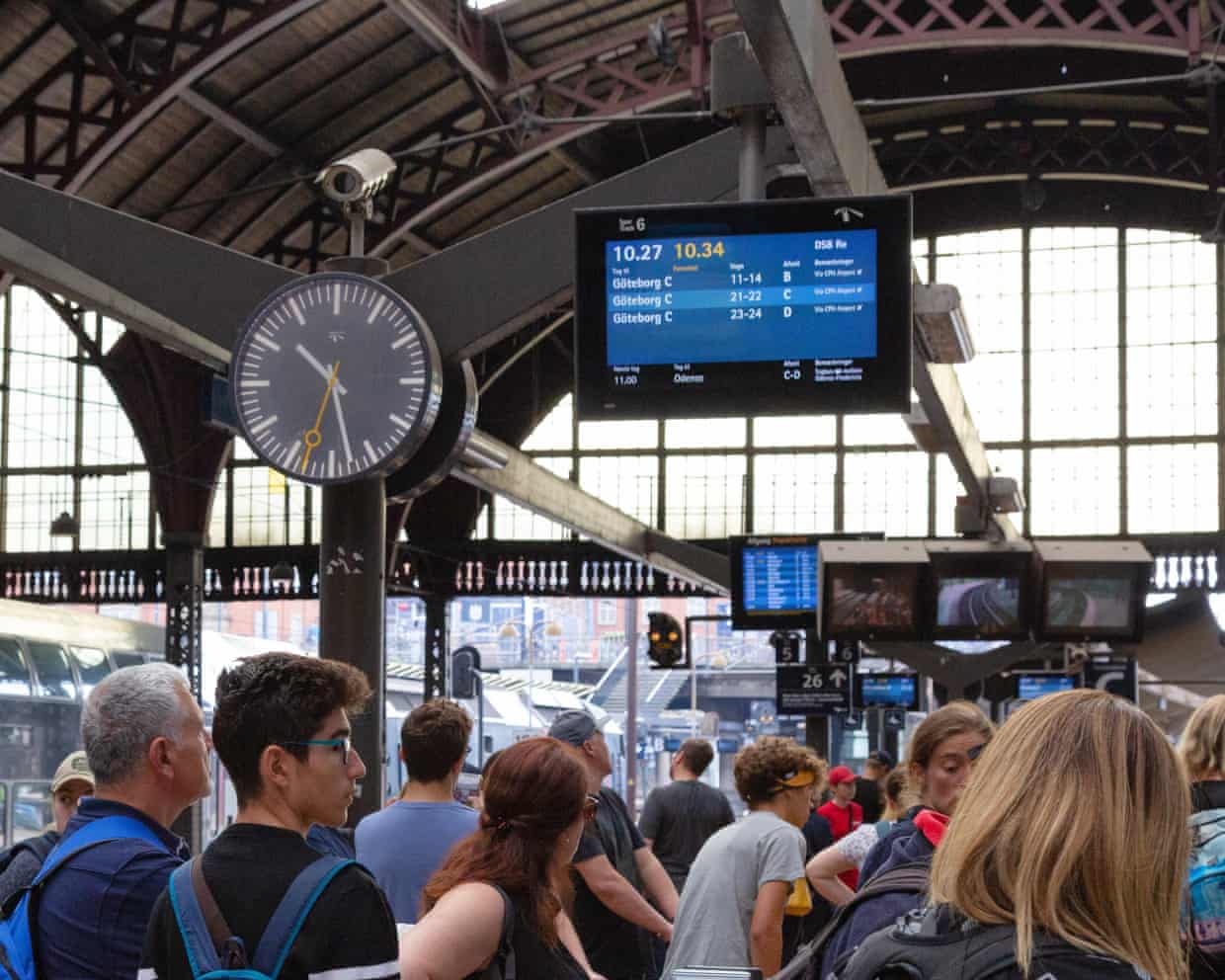
Some Interrail travellers told to cancel passports as hacked data posted online

Sportradar’s share price falls after reports claim it had links to hundreds of illegal gambling sites
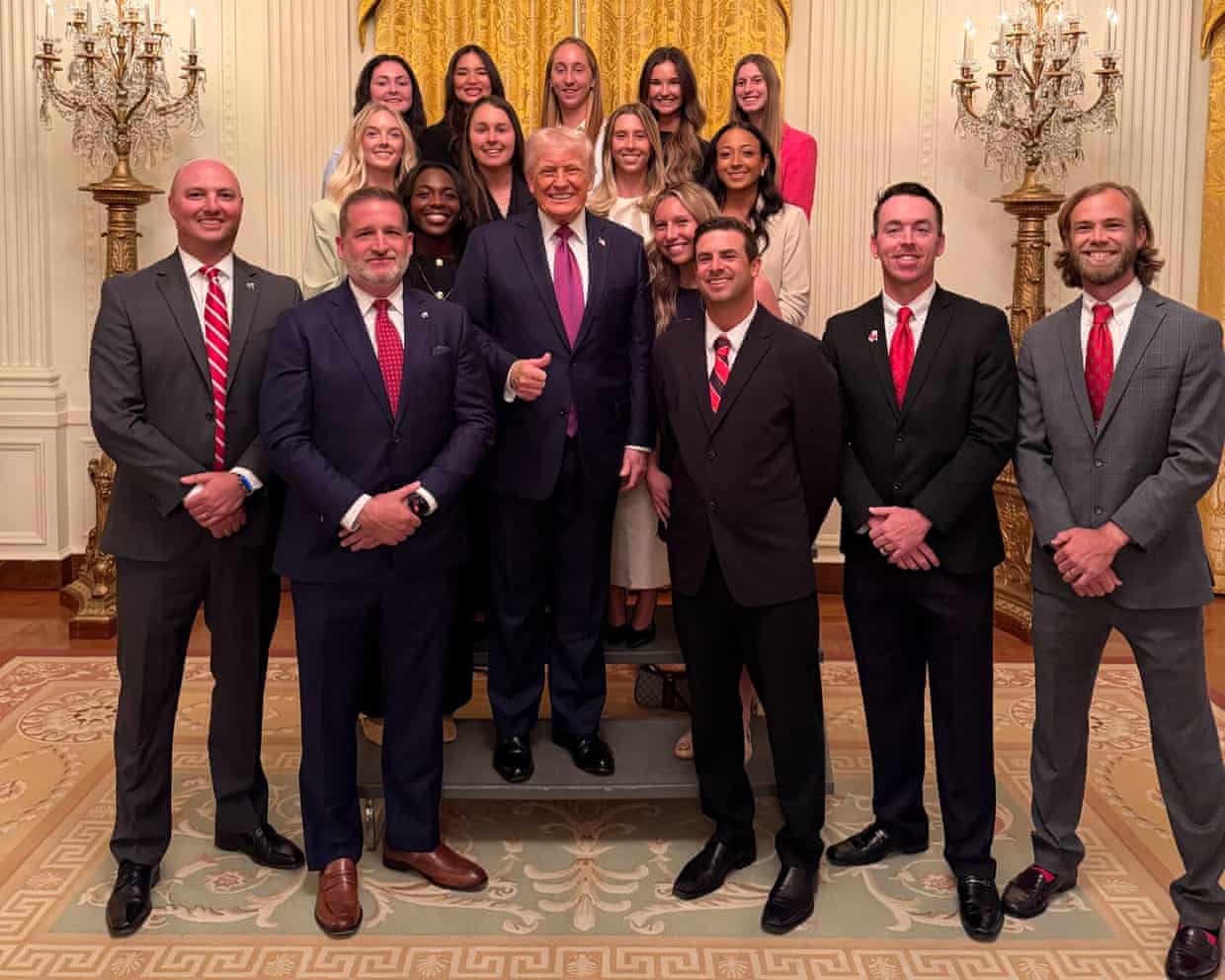
‘Worth a thousand words’: Trump photo obscuring women’s tennis team sparks backlash