Oil price dips below $100 a barrel after Trump claims Iran wants deal
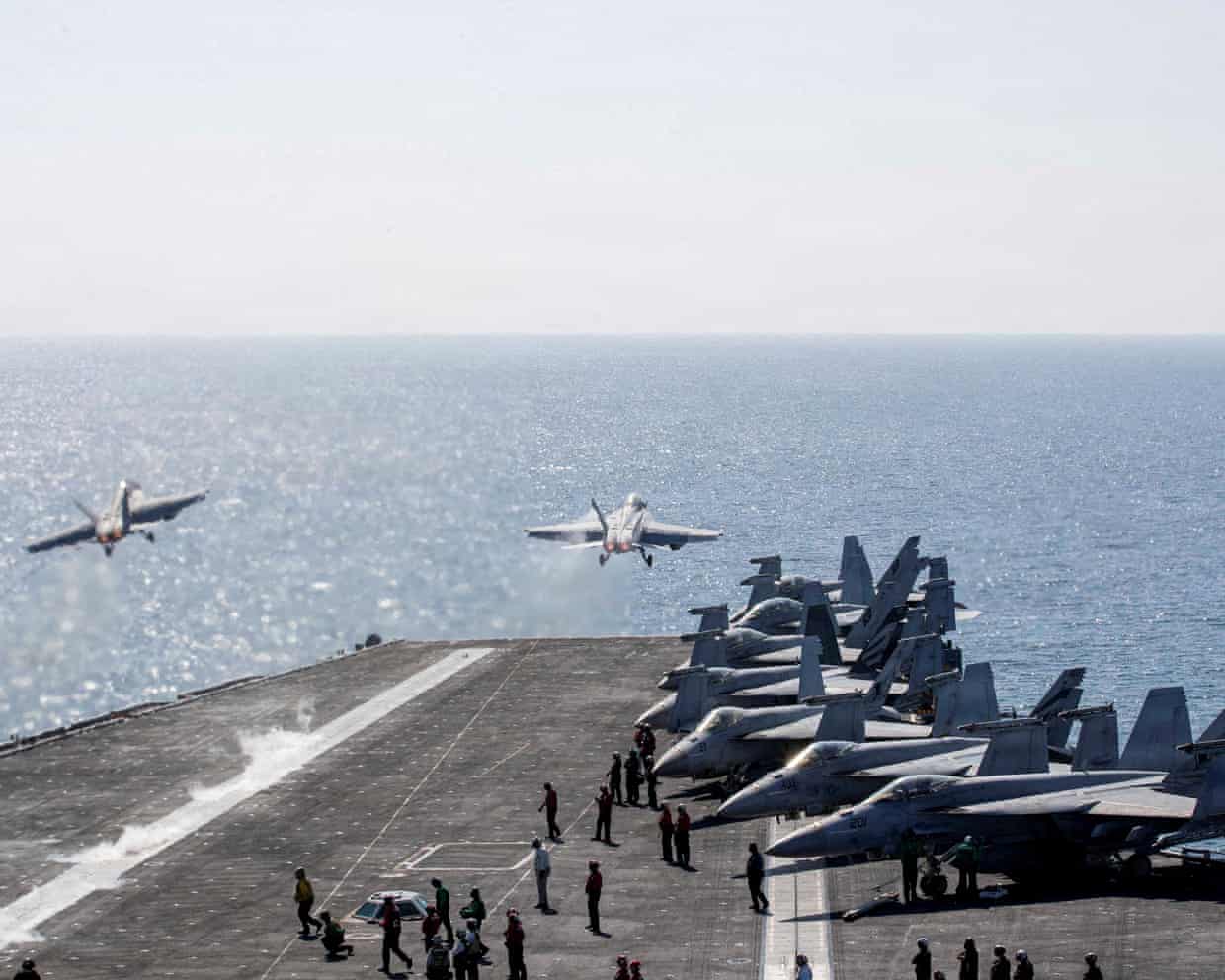
Oil prices have fallen back after briefly rising to above $100 a barrel as Donald Trump claimed Iran had made contact and wanted “very badly” to strike a deal in the face of his blockade of the strait of Hormuz.The Brent crude international benchmark rose above the key psychological threshold earlier in the day, at one point up 6.9% to $101.70 a barrel on news of the US president’s plan to block the waterway to Iranian marine traffic.However, it later eased back to a little over $99 a barrel after Trump said the blockade had come into force at 10am ET (3pm BST) and the Iranians had subsequently got in touch.
Speaking outside the White House, he said: “I can tell you we’ve been called by the other side.They’d like to make a deal very badly … We’ve been called this morning by the right people, the appropriate people.It came after he posted on his Truth Social platform that Iranian attack ships coming near the blockade would be “eliminated”.Gas prices increased on Monday, with the British wholesale gas contract for May jumping by almost 12% earlier in the day before later easing to settle more than 5% up at 114.8p per therm.
Analysts at JPMorgan Chase said last week they expected oil prices to stay high in the second quarter, above $100 a barrel, before easing in the second half of the year.Meanwhile, Trump’s energy secretary, Chris Wright, said on Monday that oil prices were likely to hit their peak in the coming weeks after ship traffic resumed through the strait of Hormuz.Most Asian stock markets fell on Monday, with Japan’s Nikkei down 0.7% and Hong Kong’s Hang Seng index losing 1%, while Chinese stocks rose slightly.Sentiment was helped by Beijing’s announcement of a 10-initiative strategy aimed at deepening ties with Taiwan.
European stocks also declined slightly.The FTSE 100 index in London lost 0.2%, Germany’s Dax and France’s Cac 40 both lost 0.3% and Spain’s Ibex fell 1%.With large numbers of oil tankers remaining stuck in the Gulf, the ceasefire had raised hopes that ships could get moving again.
But Trump announced a blockade of the strait on his Truth Social platform on Sunday after peace talks between Washington and Tehran held in the Pakistani capital ended after 21 hours without a deal.Russ Mould, investment director at the broker AJ Bell, said: “Investors are trying to gauge whether a fragile ceasefire will hold, and they are waiting to see the next moves from Tehran and Washington.Against this backdrop, oil above $100 per barrel is no surprise and the longer it persists at this level, the greater the scars for the global economy.“The stagflation word is being widely aired once again as geopolitical turmoil threatens to stymie international growth and stoke inflationary pressures.”Priyanka Sachdeva, a senior market analyst at the broker Phillip Nova, said: “In today’s environment, every barrel of risk added to oil markets carries an inflation price tag for the global economy.
”Interest rate expectations have shifted again; investors now see an 84% chance of two rate increases from the Bank of England this year to tackle rising inflation, up from 60% on Friday.Before the Iran war, the central bank was expected to cut rates.The price of gold fell 0.5% to $4,723 an ounce as the blockade fuelled inflation concerns, prompting traders to scale back expectations for Federal Reserve rate cuts this year.Michael Brown, a senior research strategist at the broker Pepperstone, said: “While crude has advanced, and stocks slipped a touch, the overall market reaction to the weekend news of a US navy blockade of the strait of Hormuz has been relatively contained, as participants view the move largely as a negotiating gambit from president Trump.
”More than 32 million people worldwide could be plunged into poverty by the economic fallout from the Iran war, with developing countries expected to be hit hardest, according to a report released by the UN Development Programme on Monday,
Qantas cuts domestic flights and raises fares as travel patterns shift due to Middle East turmoil
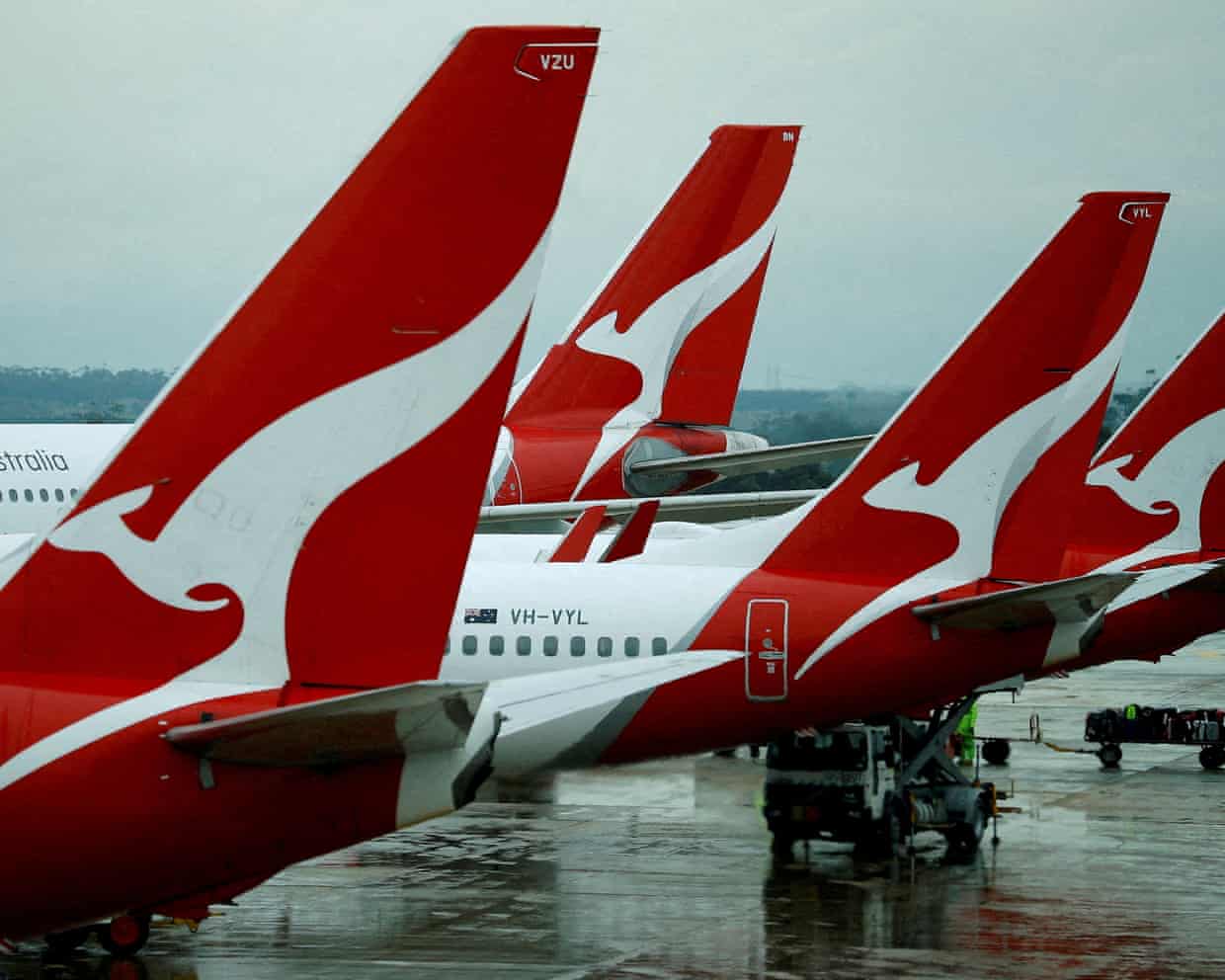
Qantas has lifted fares and cut domestic flights amid a surge in travel demand away from airlines that transit through the troubled Middle East.The Australian airline says it has redeployed capacity from its US and domestic network to take advantage of the strong interest in Europe-bound travel – in particular to Paris and Rome – according to a market update released on Tuesday.Qantas plans to cut capacity across Qantas and Jetstar’s domestic network by about 5% in May and June. This includes reducing the frequency on key routes between state capital cities, and cutting flights on some regional services.Persian Gulf carriers – including Emirates, Etihad and Qatar airlines – have been reducing services due to the Iran conflict, prompting passengers to seek alternatives

Holidays take a hit as UK cost of living fears and Iran war bite
UK consumers have cut back on travel spending for the first time in five years, as they worry about the rising cost of living amid the Iran war.Overall consumer card spending increased 0.9% year on year in March, down from February’s 1%, according to data from Barclays.Travel spending fell by 3.3% last month, the first decline recorded by the lender since March 2021, as people postponed trips abroad or opted to holiday domestically
The UK needs more North Sea gas; imports from the US are the real enemy | Nils Pratley
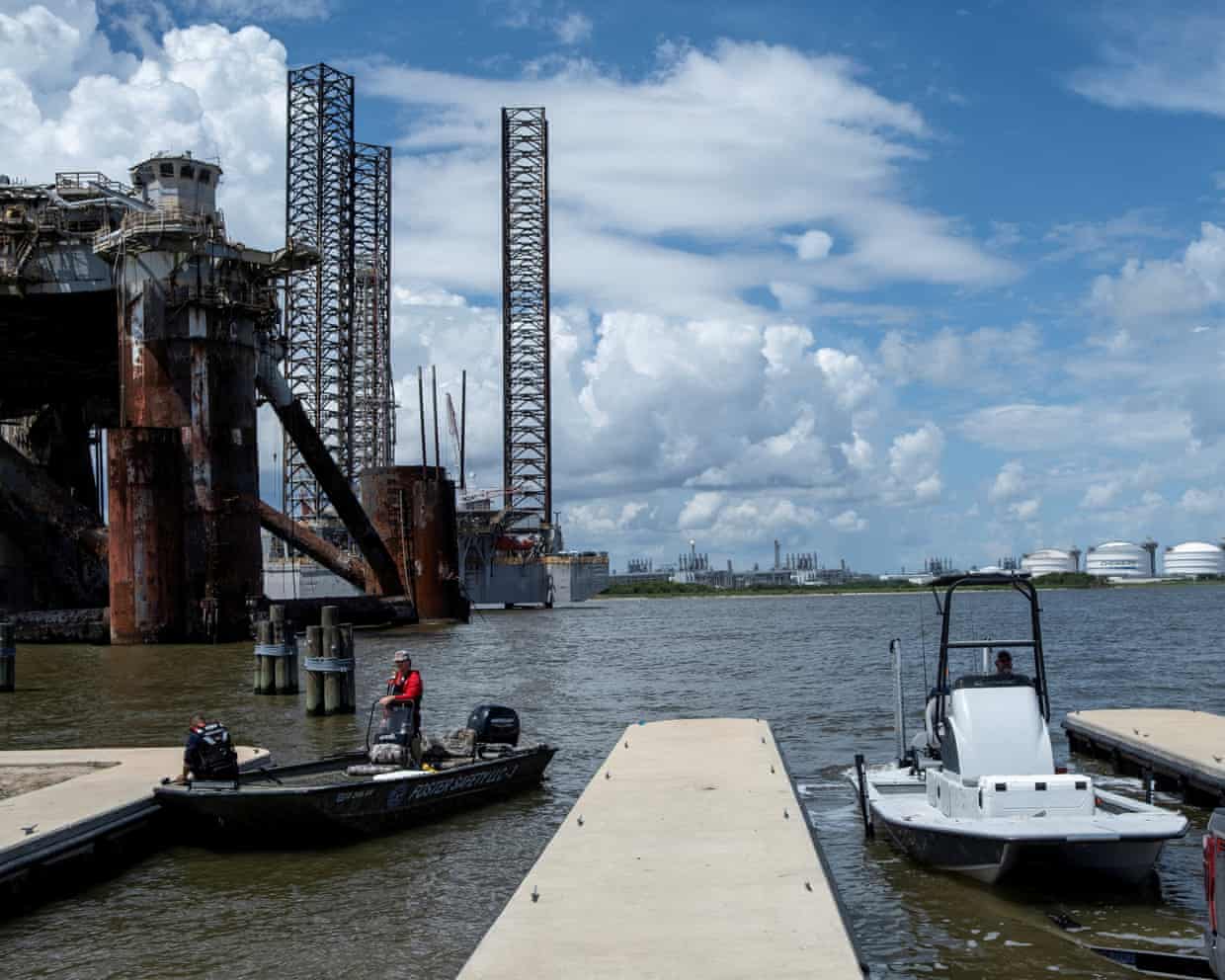
Terrific news: despite turmoil in the strait of Hormuz, the UK will have sufficient supplies of gas to meet demand this summer, said National Gas, which operates the gas transmission system, on Monday.But contain your relief. The summer months of lower usage were never likely to be a moment of stress. Gas via pipelines from the UK and Norwegian fields in the North Sea can handle virtually all UK demand when most of the 24m households with a gas connection have their heating turned off. Little liquefied natural gas, or LNG, the stuff that arrives on ships, is needed during the summer
Oil price dips below $100 a barrel after Trump claims Iran wants deal
Oil prices have fallen back after briefly rising to above $100 a barrel as Donald Trump claimed Iran had made contact and wanted “very badly” to strike a deal in the face of his blockade of the strait of Hormuz.The Brent crude international benchmark rose above the key psychological threshold earlier in the day, at one point up 6.9% to $101.70 a barrel on news of the US president’s plan to block the waterway to Iranian marine traffic.However, it later eased back to a little over $99 a barrel after Trump said the blockade had come into force at 10am ET (3pm BST) and the Iranians had subsequently got in touch
Goldman Sachs chief ‘hyper-aware’ of risks from Anthropic’s Mythos AI
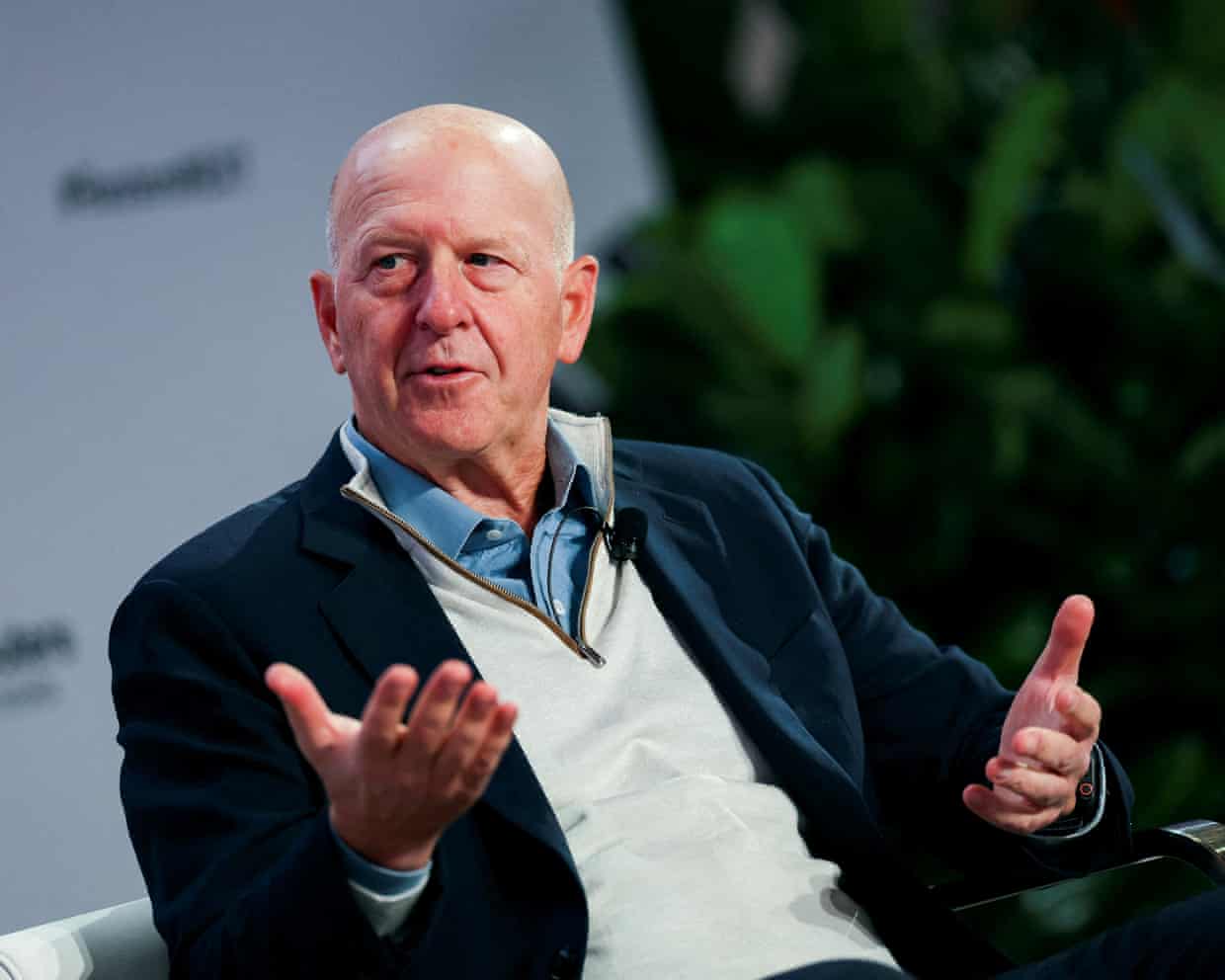
Goldman Sachs’s chief executive, David Solomon, has said he is “hyper-aware” of the capabilities of Anthropic’s Mythos AI model and is working “closely” with the tech firm after it issued warnings about the cybersecurity risk it poses.The US bank had been monitoring the rapid advances in artificial intelligence, including large language models (LLMs), as part of wider efforts to protect itself from hackers.“Obviously the LLMs are making rapid progress and we’re hyper-aware of the enhanced capabilities of these new models with the help of the US government and the model publishers,” Solomon told analysts on an earnings call on Monday.That included Anthropic, the company behind the Claude family of AI tools. Last week it claimed that its latest model, Mythos, posed an unprecedented risk because of its ability to expose flaws in IT systems
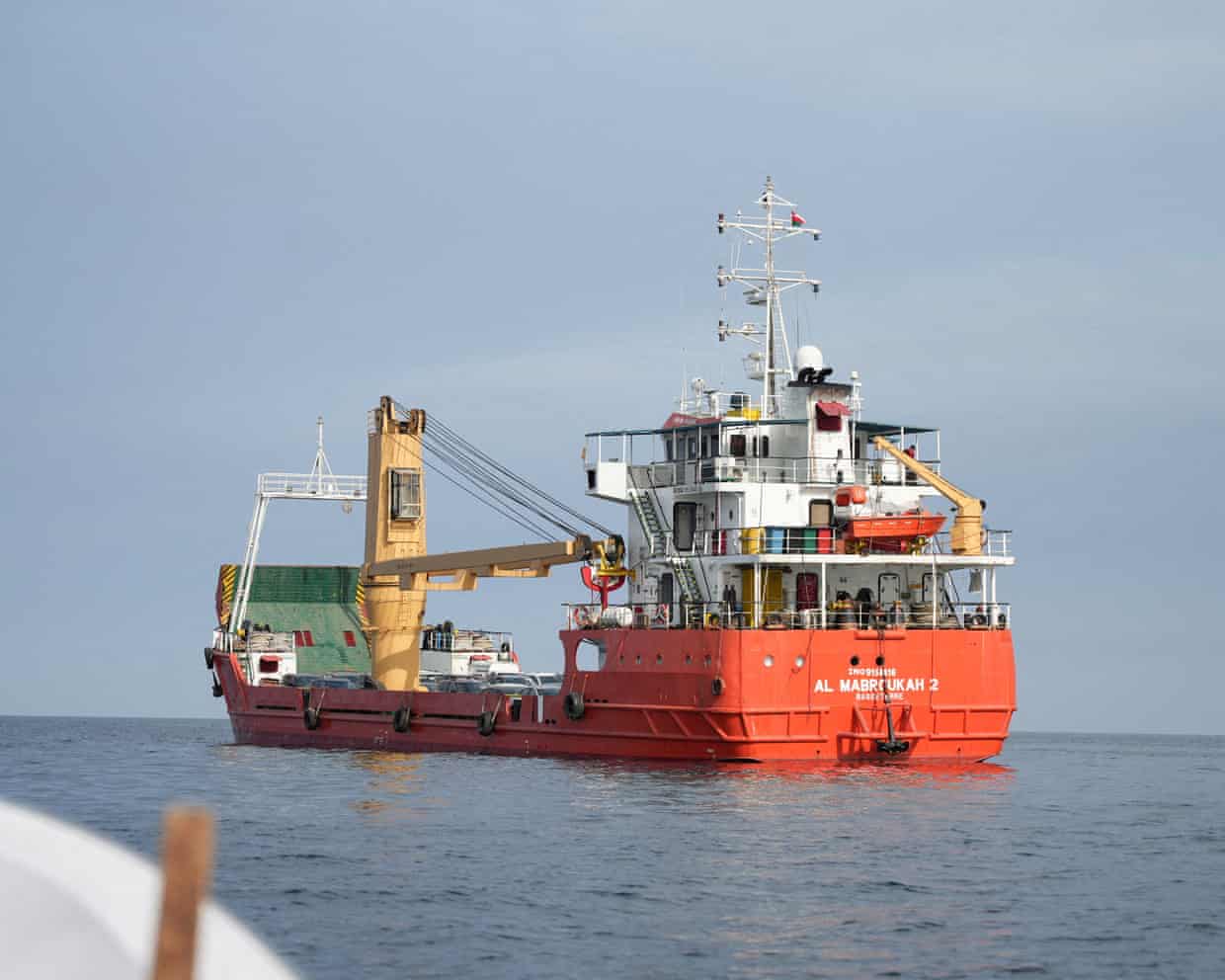
Oil price tops $100 a barrel as US blockades strait of Hormuz; Goldman Sachs posts rise in profits – as it happened
Time to wrap up…Oil prices have jumped back above $100 a barrel and global stocks fell after weekend talks between the US and Iran ended without an agreement and Donald Trump imposed a blockade of the strait of Hormuz.The US president announced the blockade on Sunday, targeting Iranian vessels and ships that have paid a toll to Iran for passage through the strait, in an attempt to choke off the flow of Iranian oil.US Central Command said it would start blocking all Iranian Gulf ports and coastal areas from 3pm UK time, in effect seizing control of maritime traffic in the strait of Hormuz.Trump said on Monday afternoon that ships coming near the blockade would be “eliminated”, warning Iran not to send its “fast attack ships”:double quotation markWarning: If any of these ships come anywhere close to our BLOCKADE, they will be immediately ELIMINATED, using the same system of kill that we use against the drug dealers on boats at Sea. It is quick and brutal
Iran war leads to biggest jump in global energy inflation in at least 25 years – business live
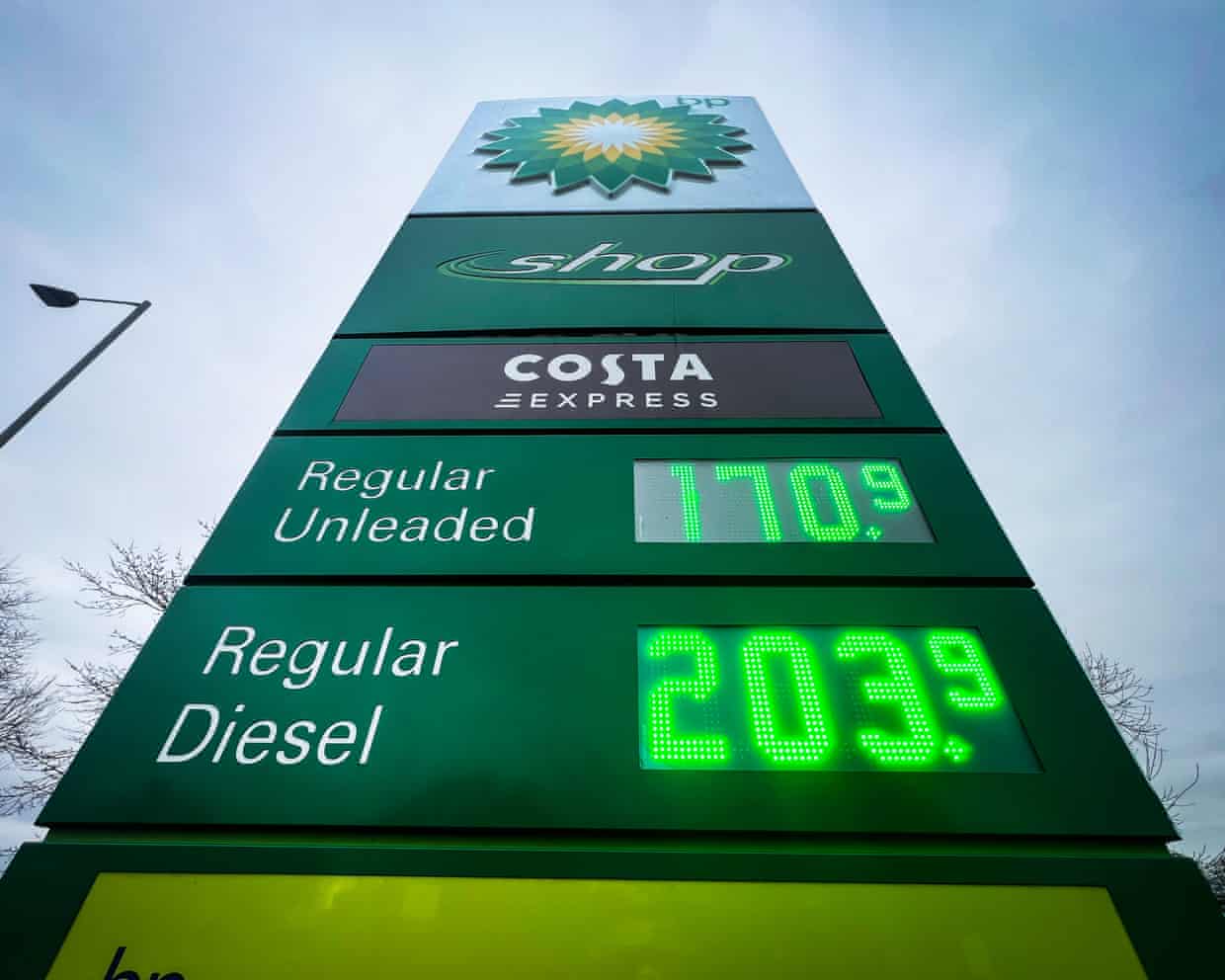
BP hails ‘exceptional’ trading as oil prices soar in Iran war

Don’t make Marshal Foch’s mistake on AI | Letters

Meta creating AI version of Mark Zuckerberg so staff can talk to the boss

Welcome to The Hotspot, our new newsletter on sport’s relationship with the climate crisis

The Breakdown | Will Bath or anyone else stop the Bordeaux Bègles juggernaut in Europe?