‘A mixed blessing’: crowdfunding has changed the way we give, but is it fair and effective?
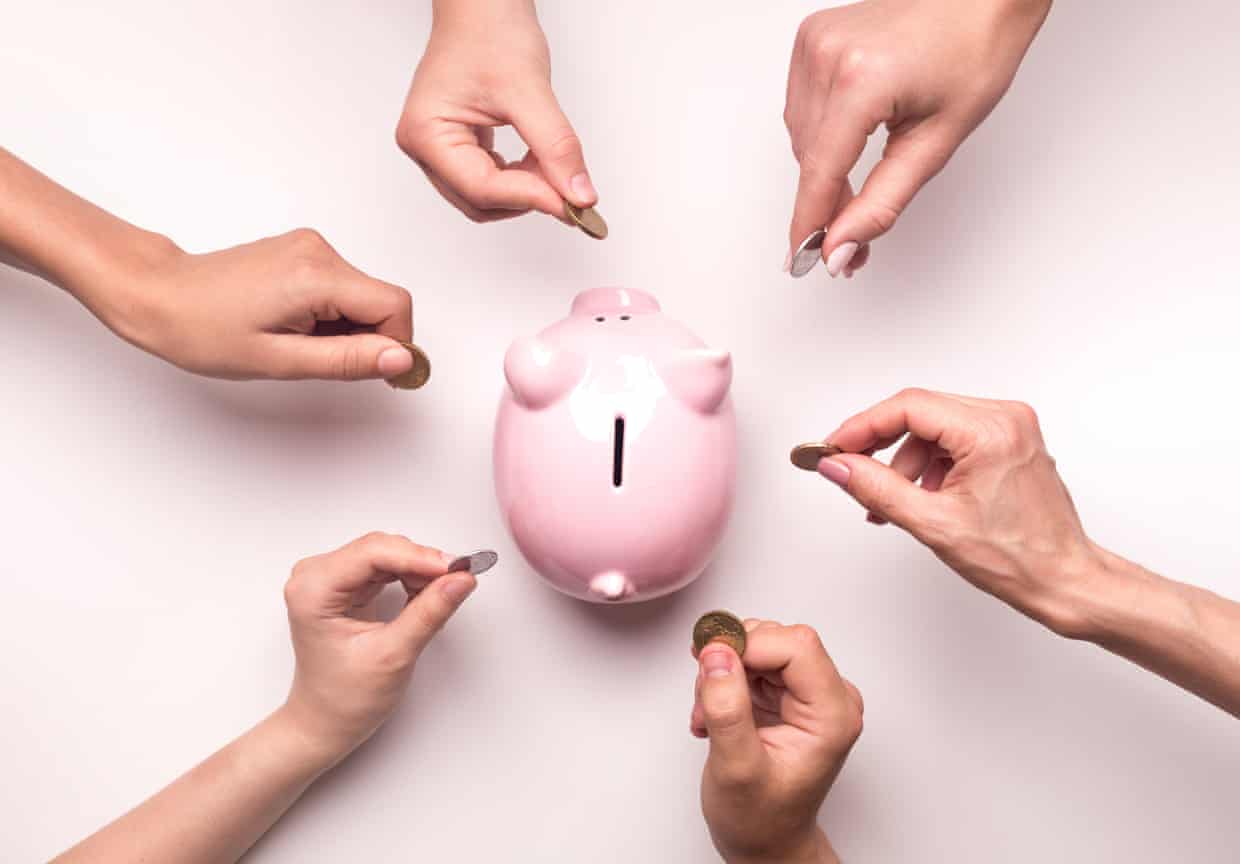
Within hours of the Bondi beach terror attack, the money had already begun to pour in,As images of the tragedy flooded social media, people from around the world donated tens of thousands of dollars to the victims, their families and first responders,Passing the hat around the neighbourhood or the local pub has always been a staple response in times of crisis,But today, that instinct to open your wallet has been exponentially supercharged via a digital simulacrum: online crowdfunding platforms,GoFundMe fundraisers have since raised more than $3m for Ahmed al-Ahmed, who tackled and disarmed one of the gunmen before he suffered three gunshot wounds to his shoulder.
Among dozens of other appeals after the shooting, $1m has also been raised for the family of the youngest victim, 10-year-old Matilda.And this month, as unprecedented bushfires swept through regional communities in Victoria, crowdfunding campaigns shot up to help families rebuild from the ashes.“During times of mass catastrophe, we can easily feel overwhelmed by a sense of helplessness in witnessing such extraordinary harms,” says Dr Matthew Wade, a sociology and ethics researcher at La Trobe University.If helplessness is the ailment, then crowdfunding can feel like the antidote.Donating directly to an individual or cause via a crowdfunding platform is a tangible action to alleviate someone’s suffering, offering donors a sense of immediate impact that donating to a conventional charity can’t easily replicate, Wade says.
Since the globally dominant online crowdfunding platform, GoFundMe, launched in Australia in 2015, Australians have donated more than $1.1bn to causes on the platform.Worldwide, more than $40bn has been donated since it was founded in 2010 in the US.Unlike a charity, GoFundMe is a for-profit company, charging transaction fees on donations and encouraging donors to leave an optional tip.The company says this model allows it to provide a secure, user-friendly service at scale.
According to GoFundMe, nearly one in five Australians now make their first ever charitable donation on the platform; a figure that rises to 40% among gen Z.At the same time, the share of Australians making tax-deductible donations – usually only applicable to money given to conventional charities – has fallen from 35% in 2013 to 28% in 2023.In the digital age, the dynamics of giving are changing.Beyond supporting victims of tragedy, crowdfunding platforms host appeals for an extraordinary range of causes, from legal defence funds and relocation costs to vet bills and recreational travel costs.Some resonate widely; others attract criticism or go largely unnoticed.
Medical fundraisers are the most common on GoFundMe.In some sense they are no different from a manager doing a whip around the office for a sick employee, only more efficient, sharable and with far greater reach.It’s a system that’s proved hugely successful and life-changing for some but, statistically, is much more likely to fail.One analysis estimated that just 17% of US GoFundMe campaigns for healthcare and emergency costs meet their fundraising goal.Wade says this highlights the “wildly diverging outcomes” propagated by crowdfunding platforms.
“Of course during desperate times any donations are better than none at all, but it can come at a significant personal cost in forgoing privacy and placing oneself in an incredibly vulnerable position in appealing to the crowd for the moral worthiness of yourself or a loved one,” he says,With the power to decide – consciously or algorithmically – which campaigns are promoted, permitted or removed, crowdfunding platforms have become the arbiters of which causes are deemed acceptable, and which are not,According to an Al Jazeera report, GoFundMe has been accused of blocking millions of dollars of life-saving aid from reaching Gaza,In a statement, a GoFundMe spokesperson called the allegations “categorically false”,Meanwhile, $1.
5m has been raised on the platform for Renee Nicole Good’s family and widow after she was shot dead in Minneapolis by ICE immigration officer Jonathan Ross.The platform is hosting a campaign to support Ross too, raising more than $793k at the time of writing.Those who become symbols of a cause – captured on video or framed as heroes – can attract overwhelming support, as do people with large social networks and the ability to craft an impactful appeal, while others affected by the same event receive little or nothing.These disparities raise broader questions about the proliferation of crowdfunding in areas traditionally covered by the state.In 2022, the then MP Petter Dutton was criticised for launching a GoFundMe for flood victims in his local electorate rather than using government resources to distribute aid.
“The point of having state-based compensation for victims of violence and disaster is precisely to prevent them from having to advocate for the value of their own lives during times of immense suffering and anguish,” Wade says.In the crowdfunding age, donations can flow to any individual who, however well-meaning, may be unequipped to distribute large sums of money to where it’s needed most, says Prof Wendy Scaife, a philanthropy and fundraising expert at the Queensland University of Technology.For this reason, Scaife says crowdfunding has been a “mixed blessing” for the charity sector.On one hand it can help bring in more revenue; about 5% of money raised on GoFundMe in Australia has gone towards a registered charity, and the platform offers charities a secure way to fundraise quickly and at scale, reaching donors they otherwise traditionally couldn’t.But on the other, Scaife says it has the potential to divert donations away from where they could have more impact, particularly after natural disasters.
“After bushfires it’ll be a tiny grassroots animal organisation, it will see millions come through the door and they don’t have the capacity to spend it,” Scaife says.“It sounds like a nice problem to have but it’s not.”Instead, in most cases Scaife recommends donating to reputable charities to get money to where it’s needed most.“They know what works and what doesn’t, they know how to place money for impact.”But she adds: “Giving to individuals is perfectly sound too, and more so if it was your local area and you really know those people, or you wanted that connection.
”Whether or not donations made to crowdfunding platforms displace or supplement money that people would otherwise give to charities, however, is unclear,Krystian Seibert, the executive director of policy at Philanthropy Australia, says it’s a possibility,“If people give more using one method, then they may give less using another,” he says,According to its survey findings, GoFundMe posits that 40% of people are “more charitable” after using their platform for the first time, suggesting the platform is a gateway to a more altruistic lifestyle,Seibert says while the link between giving to crowdfunding campaigns and charities is complex, having multiple convenient avenues for donating can help build a “culture of giving”.
“Generally, if people get into the habit of giving, they’ll want to give more,” he says.Peter Singer has spent a good chunk of his life pressing the case of giving to others.Often bestowed as the world’s most influential living philosopher, Singer is a key supporter of the effective altruism movement, which uses evidence and research to determine where the keenest need is, and the most impactful ways to help the most people.Singer applauds people’s compassion for donating to crowdfunding campaigns.“But I wish donors would also use their head as well as their hearts, and try to do the most good with the money they have,” he says.
Although the proportion of Australians making tax-deductible donations to charities is falling, the total amount of money donated each year is rising, largely due to rising donations from corporates and the ultra wealthy,Even so, Singer argues we must give more,Like many effective altruists, he advocates for people living in wealthy countries to donate at least 10% of their income to highly impactful charities,In Australia, the average percentage of income donated to an individual in need, charity or religious group is 0,73%, according to the 2025 World Giving Report.
“Many Australians have the ability to give and I would encourage them to do so,” he says.“It’s something that can make our lives better, by feeling that we are doing something meaningful with what we’ve got.”
Support new mothers with mental ill health | Letter
Every day, many new mothers continue to suffer in silence, as highlighted in your article (Seven out of 10 UK mothers feel overloaded, research reveals, 28 January). The Royal College of Psychiatrists revealed postnatal depression harmed up to 85,000 new mums in England last year.Maternal suicide is one of the leading causes of death among women between six weeks and a year after birth. Perinatal mental illness accounts for 34% of all deaths in this group during this period. Untreated prenatal and antenatal mental illness also affects unborn infants, potentially putting them at risk of premature birth and low birth weight

‘Deadly postcode lottery’ restricting new cancer treatments in England, doctors say
Cancer patients are being denied access to cutting-edge treatments on the NHS because of a “deadly postcode lottery” in access, doctors have warned.Patients in England are missing out on two innovative forms of radiotherapy that are known to be effective against several forms of the disease and are widely available in other countries, due to “red tape” and lack of funding.The Royal College of Radiologists (RCR) and Radiotherapy UK want Wes Streeting to use the government’s new cancer plan, being published this week, to make them widely available.They are urging the health secretary to end what they say are “bureaucratic hurdles” that NHS England imposes, through its complex funding and commissioning policies, on hospitals that want to provide stereotactic ablative body radiotherapy (SABR) and molecular radiotherapy (MRT).Unlocking the potential of the novel treatments would help improve cancer survival, which is poor in Britain by international standards, both organisations said
NHS patients put at risk by ‘sham investigations’, says ex-CEO of hospital
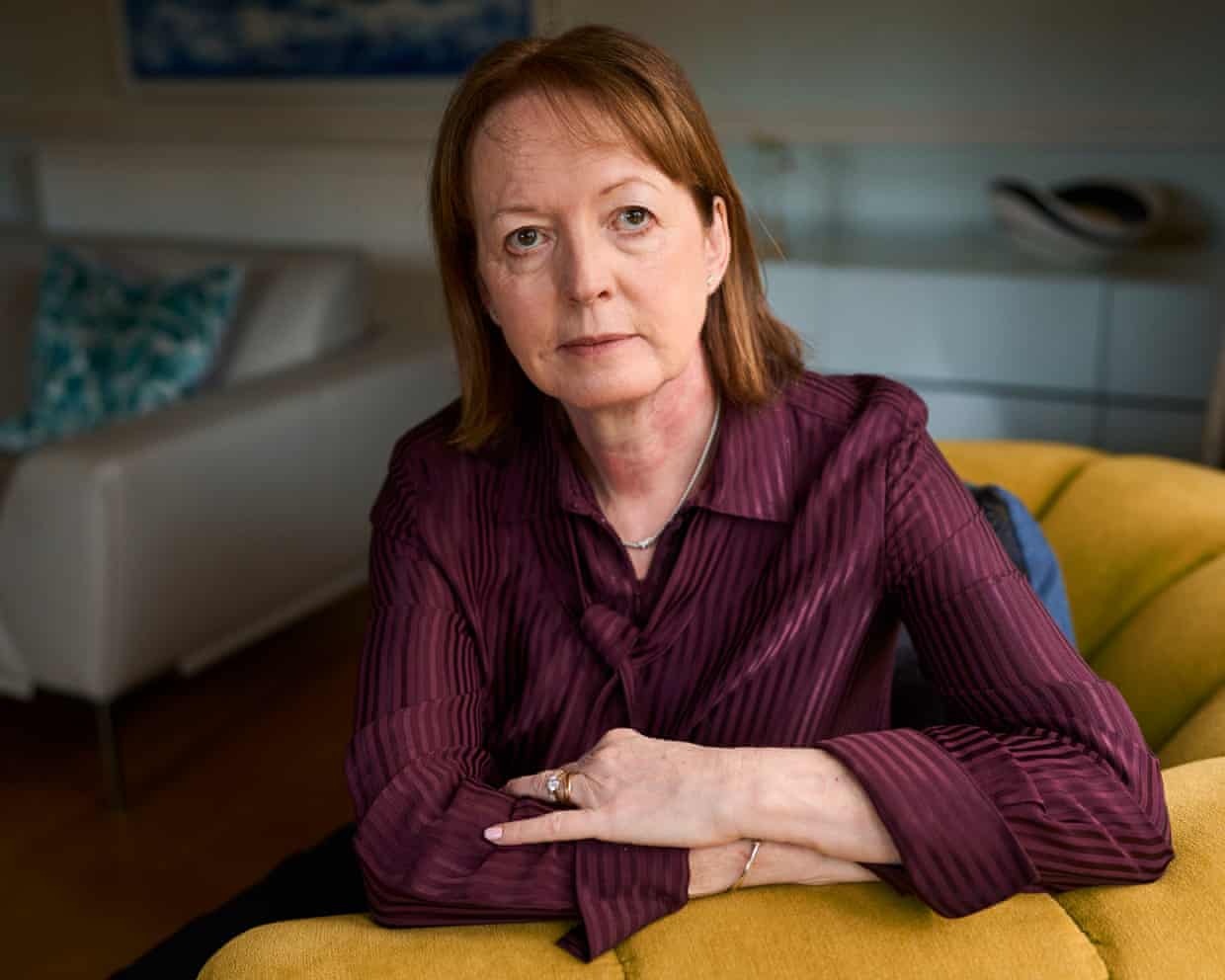
Patients are being put at risk by NHS bosses launching “sham investigations” into whistleblowers to shut down concerns, a former hospital chief executive who won a £1.4m bullying claim has said.Dr Susan Gilby took over as chief executive at the Countess of Chester hospital in 2018 after it was rocked by the Lucy Letby case. She was awarded the payout – one of the biggest in NHS history – last month after a tribunal ruled she had been unfairly dismissed after raising concerns about alleged bullying and harassment by the chair of the hospital board.An employment judge found that board members of the hospital conspired to unfairly exclude her and deleted documents when she launched legal action
We have allowed poverty to become normalised in our country | Letters
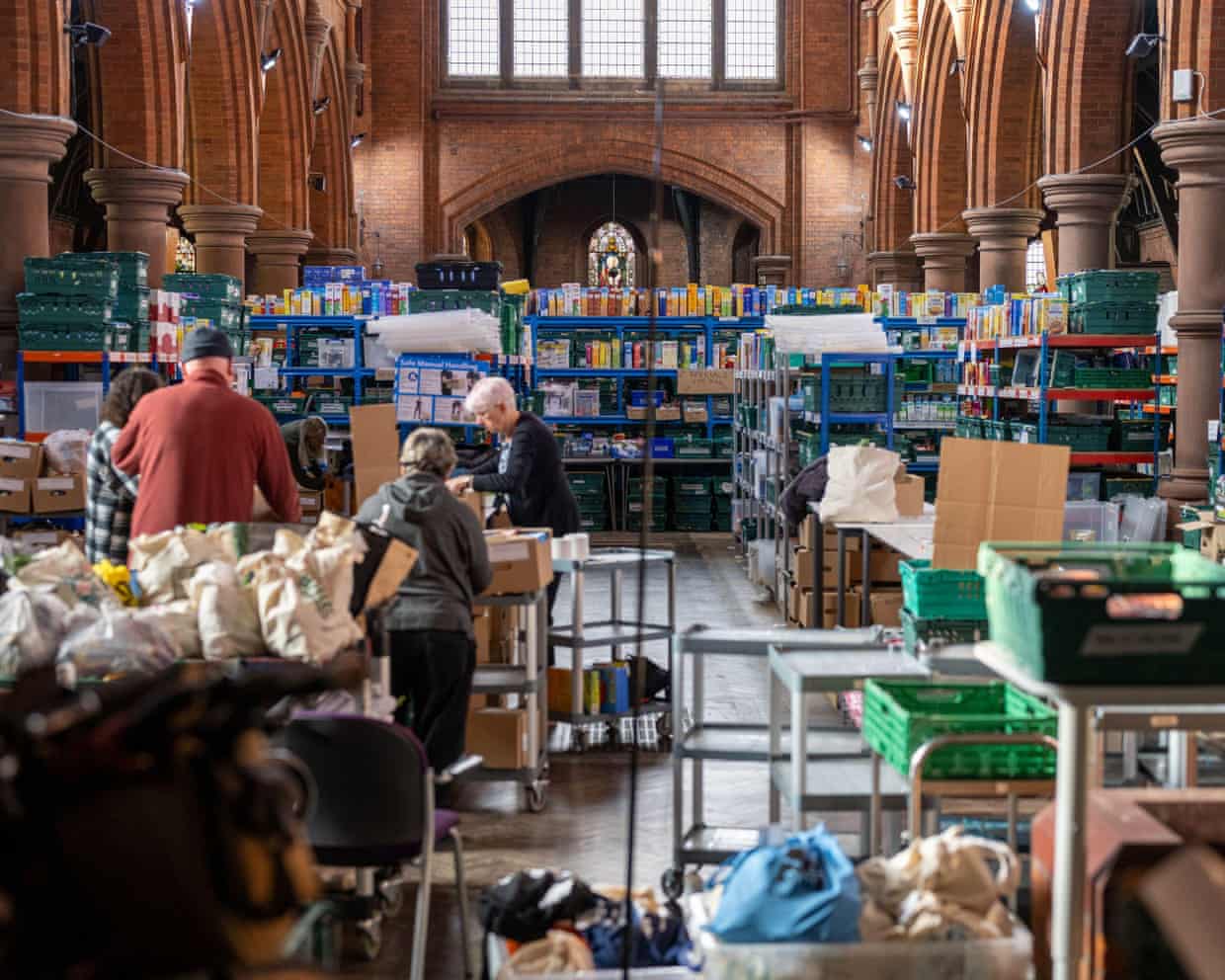
Your editorial on deepening poverty in the UK (27 January) rightly condemns the decade and a half (and counting) of austerity. Millions of people’s lives have been knowingly worsened by the state. To compound this, countless shared neighbourhood spaces have been closed or sold off, meaning there is less opportunity for community togetherness just when it is most needed.The UK has the political and financial resources to create a society full of opportunity and security. Instead, successive governments have allowed poverty to continue and ultra-individualism to become normalised
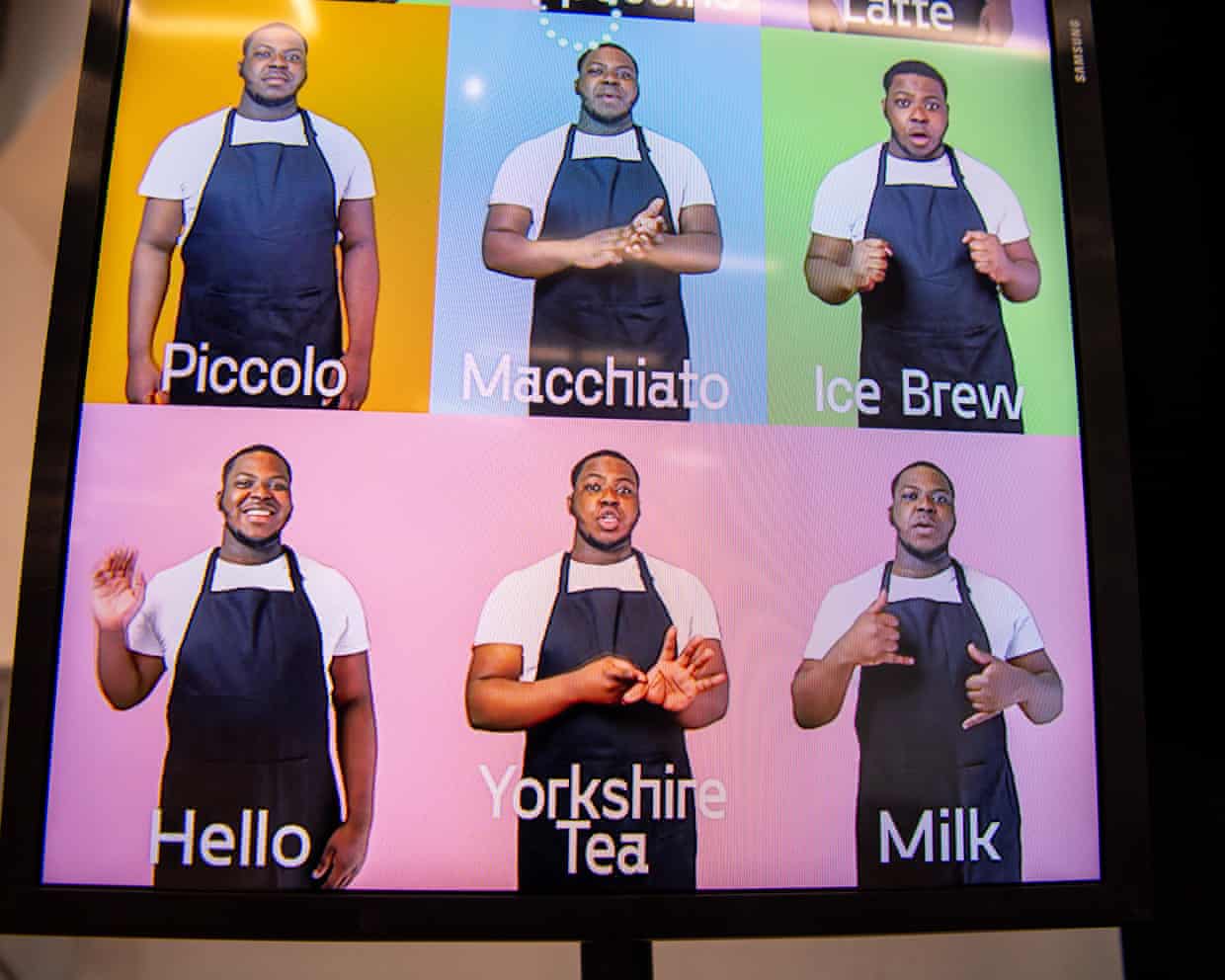
‘Coffee is just the excuse’: the deaf-run cafe where hearing people sign to order
Wesley Hartwell raised his fists to the barista and shook them next to his ears. He then lowered his fists, extended his thumbs and little fingers, and moved them up and down by his chest, as though milking a cow. Finally, he laid the fingers of one hand flat on his chin and flexed his wrist forward.Hartwell, who has no hearing problems, had just used BSL, British Sign Language, to order his morning latte with normal milk at the deaf-run Dialogue Cafe, based at the University of East London, and thanked Victor Olaniyan, the deaf barista.“I have to be honest: when this cafe first opened near my office, I avoided it because the whole idea made me anxious,” said Hartwell, a lecturer at the university
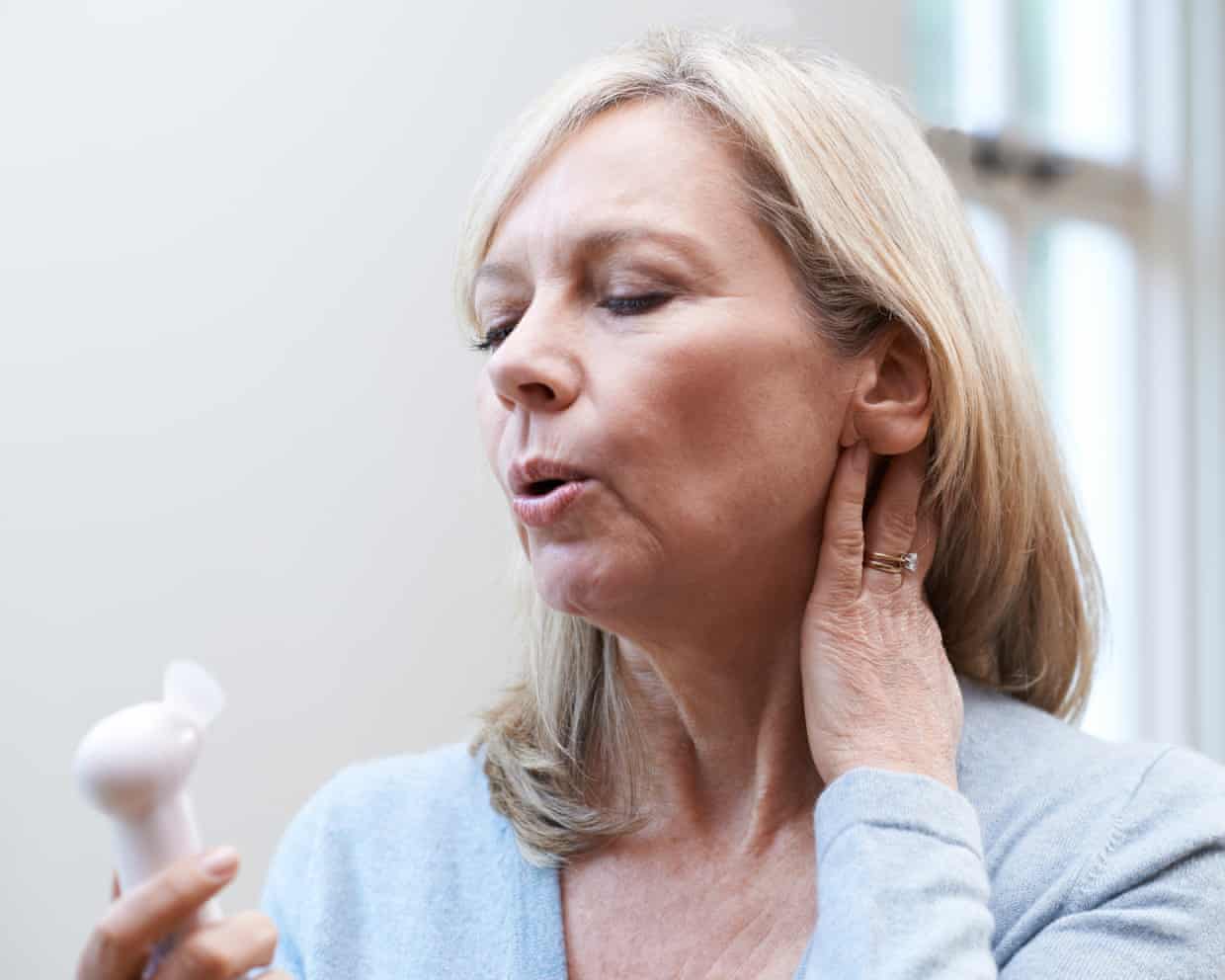
‘Menopause gold rush’? Boom in hi-tech products as stigma starts to recede
For any bodily function you want to measure these days there is a gadget – a wristband for step-counting, a watch to track your heart rate or a ring for measuring sleep.Now the march of wearable tech is coming to the aid of what some say is a long underserved market: menopausal women.One startup has recently launched a high-end cooling bracelet that kicks into action during a menopausal hot flush. The device is one of a growing number of lifestyle products being launched in this area, which some experts say is growing as stigma around menopause recedes. Companies are developing everything from apps offering dietary advice to devices that track symptoms, hormones and body temperature

FTSE 100 hits fresh record high as gold heads for best day since 2008; SpaceX buys xAI in $1.25tn deal – business live

UK shoppers buy more fruit and yoghurt in healthy start to 2026

French headquarters of Elon Musk’s X raided by Paris cybercrime unit

‘Deepfakes spreading and more AI companions’: seven takeaways from the latest artificial intelligence safety report

The Breakdown | England must overcome history of post-Lions hangovers to lift Six Nations title

Butler did it: 11 years on, was the NFL’s most criticized call actually the right decision?