Elon Musk and Sam Altman face off in court over OpenAI’s founding mission
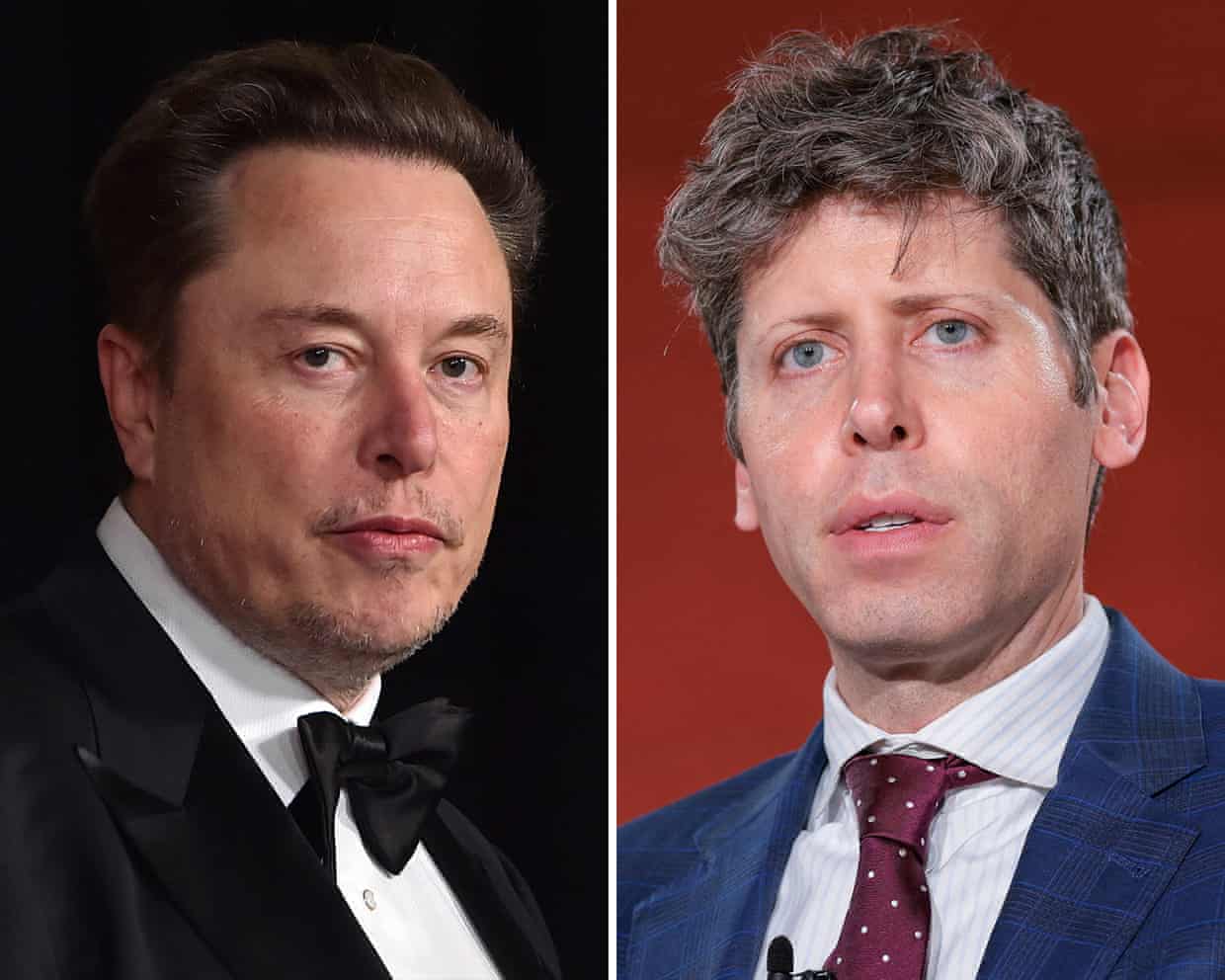
A trial between two of Silicon Valley’s biggest tycoons kicked off on Monday in California, the culmination of a years-long bitter feud.Elon Musk has accused Sam Altman of betraying the founding agreement of the non-profit they started together, OpenAI, by changing it to a for-profit enterprise.Jury selection began at a federal courthouse in Oakland with Judge Yvonne Gonzalez Rogers presiding.As she began, she assured the dozens of prospective jurors that this trial wasn’t going to be highly technical, despite it centering around artificial intelligence.“This is just a case about promises and breaches of promises, it won’t get technical at all,” she said.
Altman and Greg Brockman, the OpenAI president, were present for jury selection on Monday.Musk was not.The crux of Musk’s suit effectively accuses Altman of swindling him with the promise that OpenAI would operate as a non-profit entity focused on safety and open access to artificial intelligence.The suit alleges that once Altman and OpenAI secured Musk’s money and advanced its technology, the company “flipped the narrative and proceeded to cash in” on lucrative deals with Microsoft and the creation of a for-profit affiliate.Musk accuses Altman, Brockman, and its major partner Microsoft of breach of charitable trust and unjust enrichment in the lawsuit.
Musk had previously brought fraud claims, too, but voluntarily dropped them Friday.OpenAI has vehemently denied Musk’s allegations, saying that he agreed in 2017 that establishing a for-profit entity would be a necessary next step for the company and that Musk is “motivated by jealousy” and “regret for walking away”.The company also contests that Musk’s funding was an investment, stating that it was instead a tax deductible donation to the non-profit and does not entitle him to ownership in OpenAI.During jury selection, prospective jurors were given questionnaires that asked whether they have strong opinions about Musk and AI, among other things.The judge then asked follow-up questions.
Most people said they had negative feelings about Musk,One called the billionaire a “jerk” and another said they “disagree with a lot of things he’s done”,A self-proclaimed news junkie brought up Musk’s role in Donald Trump’s so-called “department of government efficiency” and said: “Elon doesn’t care about people … He probably cares more about money,”Some prospective jurors brought up reservations they have about AI, while others said they were fans of the technology and use OpenAI’s ChatGPT chatbot regularly,For the most part, however, all prospective jurors said they’d be able to be fair in the case.
As one said of Musk: “While I do not like him, I can definitely separate my feelings about him from the facts in the case.”The case carries sizable stakes for OpenAI, which is expected to go public later this year at about a $1tn valuation.Musk is seeking a range of remedies that include the removal of Altman and Brockman from OpenAI and more than $134bn in damages, which the tycoon says would be redistributed to OpenAI’s non-profit arm.He also wants to reverse the company’s restructuring as a for-profit entity.Altman, Musk and several other founders launched OpenAI in 2015 as a non-profit organization, with Musk providing about $38m.
Altman’s relationship with Musk turned sour around 2017, after the billionaire grew impatient with OpenAI’s progress and made a failed attempt to exert more control over the company.He left OpenAI’s board in 2018 and did not offer any more funding.During OpenAI’s post-Musk years, it launched the wildly successful ChatGPT, raised tens of billions of dollars from Microsoft and grew to be one of the world’s most valuable private companies.Altman became the face of the AI boom.As the startup sought even more investment in 2025, it gained final approval from regulators to restructure its main business into a for-profit corporation, though one technically still overseen by the original non-profit.
The trial is slated to last about three weeks, with opening statements beginning on Tuesday.Along with internal communications from Musk and key executives at OpenAI, the trial promises a who’s who of Silicon Valley on the witness stand, including Musk, Altman and the Microsoft CEO Satya Nadella.
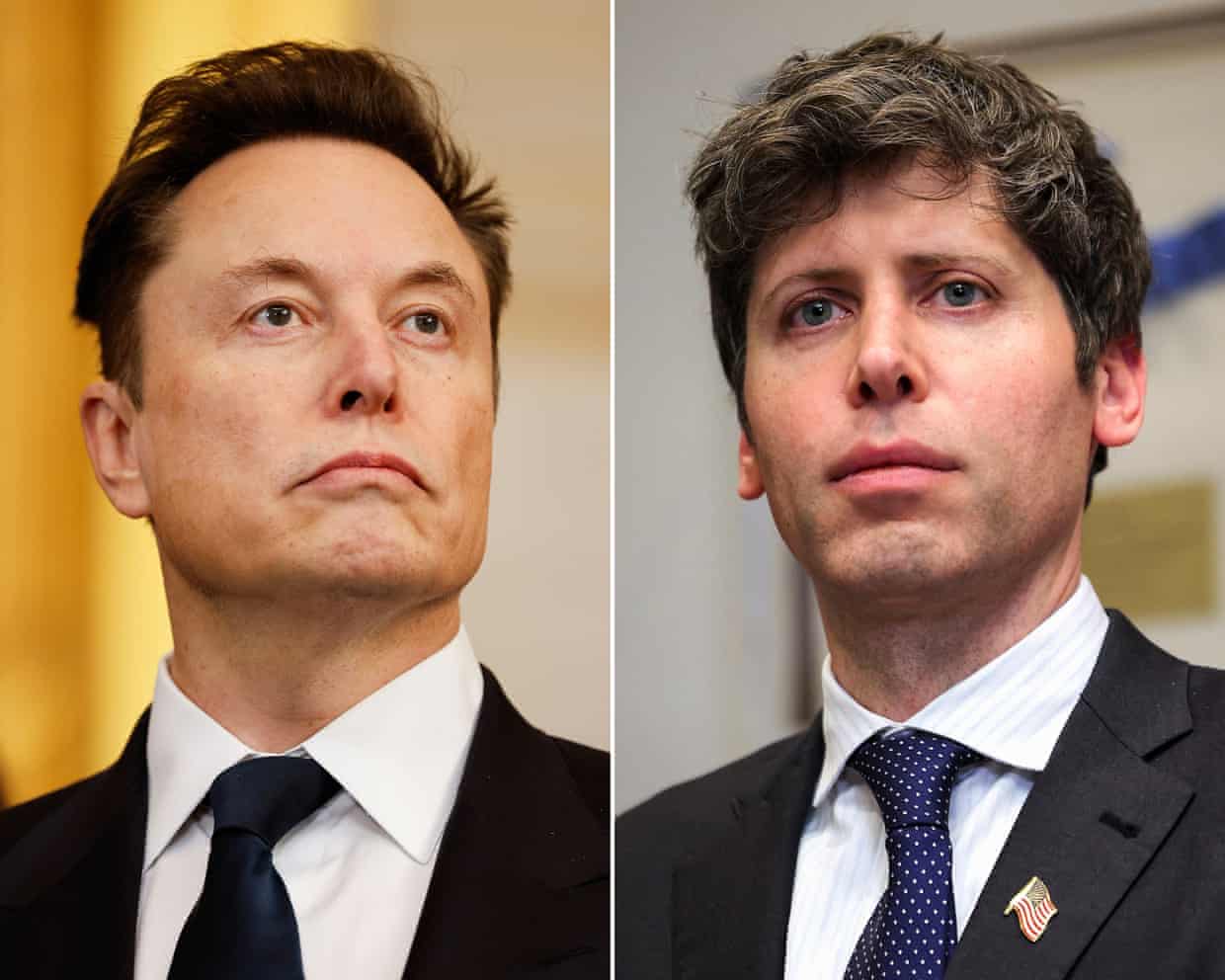
Musk and Altman’s bitter feud over OpenAI to be laid bare in court
The bitter rivalry between two of the tech world’s most powerful men arrives in court this week, as Elon Musk’s lawsuit against Sam Altman and OpenAI heads to trial in Oakland, California. The case is set to feature some of the biggest names in Silicon Valley, and its outcome could affect the course of the AI boom.Musk’s suit, filed in 2024, focuses on the formative years of OpenAI when he, Altman and others co-founded the artificial intelligence company as a nonprofit with a grand purpose.“OpenAI is a non-profit artificial intelligence research company. Our goal is to advance digital intelligence in the way that is most likely to benefit humanity as a whole, unconstrained by a need to generate financial return,” reads the company’s mission statement, published in late 2015
UK departments at odds over energy demands of AI datacentres
One vision of the UK’s future involves a decarbonised economy powered by clean, renewable energy. Another involves making the UK an AI superpower.The government departments responsible for these two visions do not appear to have agreed on their numbers.The Department of Science, Innovation and Technology (DSIT) thinks AI datacentres will consume 6GW of electricity by 2030. The Department of Energy Security and Net Zero (DESNZ) appears to think they will use less than a tenth of that
Cannes AI film festival raises eyebrows – and questions about future
In Cannes’ darkened screening rooms, the supposed future of cinema flickered into life this week and it was strange. The first edition of the World AI film festival (WAIFF) showcased visions of men with fish scales erupting from their necks and seaweed from their mouths, a heroine with a heart beating outside her body and so many massed armies of AI-generated tanned men sweeping across battlefields that David Lean would have blushed.Last week the Cannes film festival, entering its 76th year, banned the emerging technology from its Palme d’Or competition, insisting “AI imitates very well but it will never feel deep emotions”. But this week the Croisette was taken over by the upstart AI film movement and their big-tech backers amid increasing investment and attention from the Hollywood studios. A “nouvelle vague”, they said, is coming

Facing AI and a tough job market, gen Z turns to entrepreneurship: ‘I have to prove myself’
When Ashley Terrell graduated from the University of Hawaii in 2024, she planned to find a job in marketing, maybe for a tech company. She had a bachelor’s degree in business administration and a college résumé that included a student marketing job for Red Bull. But after months of applying, her only offer was to work in the power tools section at Home Depot. “It was quite a shock,” she told the Guardian. “I searched for jobs every single day in that Home Depot bathroom
TikTok and Visa launch debit card to speed payouts to UK creators
TikTok and Visa have launched a debit card for content creators in the UK which they say will allow people to quickly access their earnings from the platform.The creator card is designed for the growing numbers of people making money through TikTok Live, a livestreaming feature where creators receive virtual gifts from viewers that are later converted into cash.The two companies said the card, which links to a user’s creator account on TikTok, was designed to address cashflow issues faced by users who often wait days or weeks for payments to clear.Launched in 2020, TikTok Live is a section of the app where users can broadcast to viewers in real time. According to TikTok, more than 15 million people broadcasted via its platform in Europe in 2025
Officials hugely underestimated impact of AI datacentres on UK carbon emissions
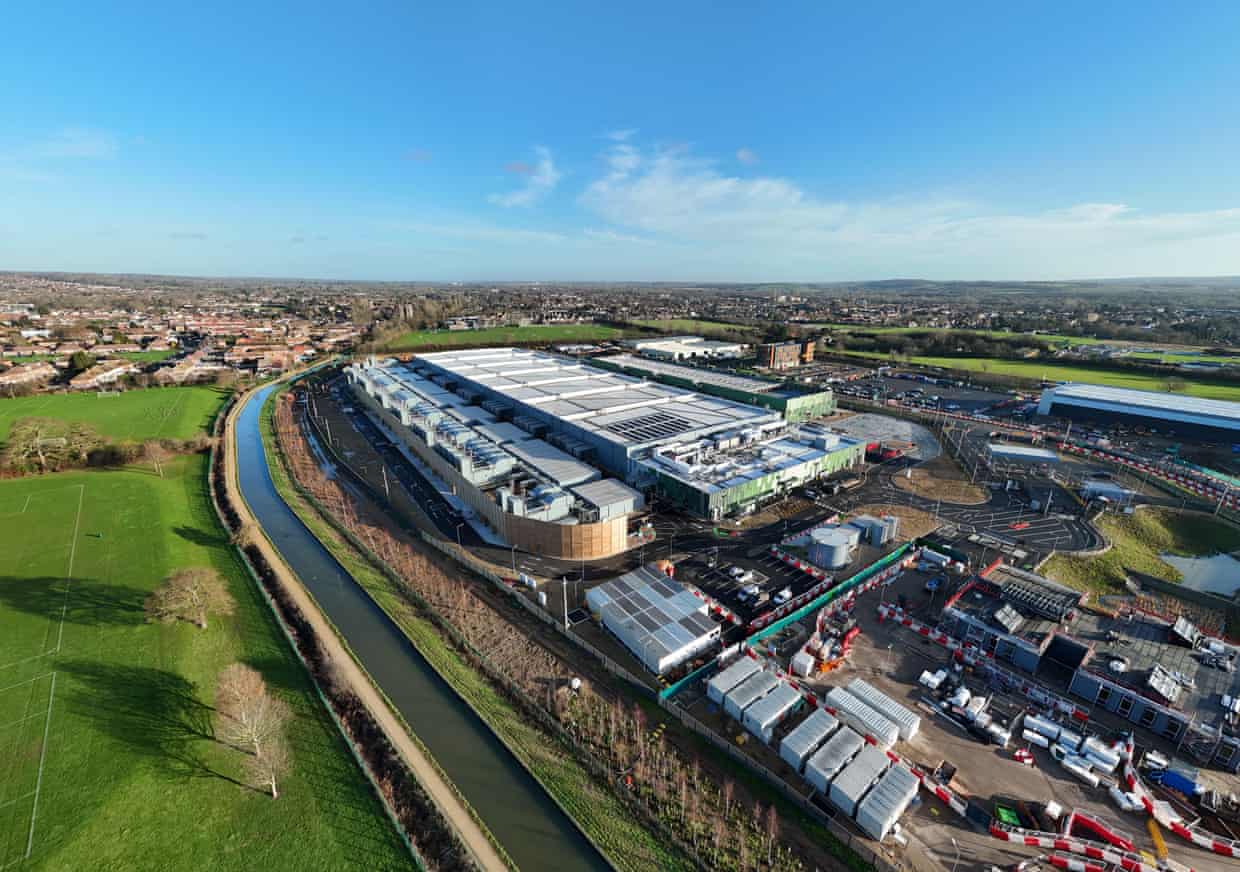
The UK government vastly underestimated the climate impact of artificial intelligence, it has emerged, after officials raised their estimate of carbon emissions from AI by a factor of more than 100.According to new data quietly published this week, energy use by AI datacentres in the UK could cause the emission of up to 123m tonnes of carbon dioxide (CO₂) – about as much as generated by 2.7 million people – over the next 10 years.That latest figure replaces a previous estimate – since deleted – that claimed emissions would reach a maximum of 0.142m tonnes of CO₂ in a single year
Mandelson and McSweeney: a partnership forged on winning and crushing the Labour left
Starmer tells MPs to ‘fight together’ before critical day for his premiership
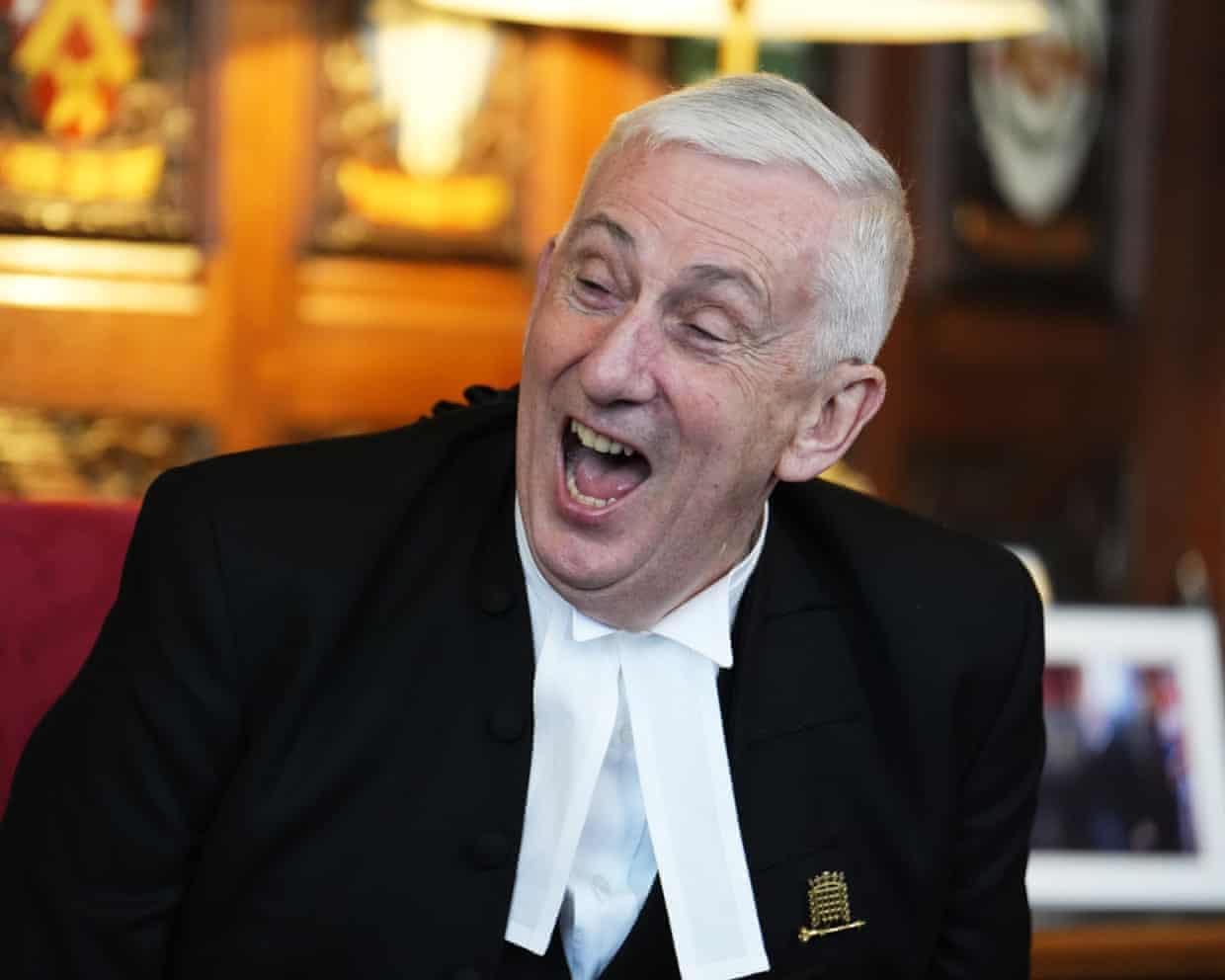
Lights. Camera. Lindsay! Speaker’s show lands Starmer with yet another headache | John Crace
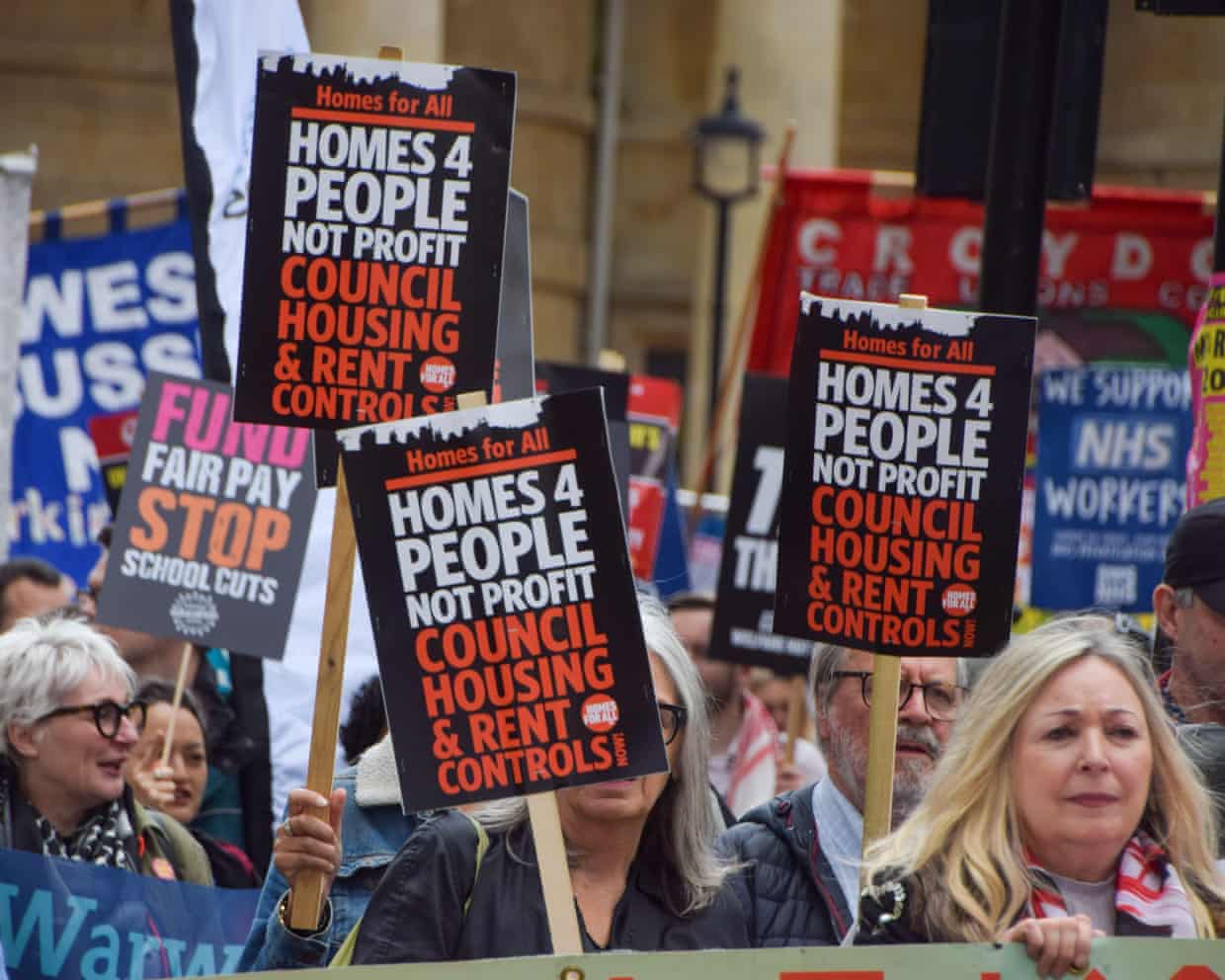
Rachel Reeves considering rent freeze to limit Iran war fallout
What might McSweeney and Barton reveal about Mandelson vetting scandal?
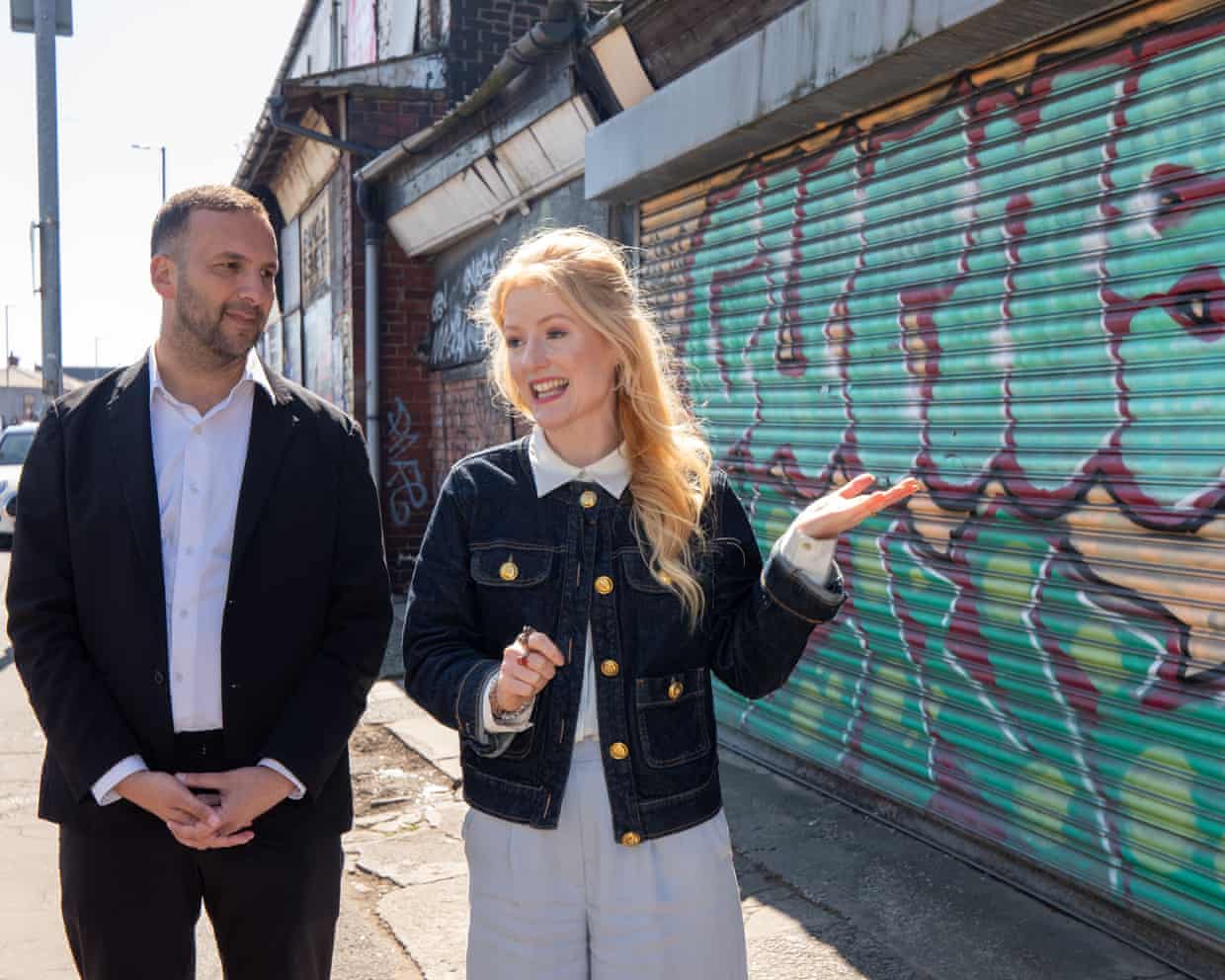
Hannah Spencer riles fellow MPs with attack on parliament’s drinking culture