What might McSweeney and Barton reveal about Mandelson vetting scandal?
The evidence of two ex-officials on Tuesday morning will be a key moment in the growing crisis around Peter Mandelson’s vetting for US ambassador that threatens to bring down Keir Starmer’s premiership.The prime minister will later face a crucial vote on a parliamentary inquiry into whether he misled MPs when claiming “full due process” had been followed.Morgan McSweeney, Starmer’s former chief of staff, and Philip Barton, who was the top official in the Foreign Office (FCDO), have been called by the foreign affairs committee after the Guardian’s revelation that Mandelson was given security clearance despite vetting officials recommending it be denied.Their testimonies will come after an explosive parliamentary session last week.Starmer told the Commons last Monday that he and other ministers had not been told Mandelson had failed the “developed vetting” process carried out by United Kingdom Security Vetting (UKSV).
He pointed the finger at Olly Robbins, who succeeded Barton as the top civil servant in the FCDO in January 2025.After the Guardian broke the news that the Foreign Office had overruled UKSV, the prime minister sacked Robbins.Robbins gave his side of the story last Tuesday.So what questions might Barton and McSweeney face?At the heart of the charges levied by opposition MPs against Starmer is his claim that “full due process” was followed in Mandelson’s appointment, first made last September and which the prime minister last week said he stood by.As key officials in the Foreign Office and Downing Street around the time Starmer made the decision to appoint Mandelson to Britain’s top diplomatic posting, Barton and McSweeney are well placed to comment on questions of due process.
McSweeney has already said he takes “full responsibility” for advising Starmer to appoint Mandelson – but that is a question of judgment, not process,According to Robbins, Barton had to be “very firm in person” with the Cabinet Office to insist that Mandelson go through the developed vetting process,Nearly all of the staff, including junior civil servants, in the FCDO are required to have this level of security clearance,So it would have been remarkable for Mandelson not to have done so,Robbins said, however, there was a “position taken from the Cabinet Office” that, as Mandelson was a peer and a privy counsellor – a mostly honorary role given to senior ministers which gives access to certain briefings – there was no need.
But the Cabinet Office has challenged this and suggested it was the FCDO that proposed there was no need to vet Mandelson.Barton could explain his role in that debate.So too might McSweeney, who had a hand in the due diligence process carried out by the Cabinet Office before Mandelson was announced by Starmer.When McSweeney resigned in February 2026, he said: “While I did not oversee the due diligence and vetting process, I believe that process must now be fundamentally overhauled.” What was it about those processes that McSweeney felt should be overhauled?At prime minister’s questions, Starmer sought to use Robbins’s testimony to dismiss claims Downing Street had put pressure on the FCDO to get Mandelson to Washington as soon as possible.
Starmer said: “No pressure existed whatsoever in relation to this case.”But Robbins said: “Throughout January, honestly, my office and the foreign secretary’s office were under constant pressure.” He characterised the questions from Downing Street as being about “when” Mandelson would be in post, not “whether” he might.Robbins added: “Philip’s [Barton] handover to me has contributed to my strong sense that there was an atmosphere of pressure and a certain dismissiveness about this DV process”.Barton will probably be asked to give further details.
McSweeney may be asked to explain whether he had any role in putting pressure on officials in Downing Street to chase the FCDO.Before Mandelson had completed vetting, he was given access to “higher-classification briefings” and a pass to the FCDO’s building.Photographs of Mandelson from mid-January seem to suggest the pass was awarded towards the start of the month, while Barton was still in post.One former official, familiar with security processes across the British state, has told the Guardian that such a pass being given on an interim basis would be highly unusual, as it gives access to classified areas across government, not just in the FCDO.Barton may face questions on any role he played in facilitating access for Mandelson before his clearance.
Was it due to any pressure or particular expectations from Downing Street?Probably not.The FCDO’s head of security, Ian Collard, was also called to give evidence to MPs.But he will not appear in person.He has been sent questions by the foreign affairs committee, which describes him as “the only person who was involved in some of the process which granted Lord Mandelson DV clearance”, asking for further details of the crucial 29 January 2025 meeting with Robbins.Perhaps, given both have departed government, Barton and McSweeney could explain why this might be the case.
What advice was given to ministers that led to the foreign secretary telling MPs that Collard could not appear in front of them? He has, after all, previously given evidence to a different committee while in the same role.The best public interest journalism relies on first-hand accounts from people in the know.If you have something to share on this subject, you can contact us confidentially using the following methods:The Guardian app has a tool to send tips about stories.Messages are end to end encrypted and concealed within the routine activity that every Guardian mobile app performs.This prevents an observer from knowing that you are communicating with us at all, let alone what is being said.
If you don’t already have the Guardian app, download it (iOS/Android) and go to the menu.Select ‘Secure Messaging’.If you don’t need a high level of security or confidentiality you can email investigations.contact@theguardian.com.
Finally, our guide at theguardian,com/tips lists several ways to contact us securely, and discusses the pros and cons of each,
Musk and Altman’s bitter feud over OpenAI to be laid bare in court
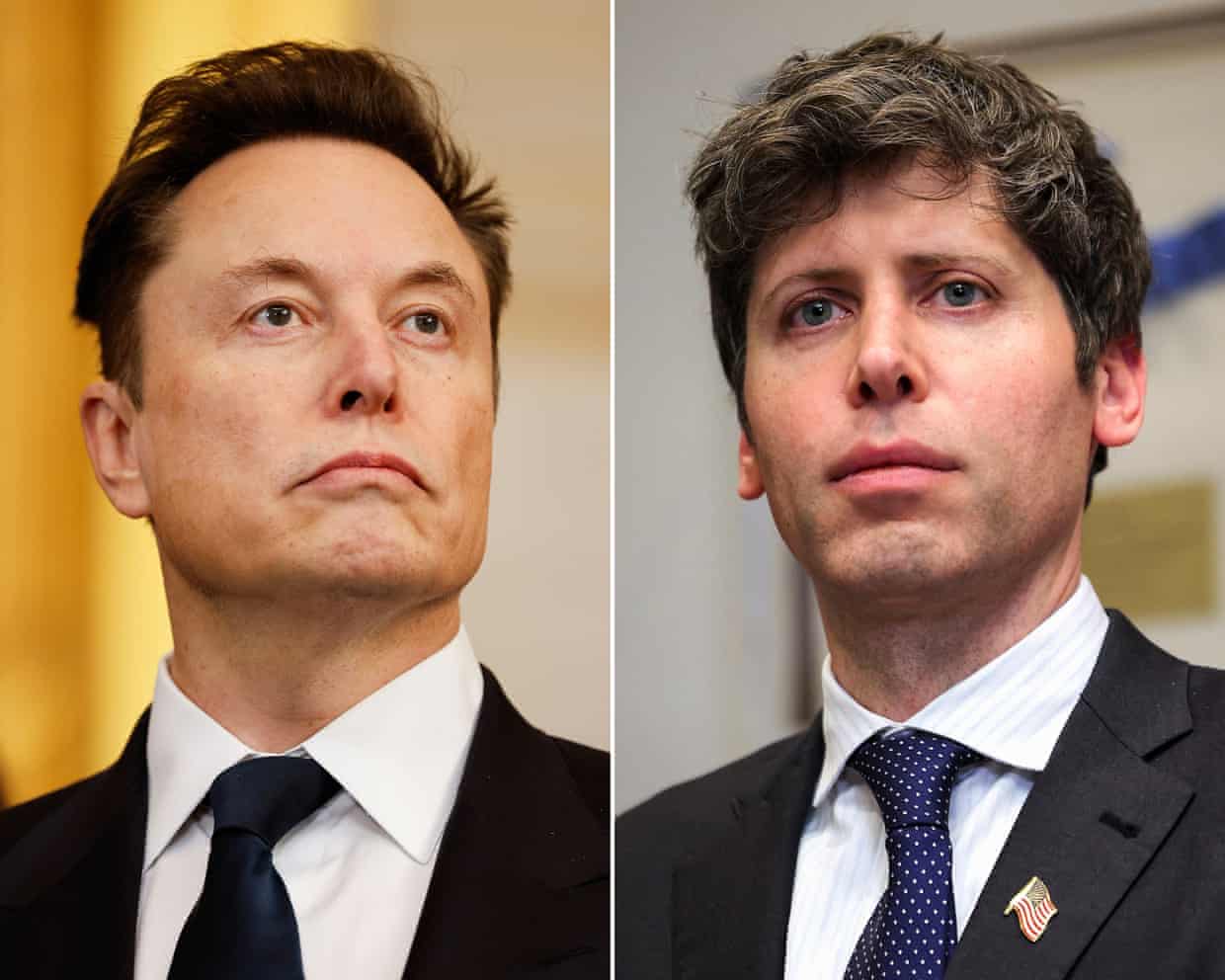
The bitter rivalry between two of the tech world’s most powerful men arrives in court this week, as Elon Musk’s lawsuit against Sam Altman and OpenAI heads to trial in Oakland, California. The case is set to feature some of the biggest names in Silicon Valley, and its outcome could affect the course of the AI boom.Musk’s suit, filed in 2024, focuses on the formative years of OpenAI when he, Altman and others co-founded the artificial intelligence company as a nonprofit with a grand purpose.“OpenAI is a non-profit artificial intelligence research company. Our goal is to advance digital intelligence in the way that is most likely to benefit humanity as a whole, unconstrained by a need to generate financial return,” reads the company’s mission statement, published in late 2015
UK departments at odds over energy demands of AI datacentres
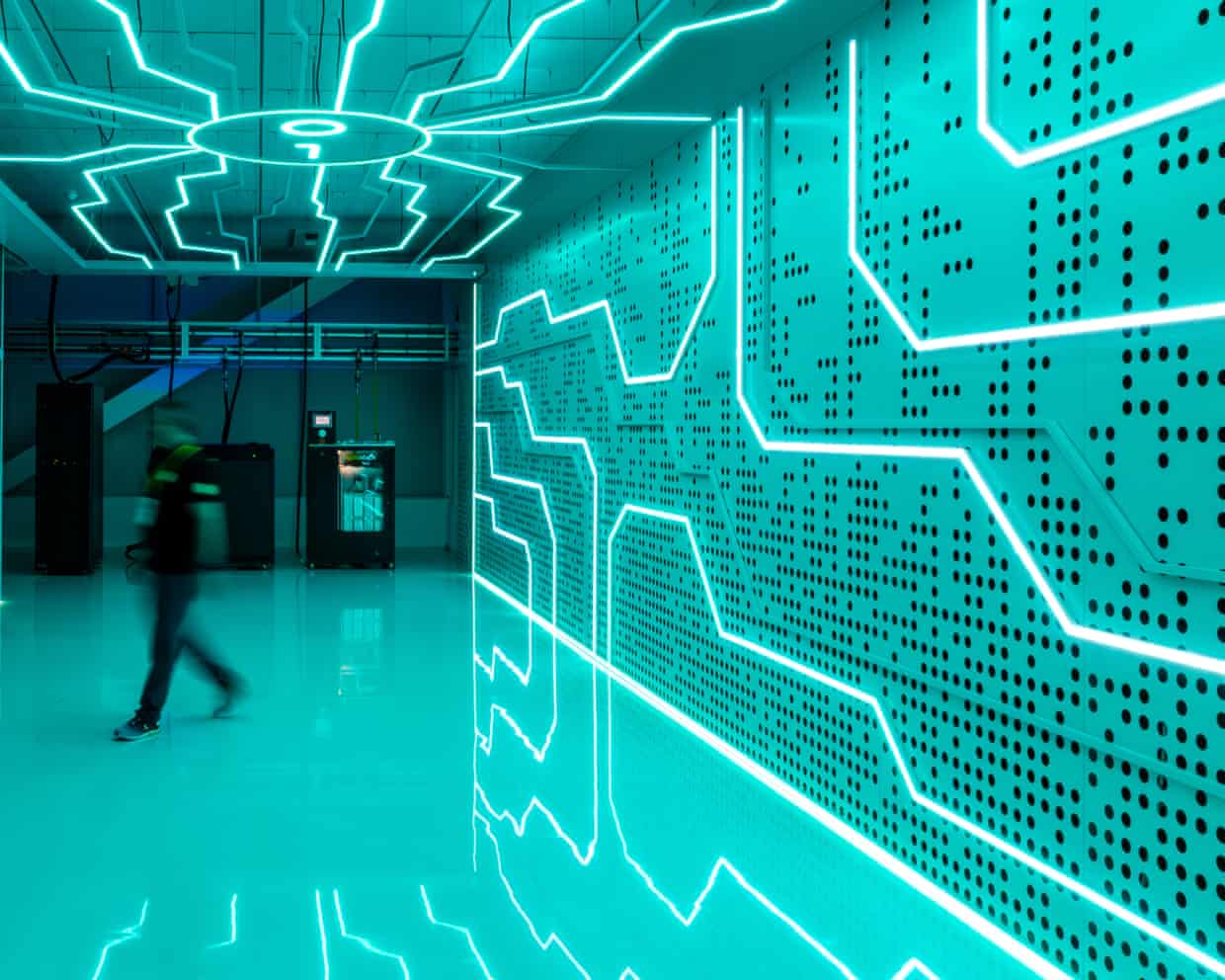
One vision of the UK’s future involves a decarbonised economy powered by clean, renewable energy. Another involves making the UK an AI superpower.The government departments responsible for these two visions do not appear to have agreed on their numbers.The Department of Science, Innovation and Technology (DSIT) thinks AI datacentres will consume 6GW of electricity by 2030. The Department of Energy Security and Net Zero (DESNZ) appears to think they will use less than a tenth of that

Cannes AI film festival raises eyebrows – and questions about future
In Cannes’ darkened screening rooms, the supposed future of cinema flickered into life this week and it was strange. The first edition of the World AI film festival (WAIFF) showcased visions of men with fish scales erupting from their necks and seaweed from their mouths, a heroine with a heart beating outside her body and so many massed armies of AI-generated tanned men sweeping across battlefields that David Lean would have blushed.Last week the Cannes film festival, entering its 76th year, banned the emerging technology from its Palme d’Or competition, insisting “AI imitates very well but it will never feel deep emotions”. But this week the Croisette was taken over by the upstart AI film movement and their big-tech backers amid increasing investment and attention from the Hollywood studios. A “nouvelle vague”, they said, is coming

Facing AI and a tough job market, gen Z turns to entrepreneurship: ‘I have to prove myself’
When Ashley Terrell graduated from the University of Hawaii in 2024, she planned to find a job in marketing, maybe for a tech company. She had a bachelor’s degree in business administration and a college résumé that included a student marketing job for Red Bull. But after months of applying, her only offer was to work in the power tools section at Home Depot. “It was quite a shock,” she told the Guardian. “I searched for jobs every single day in that Home Depot bathroom

TikTok and Visa launch debit card to speed payouts to UK creators
TikTok and Visa have launched a debit card for content creators in the UK which they say will allow people to quickly access their earnings from the platform.The creator card is designed for the growing numbers of people making money through TikTok Live, a livestreaming feature where creators receive virtual gifts from viewers that are later converted into cash.The two companies said the card, which links to a user’s creator account on TikTok, was designed to address cashflow issues faced by users who often wait days or weeks for payments to clear.Launched in 2020, TikTok Live is a section of the app where users can broadcast to viewers in real time. According to TikTok, more than 15 million people broadcasted via its platform in Europe in 2025

Officials hugely underestimated impact of AI datacentres on UK carbon emissions
The UK government vastly underestimated the climate impact of artificial intelligence, it has emerged, after officials raised their estimate of carbon emissions from AI by a factor of more than 100.According to new data quietly published this week, energy use by AI datacentres in the UK could cause the emission of up to 123m tonnes of carbon dioxide (CO₂) – about as much as generated by 2.7 million people – over the next 10 years.That latest figure replaces a previous estimate – since deleted – that claimed emissions would reach a maximum of 0.142m tonnes of CO₂ in a single year
The Guide #240: My new obsession is the mesmerising world of the Chipmunks at 16rpm
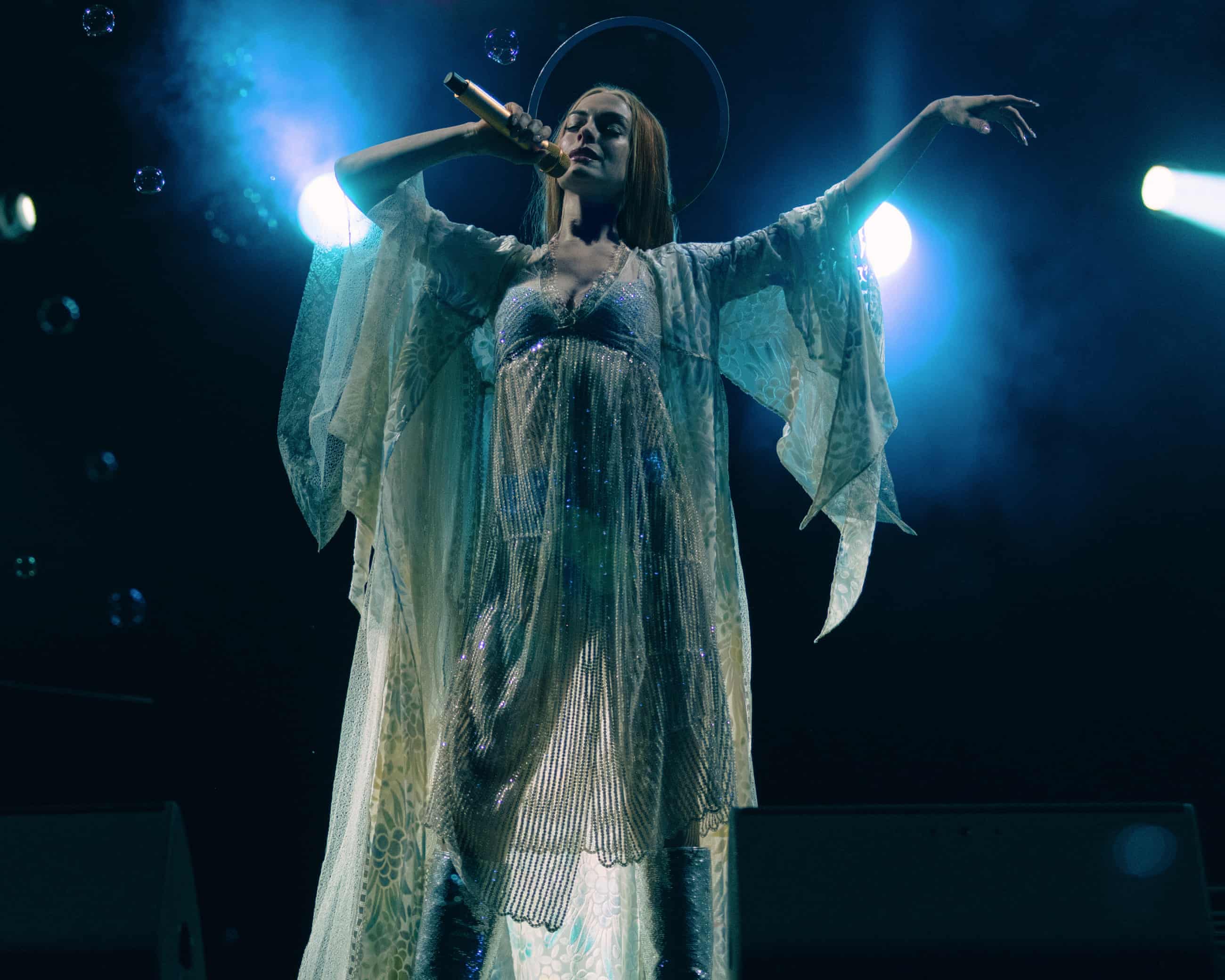
From Mother Mary to Foo Fighters: your complete entertainment guide to the week ahead
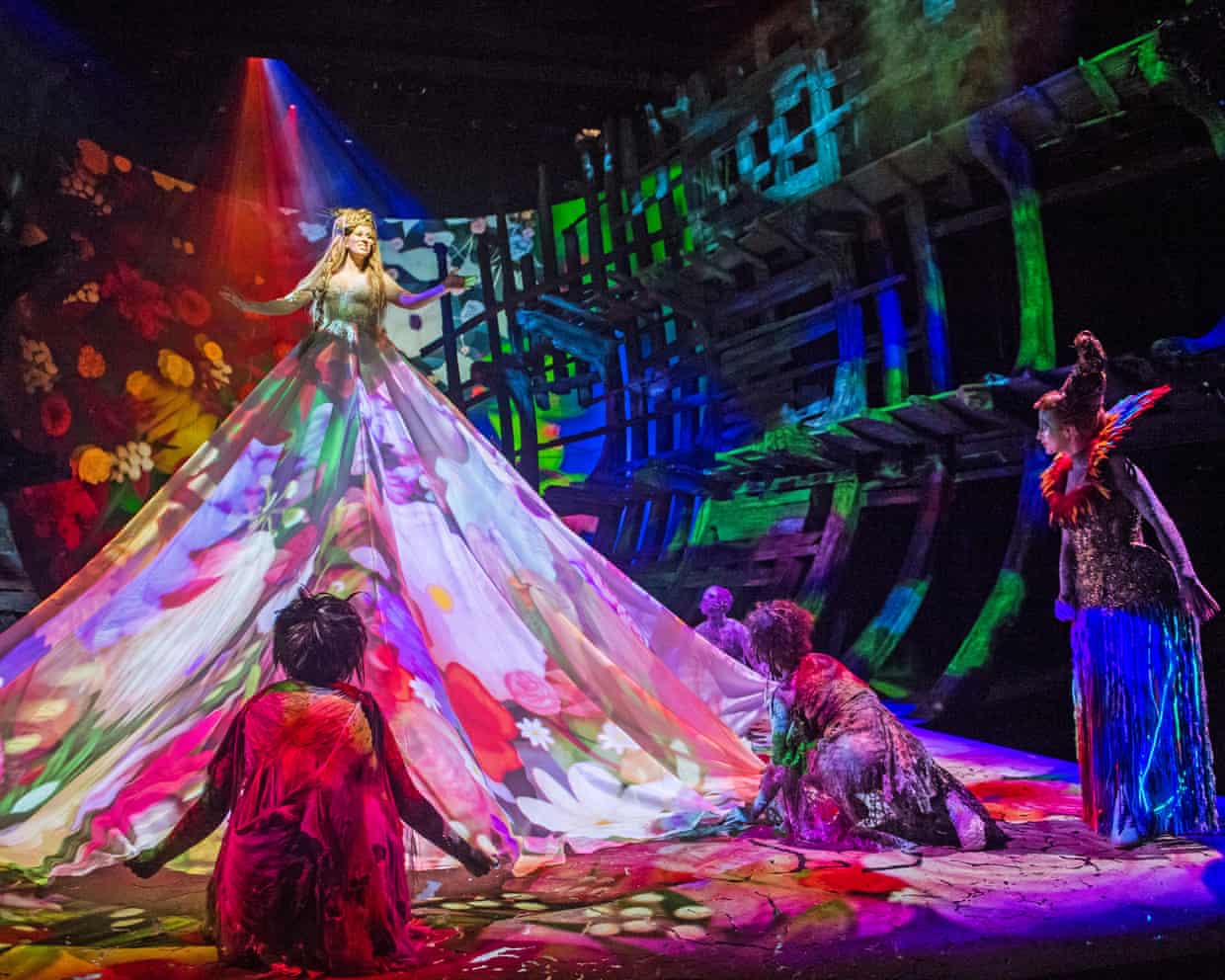
The play’s the thing – but everyone has their own favourite | Letters
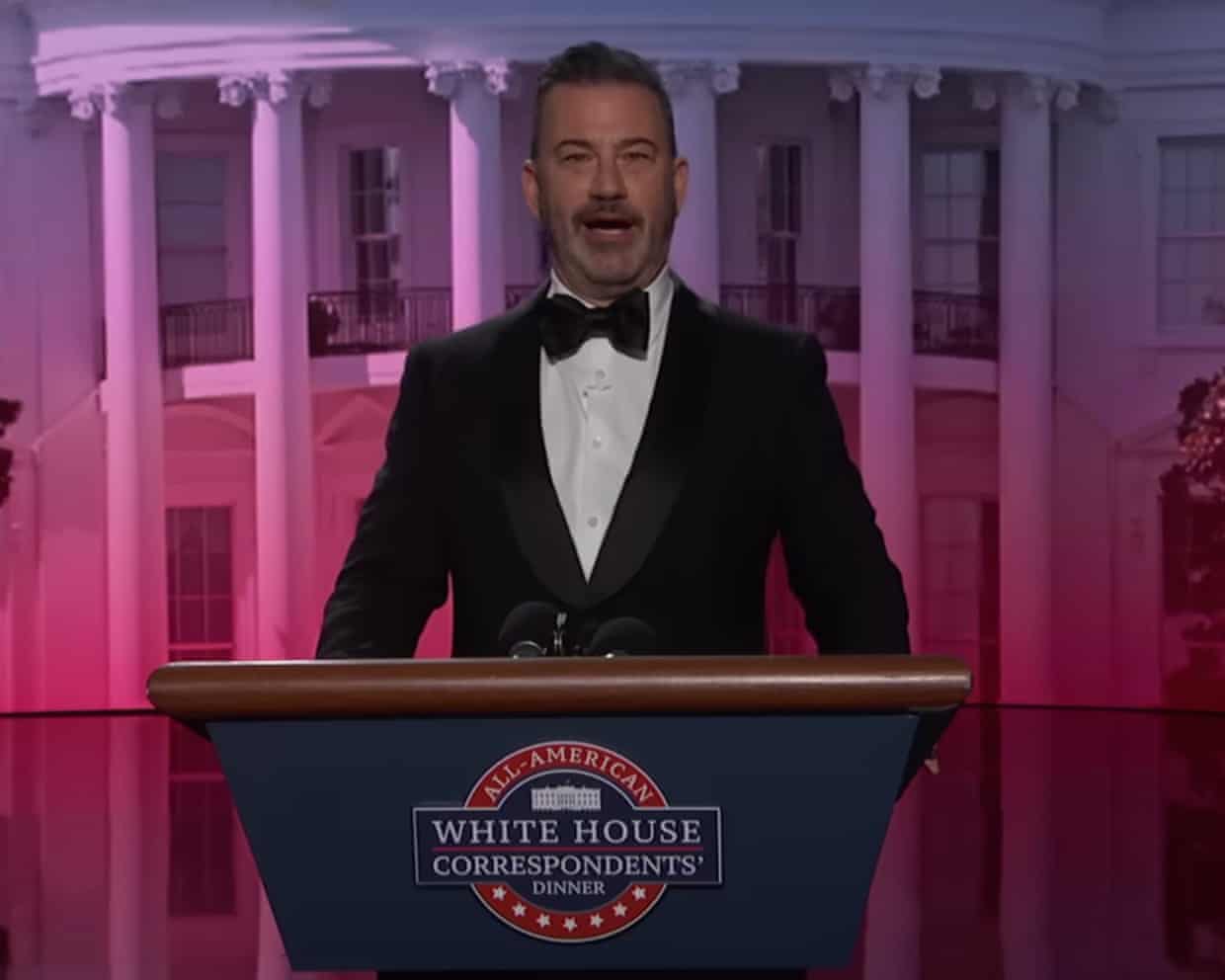
Jimmy Kimmel on Trump: ‘A delicate snowflake with the thinnest fat skin of any human being ever’

‘It’s iconic worldwide – it’s special to skateboard there’: the South Bank skatepark turns 50
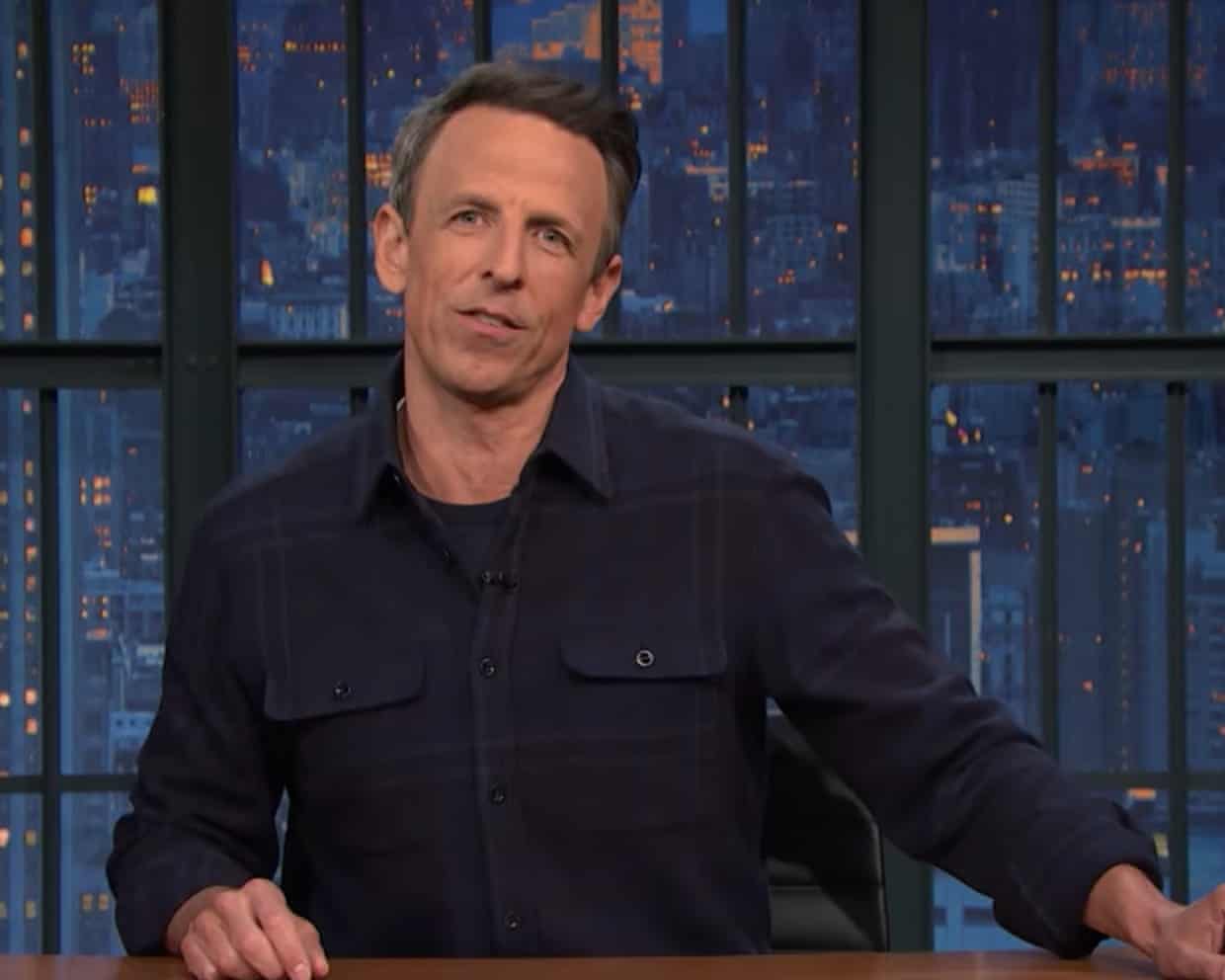
Seth Meyers on Kash Patel: ‘He has resting “run for your lives” face’