‘Urgent clarity’ sought over racial bias in UK police facial recognition technology
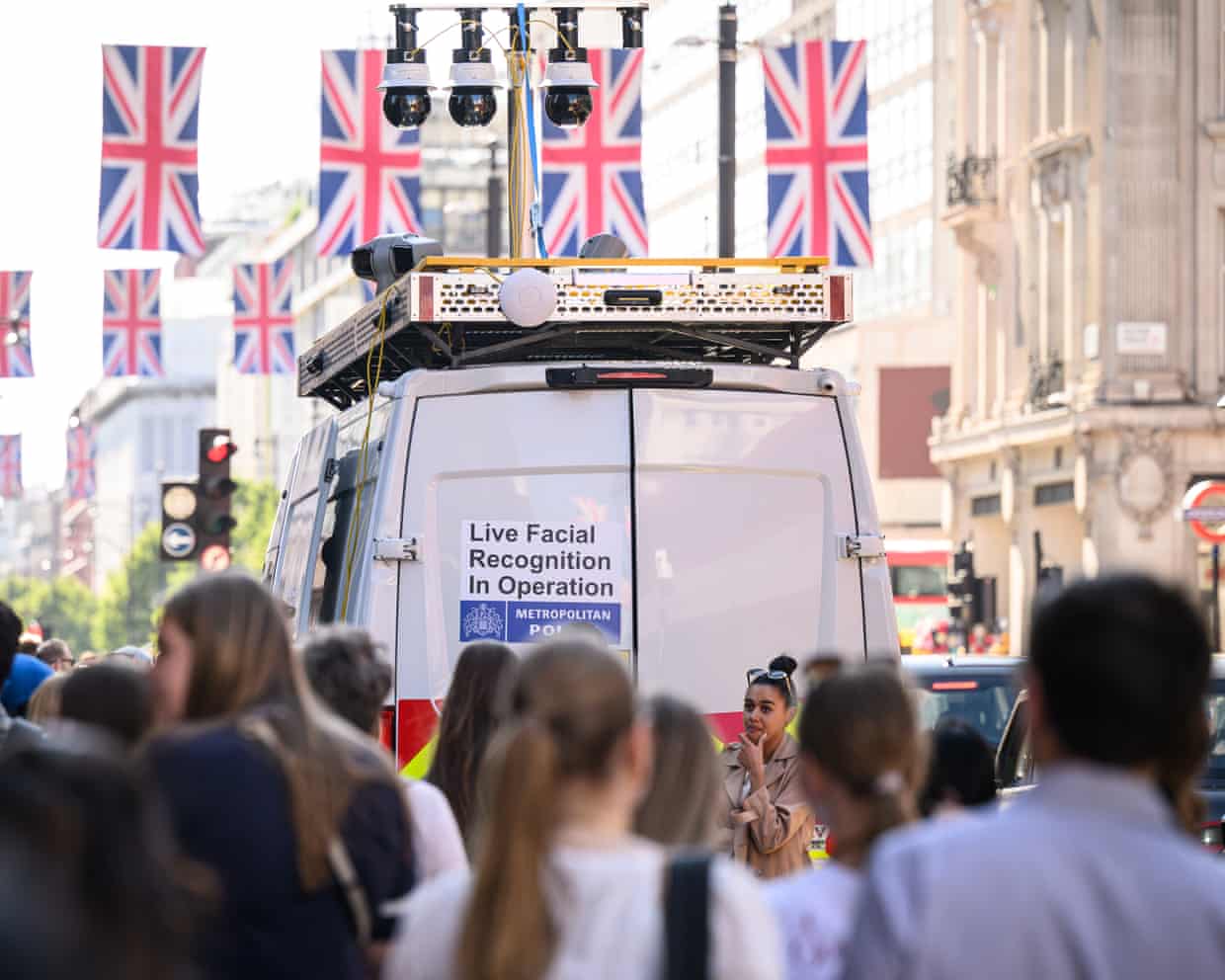
The UK’s data protection watchdog has asked the Home Office for “urgent clarity” over racial bias in police facial recognition technology before considering its next steps.The Home Office has admitted that the technology was “more likely to incorrectly include some demographic groups in its search results”, after testing by the National Physical Laboratory (NPL) of its application within the police national database.The report revealed that the technology, which is intended to be used to catch serious offenders, is more likely to incorrectly match black and Asian people than their white counterparts.In a statement responding to the report, Emily Keaney, the deputy commissioner for the Information Commissioner’s Office, said the ICO had asked the Home Office “for urgent clarity on this matter” in order for the watchdog to “assess the situation and consider our next steps”.The next steps could include enforcement action, including issuing a legally binding order to stop using the technology or fines, as well as working with the Home Office and police to make improvements.
Keaney said: “Last week we were made aware of historical bias in the algorithm used by forces across the UK for retrospective facial recognition within the police national database.“We acknowledge that measures are being taken to address this bias.However, it’s disappointing that we had not previously been told about this, despite regular engagement with the Home Office and police bodies as part of our wider work to hold government and the public sector to account on how data is being used in their services.“While we appreciate the valuable role technology can play, public confidence in its use is paramount, and any perception of bias and discrimination can exacerbate mistrust.The ICO is here to support and assist the public sector to get this right.
”Police and crime commissioners said publication of the NPL’s finding “sheds light on a concerning inbuilt bias” and urged caution over plans for a national expansion, which could include cameras being placed at shopping centres, stadiums and transport hubs, without putting in place adequate safeguards.The findings were released on Thursday, hours after Sarah Jones, the policing minister, had described the technology as the “biggest breakthrough since DNA matching”.Facial recognition technology scans people’s faces and cross-references the images against watchlists of known or wanted criminals.It can be used while examining live footage of people passing cameras, comparing their faces with those on wanted lists, or to enable officers to target individuals as they walk by mounted cameras.Police officers can also retrospectively run images of suspects through police, passport or immigration databases to identify them and check their backgrounds.
Analysts who examined the police national database’s retrospective facial recognition technology tool at a lower setting found that “the false positive identification rate (FPIR) for white subjects (0,04%) is lower than that for Asian subjects (4,0%) and black subjects (5,5%)”,The testing found that the number of false positives for black women was particularly high.
“The FPIR for black male subjects (0.4%) is lower than that for black female subjects (9.9%),” the report said.Responding to the report, a Home Office spokesperson said the department took the findings “seriously”, and had already taken action, including procuring and testing a new algorithm “which has no statistically significant bias”.“Given the importance of this issue, we have also asked the police inspectorate, alongside the forensic science regulator, to review law enforcement’s use of facial recognition.
They will assess the effectiveness of the mitigations, which the National Police Chiefs’ Council supports,” the spokesperson said.The best public interest journalism relies on first-hand accounts from people in the know.If you have something to share on this subject, you can contact us confidentially using the following methods.Secure Messaging in the Guardian appThe Guardian app has a tool to send tips about stories.Messages are end to end encrypted and concealed within the routine activity that every Guardian mobile app performs.
This prevents an observer from knowing that you are communicating with us at all, let alone what is being said.If you don't already have the Guardian app, download it (iOS/Android) and go to the menu.Select ‘Secure Messaging’.SecureDrop, instant messengers, email, telephone and postIf you can safely use the Tor network without being observed or monitored, you can send messages and documents to the Guardian via our SecureDrop platform.Finally, our guide at theguardian.
com/tips lists several ways to contact us securely, and discusses the pros and cons of each,
Labour launches child poverty strategy but hints costly welfare system has to change
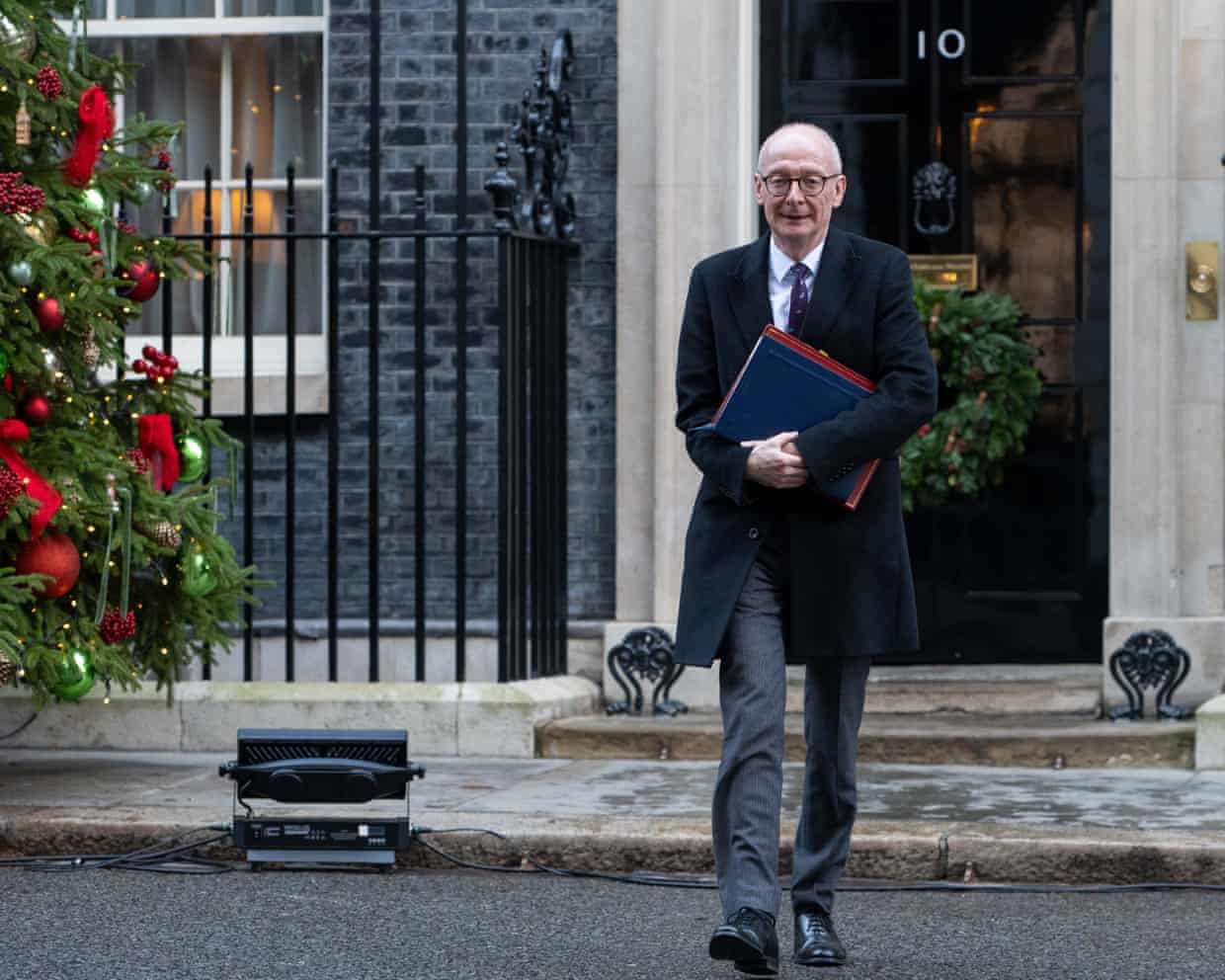
The UK welfare system is not helping enough people into work and has significantly rising costs, and no one should think the government is backing away from reforming it, the work and pensions secretary has said.Pat McFadden made the comments as the government published its new child poverty strategy on Friday.He said the aim of the strategy was to improve young lives for the long term and that those lifted out of hardship are likely to have improved prospects for employment in the future.“This is about more than the distribution of money. It’s an investment in the future of the children who are affected by poverty,” he said
John Swinney defends immigration as Scotland faces rise of Reform
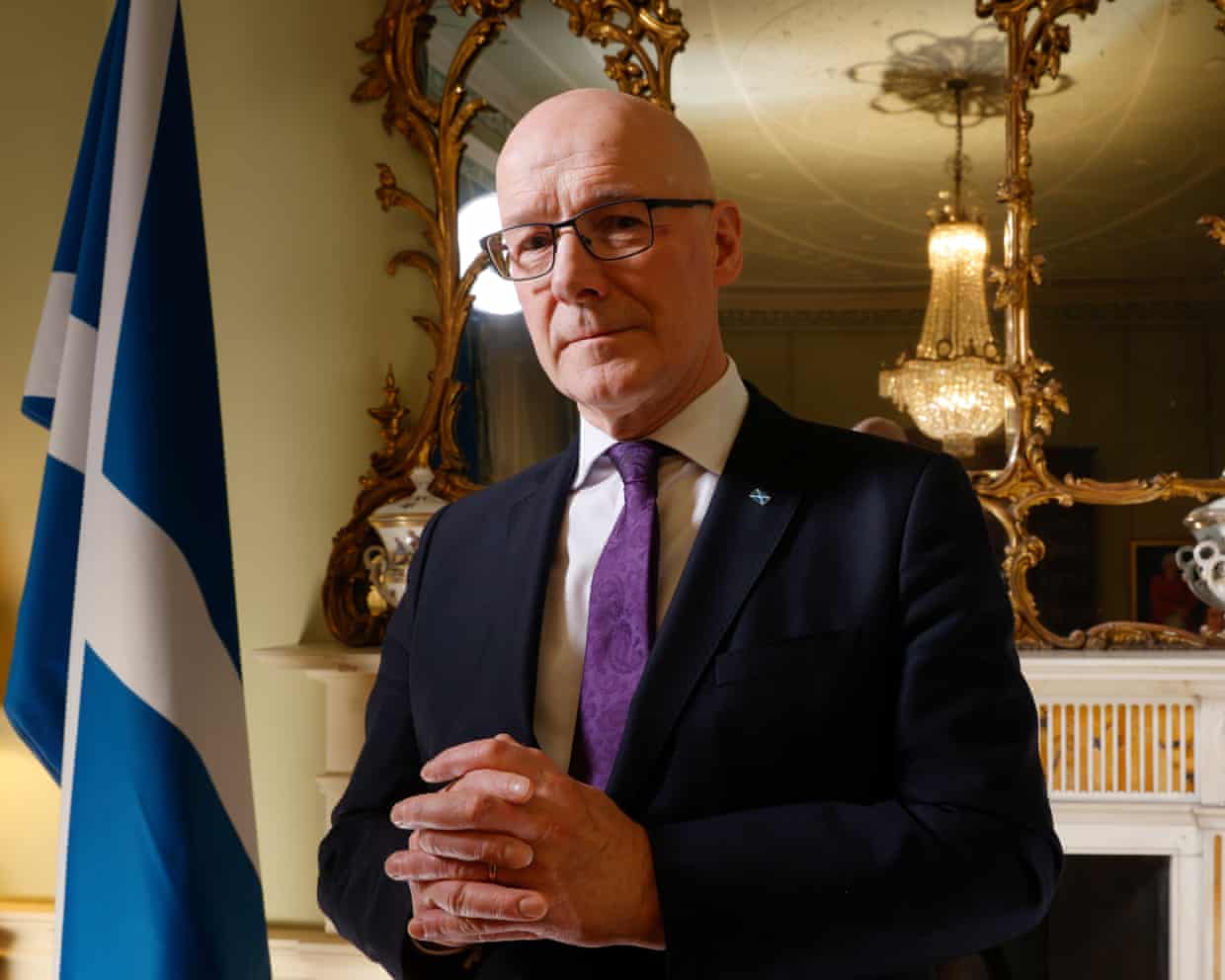
Scotland needs immigration to bolster the size of its working-age population, the country’s first minister has said, mounting a forceful defence of diversity in the face of rising support for Reform ahead of next May’s Holyrood elections.John Swinney was speaking at the end of a year marked by a significant shift in Scottish public sentiment, with Nigel Farage’s party securing 26% of the vote in its first Holyrood byelection test.Farage now polls higher in popularity than Keir Starmer and Scotland has been forced to confront its prevailing self-image – heavily promoted by the Scottish National party government – as a welcoming country in the face of protests outside asylum hotels and flag raising across the country.“Of course I am concerned about it because I believe with every fibre of my body in the importance of inclusion within our society,” Swinney said. “During my lifetime Scotland has become a much more diverse country
‘The only idea around’: will Labour return to a customs union with the EU?
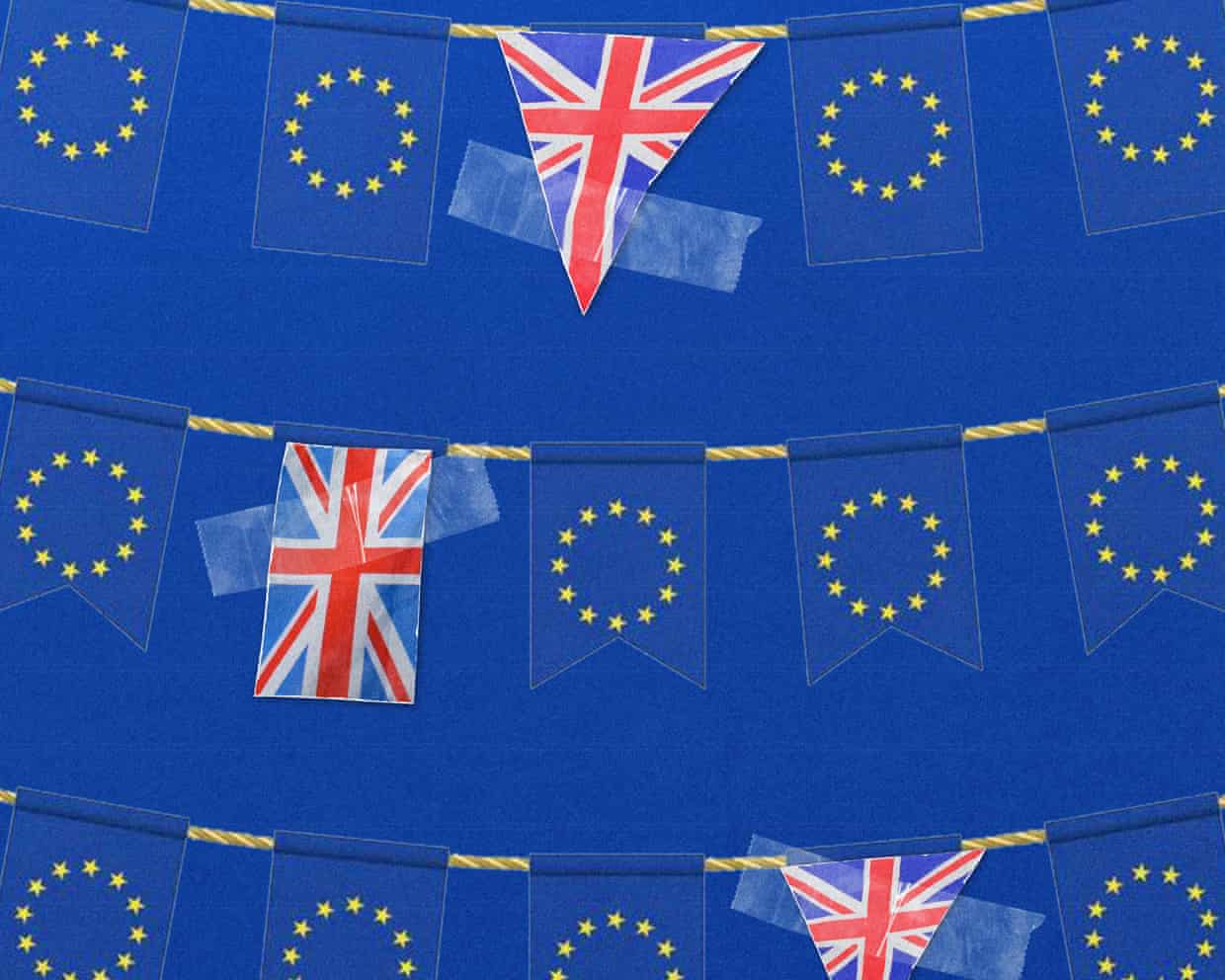
For much of the last week, Keir Starmer’s government has been suggesting that a closer relationship with Europe will be a more prominent part of his agenda in the future.But it was a little-noted personnel change that might prove the most telling shift: Nick Thomas Symonds, the minister in charge of EU negotiations, was promoted to full cabinet rank.The Welshman, a close ally of Starmer, will be an advocate of a closer relationship with the EU when ministers meet. But, a source close to the prime minister said, “he isn’t going to bang the cabinet table and say it’s customs union or bust. If that happens, it has to come from Keir himself
Reform UK revokes membership of council leader accused of racism
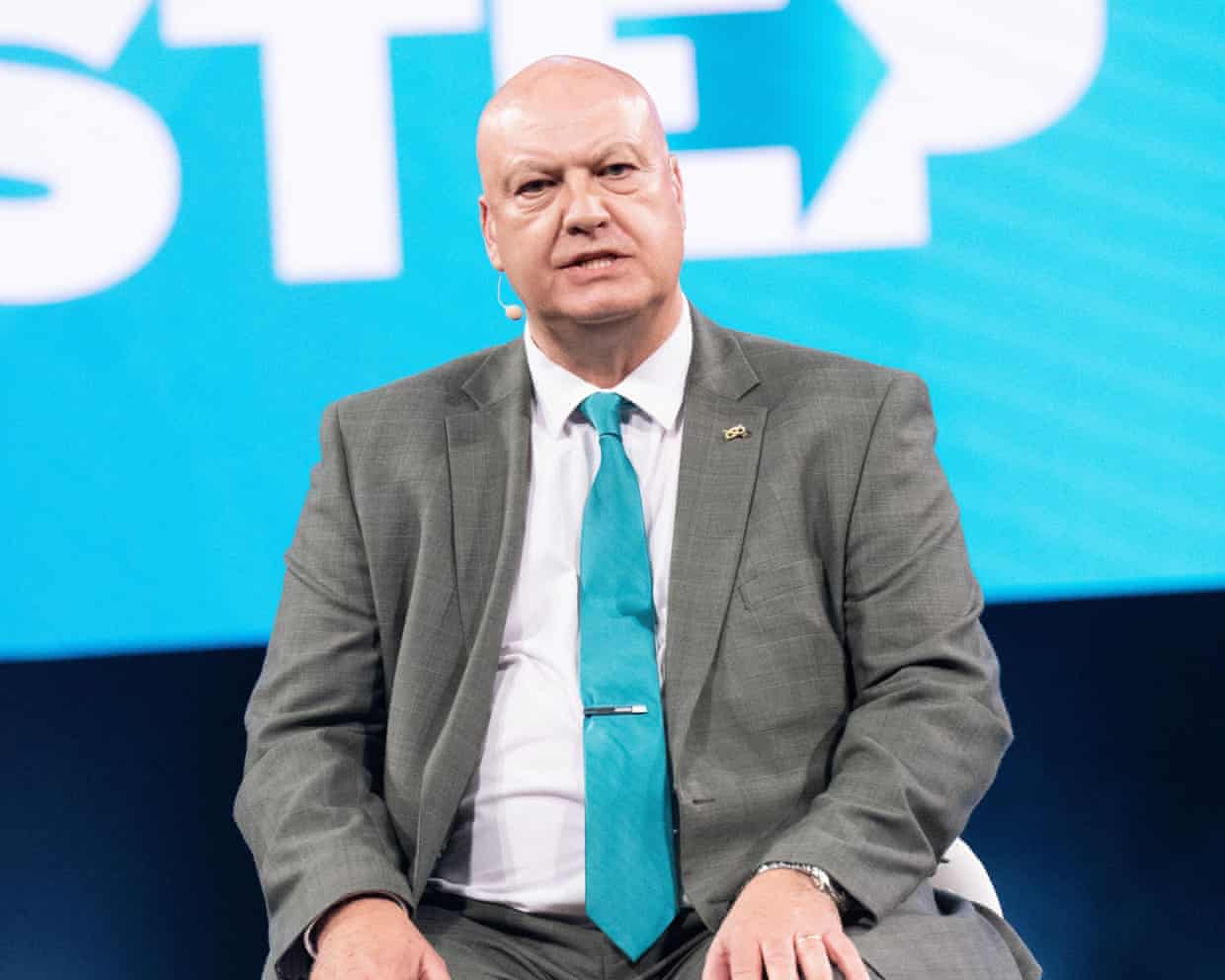
Nigel Farage has revoked the party membership of a Reform UK council leader accused of racially abusing Sadiq Khan, David Lammy and other public figures online.Ian Cooper, the leader of Staffordshire county council, allegedly called the London mayor a “narcissistic Pakistani” and said migrants were “intent on colonising the UK, destroying all that has gone before”.In a post this year attacking Lammy, the justice secretary, Cooper allegedly wrote: “No foreign national or first generation migrant should be allowed to sit in parliament.”He also allegedly abused the British-born lawyer and women’s rights activist Dr Shola Mos-Shogbamimu, calling her “Dr Shaga Bing-Bong” and saying it was “time she F’d off back to Nigeria. She’d feel more at home there
Former Dulwich pupil says Farage told him: ‘That’s the way back to Africa’
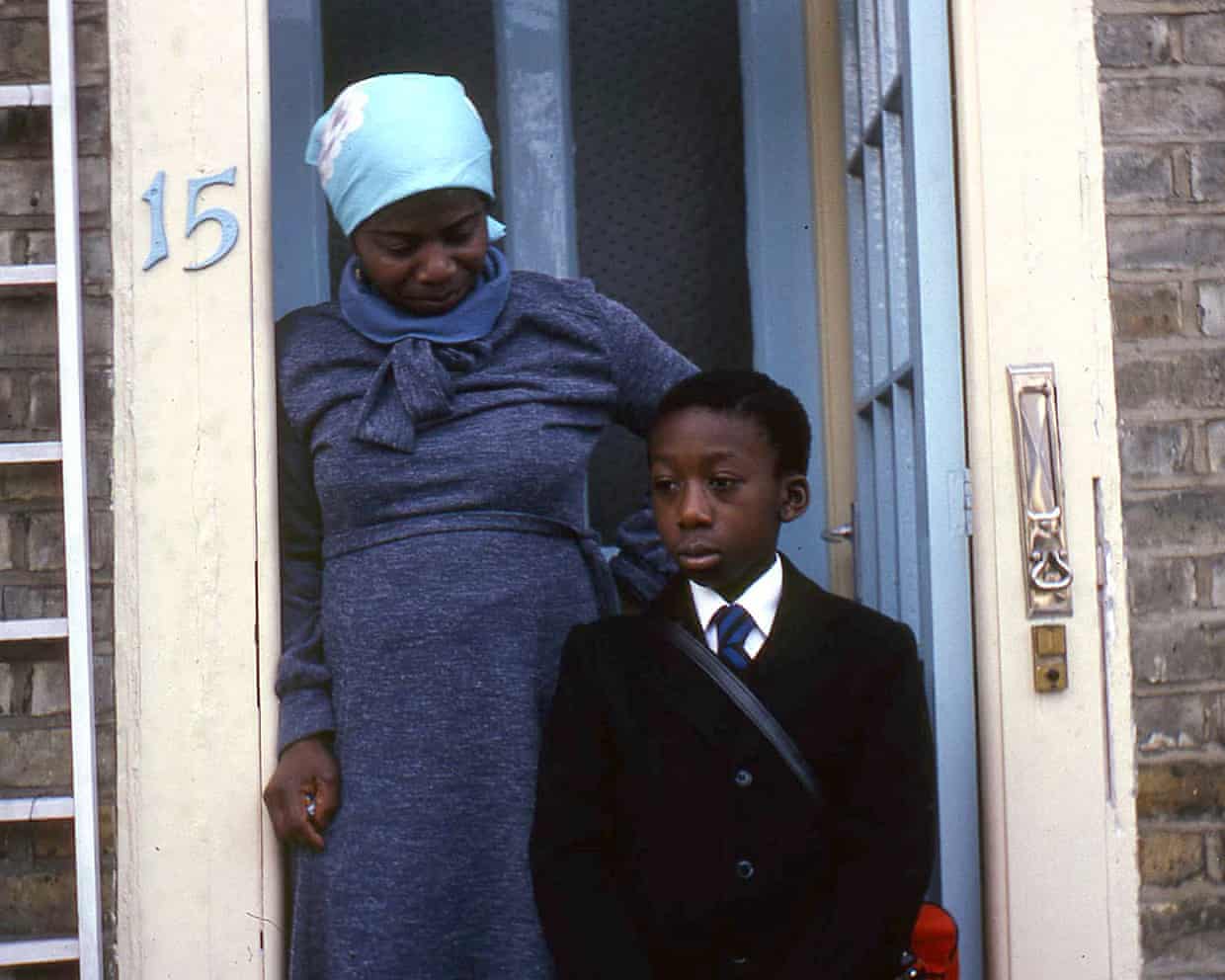
A former Dulwich college pupil who claims a teenage Nigel Farage told him “that’s the way back to Africa” has said he felt compelled to speak out after the Reform leader’s attempt at “denying or dismissing” the hurt of his alleged targets.Yinka Bankole, who claims he had just started at the school when a 17-year-old Farage singled him out for abuse, said he had decided to tell his story in full after watching the Reform leader’s press conference on Thursday.Farage told reporters that he had never been racist or antisemitic with “malice”. Instead, he launched a tirade aimed at the BBC and ITV for questioning him about an ongoing Guardian investigation into allegations of past antisemitism and racism.Citing television shows including Are You Being Served? and It Ain’t Half Hot Mum, Farage accused the BBC, which he suggested he would boycott, of “double standards and hypocrisy”, and claimed ITV had a case to answer for airing the comedian Bernard Manning in the 1970s
How Farage’s response to racism claims is straight out of Trump’s populist playbook
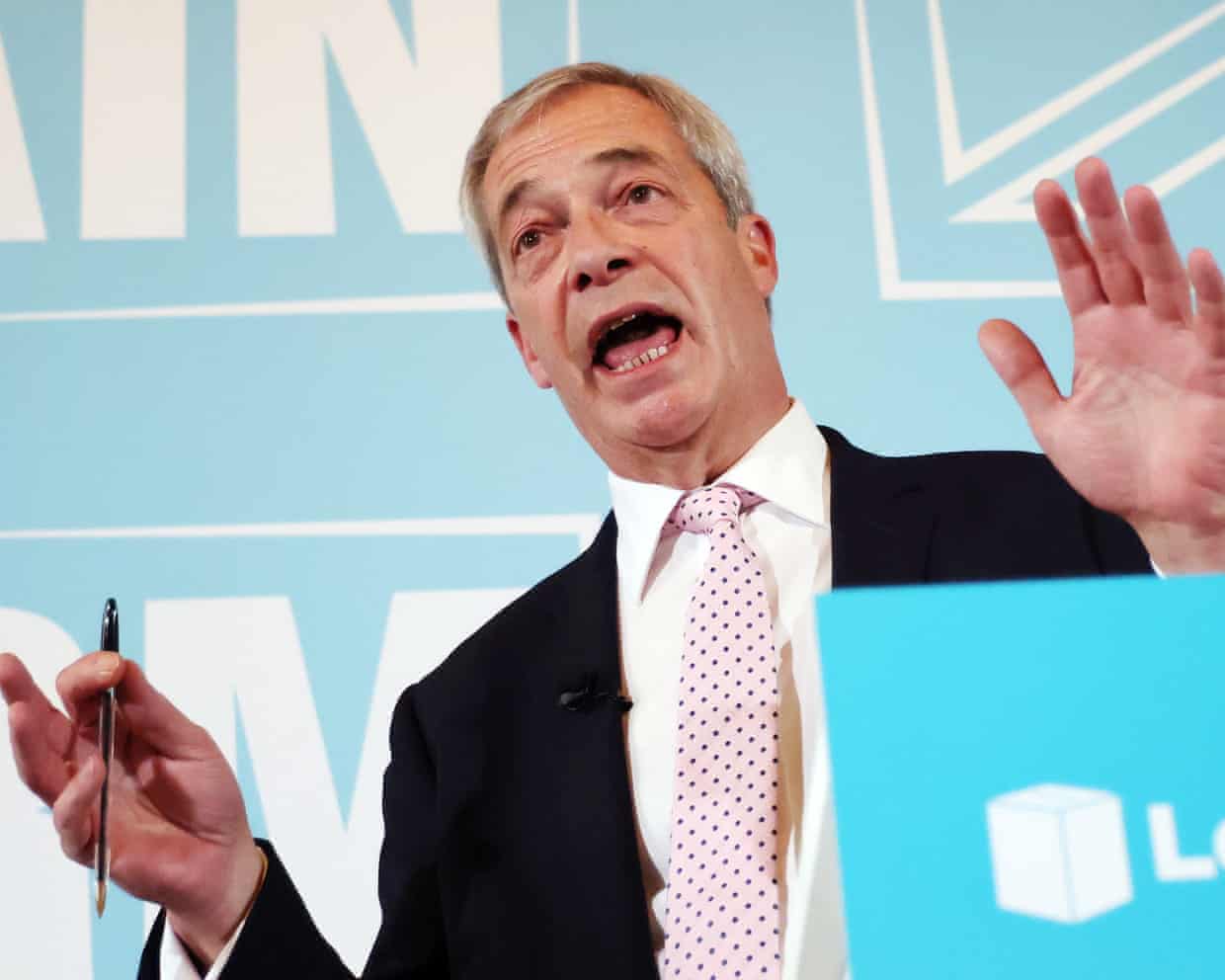
When Nigel Farage angrily denounced the BBC and insulted one of its presenters for raising questions about his alleged schoolboy racism, those who have been studying the tactics of the right noted that his behaviour felt familiar.“Is it out of the Trump playbook? I think that’s exactly what’s going on,” said Steven Barnett, a professor of communications at the University of Westminster. “This is becoming his new modus operandi, turning defence into attack. It’s exactly the tactics White House press secretary, Karoline Leavitt, uses. There are a lot of journalists in this country who just aren’t used to it
UK IVF couples use legal loophole to rank embryos based on potential IQ, height and health

AI deepfakes of real doctors spreading health misinformation on social media

What is in the UK government’s child poverty strategy?
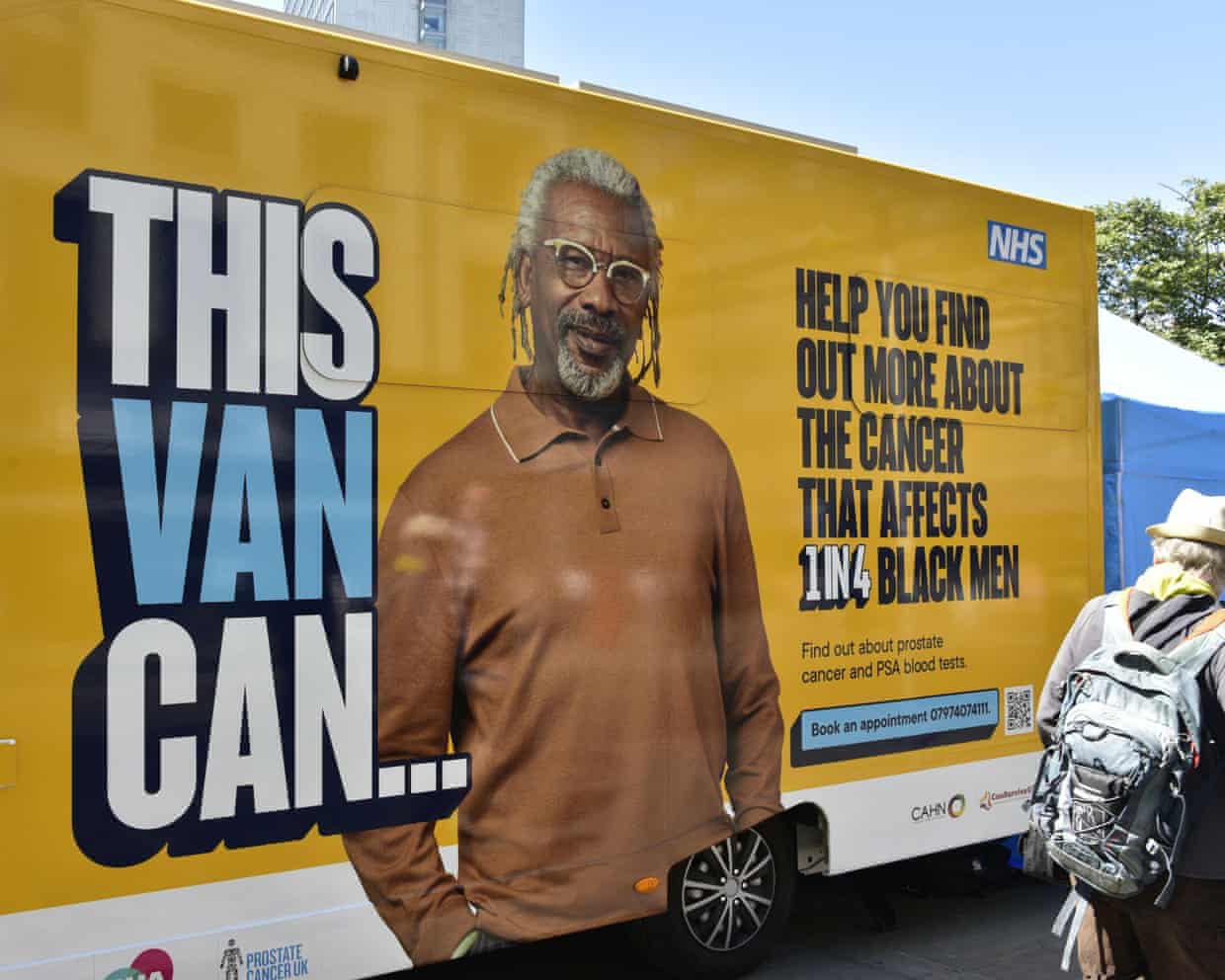
Mixed messages on prostate cancer testing proved deadly for my husband | Letter
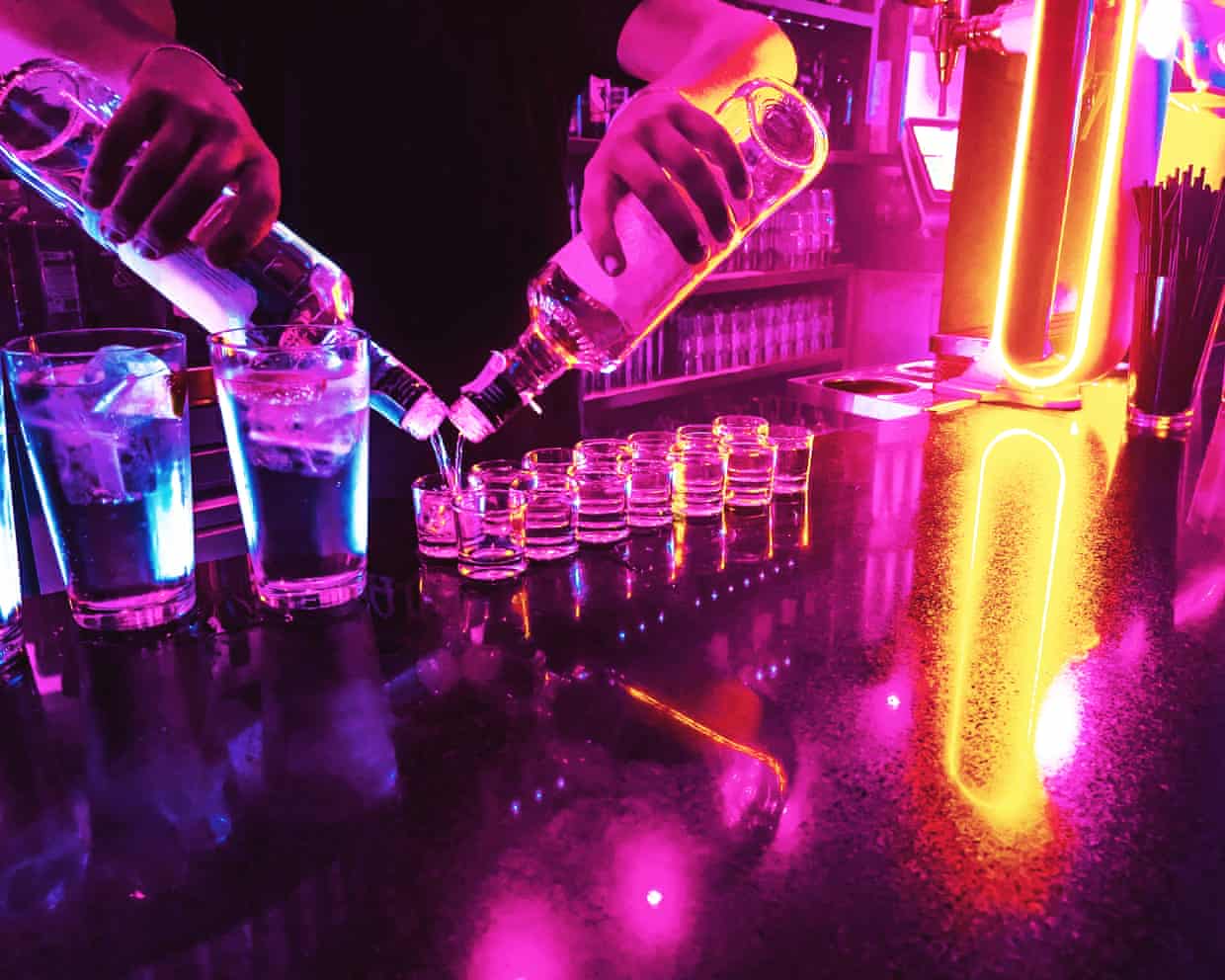
We must warn travellers about the risk of methanol poisoning | Letters

Whales, beards, mules and VIPs: the secret world of high-rolling professional gambling