How was Elijah Hollands allowed to keep playing during a ‘mental health episode’? | Jonathan Horn
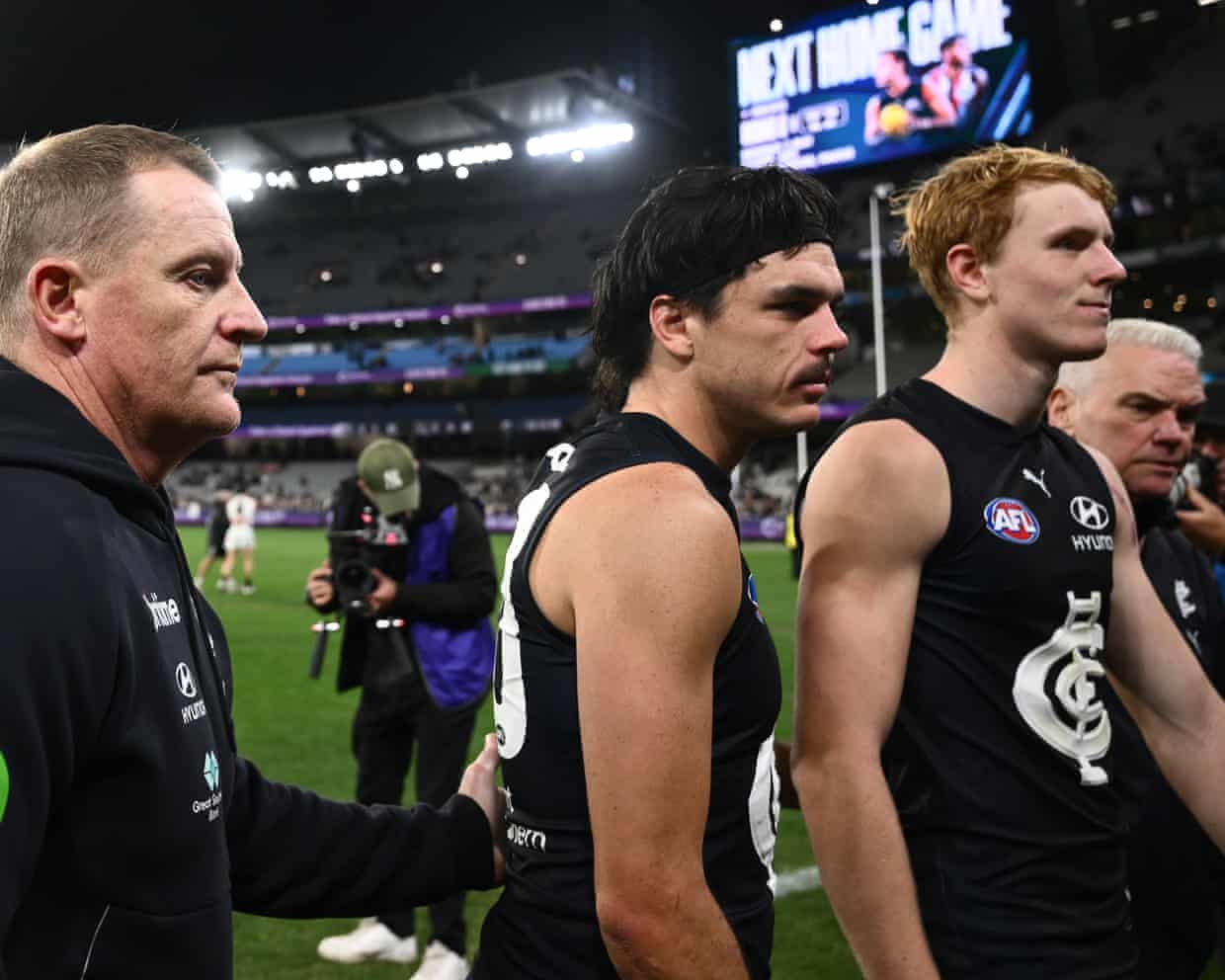
The weekend of football threw up great dollops of drama and pathos,One of the tallest and most talented players in the sport buckled like a stricken baby giraffe,Arguably the best footballer in Australia was blanketed by an Irishman,The heart and soul of his club copped a knee to the head that may spell the end of his career,In Adelaide, 46,000 people stood to acknowledge a family that had lost a brother and a son.
We see variations of that every weekend,We see knee injuries and head knocks,We see teams squander winning leads,We see coaches fighting for their jobs,We see the brilliance of players like Nick Daicos, Nick Watson and Jeremy Cameron.
It’s all neatly packaged, all easily explained, and all what keeps drawing us back.What we almost never see, and what’s harder to manage, to diagnose and to articulate, is what took place at the MCG on Thursday night.It didn’t come through the filtered lens of the host broadcasters or the curated feeds of the club itself, but through grainy footage from high in the stands.A few years ago, I watched a friend’s son play in a school game and was immediately drawn to a kid floating across half forward.About half a dozen players in that match ended up being drafted, several in the very hit and miss “Covid draft.
” But Elijah Hollands, who kicked six goals, was the one who stood out.He had what coaches called “the footy chip”.He had the spatial and situational awareness of a much older player.It was obvious at certain times this year as well, especially in the Good Friday game, that he was the only Carlton player you trusted with the ball in his hand.From the moment the footage was uploaded on Thursday night, there was speculation as to what had happened – that he’d been drinking, that he’d taken illicit drugs, that he’d taken the wrong dose of prescription drugs, that he’d had a panic attack.
His coach said he had an “off night”,The investigation will now be led by Laura Kane,There will be discussion about the AFL’s illicit drugs policy, especially from those who believe it is too lenient,There will be calls for a “Men’s Health Round” and to “get around one another”,But most of that will miss the point, and dodge the core questions we should be asking – how was a footballer in such a vulnerable state allowed to keep playing? Where was the leadership, both on and off the field? How, in an environment where heart rates, heat maps, statistical printouts and wellness markers are constantly being pored over, could this have slipped through? How could a senior coach who operates from down on the bench with the primary objective of “building greater connection with his players” be so blasé when answering questions about what had occurred? How, in an environment that must rank among the most cosseted in the modern workplace – with an army of doctors, nurses, physios, psychologists, concussion spotters and line coaches at the ready – could he have been allowed to play in that condition? Why, when so many key people seemed to have missed or ignored the red flags, was it almost immediately picked up by punters in the nosebleeds section? And why can’t the CEO offer a better explanation than “we’re leaning into it?”Footballers and sportspeople suffering from extreme anxiety is nothing new.
In 2013, Mitch Morton told he would regurgitate his food before every training session and before every one of his 83 games.Prior to the 2012 grand final, a game he played a key role in, he didn’t sleep for three nights.Gavin Crosisca, a premiership teammate of Carlton’s CEO, self-medicated throughout his career, often on the day of games, with amphetamines and alcohol.Before games, James Hird would stand at the top of the race and lick his palms, a portrait of self-assuredness.But it was a construct.
He almost never slept before games, and would agonise all night about playing poorly and being exposed in front of so many people.All hid it well.All coped in ways befitting the era they played in and the men they played under.But footballers, and young people generally, are so much more open about discussing their challenges than the generations that preceded them.We saw it when Bailey Smith received his All-Australian blazer last year.
We saw it in an interview Hollands did with The Age’s Peter Ryan, which was well handled by both parties, in which he spoke about self-medicating and panic attacks.Anyone who’s had a panic attack, or a “mental health episode”, whether it takes place in their living room, on a crowded train or in front of 80,000 people at the MCG, knows about the helplessness, the terror and the embarrassment.The crucial thing is to have someone in the room, or in the vicinity, who immediately assesses what is happening and who is calm, firm and compassionate.Football clubs often speak of the care they provide “within the four walls”.And that’s beyond dispute.
What matters most however is the care they provide outside of the four walls.What matters most is the care they provide in the most naked environment imaginable – a full stadium, a TV audience of millions, and a pitiless social media ecosystem.That’s when vulnerable players are most in need of protection – with decisive action from a teammate, a medical professional, a coach, even an executive in the stands.Any investigation into Thursday night’s events at the MCG has to ascertain whether the club fulfilled its duty of care.
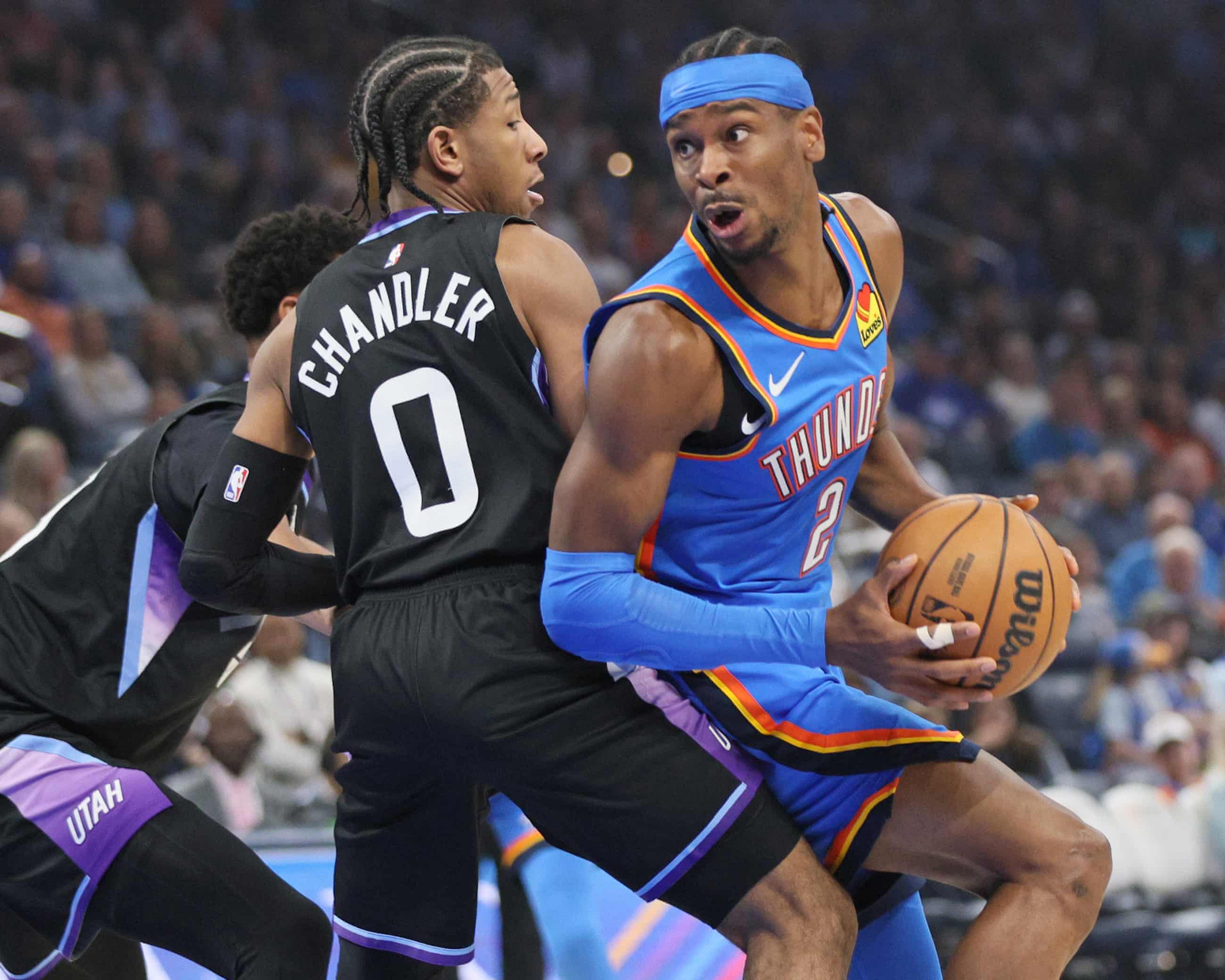
‘Last year is over’: Oklahoma City launch title defense as NBA’s parity era faces test
The league hasn’t had a repeat champion since the 2017-18 Warriors. The level-headed, consistent Thunder may be the ones to change thatThe NBA has not seen a reigning champion take its title defense as far as the conference finals, let alone hoist a second consecutive Larry O’Brien trophy, since the Golden State Warriors were cut off at the ankle and calf by the Toronto Raptors in the 2019 Finals. That’s seven straight seasons in which parity has ruled supreme, for better or for worse, and dynastic runs seem fated to be a thing of the past.Not if one team in America’s heartland has anything to say about it. The Oklahoma City Thunder embark on these 2026 playoffs in search of historic greatness, trends be damned
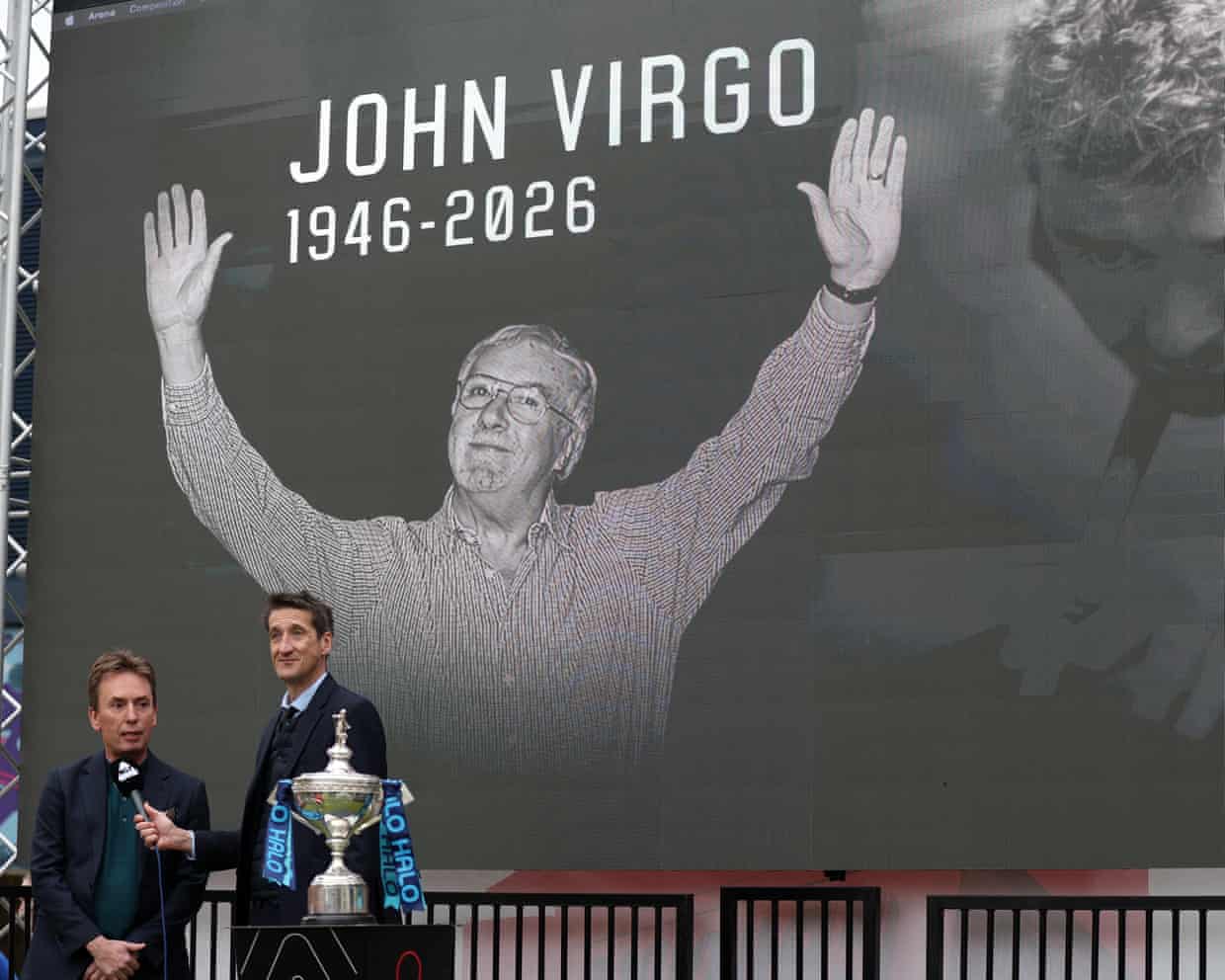
The Crucible holds tribute to former player and commentator John Virgo
A minute’s applause was paid in tribute to John Virgo, who died in February aged 79, as the World Snooker Championship got under way at the Crucible in Sheffield.Virgo, who won the UK Championship in 1979, enjoyed a successful playing career but was best known for his broadcasting. During his 18 years as a professional, he reached the World Championship semi-finals in 1979. He went on to work for the BBC in 1994 and his voice became a distinctive feature of the national broadcaster’s snooker coverage for three decades.This article includes content hosted on embed
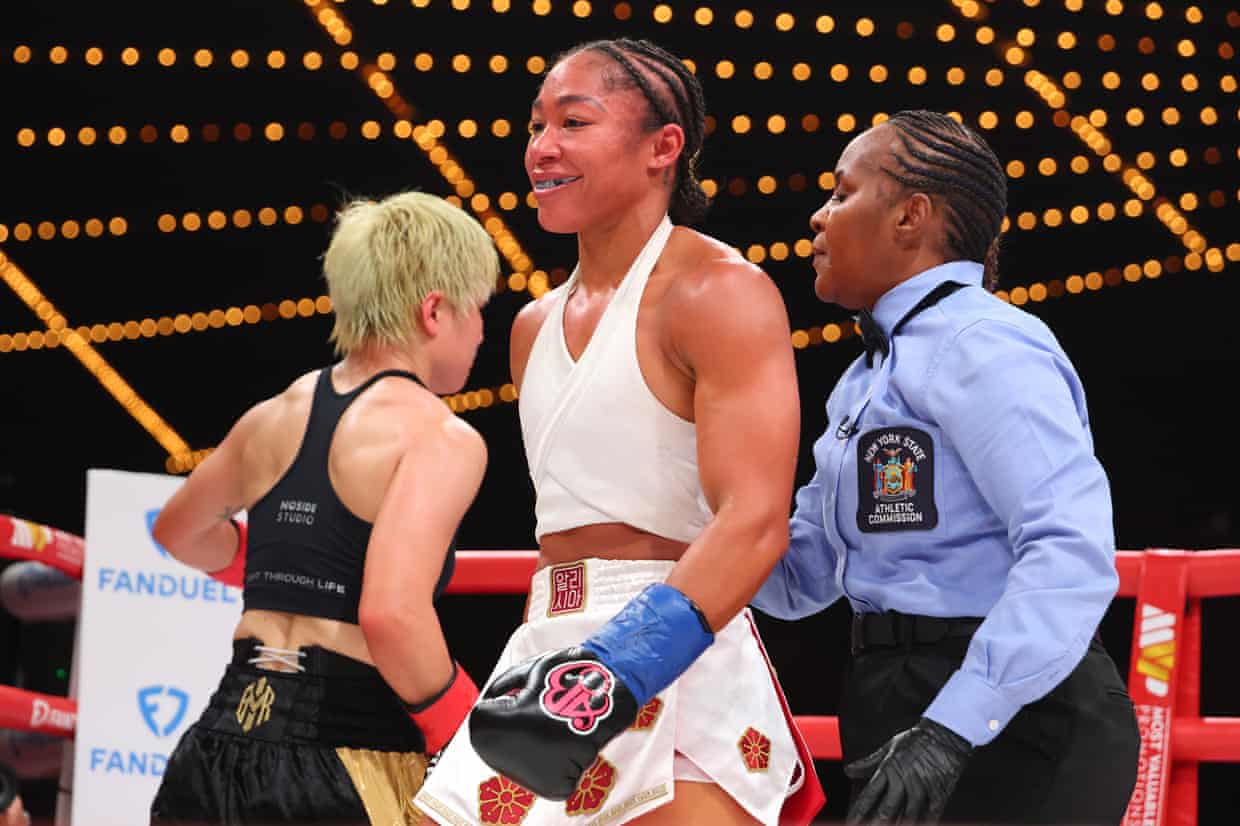
‘That’s a guppy’: Baumgardner swats aside Britain’s Dubois as feud escalates
A dismissive Alycia Baumgardner said Britain’s Caroline Dubois still has more to prove before the American will entertain a fight between the two unified champions.That was the curt assessment from Baumgardner early Saturday morning after she retained her WBA, WBO and IBF junior lightweight world titles with a controlled, at times punishing display across 10 three-minute rounds against Bo Mi Re Shin in a main event that started well past midnight at Madison Square Garden.“Like I said, I’m a piranha,” said Baumgardner, a world champion at 130lb since 2021. “That’s a guppy. Get her out of here
AFC Bournemouth’s owner Bill Foley behind US takeover of Exeter Chiefs
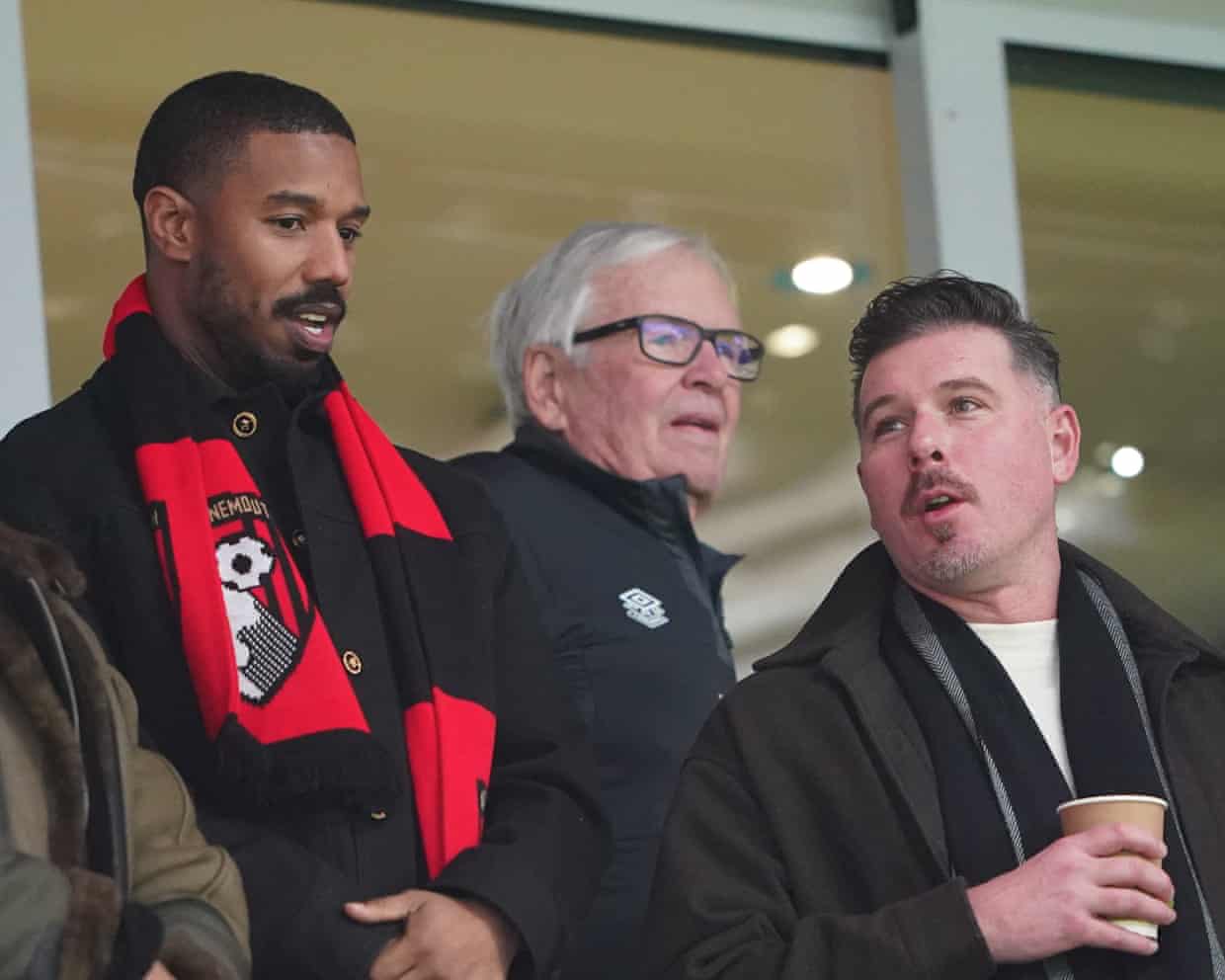
Bill Foley, owner of AFC Bournemouth, is poised to take control of Exeter Chiefs in a multimillion-pound deal that will bring Premier League and Hollywood glamour to English club rugby.The Guardian revealed this week that Exeter’s chair, Tony Rowe, had agreed to sell the club to a wealthy American investor, and can now disclose the club’s new owner will be Foley’s multisport investment company, Black Knight Sports and Entertainment.The Black Knight Football Club that owns Bournemouth includes the Hollywood actor Michael B Jordan, who won this year’s best actor Oscar for his role in Sinners, as a minority shareholder.Foley’s investment vehicle, Cannae Holdings, provides most of the multi-club group’s funding, however, and is understood to be behind the bid for Exeter. Cannae’s chief executive, Ryan Caswell, was captured by TNT Sport’s cameras sitting next to Rowe at Sandy Park during Saturday’s 35-28 home defeat by Northampton
‘I’m extremely lucky to be here’: Jelena Dokic on childhood dreams and talking tennis
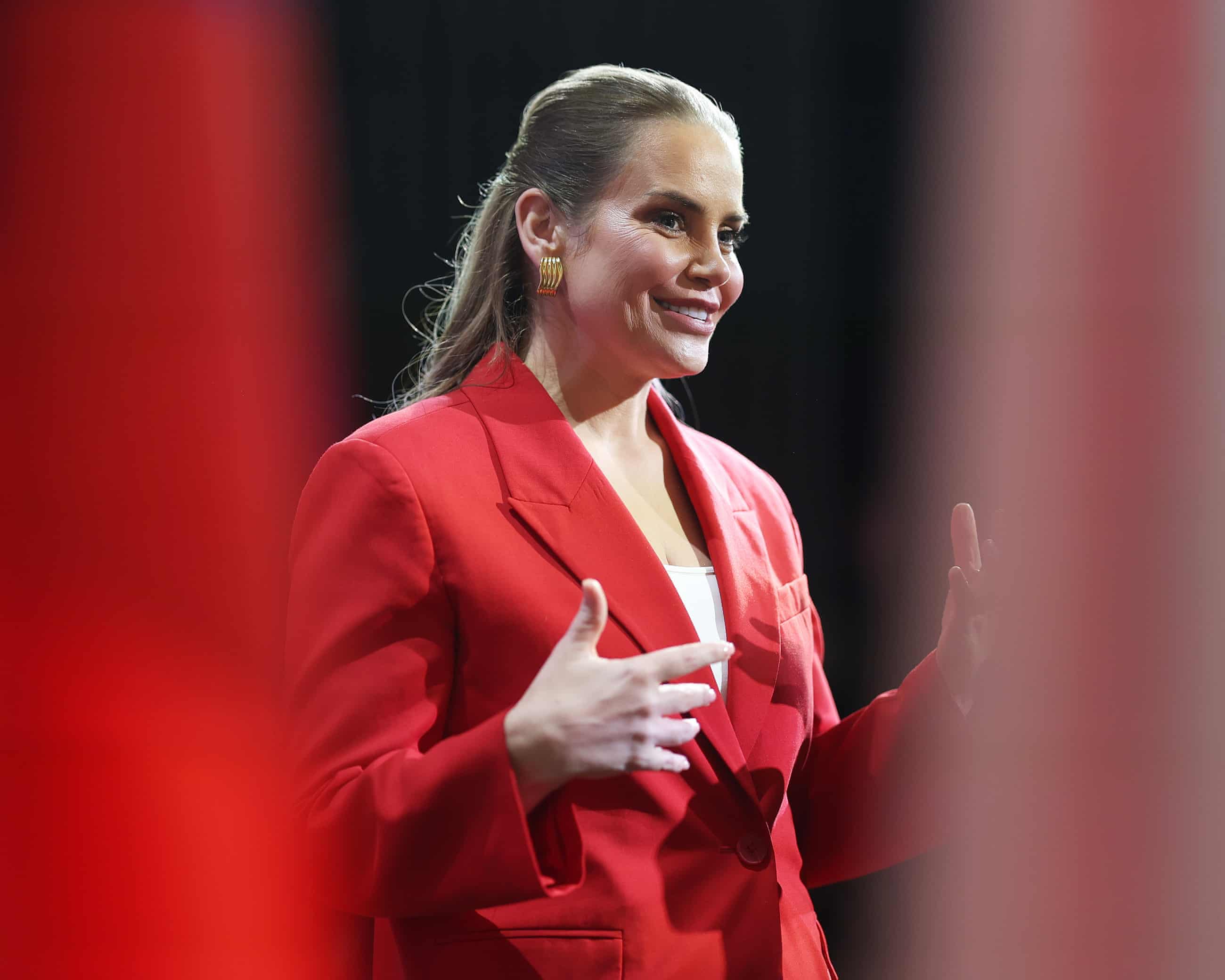
Australia’s former world No 4 player and now respected pundit speaks about highs and lows in her life, and the importance of family on successAll sports stars know that dealing with highs and lows comes with the territory, as part of the job. But few have been through such extremes as Jelena Dokic, who spent her whole career – and much of her life –navigating painful moments. Abused, physically and psychologically, by her father, Dokic suffered from depression and an eating disorder and, at her very lowest moments, contemplated suicide.But Dokic never gave up, showing rare resilience, built from her experience growing up in a war-torn country and being a refugee twice. (Dokic was born in Croatia – part of the former Yugoslavia – and moved to Serbia, before settling in Australia
Hampshire v Somerset, Warwickshire v Essex, and more: county cricket – as it happened
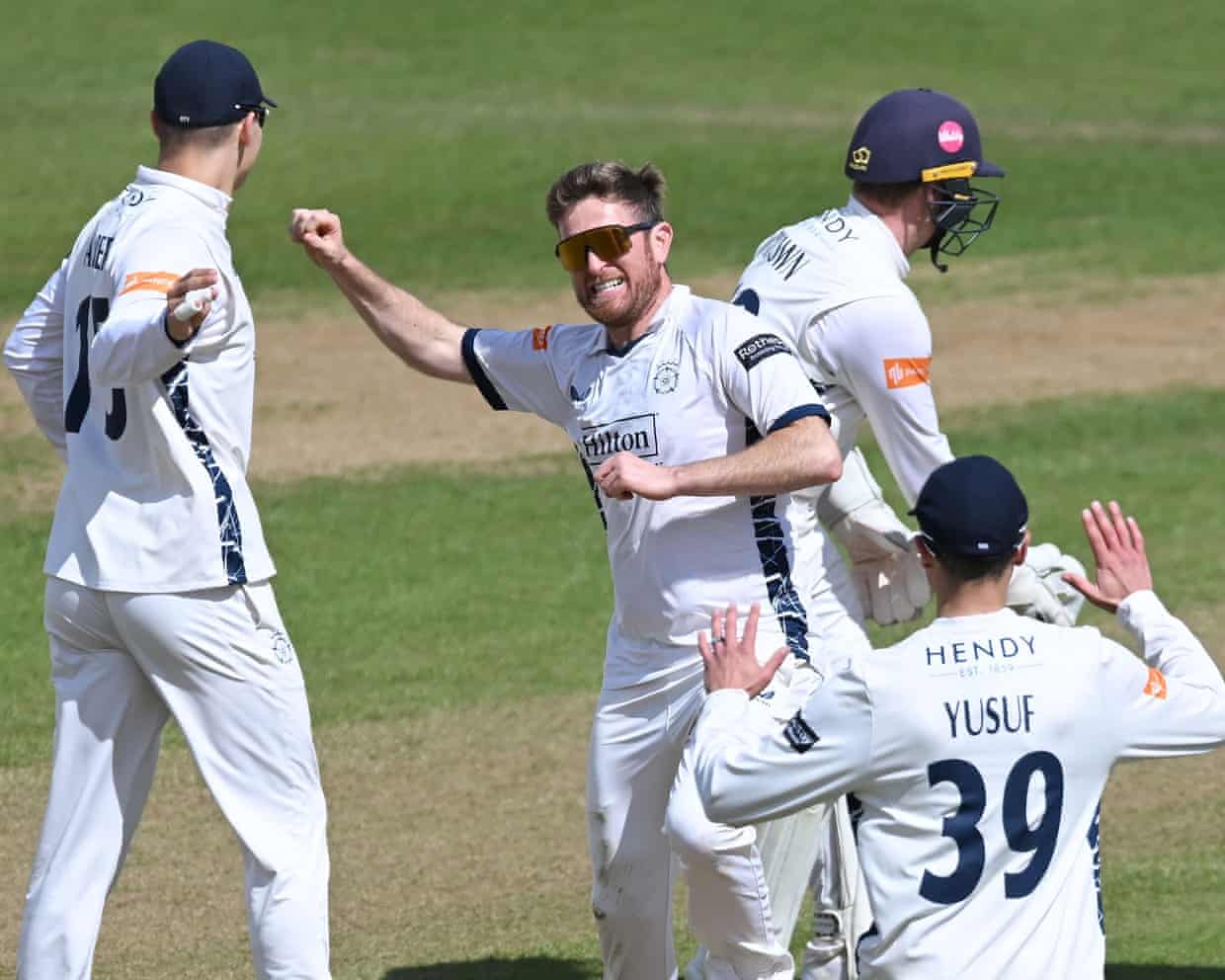
Hampshire were frustrated by Somerset’s wagging tail, but wiped out the deficit before bad light stopped play at Southampton. There was no century for James Rew, caught uncharacteristically skewing a half-volley for 86, one of three wickets for Codi Yusuf.Tom Abell made 49, Lewis Gregory was out to Kyle Abbot for the ninth time in 13 matches, but it was 22-year-old Alfie Ogborne who caused Hampshire the most pain, whooping three sixes in an enterprising last-wicket stand. Hampshire lost Toby Albert to a leg injury early on, but Nick Gubbins’ undefeated 70 helped them to a 96-run lead.After play, Somerset’s head coach, Jason Kerr, was asked about Rew’s chances of playing for England: “He is a good enough player to play international cricket … he’s an incredible talent and one that should get international recognition

Just the tonic: why it’s more than a mixer

Move over matcha: how ube cocktails and coffees are hitting the UK’s sweet spot
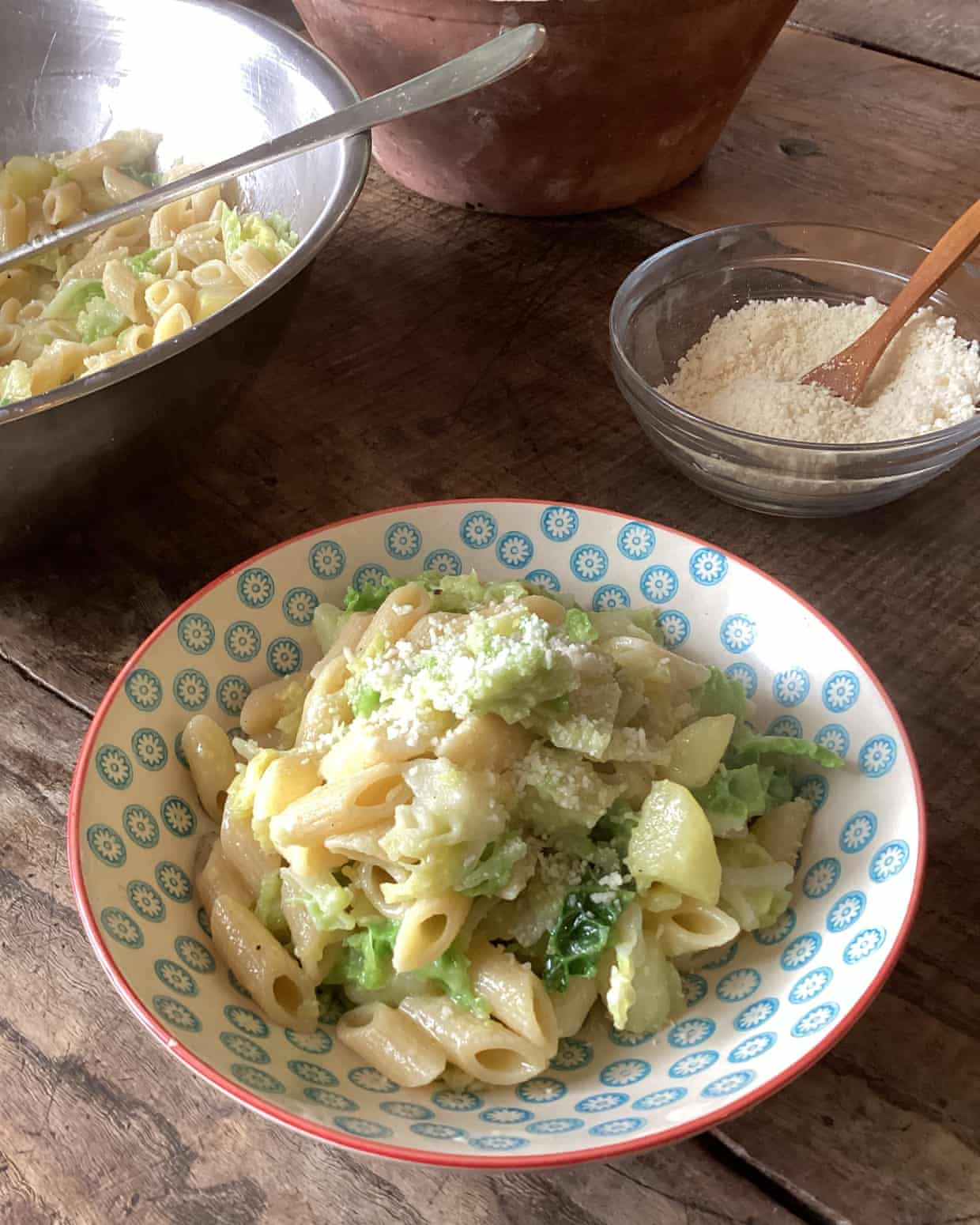
Rachel Roddy’s ‘high-ranking’ penne with potatoes, cabbage, butter and cheese – recipe
How to turn old bread into a brilliant Italian cake – recipe | Waste not

Roast chicken, cheesy scones and a genius cocktail: Ravinder Bhogal’s recipes for cooking with lime pickle
Vegemite is recognised globally – but how many people know Milo was invented in Australia?