Is CTE really the main reason behind the rise in NFL player suicides?
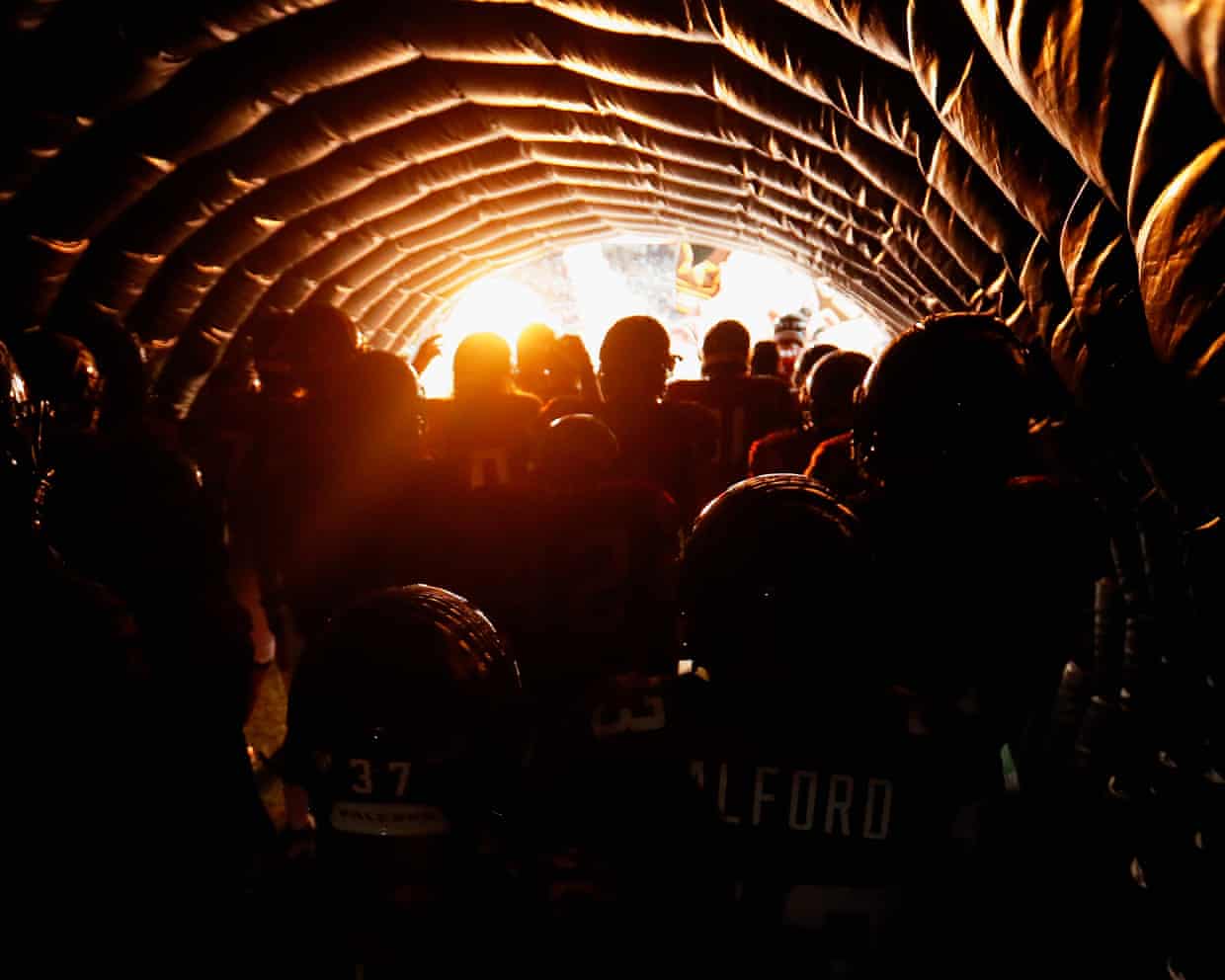
When an NFL player takes his own life, there is often speculation about why.Injuries and unemployment – a common occurrence in a violent sport where players are frequently traded and cut – have been linked with increased risks of suicidal ideation.In parallel to those factors, however, exists chronic traumatic encephalopathy (CTE).A degenerative brain condition caused by repeated trauma to the head, CTE’s links with football are established and almost impossible to ignore.Players ranging from widely admired Pro Bowlers such as Junior Seau and Dave Duerson, to those infamous for more notorious reasons, such as Aaron Hernandez and Phillip Adams, were all confirmed to have CTE by autopsies.
(The condition can only be diagnosed posthumously.) All four players killed themselves.Such anecdotal observations imply a certain, coherent logic that connects playing football with suicide.Tackle football, by its nature, increases participants’ risk of head injury.Head injuries increase the likelihood of an affected individual attempting suicide.
CTE is often the cumulative consequence of years of head injuries and, indeed, many high-profile NFL players who have taken their own lives have been confirmed to suffer from CTE,So it’s easy to reason that football and/or CTE, by their very nature, lead to an increased risk of suicide,It makes sense,But a new study says other factors are at play,To put it more precisely: the study says data does not support the notion that CTE is the only cause of NFL players’ increased risk of suicide.
The findings were published in January by members of Harvard’s ongoing Football Player Health Study (FPHS), a diverse group of neuroscientists, former NFL players and others who have been examining the health and wellbeing of professional football players since 2014.“As someone raised in a basketball family, I came into this research with a lot of assumptions,” Dr Rachel Grashow, one of the FPHS study’s lead authors, tells the Guardian.“I learned pretty quickly that the public narrative around CTE didn’t actually reflect the scientific nuance and the lived experience of many players.”The group’s researchers used the National Death Index to gather cause-of-death information for about 34,000 NFL, NBA and MLB players over a 40-year period between 1979 and 2019.When examined across all four decades, NFL players were found to be 20% more likely than their basketball- and baseball-playing colleagues to die by suicide.
This may be about what the average fan would expect when comparing football to less contact-intensive sports.Viewing the data in a more meticulous manner, however, reveals a more upsetting, but ultimately actionable, truth.If the analysis is limited to the period from 1979 to 2009, NFL players were roughly 10% less likely than their NBA and MLB counterparts to die by suicide.It’s only since 2009 that NFL players have become more likely to take their own lives in relation to their peers, and the change has been significant.In the 10-year period from 2009-2019, NFL players became 260% more likely than NBA and MLB players to die by suicide.
It’s a staggering change which raises a question – what could explain such a swing?At first glance, CTE would seem to be the most obvious explanation.But the picture is a little murkier.Although the first NFL-adjacent case of CTE wasn’t diagnosed until 2002, it is almost certain that undiagnosed CTE cases were at least as prevalent in 20th century football as they are today.Indeed, taking improvements in helmet design into account, instances of CTE were likely even more common in the past.And yet, suicide rates among NFL players increased in the 2010s.
What happened?Suicide contagion – or a rise in copycat attempts in the wake of a high-profile suicide, is a very real and scientifically well-established phenomenon – and may explain some of the rise,The 2010s featured several events at the intersection of the NFL, mental health and suicide which were widely covered in the media,Seau, a beloved Hall of Famer, killed himself in 2012,Concussion, a Will Smith movie retelling of Dr Bennet Omalu’s efforts to convince the NFL of CTE’s risks, was released in 2015,Partly owing to public pressure in the wake of increased media coverage of the issue, the NFL acknowledged a link between football and CTE during a Congressional hearing on the subject in 2016.
Public mentions of CTE have only increased since then,One aspect of CTE may also make it particularly potent when it comes to suicide contagion – CTE can only be definitely diagnosed after death,With no way to confirm if they’ve developed CTE, potentially affected players are left in a perpetual state of uncertainty, wondering whether every headache or misplaced housekey is a momentary mental lapse or a symptom of something more ominous,Broadly speaking, professional diagnosis of a chronic condition is already associated with an increased risk of suicide, and many players are essentially self-diagnosing CTE,To clarify – the Harvard study’s findings do not imply that CTE is blameless when it comes to suicide among NFL players.
Instead, the study reaffirms that CTE is just one of many possible factors.Imagine simultaneously pouring two full pints of juice – orange and apple – at the same rate into a third, empty pint glass.Juice would, of course, soon pour out of the third glass, but was it the orange juice or apple juice that caused the spill?Mental health crises are rarely the consequence of a single input, even among potentially CTE-affected NFL players.It’s therefore important for players and their doctors to consider alternative explanations for CTE-like symptoms.Indeed, many of the symptoms most associated with CTE (memory loss, brain fog, aggression, depression, etc.
) are also symptoms linked to other ailments like sleep apnea, low testosterone and high blood pressure.Adding to the confusion, each of these individual symptoms can also be caused or exacerbated by head injury, with or without the presence of CTE.There’s also the possibility that some of the rise may have to do with how player deaths are classified.“Deaths among NFL players that would not have been classified as suicides by medical examiners prior to 2011 may have been labeled a suicide after 2010, as a result of greater awareness of issues related to head trauma,” the study’s co-author, Marc Weisskopf, told the Daily Mail.Perhaps most importantly, once the spectre of CTE is removed from (or, at least, appropriately framed in) the discussion, treatment options become available, even if CTE remains a real risk factor.
Hall of Fame running back Tony Dorsett was diagnosed with CTE-like symptoms in 2013 (again, definitive diagnosis of CTE is only possible after death and Dorsett is still alive).The symptoms that pushed him to seek testing are familiar: memory loss, depression and suicidal thoughts.Thirteen years later, Dorsett has even become an advocate for sleep apnea treatments.Even more relevantly, recently retired tight end Hayden Hurst, who was diagnosed with a non-CTE neurological condition after an NFL concussion in 2023, has discussed experiencing (and overcoming) a suicide attempt earlier in his career.Which is all to say when an NFL player takes his own life, multiple questions arise around the complicated relationship between professional football, mental health and suicide.
Given the simultaneous surges in CTE awareness and NFL suicides over the last 15 years, a tendency to conflate the two emerges.But, according to the Harvard study, that’s not the correct way of looking at things and Weisskopf says that “more research is needed to determine the individual contributions” of factors that lead to former NFL players’ suicides.When the question is “should those at risk of suicide talk to their doctors or loved ones about CTE, sleep apnea, high blood pressure or something else?” the only accurate answer is “Yes.”In the US, you can call or text the 988 Suicide & Crisis Lifeline at 988 or chat at 988lifeline.org.
In the UK and Ireland, Samaritans can be contacted on freephone 116 123, or email jo@samaritans.org or jo@samaritans.ie.In Australia, the crisis support service Lifeline is 13 11 14.Other international helplines can be found at befrienders.
org

UK households cut back spending at fastest rate in 18 months, Barclays says
Households cut back on their spending in April at the fastest pace in 18 months, as the conflict in the Middle East provoked fears of another cost of living crisis, a report from one of the UK’s biggest banks has suggested.Barclays, which processes nearly 40% of the UK’s credit and debit card transactions, said its data showed there had been a 0.1% fall in card spending last month compared with a year earlier. This was the first year-on-year fall since November 2024.The bank, which analyses the hundreds of millions of transactions made on its debit and credit cards each month, said non-essential spending fell by 0
BuzzFeed sold to Byron Allen, who will take over as CEO in $120m deal
BuzzFeed, the digital media pioneer that was once valued as high as $1.7bn amid a private equity-funded wave of interest in websites that generated massive amounts of online traffic in the 2010s, has finally changed hands for $120m.On Monday, the company announced that a controlling stake in the company has been sold to media entrepreneur Byron Allen. Allen, who often makes large, sometimes unsolicited bids for media companies, is also an on-screen personality in addition to controlling his Allen Media Group conglomerate, which owns networks including The Weather Channel. Allen’s show, Comics Unleashed, will replace the Late Show with Stephen Colbert on CBS’s schedule starting later this month
Texas accuses Netflix of spying on children in new lawsuit
Texas sued Netflix on Monday, accusing the streaming company of spying on children and designing its platform to be addictive.Ken Paxton, the Texas attorney general, said Netflix has for years falsely represented to consumers that it did not collect or share user data, when it actually tracked and sold viewers’ habits and preferences to commercial data brokers and advertising technology companies, making billions of dollars a year.The Los Gatos, California-based company was also accused of quietly using “dark patterns” to keep users watching, including an autoplay feature that starts a new show when a different show ends. Netflix did not immediately respond to requests for comment.Texas’s complaint follows a spate of lawsuits targeting tech companies over features that the plaintiffs have said are addictive and dangerous to children

AI-powered hacking has exploded into industrial-scale threat, Google says
In just three months, AI-powered hacking has gone from a nascent problem to an industrial-scale threat, according to a report from Google.The findings from Google’s threat intelligence group add to an intensifying, global discussion about how the newest AI models are extremely adept at coding – and becoming extremely powerful tools for exploiting vulnerabilities in a broad array of software systems.It finds that criminal groups, as well as state-linked actors from China, North Korea and Russia, appear to be widely using commercial models – including Gemini, Claude and tools from OpenAI – to refine and scale up attacks.“There’s a misconception that the AI vulnerability race is imminent. The reality is that it’s already begun,” said John Hultquist, the group’s chief analyst

Iga Swiatek finds her flawless best to dismantle Naomi Osaka at Italian Open
Iga Swiatek produced a statement victory in a battle between two of the game’s best, mercilessly dismantling Naomi Osaka 6-2, 6-1 to return to the quarter-finals of the Italian Open.This was the type of confidence-building performance Swiatek, the fourth seed, has been seeking for some time. After a tense opening four games, the four-time French Open champion put together a near flawless match, winning 10 of the last 11 games. Swiatek found a sweet balance between stifling Osaka with her heavy topspin and offensive weaponry while also drawing errors from her adversary with her tireless consistency.In a match that pitted the six-time grand slam champion Swiatek versus the four-time major champion Osaka, this was by far the most eye-catching meeting of the tournament so far
‘You guys wanna see a dead body?’ The slow death of the Philadelphia 76ers’ Process era
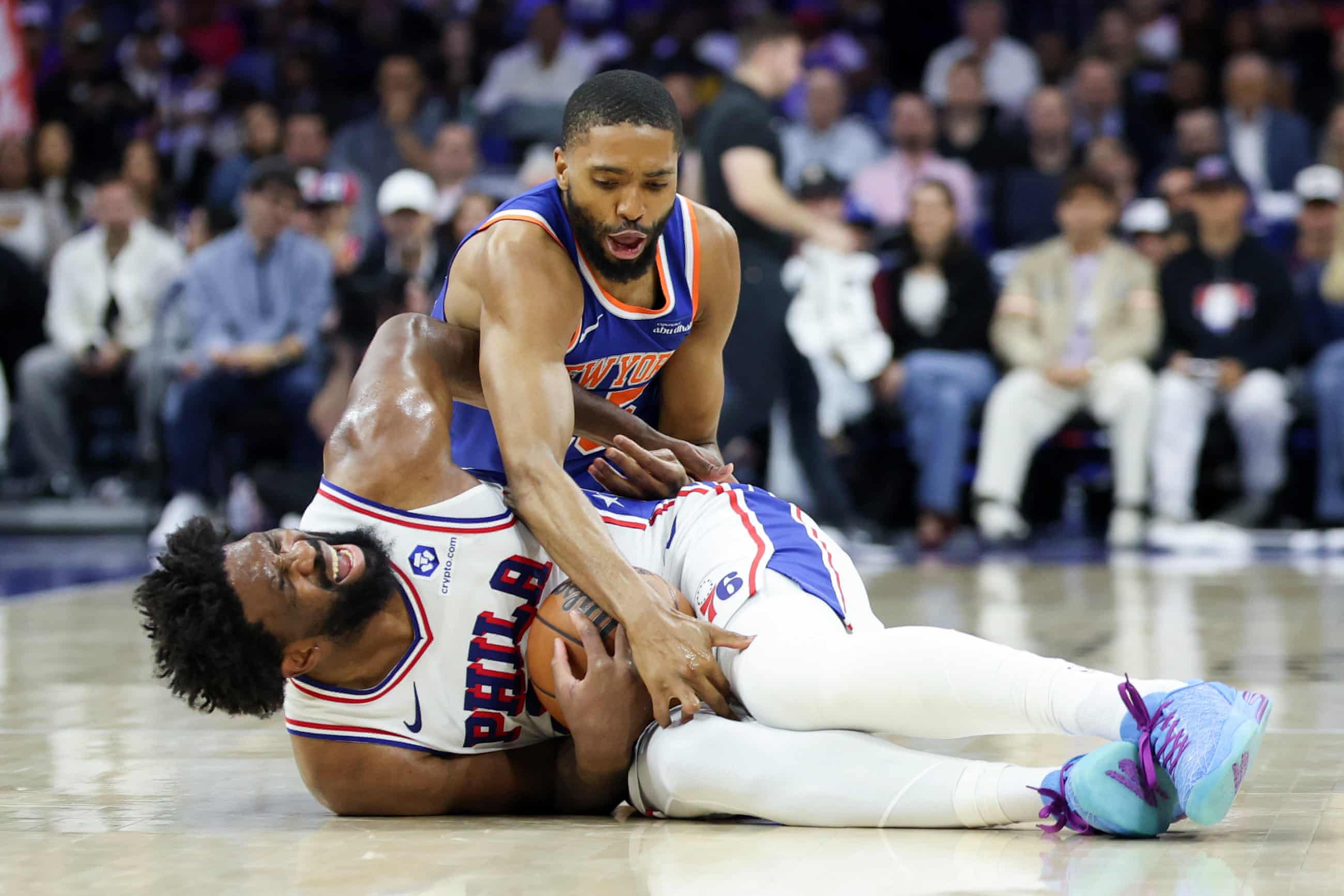
The Sixers’ season ended in a humiliating sweep at the hands of the Knicks. There are reasons to believe the franchise can recover though“You guys wanna see a dead body?”Old heads remember that scene in Stand By Me, four boys hike through the Oregon wilderness to find the body of a dead boy. They walk for miles for the morbid prize of seeing something that can’t be unseen. When they finally arrive and stand over the body, nobody says a word. There’s nothing left to say
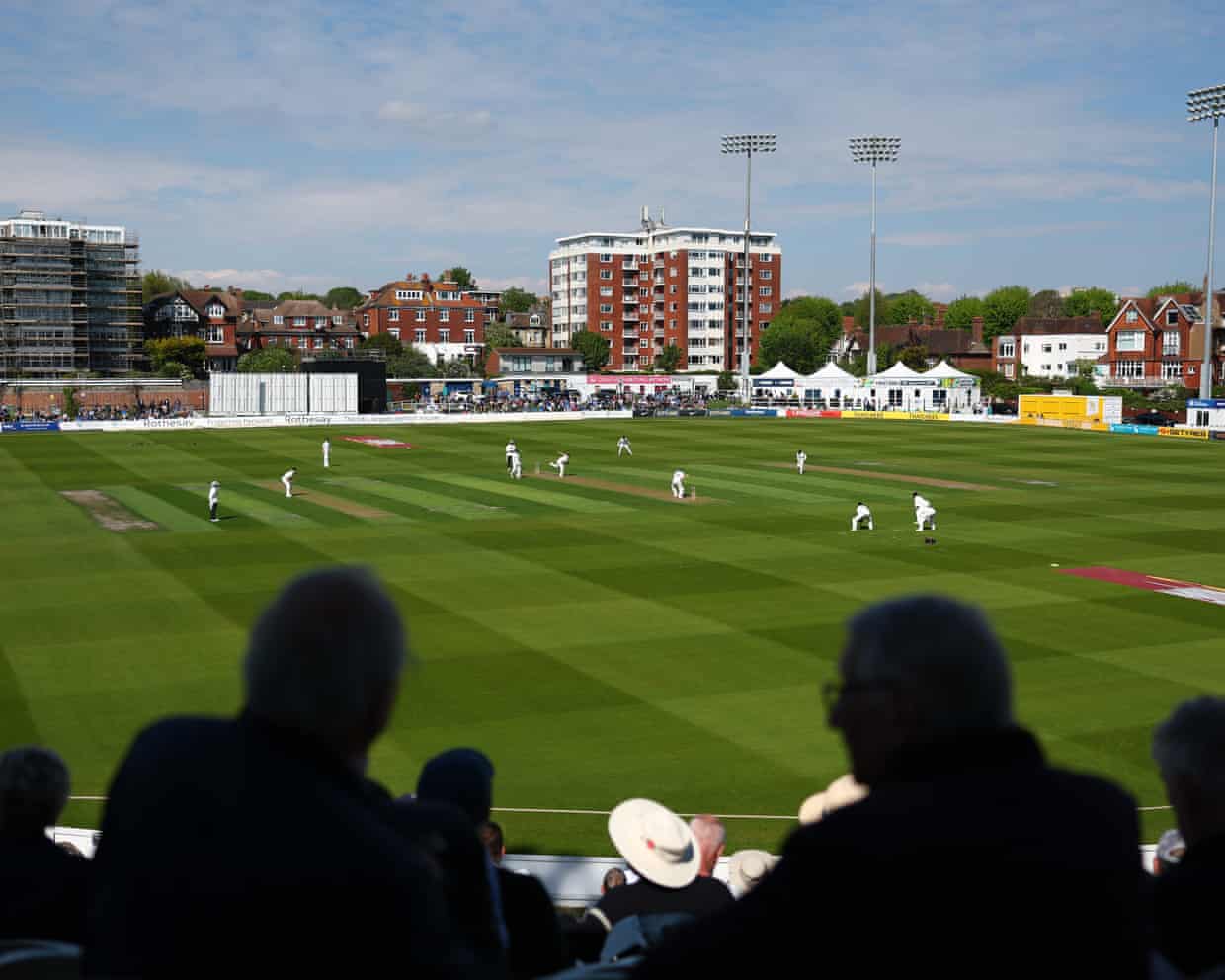
Counties face points deductions for financial losses under strict new ECB rules
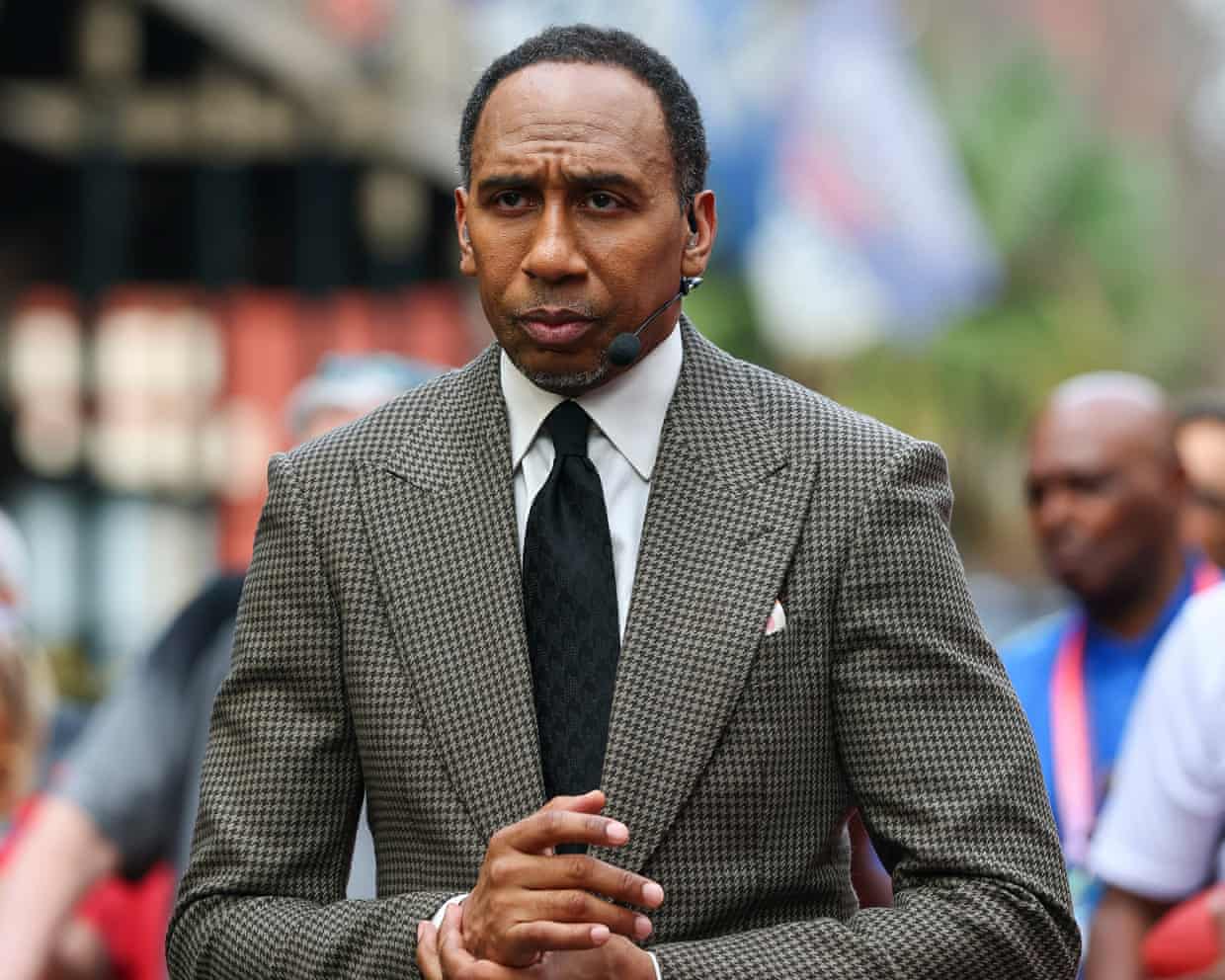
I can tell Stephen A Smith why many Black people don’t like him | Etan Thomas

Bookmaker subject to AFL integrity unit probe continues in role for Gold Coast Suns
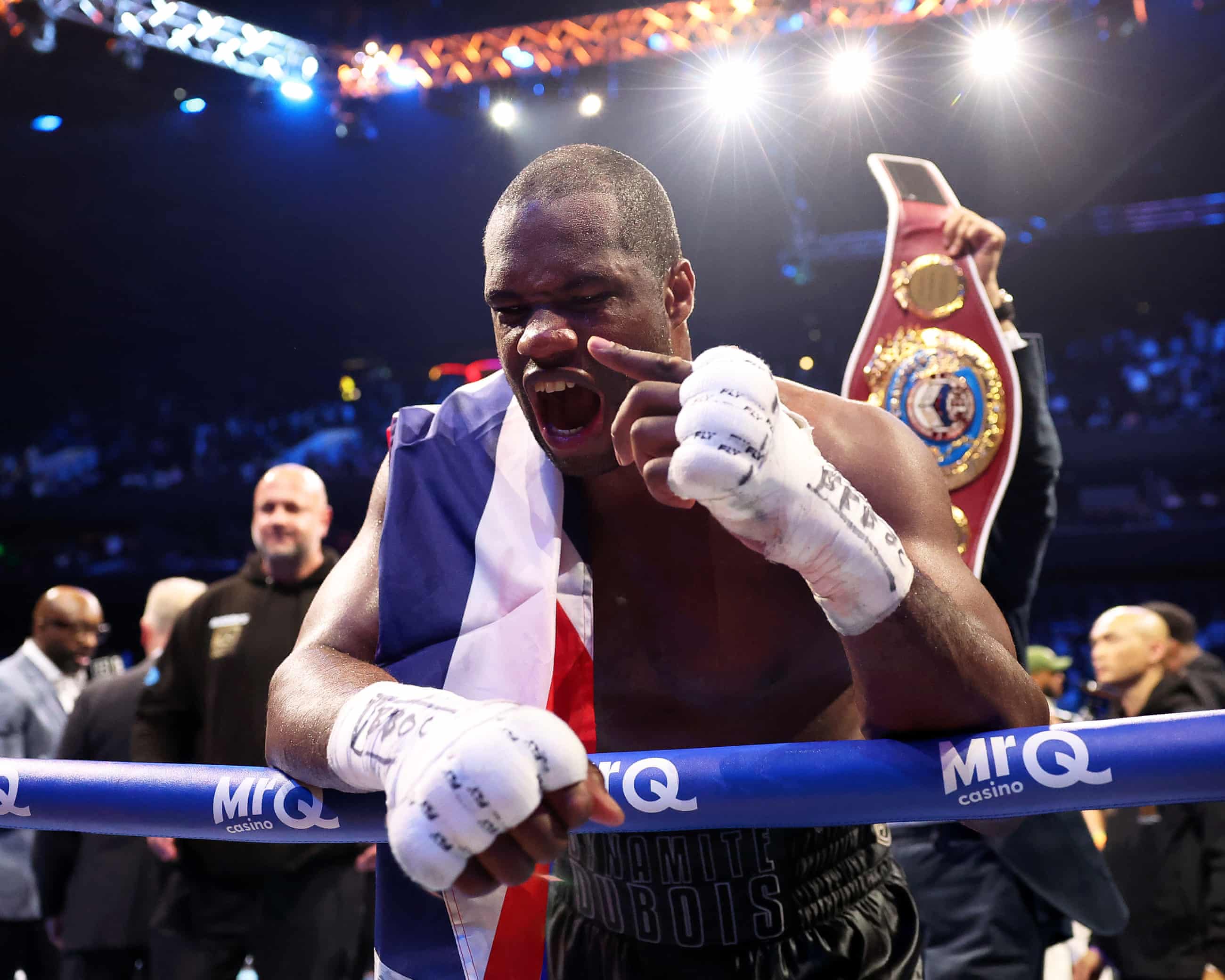
Dubois rewrites quitter narrative in strangely uplifting night for boxing
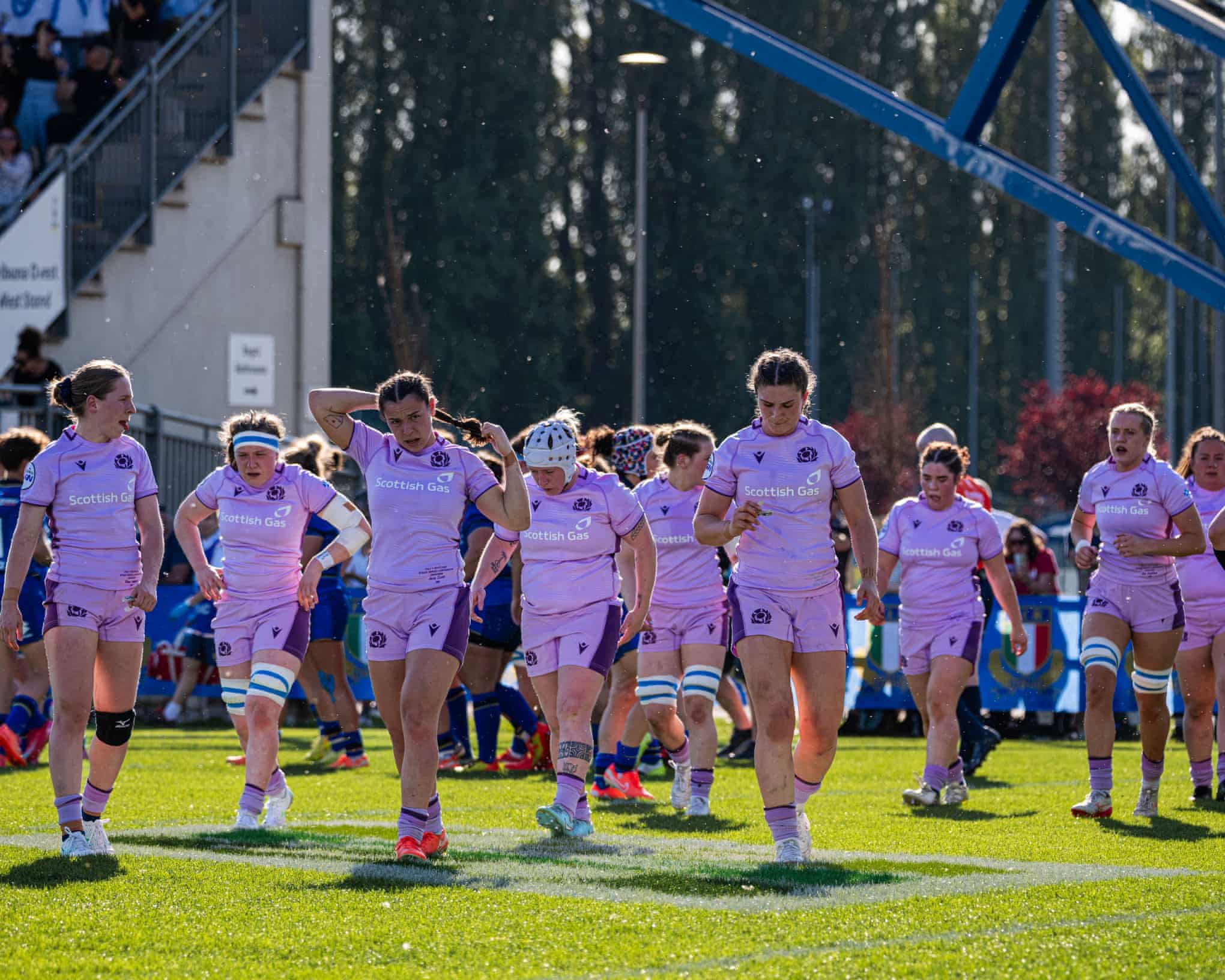
Scotland’s Six Nations slump raises questions for new era under Sione Fukofuka | Sarah Rendell
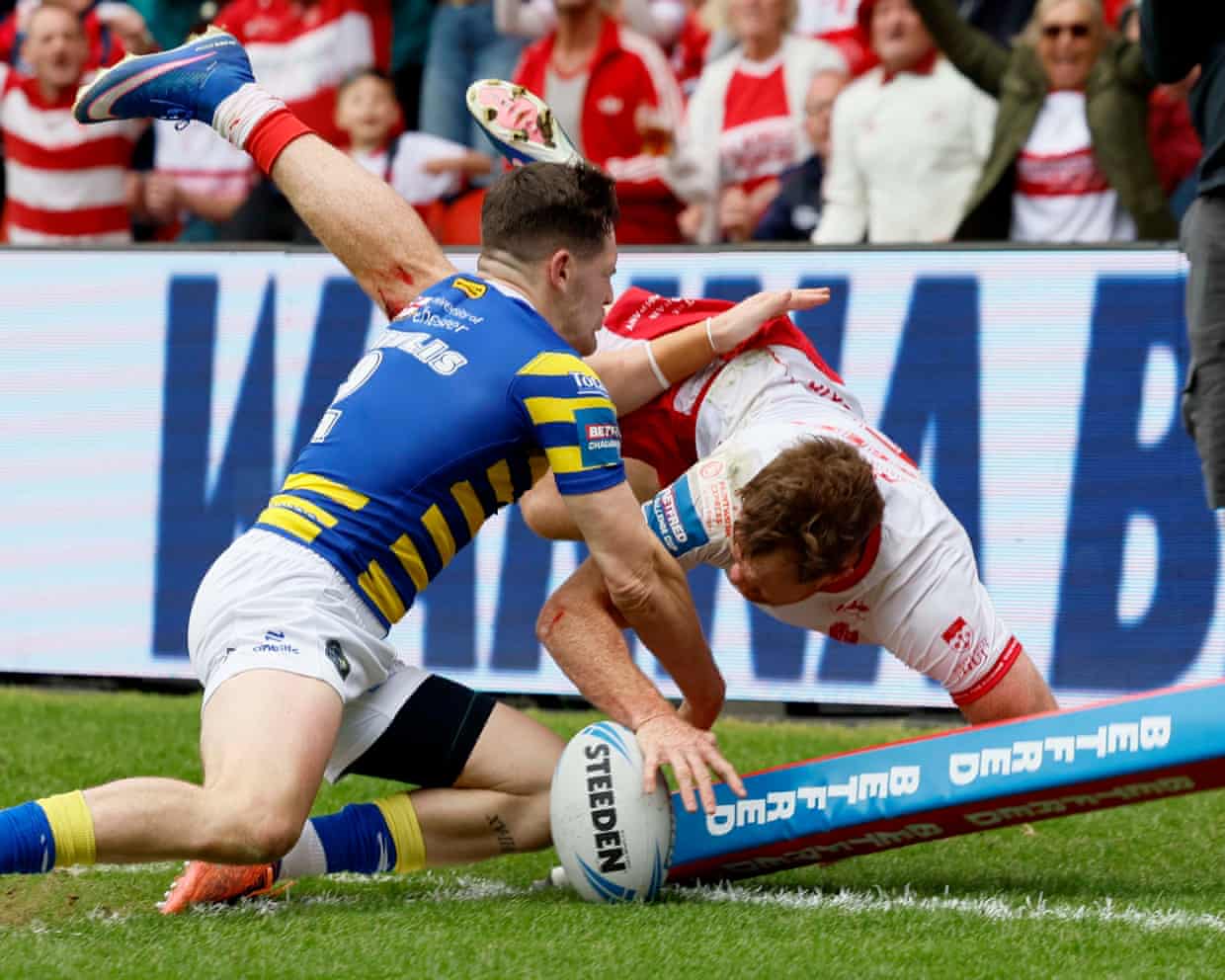
Hull KR set up clash of titans in Challenge Cup final against Wigan