AFL to plough funds into addressing racism as league grapples with Indigenous drop-off
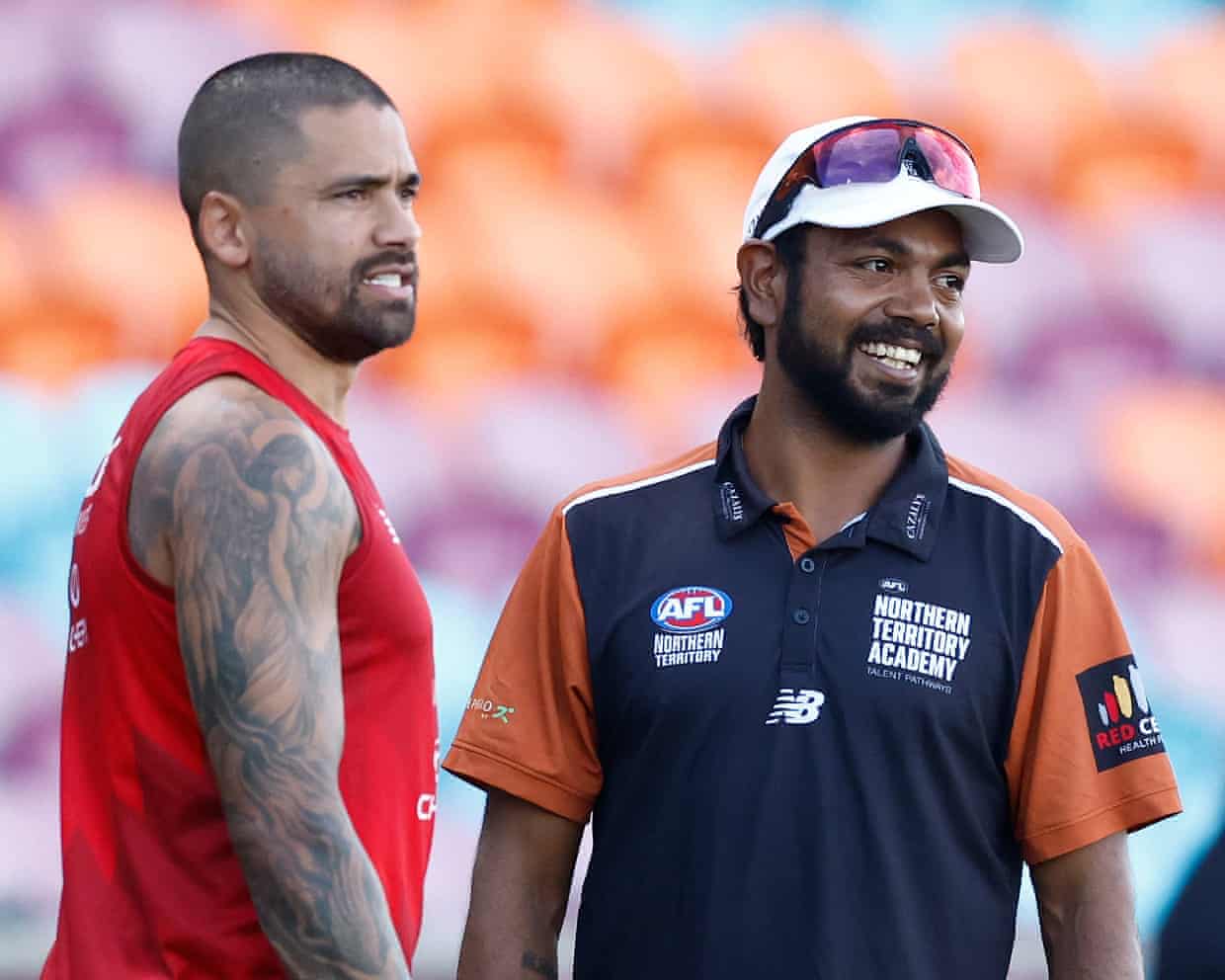
The AFL will divert around $300,000 from Indigenous guernsey sales towards initiatives designed to address culturally unsafe environments and racism, as the league grapples with a growing trend of First Nations players leaving the game,The number of Indigenous players in the league has dropped every year since its peak of 87 in 2020, to now where it sits at 62,Under its five-year strategy drafted last year, the AFL has targeted an increase to 89 by 2030,AFL chief executive Andrew Dillon said First Nations teenagers are getting drafted at a higher rate than their overall share of the league, but more work needs to be done to ensure players can fulfil their potential,“What we did see last year was nine Indigenous players drafted in the men’s competition, which was a bigger proportion of the 80-or-so players drafted – percentage-wise, that was a really high percentage,” he said.
“But what happened was, at the same time, we had 11 Indigenous players delisted, so that’s why the number went down.”The typical career for an Indigenous player is approximately one year shorter than that of a non-Indigenous player.The trend is evident even in the careers of high-profile, proven performers such as Willie Rioli, who retired last year at age 30.Dillon said there are no “cookie-cutter” solutions, and the league has introduced a subcommittee to look at ways of growing Indigenous numbers.There is also a working group considering dedicated First Nations list spots.
“I think the players are there.Would we like even more? Absolutely, and that’s why we’re doing that work,” he said.“So it’s not only just about identifying, it’s then when the players are on the list, how can we make sure that an Indigenous player stays on the list as long as any other player does.”The AFL expects the newly-launched First Nations impact fund will receive around $300,000 this season.Clubs are able to access the funding by pitching initiatives to support the league’s First Nations strategy, which include creating culturally safe environments and calling out and addressing racism.
St Kilda’s Bradley Hill said he didn’t know exactly what the cause for the drop-off was, but he believed there is still more to be done to help young Indigenous players realise opportunities,“Growing up as an Aboriginal young kid I know how hard it can be as a teenager, whether it’s getting to training, getting people committed to their teams,” said the Noongar man and three-time premiership player,“I know sometimes it is difficult for us to get there, whether it’s money, travel, there could be a lot of things that we could do to make it easier for the younger boys coming through,”Hill said there was a “positive outcome” to last month’s incident when Hill and others at the Saints took exception to a comment by coach Ross Lyon described as “casual racism”, but he did not want to elaborate further,“It’s already been out there in the newspapers and stuff, I probably don’t need to touch on that again,” he said.
“I think you guys all know exactly what went on.”
‘Degree of complacency’: are supply chains prepared for impact of ongoing Iran war?
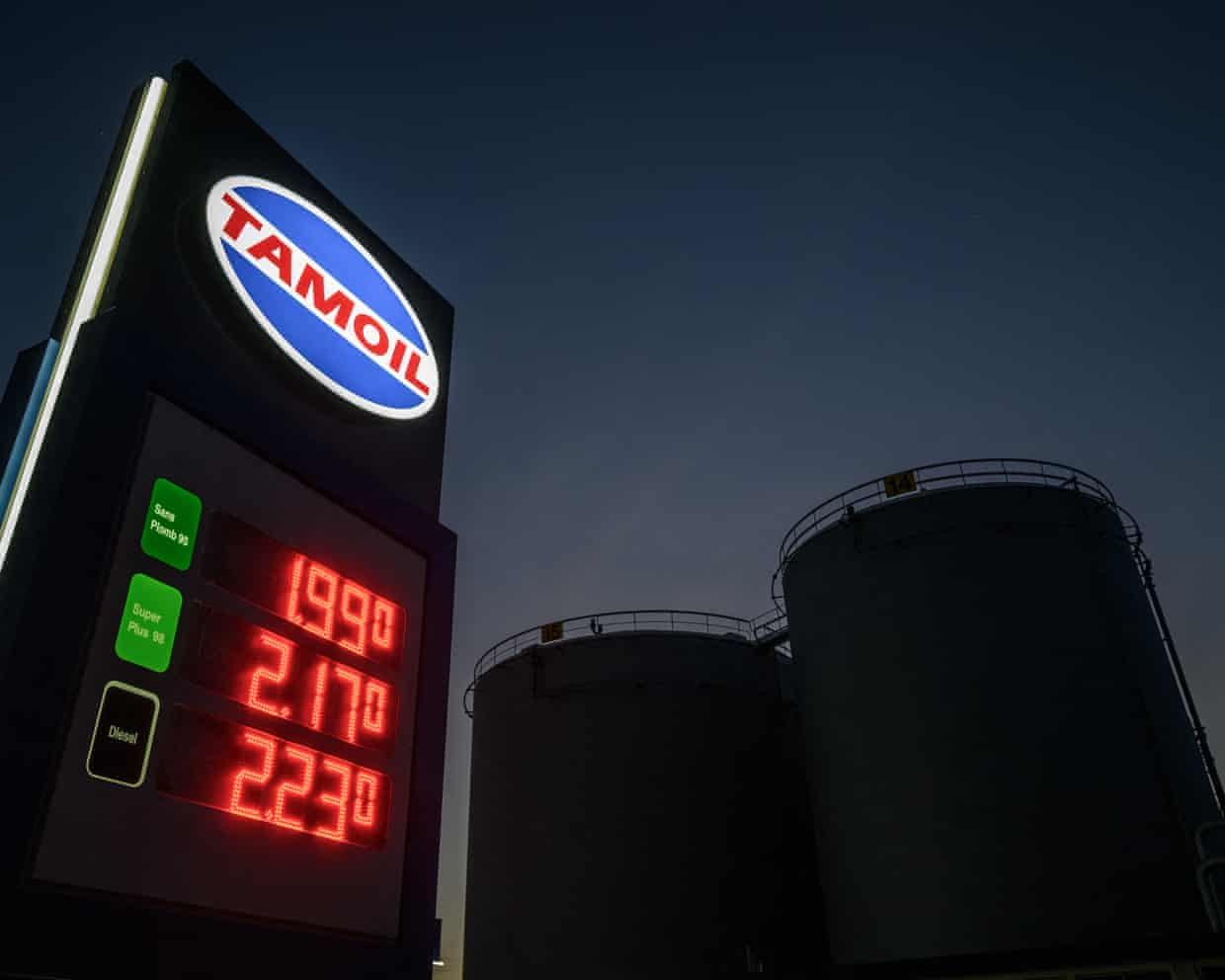
The biggest energy shock in modern history, jet fuel shortages “within weeks”, a global recession – since Iran throttled shipping flows through the strait of Hormuz at the end of February the economic warnings have become increasingly dire.Yet 10 weeks on from the first US-Israeli attacks, share indices, companies and governments have been surprisingly sanguine. Every day the divergence grows between the eerie quiet on markets and alarming warnings of an imminent supply chain crunch.It is true that some countries have taken significant steps to mitigate soaring fossil fuel prices, with many in Asia that depend on Gulf oil urging citizens to take action to conserve energy – or, in some cases, resorting to outright rationing.Yet in Europe, the response has been more muted: motorists are feeling the pinch from higher petrol and diesel costs, and central banks have warned they may raise interest rates to constrain inflation, but wider supply chains appear to be holding up

Advisers urge JP Morgan investors to vote to split chair and CEO positions
Investors in JP Morgan have been urged to vote in favour of splitting the role of chief executive and chair at America’s largest bank, amid concerns over the power wielded by its billionaire boss Jamie Dimon.ISS and Glass Lewis, which issue advice to some of the world’s biggest fund managers on how to vote at annual investor meetings, have thrown their weight behind a shareholder resolution that would ensure two separate people hold the office of chair and chief executive “as soon as possible”. Investors are due to vote on the resolution at the bank’s annual general meeting on 19 May.Dimon, who is worth an estimated $2.6bn (£1

Saudi Aramco profits jump despite conflict in Middle East
Saudi Arabia’s state oil company reported a 26% jump in profits in its first quarter as its east-west pipeline allowed it to ship millions of barrels of oil out of the Gulf despite conflict in the Middle East.Profits at Saudi Aramco hit $33.6bn (£26.9bn) in the first three months of the year, while revenue rose nearly 7% compared with a year earlier to $115.5bn

From fringe issue to the heart of politics: the UK Living Wage campaign marks 25 years of success | Heather Stewart
A paragon of the kind of people-powered progress that feels all the more necessary in divisive times, the Living Wage campaign is celebrating its 25th anniversary this year.Born out of Telco (The East London Citizens Organisation), which ultimately became the nationwide group Citizens UK, the campaign has always involved communities working together to press for social and economic change.A quarter of a century on from its foundation among the churches, mosques and community groups of east London, it has just signed up its latest living wage employer, the Department for Business and Trade.It is a particularly symbolic victory, because one of the campaign’s more high-profile actions over the years, back in 2012, involved contracted-out cleaners placing letters on the desks of senior ministers, outlining the low pay rates they were forced to survive on, while keeping Whitehall’s maze of offices spick and span.More than a decade on, staff including cleaners and security guards at the department will now be paid a minimum of the London living wage of £14

City & Guilds London Institute trustees accused of stalling inquiry into £166m sale
The trustees of City & Guilds London Institute have been accused of attempting to dodge accountability for a “catastrophic failure of governance” by stalling on the launch of an independent inquiry into the £166m sale of the vocational charity’s training and accreditation business last October.Members of the 148-year-old body voted overwhelmingly last month for the trustee board to trigger what would be the third investigation into how the foundation sold its operations to the private operator PeopleCert in October.However, members complained that the process then seemed to have stalled.The poll followed the Charity Commission opening a statutory inquiry in January, which was mirrored a day later by PeopleCert commissioning its own internal investigation into the deal.Neil Bates, an elected member of the City & Guilds council, which appoints and advises the trustees, said: “Why would they not be accountable for decisions made if everything was above board? It is shocking there has been such a catastrophic failure of governance – and subsequently a failure of accountability
Worried Britons ‘prepping’ for major disruption with stash of tins and cash, survey shows
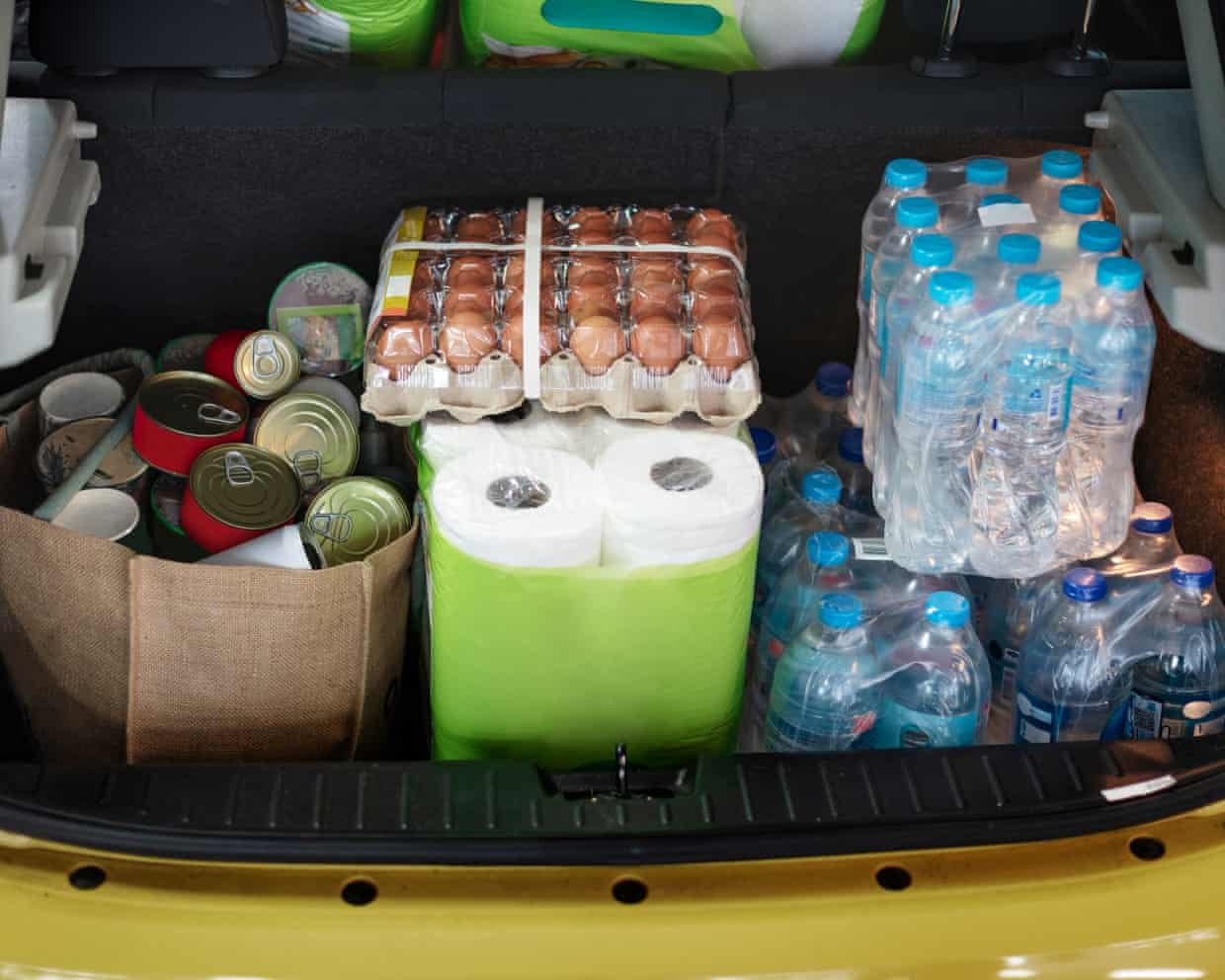
Millions of Britons are “prepping” for a potential “major disruptive event” by keeping a stash of cash at home, stockpiling tinned goods or ensuring they have a battery-powered torch close to hand, new data suggests.With war raging in the Middle East and Ukraine, extreme weather becoming more frequent, and warnings that the UK’s critical infrastructure is at risk from cyber-attacks and power outages, many people feel the world has become a more dangerous and chaotic place.While some are taking steps to make sure they are not left high and dry in the event of a bank IT failure, others are preparing for a possible natural disaster, or even a societal collapse. UK experts recently advised people to have an emergency store of food in their home in case something happens that causes shortages.Link, the UK’s ATM network, tracks how people are using, and thinking about, cash and, for the first time, its researchers have asked the public about what “contingency planning” they are doing to prepare for an event that would cause “major disruption to normal services”

UK government borrowing costs rise as pressure mounts on Starmer, and oil price jumps – business live
UK households bracing for new cost of living crisis, report finds

Mistaking AI behaviour for conscious being | Letter

What I saw at the Musk-OpenAI trial: petty billionaires, protests and a stern judge

Dubois rewrites quitter narrative in strangely uplifting night for boxing

Scotland’s Six Nations slump raises questions for new era under Sione Fukofuka | Sarah Rendell