Worried Britons ‘prepping’ for major disruption with stash of tins and cash, survey shows
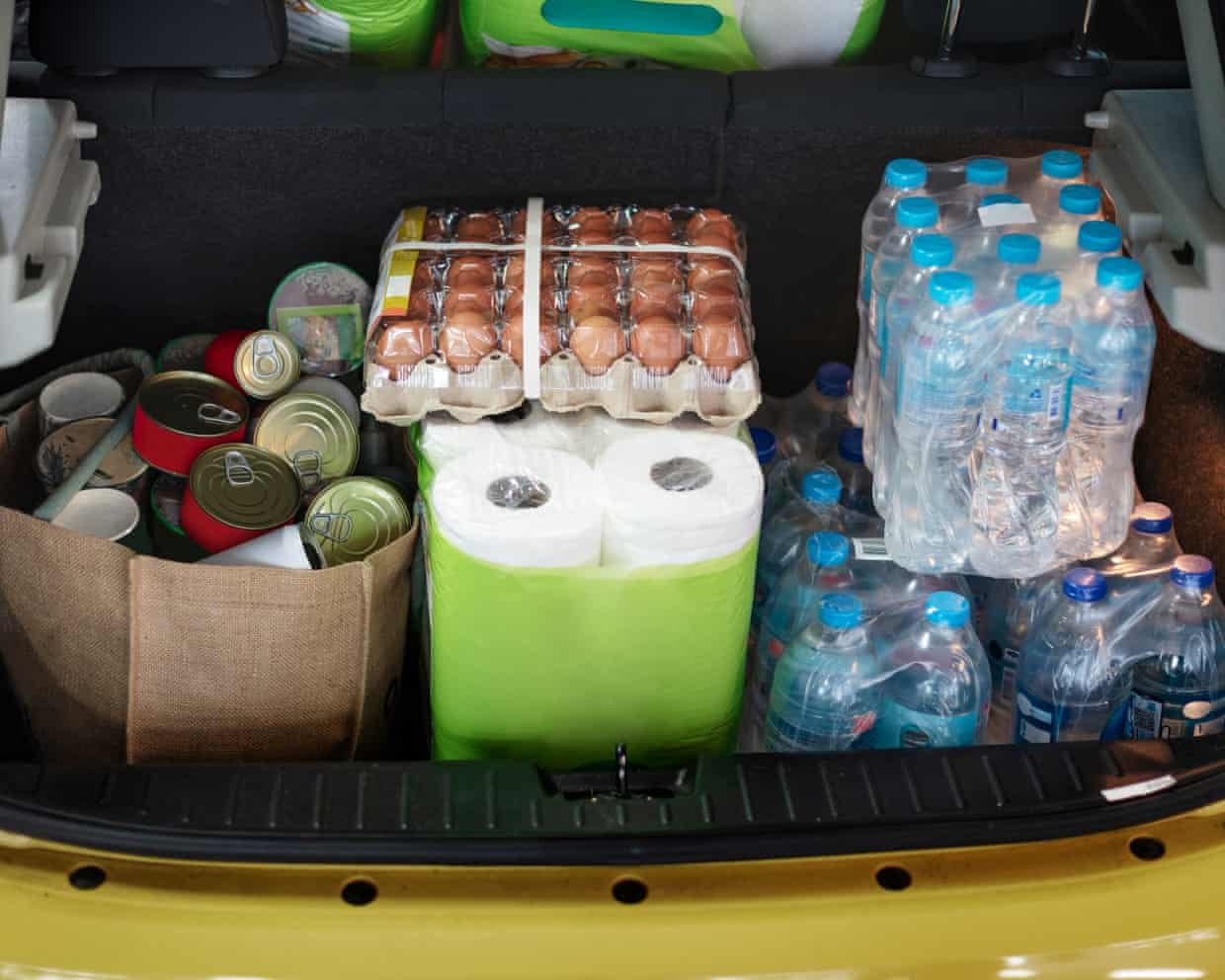
Millions of Britons are “prepping” for a potential “major disruptive event” by keeping a stash of cash at home, stockpiling tinned goods or ensuring they have a battery-powered torch close to hand, new data suggests.With war raging in the Middle East and Ukraine, extreme weather becoming more frequent, and warnings that the UK’s critical infrastructure is at risk from cyber-attacks and power outages, many people feel the world has become a more dangerous and chaotic place.While some are taking steps to make sure they are not left high and dry in the event of a bank IT failure, others are preparing for a possible natural disaster, or even a societal collapse.UK experts recently advised people to have an emergency store of food in their home in case something happens that causes shortages.Link, the UK’s ATM network, tracks how people are using, and thinking about, cash and, for the first time, its researchers have asked the public about what “contingency planning” they are doing to prepare for an event that would cause “major disruption to normal services”.
Link’s suggestions include a power outage, IT failure, natural disaster or cyber-attack.It did not explicitly mention war or conflict.Asked what they thought they would do if something happened that meant card and mobile payments were not accepted in shops, 54% of those surveyed said they would withdraw cash from an ATM.Meanwhile: 46% said they would use supplies, such as food, that they had at home; 41% said they would use cash they had on their person to pay for items; 36% said they would use cash they had at home; and 31% said they would shop online.Notably, 15% said they would raid the supply of banknotes and coins that they had kept safe specifically for this type of scenario.
The researchers then asked what people had already done, or were now doing, in preparation for a disruptive event.Almost half (49%) said they had battery-powered items at home, such as a torch, while 47% said they had a supply of tinned goods such as baked beans and canned fruit, and 37% said they kept a power bank in the house to keep their mobile phone charged.One in five (20%) said they had access to a portable gas hob such as a camping stove, while 15% said they had an analogue radio.In terms of money, 17% said they had “a stash of cash at home”.Just over a quarter (27%) of respondents had not done anything to prepare for an event of that type.
Of those who had taken any of the above actions, 23% said they had done so recently: within the last three months.Graham Mott, Link’s director of strategy, said the data demonstrated the growing role played by cash in people’s resilience planning.“With rising public concern about threats like power outages, cyber-attacks and disruption to card payments, more people are prepping by keeping some emergency cash at home,” he added.The UK government’s Prepare website outlines steps it says people should consider taking to prepare for emergencies, which include assembling a list of items at home that could include tinned food that does not need cooking, bottled water, a first aid kit, hand sanitiser, a battery-powered or wind-up torch and radio, a portable power bank for phone charging, and spare batteries.Specialist “prepper” shops have become popular in the UK, with some reporting a boom in the aftermath of the Covid lockdowns.
The Link survey was based on a YouGov poll of 2,137 people in March, and Link says the figures had been weighted and were representative of all UK adults.

‘Degree of complacency’: are supply chains prepared for impact of ongoing Iran war?
The biggest energy shock in modern history, jet fuel shortages “within weeks”, a global recession – since Iran throttled shipping flows through the strait of Hormuz at the end of February the economic warnings have become increasingly dire.Yet 10 weeks on from the first US-Israeli attacks, share indices, companies and governments have been surprisingly sanguine. Every day the divergence grows between the eerie quiet on markets and alarming warnings of an imminent supply chain crunch.It is true that some countries have taken significant steps to mitigate soaring fossil fuel prices, with many in Asia that depend on Gulf oil urging citizens to take action to conserve energy – or, in some cases, resorting to outright rationing.Yet in Europe, the response has been more muted: motorists are feeling the pinch from higher petrol and diesel costs, and central banks have warned they may raise interest rates to constrain inflation, but wider supply chains appear to be holding up

Advisers urge JP Morgan investors to vote to split chair and CEO positions
Investors in JP Morgan have been urged to vote in favour of splitting the role of chief executive and chair at America’s largest bank, amid concerns over the power wielded by its billionaire boss Jamie Dimon.ISS and Glass Lewis, which issue advice to some of the world’s biggest fund managers on how to vote at annual investor meetings, have thrown their weight behind a shareholder resolution that would ensure two separate people hold the office of chair and chief executive “as soon as possible”. Investors are due to vote on the resolution at the bank’s annual general meeting on 19 May.Dimon, who is worth an estimated $2.6bn (£1

Mistaking AI behaviour for conscious being | Letter
Richard Dawkins’ reflections on AI consciousness are striking – not because they show that machines have crossed some hidden threshold into inner life, but because they reveal how readily we can be persuaded that they have (Richard Dawkins concludes AI is conscious, even if it doesn’t know it, 5 May).Many will recognise the experience: a system that responds with fluency, humour and apparent understanding. At some point, simulation starts to feel like presence. But that shift tells us more about human cognition than machine consciousness. The error is a category one

What I saw at the Musk-OpenAI trial: petty billionaires, protests and a stern judge
For the past couple of weeks, on the fourth floor of a courthouse on a quiet street in downtown Oakland, the world’s richest man and one of the world’s most valuable startups have been at war over the future of artificial intelligence.Being one of the reporters in the room has felt like watching an updated, opposite-coast version of Tom Wolfe’s The Bonfire of the Vanities – ambition, ego, greed and the spectrum of social class on full display. The supporting cast has included Elon Musk fanboys, a stern judge and a who’s-who of Silicon Valley’s most influential people.All courtroom battles are theatre, but this one has proved to be a unique spectacle, with the judge chastising the lawyers for leading the witness, raising meritless objections and even too much coughing. With Musk on the stand, he griped that an opposing attorney had asked a leading question, to which the judge told him to “tell the jury you’re not a lawyer”

England v New Zealand: first women’s cricket ODI – live
28th over: England 118-5 (Bouchier 39, Gibson 1) Dani Gibson gets off the mark with a single to third. Plenty of pressure on her now, on debut with a big Hundred price tag hovering above her head. Can she get England home?That is not what the Doctor ordered. Amy Jones plays a loose drive and plinks a simple catch to Amelia Kerr at cover.27th over: England 114-4 (Bouchier 37, Jones 3) Jones shows Andrex soft hands with a glide for two behind point
Nottinghamshire v Surrey, Glamorgan v Somerset, and more: county cricket – live
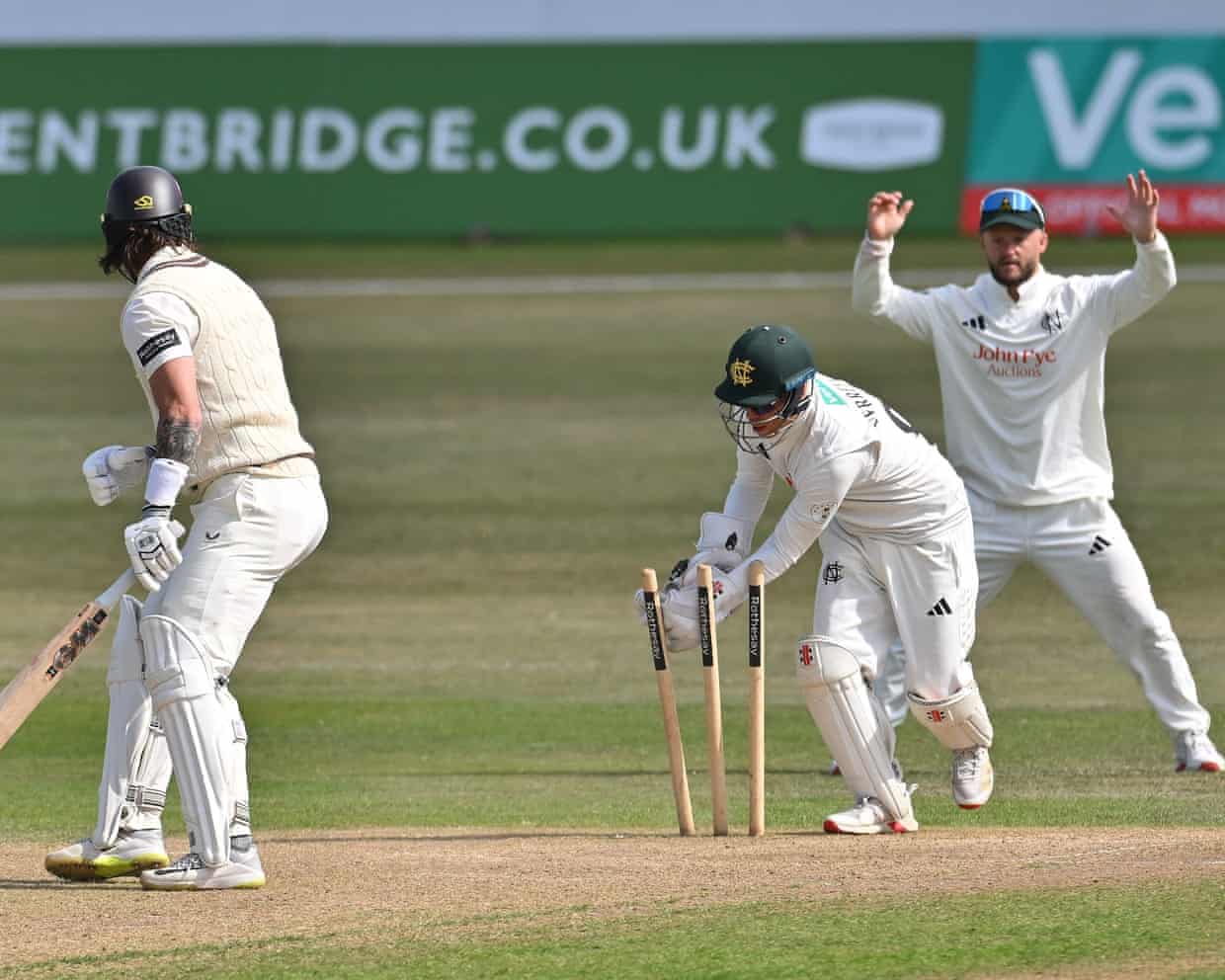
A slow slow finger of doom from the umpires, as Ethan Bamber picks up his third, and Adam Lyth shuffles, disconsolate, away, Yorkshire 14-3. Enter Harry Brook – does he dig in here?Bad news for Glamorgan fans, Kiran Carlson is out, shortly after Zain ul Hassan. A great chance for England Lions Kellaway and Tribe here.Glamorgan 97-2 need another 186.Home and pondering my streams, quite something for Yorkshire to be 12-2 after Warwickshire piled on 537

Saudi Aramco profits jump despite conflict in Middle East

From fringe issue to the heart of politics: the UK Living Wage campaign marks 25 years of success | Heather Stewart

Google developers significantly misstate carbon emissions of proposed UK datacentres

Who is Louis Mosley, the man tasked with defending Palantir against its critics?
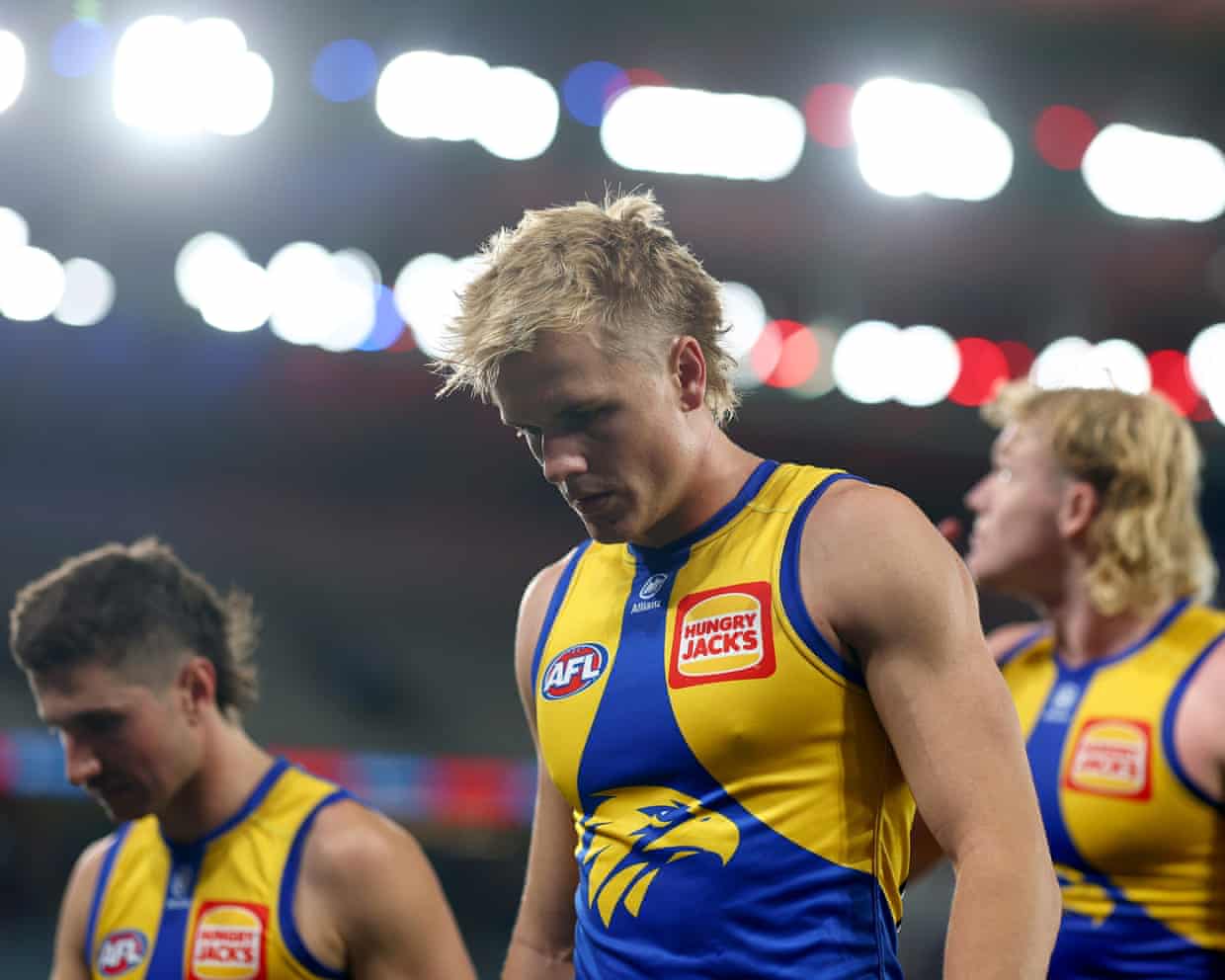
Woeful rabble v flag contenders: a tale of two AFL clubs in Western Australia

Daniel Dubois stops Fabio Wardley in bloody epic to win WBO heavyweight title