England squeeze past New Zealand in first ODI thanks to Charlie Dean
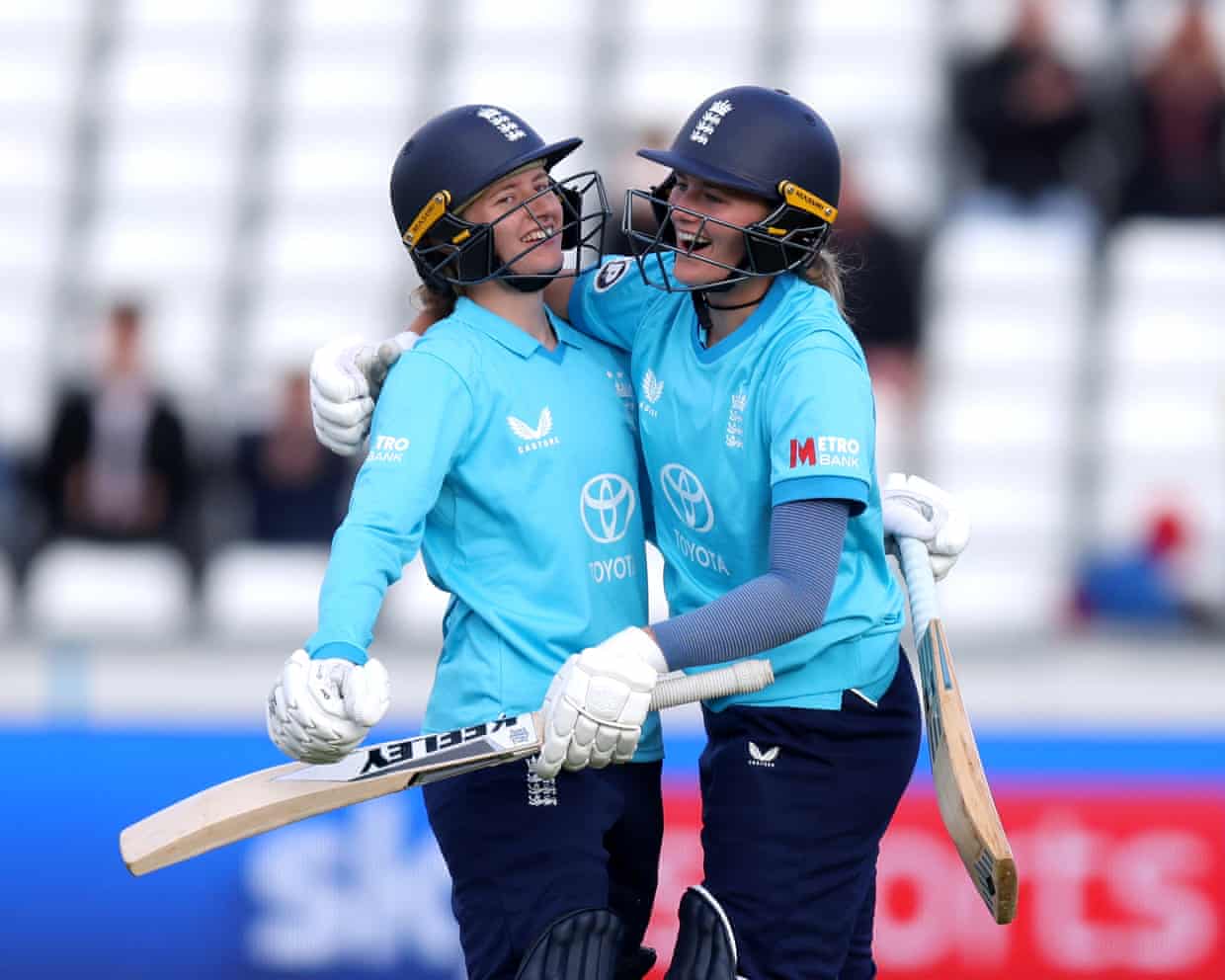
England’s biggest summer got off to an underwhelming start at Chester-le-Street, as they limped to a one-wicket win in the first one-day international against New Zealand,Only a calm rearguard effort from the stand-in captain, Charlie Dean, who finished unbeaten on 31 and valiantly marshalled England’s long tail, enabled them to crawl across the line,England played the way you might expect from a team who have gone 194 days without an international (their last outing was the World Cup semi-final in October),First, they made a spate of fielding errors, costing them precious runs in a low-scoring thriller,Then they subsided to 149 for six when chasing 211, after Emma Lamb, Amy Jones and Dani Gibson all holed out to gleeful fielders.
Freya Kemp managed 30 and was unlucky to be run out backing up, while Maia Bouchier struck a half-century – despite being included in the squad only as cover for the injured Nat Sciver-Brunt.Bouchier, though, miscued a catch to midwicket in the 35th over and it looked as if England’s decision to field a lineup with in effect three No 11s – Lauren Bell, Lauren Filer and debutant Tilly Corteen-Coleman – might come back to haunt them.But Bell smashed two unlikely boundaries before being yorked by Rosemary Mair.The 18-year-old Corteen-Coleman then ran hard and struck three golden singles leaving Dean, who survived a drop by Nensi Patel at backward point in the 47th over which would have handed New Zealand the win, to smoke the winning run through the covers with 10 balls to spare.“We didn’t make it easy for ourselves,” Dean told Sky Sports, before praising Corteen-Coleman.
“She came in with a plan.She takes everything in her stride.She held her nerve and was brilliant.”Dean is attempting to prove her case as Sciver-Brunt’s long-term replacement as captain, while the latter sits out this series with a calf injury.This performance will have done her claim a lot of good, after the off-spinner earlier picked up two wickets, coming round the wicket to good effect and correctly invoking DRS to see off Brooke Halliday.
Dean added that England, who have suffered a spate of injuries of late, needed to embrace “flexibility”.On Sunday the seamer Issy Wong pulled up with hamstring tightness during the warm-up, and was replaced by Filer, while news broke during play that Em Arlott had been sent home with concussion.Charlotte Edwards, the head coach, had kept her promise to focus on the future, naming three ODI debutants.Gibson had already played 22 T20s but the inclusion of Corteen-Coleman and the 21-year-old Jodi Grewcock suggested the first rumblings of the generational shift which we will no doubt see more of later in the year – especially if (perish the thought) England crash and burn out of their home T20 World Cup.Maddy Green struck a sedate 88 – her fifth score of 50+ in her last seven ODI innings – but could not provide the late acceleration needed to elevate the total.
She was caught at long-on, amid a collapse in which the visitors lost their last six wickets for 27 runs.Melie Kerr said: “If we’d got to 250 we could have cruised it, with a bit more scoreboard pressure to have bowled to.[But] when you come to a game like today and you’re under par, to then take it as deep as we did shows fight and character.”The left-arm spinner Corteen-Coleman celebrated her maiden international wicket with pure joy, after forcing an error from Georgia Plimmer, caught at mid-off trying to go over the top.Leg-spinner Grewcock’s own maiden scalp was a bigger wicket – she broke the century partnership between Green and Kerr by having the latter caught on the ring.
But it came from a worse ball, a rank full toss and her celebrations were tinged with sheepish embarrassment.Oddly, Grewcock was then asked to open the batting – something of a surprise, given she bats at No 3 or No 4 for Essex in 50-over cricket.She departed for three, opting not to review the leg-before dismissal from Bree Illing which replays showed would have drifted down leg.It could have proved costly had it not been for the calm head of Dean.Even so, with five weeks still to go until the World Cup, it feels early in the summer for England to have already played their get-out-of-jail-free card.

Full nationalisation of British Steel expected in king’s speech
The full nationalisation of British Steel is expected to be announced in the king’s speech this week, a year after the government took over the daily running of the loss-making business from its Chinese owner.The steelmaker, which employs 3,500 people at its plant in Scunthorpe, came under government control last April amid fears that its owner, Jingye, was planning to shut down the site.British Steel operates the last two remaining blast furnaces in the UK, but its economic control remains with the Chinese company, which bought it out of insolvency in early 2020.An announcement confirming the plans is expected in the king’s speech on Wednesday, according to the Sunday Times, but details of the speech are still being finalised.British Steel was bought by the private equity group Greybull Capital in 2016, but it collapsed into insolvency three years later

‘Degree of complacency’: are supply chains prepared for impact of ongoing Iran war?
The biggest energy shock in modern history, jet fuel shortages “within weeks”, a global recession – since Iran throttled shipping flows through the strait of Hormuz at the end of February the economic warnings have become increasingly dire.Yet 10 weeks on from the first US-Israeli attacks, share indices, companies and governments have been surprisingly sanguine. Every day the divergence grows between the eerie quiet on markets and alarming warnings of an imminent supply chain crunch.It is true that some countries have taken significant steps to mitigate soaring fossil fuel prices, with many in Asia that depend on Gulf oil urging citizens to take action to conserve energy – or, in some cases, resorting to outright rationing.Yet in Europe, the response has been more muted: motorists are feeling the pinch from higher petrol and diesel costs, and central banks have warned they may raise interest rates to constrain inflation, but wider supply chains appear to be holding up

Mistaking AI behaviour for conscious being | Letter
Richard Dawkins’ reflections on AI consciousness are striking – not because they show that machines have crossed some hidden threshold into inner life, but because they reveal how readily we can be persuaded that they have (Richard Dawkins concludes AI is conscious, even if it doesn’t know it, 5 May).Many will recognise the experience: a system that responds with fluency, humour and apparent understanding. At some point, simulation starts to feel like presence. But that shift tells us more about human cognition than machine consciousness. The error is a category one
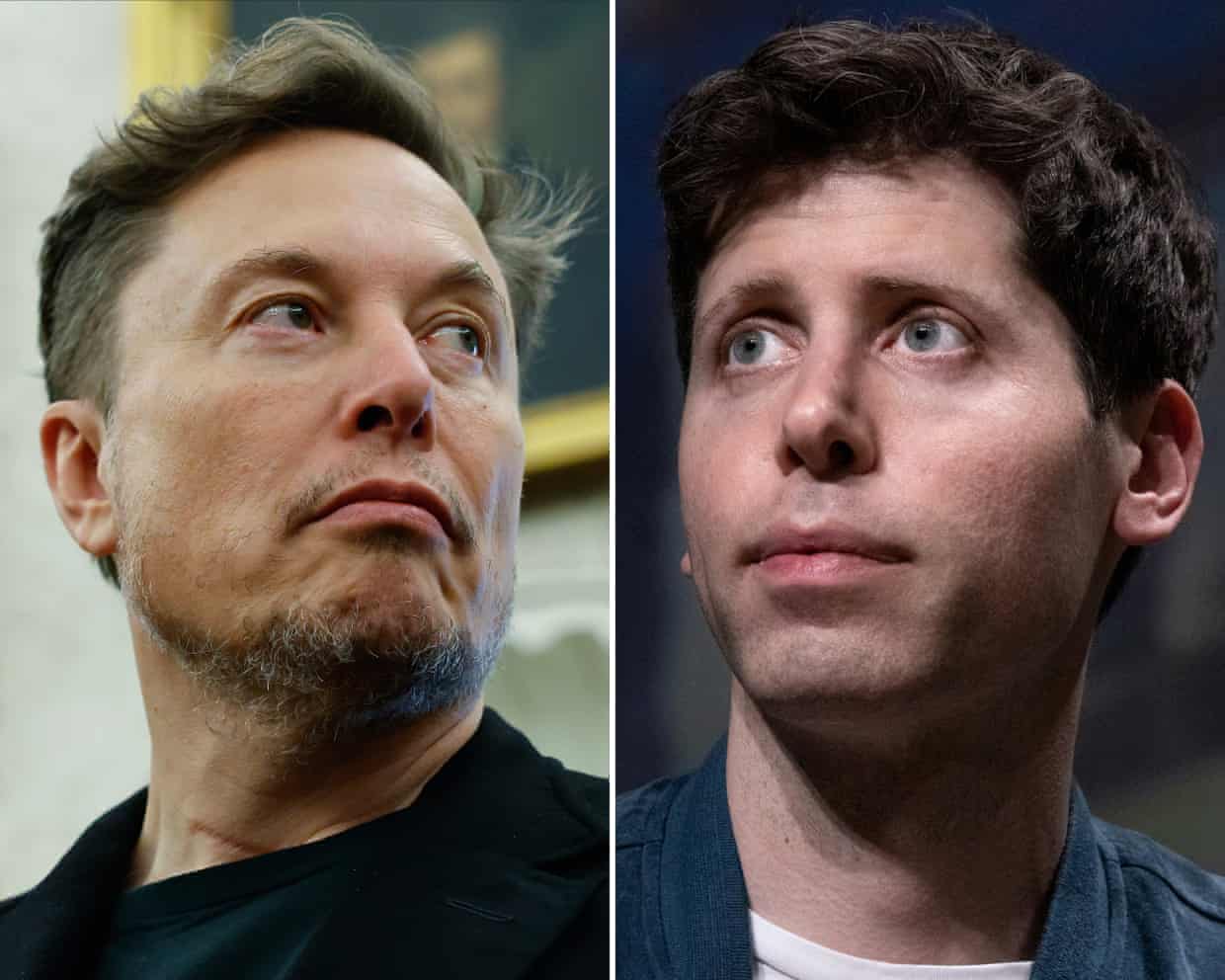
What I saw at the Musk-OpenAI trial: petty billionaires, protests and a stern judge
For the past couple of weeks, on the fourth floor of a courthouse on a quiet street in downtown Oakland, the world’s richest man and one of the world’s most valuable startups have been at war over the future of artificial intelligence.Being one of the reporters in the room has felt like watching an updated, opposite-coast version of Tom Wolfe’s The Bonfire of the Vanities – ambition, ego, greed and the spectrum of social class on full display. The supporting cast has included Elon Musk fanboys, a stern judge and a who’s-who of Silicon Valley’s most influential people.All courtroom battles are theatre, but this one has proved to be a unique spectacle, with the judge chastising the lawyers for leading the witness, raising meritless objections and even too much coughing. With Musk on the stand, he griped that an opposing attorney had asked a leading question, to which the judge told him to “tell the jury you’re not a lawyer”
AFL to plough funds into addressing racism as league grapples with Indigenous drop-off
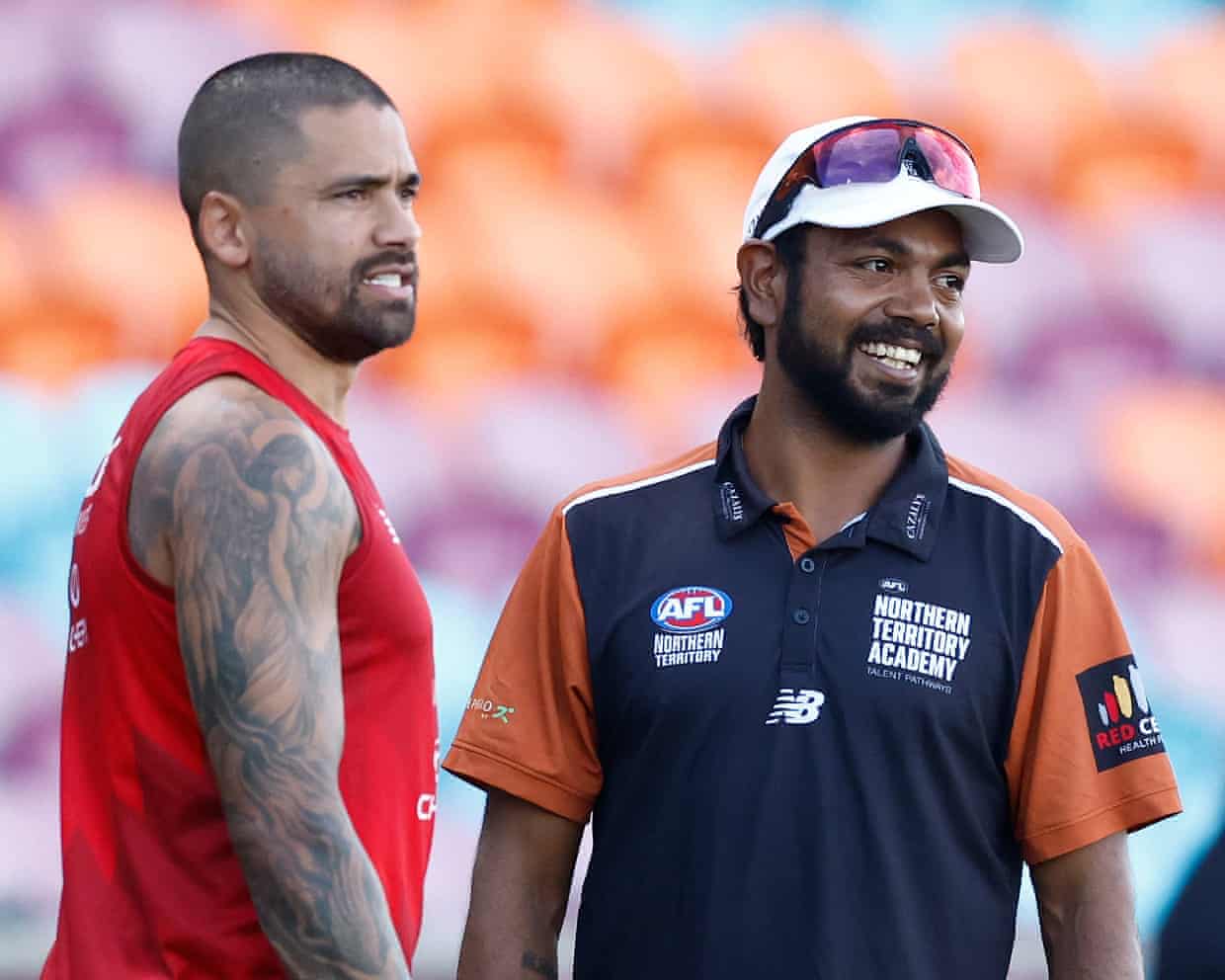
The AFL will divert around $300,000 from Indigenous guernsey sales towards initiatives designed to address culturally unsafe environments and racism, as the league grapples with a growing trend of First Nations players leaving the game.The number of Indigenous players in the league has dropped every year since its peak of 87 in 2020, to now where it sits at 62. Under its five-year strategy drafted last year, the AFL has targeted an increase to 89 by 2030.AFL chief executive Andrew Dillon said First Nations teenagers are getting drafted at a higher rate than their overall share of the league, but more work needs to be done to ensure players can fulfil their potential.“What we did see last year was nine Indigenous players drafted in the men’s competition, which was a bigger proportion of the 80-or-so players drafted – percentage-wise, that was a really high percentage,” he said
‘What does than mean?’: Wembanyama confused after playoff ejection for elbowing Reid
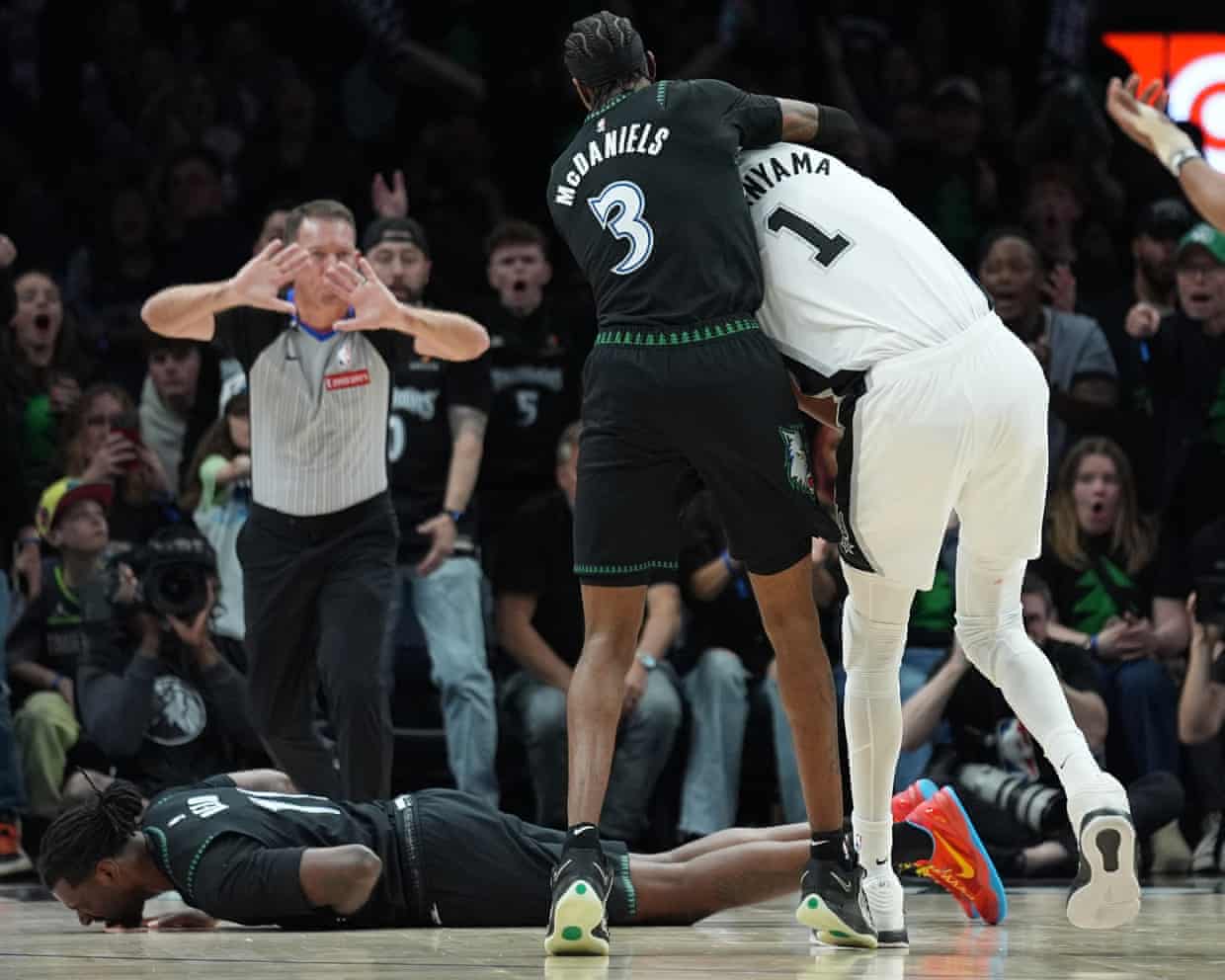
Victor Wembanyama was ejected for the first time in his NBA career after an elbow to the jaw and neck of Naz Reid as the Minnesota Timberwolves beat the San Antonio Spurs to level their playoff series.Wembanyama was whistled for an offensive foul as soon as he struck Reid, who had swarmed the Spurs star outside the paint along with teammate Jaden McDaniels after the 7ft 4in Wembanyama rebounded a missed three-pointer by the Spurs.After a video review of the play, with the fans at Minnesota’s Target Center chanting, “Kick him out! Kick him out!,” the foul was upgraded to a Flagrant 2 for excessive contact above the neck. The penalty triggered an automatic ejection, and the Timberwolves went on to win 114-109. The best-of-seven series is now level at 2-2

Historic Oxford cinema under threat as Oriel College refuses to extend lease
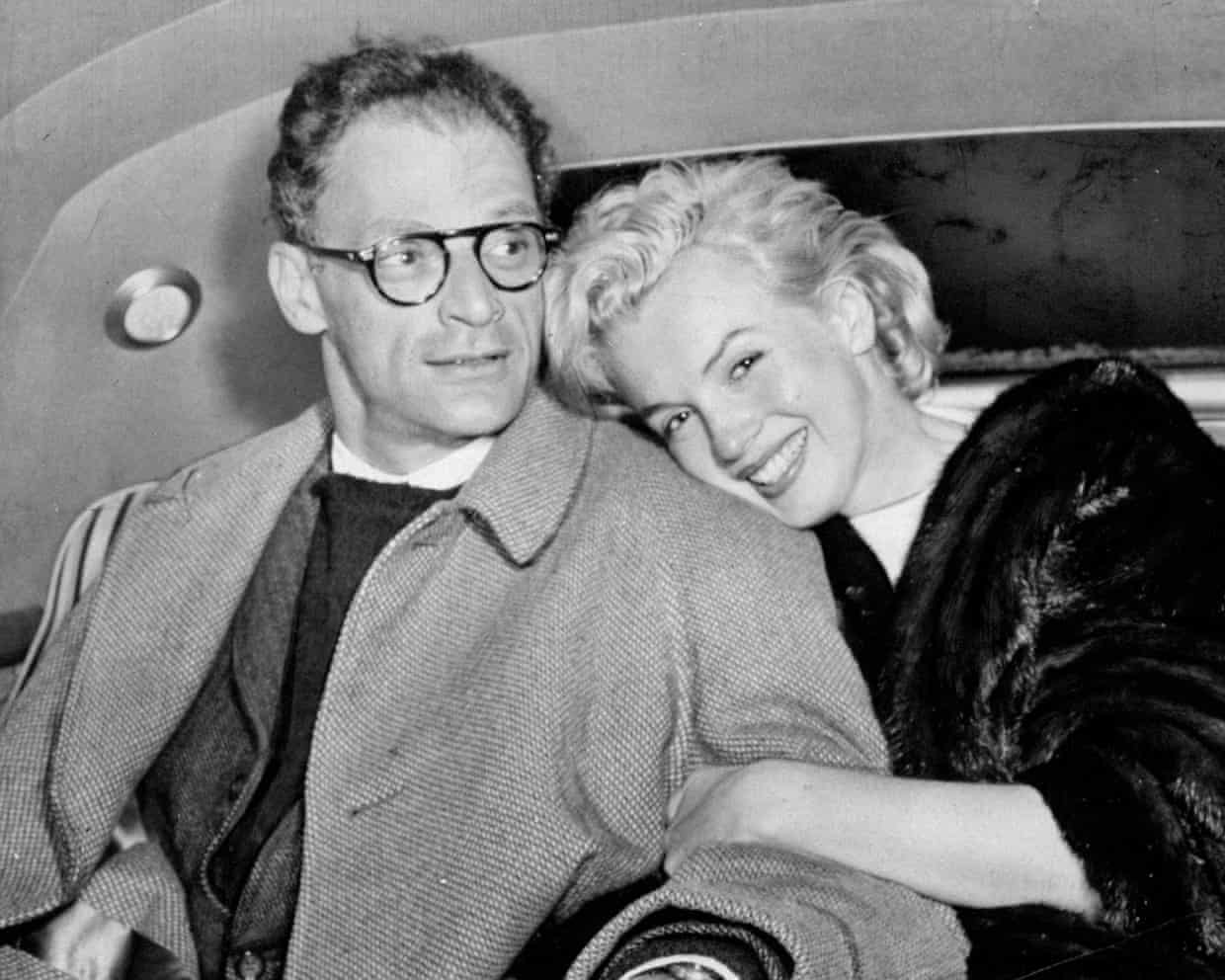
Arthur Miller opens up about marriage to Marilyn Monroe in newly unearthed recordings
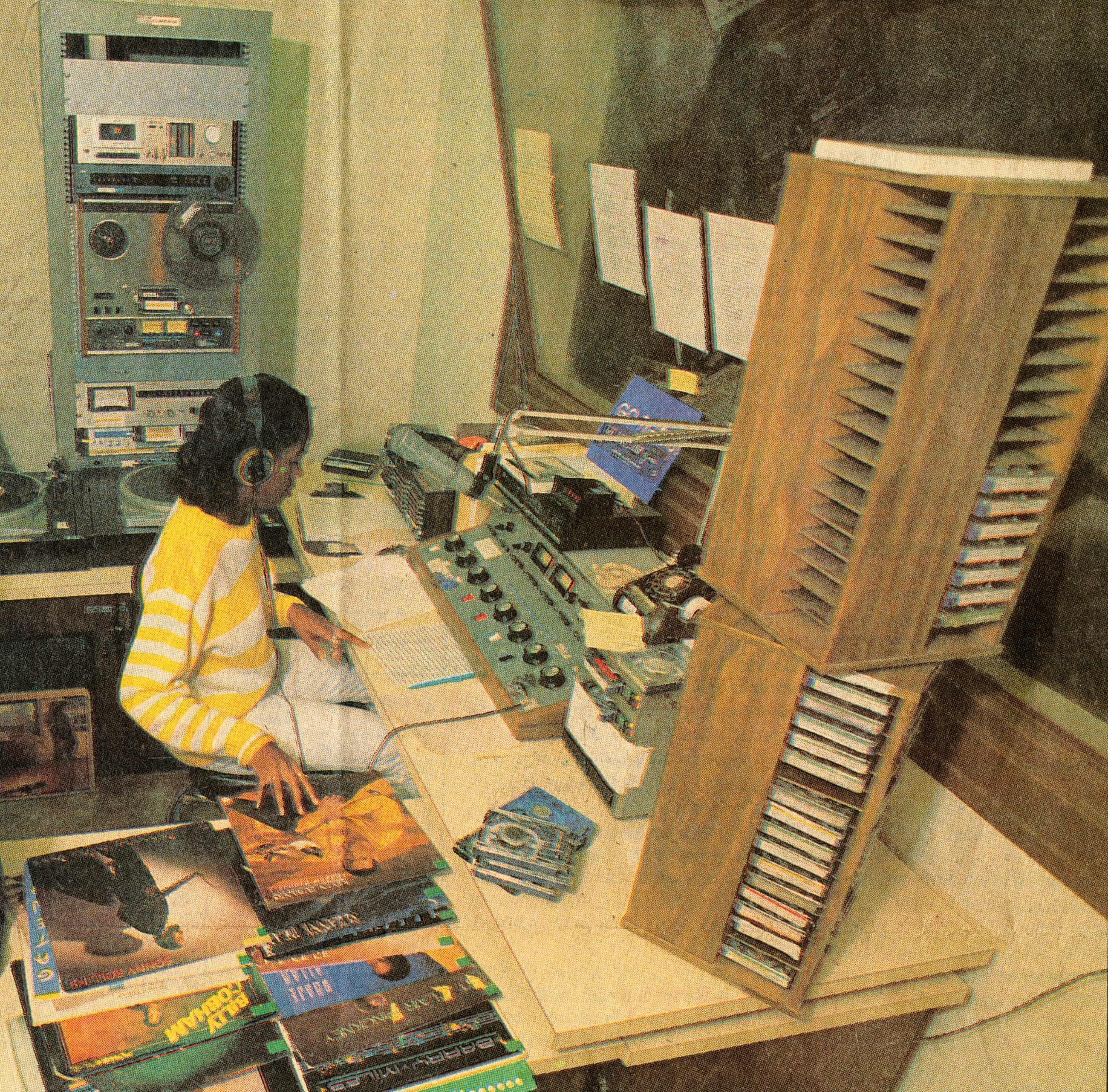
In the 60s and 70s, Black students demanded a voice on radio. A new project ensures that history isn’t lost
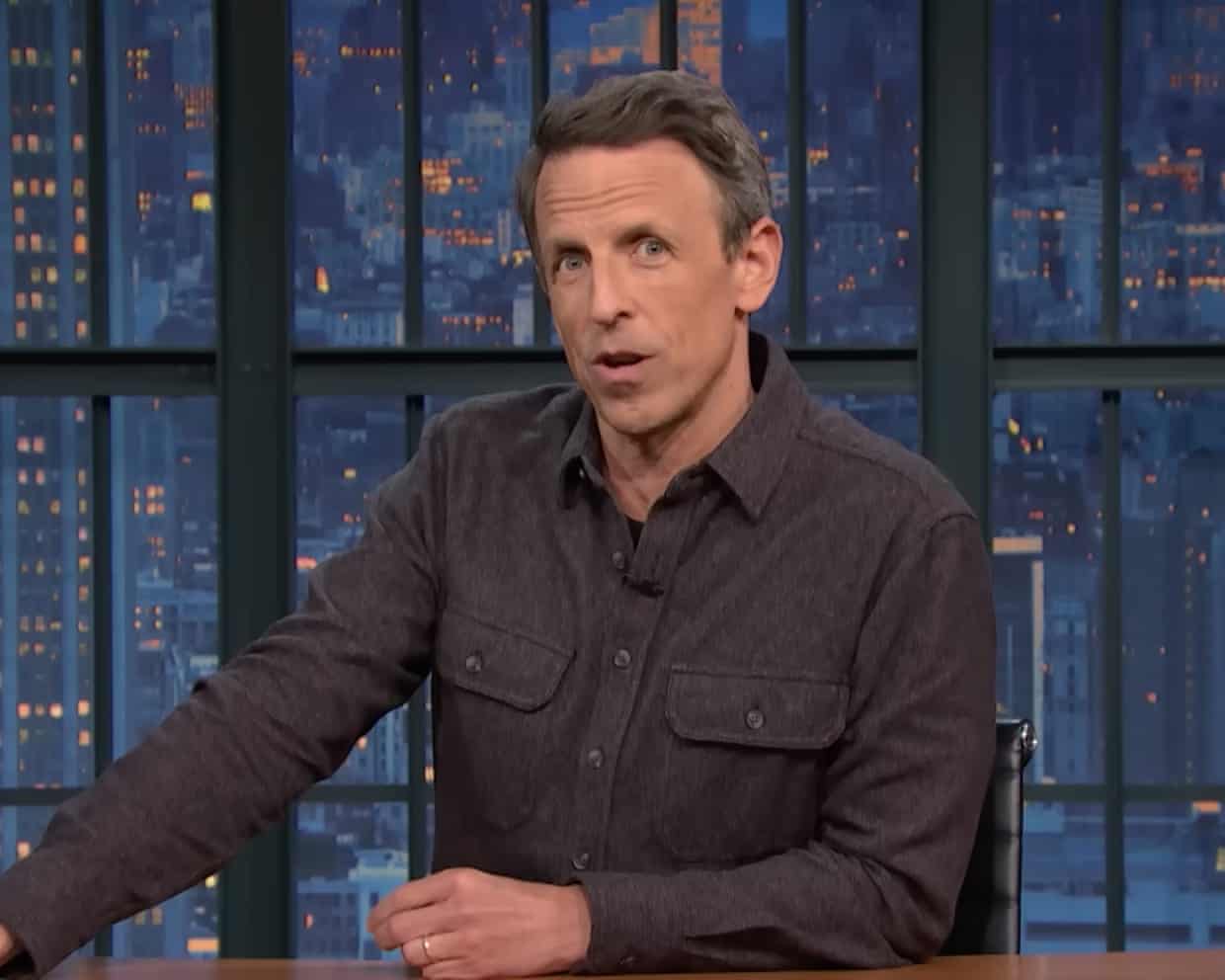
Seth Meyers on Trump’s poll ratings: ‘His disapproval is higher than Covid and January 6’
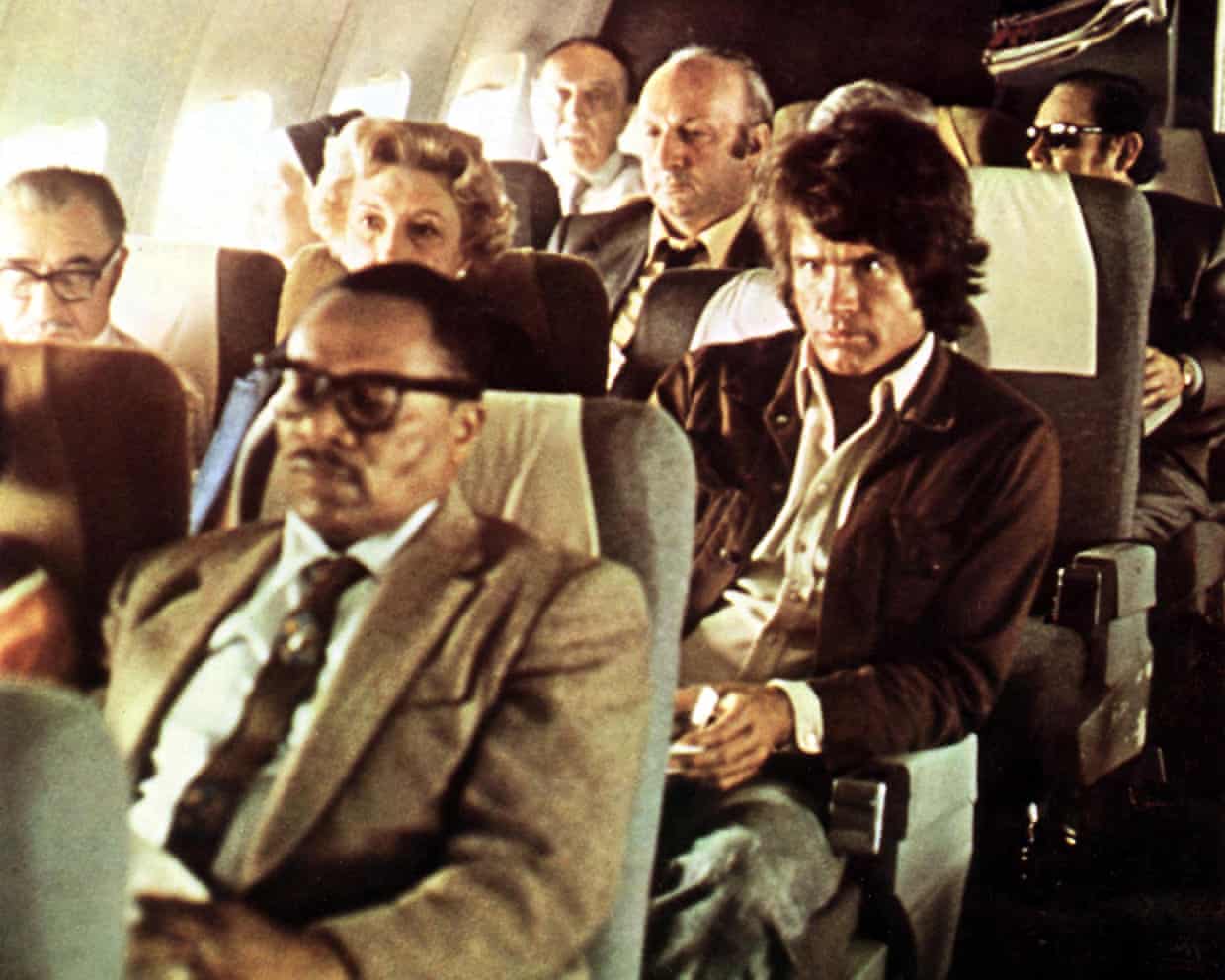
The Parallax View: remember when Hollywood made potent political cinema?
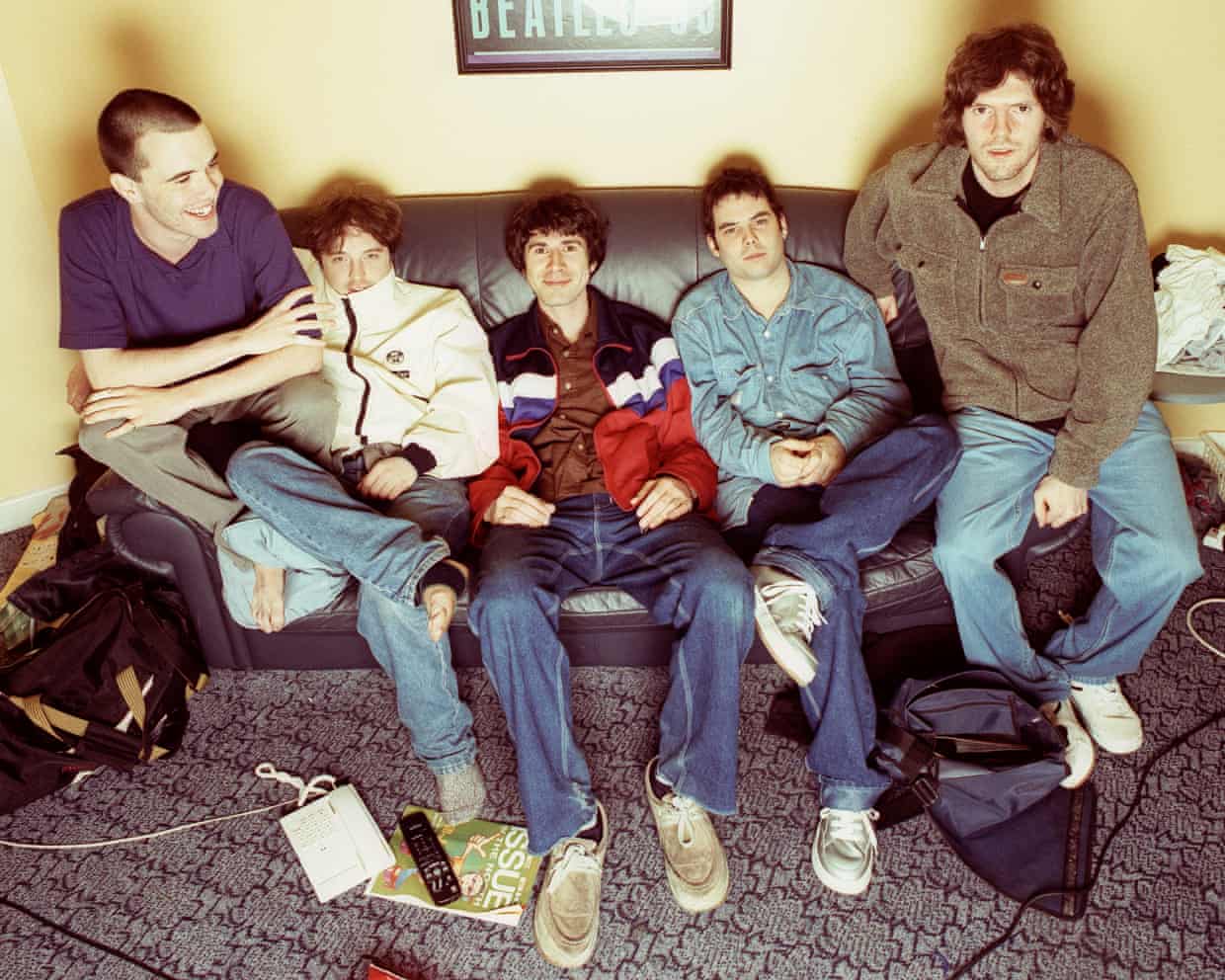
‘We got a drive-by egging in Baltimore’: Super Furry Animals on making The Man Don’t Give a Fuck