AFL scratching its head on decline in Indigenous participation as weight of history takes toll | Sean Gorman

I write this having come from the funeral of the West Perth and Buffaloes great Bill Dempsey.I mention this because Dempsey is the first Northern Territory player to play on the MCG.He was a trailblazer that set the scene so many other Territorians like Long, Rioli, Burgoyne, White and McLeod could follow.Demspey’s legacy came about by chance, as he was the support act for the talented Darwin recruit Jimmy Anderson when they both came down to Melbourne in the late 1950s.Anderson lasted a few weeks.
Dempsey went on to play more than 500 games and receive an MBE.Their stories are instructive given the current situation the game finds itself in and the declining number of Aboriginal and Torres Strait Islander players in the AFL.In 2020, 87 Indigenous players were playing in the top men’s competition.In 2025-26 the number sits at 62, the lowest in two decades and an approximate 30% downturn.If this was the decline in pie sales, shit would hit the fan.
Let me qualify this,I worked at the AFL from late 2019 until mid 2025 and my initial work was reviewing the AFL’s vilification rule, now known as rule 35 or the “Peek Rule”,Before this I led national research teams looking at racism in the AFL,I have attended every All Stars camp since 2009 and up until last year’s game in Perth,I have seen reams of butcher’s paper with Indigenous players feedback.
I have attended and presented many times on issues of Indigenous welfare and football history at clubs and AFL events,So, it is exasperating to see the AFL’s First Nations Strategy rake over the coals of work undertaken in the last 20 years and not acknowledge it,Instead of celebrating the growth of the cohort, the AFL is left scratching its head regarding its decline,To be fair the situation has been exacerbated by the realities the pandemic created,Covid-19 wreaked havoc on junior competitions, especially those in regional and remote areas where numbers are harder to maintain and the behaviours that boredom loves seep in quicker.
This compromises the pathway from the beginning,Then everything else suffers,I know from many interviews and discussions with First Nations players the sacrifices they have made to play football,These are not just the usual indicators regarding application and conditioning,It comes from transitioning into the professional ecosystem, and the disconnections from community, country and kinship networks that takes the greatest toll.
Family, and the concept of it, is different for Indigenous Australians to that of the colonisers because of the history that underpins it.Hence, the issue of obligation and responsibility becomes magnified because of that history and the greater weight that things like the Stolen Generations has had.Dempsey is a member of that cohort, as are Syd Jackson and Polly Farmer.It is in that magnification that the player must consider the worth of commencing, sticking with it or stepping away from a game they love.It’s a principled decision.
Not a weakness.The problem as I see it, and have experienced, is not the skill level or the desire of the Indigenous player to want to play the game at the elite level.Much of the time it is the support, or lack of it, at club level and the inability for the administration and the union to work in concert with one another that creates the cracks that players fall into.This has been spoken about and studied at length.If Indigenous players are not feeling supported, understood or safe they disconnect, which sees clubs become hardened to the recruitment of Indigenous players.
This then feeds into deficit theories like, “Indigenous players cannot handle the pressure”, or “they lack discipline and are unreliable”.Think back to the reportage around Willie Rioli, Liam Jurrah, or Sydney Stack.It is through the prism of deficit that Indigenous players are deemed to need salvation, when what is needed is for the AFL ecosystem to become more cohesive in its delivery of care.As one Indigenous premiership player said to me, “the only reason the club cared about me is if I got the pill”.Clubs, recruiters, coaching staff, the AFL and the AFLPA need to become more consolidated on the issue of support and cultural safety.
Until the AFL commission takes stock and demands actual measurable outcomes, the “blueprint” and the KPIs of the AFL First Nations Strategy – to increase the number of players and draftees in the AFL and AFLW – won’t hold.If you don’t believe me, I will leave you with this – the ghost of Adam Goodes.The dual Brownlow medallist’s career needs no further delineation.What it needs is context.At the 2022 Indigenous and Multicultural Summit in Geelong, AFL and AFLW players gathered for tailored sessions.
The primary take-out was that if Goodes could be run out of the code, then so could they.That vulnerability with the lack of cohesion and demonstrative support makes the sentiment “to better understand player experiences and club environments to support retention” at best, opaque.This is suggested because platitudes to address a serious matter are as useful as a flat Sherrin.This issue needs robust, rigorous data, and deep, cultural engagement to properly assess the way forward.And so the legacies of Dempsey and Goodes, who sacrificed so much so that we could enjoy the game, can be appreciated and grown even more.
Dr Sean Gorman is an author and historian, and was the lead investigator in the AFL’s review of vilification laws
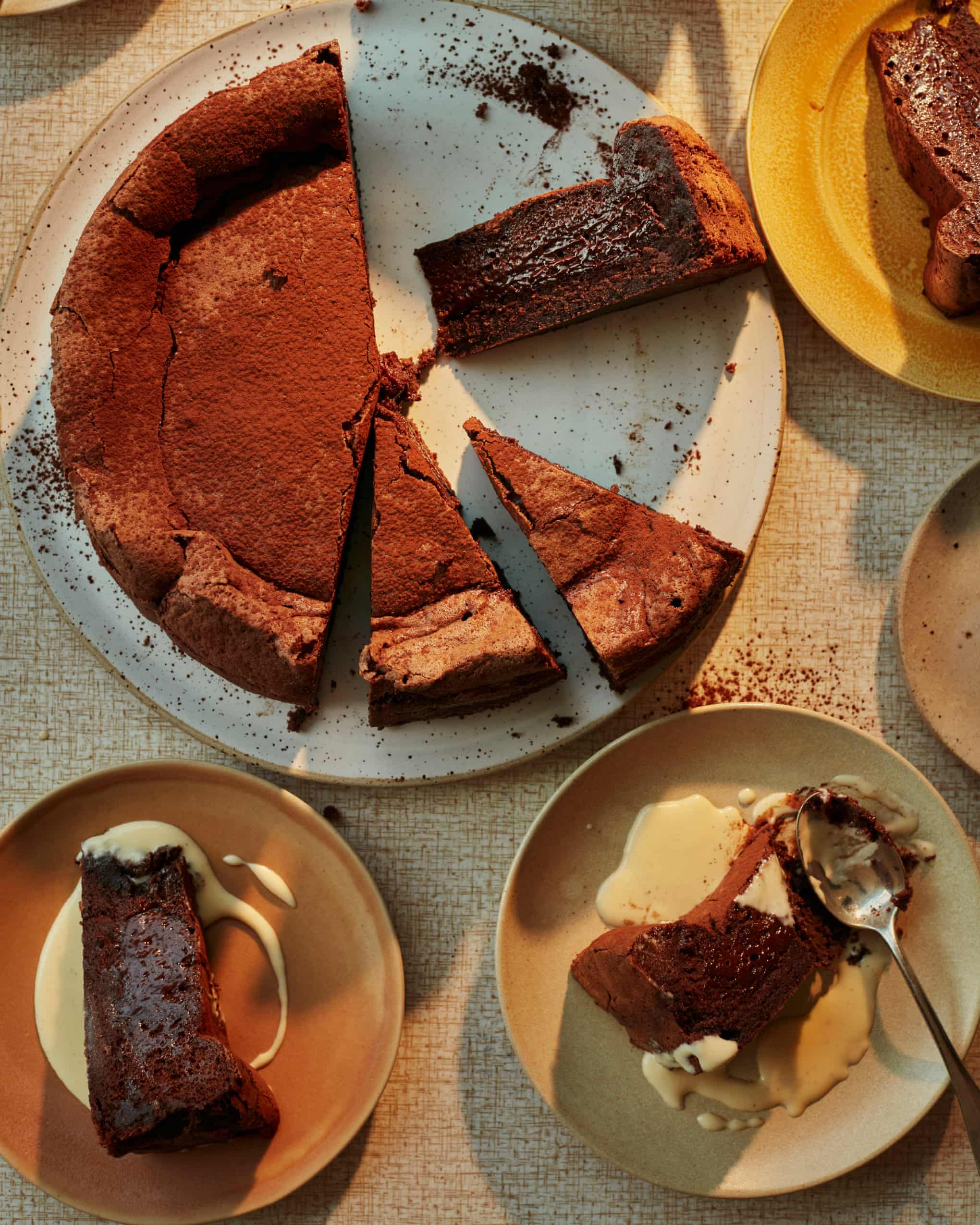
Four knockout bakes and tips from the master: Edd Kimber’s recipes for cooking with chocolate
From a white chocolate cheesecake tart and flourless chocolate cake to double chocolate olive oil and marbled matcha cookies, explore chocolate’s endless versatilityChocolate is a truly magical ingredient. Not only is it a powerhouse of flavour, it also pairs beautifully with other ingredients to make something incredible. Chocolate isn’t one note, mind; from the heady richness of an intense dark chocolate to the nostalgic creaminess of milk chocolate and the often maligned simplicity of white chocolate, it can be the star of the show or simply the supporting act. Chocolate can do it all.This is my go-to dinner party dessert
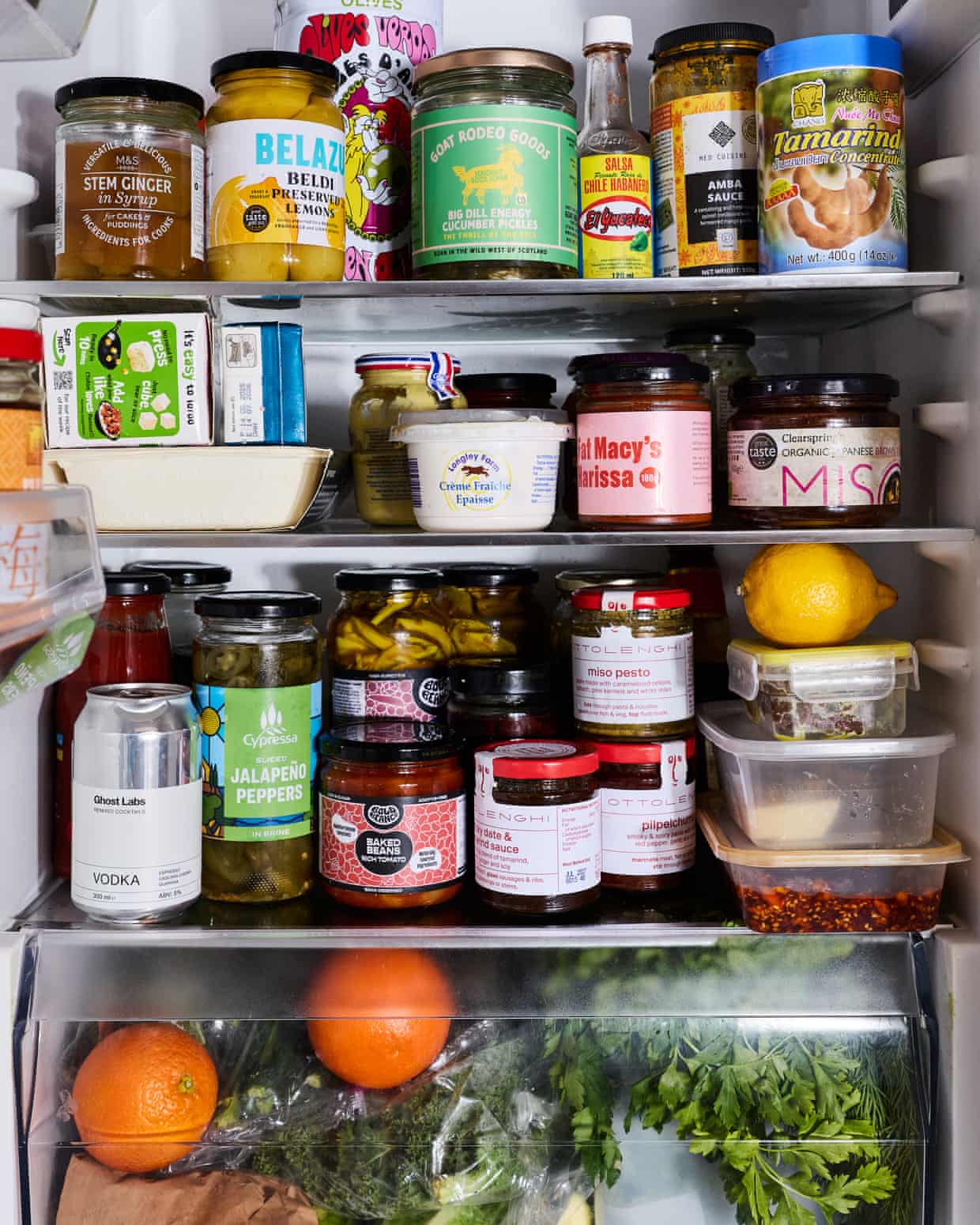
Sauces, spreads, sprinkles – and cocktail in a can: whose fridge is this?
Amba sauce “I’m very jar orientated; a lot of my cooking is about combining big flavours. I’m also a sucker for a sour ingredient, and this Iraqi pickled mango condiment is really sour – more so than tamarind. If I’m garnishing a dish with tahini, then I’ll use amba to cut through the richness, otherwise I’ll use it in lieu of citrus.”Stem ginger in syrup “My grandpa always gave me this when I was a kid, and I thought it was disgusting. However, now it’s essential; I often make a (chopped) stem ginger and spring onion salsa – it’s sweet and spicy
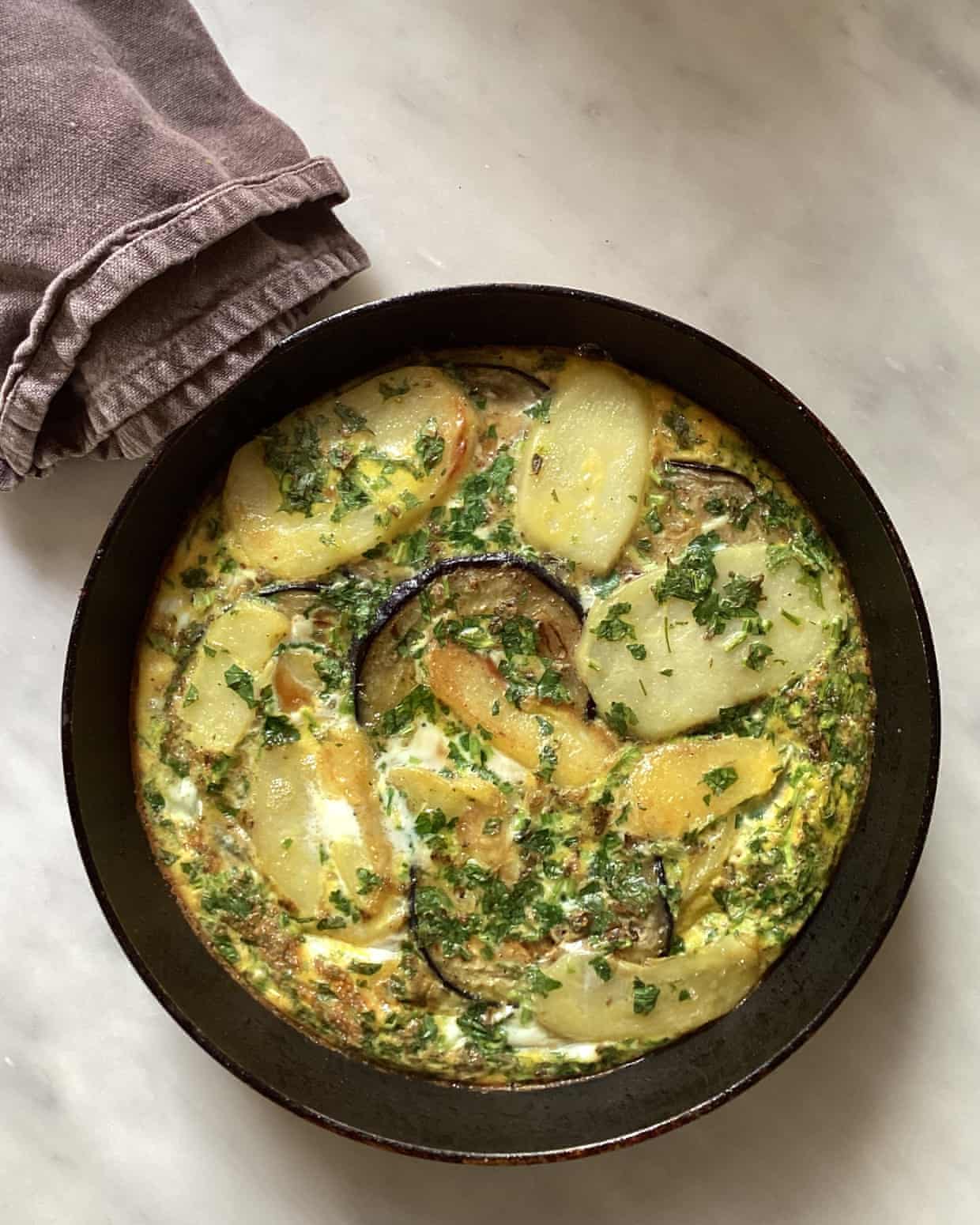
Rachel Roddy’s recipe for potato, aubergine and herb tortino alla fiorentina
The sky is the same shade as old Tupperware, our tortoise appears to have gone back into hibernation, the flat upstairs has builders in, but the kitchen smells gorgeous, thanks to this week’s recipe. It is one of the variations suggested by Anna Gosetti Della Salda for her aubergine and egg tortino alla fiorentina in the Tuscany chapter of Le Ricette Regionali Italiane, an indispensable book that I would save from a fire. The addition of potato to the aubergine makes it an even more substantial, velvet-like and better-tasting dish, I think: a layered vegetable bake crossed with a frittata that fancies itself as having a touch of baked eggs (although don’t expect any puffing up).Instead of the aubergine, you could use artichoke hearts (trimmed and cut into slim wedges), courgettes or cardoon, and, if you fancy, you could also add a crumbled sausage or a handful of diced pancetta. Whatever you use, however, a fundamental stage in terms of both flavour and texture is the initial cooking of the vegetables: frying the potatoes, then covering the pan so they fry-steam into tenderness; the aubergine by simply frying
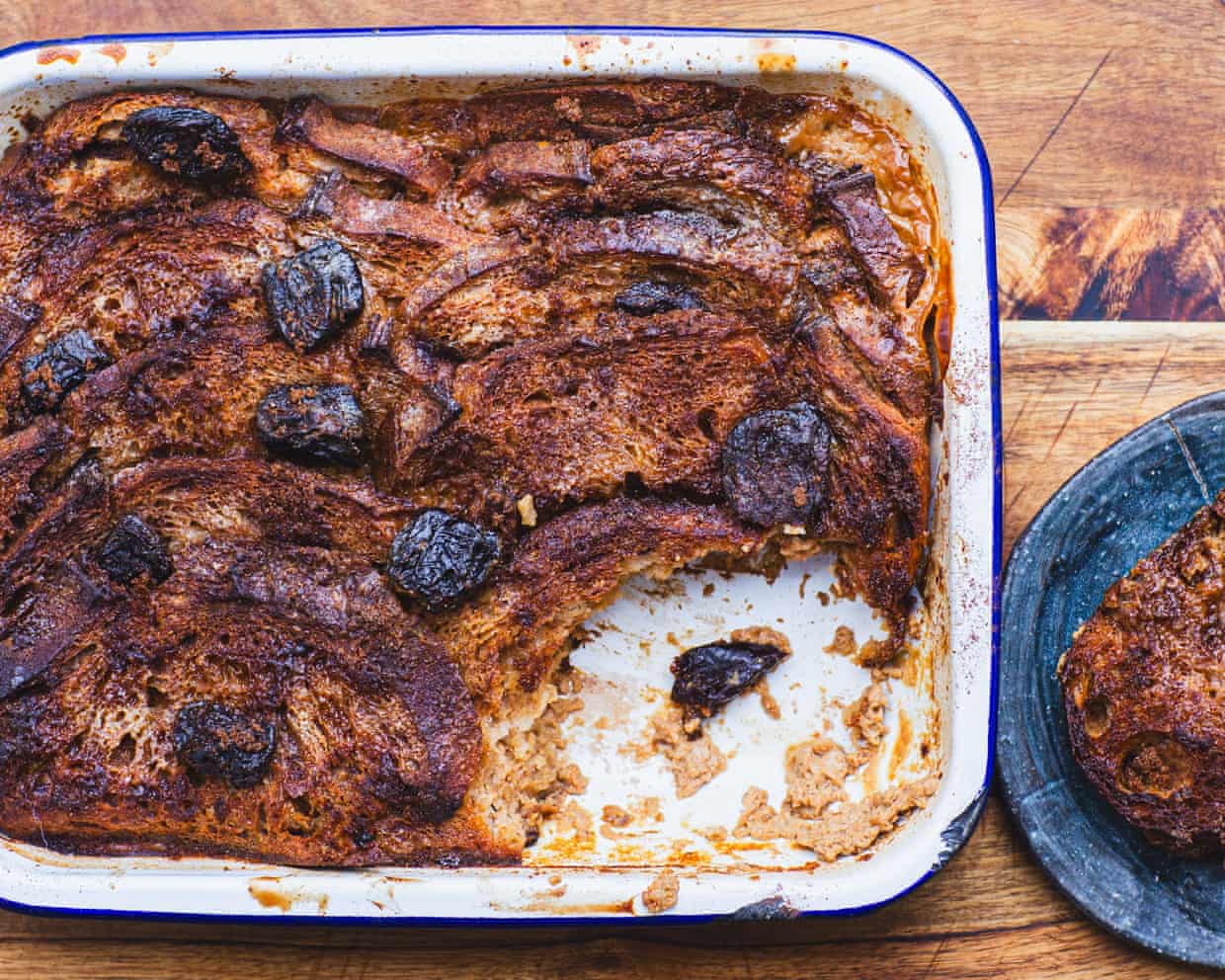
How to turn old sourdough into a classic pudding – recipe | Waste not
Bread-and-butter pudding is a zero-waste recipe that has stood the test of time, not least because it’s so practical, comforting and thrifty. Like the best no-waste dishes, it transforms something worthless such as old bread into something truly indulgent. This version is based on Raymond Blanc’s classic, with a few of my own simplifications and adaptations over the years.Most traditional bread-and-butter pudding recipes call for white bread, caster sugar and extra egg yolks, but, unless you’ve got a clear plan for those egg whites, they can very easily end up being wasted. Whole eggs work beautifully in custard, and make very little difference to the richness of the finished pudding; I simply use a touch less milk to compensate
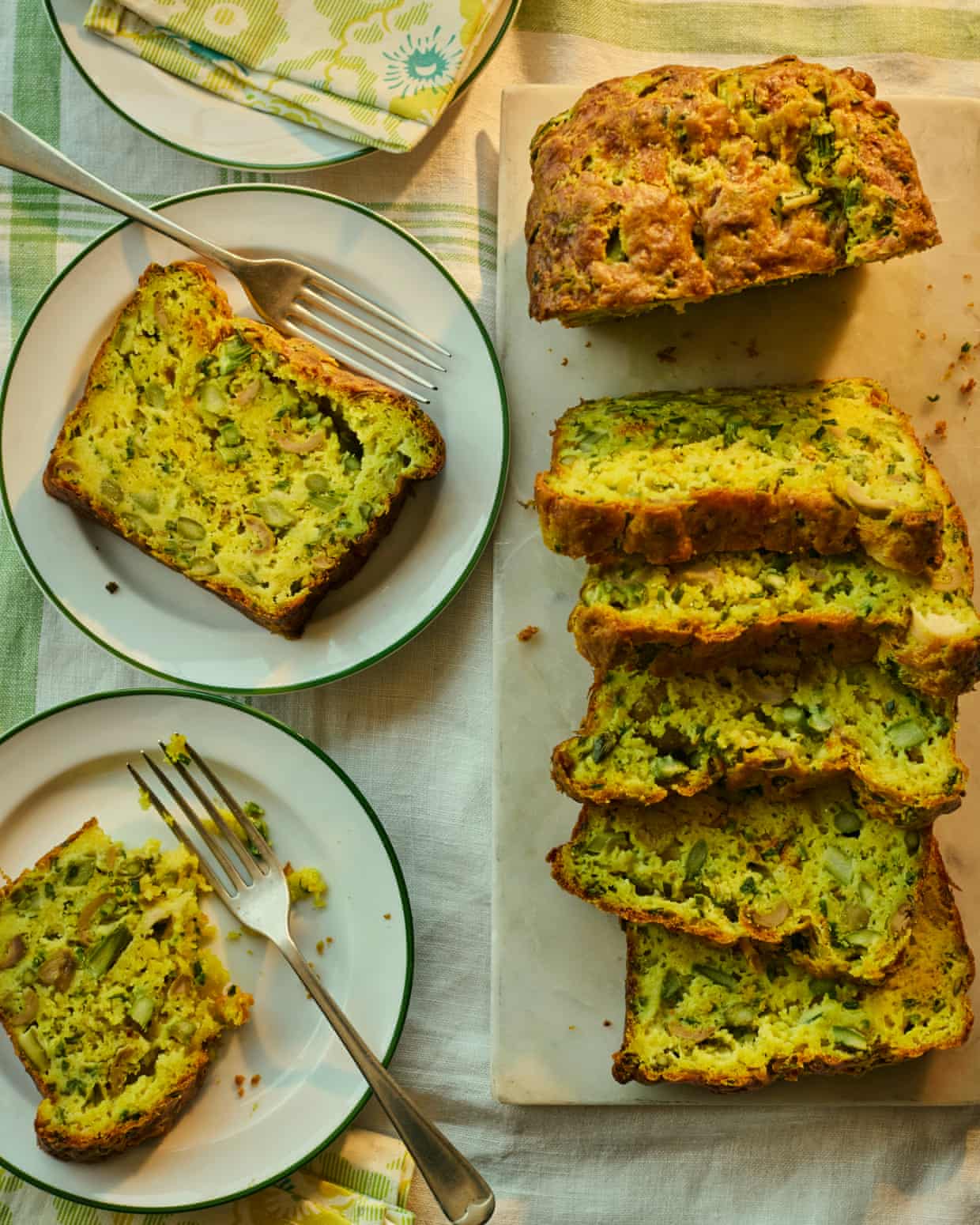
Fresh start: Hetty Lui McKinnon’s recipes to celebrate spring
Vegetables are in my blood. I grew up surrounded by them; boxes upon boxes scattered around my childhood home, a perk from my father’s job as a wholesale purveyor (of bananas, specifically) at Sydney’s Flemington Markets (now known as Sydney Markets). Our family enjoyed an embarrassment of nature’s riches; an endless supply of succulent Asian greens, rotund cauliflowers, glossy aubergine, perky spring onions, and bulging cabbages that overflowed from crates in and around the kitchen and dining room. We needed to step over trays of stone fruit and cartons of oranges to get to the bathroom. In the summer, I gorged on apricots and cherries until I was sick (true story) – I had no self-control when it came to the fresh stuff
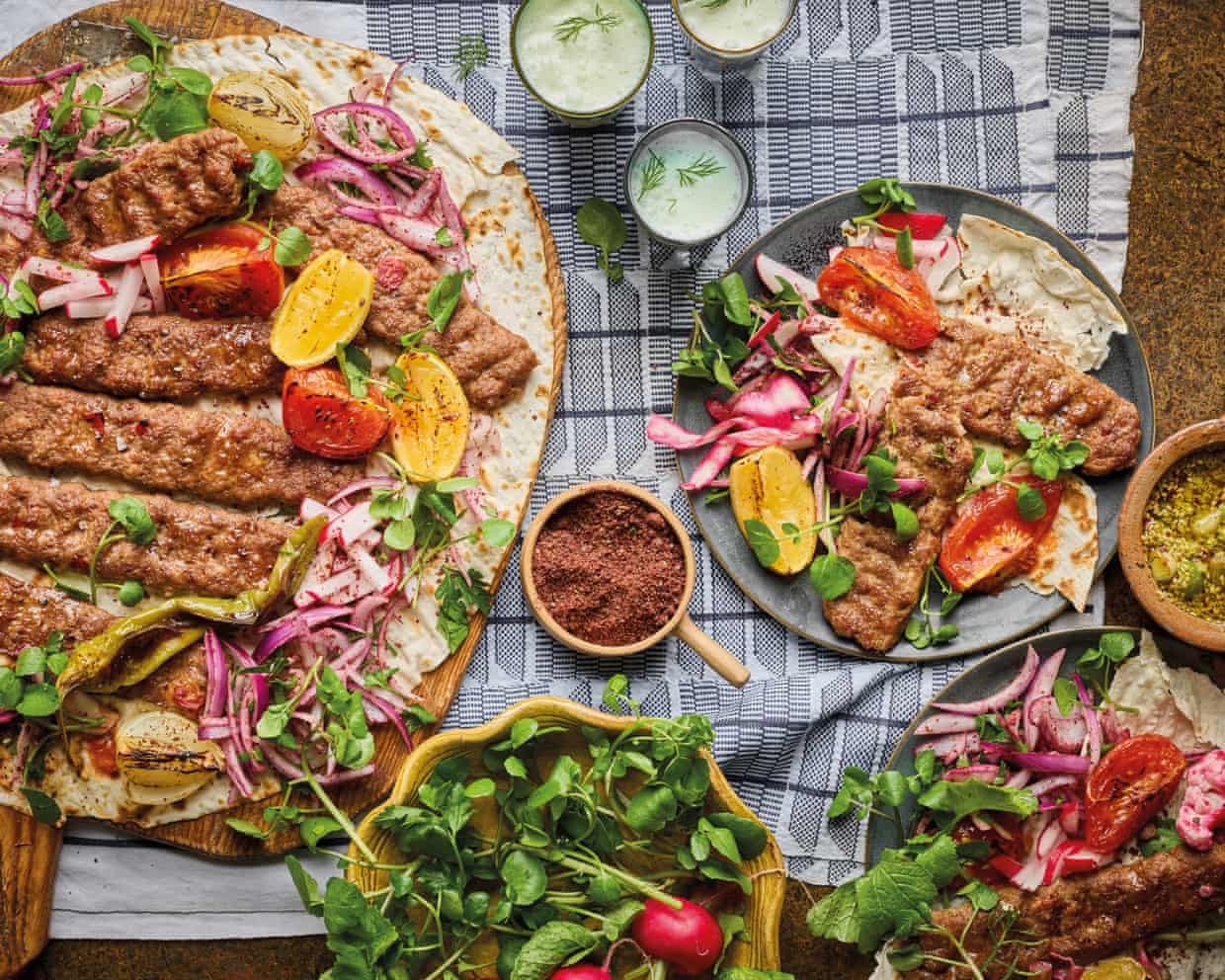
Kurdish kitchens, baked bean alaska and Mexican soul: the best spring cookbooks for 2026 – review
Nandên: Recipes from my Kurdish Kitchen by Pary BabanBecause the Kurdish people are spread across several national boundaries, their food tends to get lumped in with that of the Turkish, Iranian, Syrian and other communities with which they coexist. Indeed, when Pary Baban opened her first London restaurant she was told by a fellow Kurd she was “brave” to advertise it as Kurdish, given how few people would be familiar with the concept. “If I don’t do it,” she recalls saying then, “and you don’t do it, then who will do it, and when will we put our food on the map?” For those who can’t make it to Nandine (which, like Nandên, means kitchen in Kurdish) in Camberwell to learn from her own hands, this book serves as an admirable guide through a world of slow-cooked lamb and vegetable stews, fluffy breads and cooling yoghurt soups, as well as a wealth of stories from her childhood surrounded by the peaks of Iraqi Kurdistan. Driven out by Saddam Hussein’s government in the 1980s, she and her family fled east into the hills, staying with relatives, farmers, shepherds and foragers, in mountain villages – a journey that ignited Baban’s interest in recording her people’s traditions at a time when it seemed they could easily be lost for good. She began scribbling down their recipes in notebooks: and almost 40 years of cooking later, Nandên is the very fine end result

The Middle East price shock hasn’t hit Next – yet | Nils Pratley

NS&I chief executive replaced in ‘fresh start’ over missing savings crisis; bad day for markets – as it happened

Human rights groups cheer ‘watershed’ verdict in social media addiction trial

Brussels opens investigation into Snapchat amid concern over children’s safety

Human rights experts raise concerns over Olympics transgender women athlete ban
AFL scratching its head on decline in Indigenous participation as weight of history takes toll | Sean Gorman