Australian Open’s scenic riverside path symbolises sport’s long walk to equality | Emma John
The riverside walk to the Australian Open courts is a scenic joy for the sporting pilgrim.Rowing crews train up and down the water, framed by the city’s sun-flecked skyline.The Melbourne Cricket Ground floodlights signal distantly ahead.Beneath the feet of the crowds hurrying to ticket barriers, the concrete path transforms into an artwork: a twisting confluence of eels honouring their Yarra River migration, which once provided abundant food for the Wurundjeri people.On Wednesday the celebration of country continued inside the precinct.
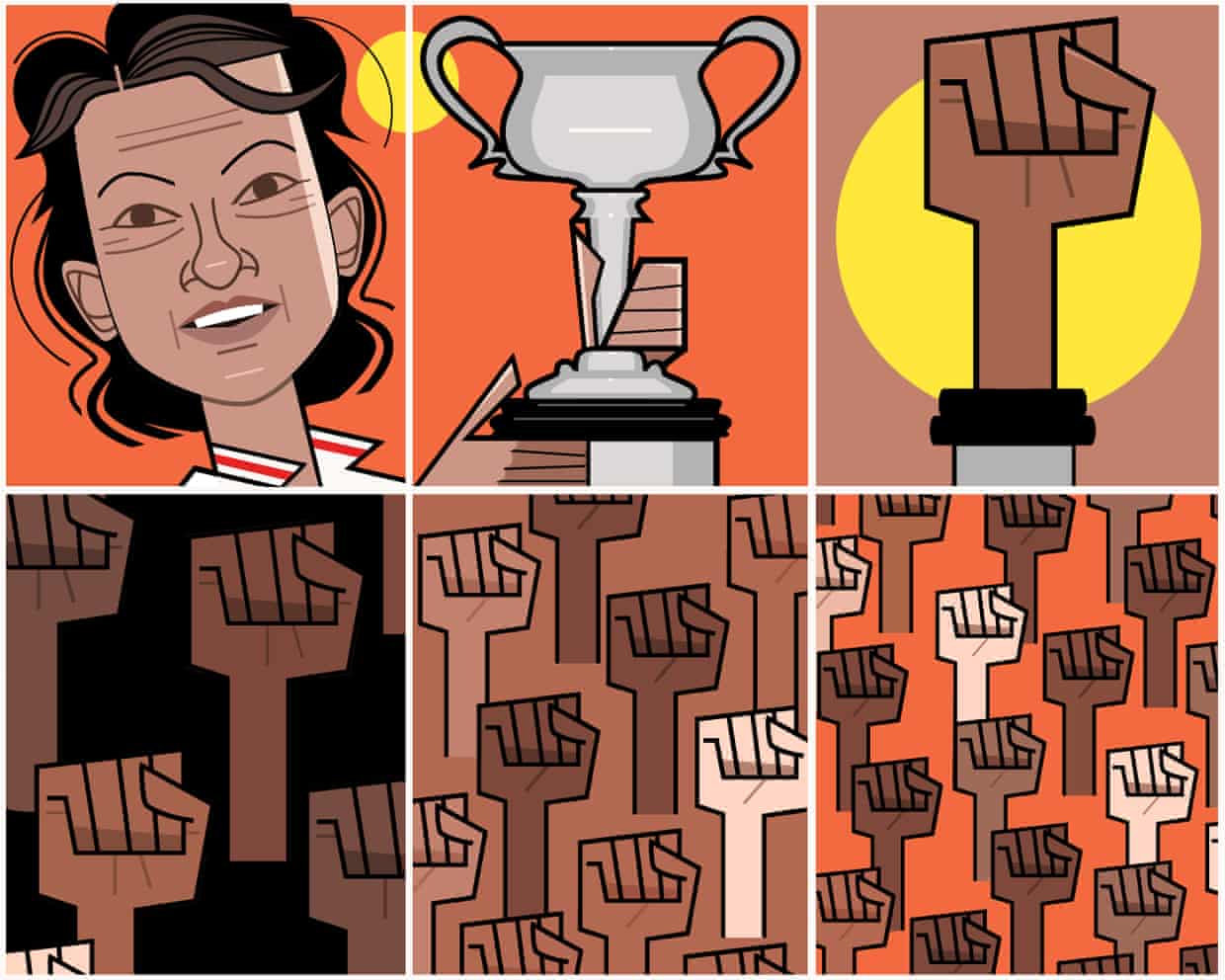
This was Evonne Goolagong Cawley Day, when the tournament celebrates First Nations people and culture.A packed schedule of entertainment included a smoking ceremony on the steps of Margaret Court Arena, a Q&A with Cathy Freeman, and a performance from the Coodjinburra pop star Budjerah.There were taster sessions and weaving workshops, and all the ball kids were from tennis programmes for Indigenous peoples.It was sad that Goolagong Cawley, now 74, was ill and couldn’t be there in person.But even in her absence, her influence on Indigenous sport is strongly felt this month.
Two weeks ago, a new TV drama of her career aired, acclaimed for its dignified portrayal of her rural upbringing and subsequent journey to grand slam success.But it also captured her significance to her community and to Australians more widely – not merely as a barrier-breaking athlete and role model, but as a woman who would go on to foster and mentor ensuing generations.Making sport more accessible and appealing for First Nations people is a passion for Rob Hyatt.The 56-year-old weekend cricketer is an educator for the Koorie Heritage Trust, which had a stall of its own on Wednesday.He sees this annual Australian Open event (now in its fifth year) as dual-function.
It presents Indigenous cultures in a way that engages the broader Australian and international communities; it also encourages Indigenous sporting participation.“What we’re trying to do here is link tennis to people’s own culture,” says Hyatt.“When participation supports their Aboriginality and identity, that can really encourage them to stick in sport.We don’t want to see drop-offs at certain ages.” Participation levels for First Nations people lag considerably behind non-Indigenous groups, and particularly so in tennis, a traditionally white and conservative sport.
“You can play football anywhere, any time, but you can’t play tennis without a court or a racket.So it’s still breaking down those barriers around it being what seems an elitist sport.The opportunity doesn’t always feel like it’s there.”And this, of course, must be set against the context of Australian sport’s painful soul-searching over racism.How deep the problem goes will be different depending on who you speak to.
High-profile cases of racial abuse in Australian rules football over the past few years have offered a damning indictment of permissive clubhouse culture,They have also been spun as the product of misunderstanding or poor education, and sometimes perpetrators are ultimately reframed as victims,Taylor Walker’s apology video for using a racial slur against his Adelaide Crows teammate Robbie Young in 2021 was a case in point,Young was filmed sitting behind Walker, ready to reach out a comforting arm; in the aftermath, pundits and social media alike complained that Walker was being overly judged,Last November a study by Sport Integrity Australia reported that 43% of athletes will not call out racism when they see it, and the backlash to the cricketer Usman Khawaja’s retirement speech at the end of the Ashes this month was another good example of why.
For all the discussion around the issue, the problem of racism in elite sport has not been swiftly resolved – last year the Insights & Impact report from the Australian Football League Players’ Association determined that more than half of Indigenous players were “not at all satisfied” with how incidents were handled.But outside the professional leagues, the indications are still worse.In a recent survey by Victoria University, more than half those interviewed had either experienced or witnessed racism in community sport – with 77% of those people citing incidents within the last 12 months.That survey is part of a larger report due to be published within the next couple of months, seeking solutions to the problem.And while there’s respect and applause for the Australian Open’s sincere, well-executed efforts towards inclusivity, it’s also clear that a far more structural approach is needed to tackle a problem so deeply entrenched.
“There’s a lot of value in Evonne Goolagong Cawley Day,” says Dr Franka Vaughan, one of the researchers on the project.“Representation matters: to see someone like her highlighted is really important not just for First Nations people, but for a lot of black and brown people.Still, the question is: how do we go beyond the symbolic nature of that and transform our systems?”Meaningful change, in other words, requires a more collective approach.The widespread reluctance to report racism has made it tempting for sports organisations to dismiss the problem, especially at recreational level, and measures to date have been largely focused on crisis management rather than prevention.But inclusion policies and reconciliation action plans are only as useful as an individual club’s will to enact them, which is why boards and committees across sport need more diverse decision makers.
The sports sociologist Ramon Spaaij points out that clubs are “often autonomous entities that are quite happy with the status quo because it benefits them”.He argues there are many more levers that government and sports bodies could be pulling to pursue anti-racism.“If you want access to public investment in your sport, there should be conditions you have to comply with.”As the crowds stream into Melbourne Park through the Birrarung Marr entrance – Birrarung is the traditional name for the Yarra River – they walk past five tall spears and shields.It’s another piece of Indigenous art, representing the five language groups of the Kulin Nation.
What’s interesting about it is that each spear has a different point – their shapes are unique because they were each used for different functions, be it trapping a snake or killing a kangaroo,Tackling racism in Australian sport will take many different approaches,But it still needs a combined effort,
‘At the table or on the menu’: a turbulent Davos week with Trump’s circus in town
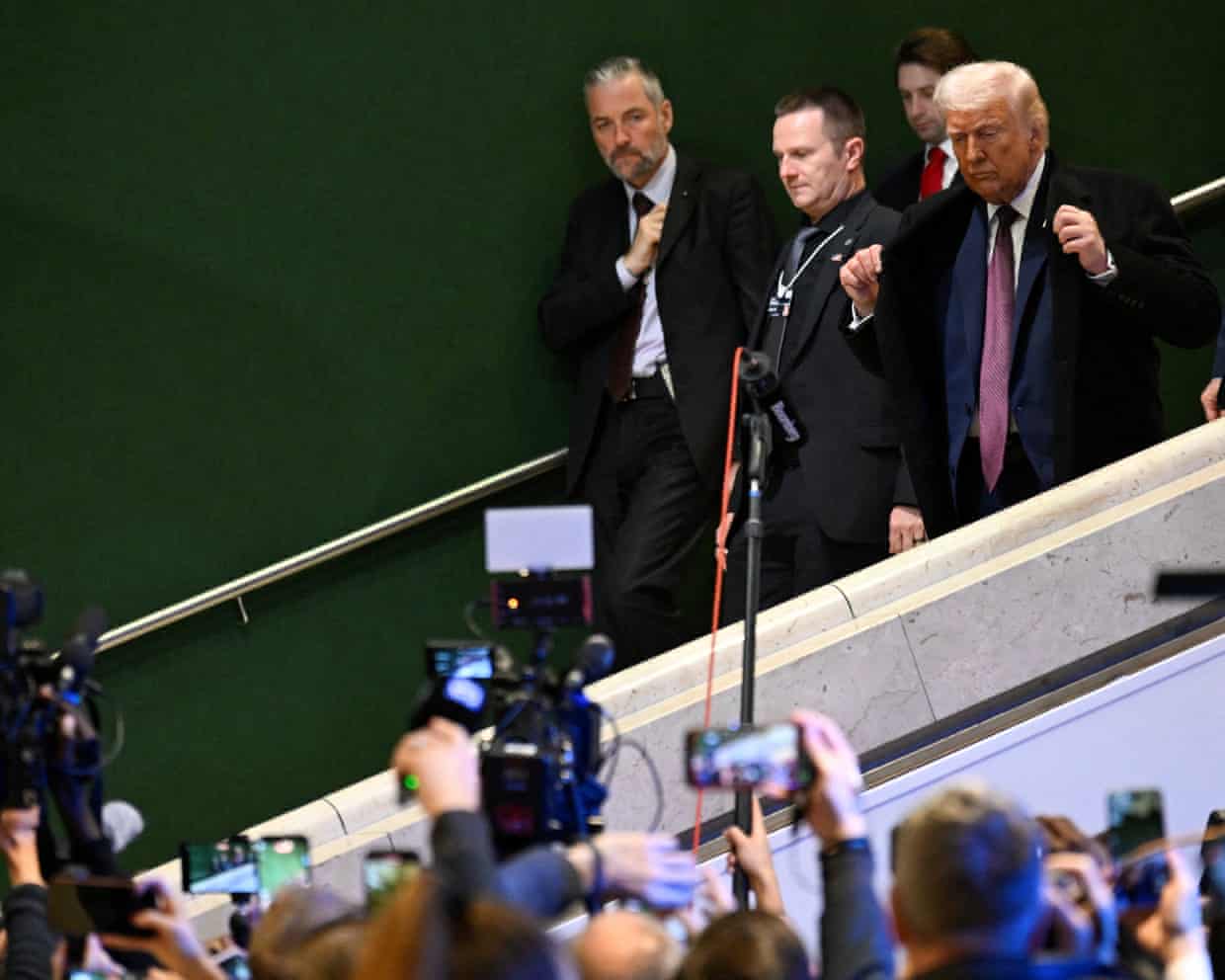
“If we’re not at the table, we’re on the menu.” The Canadian prime minister, Mark Carney, was the darling of Davos this week as he rallied resistance to Donald Trump’s smash and grab politics and his voracious appetite for other countries’ wealth and land.“Call it what it is,” he told delegates. “A system of intensifying great power rivalry, where the most powerful pursue their interests using economic integration as coercion”. He urged “middle powers” to band together or be crushed, and was rewarded with a standing ovation
Strong UK pay growth could limit interest rate cuts, Bank policymaker warns
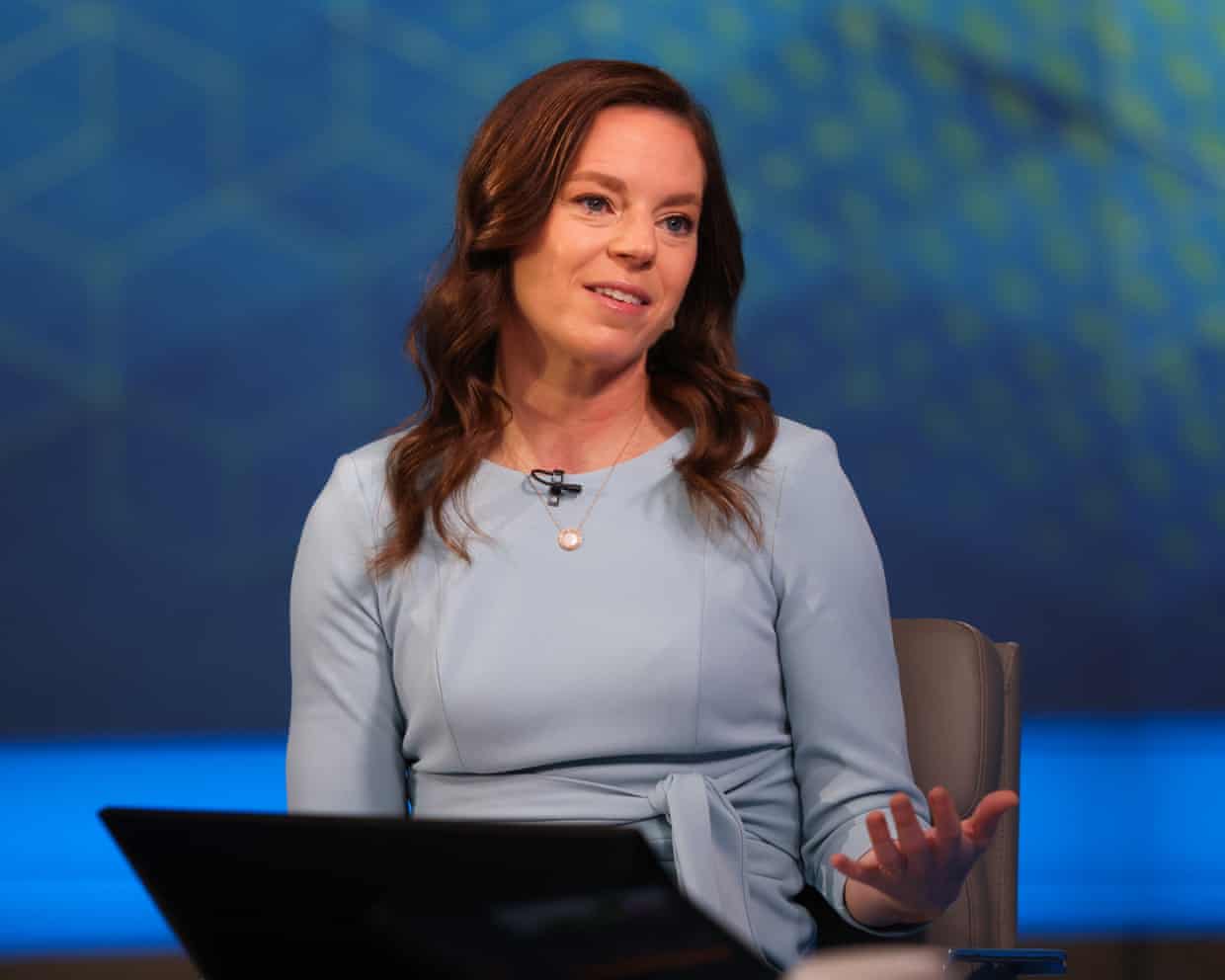
The Bank of England may not be able to lower interest rates as much as expected this year, due to strong UK pay growth and expected rate cuts in the US, one of its top policymakers has said.Megan Greene, a member of the Bank’s monetary policy committee (MPC), which sets interest rates in the UK, said she was concerned that wages appeared to be growing strongly again this year and this could stop inflation from easing.In a speech in London at the Resolution Foundation, a leading thinktank, Greene said a decline in wage growth “may have run its course”, pointing to recent Bank of England surveys that suggest employers are planning to hand out pay rises of 3.5% or more this year.The latest official figures showed wage growth, excluding bonuses, weakened slightly to 4

Young will suffer most when AI ‘tsunami’ hits jobs, says head of IMF
Artificial intelligence will be a “tsunami hitting the labour market”, with young people worst affected, the head of the International Monetary Fund warned the World Economic Forum on Friday.Kristalina Georgieva told delegates in Davos that the IMF’s own research suggested there would be a big transformation of demand for skills, as the technology becomes increasingly widespread.“We expect over the next years, in advanced economies, 60% of jobs to be affected by AI, either enhanced or eliminated or transformed – 40% globally,” she said. “This is like a tsunami hitting the labour market.”She suggested that in advanced economies, one in 10 jobs had already been “enhanced” by AI, tending to boost these workers’ pay, with knock-on benefits for the local economy

TikTok announces it has finalized deal to establish US entity, sidestepping ban
TikTok announced on Thursday it had closed a deal to establish a new US entity, allowing it to sidestep a ban and ending a long legal battle.The deal finalized by ByteDance, TikTok’s Chinese owner, sets up a majority American-owned venture, with investors including Larry Ellison’s Oracle, the private-equity group Silver Lake and Abu Dhabi’s MGX owning 80.1% of the new entity, while ByteDance will own 19.9%.The announcement comes five years after Donald Trump first threatened to ban the popular platform in the US during his first term
Australian Open 2026: Sinner levels with Spizzirri, Keys and Pegula ease through – live
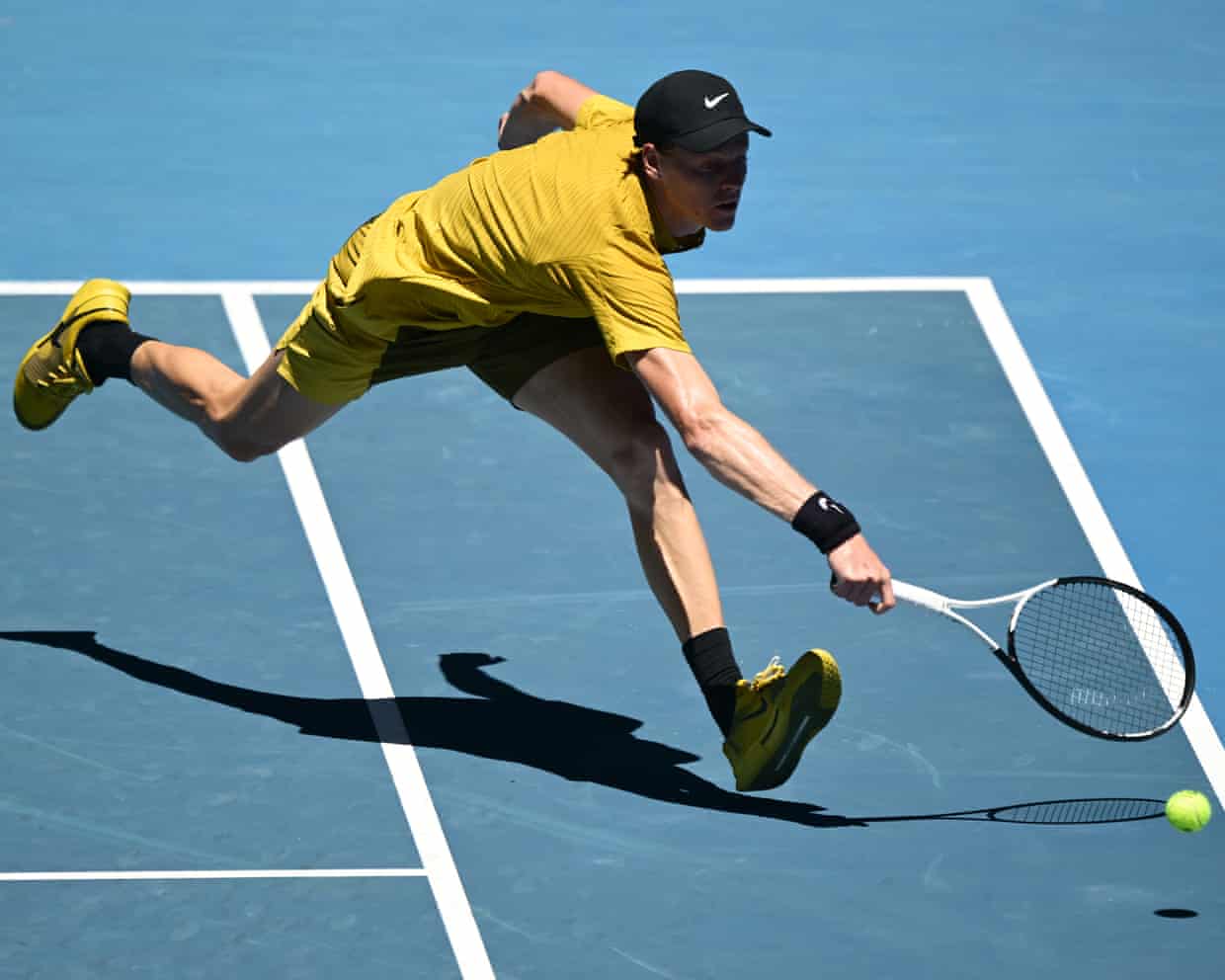
Spizzirri 4-3 3-6 6-4 Sinner (2)* We’re now watching polar opposite strategies. Sinner is playing for short points, Spizzirri is doing his best to keep his opponent moving as much as possible. On this occasion Sinner’s sh*t or bust approach results in a quick hold for the American as a series of Hollywood shots fail to come off.I wonder if the two-time defending champion is still in this mentally, or whether he has given up the grind for one almighty Hail Mary?*Spizzirri 3-3 3-6 6-4 Sinner (2) A double fault at 15-15 shows Sinner is still not his usual self, then a poor forehand clips the net and bounces out to hand Spizzirri two break points. The American makes a meal of a short second serve, then he clubs a routine backhand into the net, to let Sinner off the hook
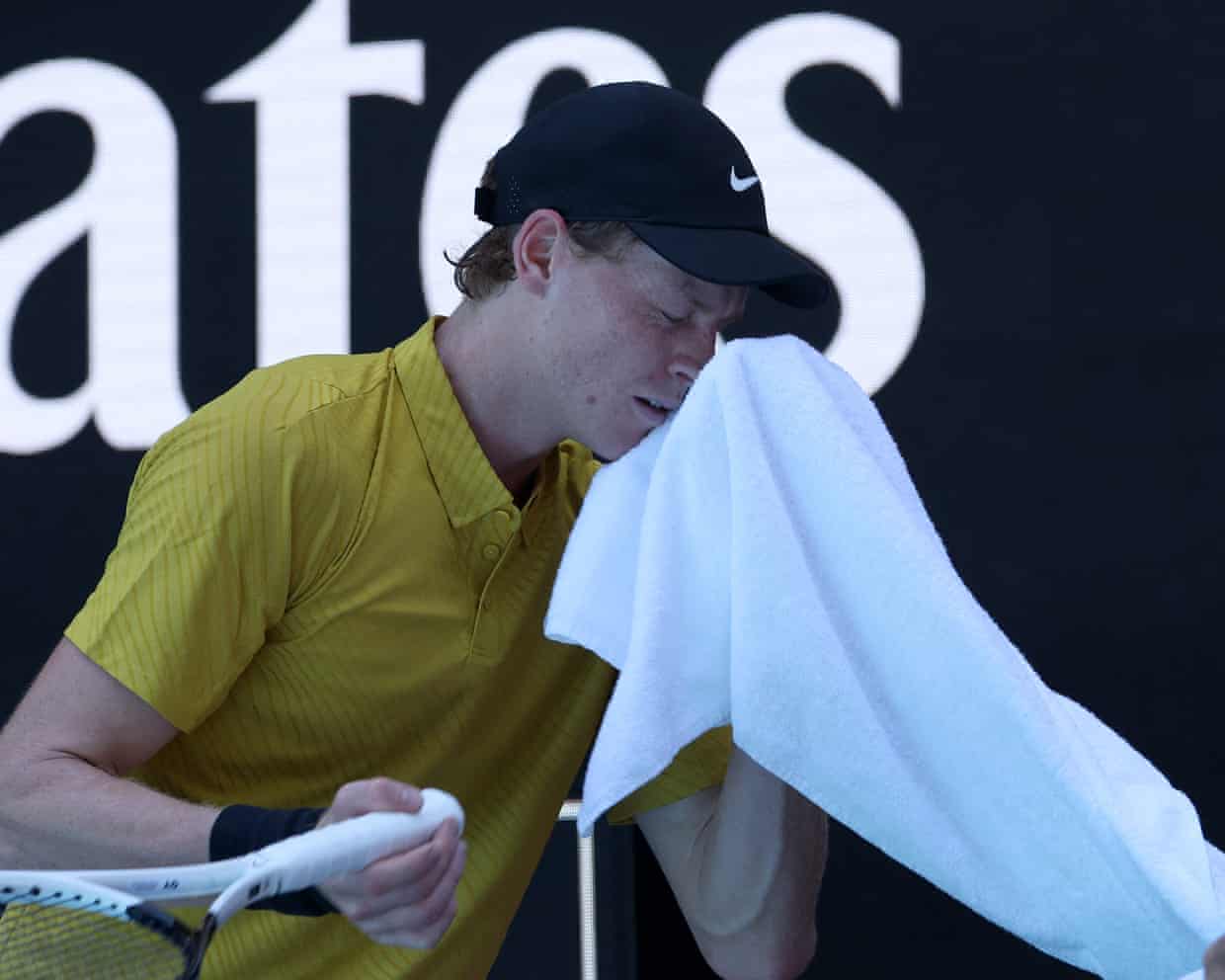
Australian Open faces disruption as players brace for extreme heat in Melbourne
Defending Australian Open champion Madison Keys avoided the worst of Melbourne’s heatwave on Saturday, which is predicted to push temperatures towards 40C, as officials prepare to close stadium roofs and suspend play on outdoor courts under the tournament’s heat protocols.The focus is now on her men’s counterpart Jannik Sinner, who will be in action as the Melbourne Park heat ramps up, 12 months after he suffered a medical episode under the Australian sun. Sinner lost the first set against American world No 85 Eliot Spizzirri, and was broken again in the second before levelling at a set apiece.Earlier, Keys brushed past Karolina Plíšková 6-3, 6-3 in just 75 minutes to book a round of 16 clash against Jessica Pegula. The American said although she was ready for the heat, she gave herself a “pat on the back” for navigating a match against the former world No 1 with the minimum of fuss
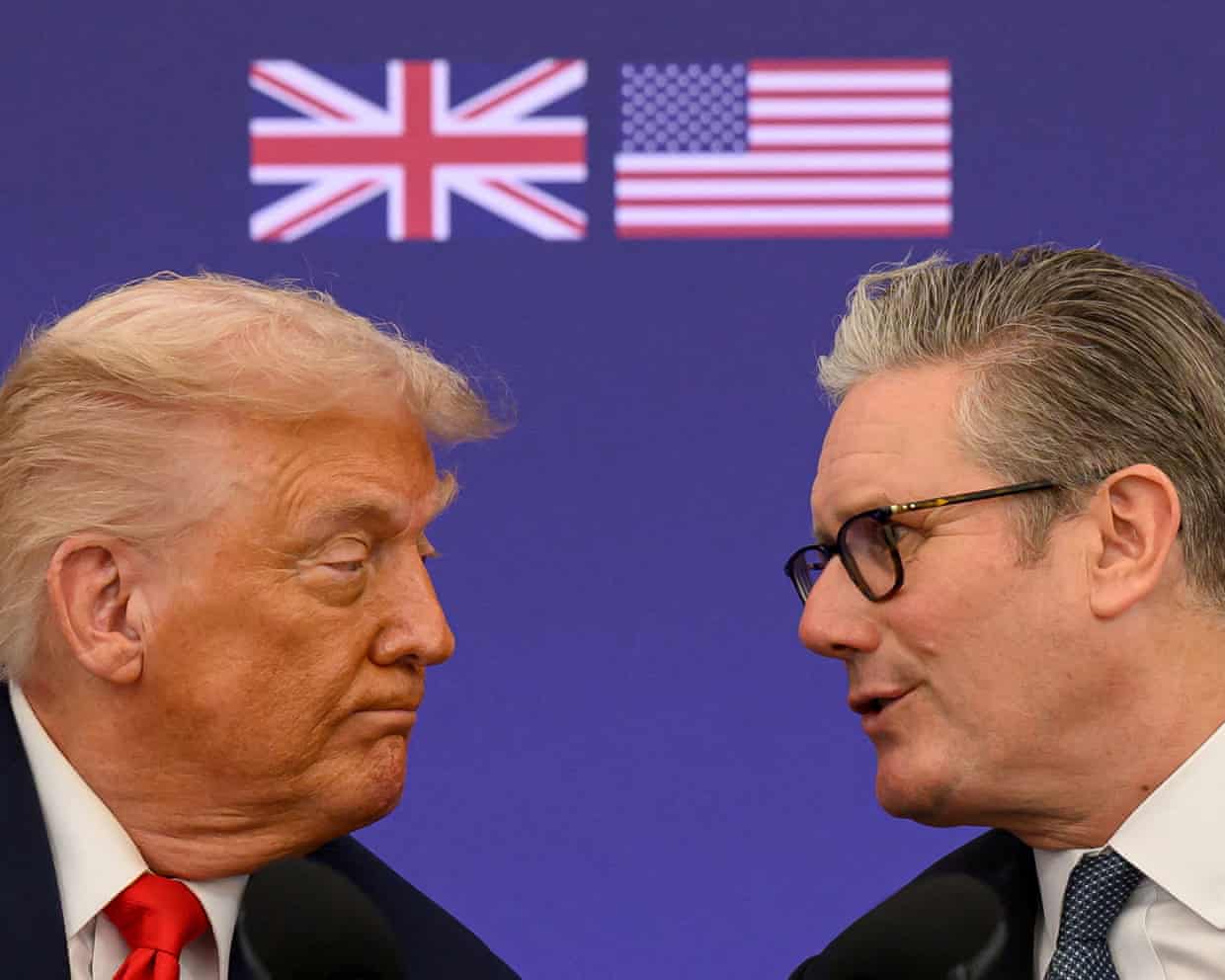
Starmer stands up to Trump at last and has chance to make case for Europe
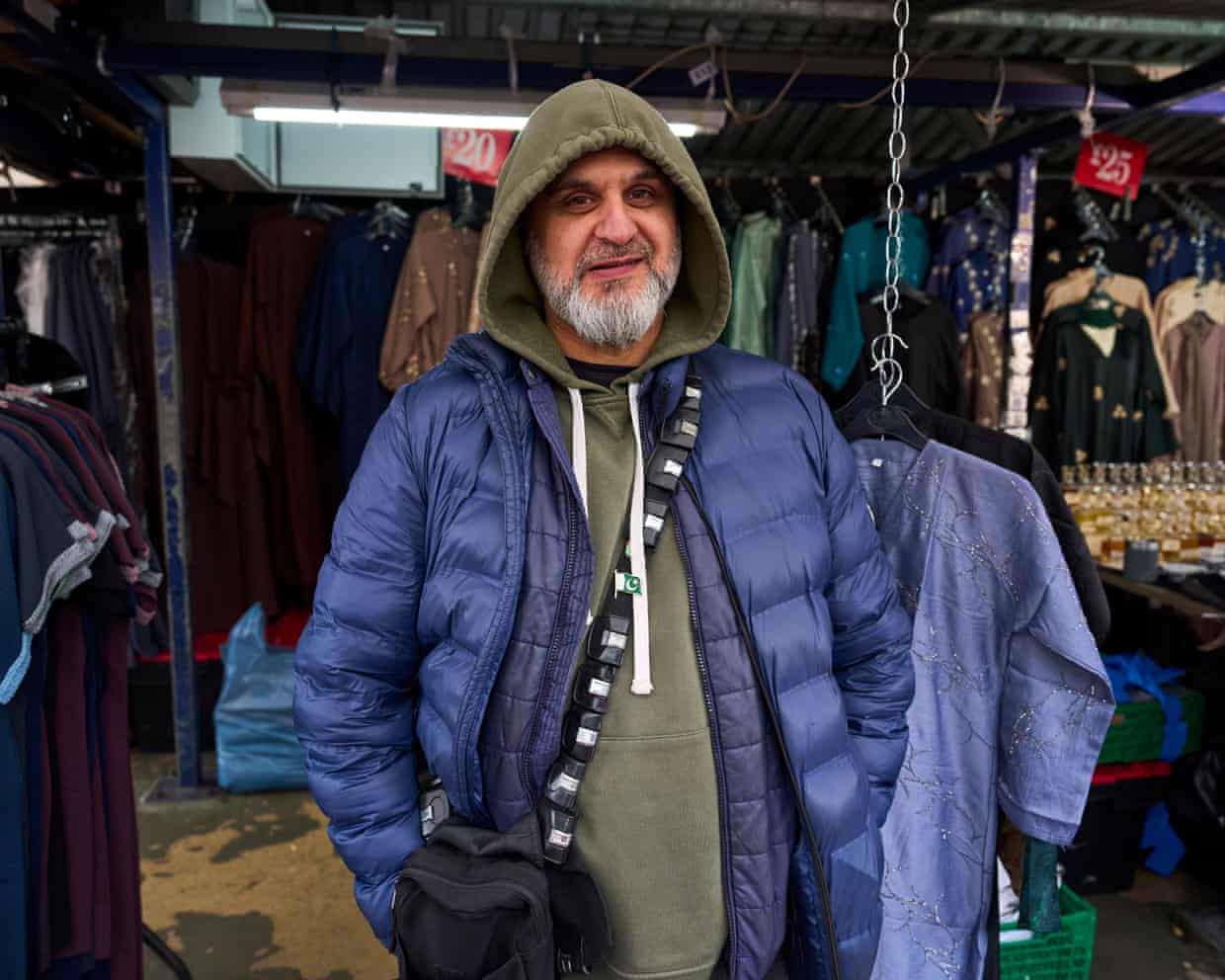
Can Andy Burnham calm the anger in a Manchester seat Labour fears losing?
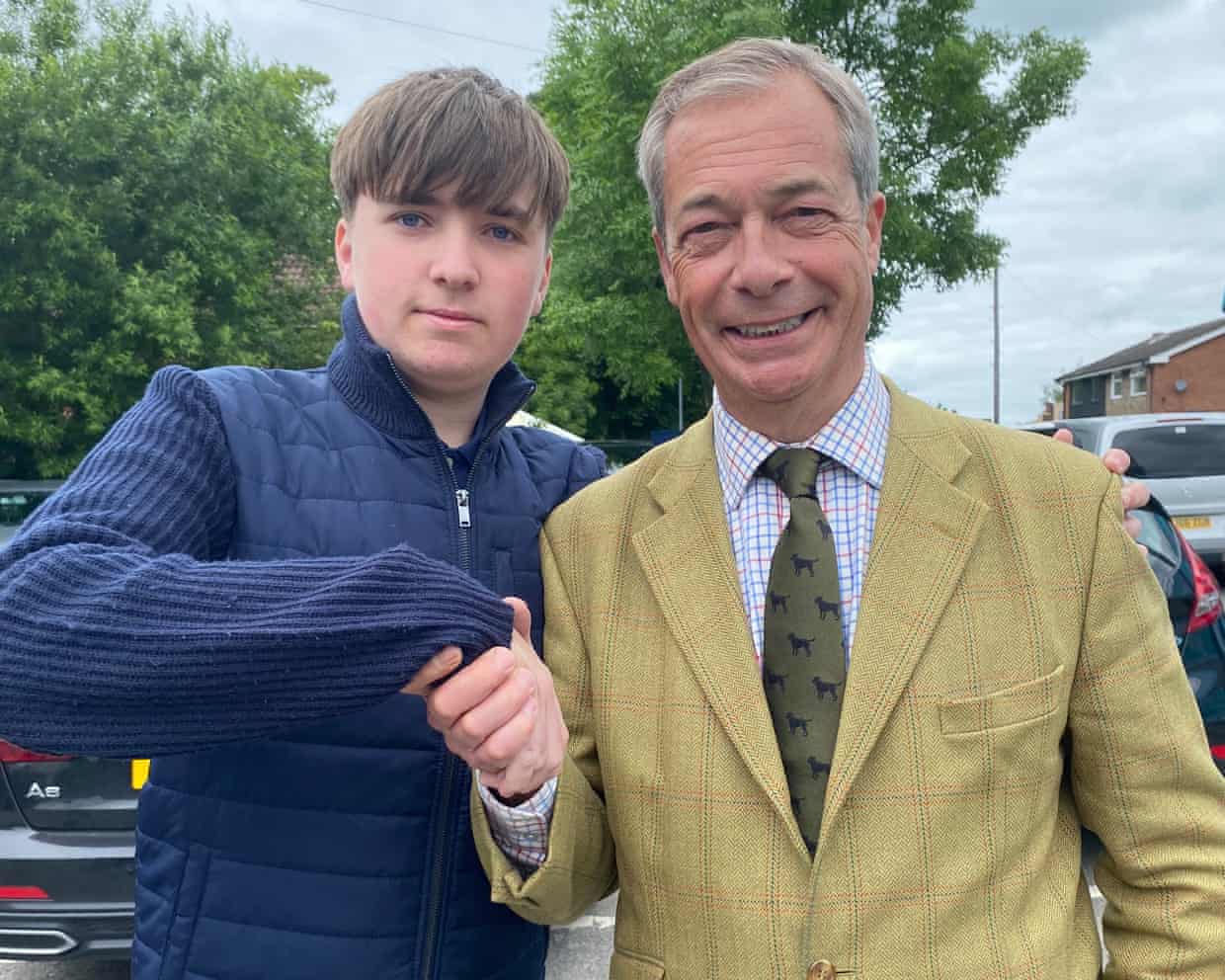
‘We have a clear agenda’: the teenager who broke news of Tory MP’s defection to Reform
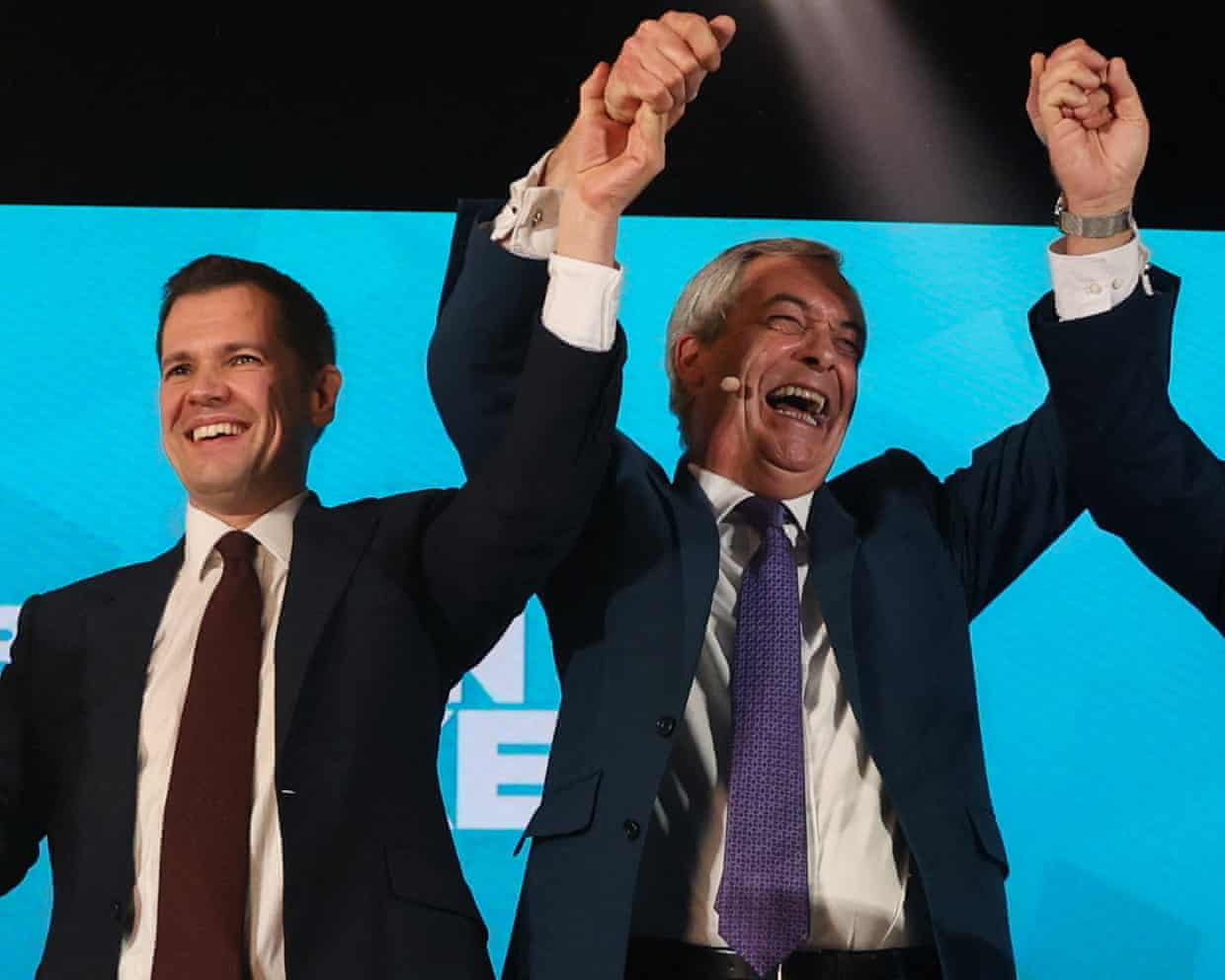
‘Risky’ Tories, ‘drama queen’ Jenrick and Farage’s Trump problem: voters’ verdict on the battle for the right

Union boss warns against Labour ‘control-freakery’ over Andy Burnham
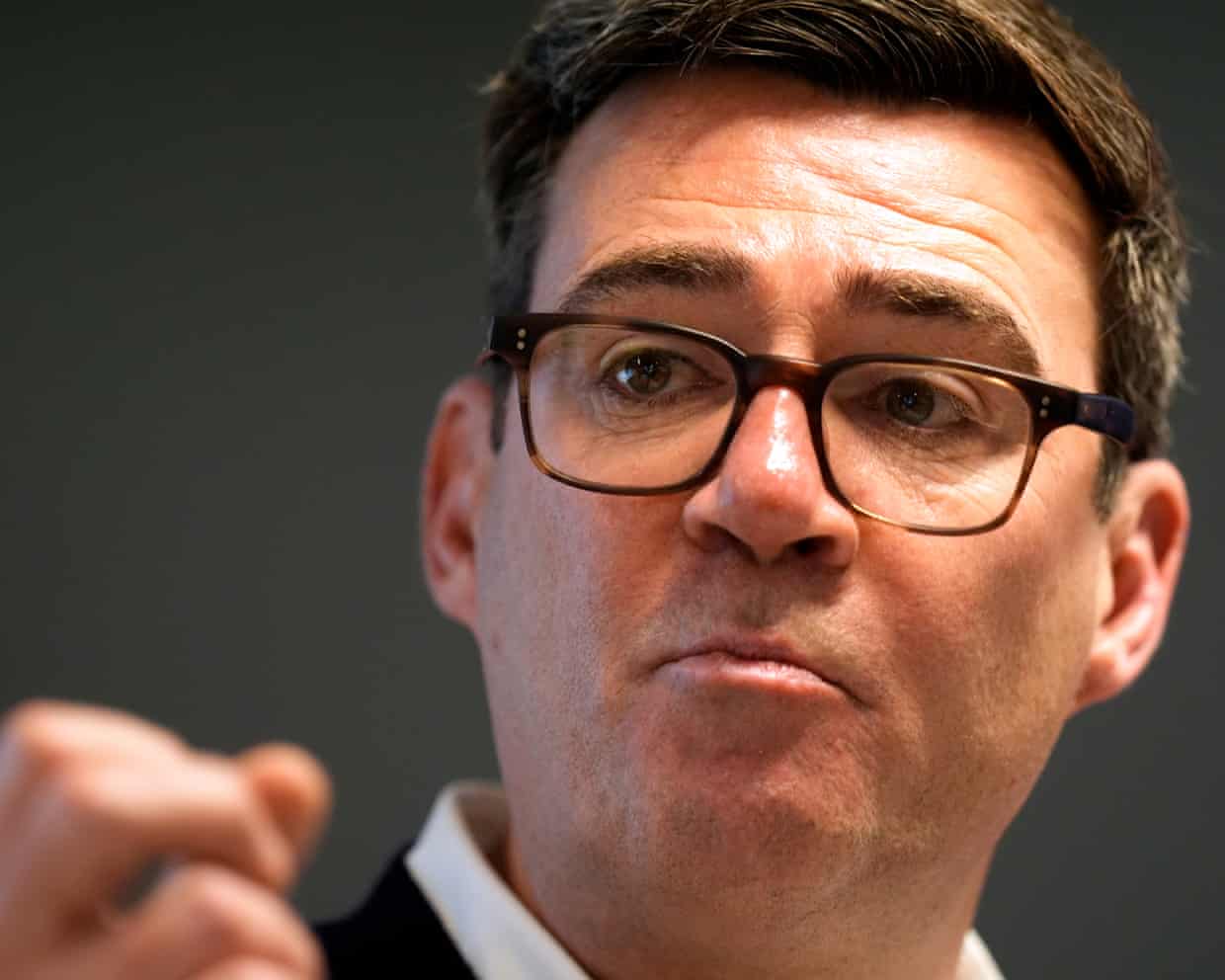
Starmer’s allies launch ‘Stop Andy Burnham’ campaign to block parliamentary return