Barbecues, ballboys and oranges: Australia tennis greats pass ‘strong tradition’ to next generation | Simon Cambers
Each year on the first Friday of Wimbledon, an increasingly large crowd flocks to a house near the All England Club for a very special party.Hosted by Tennis Australia, the “Aussie Barbecue” has become a fixture in the calendar, a celebration of tennis for current players, former stars, coaches, administrators and journalists.The food and drinks are outstanding and even when the weather doesn’t play ball, a huge marquee protects the guests.But in addition to the fun, the evening also plays an important role, maintaining a link between generations of Australian tennis.Australia is, of course, blessed with a rich heritage of champions.
In the 1950s and 1960s, Australian men won 53 of 80 majors; in the 1960s, Australian women, led by Margaret Court, won 18 of the 40,From Frank Sedgman and Ken McGregor, to Rod Laver, Ken Rosewall, Tony Roche, John Newcombe and many more, Australians ran the roost, at home and abroad,That golden generation will surely never be repeated,It’s half a century since the last home men’s champion at the Australian Open, Mark Edmondson,It’s 24 years since Lleyton Hewitt won Wimbledon, the most recent Australian men’s champion.
With the exception of Sam Stosur and Ash Barty, the cupboard has been bare of late.But heritage matters to Australian tennis and anyone attending one of the Wimbledon barbecue evenings will see generations of greats mingling, sharing stories and laughs.Many of those stories surround the Davis Cup, an institution for Australian tennis, an event they won 15 times in the 1950s and 1960s.“I think it’s very important,” Roche says.“It probably started with Frank Sedgman and Kenny McGregor, really, of course, Harry Hopman.
It was sort of, I guess, easier to do in those days, to pass the history down the line, because you were brought into Davis Cup squads and travelled in teams at a very young age, and you had these great players there to learn from.“That was a very strong tradition in Australia.We lost our way a little bit there for a while but John Newcombe and myself took over the Davis Cup.We sort of reintroduced that.And, you know, a classic example was Lleyton Hewitt, who we took to maybe five or six Davis Cup ties as an “orange boy” [young players brought along for experience and practice].
That was a very important part of our culture.”Todd Woodbridge won 16 grand slam doubles titles, including 11 with fellow Australian Mark Woodforde.Growing up, like many top Australian juniors, Woodbridge was compared to the greats, a pressure but also a privilege.He is keen to pass on his knowledge.“I’ve tried to be able to do that and be that mentor, if it was appropriate for someone to come up and ask me,” he says.
“I think that we’ve still got that in Australian tennis, and that’s really, really important to me and I think it’s important to young people, because even though, and I was like this, you think you’re invincible when you’re out there and nothing else matters, I’ve now got that experience and understand that.”Allan Stone, who won the Australian Open doubles title in 1977, recalls when he was a ballboy in a Davis Cup tie at Kooyong, the club that staged the grand slam from 1972 to 1987.“When we finished, Ashley Cooper, who was the Wimbledon champ, said: ‘son, do you play?’” Stone says.“I said, yeah – I was playing in the under-12s at that point – and he says, ‘do you want to hit?’ His racket was a bit too big and heavy for me, but he hit with me for about 10 minutes.I have never forgotten it.
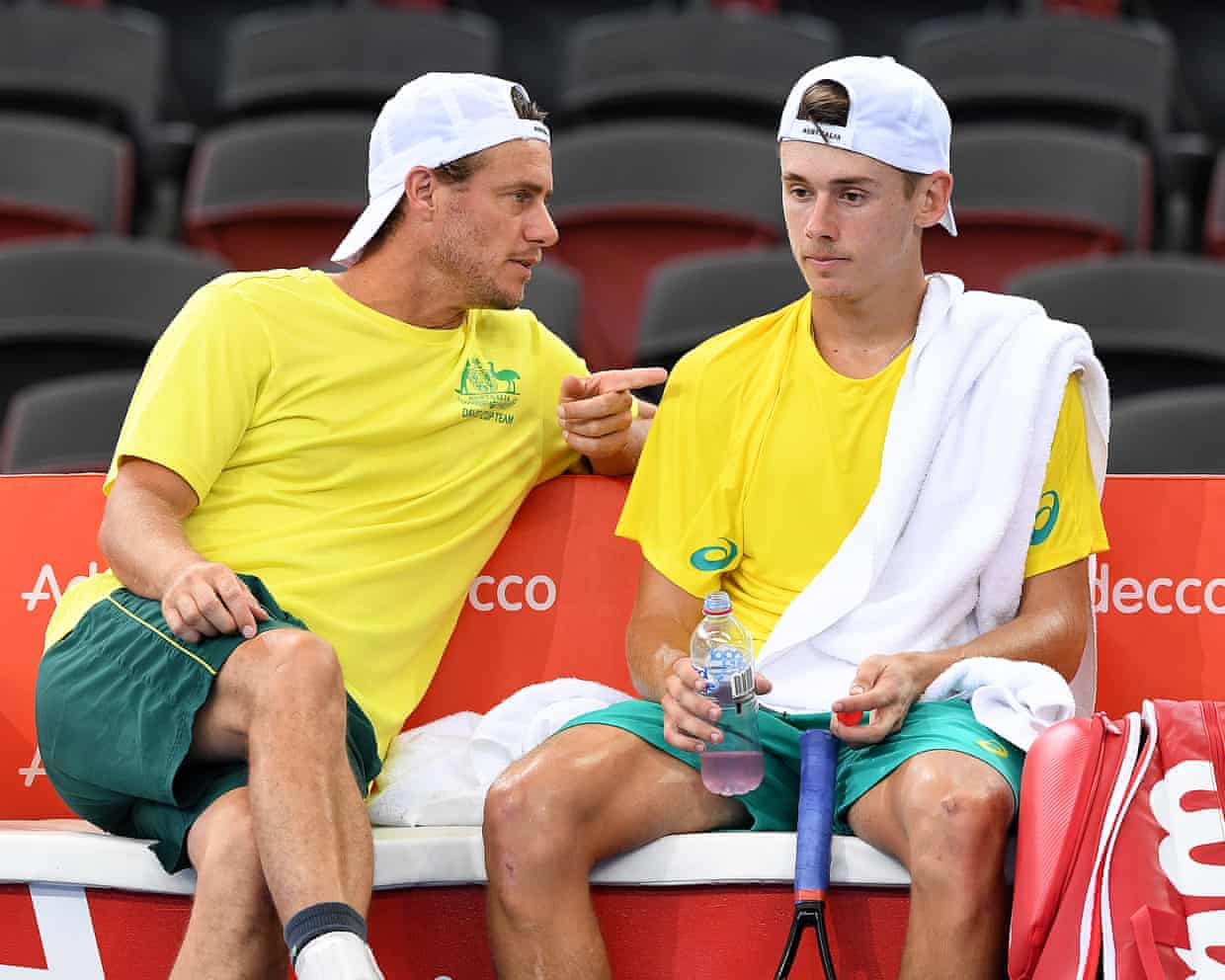
And when I got older, Laver and Rosewell, Emerson and [Fred] Stolle, they’d hit with us and look after us,”Roche coached Hewitt and Pat Rafter, another two-time grand slam champion,The thread continues down through Hewitt, now Australia’s Davis Cup captain, and the mentor for the country’s No 1, Alex de Minaur,“We had a good attitude but we enjoyed it,” Roche says,“You worked hard, you played hard, and you knew how to enjoy yourselves.
I think that has sort of probably gone out of the game a little bit.”With Sedgman and Rosewall in their 90s, and Laver and Roche into their 80s, the older generations will soon pass the baton on to the likes of Hewitt and Rafter.Roche is confident it will continue.“With Lleyton, it’s in very good hands,” Roche says.“I mean, you couldn’t get a more passionate leader, somebody that leads by example.
The players all look up to him.I think it’s very important that he continues in that role.”

Davos: US support for Ukraine ‘never doubted’, says Nato chief, amid scepticism over Trump’s Greenland ‘deal’ – live updates
Good morning from Davos, amid relief and scepticism that Donald Trump has reached a rather vague agreement with Nato over Greenland.Hours after telling the World Economic Forum that he wouldn’t use force to seize the island from Denmark, Trump surprised us by declaring that “the framework of a future deal” on Greenland had been reached, after talks with Nato chief Mark Rutte.With Trump lifting the threat to impose new tariffs on eight European countries, the crisis that was threatening to rupture the Nato military alliance may have eased.But….leaving the forum last night, Rutte told the AFP newswire:“I think it was a very good meeting tonight

The year of the ‘hectocorn’: the $100bn tech companies that could float in 2026
You’ve probably heard of “unicorns” – technology startups valued at more than $1bn – but 2026 is shaping up to be the year of the “hectocorn”, with several US and European companies potentially floating on stock markets at valuations over $100bn (£75bn).OpenAI, Anthropic, SpaceX and Stripe are among the big names said to be considering an initial public offering (IPO) this year.The success of their flotations – whether the shares maintain their value, rise or fall – could shape concerns about the AI race and whether the resulting market mania is a bubble.Some may have had plans to float last year that were delayed or derailed by the US federal shutdown and sweeping government job cuts hitting the market watchdog. This year is shaping up to be similarly geopolitically choppy, with Trump’s latest tariff threats against European allies over Greenland casting a shadow over shares this week
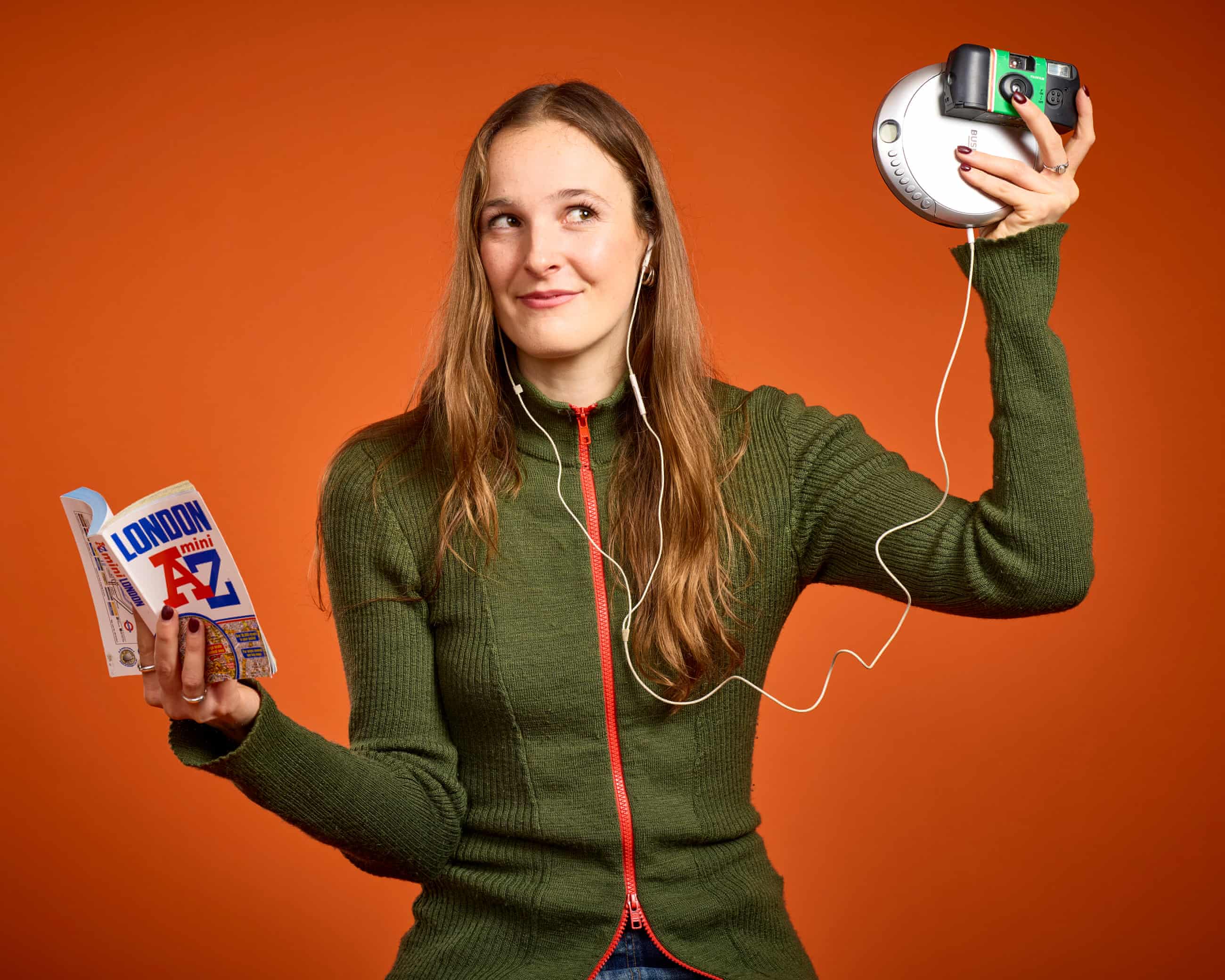
My analogue month: would ditching my smartphone make me healthier, happier – or more stressed?
When I swapped my iPhone for a Nokia, Walkman, film camera and physical map, I wasn’t sure what to expect. But my life soon started to changeWhen two balaclava-clad men on a motorbike mounted the pavement to rob me, recently, I remained oblivious. My eyes were pinned to a text message on my phone, and my hands were so clawed around it that they didn’t even bother to grab it. It wasn’t until an elderly woman shrieked and I felt the whoosh of air as the bike launched back on to the road that I looked up at all. They might have been unsuccessful but it did make me think: what else am I missing from the real world around me?Before I’ve poured my first morning coffee I’ve already watched the lives of strangers unfold on Instagram, checked the headlines, responded to texts, swiped through some matches on a dating app, and refreshed my emails, twice

Big tech continues to bend the knee to Trump a year after his inauguration
Hello, and welcome to TechScape. I’m your host, Blake Montgomery, the Guardian’s US tech editor.One year ago today, Donald Trump was inaugurated as president of the United States. Standing alongside him that day were the leaders of the tech industry’s most powerful companies, who had donated to him in an unprecedented bending of the knee. In the ensuing year, the companies have reaped enormous rewards from their alliance with Trump, which my colleague Nick Robins-Early and I wrote about last month after Trump signed an executive order prohibiting states from passing laws regulating AI
Australian Open 2026: Sinner, Osaka and Wawrinka in round two action – live
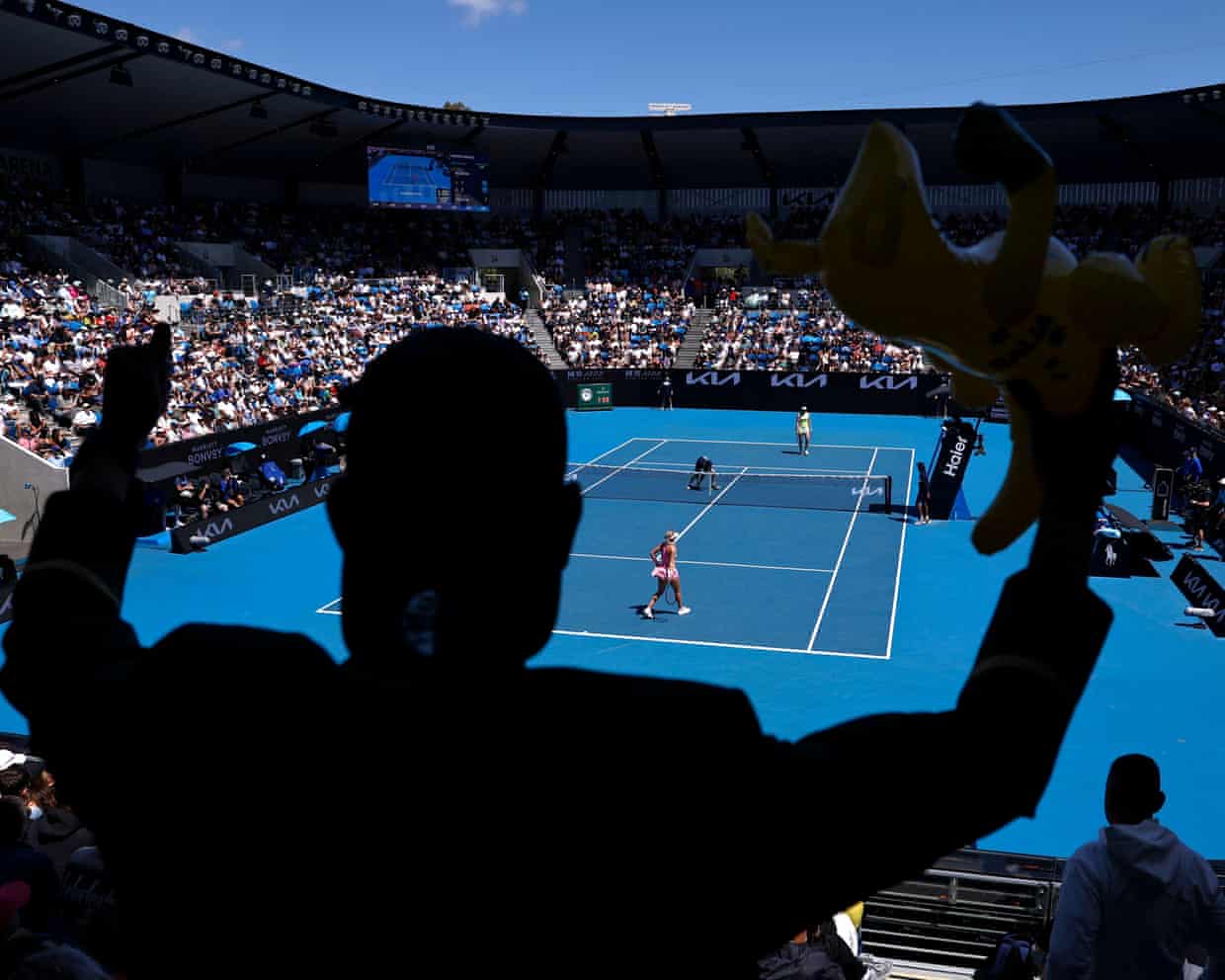
Wawrinka nudges 4-3 ahead on serve in the fourth set, a set he must win if his Australian Open career is to continue, because this is the 40-year-old’s final trip to Melbourne and he’s trailing the French qualifier Arthur Gea by two sets to one.I should also mention Maddison Inglis’s three-set victory. The home qualifier – Australia’s last woman standing in the singles – defeated the experienced German Laura Siegemund and awaits the winner of Osaka v Sorana Cirstea. They’re due on Margaret Court Arena in about five minutes’ time, while Sinner and Duckworth will soon make their entrance on Rod Laver.Inspired qualifier Maddison Inglis has ridden an emotional rollercoaster in her first grand slam appearance in four years to book a spot in the Australian Open third round
McLaren to continue fairness approach in F1 despite nervy end to last season
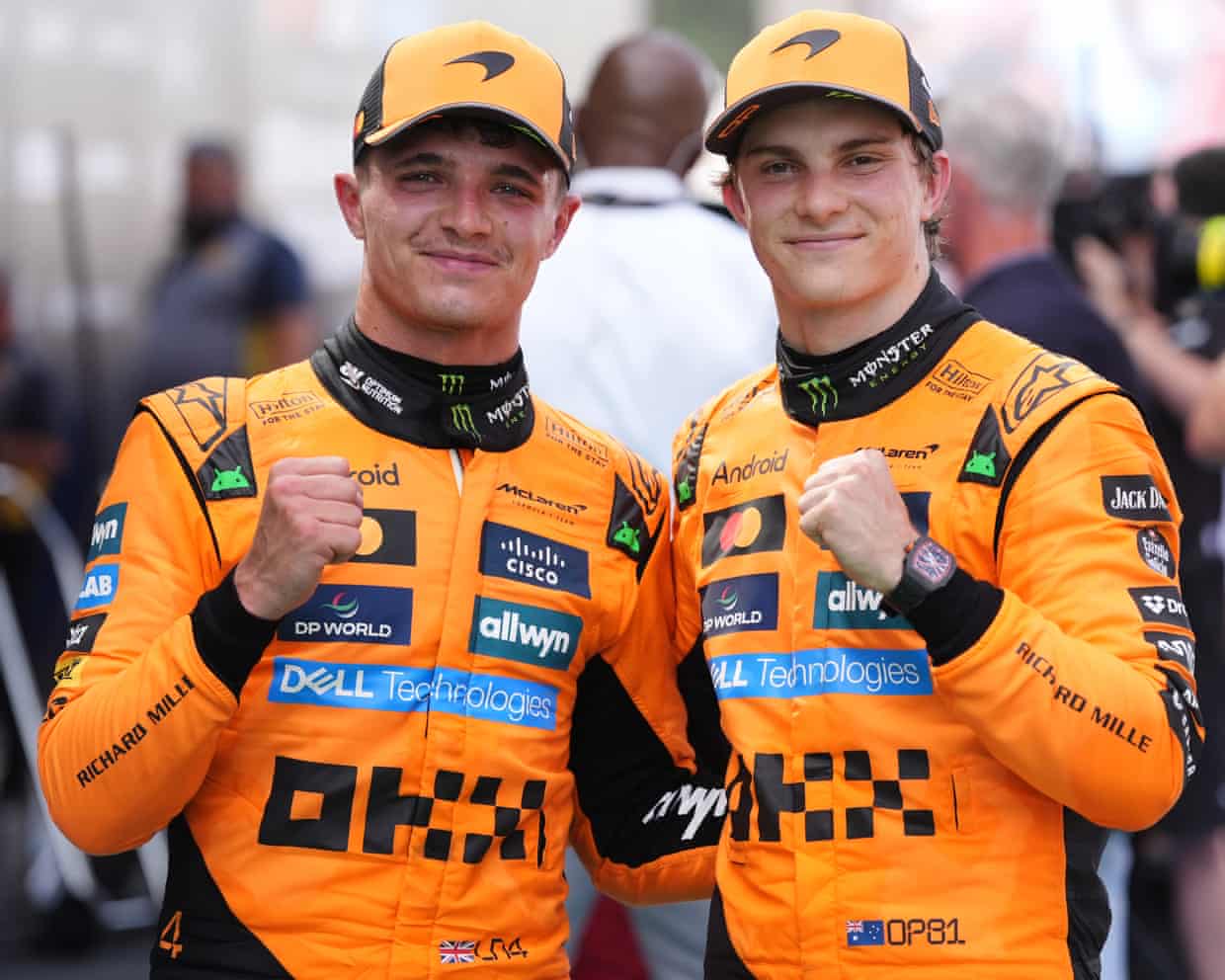
The McLaren team is to continue its policy of pursuing a rigorous fairness towards Lando Norris and Oscar Piastri for the 2026 Formula One season. That is despite their doing so last season allowed a late challenge from Red Bull’s Max Verstappen which might have prevented the team securing the drivers’ title, which was ultimately won by Norris.Last year McLaren enjoyed the most competitive car for most of the season and from the off, the team insisted their drivers would be free to race one another and the team would apply what they referred to as their “papaya rules” to ensure they were scrupulously fair to both in racing situations.It was an admirable approach but one that attracted criticism, not least as the team found themselves with increasingly complex precedents set when they did, at times, intervene. At the same time, with the drivers taking points off one another across the year, it let Verstappen back into the title fight, which he lost by just two points at the season finale in Abu Dhabi

Seth Meyers on Trump: ‘It shouldn’t be this hard to make sense of what the president says and does’

Mama Does Derby review – Virginia Gay’s Town Hall takeover is ambitious, entertaining and irresistibly warm
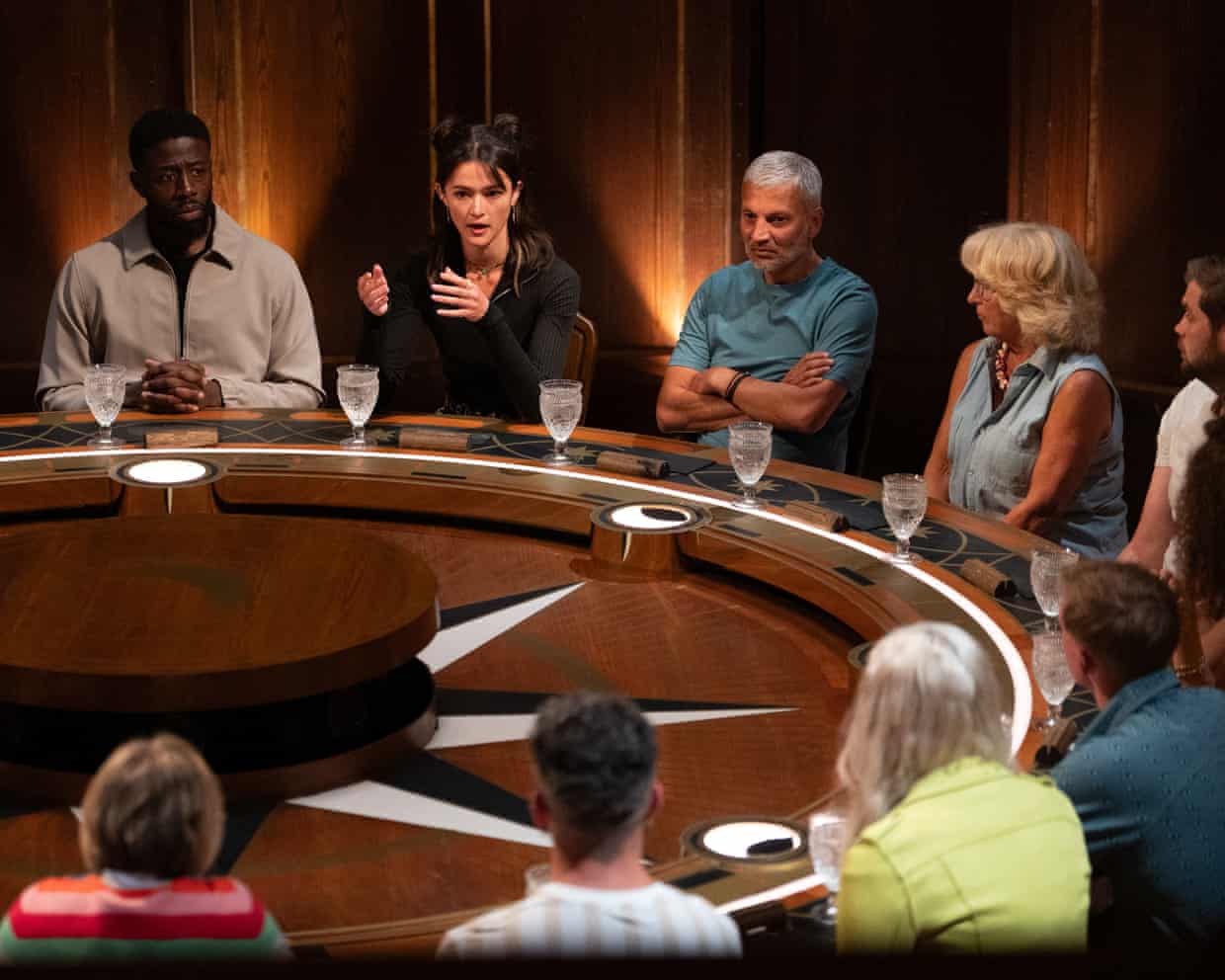
The Guide #226: SPOILER ALERT! It’s never been easier to avoid having your favourite show ruined
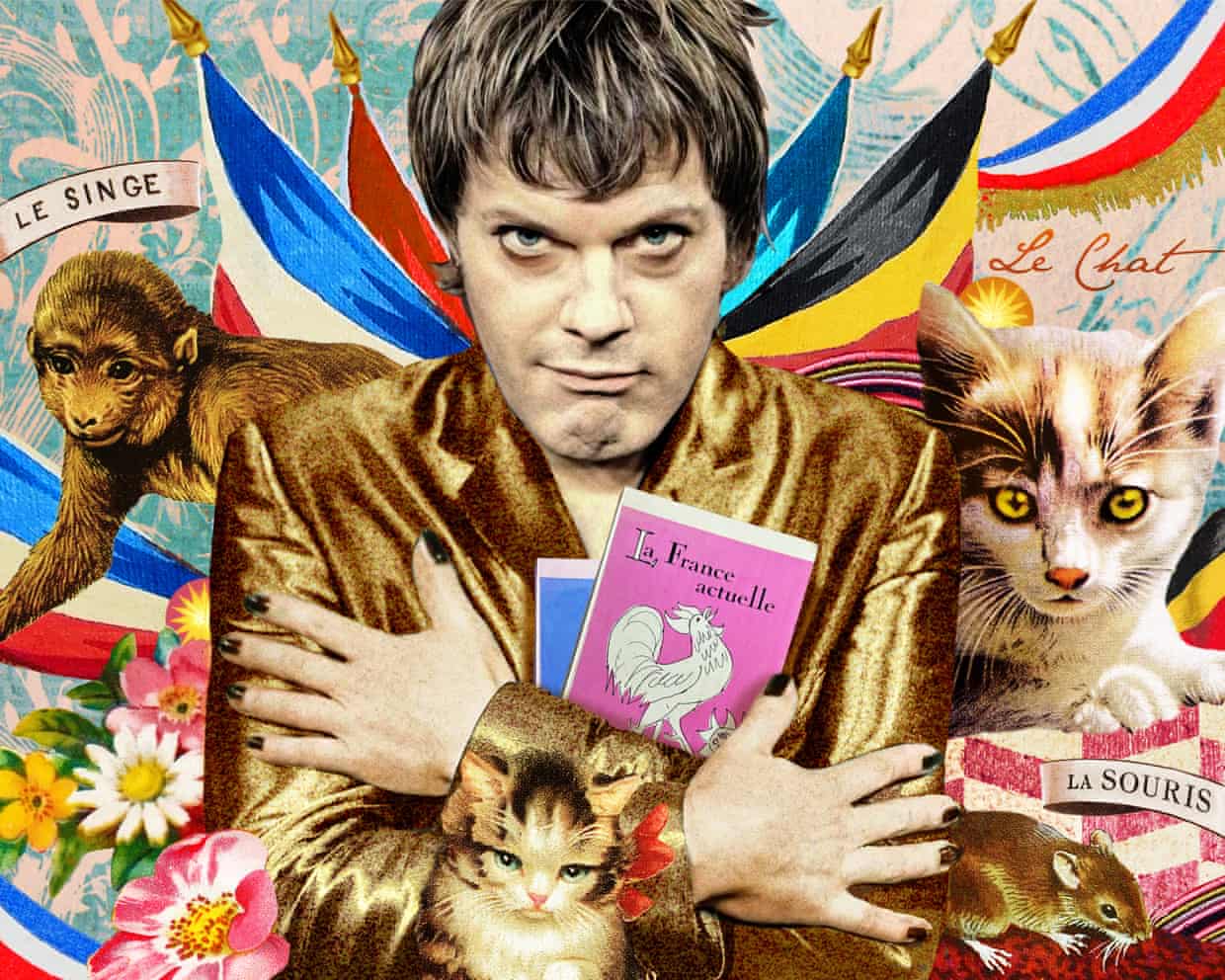
My cultural awakening: an Eddie Izzard routine inspired me to learn French – and get a job with the EU
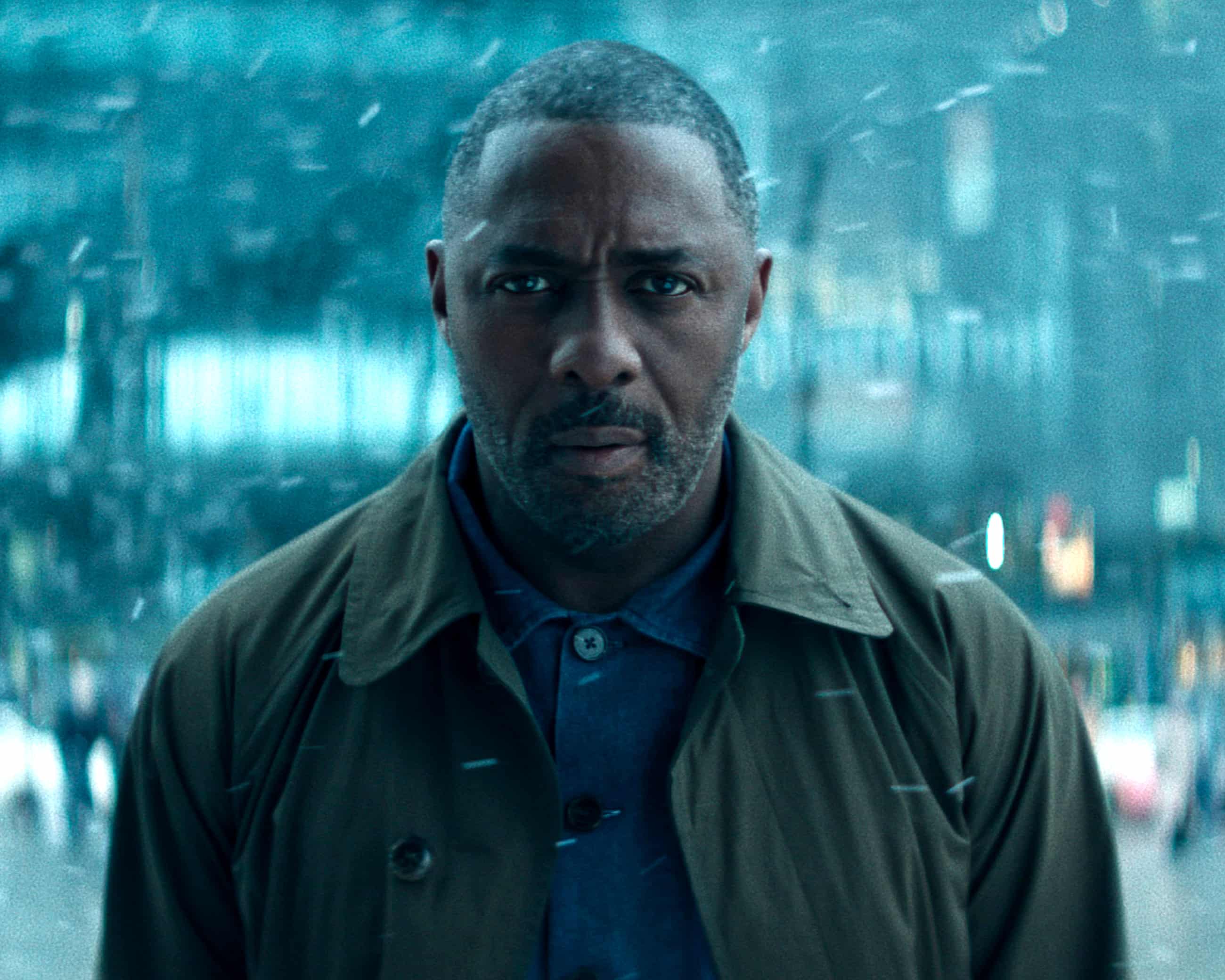
Hijack to Robbie Williams: the week in rave reviews
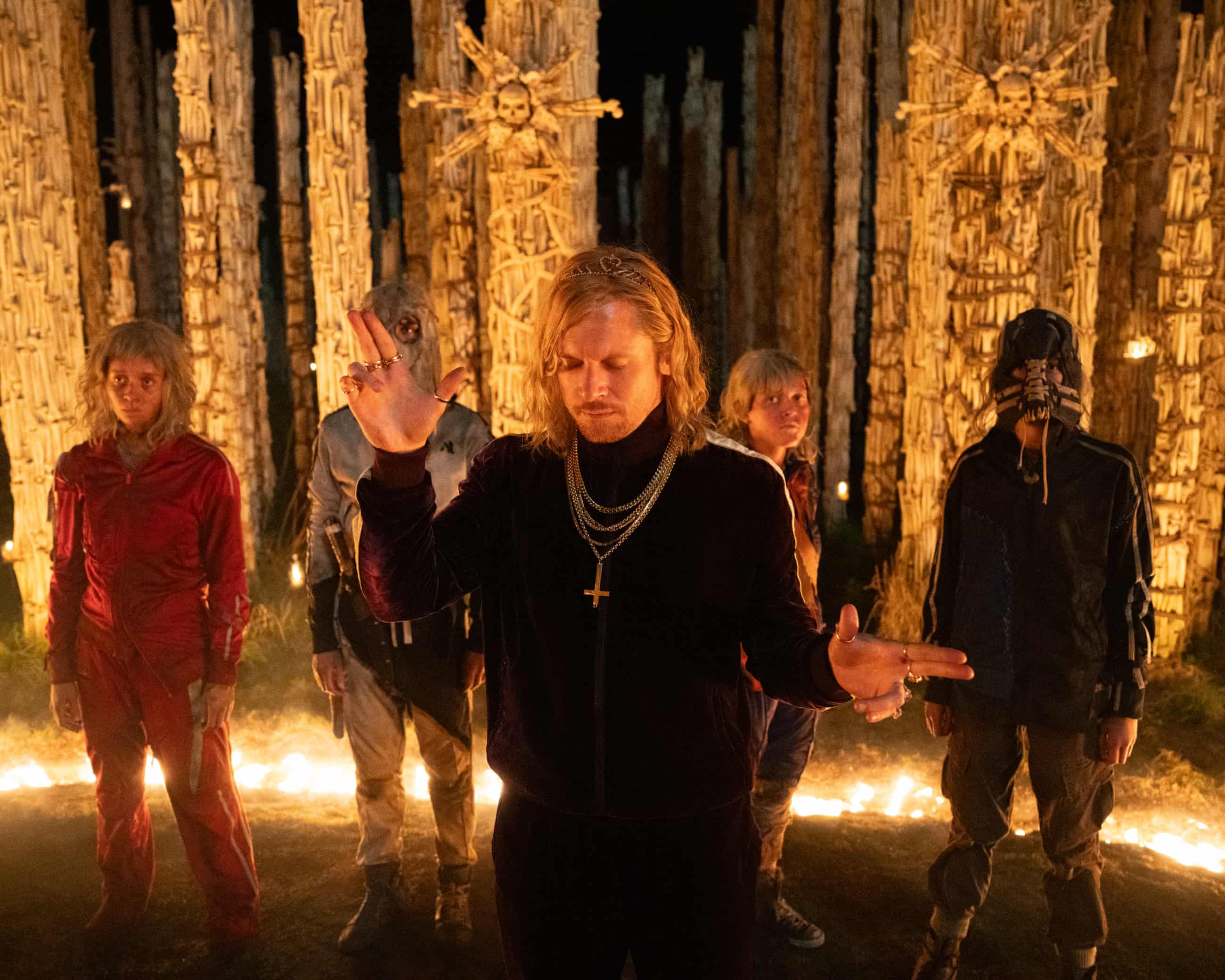
From 28 Years Later: The Bone Temple to A$AP Rocky: your complete entertainment guide to the week ahead