Fans and Welsh rugby chiefs at odds over plan to cut one of four professional sides

Richard Collier-Keywood, the embattled chair of the Welsh Rugby Union, has insisted he has the support of fans and players in Wales as the WRU attempts to drive through radical plans to cut one of the four professional sides.Giving evidence before the House of Commons Welsh affairs select committee, Collier-Keywood – who is facing the threat of a vote of no confidence in his leadership – said he believed “the rugby system was essentially broken” in Wales before he took over and there was widespread acknowledgment that it needed to change.His evidence came on a day when a quartet of Welsh fan representatives testified before that same select committee that he was wrong.Iwan Griffiths, from the Scarlets Supporters Trust, said a poll of their members had revealed that 90% were against the WRU’s proposals.Daniel Hallett, from the Dragons Supporters’ Club, said their own survey had shown “there is no appetite for a potential merger, there is no appetite for jumping ship to another team who have been historic rivals”.
“We recognise change is painful and we went into this understanding that this would be very painful for groups of supporters,” Collier-Keywood said.“But unfortunately the rugby system was broken, the pathways were broken, and we have announced an investment plan of £28m over five years to fix that problem.”The plan proposes scrapping the Ospreys, given the region’s owners are the WRU’s preferred bidder for Cardiff, which the union has owned since the club went into administration.Collier-Keywood and the WRU chief executive, Abi Tierney, believed the situation they had inherited was unsustainable because the WRU was in special financial measures.That meant the most pressing issue they faced was the need to refinance the WRU’s debts.
The France head coach, Fabian Galthié, has dropped the experienced trio Gaël Fickou, Gregory Alldritt and Les Bleus’ all-time record try-scorer Damian Penaud from his 42-man squad for the start of the Six Nations.All three players will miss France’s Six Nations opener at home against Ireland next month but could be called up later in the tournament.The fly-half Romain Ntamack is also missing through injury but Dupont will make his first France appearance since tearing his cruciate knee ligament in March.For Ireland, Hugo Keenan, who has not played since the British & Irish Lions tour last year, has been named in Andy Farrell’s Six Nations squad.Meanwhile, the former England captain Jamie George is to retire at the end of 2027 after agreeing a one-year contract extension with Saracens.
AFP and Guardian sportTo do so, they needed to negotiate a new Professional Rugby Agreement, but the process had stalled because two regions, Scarlets and Ospreys, wanted more assurances over how the WRU planned to finance Cardiff.“We were going to fail,” Tierney said.“Sometimes one of the issues you face in leadership is that keeping going along the same path isn’t the right thing to do.”Collier-Keywood argued that Welsh rugby is “starved of resources”, with the four teams subsisting on operational budgets that are only around half the size of some of their rivals in other countries.Cutting one of the four regions is “the affordable way forward, and it is also the way forward that will allow our rugby to improve”, he claimed.
“When we sat down as a board and looked at the rugby players we had in the system who were Welsh, we didn’t feel we had enough for four teams.”The existing four had been employing “around 30 non-Welsh players”, which he described as “frankly a waste of money in the longer term”.Tierney also denied that the WRU was facing any real threat of an Extraordinary General Meeting, even after Central Glamorgan Rugby Union recently wrote to clubs asking for their support holding a vote of no confidence in Collier-Keywood.“We haven’t received anything from the community clubs,” Tierney said, “and we haven’t yet had any call for an EGM.”Central Glamorgan would need the support of around 30 of the 300 clubs in Wales to force an EGM.
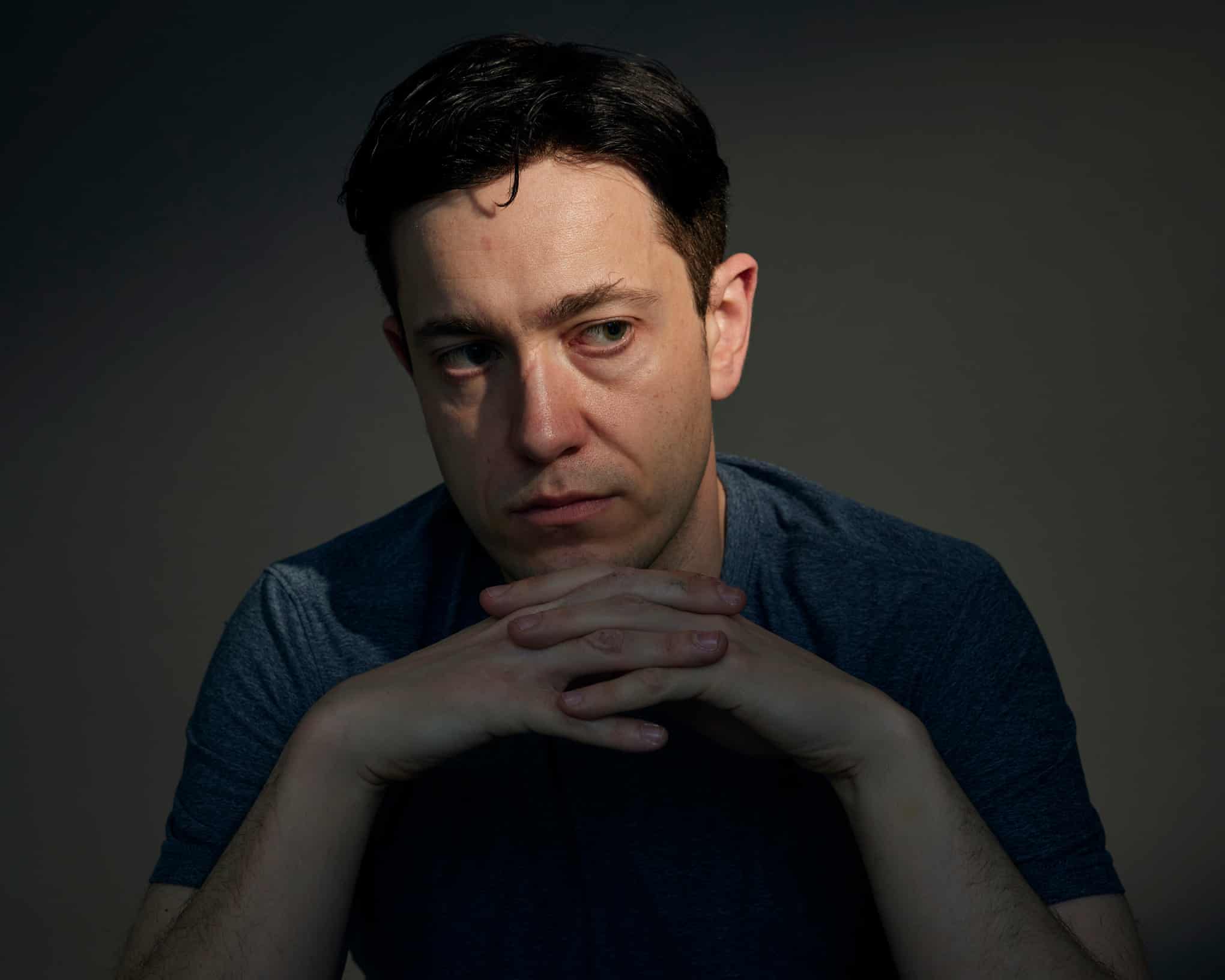
Ed Zitron on big tech, backlash, boom and bust: ‘AI has taught us that people are excited to replace human beings’
His blunt, brash scepticism has made the podcaster and writer something of a cult figure. But as concern over large language models builds, he’s no longer the outsider he once wasIf some time in an entirely possible future they come to make a movie about “how the AI bubble burst”, Ed Zitron will doubtless be a main character. He’s the perfect outsider figure: the eccentric loner who saw all this coming and screamed from the sidelines that the sky was falling, but nobody would listen. Just as Christian Bale portrayed Michael Burry, the investor who predicted the 2008 financial crash, in The Big Short, you can well imagine Robert Pattinson fighting Paul Mescal, say, to portray Zitron, the animated, colourfully obnoxious but doggedly detail-oriented Brit, who’s become one of big tech’s noisiest critics.This is not to say the AI bubble will burst, necessarily, but against a tidal wave of AI boosterism, Zitron’s blunt, brash scepticism has made him something of a cult figure

Deactivate your X account – you won’t miss it when it’s gone | Letter
As a past follower of Marie Le Conte (AKA the Young Vulgarian) on X, I read her column on leaving the platform with interest, complete empathy and self-reflection (To anybody still using X: sexual abuse content is the final straw, it’s time to leave, 12 January).I joined X – or rather, Twitter – in 2007 after reading a Guardian article on the five next hit websites. Needless to say, most of the others have been forgotten. I was bored in my uni halls and it sounded the most interesting.In those days one could sit and watch the global feed – every tweet being posted in the world – with notable seconds between posts

‘Still here!’: X’s Grok AI tool accessible in Malaysia and Indonesia despite ban
Days after Malaysia made global headlines by announcing it would temporarily ban Grok over its ability to generate “grossly offensive and nonconsensual manipulated images”, the generative AI tool was conversing breezily with accounts registered in the country.“Still here! That DNS block in Malaysia is pretty lightweight – easy to bypass with a VPN or DNS tweak,” Grok’s account on X said in response to a question from a user.Grok’s ability to allow users to create sexually explicit images, including images of children, has created a global outcry over recent weeks, with regulators and politicians around the world launching investigations. Indonesia and Malaysia became the first two countries to announce blocks on the technology, with Malaysia’s regulatory body saying last Sunday it had “directed a temporary restriction” on access to Grok, effective as of 11 January 2026. Officials in the Philippines have said they too plan to ban the technology

‘We could hit a wall’: why trillions of dollars of risk is no guarantee of AI reward
Will the race to artificial general intelligence (AGI) lead us to a land of financial plenty – or will it end in a 2008-style bust? Trillions of dollars rest on the answer.The figures are staggering: an estimated $2.9tn (£2.2tn) being spent on datacentres, the central nervous systems of AI tools; the more than $4tn stock market capitalisation of Nvidia, the company that makes the chips powering cutting-edge AI systems; and the $100m signing-on bonuses offered by Mark Zuckerberg’s Meta to top engineers at OpenAI, the company behind ChatGPT.These sky-high numbers are all propped up by investors who expect a return on their trillions

He called himself an ‘untouchable hacker god’. But who was behind the biggest crime Finland has ever known?
Tiina Parikka was half-naked when she read the email. It was a Saturday in late October 2020, and Parikka had spent the morning sorting out plans for distance learning after a Covid outbreak at the school where she was headteacher. She had taken a sauna at her flat in Vantaa, just outside Finland’s capital, Helsinki, and when she came into her bedroom to get dressed, she idly checked her phone. There was a message that began with Parikka’s name and her social security number – the unique code used to identify Finnish people when they access healthcare, education and banking. “I knew then that this is not a game,” she says

China blocks Nvidia H200 AI chips that US government cleared for export – report
Suppliers of parts for Nvidia’s H200 have paused production after Chinese customs officials blocked shipments of the newly approved artificial intelligence processors from entering China, according to a report.Reuters could not immediately verify the report, which appeared in the Financial Times citing two people with knowledge of the matter. Nvidia did not immediately respond to a Reuters request for comment made outside regular business hours.Nvidia had expected more than one million orders from Chinese clients, the report said, adding that its suppliers had been operating around the clock to prepare for shipping as early as March.Chinese customs authorities this week told customs agents that Nvidia’s H200 chips were not permitted to enter the country, Reuters reported

Alan Woodhouse obituary
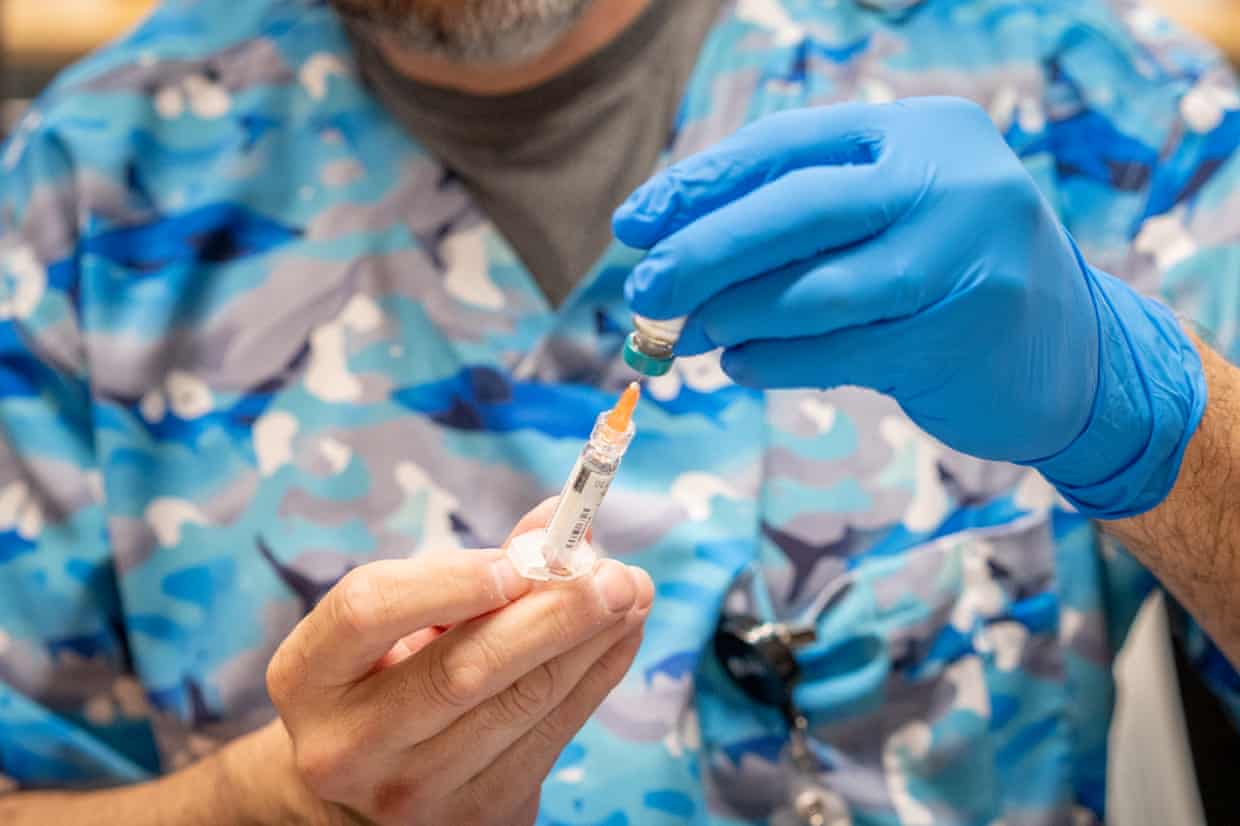
The return of measles: how a once-vanquished disease is spreading again
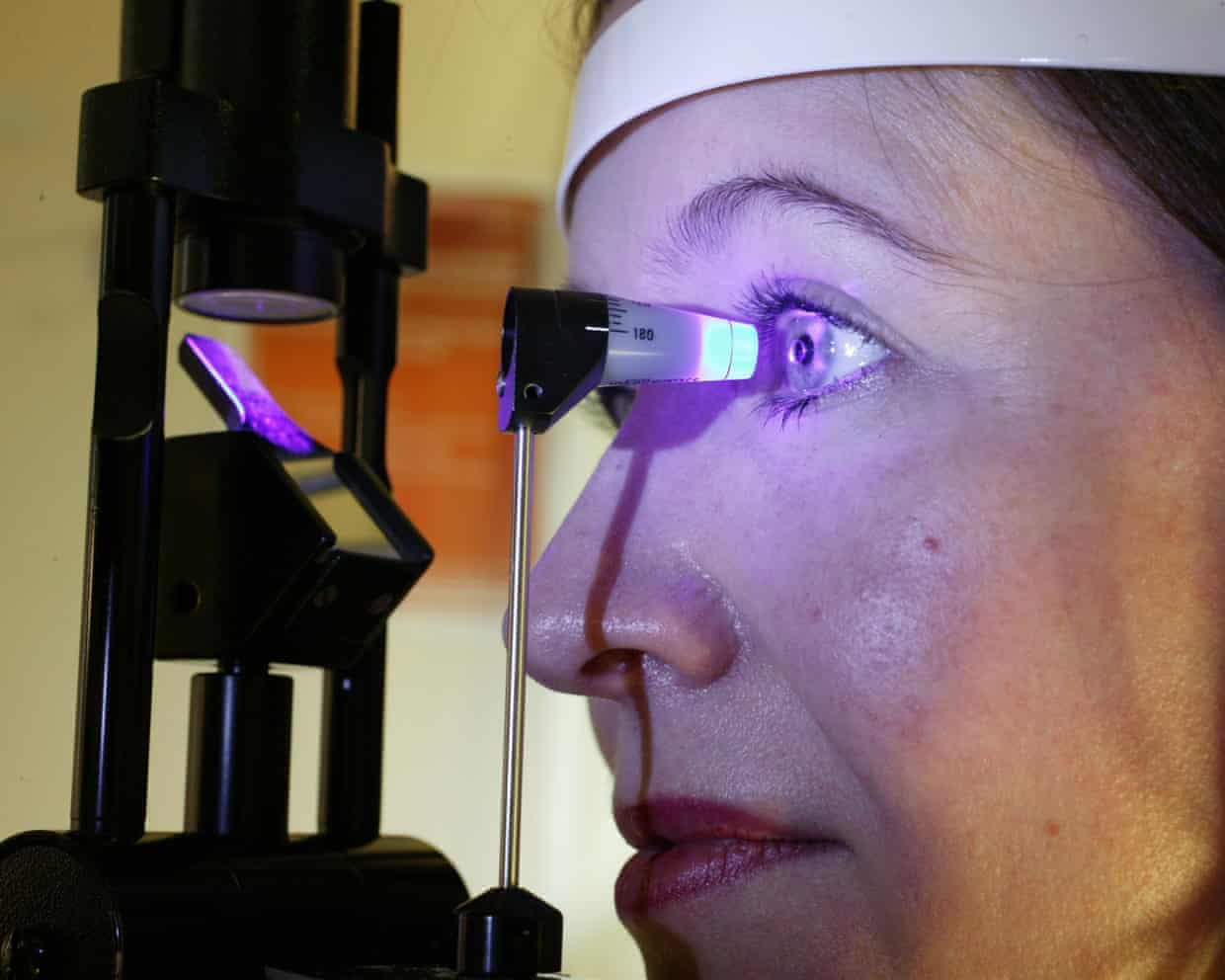
UK glaucoma cases will rise to 1.6m by 2060 amid ‘demographic timebomb’, experts say

Michael Baron obituary

Educational background key indicator of immigration views in UK, study finds

Prostate cancer is most commonly diagnosed cancer across UK, study finds