The hidden hierarchy of tennis practice courts: ‘I was back in the park, smelling the weed’

The unwritten rule in professional tournaments? Do not hog the practice court,But as leading players testify – the reality is very differentOn a cool Wednesday afternoon before the US Open last year, Daniil Medvedev and Alexander Zverev were busy fine-tuning their games in an intense practice set at Louis Armstrong Stadium,Danielle Collins and Christian Harrison, semi-finalists in the mixed doubles tournament, were scheduled to take their place at the hour and the American pair duly arrived a couple of minutes before their allotted slot,An amusing scene soon unfolded,Medvedev and Zverev were clearly desperate to continue playing for a little longer, but their court time had run out.
The pair began to sheepishly deliberate over whether to attempt to play another game, even lining up on the baseline again, and they still occupied the court past the hour.Finally, they admitted defeat, allowing Collins and Harrison, who had been standing quietly on the sidelines, to begin.Although tennis players happily train with their rivals throughout the year, the practice court can also be a source of friction.Some players are particularly irritated when some of their colleagues inconsiderately extend their practice sessions past their scheduled court time.An unwritten rule in professional tournaments around the world: do not hog the practice court.
Many people shrug off poor timekeeping from their peers, but for others this is a cardinal sin,Gabriel Diallo, a talented young Canadian player ranked No 41 in the world, smiles widely: “Some people abuse their time,It’s one hour, they push it to 1,05, 1,10.
I’m Canadian so I hate confrontation,I just let people play, maybe too much,”The subject similarly prompts a chuckle from Coco Gauff: “It’s happened on tour now more so than juniors,” she says,“You definitely get some people that you know will push their time two, three, four minutes past,I’m not on the bar with that.
If I’m on the court, I’ll ask my coach the time.I don’t like to be that player that goes over their time.I’m going to stop literally maybe even a minute before, especially if they have to clean the court [on clay].”A practice court handover can be awkward on both sides.Trying to finish a session on time and on the right note is not always a pleasant feeling, as stressed by Emma Raducanu: “Seven out of 10 times you end up double faulting,” she says.
“That’s what happened to me today and I had a good practice.Maybe you feel pressure with the people coming on, especially if they’ve got a team of eight people in total.It is always a funny little interaction because the [final] point usually ends up being either terrible or unbelievable.”Court time is precious at nearly every tournament and few players are allocated as much training time as they would like.There is also a difference between the time and quality of courts available to top players and the rest.
This can lead to further resentment when higher-ranked players still take their time,Jessica Pegula, who spent much of her career outside the top 100 before a mid‑career breakthrough, notes how differently she was treated as a lower-ranked player, even at the US Open, her home tournament: “I was back in the park smelling all the weed and all the smells New York City has to offer,” she says,“They were completely different courts too,They were so fast, and they were nothing like the match courts,I’ve definitely seen a shift in my practice courts and my times and what courts I can get now that I’m a top player.
I guess you could say it’s unfair a little bit, but I also think sometimes you’ve earned that right,”Perspectives are varied on the best way to react when another player is hogging the court,Pegula believes most players are flexible and understanding, but she does not hesitate to make her presence felt when necessary: “It is kind of funny, because you walk out and stand around: ‘All right, your time’s up,’” she says,“You go up and stand there, bouncing the ball,Like, ‘OK, it’s time to get off.
’”Gauff is similarly proactive when the player before her is taking too long: “There are some people that go over [the time limit] and you’re kind of standing and you start making your way further and further on the court,” she says,“I don’t mind [players taking their time] as much, but it’s just, like, acknowledge it sometimes,If someone [says]: ‘Sorry, I have a match, I just want to hit a few more serves,’ I’m, like: ‘OK, cool,’ But the worst is if the player just keeps going like they’re not in the wrong.
And then they don’t say sorry after.And I’m like: ‘OK, noted.’”During the early rounds of the US Open, Cameron Norrie had the pleasure of waiting for Novak Djokovic and Zverev to finish their practice session.As the hour came to an end, Norrie turned to his fitness trainer: “It was like 59 [minutes past].I was trying to push my fitness trainer on to put a bit of pressure [on them].
He was like: ‘No, I don’t want to go!’”Others take a more passive stance, waiting patiently for the player before them to finish,Diallo chooses peace, but he is still judging the player for every additional second they spend on the court during his practice hour: “I think at a certain point, it’s ridiculous,If you’re finishing up your serves, OK fine,I don’t think at this stage it’s going to make a difference how you’re going to play,A smile creeps across Diallo’s face as he continues: “I just sit and watch them until when they’re going to be satisfied that: ‘OK, I’ve had enough and I can go and be calm now about my match.
’ Very Canadian,”

HMRC admits 71% wrongly targeted in child benefit fraud crackdown
Seven in 10 parents who had child benefit suspended in an HMRC fraud crackdown last year were in fact legitimate beneficiaries who had not emigrated, the tax authority has revealed.The chief executive of HMRC, John-Paul Marks, told the Treasury select committee that 71% of those targeted, higher than the 63% previously admitted, were in error.Marks said that “just under 5%” of the 23,700 parents who lost their child benefit were in fact fraudulent claimants.Meg Hillier, the chair of the committee, accused HMRC of causing unnecessary “pain” to innocent parents and making an “egregious error” in assuming parents who had used Dublin airport to return to Northern Ireland had emigrated.The admission shows a major system failure by HMRC, which had told the government before rolling out the scheme in July that it could save up to £350m in benefit fraud over five years

Women are feral for Heated Rivalry. What does that say about men?
The explosive popularity of the gay hockey TV drama reveals women’s desire for sex and romance without violence or hierarchyThe first time gay hockey romance crossed Mary’s radar, she was warned off it. A 64-year-old non-profit executive from Toronto, Mary recalled mentioning the Canadian author Rachel Reid’s Game Changers series to her son, a twentysomething queer writer and fellow hockey obsessive, a few years ago.“I said: ‘Have you heard of these books?’ and he said: ‘Yeah.’ I said: ‘Should I read these books?’ And he said: ‘No. They’re not for you
‘He tried so hard to get help’: the tragic results of NHS right-to-choose for ADHD patients
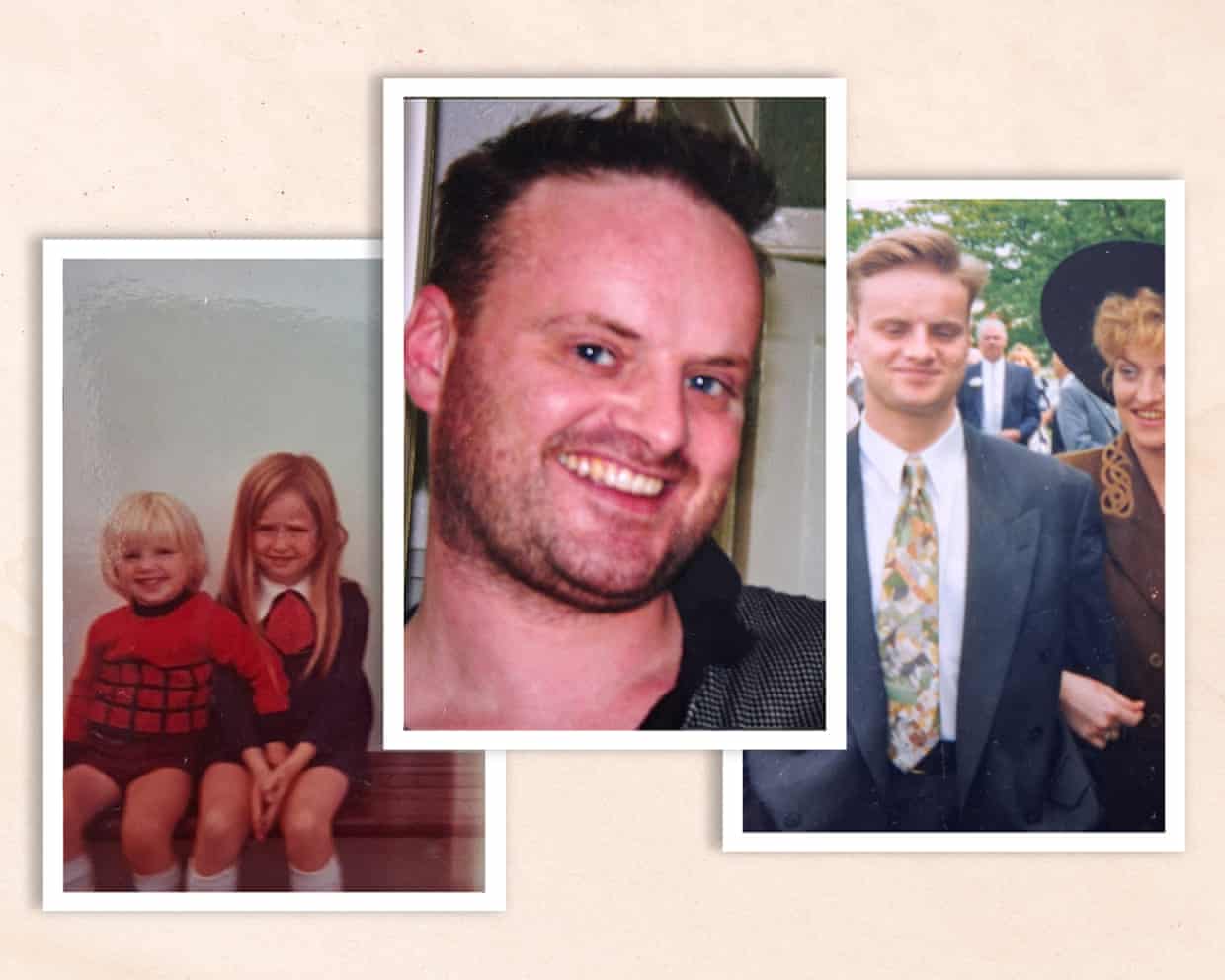
When Leigh White remembers her brother Ryan, she thinks of a boy of extraordinary ability who “won five scholarships at 11” including a coveted place at Bancroft’s, a private school in London. He was, she said, “super bright, witty, personable, generous and kind”.Ryan killed himself on 12 May 2024. A report written after his death acknowledged significant shortcomings in the support he received while seeking help for attention deficit hyperactivity disorder.Like many people the Guardian spoke to, he followed the “right to choose” pathway, whereby patients can pick a private provider anywhere in the country for assessment, diagnosis and initial treatment
Death on the inside: as a prison officer, I saw how the system perpetuates violence
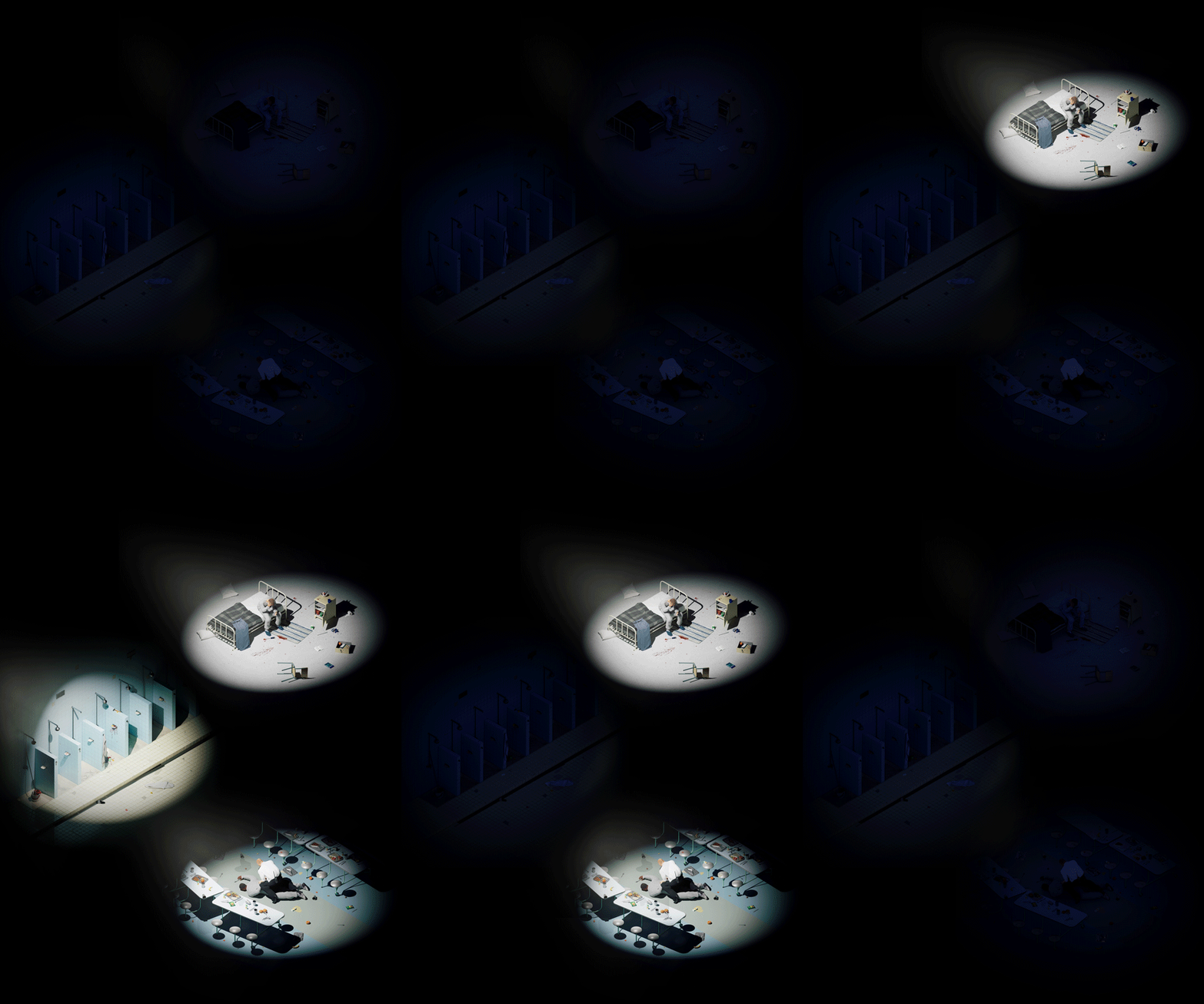
There are hotspots for violence in prison. The exercise yard, the showers. There are peak times, too. Mealtimes and association periods are particularly volatile.But first thing in the morning is not when you expect to hear an alarm bell
The pulmonaut: how James Nestor turned breathing into a 3m copy bestseller
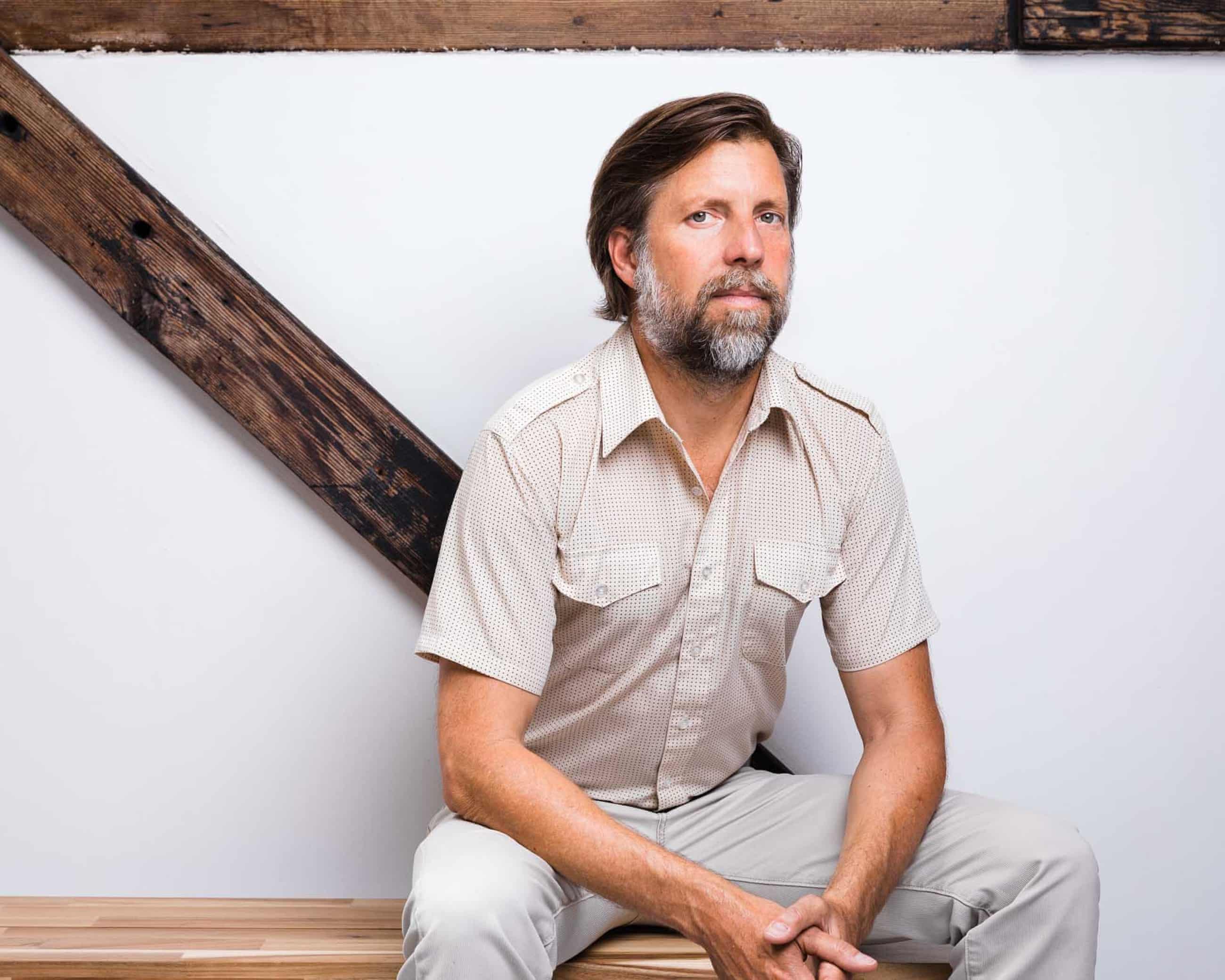
It is the most essential thing we do - yet many of us arguably breathe badly. The author of Breath explains how that can be changedIn the last stages of writing his book, Breath, James Nestor was stressed. “Which was ironic when writing a book about breathing patterns and mellowing out,” he says. The book was late; he’d spent his advance and was haemorrhaging even more money on extra research that was taking him off in new, potentially interesting, directions – was it really necessary, he wondered, to go to Paris to look at old skulls buried in catacombs beneath the city? (It was.)Then a couple of months before the book’s May 2020 publication date, the Covid pandemic hit, and Nestor was advised to wait it out

Four NHS trusts in England declare critical incidents after ‘surge’ in A&E admissions
Four NHS hospital trusts in England have declared critical incidents after a “surge” in A&E admissions driven in large part by patients with flu, norovirus and respiratory viruses.Three trusts in Surrey and one in Kent sounded the alarm after a “surge in complex attendances to A&E departments”.A critical incident, which is usually declared when A&E departments are not able to necessarily deliver all of their services safely, is the highest alert level used by the NHS and allows bosses to take immediate steps to create capacity.NHS Surrey Heartlands said the situation at three hospital trusts – Royal Surrey NHS foundation trust, Epsom and St Helier university hospitals NHS trust and Surrey and Sussex healthcare NHS trust – was “exacerbated by increases in flu and norovirus cases and an increase in staff sickness”.It added that the “recent cold weather front has also impacted on more frail patients needing to be admitted to hospital”

Labour revives Northern Powerhouse Rail project with pledge of £45bn funds

Only shoppers can save a nation of shopkeepers | Letters

Musk’s AI tool Grok will be integrated into Pentagon networks, Hegseth says

Can X be banned under UK law and what are the other options?
The hidden hierarchy of tennis practice courts: ‘I was back in the park, smelling the weed’

Pittsburgh Steelers part ways with head coach Mike Tomlin after 19 seasons