Can X be banned under UK law and what are the other options?
The UK government is threatening Elon Musk’s X with the nuclear option under the country’s online safety laws: a ban.The social media platform is under pressure from ministers after it allowed the Grok AI tool, which is integrated within the app, to generate indecent images of unsuspecting women and children.The government has said it will support the media regulator Ofcom, which has launched an investigation into X, if it decides to push ahead with a ban.But is such a move likely?The Online Safety Act (OSA) contains a provision that allows Ofcom to seek a court order imposing “business disruption measures” on a website or app that is in breach of the legislation.These measures are in effect a block on the recipient operating in the UK.
This is because they include ordering an internet service provider to block access to a platform or requiring payment providers or advertisers to withdraw their services from that business.These measures are a de facto ban on the platform that is on the receiving end of them.Ofcom is focusing on whether X has breached the act in the following ways: failing to assess the risk of people seeing illegal content on the platform; not taking appropriate steps to prevent users from viewing illegal content such as intimate image abuse and child sexual abuse material; not taking down illegal material quickly; not protecting users from breaches of privacy law; failing to assess the risk X may pose to children; and not using effective age checking for pornography.In its statement confirming an investigation, Ofcom was clear that such a scenario would be an option of last resort if it finds X in breach, saying such a move was reserved for “serious cases of ongoing non-compliance”.Its words were less gung-ho than the government’s because if the watchdog doesn’t follow procedure under the OSA correctly, it faces the threat of X seeking a judicial review – a court process where a judge rules whether a decision made by a public body was lawful.
Banning X because the government of the day says it should be banned is not a legal basis for pulling the plug.Ofcom said it must follow due process as part of its investigation.“As the UK’s independent online safety enforcement agency, it’s important we make sure our investigations are legally robust and fairly decided,” it said.Ofcom’s own guidance also makes clear this is not workaday punishment under the act and such measures are not a “matter of routine”.“We acknowledge that business disruption measures are a significant regulatory intervention and therefore we are unlikely to find it appropriate to apply to the courts for business disruption measures as a matter of routine where we have identified failures, or likely failures, to comply with enforceable requirements,” Ofcom said.
The regulator can force companies to take specific steps to comply with the OSA or to remedy harms caused by breaching the legislation,It can also impose fines of £18m or 10% of worldwide revenue, whichever is larger,X’s revenues are not public but according to estimates from the market research company eMarketer it was expected to make $2,3bn in advertising turnover last year, which would equate to a fine of more than $200m,And of course Ofcom has to decide whether the OSA has been breached in the first place.
It will look at evidence of whether the law has been broken.If it decides there has been a breach, it will issue a provisional decision to the company, which will then be given an opportunity to respond before Ofcom makes its final decision.This is Ofcom’s most consequential investigation yet so it will not want to make mistakes in haste.But it has launched a formal inquiry very quickly, indicating an awareness of the public and political concern about the deluge of AI-made intimate images on X since Christmas.Lorna Woods, a professor of internet law at the University of Essex, said Ofcom could bring forward business disruption measures quickly.
“At one end of the scale you have a typical Ofcom investigation, which could take six to nine months.But at the other end Ofcom could take an expedited approach and decide there has been a breach quite quickly – and can seek to implement business disruption measures rapidly,” she said.Ofcom would have to decide that such is the seriousness of the breach, and X’s failure to remedy it, that it has to take the option of last resort.
HMRC admits 71% wrongly targeted in child benefit fraud crackdown
Seven in 10 parents who had child benefit suspended in an HMRC fraud crackdown last year were in fact legitimate beneficiaries who had not emigrated, the tax authority has revealed.The chief executive of HMRC, John-Paul Marks, told the Treasury select committee that 71% of those targeted, higher than the 63% previously admitted, were in error.Marks said that “just under 5%” of the 23,700 parents who lost their child benefit were in fact fraudulent claimants.Meg Hillier, the chair of the committee, accused HMRC of causing unnecessary “pain” to innocent parents and making an “egregious error” in assuming parents who had used Dublin airport to return to Northern Ireland had emigrated.The admission shows a major system failure by HMRC, which had told the government before rolling out the scheme in July that it could save up to £350m in benefit fraud over five years

Women are feral for Heated Rivalry. What does that say about men?
The explosive popularity of the gay hockey TV drama reveals women’s desire for sex and romance without violence or hierarchyThe first time gay hockey romance crossed Mary’s radar, she was warned off it. A 64-year-old non-profit executive from Toronto, Mary recalled mentioning the Canadian author Rachel Reid’s Game Changers series to her son, a twentysomething queer writer and fellow hockey obsessive, a few years ago.“I said: ‘Have you heard of these books?’ and he said: ‘Yeah.’ I said: ‘Should I read these books?’ And he said: ‘No. They’re not for you
‘He tried so hard to get help’: the tragic results of NHS right-to-choose for ADHD patients
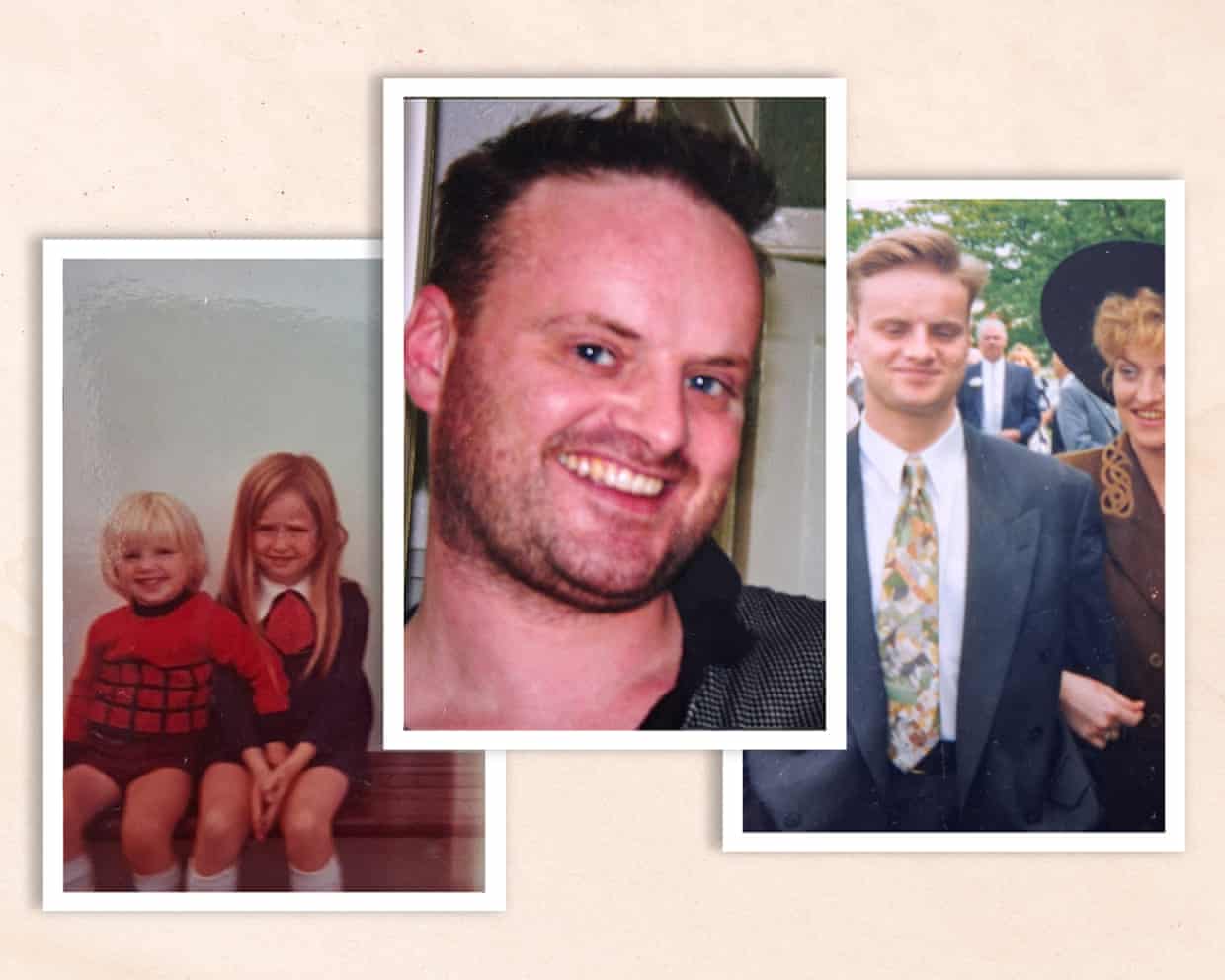
When Leigh White remembers her brother Ryan, she thinks of a boy of extraordinary ability who “won five scholarships at 11” including a coveted place at Bancroft’s, a private school in London. He was, she said, “super bright, witty, personable, generous and kind”.Ryan killed himself on 12 May 2024. A report written after his death acknowledged significant shortcomings in the support he received while seeking help for attention deficit hyperactivity disorder.Like many people the Guardian spoke to, he followed the “right to choose” pathway, whereby patients can pick a private provider anywhere in the country for assessment, diagnosis and initial treatment
Death on the inside: as a prison officer, I saw how the system perpetuates violence
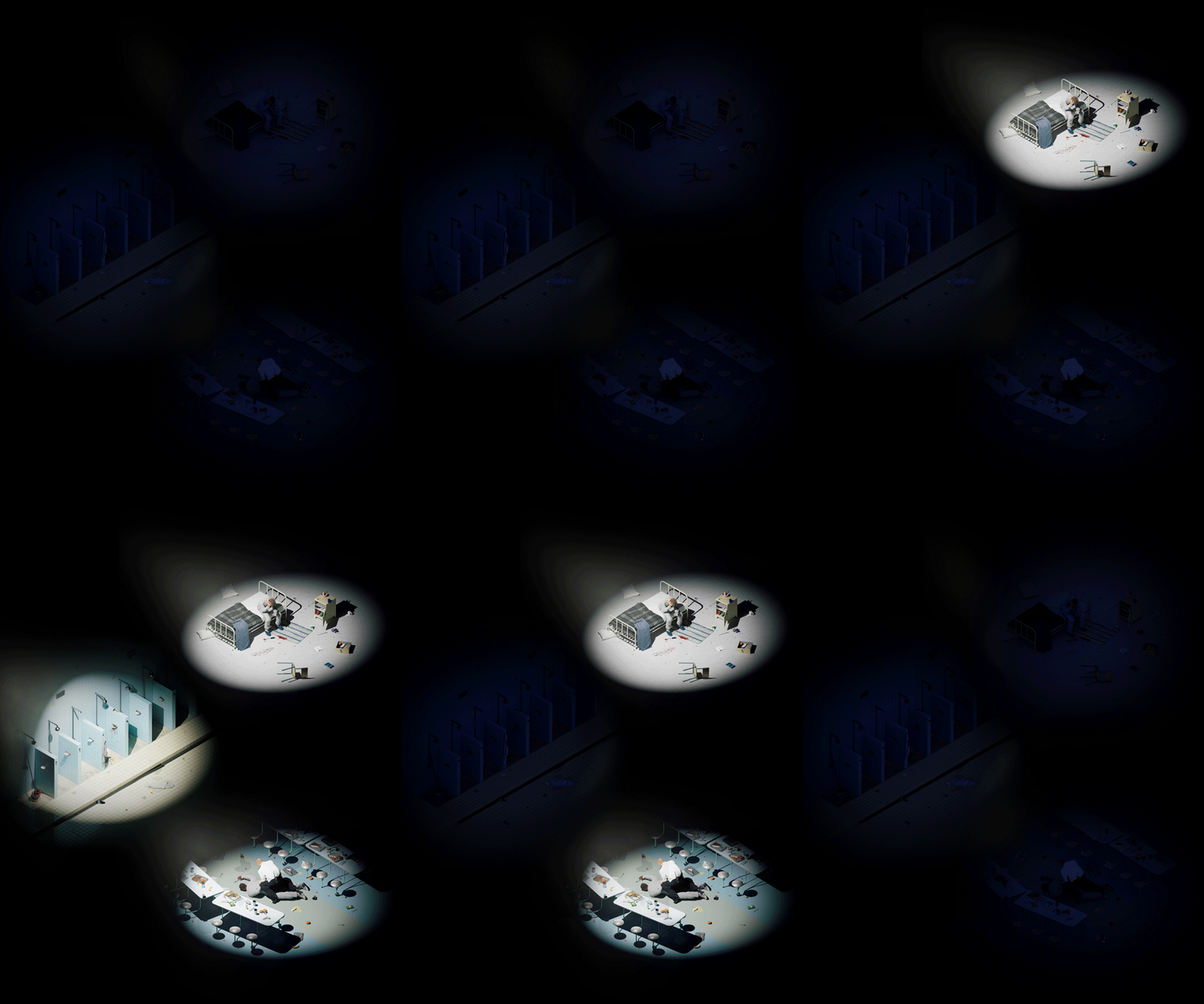
There are hotspots for violence in prison. The exercise yard, the showers. There are peak times, too. Mealtimes and association periods are particularly volatile.But first thing in the morning is not when you expect to hear an alarm bell
The pulmonaut: how James Nestor turned breathing into a 3m copy bestseller
It is the most essential thing we do - yet many of us arguably breathe badly. The author of Breath explains how that can be changedIn the last stages of writing his book, Breath, James Nestor was stressed. “Which was ironic when writing a book about breathing patterns and mellowing out,” he says. The book was late; he’d spent his advance and was haemorrhaging even more money on extra research that was taking him off in new, potentially interesting, directions – was it really necessary, he wondered, to go to Paris to look at old skulls buried in catacombs beneath the city? (It was.)Then a couple of months before the book’s May 2020 publication date, the Covid pandemic hit, and Nestor was advised to wait it out
Four NHS trusts in England declare critical incidents after ‘surge’ in A&E admissions
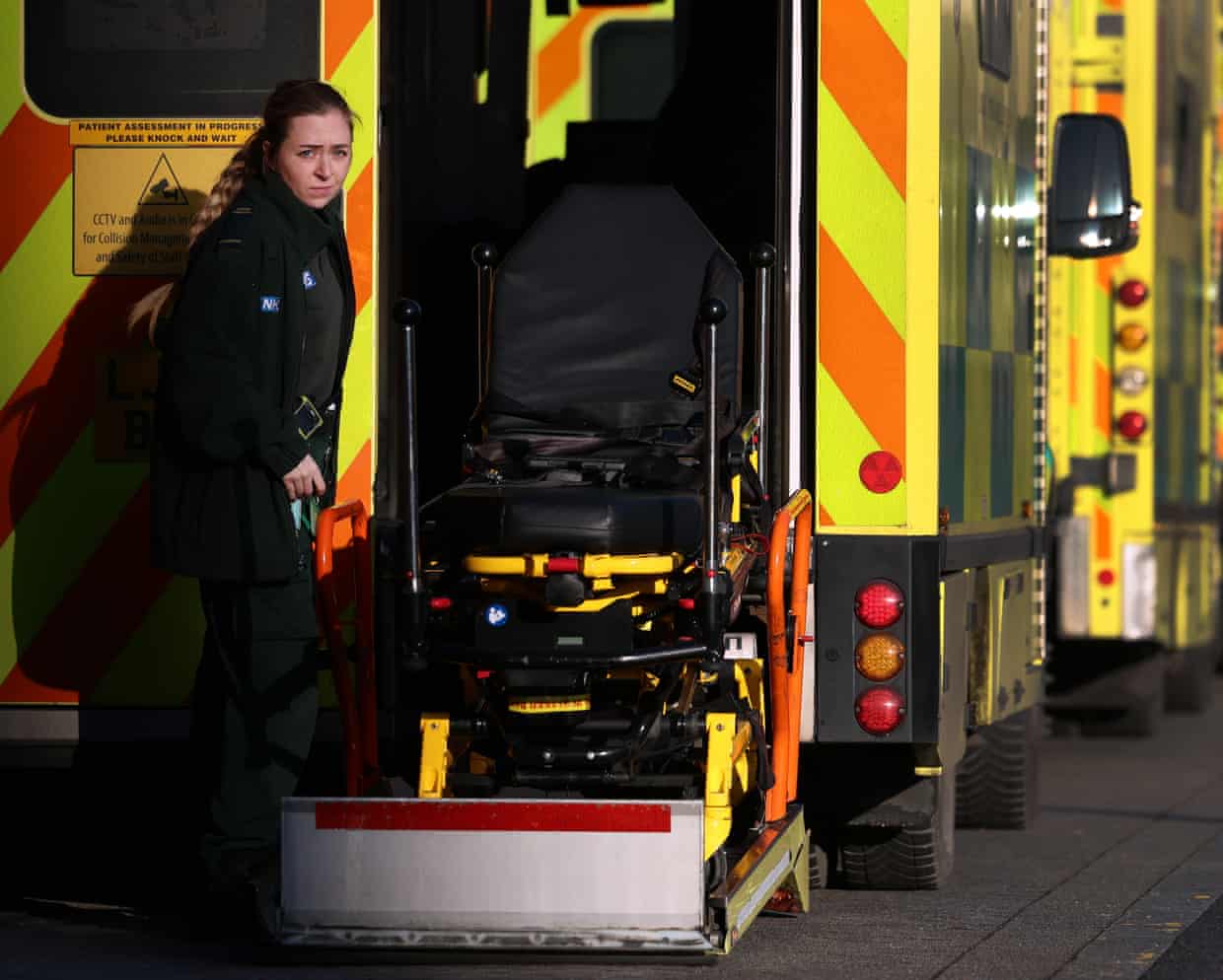
Four NHS hospital trusts in England have declared critical incidents after a “surge” in A&E admissions driven in large part by patients with flu, norovirus and respiratory viruses.Three trusts in Surrey and one in Kent sounded the alarm after a “surge in complex attendances to A&E departments”.A critical incident, which is usually declared when A&E departments are not able to necessarily deliver all of their services safely, is the highest alert level used by the NHS and allows bosses to take immediate steps to create capacity.NHS Surrey Heartlands said the situation at three hospital trusts – Royal Surrey NHS foundation trust, Epsom and St Helier university hospitals NHS trust and Surrey and Sussex healthcare NHS trust – was “exacerbated by increases in flu and norovirus cases and an increase in staff sickness”.It added that the “recent cold weather front has also impacted on more frail patients needing to be admitted to hospital”
Twelve top central bankers defend Fed’s Jerome Powell over DoJ investigation; oil hits two-month high as Trump threatens Iran’s trading partners – as it happened

US inflation held firm in December amid pressure on Trump over cost of living

Quarter of developing countries poorer than in 2019, World Bank finds

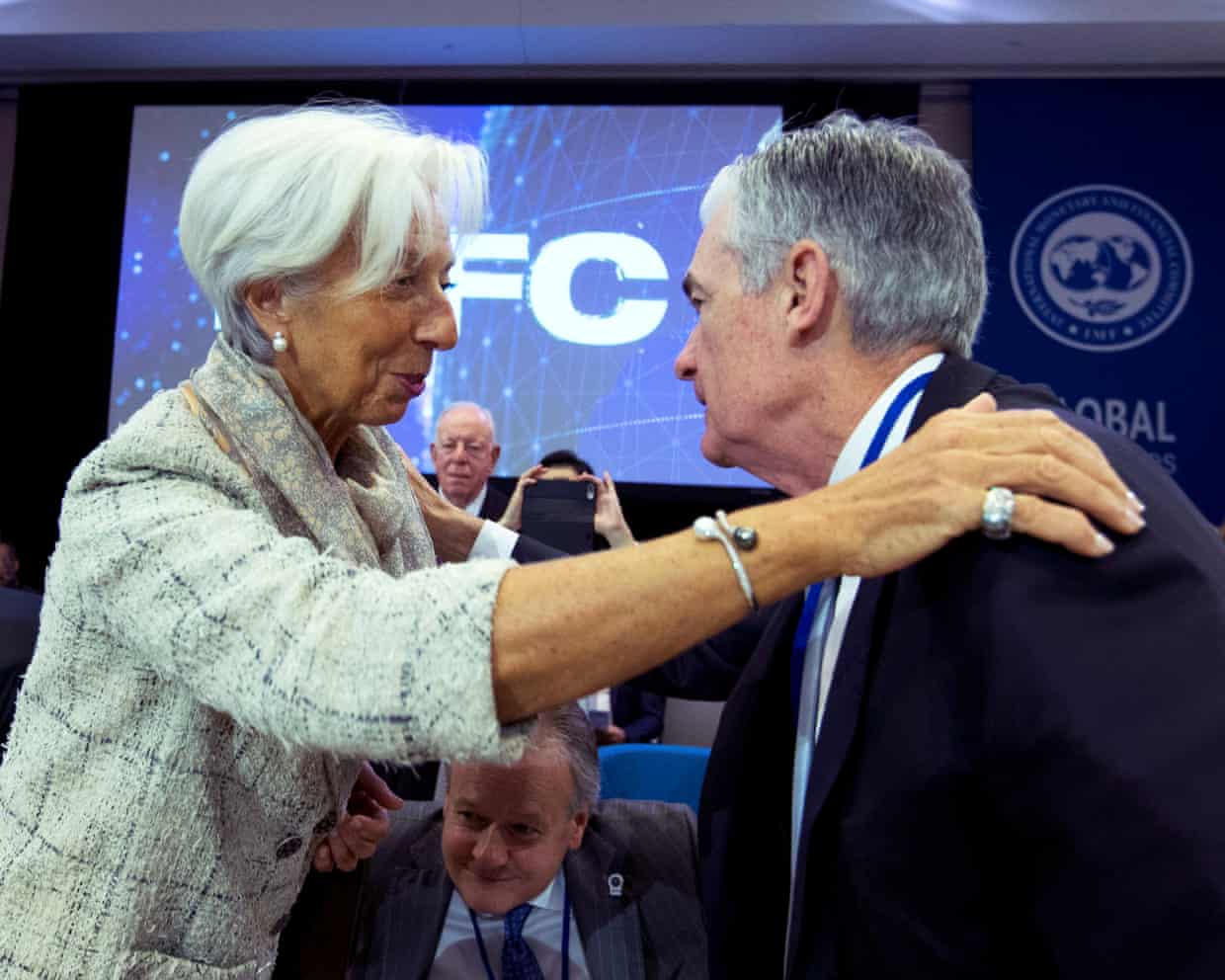
Global central banks offer ‘full solidarity’ to US Fed’s Powell amid Trump threats
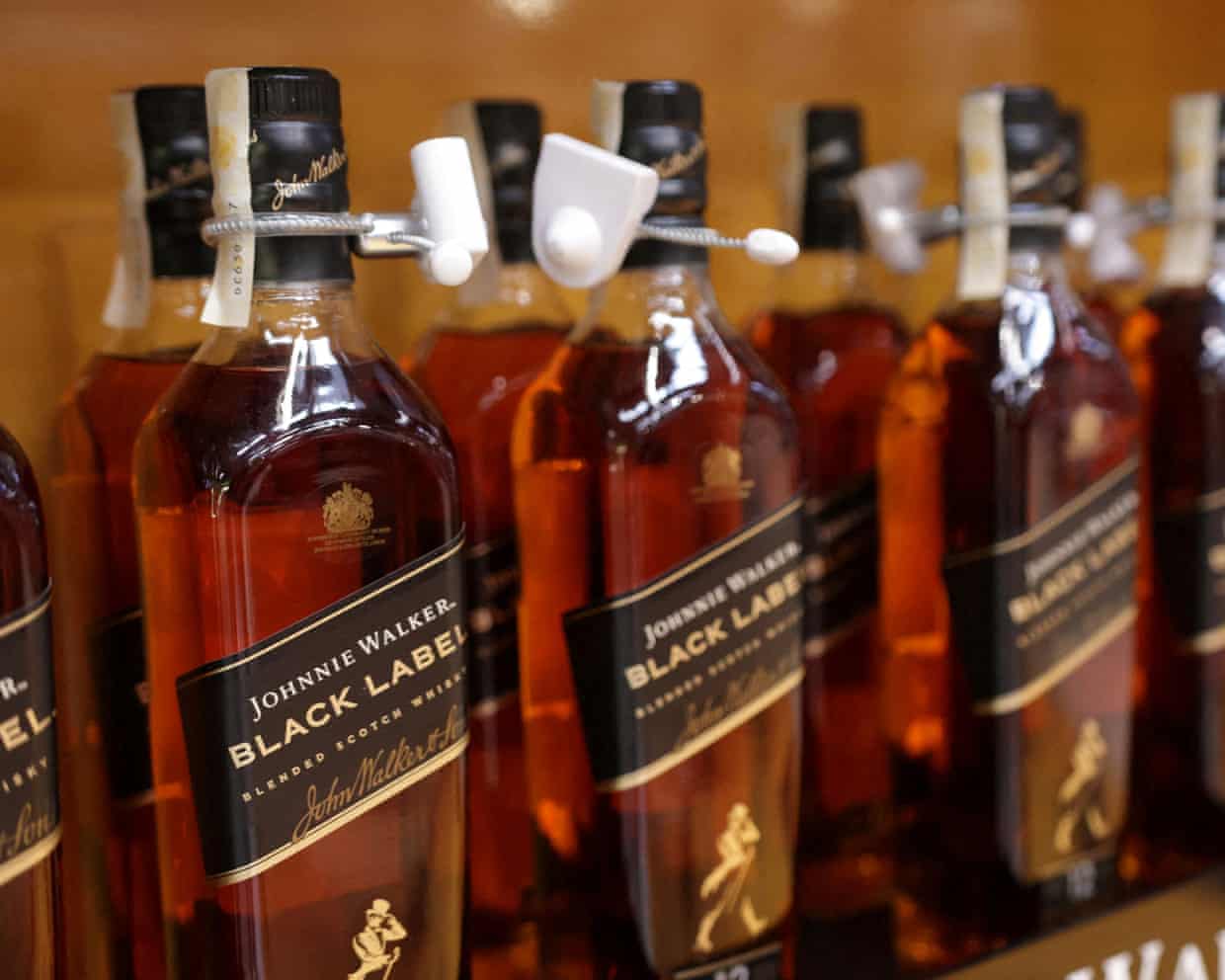
Guinness and Johnnie Walker owner Diageo ‘could sell Chinese assets’
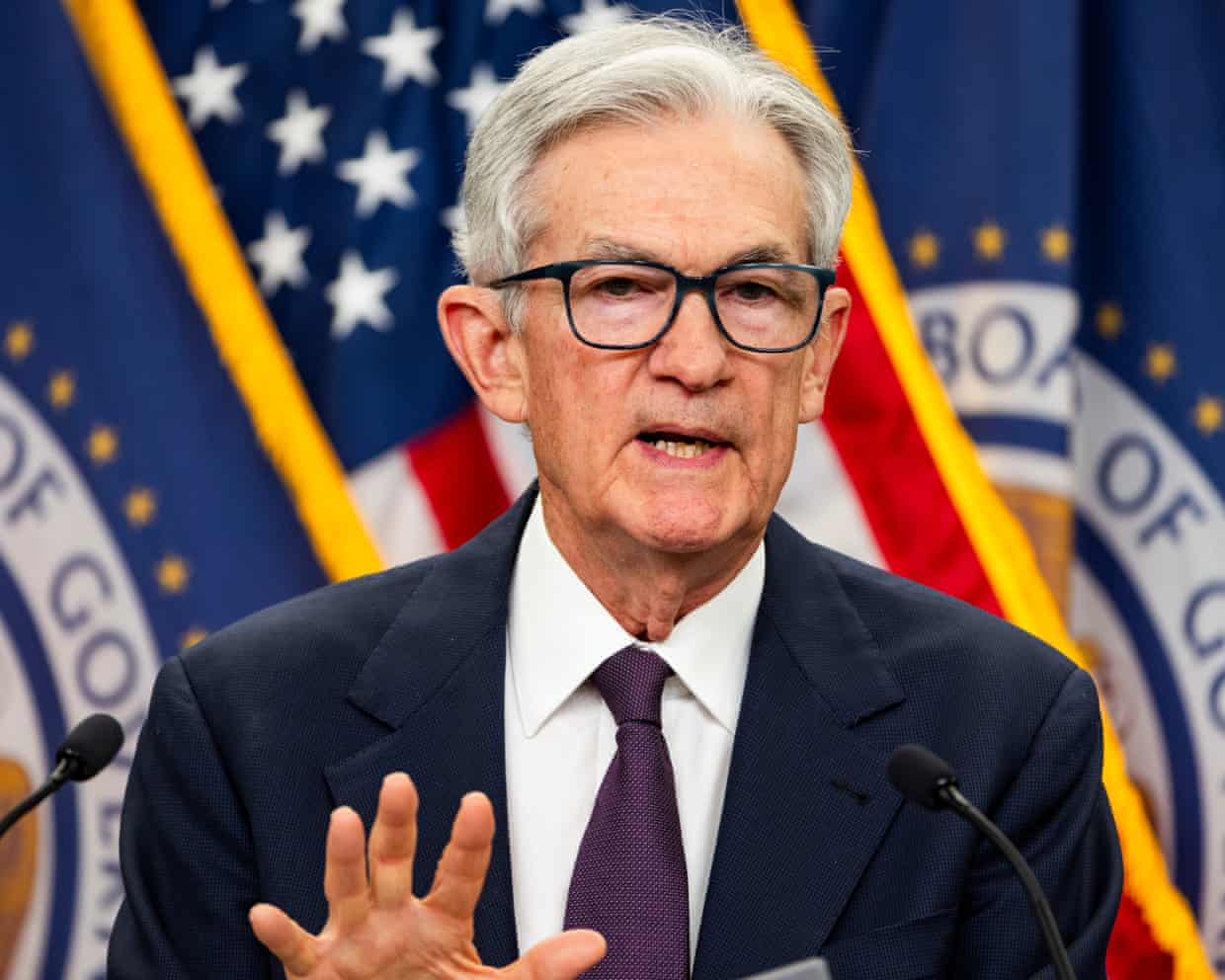
Jerome Powell: steely Fed chair standing firm in face of Trump’s threats