Vibrating crotches, anal beads and suspicious minds: the long, strange history of chess cheats | Sean Ingle
There really is, it turns out, a true story involving cheating in chess and a vibrating crotch.Only this one is a whodunnit that dates back more than 30 years and was only solved last week.Imagine the scene at the World Open in Philadelphia in 1993 when a mysterious unrated player with fake dreadlocks and headphones, and with a bulge that vibrates in his trousers, shows up.Now multiply it 100-fold when this unknown amateur, who calls himself John von Neumann after the founder of game theory, draws with a grandmaster, Helgi Ólafsson, in round two.“I was sure I was playing a complete patzer,” Ólafsson said afterwards.
“He had no idea about the game, and I even thought he was on drugs,He took way too much time to reply to obvious moves, and he was very strange,”To make things even weirder, in round four Von Neumann then loses on time after only nine moves – despite having two hours for the game,Yet he still ends up winning a few hundred dollars in prize money,At which point he is asked by suspicious organisers to solve a simple chess puzzle, flees, and is never seen again.
So what really happened? According to a gripping new book, Lucky Devils, Von Neumann was actually a former US marine, John “The Duke” Wayne.And he was working with his friend, the mathematician and gambler Rob Reitzen.As Reitzen explains to the author, Kit Chellel, their dream was to win big in games like backgammon using homemade tech and chess was their guinea pig.Their system worked by the Duke transmitting his opponent’s moves using toe switches in his shoes.Reitzen, in his hotel suite, would then send the computer’s reply to a buzzer in the Duke’s trousers.
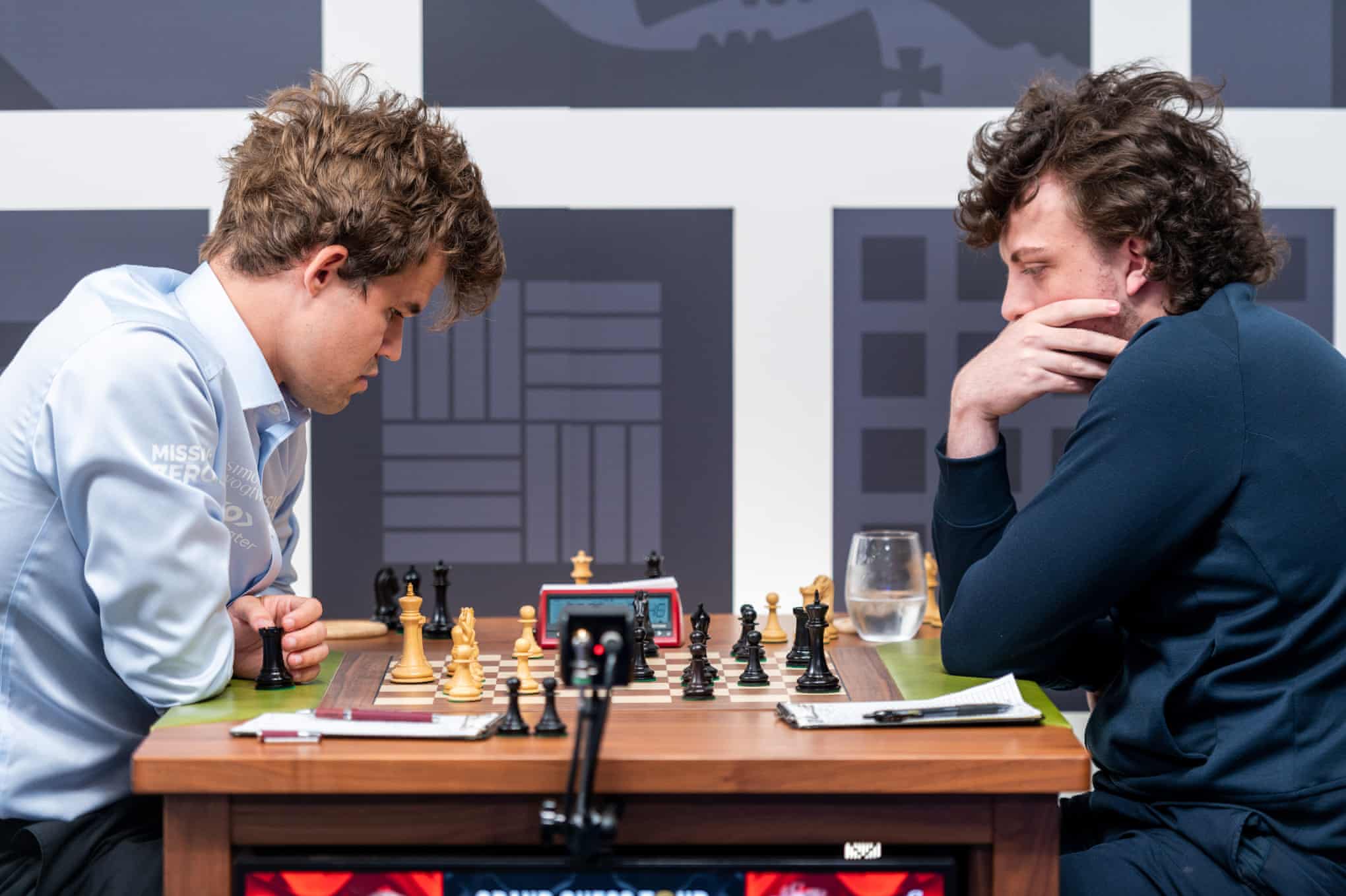
The problem was the reception was patchy and the computer would take ages to calculate even simple moves.Inside Chess splashed the story on its front cover in 1993, calling it the Von Neumann Affair and issuing a warning: “If computers become strong enough to be of genuine assistance to top players then watch out!”Which takes us neatly to the new Netflix documentary, Untold: Chess Mates, which retells the story of Hans Niemann being accused of cheating after beating the world No 1, Magnus Carlsen, in 2022.You may remember what happened.Carlsen shockingly pulled out of the prestigious Sinquefield Cup, posting a gif on X of José Mourinho saying: “If I speak, I am in big trouble.” Niemann then admitted he cheated in online games when he was 12 and 16, but denied allegations that he cheated to beat Carlsen by receiving messages from a vibrating sex toy.
Anal beads became a punchline, Niemann a punchbag.The world had moved on by the time Niemann was cleared of cheating in his over-the-board game against Carlsen.But, four years on, grudges still fester.And while Netflix has unearthed no fresh bombshells, the documentary serves as a cautionary tale of what can happen when the dollar signs start flashing, the rulebook is flimsy, and trust evaporates.“We had our Covid bump, Queen’s Gambit bump,” says Chess.
com’s co-founder and chief executive, Erik Allebest, at one point.“Anal beads have been super good to us … don’t use that!” At which points he begins to laugh.It isn’t the only uncomfortable moment.Chess.com knew that Niemann had cheated online as a kid but kept it to itself – which in other sports would surely be a red flag.
Yet its stance suddenly changed when approached by Carlsen’s dad, Henrik, after his son’s defeat – which again is unusual,Incredibly, in an era where Chess,com’s daily players shot up from one to six million, and the company’s valuation was heading towards a billion dollars, its mentality carried the whiff of a tech-bro start-up,And what of Niemann? Well, his story is even more complicated, especially for those who see the world in light and dark, goodies and baddies,He insults opponents.
He trashes hotel rooms.More than one person who has met him tells me he wants to be Bobby Fischer, the brilliant but hugely controversial and unstable former world champion.And as he admits himself: “I am not a nice guy.”He is undoubtedly a brilliant player but also a former cheat.But how long should the sins of youth remain a stain? Some I spoke to in the chess world still don’t trust him at all.
Others admire his resilience.As one put it to me: imagine being 19, and seeing the chess world using you for content and drama, and your name being globally associated with a sex toy.Imagine the extreme force of will to get through that.Carlsen, meanwhile, comes out of it well and pointedly criticises Chess.com for gaslighting him into thinking it had the evidence against Niemann over the board, when it didn’t.
So what does this journey from the Von Neumann to the Niemann affair tell us? First, that the chess landscape has dramatically altered.In 1993, as one grandmaster put it to me, the notion of an amateur trying to cheat was startling, but this was still an era when Garry Kasparov was regarded as a mystical genius and could beat any computer.Nowadays Carlsen would lose to a novice with a phone.But this isn’t just about vibrating crotches and anal beads but suspicious minds.While online sites such as Lichess and Chess.
com have cheat-detection software, it is imperfect.So the question arises: am I playing someone who has discovered a brilliant move with their mind or their computer?So far grandmasters caught cheating over the board have largely done so in a remarkably low-tech way: usually by hiding a phone in the toilet and checking it between moves.Since the Niemann affair, players now get scanned with wands to check for electrical devices.But no one is entirely sure these methods are watertight.A final point.
Someone really should turn Lucky Devils into a film.Reitzen is still alive, having made and lost several fortunes, but sadly John “The Duke” Wayne died of cancer in 2018.Still, his name should live on in infamy, despite his more famous namesake.After all, he was the first chess cheat of the modern computer age.
Helen Goh’s recipe for Anzac sandwich biscuits with dark chocolate filling | The sweet spot
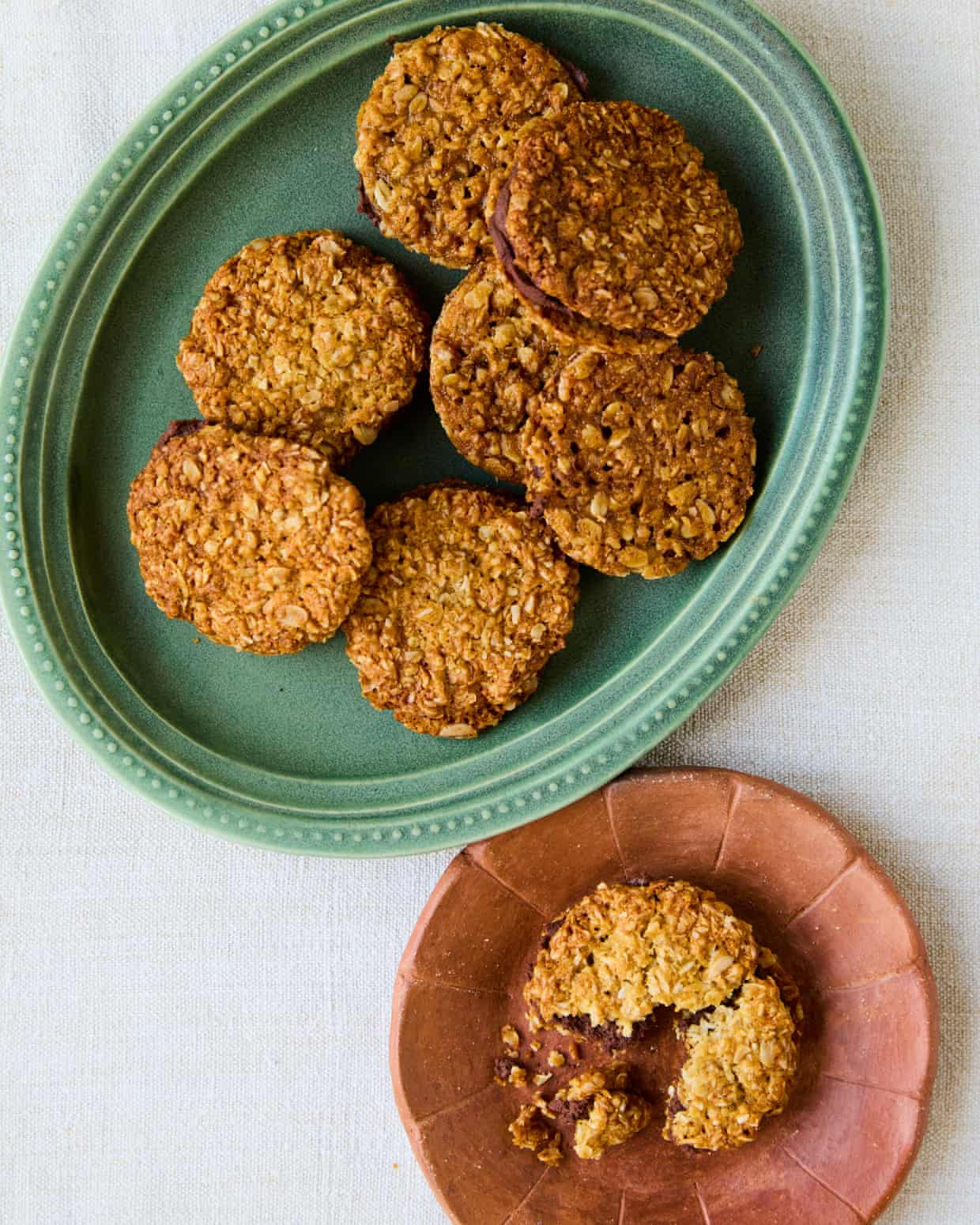
Anzac biscuits are closely associated with Anzac Day on 25 April, which commemorates the members of the Australian and New Zealand Army Corps who served in the first world war. Made with oats, coconut and golden syrup, the biscuits are said to have been popular because they travelled well and kept for long periods, making them suitable for sending to forces overseas. My version here, a slightly less austere take on the classic, sandwiches two small biscuits with a lightly salted, olive oil-enriched dark chocolate ganache. The result is crisp at the edges, soft within and not too sweet.Prep 5 min Cook 35 min, plus cooling Makes 12 sFor the biscuits 90g rolled oats 45g plain flour 40g light brown sugar 30g caster sugar 40g desiccated coconut 80g unsalted butter 40g golden syrup ½ tsp bicarbonate of soda ¼ tsp fine sea saltFor the ganache110g dark chocolate (60-70% cocoa solids), chopped60ml single cream 2 tsp olive oil ¼ tsp flaky sea saltPut the oats, flour, sugars and coconut in a medium bowl and whisk to combine
Just the tonic: why it’s more than a mixer
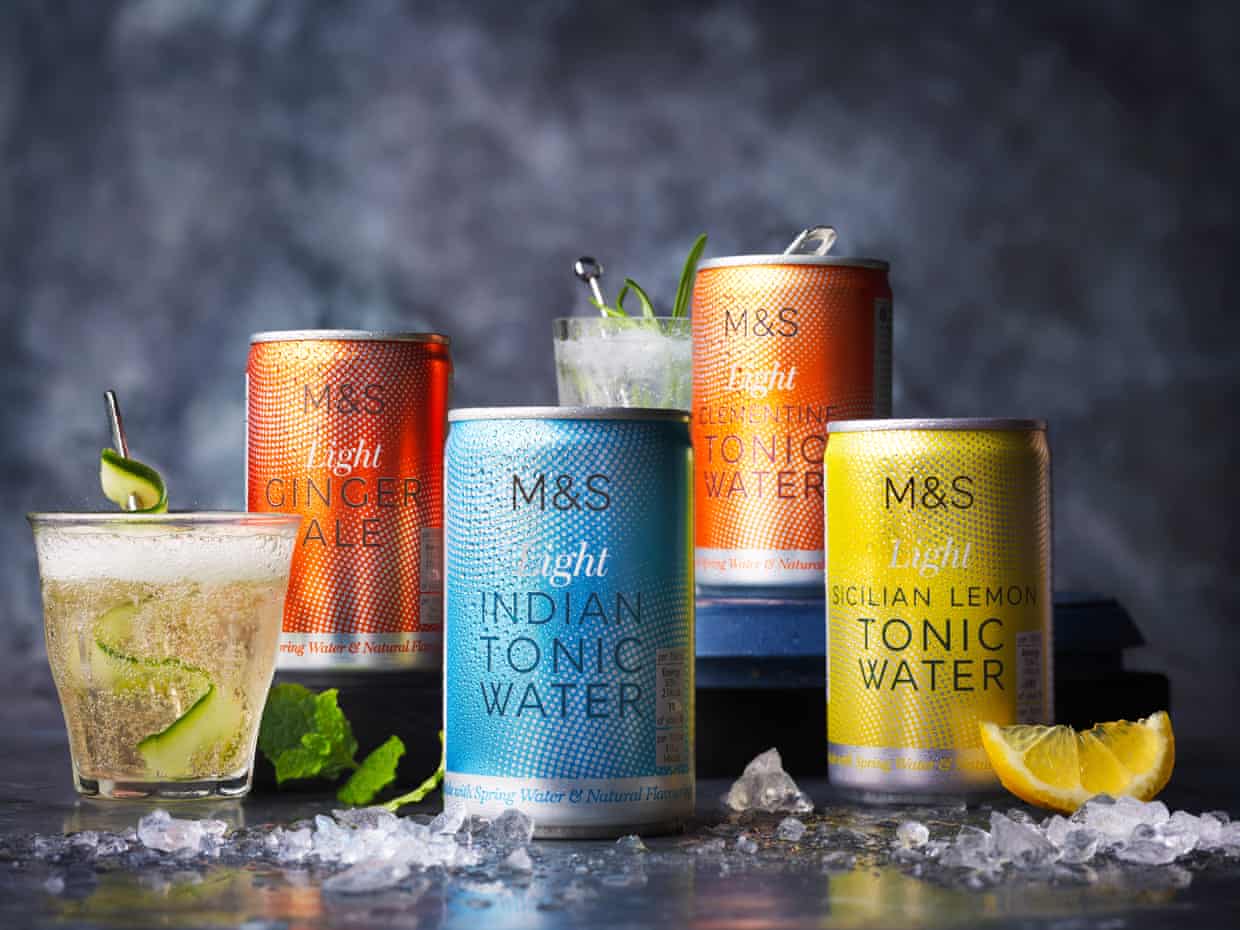
If a tonic is something that “makes you feel stronger and happier”, my tonics come in the form of good wine, bad chocolate and an ageing whippet called Ernie. Recently, though, I’ve found myself craving the OG tonic – tonic water – which started life as a malaria treatment in the age of the British empire.The Guardian’s journalism is independent. We will earn a commission if you buy something through an affiliate link. Learn more
Move over matcha: how ube cocktails and coffees are hitting the UK’s sweet spot
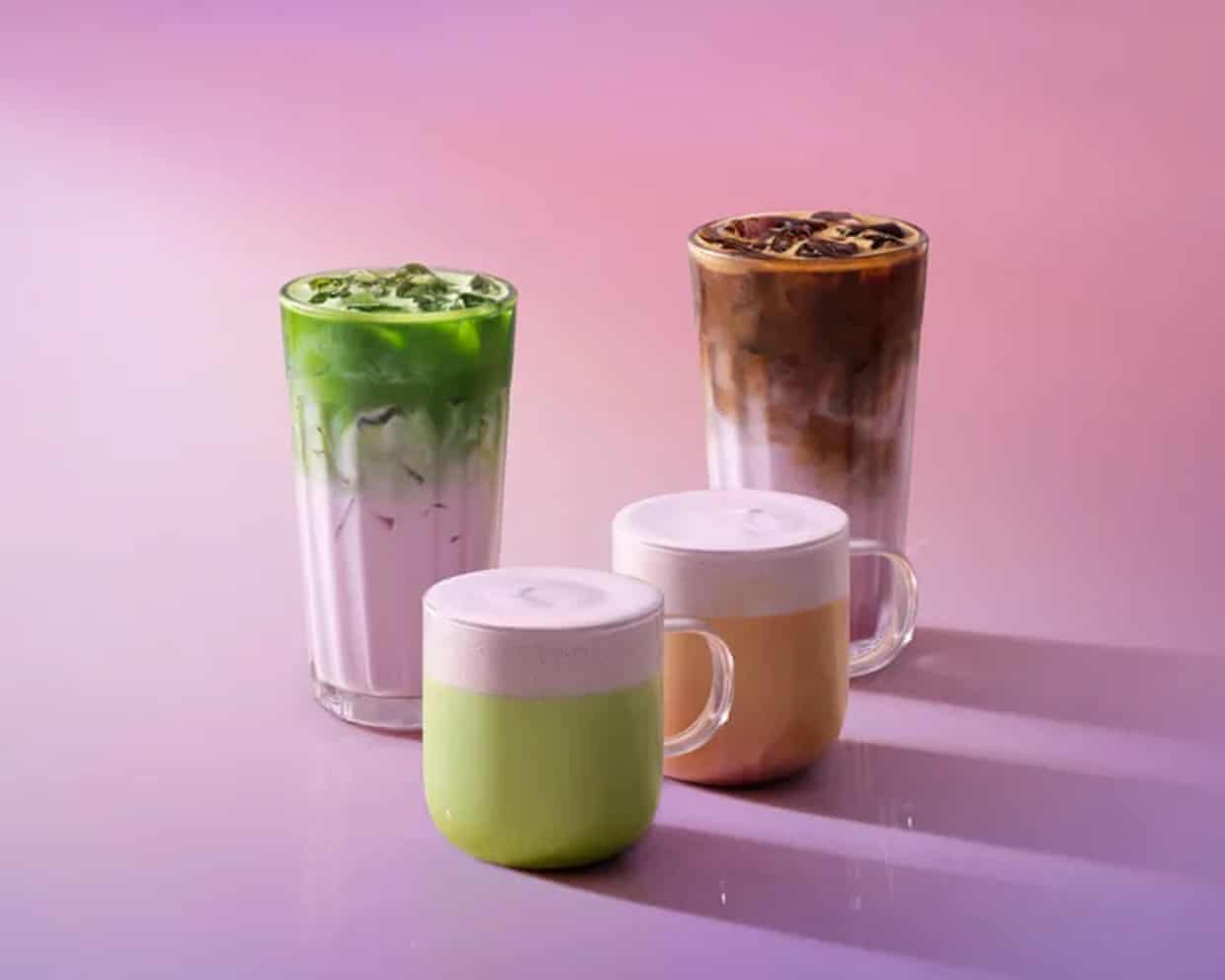
Bright purple coffees and cocktails made with a root vegetable called ube have hit the high street in the UK after the yam’s striking hue caused a sensation on social media. Many are calling ube the “new matcha”, and it has a nutty, creamy, sweet taste, like a mix between coconut and vanilla.Ube coloured and flavoured drinks became popular in the US last year, after an earlier boom in Australia. Farmers in the Philippines, where the root vegetable is often sourced, have been struggling to meet demand.Now, the purple drinks have crossed the pond: Starbucks and Costa both launched ube drinks in their UK stores last month
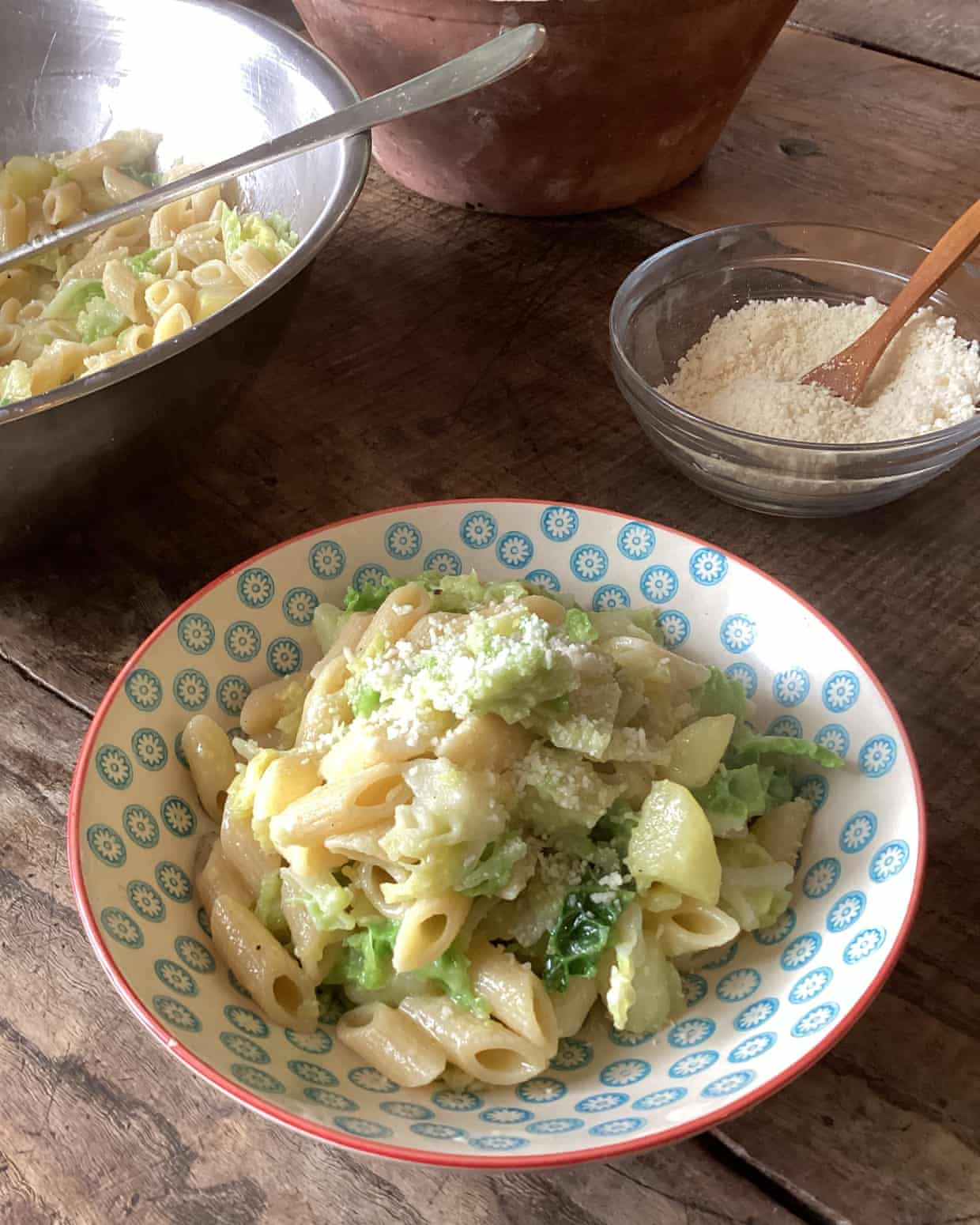
Rachel Roddy’s ‘high-ranking’ penne with potatoes, cabbage, butter and cheese – recipe
In December 2023, the magazine La Cucina Italiana ranked Italians’ favourite pasta shapes, according to data gathered by Unione Italiana Food (“the leading association in Italy for the direct representation of food product categories”). I love this sort of thing. According to the UIF, by processing NielsenIQ data (comprehensive market research, consumer intelligence and retail measurement), they identified the five most popular shapes from over 500, and examined how preferences vary in different regions.In first place was spaghetti, while penne came in second, with these two shapes – which also takes in thinner spaghettini, chunkier spaghettoni and both ridged and smooth penne – accounting for 78% of all pasta sold in Italy in 2023. The regional variations of three, four and five are as follows: in the north-west and north-east, fusilli, short pasta and mixed pasta for broth or minestra; in central Italy, short pasta, fusilli and rigatoni; in the south, mixed pasta for broth or minestra, short pasta and tortiglioni
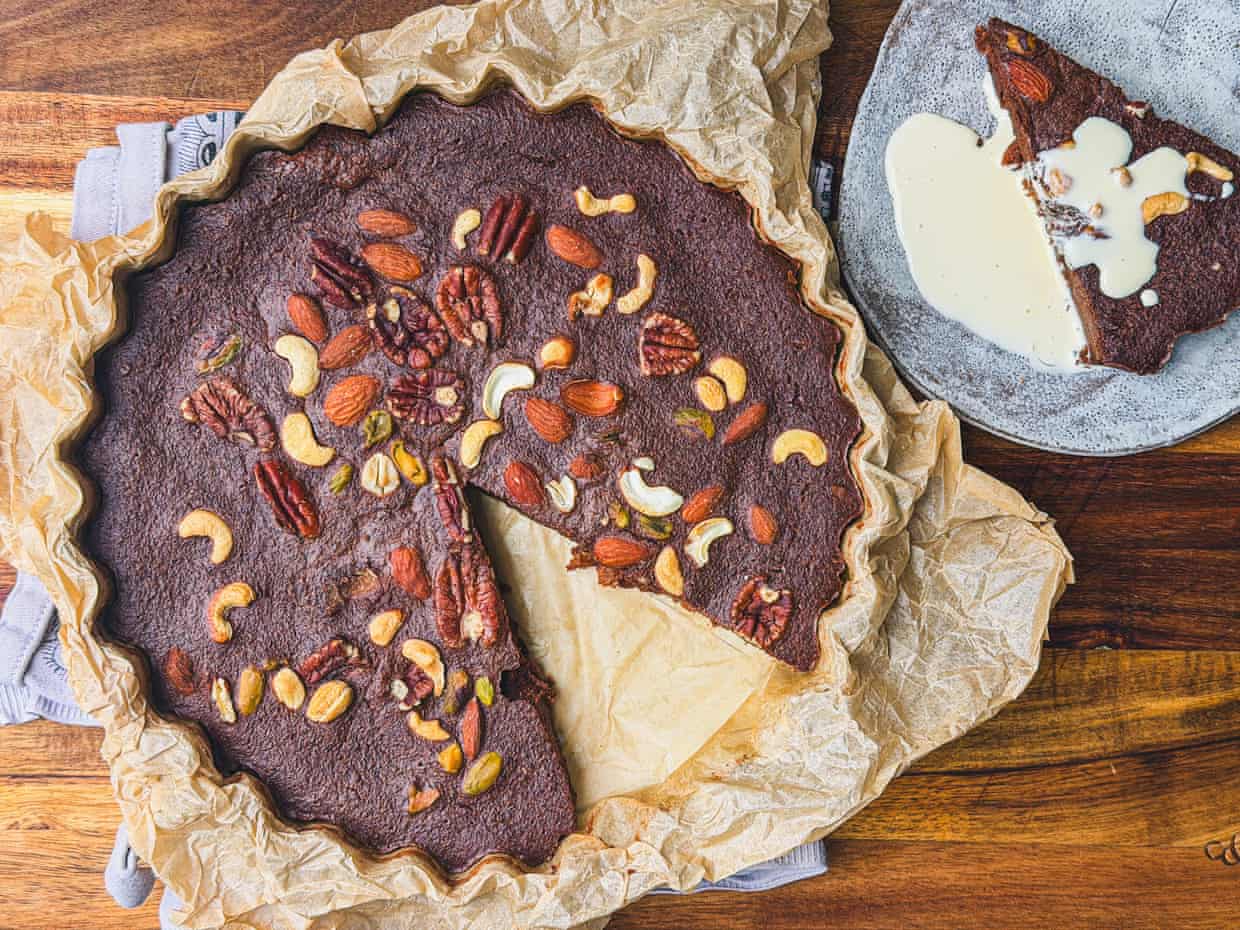
How to turn old bread into a brilliant Italian cake – recipe | Waste not
Old sourdough is my secret ingredient. To stop it going mouldy, I take it out of any plastic packaging and keep it in the bread bin with plenty of airflow around it – that way, it will dry out slowly, rather than turning mouldy. Any odds and ends, meanwhile, I store in a cloth bag to use in various dishes, from pangrattato (or poor man’s parmesan) to strata, a savoury bread-and-butter pudding.My new favourite recipe discovery for using up stale bread is today’s torta paesana, or village cake, from Lombardy. The best way I can come up with to describe it is that it’s a bit like a firm baked custard
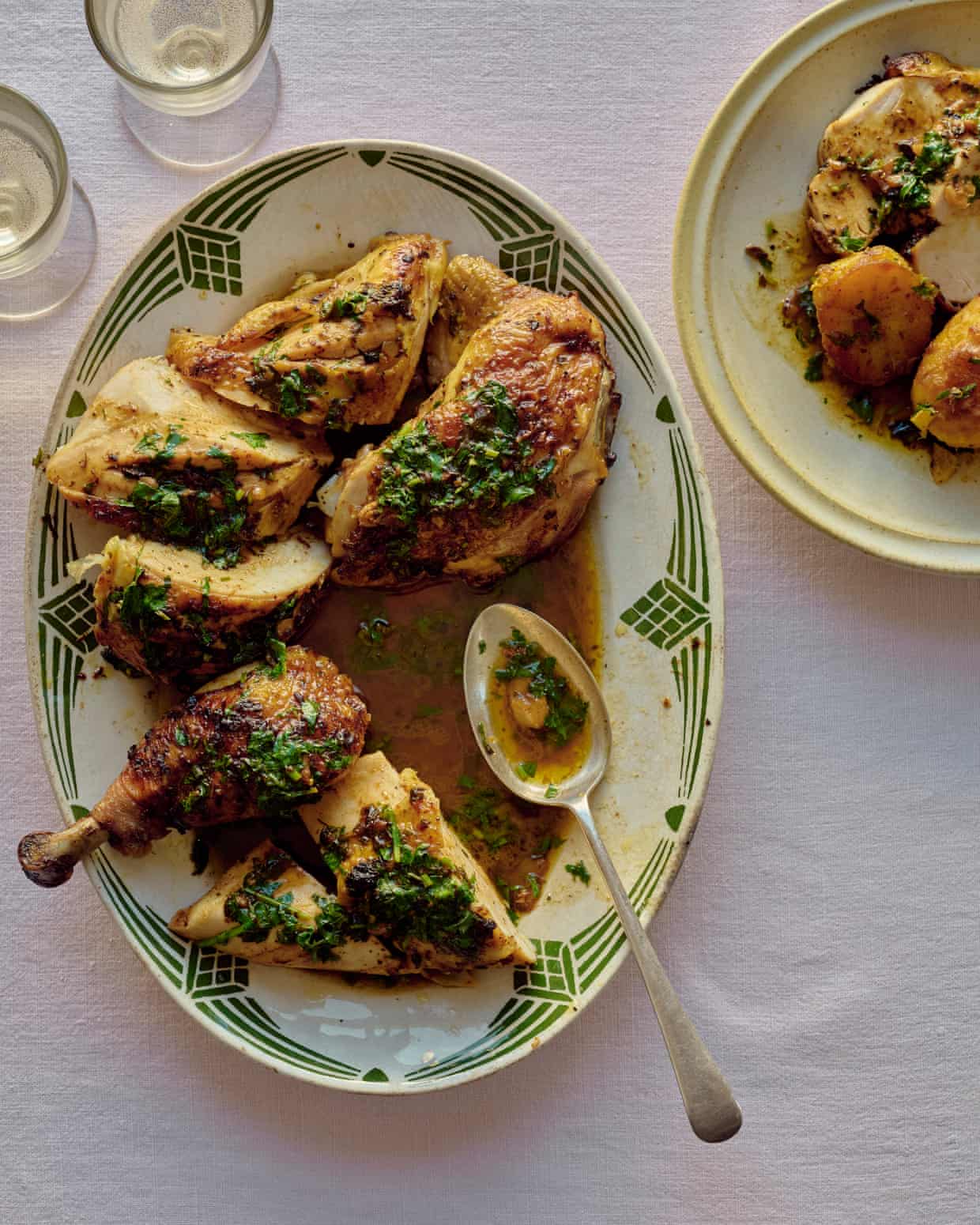
Roast chicken, cheesy scones and a genius cocktail: Ravinder Bhogal’s recipes for cooking with lime pickle
I’m obsessed with lime pickle. It’s savoury, sour, funky, spicy and full of bold personality that enlivens anything it’s smeared on. It’s made by salting and fermenting limes with chillies and spices for a fierce, flavour-packed condiment that’s traditionally eaten as a side to poppadoms or with simple dal and rice. Over the years, I have also folded it into grilled cheese toasties, marinades for fat prawns to barbecue in the summer or made compound butters with it to smother over sweet potatoes before roasting. It’s an instant flavour bomb and my pantry is never without a jar

Ed Miliband says he and Lammy feared Mandelson appointment could ‘blow up’

Will Olly Robbins’ testimony jeopardise Keir Starmer’s defence?

Peter Mandelson: a timeline of his appointment as UK ambassador to US

Starmer accuses Robbins of obstructing truth about Mandelson vetting
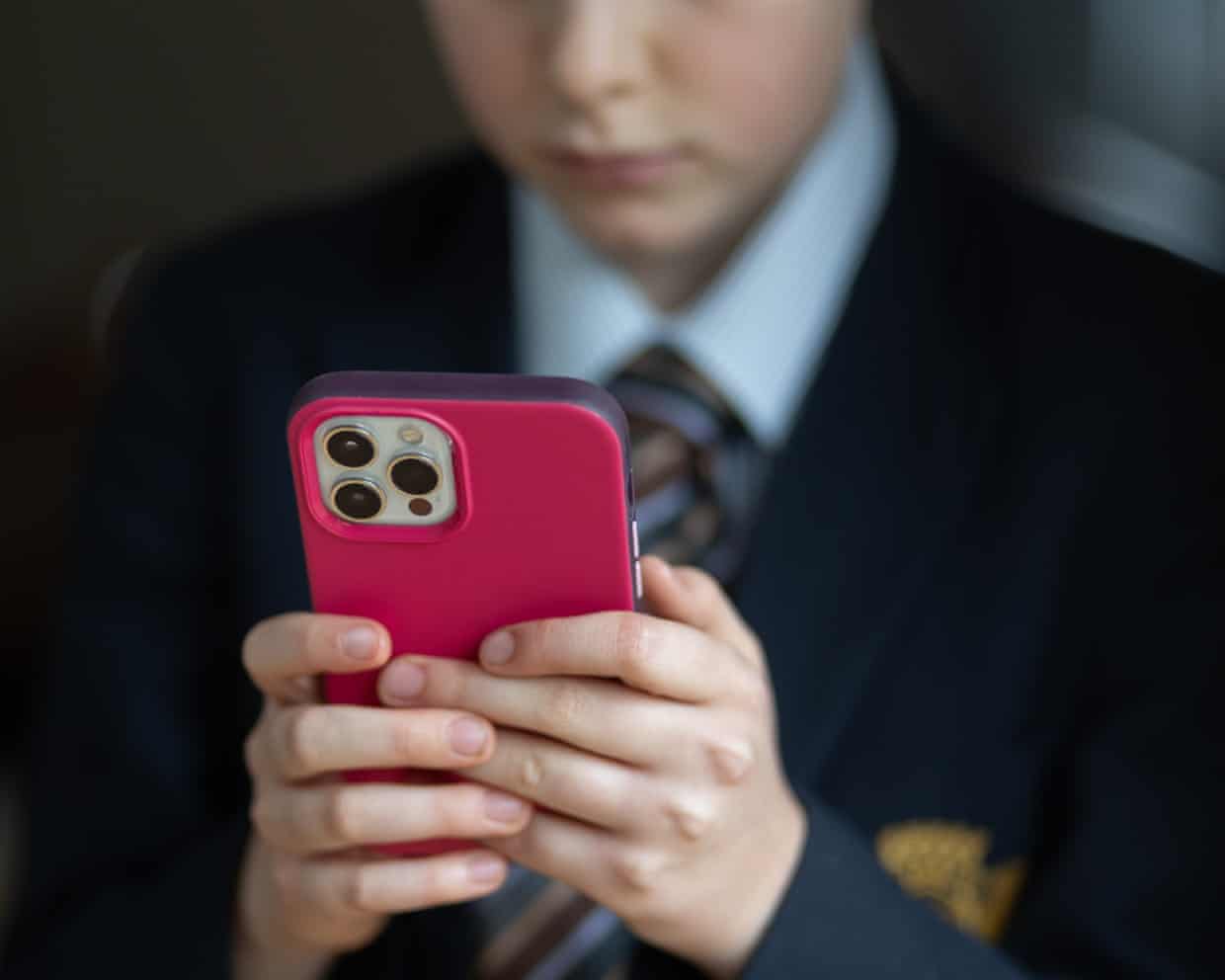
Mobile phones to be banned in schools in England under new plans
How safe is Starmer’s premiership after his Mandelson vetting statement to MPs?