Scott Boland reveals uncomfortable truth about standing up to England during Ashes

The unorthodox strategy has proved crucial for the Australians in their Ashes victory this summer, but fast bowler Scott Boland has admitted it has not always been easy – both for his ego and his length – to have wicketkeeper Alex Carey stand up at the stumps.Carey’s proximity to the wickets off the fast bowling of Boland, as well as Michael Neser in the second Test, has prevented England’s batters from standing out of the crease – a key tool in their pre-series plan to unsettle Australia’s bowlers.The tactic has delivered crucial wickets, but beyond the scorecard it has been identified as an important reason England have not been able to impose their will on the series that was lost inside 11 days.And it is only possible due to Carey’s talent with the gloves.Ahead of the Boxing Day Test, Boland said the tweak has been an adjustment for him and something of a blow to his ego, given he is one of the best pacemen in the country and typically bowls close to 140km/h.
“Because I’ve never really had it before, I just didn’t really feel comfortable with it,” he said,“I know everyone wants to be a ‘fast’ bowler, and you don’t really like to see the keeper up to the stumps, but I’ve seen over the last month how effective it is and how still I can keep their batter by Alex being up to the stumps,”Coach Andrew McDonald first raised the possibility of using tactic with Boland before the last Ashes, but it has taken more than two years for it to fully come to fruition,“Speaking on the phone, he said just get your head around bowling with the keeper up to the stumps because the batters like to move around the crease a lot and if we can get them camped where you want them to be, at least you know where you’re going to be, the length of the want to bowl,” he said,Carey revealed after the Brisbane Test he does not practise the technique given the danger involved, but it has proven an ace up the Australians’ sleeve in countering England’s aggression.
Boland was targeted during the 2023 Ashes, and said they “came hard” at him during the first innings of the first Test in Perth, where he was wicketless in 10 first-innings overs that went for more than six runs apiece.“In the past when I’ve had the keeper up at the back, I haven’t felt that comfortable and you end up bowling a little bit fuller, but I’ve got full trust in Cares [Carey] that if I hit my normal length and if the ball does go above the stumps, he’s got amazing hands and has been really keeping the pressure on the English batters,” he said.Captain Pat Cummins and stand-in Steve Smith have been happy to let the pair dictate when and when not to deploy the approach.“The best thing about that is we’d speak every couple of overs, or every over before the start of it, if he’s feeling that it’s better off being back, then I trust him,” Boland said.“If he’s like, ‘nah, I want to come up, I think we can trap him on the crease’ then I’ll back his judgment.
”Boland has overcome a hip complaint and is in line to play at the MCG on Boxing Day, while Carey’s glovework this summer has been accompanied by brilliance with the bat.His 267 runs are behind only Travis Head’s 379 for the series.

Chinese robotaxis due in London next year as Lyft and Uber reveal tie-ups
Chinese robotaxis are due to be on the streets of London next year after the US ride-hailing companies Lyft and Uber announced tie-ups with Beijing-based Baidu to deploy its self-driving technology.Lyft is the third firm to announce plans to introduce self-driving taxis to the UK capital next year, after Uber and Waymo, the main operator of robotaxis in the US.Its ride-hailing services are the major rival to Uber’s in the US and Canada, and this year Lyft expanded into Europe after acquiring the Freenow app in the summer.While Uber had signed a deal to work with Baidu in the summer in other global markets, it had not until now said that the Chinese tech company’s Apollo Go cars were planned for London. It had previously announced its services would be operated with self-driving technology from the UK-US firm Wayve
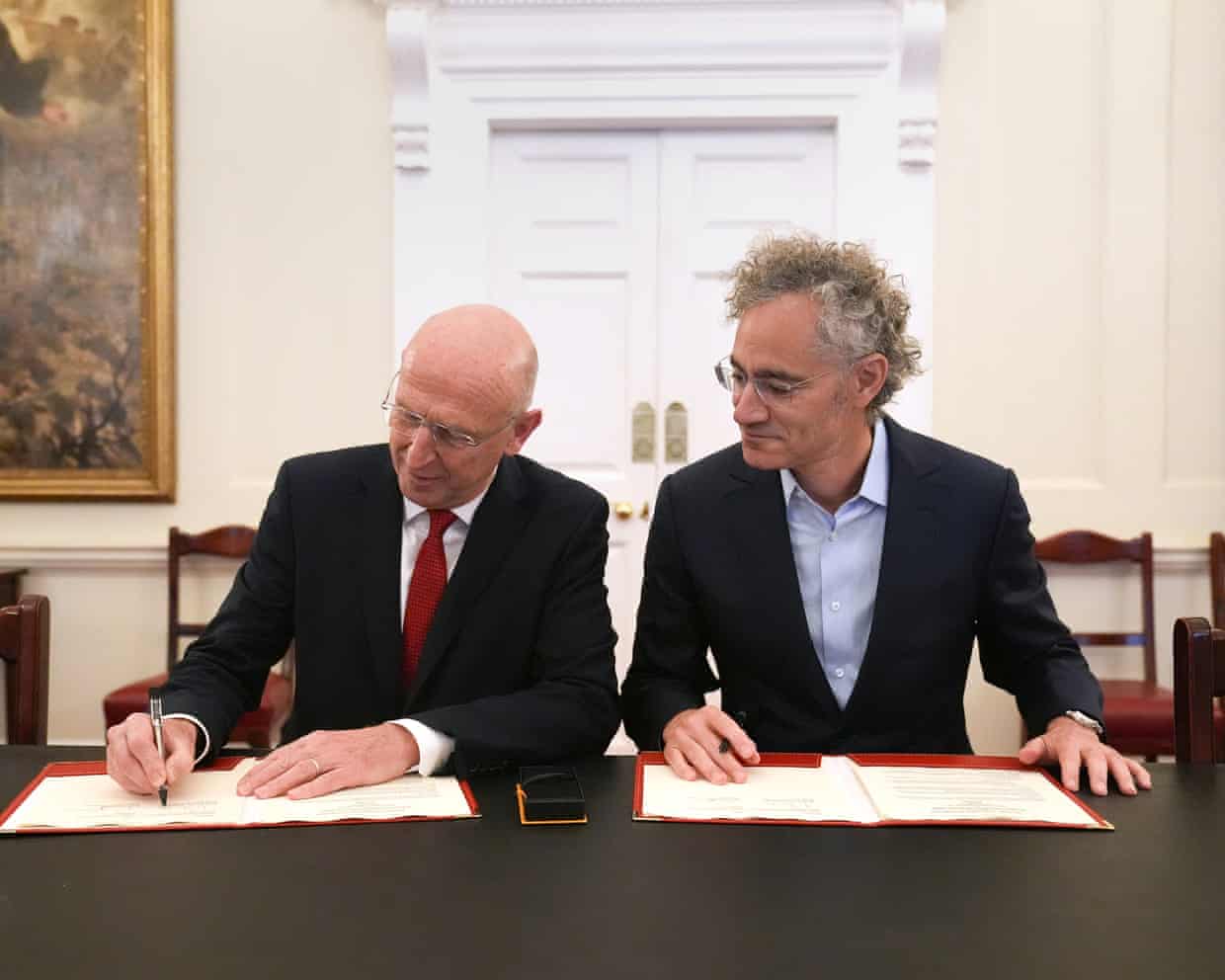
MPs question UK Palantir contracts after investigation reveals security concerns
UK MPs have raised concerns about the government’s contracts with Palantir after an investigation published in Switzerland highlighted allegations about the suitability and security of its products.The investigation by the Zurich-based research collective WAV and the Swiss online magazine Republik details Palantir’s efforts, over the course of seven years, to sell its products to Swiss federal agencies.Palantir is a US company that provides software to integrate and analyse data scattered across different systems, such as in the health service. It also provides artificial intelligence-enabled military targeting systems.The investigation cites an expert report, internal to the Swiss army, that assessed Palantir’s status as a US company meant there was a possibility sensitive data shared with it could be accessed by the US government and intelligence services

Extremists are using AI voice cloning to supercharge propaganda. Experts say it’s helping them grow
While the artificial intelligence boom is upending sections of the music industry, voice generating bots are also becoming a boon to another unlikely corner of the internet: extremist movements that are using them to recreate the voices and speeches of major figures in their milieu, and experts say it is helping them grow.“The adoption of AI-enabled translation by terrorists and extremists marks a significant evolution in digital propaganda strategies,” said Lucas Webber, a senior threat intelligence analyst at Tech Against Terrorism and a research fellow at the Soufan Center. Webber specializes in monitoring the online tools of terrorist groups and extremists around the world.“Earlier methods relied on human translators or rudimentary machine translation, often limited by language fidelity and stylistic nuance,” he said. “Now, with the rise of advanced generative AI tools, these groups are able to produce seamless, contextually accurate translations that preserve tone, emotion, and ideological intensity across multiple languages

A tape measure, a metal detector and a spirit level: 25 surprisingly useful things you can do with your phone
While many use our phones predominantly to doomscroll, smartphones have a range of little-known functions that could make life better and easier – from heart monitoring to even developing camera filmOur smartphones are magical things – far more than dopamine drip providers and a way to keep in touch with friends and family. Using the built-in features and easily available additional apps, there are plenty of clever things you can do with your smartphone.The iPhone’s Measure app uses augmented reality and the device’s camera to calculate everything from ceiling heights to room dimensions – handy for those DIY tasks that require a quick decision. And, good news for parents, Apple also points out that you can use it to measure a person’s height: the digital equivalent of etched markings on the wall.Metal detectors cost a pretty penny, but many modern devices have built-in magnetometers designed to help improve the accuracy of GPS within apps
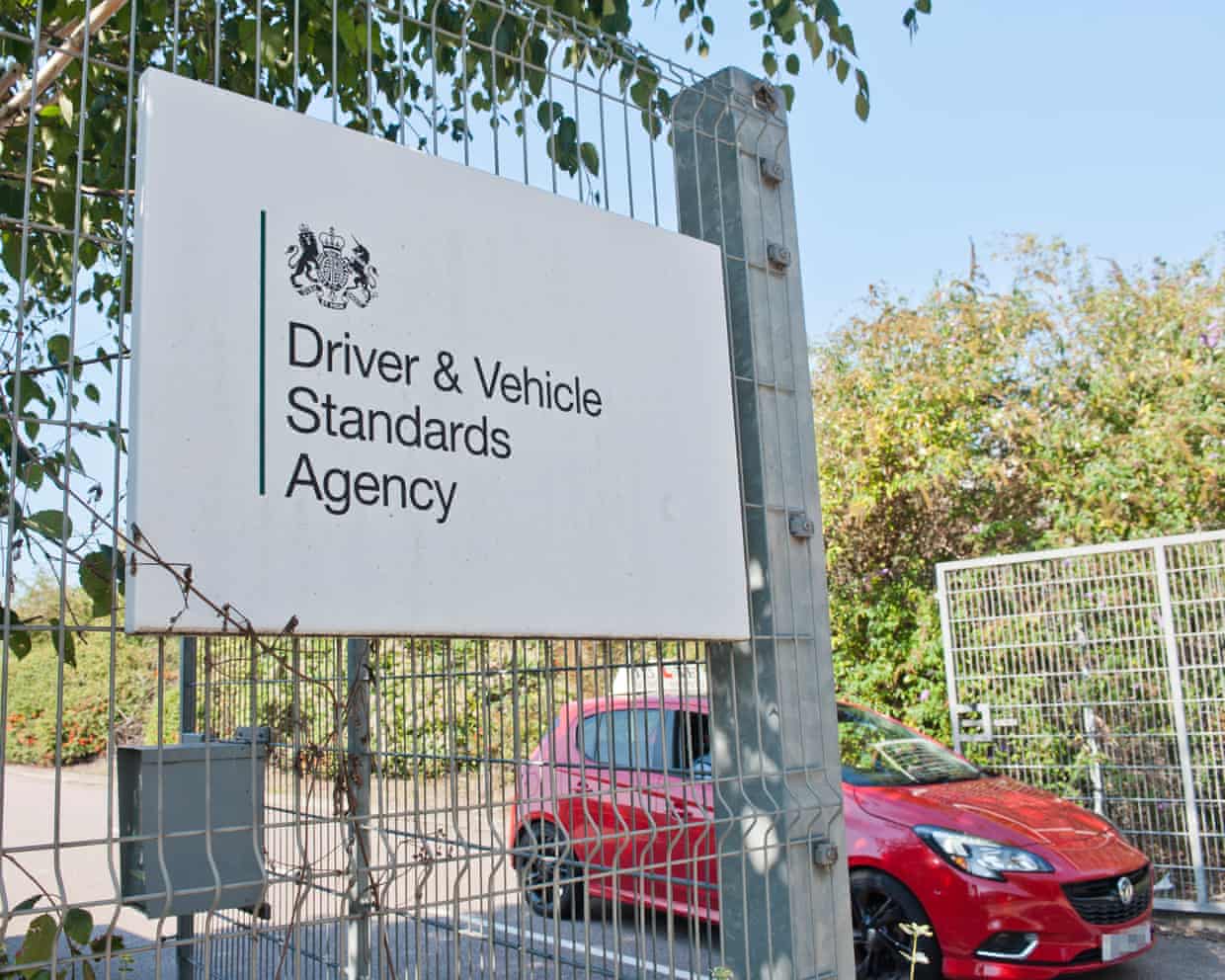
‘It can be quite a thankless job’: why driving examiners are quitting
It has long been a stressful rite of passage for many young people but, in recent years, passing the actual driving test is the easy part. Now, many people seeking a test need to wake up early to snag a date before the bots do and, even then, they are looking at a long and arduous wait.Despite moves from the government to address the issue, an audit report released this week found plans to cut the wait for a driving test to seven weeks by the end of the year would not be achieved until November 2027.One of the main barriers is an exodus of driving examiners. Only a net 83 more driving test examiners have been hired despite 19 recruitment campaigns since 2021, with the average wait for a practical test now at 22 weeks across Great Britain, according to the National Audit Office

Tinsel and Home Alone back in style as TikTok seeks comfort in #90sChristmas
Tinsel, DIY tree decorations, deep burgundy drapes – and Home Alone on VHS. Christmas has gone retro on TikTok, and in people’s living rooms.The app has reported a surge in Christmas decor videos, with an emphasis on nostalgia as users embrace festive looks from bygone eras. For younger TikTokers, that means the 90s.More than 8,000 videos have been posted under the hashtag #90sChristmas, celebrating a look that includes multicoloured tree lights, homemade felt ornaments and – in a post with nearly 4m views – VHS tapes of Christmas classics such as the Macaulay Culkin caper

Reform plan to cap aid at £1bn would damage UK’s international influence, critics warn

Keir Starmer told closer EU trade ties ‘strategic necessity’ for UK firms

Labour calls to rejoin EU customs union will become harder for Starmer to resist

More than 75% of Labour, Lib Dem and Green voters think PM should open talks on joining EU customs union – as it happened
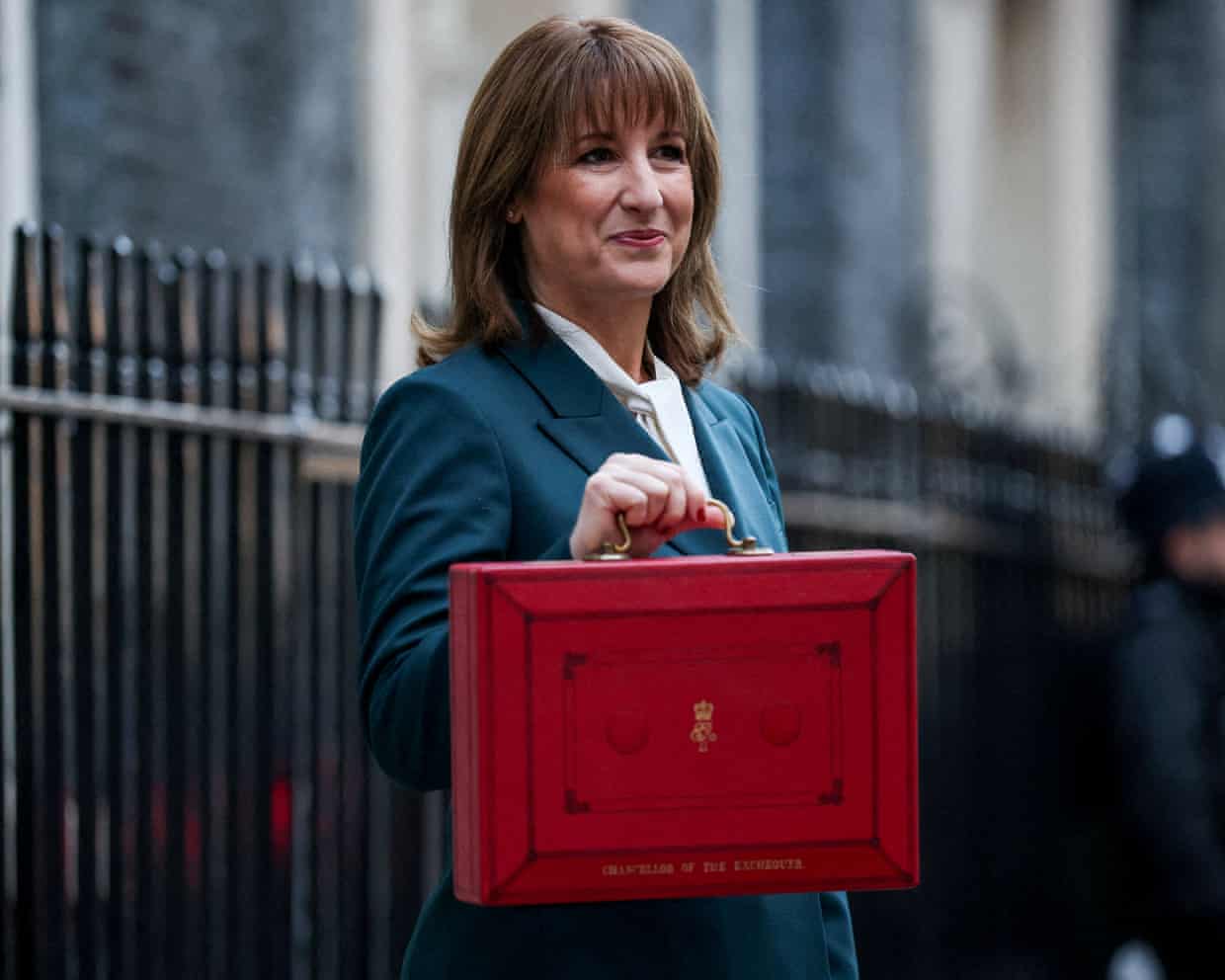
Rachel Reeves sets early March date for spring statement as OBR prepares forecast

Britain’s economy has been damaged by Brexit. But what should ministers do about it?