More than 75% of Labour, Lib Dem and Green voters think PM should open talks on joining EU customs union – as it happened
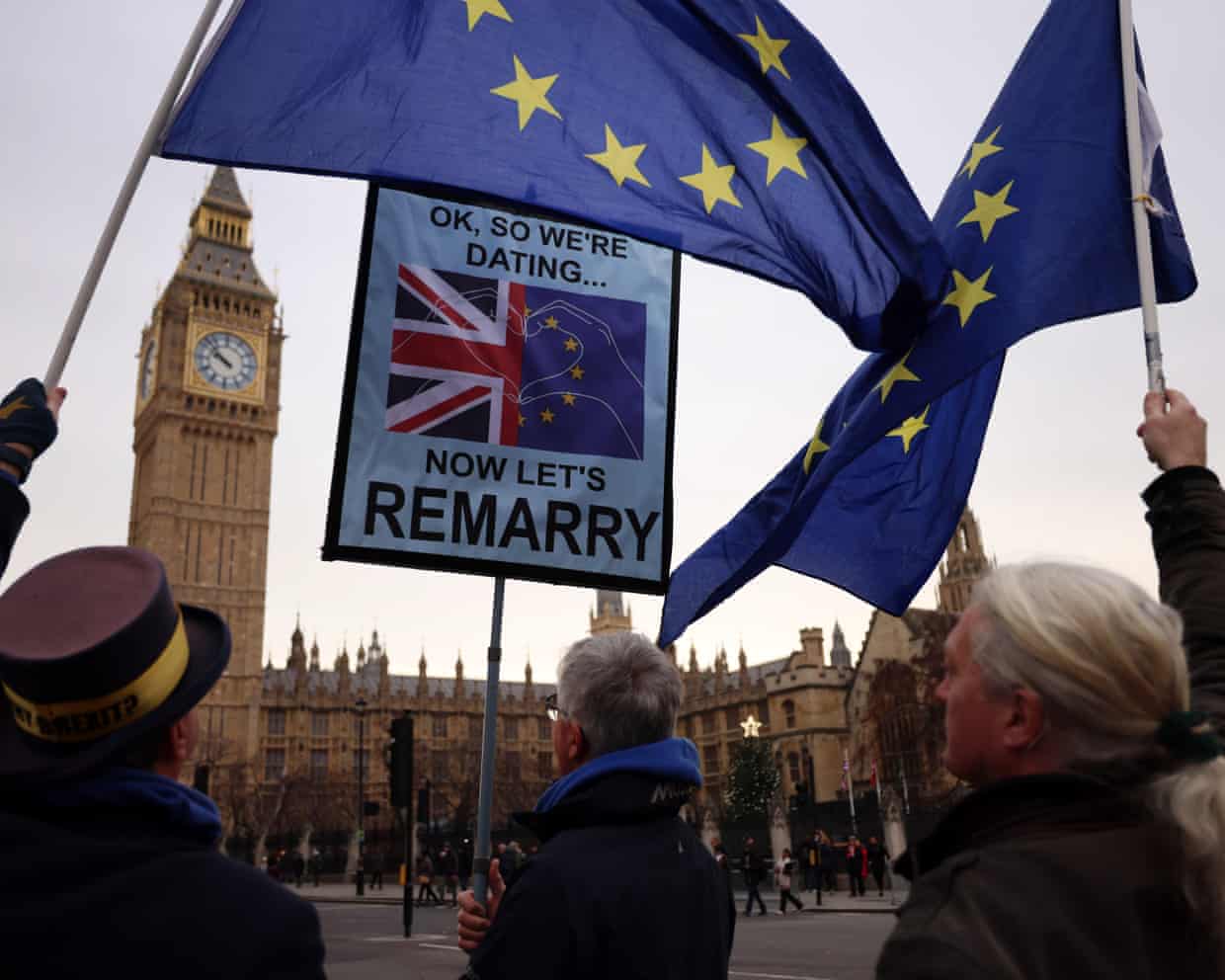
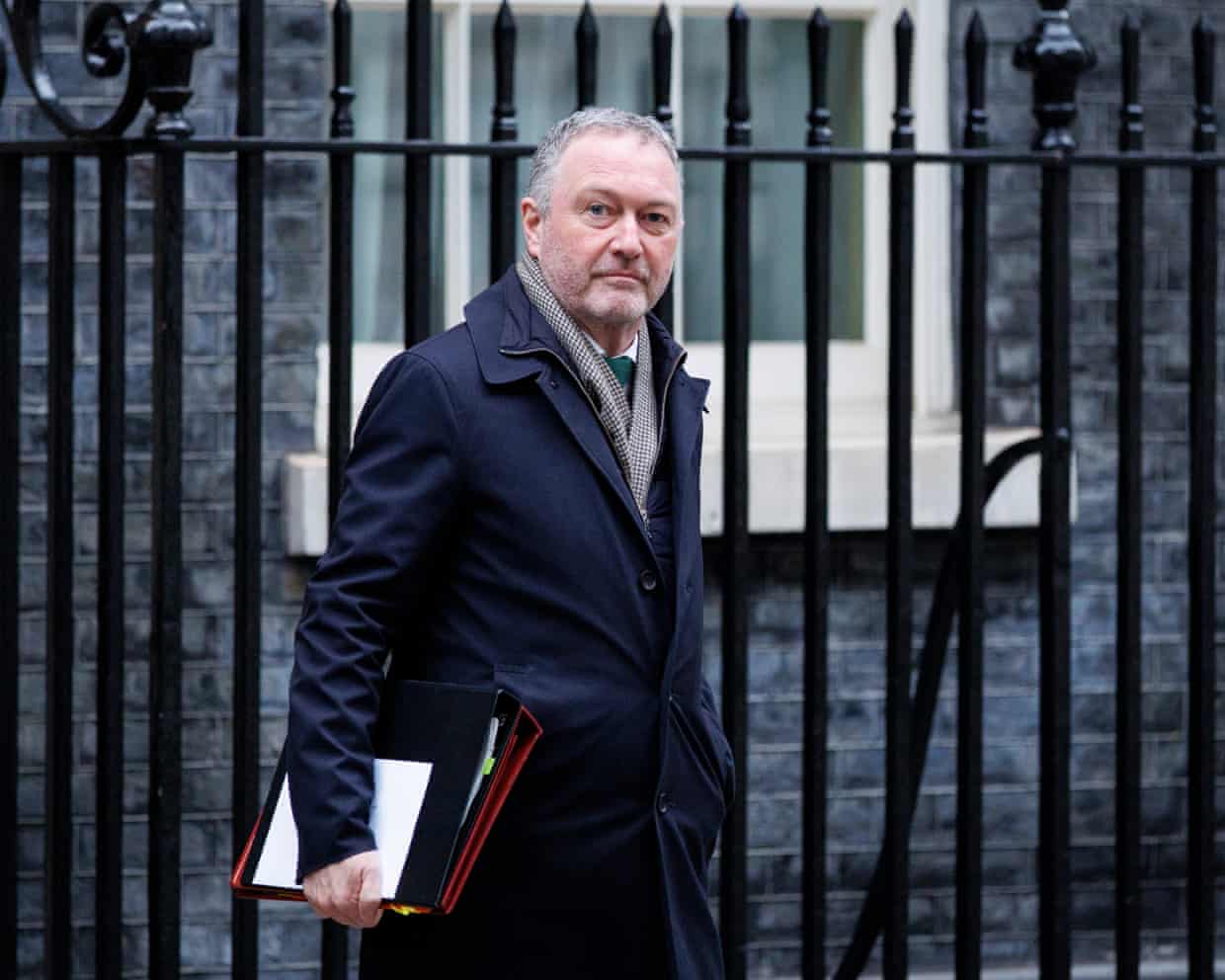
Wes Streeting, the health secretary, used an interview with the Observer published at the weekend to suggest that he favours joining a customs union with the EU.This is something that Keir Starmer has ruled out.But Labour supporters back Streeting on this.According to YouGov polling for the Times, 80% of people who voted Labour at the last general election say a future leader should open negotiations on joining a customs union with the EU.The polling also found that around 70% of people who voted Labour, Lib Dem or Green at the last election said that a future leader should open talks on rejoining the EU.
Even among Conservative voters, 25% of those questioned said a new leader should start negotiations on rejoining.If respondents were asked if a new leader should start negotiations on rejoining the EU, some people may have taken that as a question about what should happen assuming Keir Starmer were replaced as PM in 2026 – and others may have taken that as a question about what should happen much further in the future, assuming Starmer has some years to serve in No 10.Emma Reynolds, the environment secretary, has published what she is calling “the most ambitious animal welfare strategy in a generation”.Labour voters overwhelming favour opening talks on joining a customs union with the EU, a YouGov poll reveals.(See 12.
33pm.) The figures were published a day after Wes Streeting, the health secretary, was quoted in the Observer as suggesting that he backs the idea – which is not government policy.The Lib Dems have been campaigning hard for the UK to join a customs union and, as the poll shows, the idea is very popular with progressive voters generally – even though experts suggest the potential benefts are over-rated.The YouGov poll also suggests around 70% of Labour, Lib Dem and Green voters would support a future PM opening talks on rejoining the EU – something Keir Starmer once said he did not expect to happen in his lifetime.UK consumers saved less money during the third quarter of the year as higher taxes squeezed disposable incomes, ONS figures have revealed.
For a full list of all the stories covered on the blog today, do scroll through the list of key event headlines near the top of the blog.Back to the local elections (see 3.50pm), and on Friday the Electoral Commission issued (by its standards) a relatively strong statement criticising the government’s plan to allow some councils to postpone the May elections.Vijay Rangarajan, its chief executive, said:We are disappointed by both the timing and substance of [the government’s announcement].Scheduled elections should as a rule go ahead as planned, and only be postponed in exceptional circumstances.
We are concerned by the possibility of some council elections in May being postponed, and even more by any further postponement to those which already had been deferred from 2025,Decisions on any postponements will not be taken until mid-January, less than three months before the scheduled May 2026 elections are due to begin,This uncertainty is unprecedented and will not help campaigners and administrators who need time to prepare for their important roles,We very much recognise the pressures on local government, but these late changes do not help administrators,Parties and candidates have already been preparing for some time, and will be understandably concerned.
Earlier, in a round-up of positive reaction to the animal welfare strategy from animal rights groups (see 11.20am), I focused on reaction relating to its impact on farm animals and on pets.Here is a comment on the proposals for wild animals, from Richard Parr, director of the Center for Wild Animal Welfare.This strategy is a huge step forward for wild animals …The new policies unveiled today, including on snares and traps, will save countless wild animals from a slow, painful death.More broadly, the government’s ambition that wild-living animals should be treated with respect, experience good welfare and not be subjected to suffering, is profound and important.
The government has now published in full its animal welfare strategy,The Vegetarian Society has in particular welcomed the passage on male chick culling,It says:We welcome the government’s recognition of the need to end male chick culling in its newly released animal welfare strategy, which states: “We would like to see an end to the practice of killing day-old chicks,” This signals the first time that the government has set out its desire to end this farming practice in a strategy document,The strategy acknowledges the estimated 45 million male chicks needlessly culled each year and references the animal welfare Committee’s recommendation to transition to in-ovo sexing technology, alongside a commitment to “encourage industry to end the practice of culling male laying hen chicks.
” This recognition is a testament to the tireless efforts of politicians, celebrities and members of the public who have spoken out against this cruel and unnecessary practice, which remains permitted in the UK.However, while the strategy includes some promising measures for animal welfare, it unfortunately stops short of committing to an imminent ban on male chick culling.Without a clear and time-bound commitment, this deeply cruel and avoidable practice will continue on a vast scale.Public support for ending male chick culling is overwhelming, and politicians and public figures have repeatedly called for decisive action.We now call on the British Egg Industry Council and its members to publish a roadmap and timeframe for the phasing out of male chick culling, as public support for ending male chick culling is overwhelming, and politicians and public figures have repeatedly called for decisive action.
Indeed, the UK risks falling further behind countries that have already taken action, including France, Germany and Austria.A roadmap should set out a transition period for implementation of the relevant technology, with based on experience within other countries should be no more than two years.Last week the government announced that 63 councils in England where elections are due to be held in May will be given the chance to request a postponement.That is because they are in areas where local government is being reorganised.(Unitary councils are being set up in places where people still elect a county council to manage some services, and a district council to manage others.
) Alison McGovern, the local government minister, told MPs that, if councils wanted to delay, the government would be minded to allow it,The Local Government Information Unit, a thinktank, has now produced figures showing which parties are in power in the councils affected,These figures are based on the party affiliation of the council leader,In most cases, the council will be under majority control, but in some cases a leader affiliated to one party will be heading a minority administration, or will be in coalition with other parties,And in some respects the headlines figures are misleading.
Although the Conservatives control fewer councils on this list than Labour and the Liberal Democrats, they run all the county councils – which are the big ones.The fact that a council is on his list does not definitely mean elections will be postponed there.The government is consulting until 15 January, and decisions will be taken after that point.It is assumed that, if elections are postponed, the party in power is most likely to benefit.In most areas, given that Labour and the Conservative party are doing very badly in council byelections at the moment, that is a reasonable assumption.
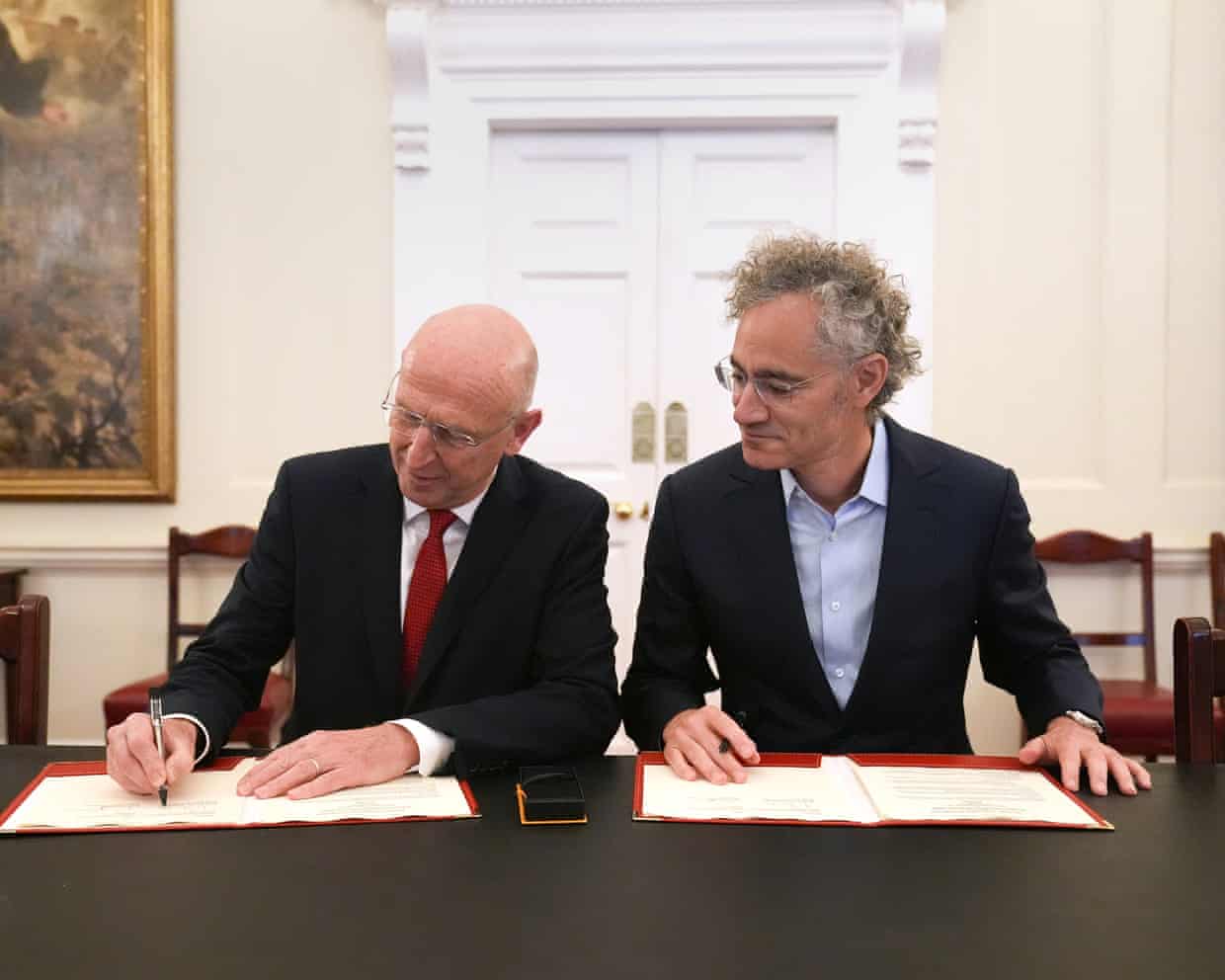
Reform UK are currently gaining most in council byelections, which is why they are more angry about the potential delays than anyone else.Labour – 26Adur District CouncilBasildon Borough CouncilBlackburn with Darwen CouncilCambridge City CouncilCannock Chase District CouncilChorley Borough CouncilCity of Lincoln CouncilCrawley Borough CouncilExeter City CouncilHavant Borough CouncilHyndburn Borough CouncilIpswich Borough CouncilPeterborough City CouncilPlymouth City CouncilPreston City CouncilRedditch Borough CouncilRugby Borough CouncilRushmoor Borough CouncilSouthampton City CouncilSouthend-on-Sea City CouncilStevenage Borough CouncilTamworth Borough CouncilThurrock CouncilWelwyn Hatfield Borough CouncilWest Lancashire Borough CouncilWorthing Borough CouncilLiberal Democrat – 20Brentwood Borough CouncilCheltenham Borough CouncilCherwell District CouncilColchester City CouncilEastleigh Borough CouncilGosport Borough CouncilHart District CouncilHuntingdonshire District CouncilNorwich City CouncilNuneaton and Bedworth Borough CouncilOxford City CouncilPendle Borough CouncilPortsmouth City CouncilSouth Cambridgeshire District CouncilSt Albans City and District CouncilThree Rivers District CouncilTunbridge Wells Borough CouncilWatford Borough CouncilWest Oxfordshire District CouncilWinchester City CouncilConservatives – 13Broxbourne Borough CouncilEast Sussex County CouncilEpping Forest District CouncilEssex County CouncilFareham Borough CouncilHampshire County CouncilHarlow District CouncilNewcastle-under-Lyme Borough CouncilNorfolk County CouncilNorth East Lincolnshire CouncilRochford District CouncilSuffolk County CouncilWest Sussex County CouncilIndependent – 3Basingstoke and Deane Borough CouncilBurnley Borough CouncilIsle of Wight CouncilGreen – 1Hastings Borough CouncilAt reader BTL has asked me to repost a link to this post from the blog a couple of weeks ago – summarising comments from some trade experts about the case for joining a customs union with the EU.They were more negative about it than you might expect.UK MPs have raised concerns about the government’s contracts with Palantir after an investigation published in Switzerland highlighted allegations about the suitability and security of its products.Aisha Down and Deborah Cole have the story.
The Green party has criticised the government for refusing the meet the representatives of the Palestine Action-linked hunger strikers.Their supporters say they are now at risk of death, and yesterday a further two of them were taken to hospital.Mothin Ali, the Green party co-deputy leader, said:These prisoners are now seriously ill.Amu Gib is on day 50 of their hunger strike while Kamran Ahmed is on day 42.After this length of time without food they are at very high risk of organ failure, irreversible neurological damage, and death.
This horrific situation could have been prevented if ministers had agreed to meet with representatives of the hunger strikers and hear their concerns and demands.They are calling for an end to censorship of their communication, immediate bail, a fair trial, the deproscription of Palestine Action and the shutdown of Elbit Systems in the UK - Israel’s largest weapons manufacturer, producing 85% of Israel’s drones fleet and land-based military equipment.Ali also said it was “a terrible indictment of this government’s failure that these prisoners feel forced into using the only tool they have left – their own bodies – to draw attention to the injustices and maltreatment they are experiencing”.At the Downing Street lobby briefing, the PM’s spokesperson said there were no plans for a meeting with representatives of the prisoners.He went on:Whilst very concerning, clearly hunger strikes are not a new issue for our prisons.
Over the last five years alone, we have averaged more than 200 a year.We have longstanding procedures in place to ensure prisoners safety and prison healthcare teams provide NHS care.They continue to continuously monitor the situationAnd HMPPS [HM Prison and Probation Service] have been clear that claims that hospital care is being refused are entirely misleading, able to take in aged.They will always be taken [to hospital] when needed.And indeed a number of these prisoners have already been treated in hospital.
These prisoners are charged with serious offences, including aggravated burglary and criminal damage,As we’ve said, remand decisions for independent judges and lawyers can make representations to the court on behalf clients,Yesterday Jeremy Corbyn, one of the MPs how have been repeatedly calling for a ministerial meeting to discuss the treatment of the prisoners, urged the chief inspector of prisons, Charlie Taylor, to intervene,On Saturday 803 people arrived in the UK on small boats, which was a record number for December,At the Downing Street lobby briefing, the PM’s spokesperson rejected suggestions that this meant the PM’s plans to tackle unauthorised migration are failing.
Asked about the numbers, he said:As we’ve said before, there is no single measure, no silver bullet.[This is] a global problem that governments across Europe have been battling with.[It’s] why we have moved away from gimmicks … and why we’re taking serious, practical action with partners.He said that 50,000 people with no right to be in Britain had been returned, a 23% increase over a 16-month period; that Germany has passed a new law making it illegal to facilitate migrant smuggling towards the UK; that cooperation with the French has improved, with the result that one Friday in December more than 350 crossings were prevented by French law enforcement; and that more than 22,000 small boat crossings had been attempted and prevented this year.But there was always more to do, he said.
Victoria Atkins, the shadow environment secretary, has described the animal welfare strategy being published today, including the proposed ban trail hunting, as Labour continuing its “war on the countryside”,Asked if that was an accurate description, the PM’s spokesperson told journalists at the lobby briefing this morning:No, absolutely not,We have said that we share the British public’s high regard for countryside in lots of ways, whether it’s through farming or the animal welfare strategy,Asked specifically about the ban on trail hunting, the spokesperson said that a ban was proposed in Labour’s election manifesto,He went on:Even at face value, the nature of trail hunting makes it very difficult to safely use large packs of hounds and reduces the control of the huntsman.
Asked about the NFU’s concerns that the higher welfare standards for farmers could put them at a disadvantage compared to foreign competitors (see 9.26am), the spokesperson also suggested the government would take action to stop this happening.He said:In many cases the strategy announced today catches up to what supermarkets have been doing to improve the standard of food sold on their shelves.For example, retailers like Sainsbury’s now, they have already committed to not selling eggs produced from cage systems.So we’ll always consider whether overseas products have an unfair advantage and are prepared to use the full range of powers at our disposal to ensure produce made here in the UK by our farmers is always the most viable option, and that’s alongside bringing down inflation to keep supermarket prices low.
The spokesperson did not explain what this would mean in practice.No 10 has played down suggestions that cabinet minsters are split over whether or not the UK should join a customs union with the EU.Keir Starmer has ruled this out.He wants a closer relationship with the EU, but he has said that rejoining a customs union or the single market are ‘red lines’ that he would not cross.But, in an interview at the weekend, Wes Streeting signalled that he does favour joining a customs union.
(See 12,33pm,)At the No 10 lobby briefing, when it was put to him that the cabinet seemed divided on this, the PM’s spokesperson replied:I think what the cabinet has been very clear on is that there is a need to reset our relationship with the EU, that is what prime minister and the cabinet have been working on over the last 12 months,Asked if Starmer was happy with ministers like Streeting speaking out on issues outside their ministerial portfolios, the spokesperson said Starmer was “very happy with his cabinet”,He added:They’re getting on with the important work of driving down the cost of living, targeting growth and turning renewal into reality for the year ahead.
Downing Street has rejected a Lib Dem claim that allowing councils to delay elections planned for next May will be a breach of human rights.As the BBC reports, Ed Davey, the Lib Dem leader, has written to the Equality and Human Rights Commission urging it to investigate the government’s decision on the grounds that it could breach human rights.Last week the government said that some councils have said that it will be hard to combine the reorganisation that is going ahead (the government is creating unitary authorities in areas in England where county and district councils cover the same geographical area) with elections, and 63 councils have been told that, if they think they need to delay elections, that will probably be allowed.In his letter Davey said:Article 3 of the first protocol of the Human Rights Act spells out in black and white the right to free elections.Removing elections altogether, entirely unnecessarily, is in clear breach of this principle – can you therefore confirm your plans to investigate the government’s cavalier approach to our elections?Asked if the government accepted this argument, the PM’s spokesperson said there was no “credible basis” for this claim.
He said councils would have to demonstrate “exceptional reasons” if they requested a delay in elections, and he said there is there was no reason for a delay, the elections would go ahead as scheduled.But he defended the decision announced last week.We are delivering the biggest reform to local government for more than 50 years, streamlining councils to speed up decisions, improve services and empower communities.And some councils have told us that holding elections in May next year will divert substantial time and resources away from delivering these reforms.

Prosecutions for strangulation in England and Wales increase sixfold in three years
The number of suspects charged for strangulation and suffocation in England and Wales has increased almost sixfold in the three years since the offence was first introduced, Crown Prosecution Service data has revealed.Brought in under the Domestic Abuse Act, which came into force in 2022, the legislation closed a gap in the existing law, giving courts much greater sentencing powers.Kate Brown, the CPS’s lead prosecutor for domestic abuse, said that previously there had been “a lot of cases for which it didn’t seem like we had the right offence”, and the new legislation marked “a significant shift in recognising the serious nature of the offence”.“There were some thoughts that it might not be necessary and that the act of strangulation or suffocation could be covered by other offences,” she said, but added that the options previously open to prosecutors “didn’t really hit the mark in terms of the seriousness, because strangulation is a really serious offence”.Suffocation and strangulation carries a maximum sentence of five years’ imprisonment, whereas previously, except for the most serious cases which could be charged as grievous bodily harm or attempted murder, prosecutors were having to charge offenders with common assault, which carries a much lesser maximum sentence of six months

Britons reported to be drinking less, as data shows consumption at record low
People in Britain are drinking less alcohol than in previous years, according to reports.The average UK adult consumed 10.2 alcoholic drinks a week last year, the lowest figure since data collection began in 1990 and a decline of more than a quarter from the peak of 14 two decades ago, according to figures published in the FT from research company IWSR.However, total abstention is not on the rise despite the decline in consumption, which suggests more moderate drinking habits have driven the trend.“The population is ageing and older consumers physiologically can’t drink as much,” Marten Lodewijks, the IWSR president, told the newspaper
Resident doctors say they will resume talks to avoid further strikes with ‘can-do spirit’
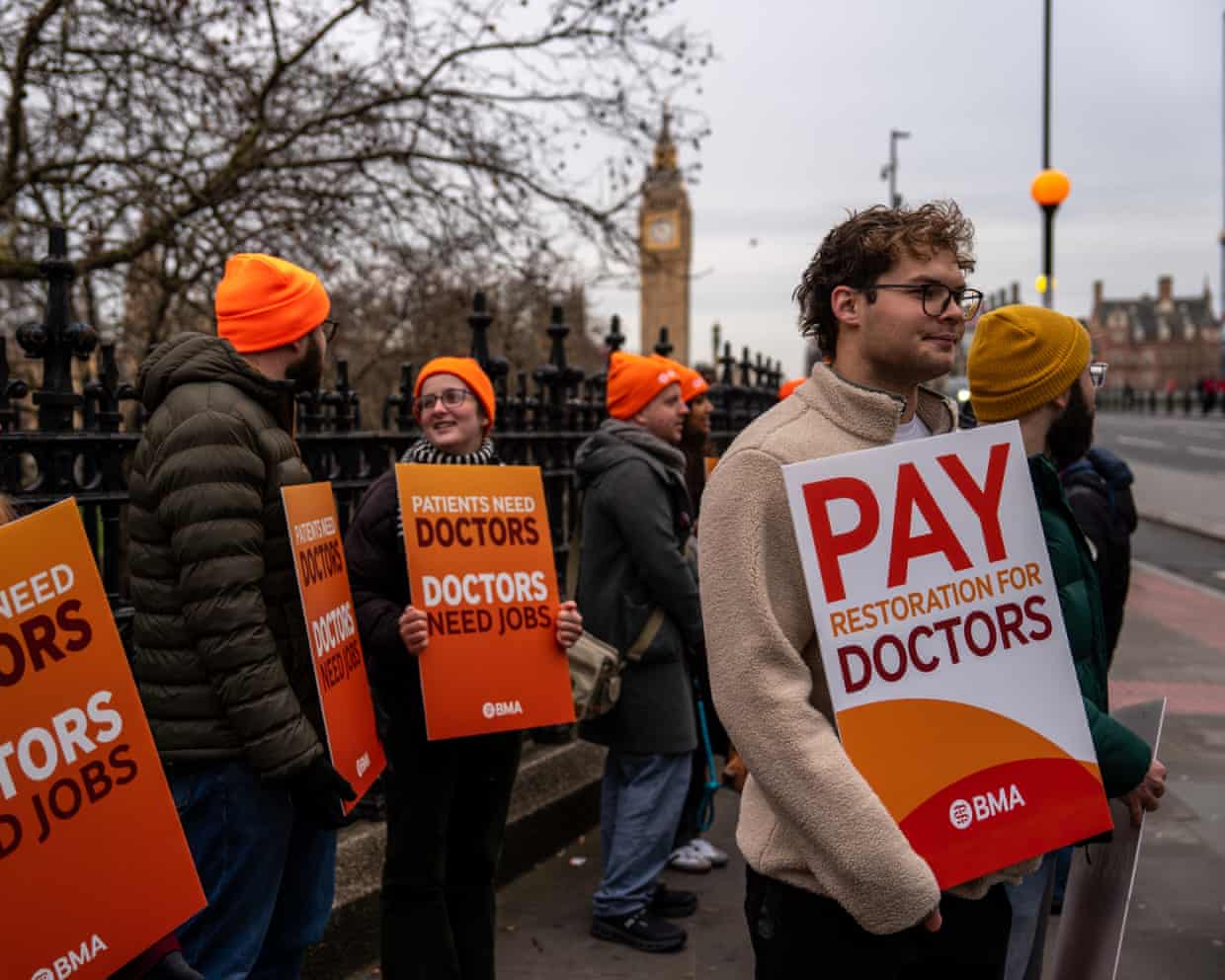
Resident doctors have said they will approach talks with Wes Streeting with a “can-do spirit” to avoid further strikes in the new year, as their five-day action ended on Monday morning.The British Medical Association called on the health secretary to come to the table with the same “constructive” attitude, saying the tone of 11th-hour talks before their stoppage had been encouraging but too late to avoid the strike in England.Streeting also signalled his determination to get back to the talks, saying he did “not want to see a single day of industrial action in the NHS in 2026”, and that he would “be doing everything I can to make this a reality”.“My door remains open, as it always has done, and I’m determined to resume discussions with the BMA in the new year to put an end to these damaging cycles of disruption,” he said.Streeting and Keir Starmer have taken a tough line towards the strike, with the prime minister saying it was “beyond belief” that it should go ahead when the flu-hit NHS was facing its worst crisis since Covid

One in eight of 14- to 17-year-olds in Great Britain say they have used nicotine pouches
One in eight teenagers aged 14 to 17 have used nicotine pouches, a survey has found, adding to health experts’ concern about their growing popularity.Users hold the small sachets, which look like mini-teabags and are often flavoured, in their mouths to enjoy the release of the nicotine they contain. They are also known as “snus”.Unlike smoking the pouches do not raise the risk of cancer, but they have caused alarm because of the fear that users could become addicted to nicotine and suffer mouth and dental problems.A survey of 500 teenagers aged 14 to 17 in England, Scotland and Wales found that 13% have used a nicotine pouch, of whom 30% said they did so at least once a week

From Charles Darwin to Noel Gallagher, here’s inspiration for young stammerers
What a great piece by Ross Coleman about embarking on his speech therapy programme for stammering (My cultural awakening: Jonathan Groff inspired me to overcome my stammer, 6 December). Coleman was inspired by the example of Jonathan Groff, who is not a stammerer, tackling something head-on.The McGuire Programme that Coleman signed up for seems to have helped many people. While Groff served as his inspiration, there are no shortage of actual stammerers who have compelling stories to motivate people as they navigate the choppy waters caused by their speech.The Stuttering Foundation’s website has an intriguing “celebrity corner” with biographical articles of famous stammerers including Marilyn Monroe, Bruce Willis, and BB King

Starmer has no coherent social mobility plan, says top government adviser
Keir Starmer has no coherent strategy to tackle entrenched inequalities harming the life chances of millions of people, the government’s social mobility commissioner has said.A report warned last week that young adults in Britain’s former industrial heartlands were being left behind as a result of failed or abandoned promises by successive governments.The Social Mobility Commission (SMC), a government advisory body, said big cities such as Manchester, Edinburgh and Bristol were starting to thrive but that opportunities were “overconcentrated”.In a Guardian interview, the commission’s chair, Alun Francis, urged Starmer to outline a bold vision to tackle “the defining social mobility challenge of our generation”.He said: “We have a government that talks quite a lot about social mobility, but mainly about individuals – often about [the] social mobility of themselves or their colleagues … But what we don’t have is a coherent approach to social mobility as a useful concept that you can build a strategy around
Four-day week may be considered a sign of failure, England councils told

Tesla’s EU sales slump continues as Chinese rivals thrive
MPs question UK Palantir contracts after investigation reveals security concerns

Extremists are using AI voice cloning to supercharge propaganda. Experts say it’s helping them grow
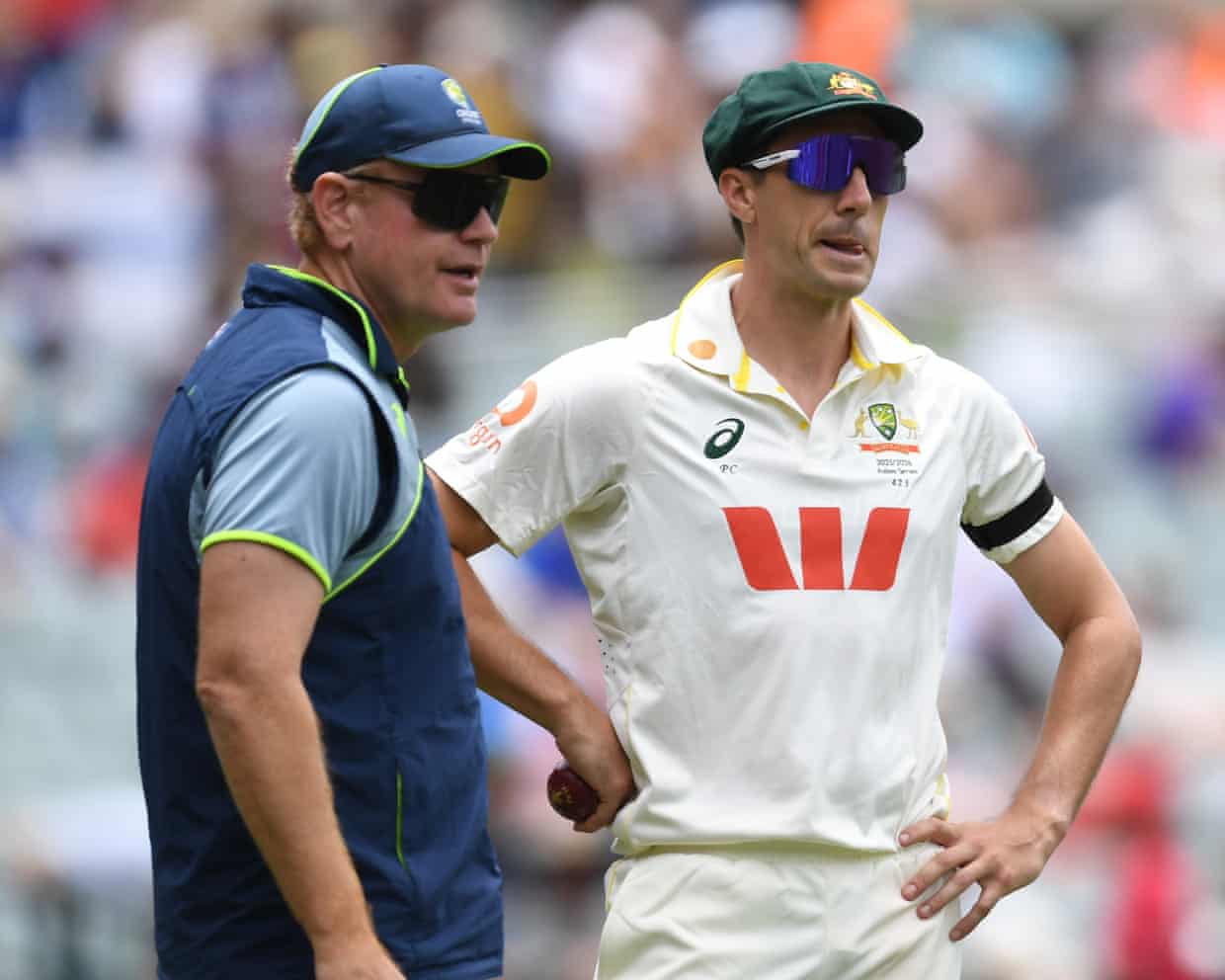
Pat Cummins out of rest of Ashes series as Australia make two changes for MCG Test
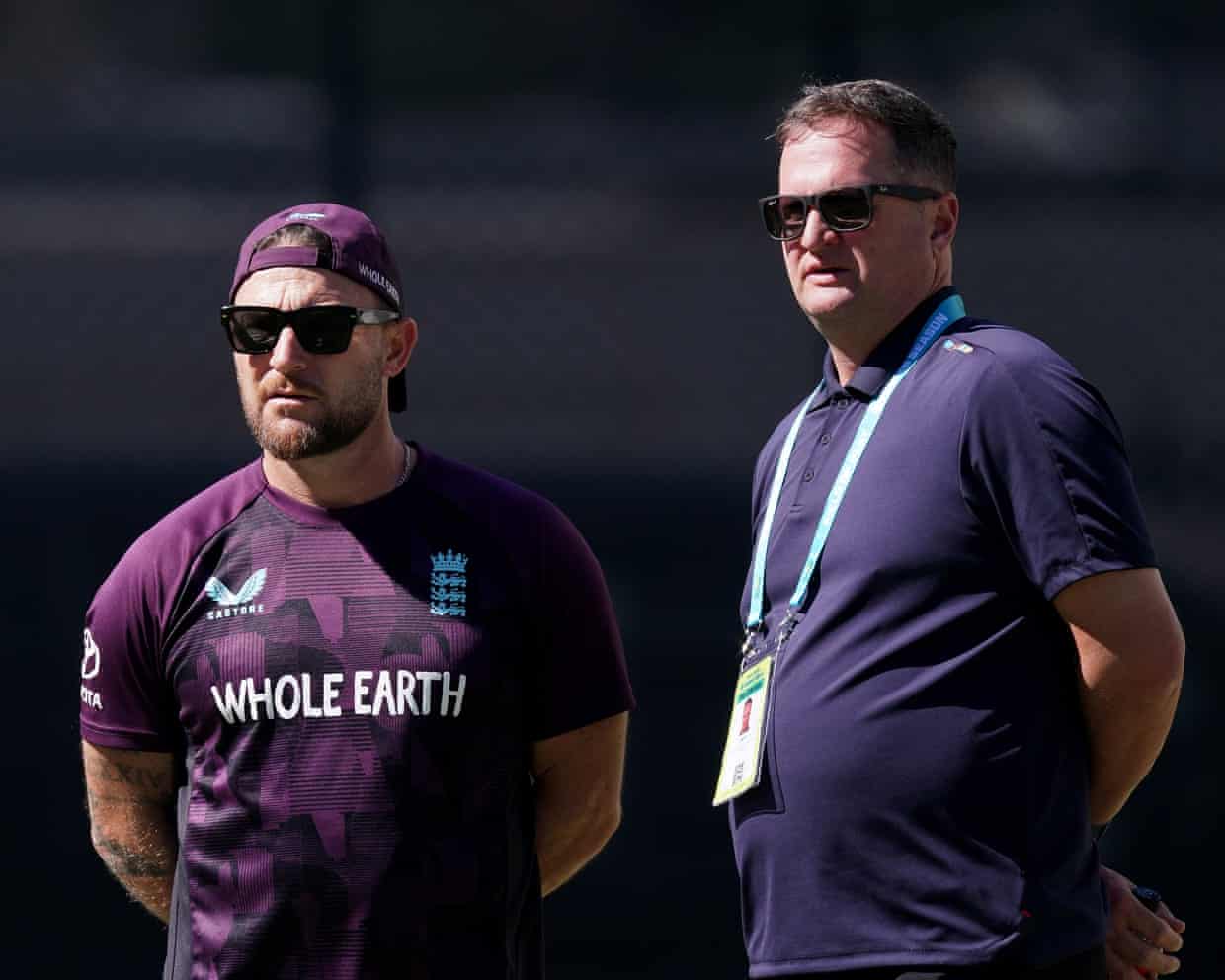
Rob Key to investigate England’s ‘stag do’ drinking habits on Noosa mid-Ashes break