‘I’ll talk to work on Monday’: what happens when a ‘paper candidate’ actually wins?
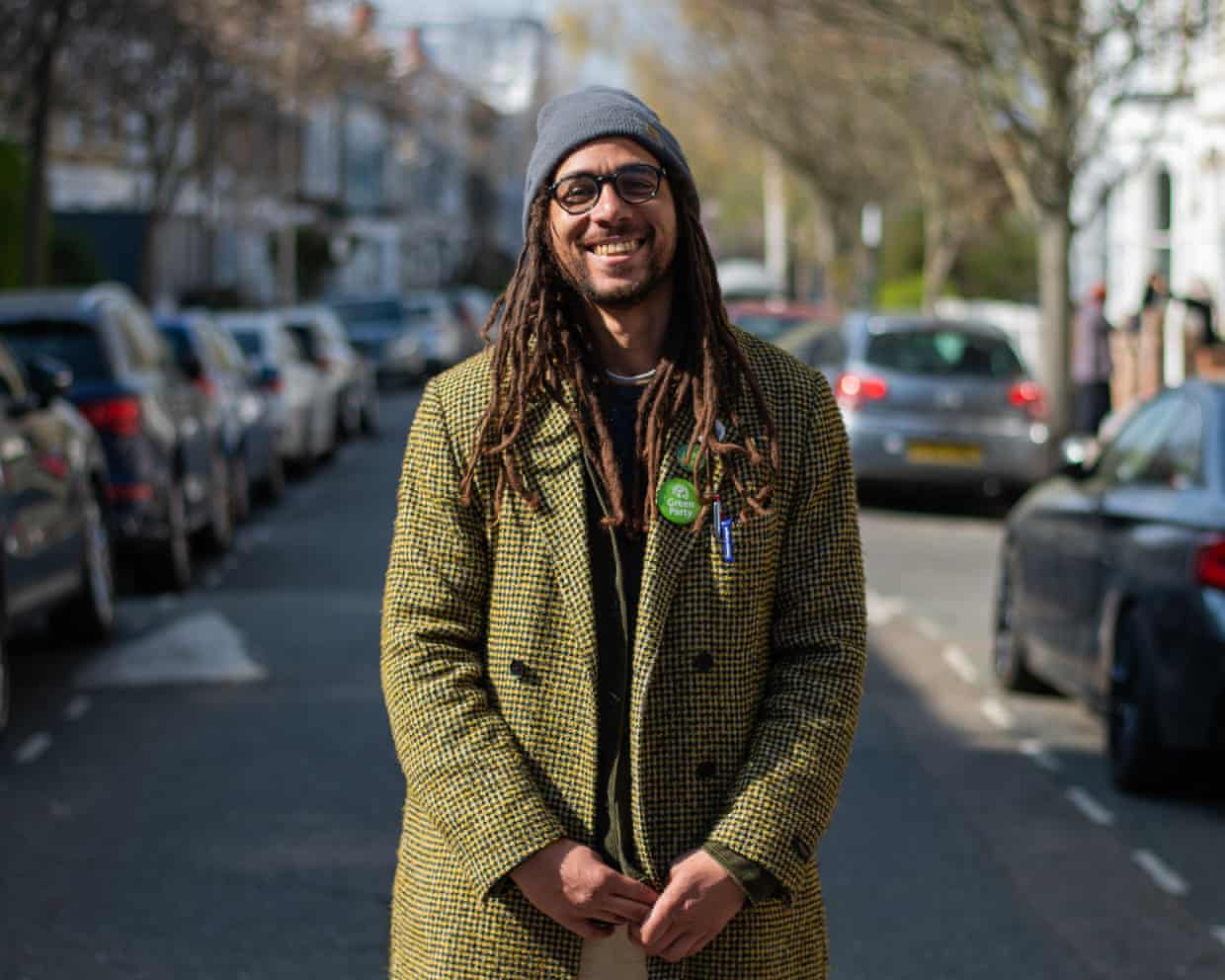
You would expect most political candidates who pull off a shock win to celebrate their victory, maybe with a glass of bubbly and excitement for the challenges of elected office ahead.But on Friday, as thousands of new councillors celebrated their triumphs, some surprise victors were less than pleased.Green party handlers apologised to one newly elected councillor in Finsbury Park, north London, put down as a “paper candidate”, who pulled off an unexpected win.“You’re going to be great, we’ll support you,” they said, according to the Islington Tribune.A paper candidate is someone who is fielded on the understanding that they are highly unlikely to win, to enable a party to appear on the ballot paper in as many places as possible.
Reform UK were so keen to enlist candidates across the country that the party cold called members of the public – including a Guardian journalist – asking them to run.But this year’s local elections, which saw Labour’s worst results on record, meant many new candidates were elected.In Camden, a byelection is already on the cards after a secondary-school teacher who was elected for the Greens immediately quit as councillor because he is not allowed to hold the post while also teaching in the borough.So, what is it like to pull off a surprise win? Tyrone Scott has been a member of the Green party for 12 years.Four years ago, he was tantalisingly close to power, losing his race to become a Hackney councillor by 27 votes.
“It was quite devastating at the time,” the 34-year-old said.Months later, he ran for deputy leader of the party but came second to Zack Polanski, who has since become leader.He retreated from politics to take a job at a charity.“It looked like it was difficult for me to run again, I had quite a lot of work commitments,” he said.He still wanted to run so as a compromise, opted for an area where there was “less likelihood we were going to win”.
He was selected in Hackney Wick, where the Labour party sailed to victory last time the seat was contested in 2022.Nonetheless, he called himself a “cardboard candidate” rather than a paper one, because the party thought victory was possible everywhere in the borough.Activists “did a very small amount of canvassing” in Hackney Wick compared with the rest of the borough where it had run year-long campaigns.The first indication that things might be better than expected was the large pile of votes for his ward at the verification on Thursday.“I had a little feeling but, even then, I didn’t really believe it,” Scott said.
Things crystallised at the count when the Greens pulled of win after win early on,“The first nine or 10 seats rolled through as all Green, including a couple of unexpected ones,” he said,In a seismic day for the Greens in London, the party won a majority on Hackney council, ousting Labour as the controlling party for the first time since 2002, winning 42 of the 57 seats up for grabs,Zoë Garbett became the borough’s first Green mayor, loosening Labour’s 24-year grip on the post,When the results of his ward were announced and all three councillors elected were Greens, Scott said it was a “mix of emotions”, including some “nervous excitement”.
“I thought there was a minor chance but not at all to have got three across the board,” he said.“It felt quite surreal and we were very elated.I think all of us are having a moment of, ‘Oh, wait, this is real now’.”Scott works as head of campaigns for an anti-poverty charity.He told his bosses about his intention to stand, who said he could “go for it” on the “understanding that I was less likely to get in”.
In the event he did win, his workplace said they could work around it.“I’m sure now they’re thinking: ‘Oh actually, it’s real’, and we’ll have a conversation when I get back to work on Monday,” he said.Scott hopes the Greens can rebuild “community cohesion” in Hackney and show that, especially in light of Reform UK’s gains across the country, “we can be a shining example of how to build hope rather than hate”.
Great Western Railway to be nationalised in December
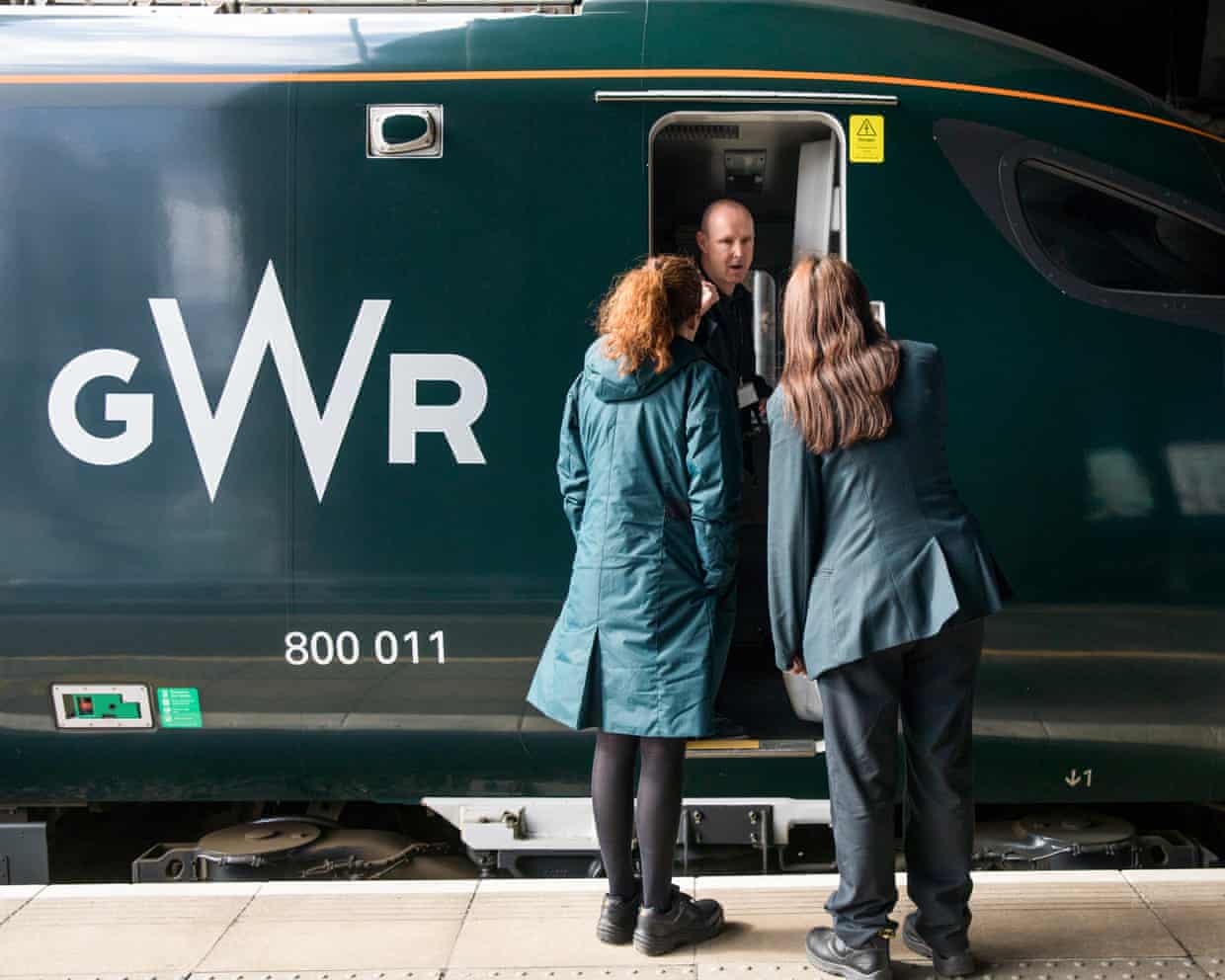
Great Western Railway will be nationalised in December, the government has announced.The train service, which has been in private hands for 30 years, mainly run by First Group, will be the 11th train operator on the national railway brought back into public ownership.When the Labour government was elected in 2024, legislation was immediately passed to renationalise all passenger trains when contractually allowed, a process that is expected to conclude by the end of 2027.The date for GWR train services to be nationalised has now been set for 13 December, the Department for Transport (DfT) said, when new timetables around the country are set to take effect.GWR has worked closely with the DfT in recent years in upgrading the mainline and introducing a new fleet of intercity trains
US added 115,000 jobs in April in surprise gain amid Iran war uncertainty
US employers added 115,000 jobs in April and the unemployment rate remained steady at 4.3%, a surprisingly robust gain to the labor market as the US-Israel war with Iran continued to drive up economic uncertainty.Economists projected about 55,000 new jobs and a 4.3% unemployment rate. A day earlier, the labor department announced 200,000 people filed for weekly unemployment benefits, a slight increase from the week before
Iran war costs Toyota £3bn as prices of materials soar and sales fall
Toyota has reported a £3bn hit from costs from the war in Iran, as prices of parts and materials soared and sales dropped.The world’s biggest carmaker said profits declined in its financial year to March as it was “likely unable to absorb newly added impact from the Middle East”, in one of the largest warnings yet of the war’s impact on businesses.The biggest hit for the Japanese manufacturer was a 400bn yen (£1.9bn) increase in materials costs linked to the war, while it lost another 270bn yen in lower sales. Toyota is the dominant automotive brand in the Middle East
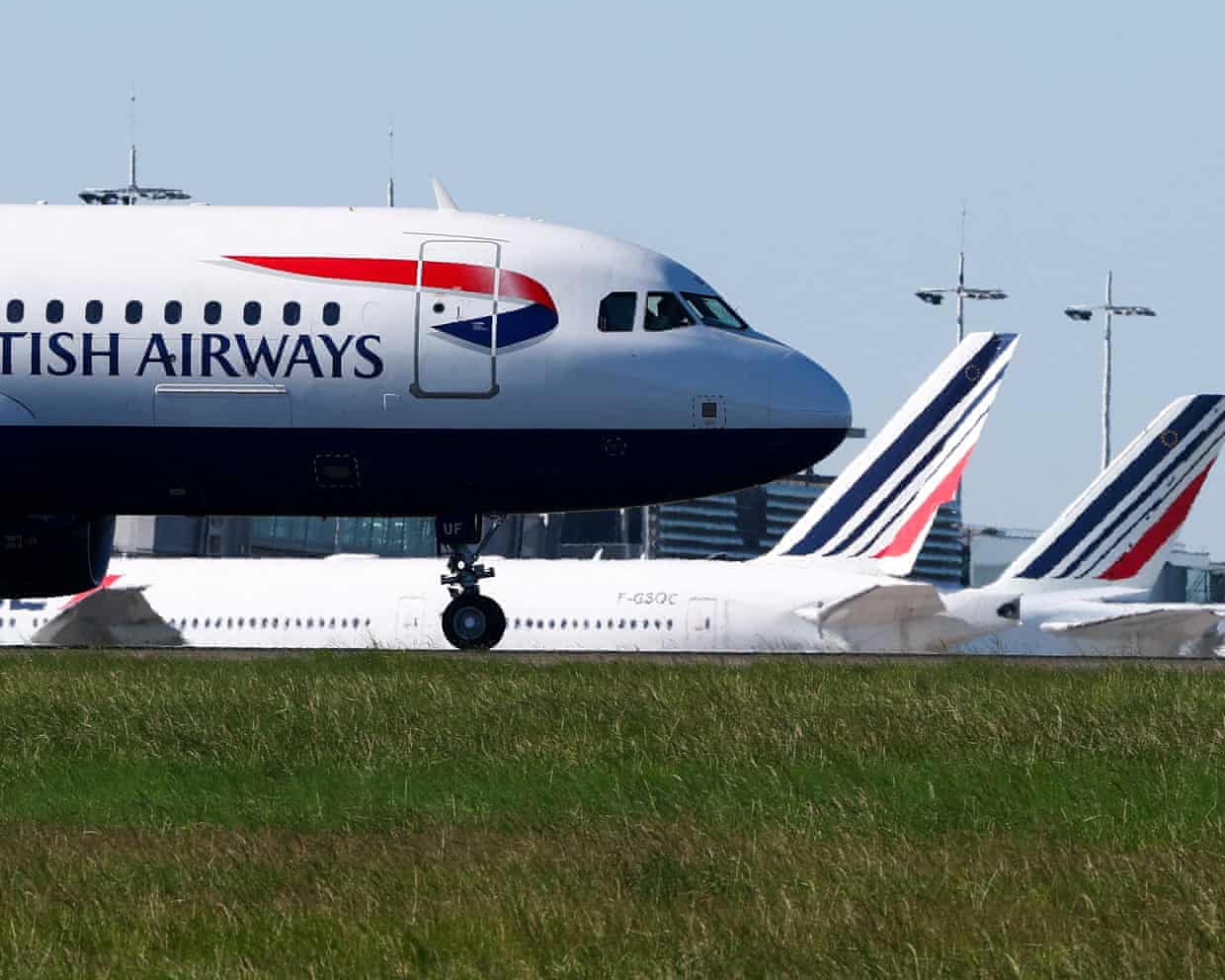
British Airways fares to rise in attempt to offset £1.7bn fuel cost hit
British Airways fares will rise to try to recoup most of a €2bn (£1.7bn) hit in fuel costs this year, its parent group has said, adding that the Iran war will dent profits.The International Airlines Group (IAG) said its annual fuel bill was now expected to be about €9bn, up from the forecast €7.1bn, as 70% of its supply was hedged, shielding it from the full impact of soaring jet fuel prices since the start of the conflict.It expects to recover about 60% of the €2bn additional fuel costs through “revenue and cost management actions”, with fare rises primarily loaded on BA rather than its sister airlines

GameStop CEO opens eBay storefront to pay for potential eBay acquisition
The CEO of GameStop, Ryan Cohen, said he was selling vintage video games, baseball cards, GameStop merchandise and a $14,000 pair of tube socks to help fund the company’s proposed $55.5bn acquisition of eBay.His platform of choice? eBay, of course.Cohen posted a link to his eBay storefront on Tuesday night, saying: “I’m selling stuff on eBay to pay for eBay.”Hours later, Cohen posted a screenshot with a notification that his account had been suspended

Gas-fired power still looks a safe bet for Centrica in the renewables era
The eye-catching non-Hormuz news in energy-land last month was that Great Britain is set for a record-breaking summer for wind and solar power generation. The national energy system operator even thought there could be periods – a sunny weekend or a bank holiday afternoon of low demand, for example – when more renewable power would be available than the electricity grid needed.So, on the face of it, it is an odd moment for Centrica, the owner of British Gas, to fork out £370m to buy a 16-year-old combined-cycle gas turbine plant in south Wales. After all, the government’s clean power plan imagines that, come 2030, Great Britain’s entire fleet of gas plants will be used to generate only 5% of its electricity, down from 31.5% in 2025
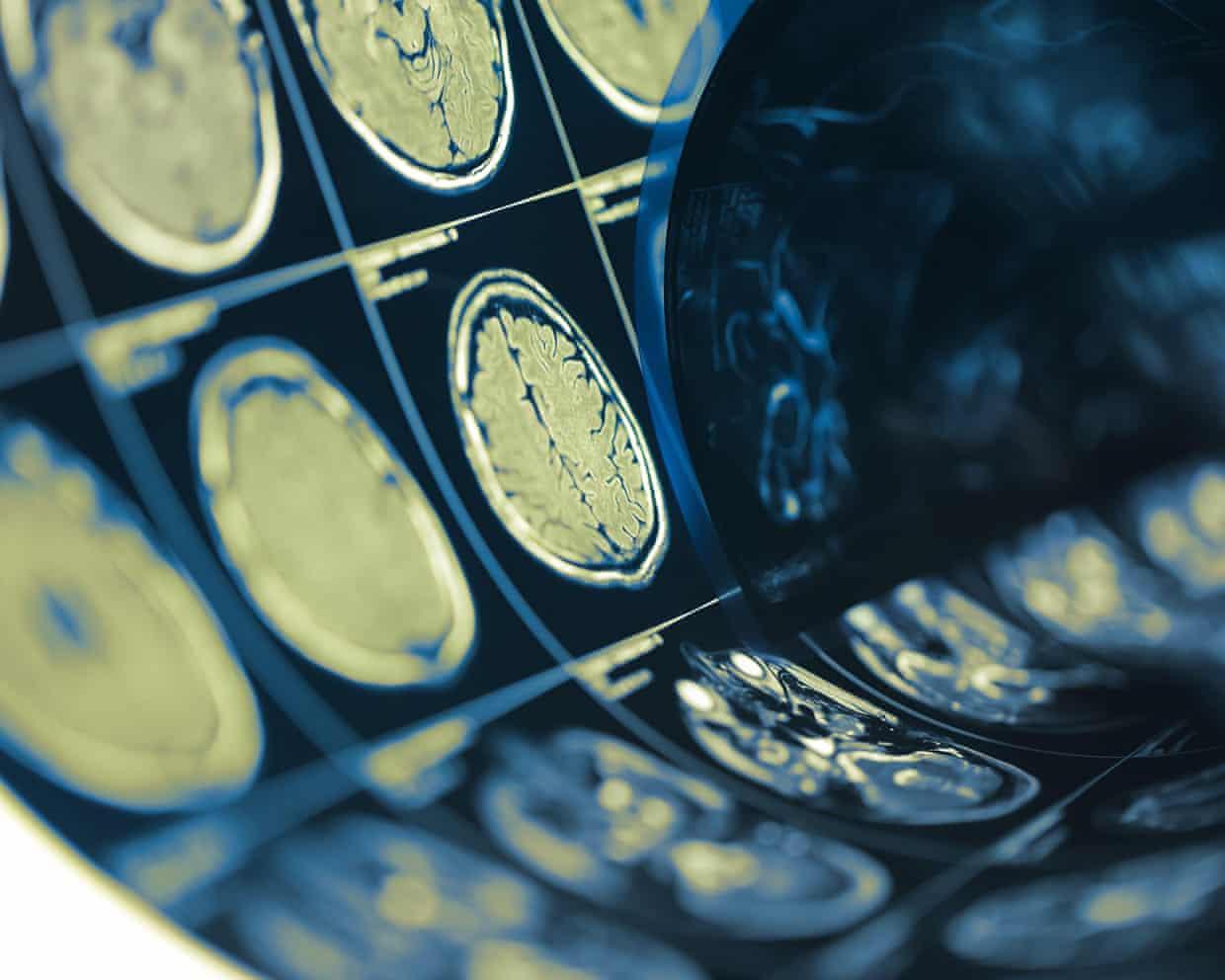
Lacunar strokes caused by widening of arteries in brain, study suggests
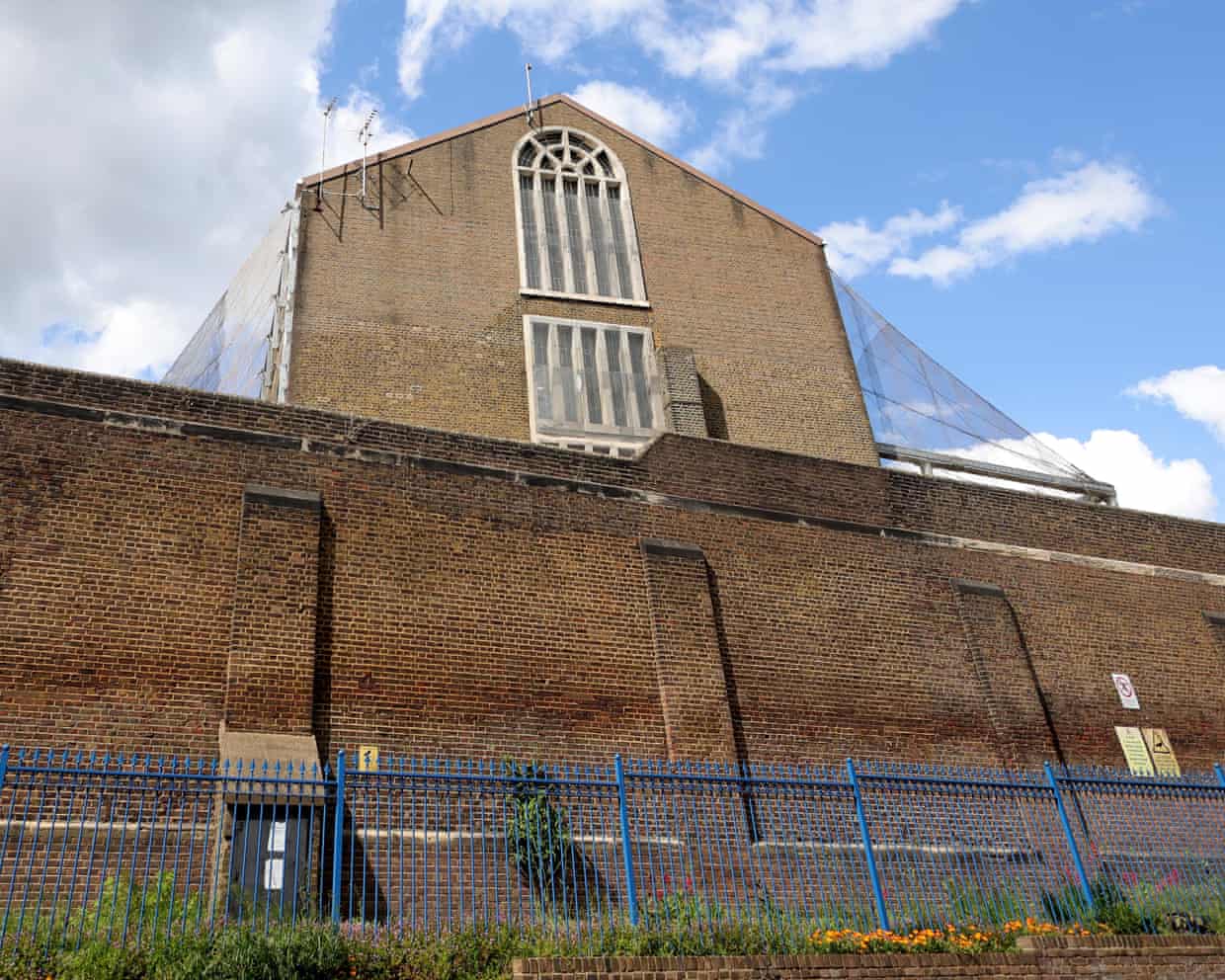
Attempts to stop prison drone drug deliveries hampered by crumbling Victorian walls
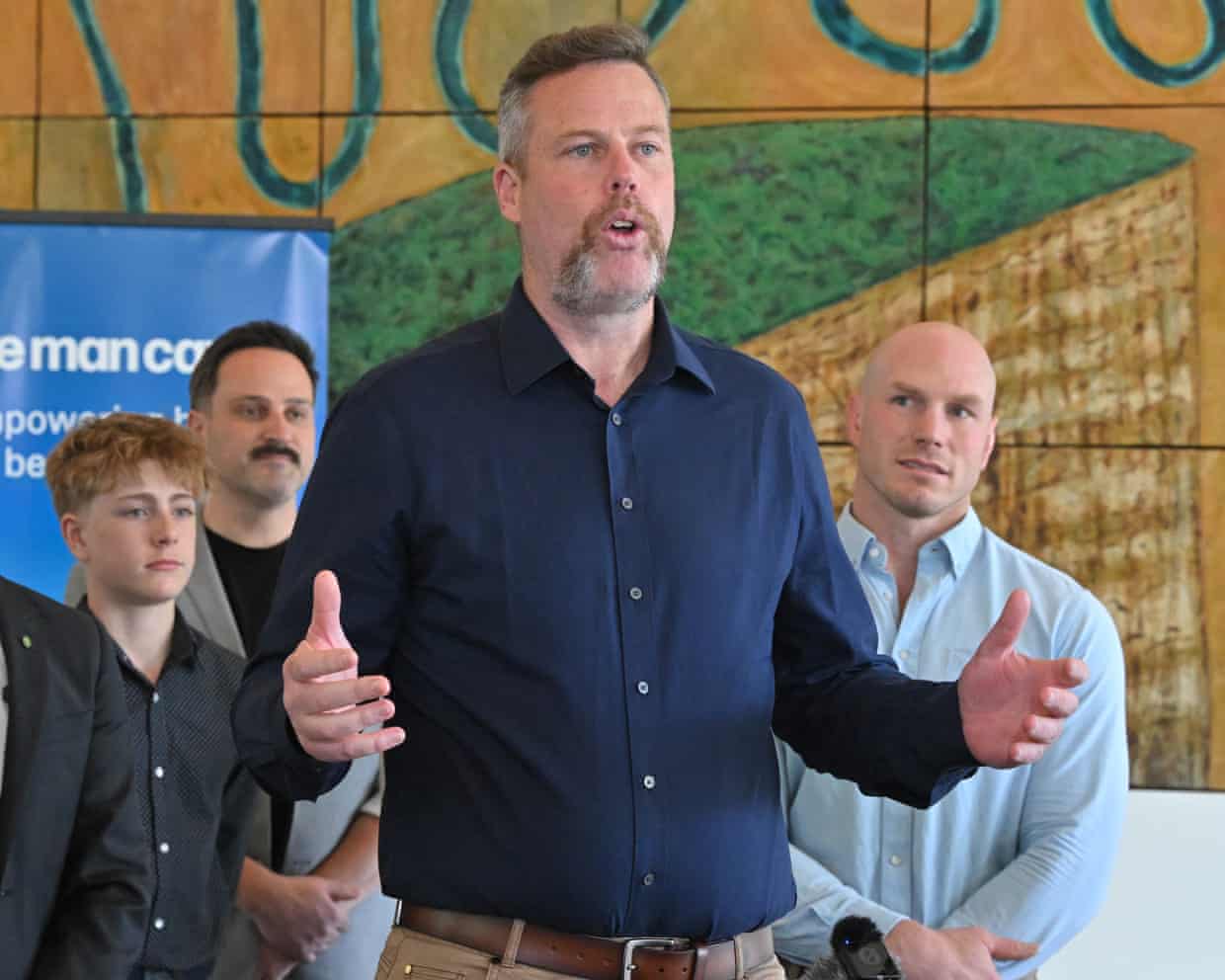
MPs v the manosphere: ministers battle misogyny as they take a different message to men and boys across Australia
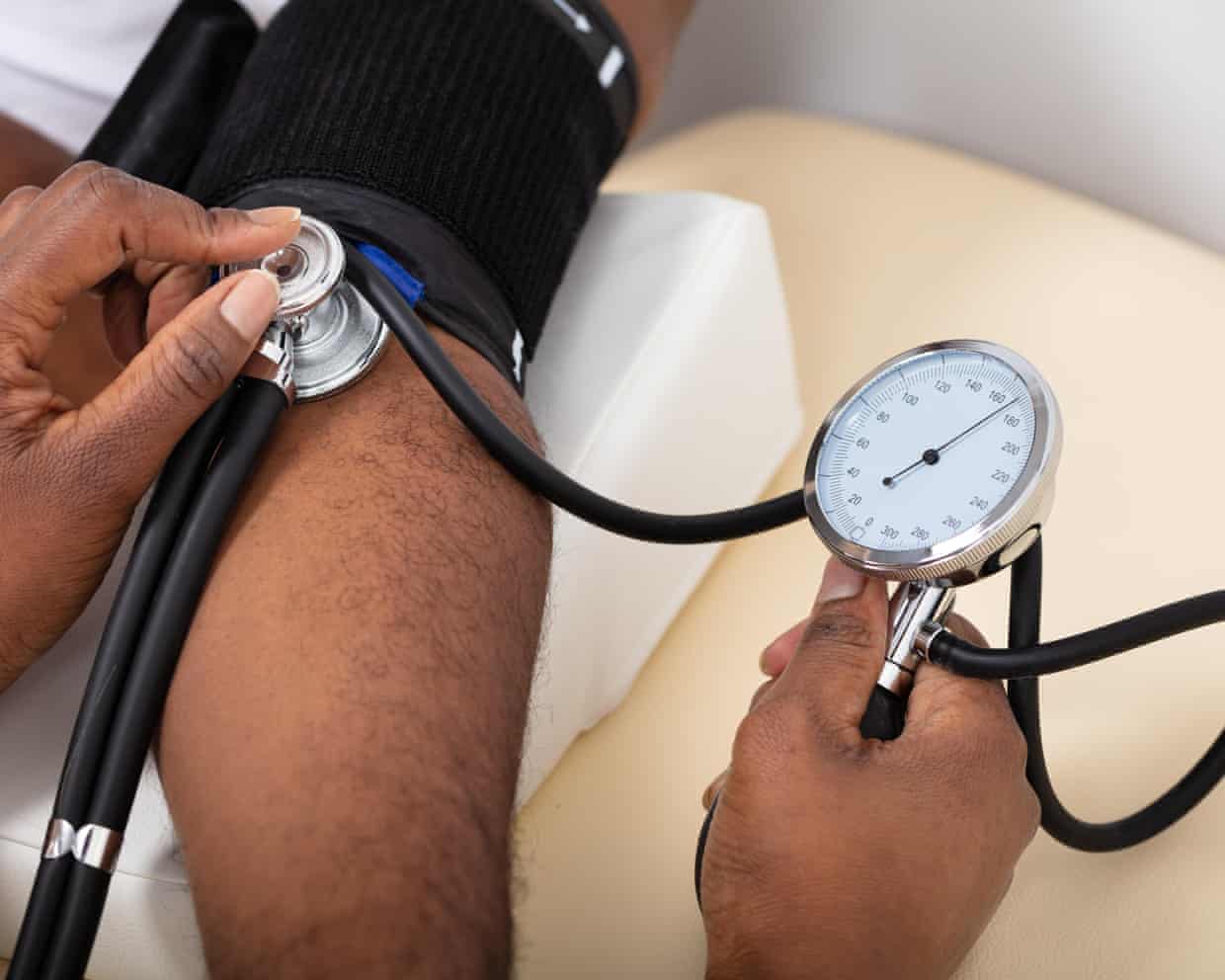
Black people in England twice as likely to suffer stroke as white counterparts
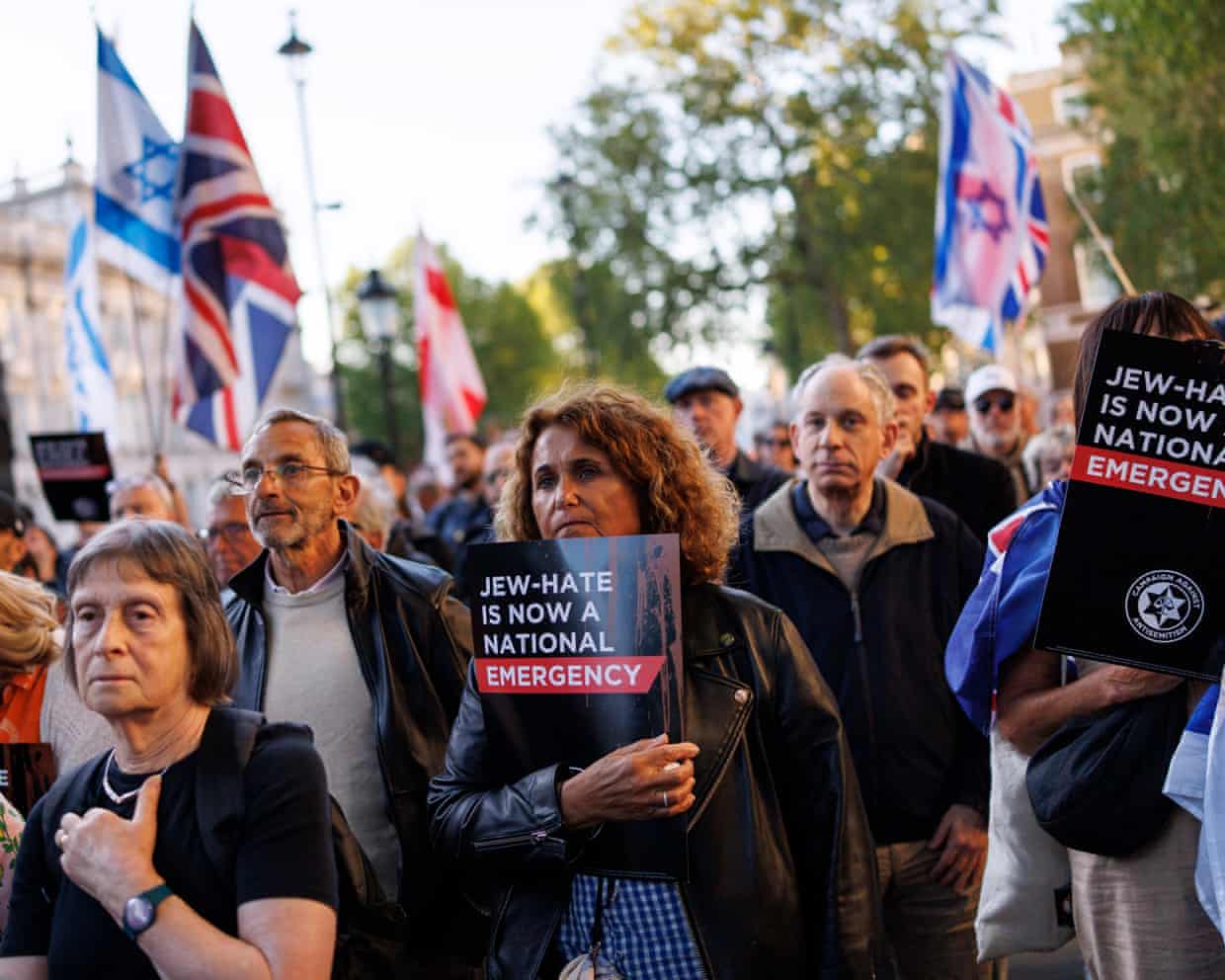
Prosecutors to ‘fast-track’ hate crime cases in England and Wales after spate of attacks

Rage workouts: the best way to exercise – or just infuriating?