Mandelson disclosures: What is a humble address and why are the Tories using one?
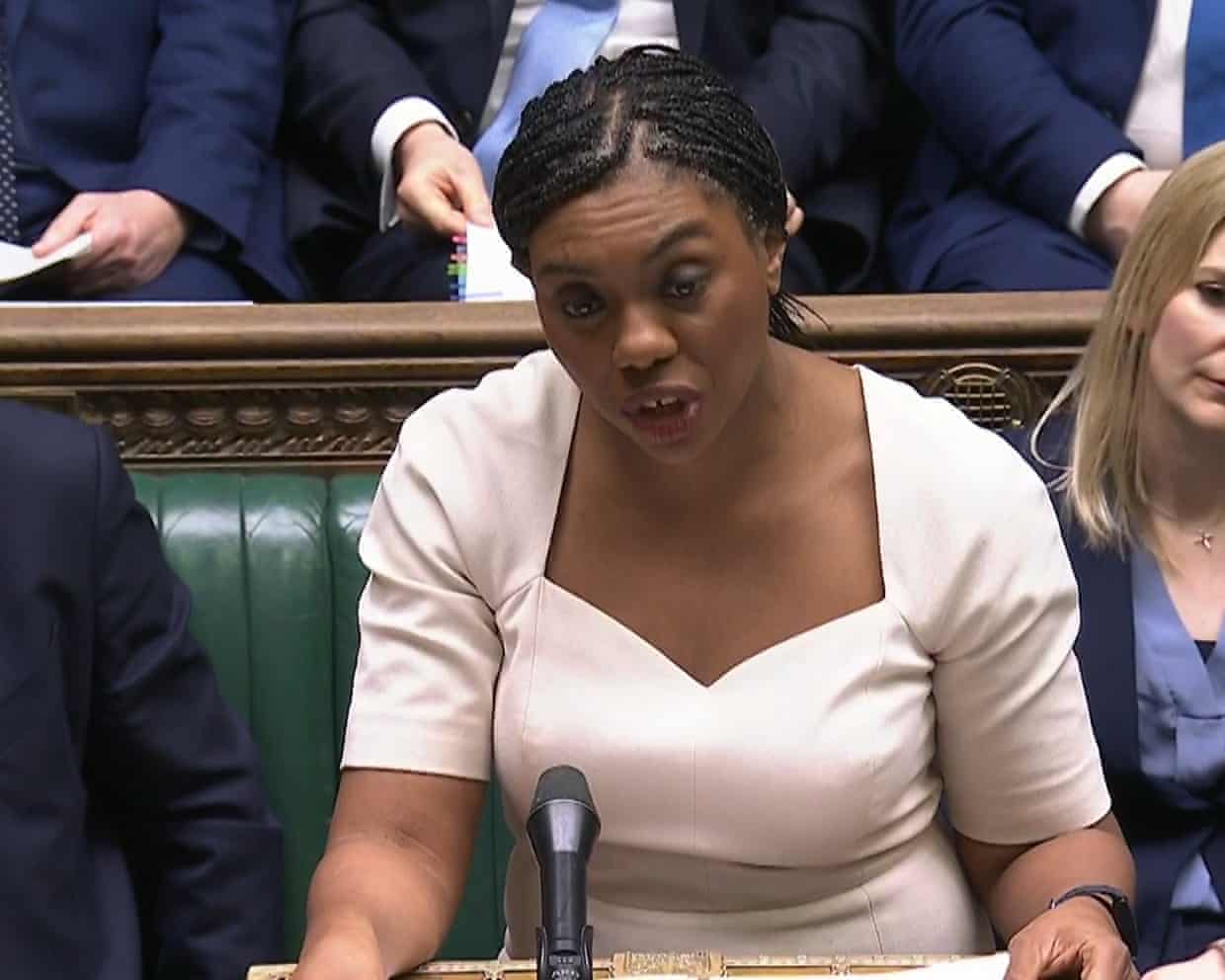
Kemi Badenoch is using an arcane parliamentary procedure known as a humble address to try to compel the government to release documents relating to the appointment of Peter Mandelson as Britain’s ambassador to the US.The Conservative leader’s aim is to secure the release of documents including the due diligence work carried out by the Cabinet Office, and emails between Mandelson and Morgan McSweeney, an ally of the former peer who is now chief of staff at No 10.It is a motion sometimes tabled by the opposition on a day in the House of Commons allocated for the discussion of subjects chosen by non-government parties.Officially a petition to the monarch, which can be used as a way of extracting something from the government, it is used for reasons including calling for papers from departments headed by a secretary of state.It can be debated, amended and voted on like any other motion.
In the case of the one put forward this week, the government has added an amendment stating that all documents would be published “except papers prejudicial to UK national security or international relations”.If agreed, humble addresses are understood to be binding on the house.Humble addresses have rarely been used over the past 200 years, but were deployed as far back as 1715, during the first parliament of George I, to address what its proponents viewed as national security fears “abetted and encouraged by treasonable practices at home, in favour of a Popish Pretender”.John Stuart Mill, a liberal philosopher and MP, used a humble address in 1866 as part of the campaign to extend votes to women.While originally regarded as a polite, ceremonial message, one view is that they have been politically weaponised in recent years by opposition parties looking for procedural back doors to force the release of sensitive documents.
A key moment came in 2017 when the Tory-led government conceded that it had to share dozens of previously confidential documents assessing the economic impact of Brexit after Labour used a humble address demanding their release,Its use resulted in criticism that Labour was trying to drag the queen into the Brexit debate, but humble addresses were used again on occasions in 2018 and 2019, again for Brexit-related reasons,In opposition, Keir Starmer used one in 2022 to force the publication of security advice relating to Evgeny Lebedev’s peerage, humiliating the government by attracting the support of Tory rebels,Starmer, who was Labour’s shadow Brexit secretary when he tabled a humble address in November 2017 seeking the release of economic impact assessments, told the House of Commons debate at the time: “We believe this is a binding motion,”The former Tory MP Jacob Rees-Mogg noted that Erskine May – the guide to parliamentary practice – does not use the word “binding” but states that each House of Commons member has the power to call for the production of papers by means of a motion for a return.
“Power is something pretty forceful, and is much more than just an expression of will,” he added.The then speaker, John Bercow, concluded: “Motions of this kind have traditionally been regarded as binding or effective.Consistent with that established pattern, I would expect the vice-chamberlain of the household to present the humble address in the usual way.”The passing of a motion for a return also raises the prospect of the government being held in contempt of parliament if it does not abide by the resolution.A November 2017 blog post by Andrew Defty of the University of Lincoln noted Labour’s repeated use of the procedure, and how the government at the time sought to place pressure on Labour’s tactic by writing to the privileges committee to ask it to consider whether it was appropriate.
Now in opposition, it is the Tories themselves who are turning to the procedure.
PM says he knew when giving Mandelson US job he had kept ties with Epstein after conviction
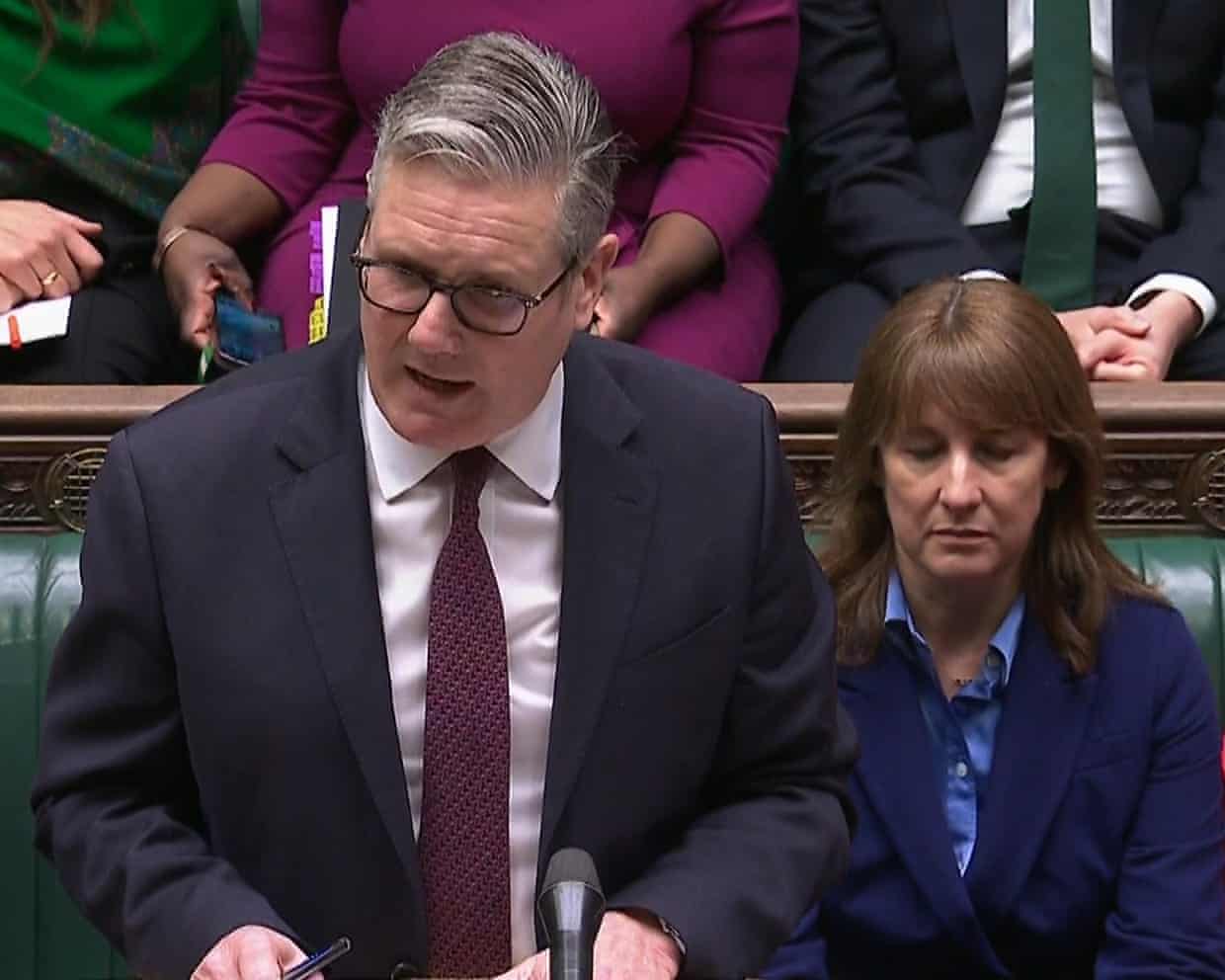
Keir Starmer has confirmed for the first time he knew about Peter Mandelson’s longer-term relationship with Jeffrey Epstein before appointing him US ambassador, saying the former peer had “lied repeatedly” about the extent of his contact with the child sex offender.Questioned repeatedly at prime minister’s questions, Starmer said Mandelson had “betrayed our country” in his dealings with Epstein.“He lied repeatedly to my team, when asked about his relationship with Epstein before and during his tenure as ambassador,” the prime minister said. “I regret appointing him. If I knew then what I know now, he would never been anywhere near government

Starmer orders release of files relating to Mandelson US ambassador decision
Keir Starmer will attempt to get ahead of the widening scandal over Peter Mandelson’s conduct with the expected release of files relating to his appointment as Britain’s US ambassador, in what a minister has described as “drawing a line in the sand”.The Conservatives had been preparing to force the publication of the records – including what Mandelson may have told Starmer about his relationship with the convicted child sex offender Jeffrey Epstein before being appointed to Washington – with a motion in the Commons.Rather than face a difficult vote amid anger among his own MPs, the prime minister has ordered the publication of those records – emails, documents and messages – apart from those deemed prejudicial to national security or that could damage diplomatic relations.It is understood the government’s intention is to be transparent while avoiding a situation where all the communications get published.A government amendment to the Conservatives’ motion that would compel the release of the documents is expected to pass
A whiff of familiarity in Mandelson’s 2009 collusion with the banks
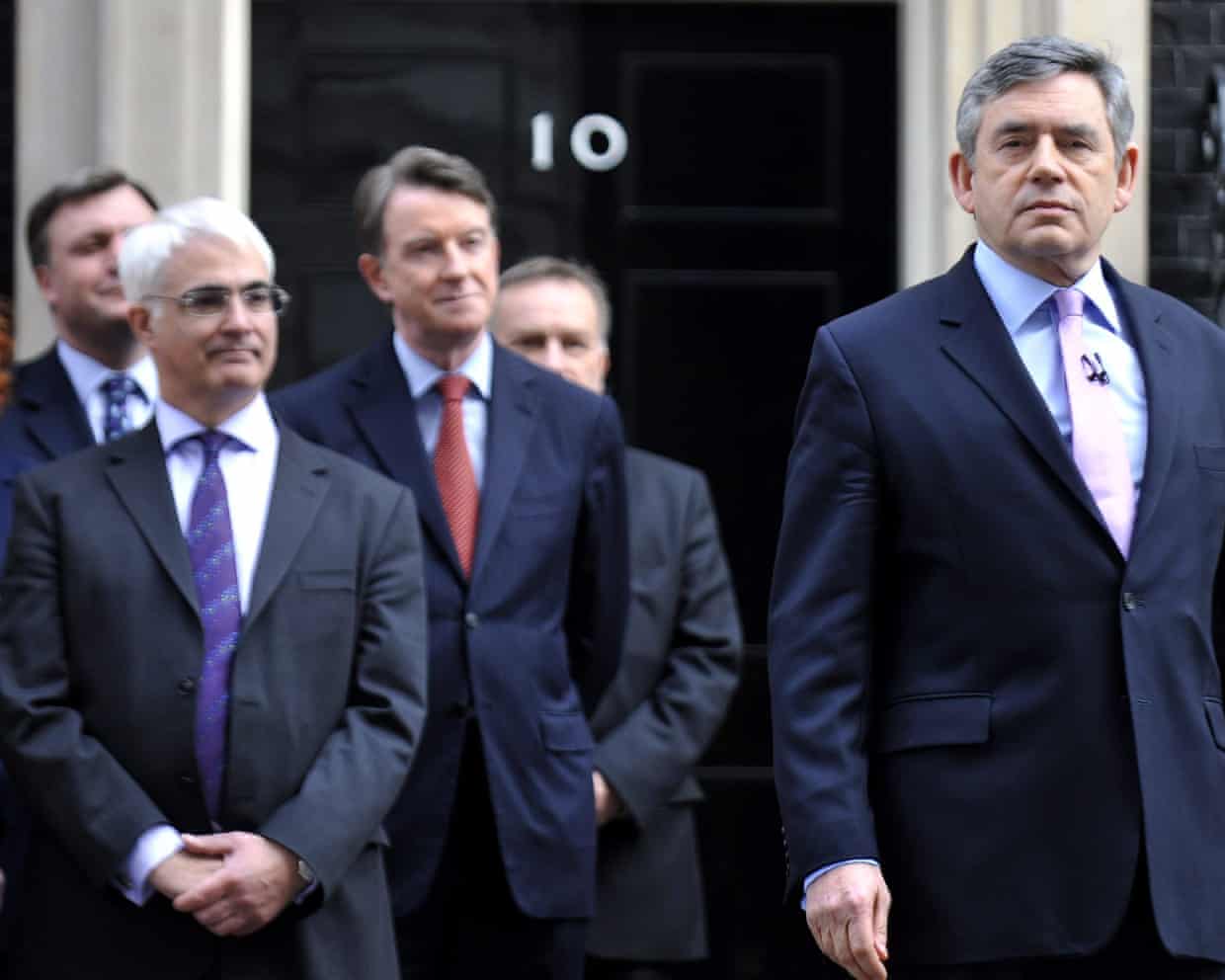
Today’s advocates of a windfall tax on the UK’s highly profitable banking sector detected a whiff of familiarity in Peter Mandelson’s suggestion, back in 2009, that JP Morgan should “mildly threaten” the chancellor.Feeding a Wall Street financier market sensitive titbits was an extraordinary breach of trust – perhaps even illegal, it seems – but for Labour veterans of the financial crisis, Mandelson’s collusion with the banks against his own colleagues was the worst betrayal.The then business secretary told Jeffrey Epstein by email that he was “trying hard” to change government policy on a bankers’ bonus tax; and appeared to recommend a fresh round of lobbying, suggesting the JP Morgan boss Jamie Dimon press the then chancellor, Alistair Darling.The economic backdrop today is dramatically different from the depths of the banking crisis. But the clash between progressive policies and the powerful financial sector laid bare in the Epstein emails is still evident – and as in the case of Dimon, even some of the characters are the same
Tories seek disclosure of vetting process for Mandelson’s ambassador role
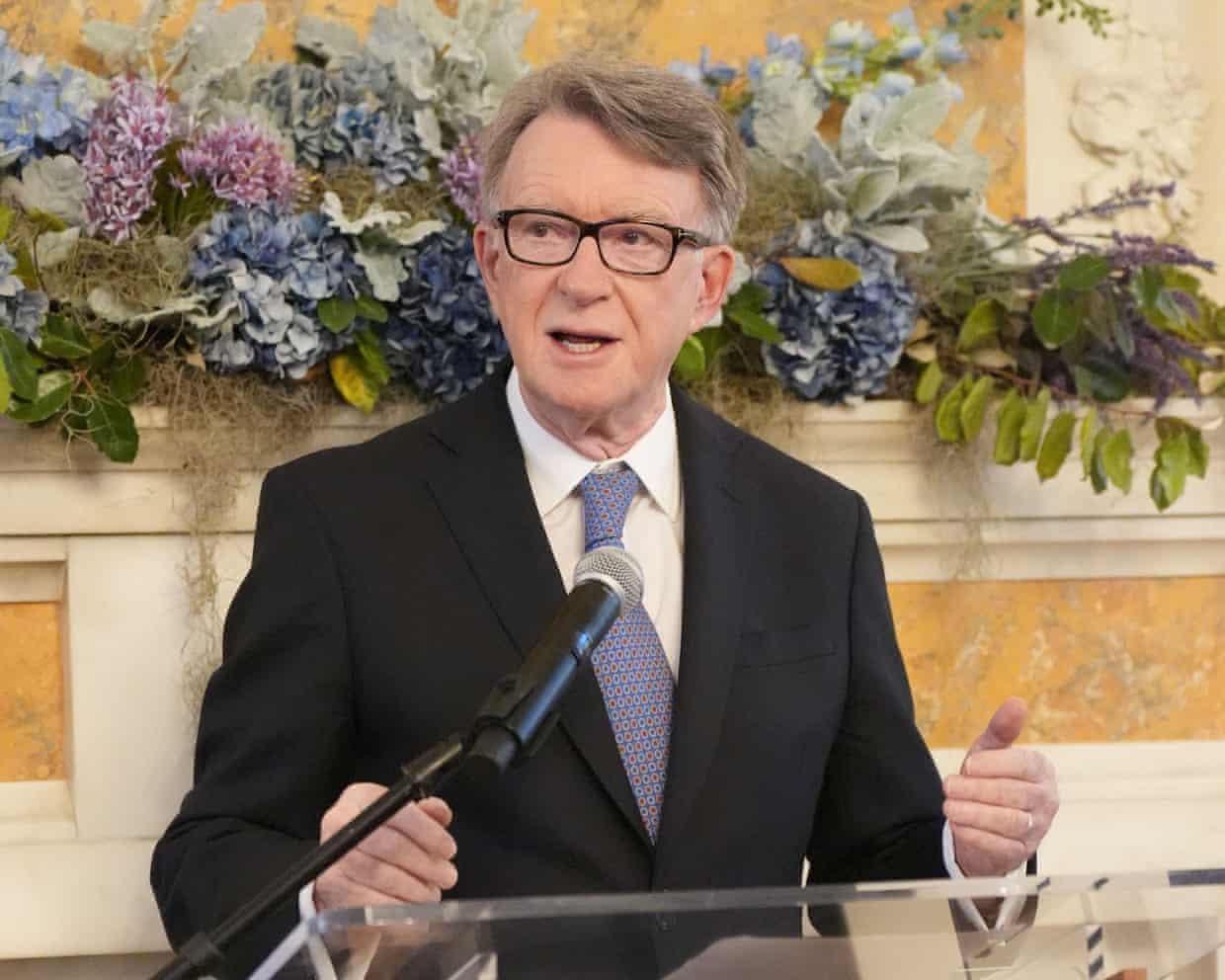
Keir Starmer could be forced to disclose confidential vetting documents from Peter Mandelson’s appointment as US ambassador, with the Tories set to trigger a rare Commons vote to compel their release.Labour MPs have indicated they are not prepared to oppose the Conservative motion – known as a humble address – that would disclose the details of the vetting process and what if anything was known about Mandelson’s links to the disgraced financier Jeffrey Epstein.Kemi Badenoch plans to use the arcane parliamentary procedure on Wednesday to force the release of files relating to the appointment of Mandelson as the UK’s ambassador to the US.In a dramatic move that will put pressure on Starmer’s chief of staff Morgan McSweeney, Badenoch said she would use the procedure to uncover “why the proper vetting never happened”.Badenoch is expected to say that Labour MPs have a choice to “support our efforts to reveal the truth about how and why Peter Mandelson was appointed ambassador to Washington despite his known links to the paedophile Jeffrey Epstein” or to help Starmer and McSweeney “dodge scrutiny over this sordid affair”

Met police launch investigation into alleged Mandelson-Epstein email leaks – as it happened
A criminal investigation has been launched into allegations Peter Mandelson passed market-sensitive information to the paedophile financier Jeffrey Epstein, police said on Tuesday evening.Commander Ella Marriott, from the Metropolitan Police, said: “Following the further release of millions of court documents in relation to Jeffrey Epstein by the United States Department of Justice, the Met received a number of reports into alleged misconduct in public office including a referral from the UK Government.“I can confirm that the Metropolitan Police has now launched an investigation into a 72-year-old man, a former Government Minister, for misconduct in public office offences.“The Met will continue to assess all relevant information brought to our attention as part of this investigation and won’t be commenting any further at this time.”Mandelson has previously said: “I was wrong to believe Epstein following his conviction [in 2008 for procuring a child for prostitution and of soliciting a prostitute] and to continue my association with him afterwards
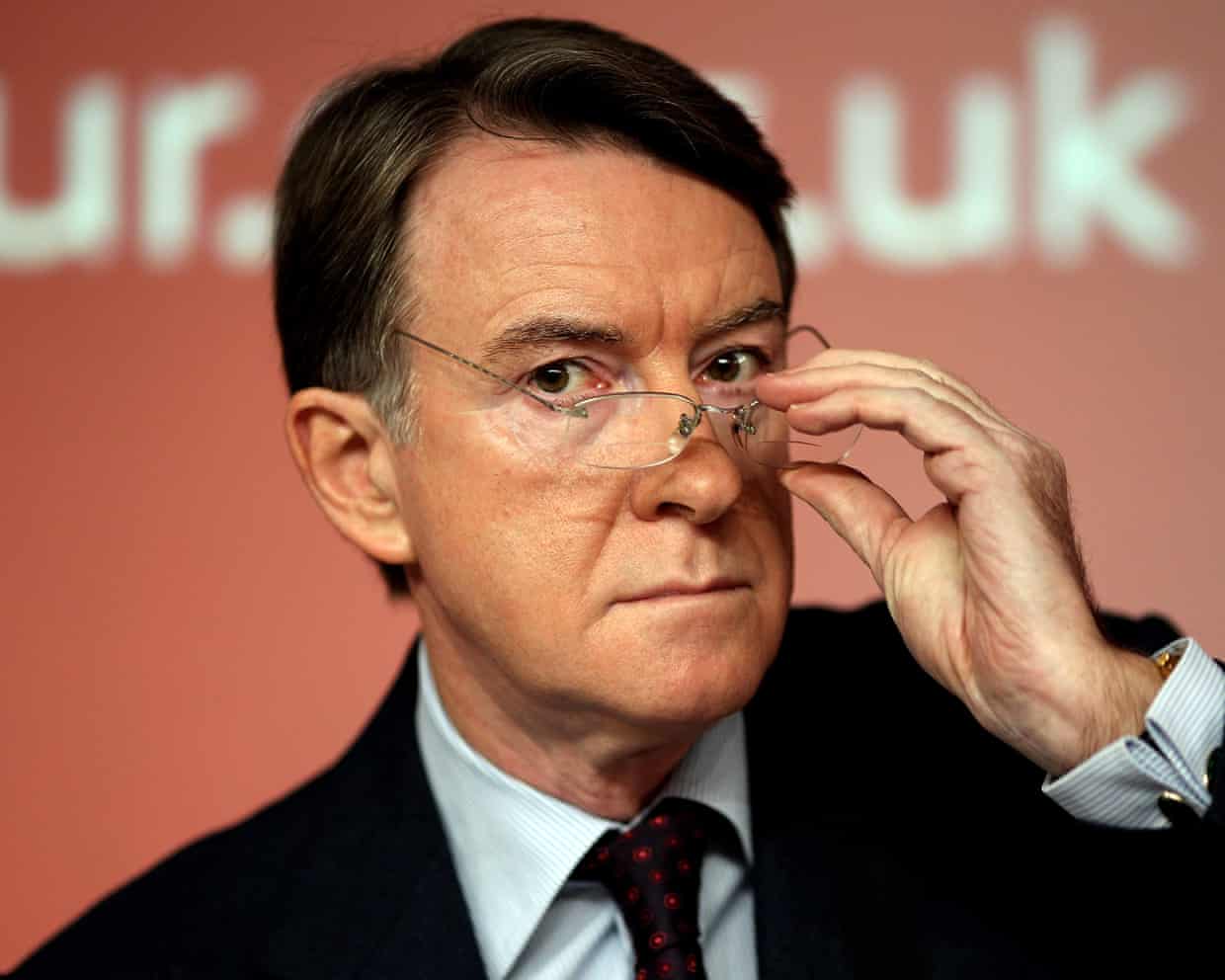
What does the criminal investigation mean for Peter Mandelson?
The Met police have launched a criminal investigation into Peter Mandelson after fresh disclosures from the Jeffrey Epstein files. Which laws could he potentially be accused of breaking and on what basis?The Met has said it received a number of reports relating to possible misconduct in public office. The Scottish National party and Reform UK reported Mandelson to the police to investigate any possible offences. Emily Thornberry, the Labour chair of the foreign affairs select committee, also said she believed his apparent actions should merit a criminal inquiry.The Met confirmed on Tuesday night that it had “launched an investigation into a 72-year-old man, a former government minister, for misconduct in public office offences”

Software sell-off over AI fears hits global stock markets, but FTSE 100 hits record on £8bn insurance takeover – business live

Chinese carmaker Chery to launch fourth brand in UK

Condemnation of Elon Musk’s AI chatbot reached ‘tipping point’ after French raid, Australia’s eSafety chief says

Pinterest sacks two engineers for creating software to identify fired workers

New York City’s real animal welfare crisis isn’t the Westminster Dog Show | Lauren Caulk

Team GB’s best chance of Winter Olympics gold dealt major blow after helmets ban