How Reform is exposing the reality of Scotland’s views on immigration and identity
It’s Monday evening in Aberdeen, and George Preston is wearing his union flag suit to the Reform UK rally,He joined the party in 2024 as it gained ground in the north-east of Scotland with its first councillor defections from the Scottish Conservatives,Now Preston is out leafleting for the party that polls suggest is vying with Scottish Labour to become the official opposition to the Scottish National party in the Holyrood elections on 7 May,“Very, very few have said: ‘Have this back,’” he says,“Far more are supportive.
I think Reform have found a following that was already here.”His last point covers local politics and the national mood.The north-east of Scotland is a traditional Tory/SNP battleground, where support for Brexit was higher than anywhere else in the country and voter preoccupations align over fishing, farming, and oil and gas.The collapse in Scottish Conservative support has left a significant gap that Reform has rapidly filled.But Reform is expected to make gains beyond Tory strongholds here and in the south of Scotland, with support swelling in the post-industrial villages and towns of the central belt and in pockets around Glasgow.
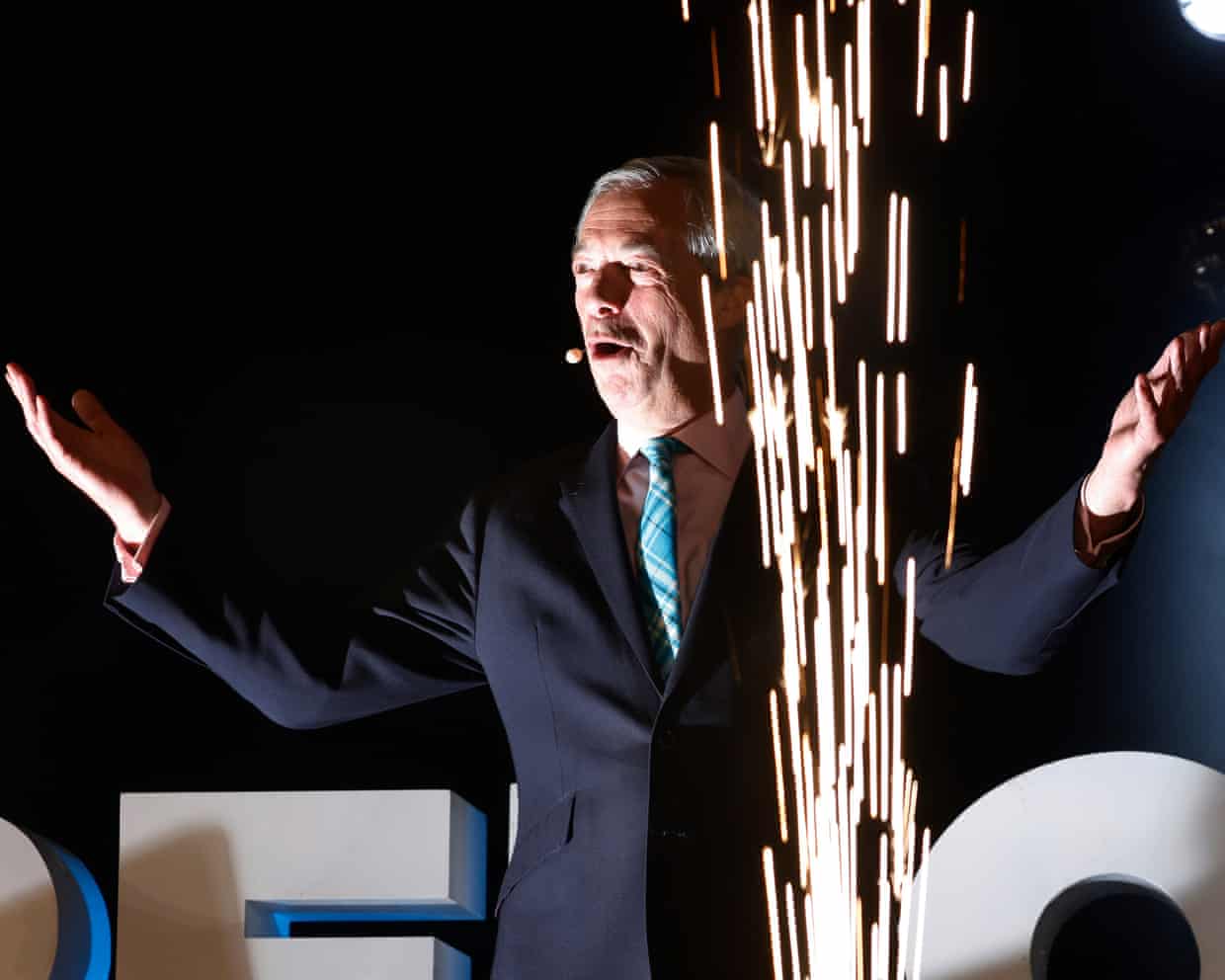
For observers elsewhere in the UK used to regarding Scotland as a progressive outlier – and for those Scots who believe their values are intrinsically to the left of England – it is a stark moment.At the rally, Reform’s Scottish leader, the millionaire financier Malcolm Offord, told the audience about families in Glasgow “pushed to the back of the [housing] queue” by asylum seekers, and claimed a central belt GP had reported that HIV-positive migrants were receiving treatments costing £11,000 a year.“It’s not racism to say that is not fair,” he said.A number of his candidates, however, have faced allegations of blatant racism.One withdrew after social media posts surfaced describing the former first minister Humza Yousaf as an “Islamist moron”; another is still standing in Dumfries despite her stated support for Tommy Robinson and the deportation of Muslims.
Earlier that day, anti-racism activists across Aberdeenshire were sharing details of antisemitic and racist literature discovered in a city centre park.It is not the first time material using the N-word or promoting neo-Nazi ideology has been distributed in the area, which has also seen repeated anti-immigration demonstrations outside asylum hotels.Omowunmi Ola-Edagbami, a Nigerian woman who came to live in Aberdeen as a student in 2022, first came across racist material at a bus stop two years ago, which she swiftly removed.She has seen the recent material shared on social media.“It horrified me,” she says.
“I have two children and I imagined how they would feel seeing them and if they’d feel safe walking around the city.”On Saturday hundreds attended a unity march through Aberdeen to, in the words of the organisers, “make a public case for a different kind of city: one that welcomes refugees and rejects hate”.It’s one of many similar events being held before the elections, led by Scotland’s active anti-racism movement.Ola-Edagbami says she has found Scotland to be a welcoming place – “I have very beautiful friendships with Scottish people” – but the reality of the immigrant experience is complex.“Welcoming is not the same as fully understanding or including, and that’s the gap where many immigrant stories live,” she says.
And Ola-Edagbami, who set up Black Scottish Stories, a platform that shares the stories of black people who have moved to Scotland, says there has been a shift in recent years.“In both my personal experience and the stories I’ve documented there is a sense that racism is more visible.But it’s not as simple as whether Scotland is welcoming or not, or if racism is worse or not; the difference is in its visibility and that some people feel more confident in saying these things out loud,” she says.This change in public sentiment is evident across the country.Polling indicates Scottish voters have become increasingly concerned about immigration.
Reform has capitalised on tensions around asylum housing, particularly in Glasgow, and Nigel Farage was condemned by other Scottish political leaders last December when he used a contested statistic that one in three Glasgow schoolchildren do not speak English as a first language, which he claimed amounted to the “cultural smashing” of the city.Glasgow city council pointed out at the time that 27.8% of pupils were bilingual learners who have an English Language Level, a data score that allows teachers to track their fluency.The vast majority range from good conversational fluency to a very advanced level of English.Far-right organisers have been identified at protests outside asylum hotels, which have been met with vociferous counter-demonstrations.
And, in a direct parallel with the Operation Raise the Colours movement in England, last summer the Scottish saltire was appropriated for anti-immigration activism.It shocked politicians, particularly Scottish nationalists, for whom the saltire is associated with pro-independence marches.When Scotland avoided the wave of anti-immigration rioting that followed the Southport killings in 2024, Scottish people of colour warned against complacency.“The troubling thing about that was aggressive rallies outside asylum hotels had already happened in Scotland before that incident in Southport,” the equalities campaigner Talat Yaqoob recalls.“There was some shock among political parties and civic society at the growth of Reform, but grassroots activists, like in Women Against the Far Right Scotland, would have been able to tell you there is an increasing level of division and bigotry being spread within our communities.
”Yaqoob identifies “long-term narrative-building about the country welcoming refugees and diversity being our strength”.She traces it back to the constitutional debate “where the pitch for independence was very much that Scotland is better than the rest of the UK and has an opportunity to be better on equality issues”.“But what has been clear for a number of years is that, really, that narrative is superficial,” she says.“Scotland is not immune from the systemic and historic realities that play out across the UK and the world.”And this hinders honest conversations about prejudice of all kinds.
“There is the illusion that Scotland is a much more progressive nation than we are in reality and that has consequences,” she adds.“Communities need to talk in realistic terms about their experiences without feeling like they are doing the nation wrong by simply being honest about what needs to change.”In truth, Scots’ attitudes aren’t markedly different from those elsewhere in the UK, says Ailsa Henderson, a professor of political science at the University of Edinburgh and a principal investigator for the Economic and Social Research Council-funded Scottish Election Study.“If we map baseline attitudes to a range of core issues, like the EU or left-right attitudes, this reveals very little difference between Scotland, England and Wales,” she says.However, she adds, that is only half the picture: “Although we don’t have consistent evidence that our values are different, my word, do we believe that our values are different.
We also believe that they are to the left of the rest of the UK, even though they are not,”And this informs how voters read different positions across the political spectrum: “Anything on the right, aligned with Conservative party politics or with Westminster, is often portrayed as anti-Scottish or not understanding Scotland, and so you see a clear link between people’s left-right positioning and the national identities that they have,”This matters because it means there is scope for a party like Reform UK, which is not seen as aligned to those negatives, to capture right-of-centre votes in Scotland,“There is a sizeable portion of the Scottish electorate that is on the right and the centre-right, who have different attitudes to immigration, tax, Brexit,There was always scope for that to be captured by a party that was not tarnished, with the image of Thatcher in particular, and that had not campaigned against independence in 2014.
”
Bank bosses called to meeting with Reeves over impact of Iran war on UK economy
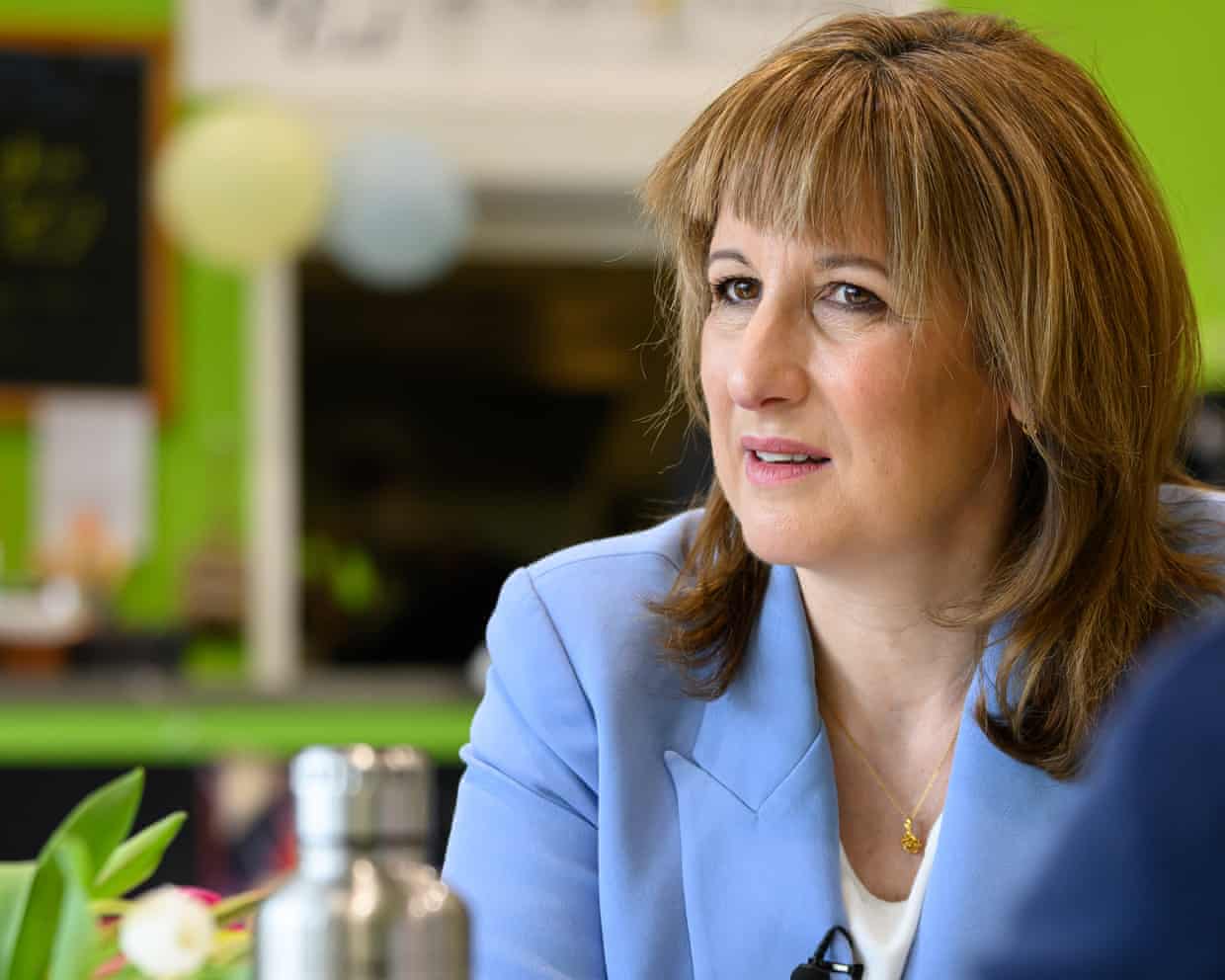
The bosses of Britain’s “big five” retail banks have been summoned to a meeting with the chancellor, Rachel Reeves, this week to discuss how to limit the economic impact of the crisis in the Middle East triggered by the US and Israel’s attacks on Iran.The chief executives of HSBC, Barclays, Lloyds, NatWest and Santander have been asked to attend an emergency summit on Wednesday, amid increasing acceptance that a major economic hit from the Iran war is unavoidable.Talks will focus on how to protect those most vulnerable to the ripple effect, according to a source familiar with the plans, with borrowers who are braced for mortgage rate increases a particular area of focus.This will include an update on banks’ commitment to support 1.6m customers whose fixed-rate deals end between now and the end of the year, under the government’s mortgage charter
Falling fertility, debt and AI: is the US headed toward a population crisis?
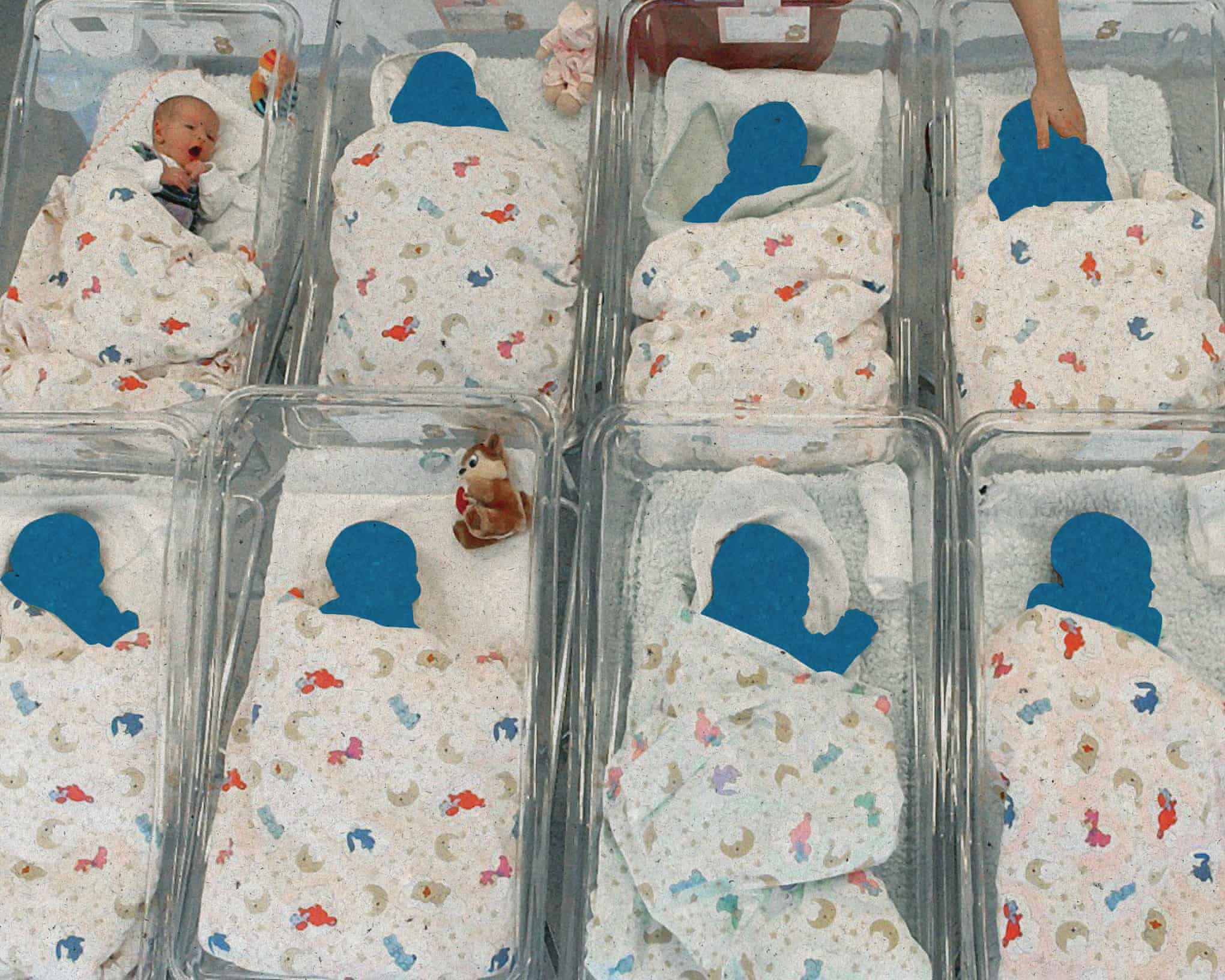
Americans having fewer kids plus an ageing population could be a recipe for disaster that further erodes social stabilityRemember environmentalist Paul Ehrlich’s 1960s-vintage prediction about how overpopulation would deplete the Earth’s resources and condemn millions to starvation? His Malthusian condemnation of humanity’s voracious appetite has kept a grip on the debate over the future of the planet, even scaring the young out of having children.Ehrlich was wrong. Yet as we have come around to the thought that overpopulation won’t kill us all, we are being walloped by another demographic emergency: we are not having too many kids, we are having too few. This problem is real.The most recent scare came from government figures released last week suggesting the fall in US fertility – the number of children a woman will have over her lifetime – may be speeding up, hitting a record low of 1

UK’s OnlyFans tops $3bn valuation amid talks to sell stake to US investor
OnlyFans, the UK adult video platform, is in talks to sell a minority stake to a US investor that will value the business at more than $3bn (£2.2bn).The London-based company is in advanced talks to sell a stake of less than 20% to the San Francisco-based investment firm Architect Capital, according to the Financial Times. Sources familiar with the process confirmed the talks to the Guardian.OnlyFans has decided that offloading a minority stake is the best guarantee of stability for a business dealing with the death of its owner, Leonid Radvinsky
Finance leaders warn over Mythos as UK banks prepare to use powerful Anthropic AI tool
British banks will be given access in the next week to a powerful AI tool that was deemed too dangerous to be released to the public, as a series of senior finance figures warned over its impact.Anthropic, which has so far limited the release of the new model to a small clutch of primarily US businesses, including Amazon, Apple and Microsoft, said it would expand that to UK financial institutions.“That is in the very near term, in the next week,” Pip White, Anthropic’s head of UK, Ireland and northern Europe operations, said in a Bloomberg TV interview. “As you would expect, the engagement I have had from UK CEOs in the last week has been significant.”Anthropic, which is the company behind the Claude family of AI tools, has said that its latest model, Mythos, poses an unprecedented risk because of its ability to expose flaws in IT systems
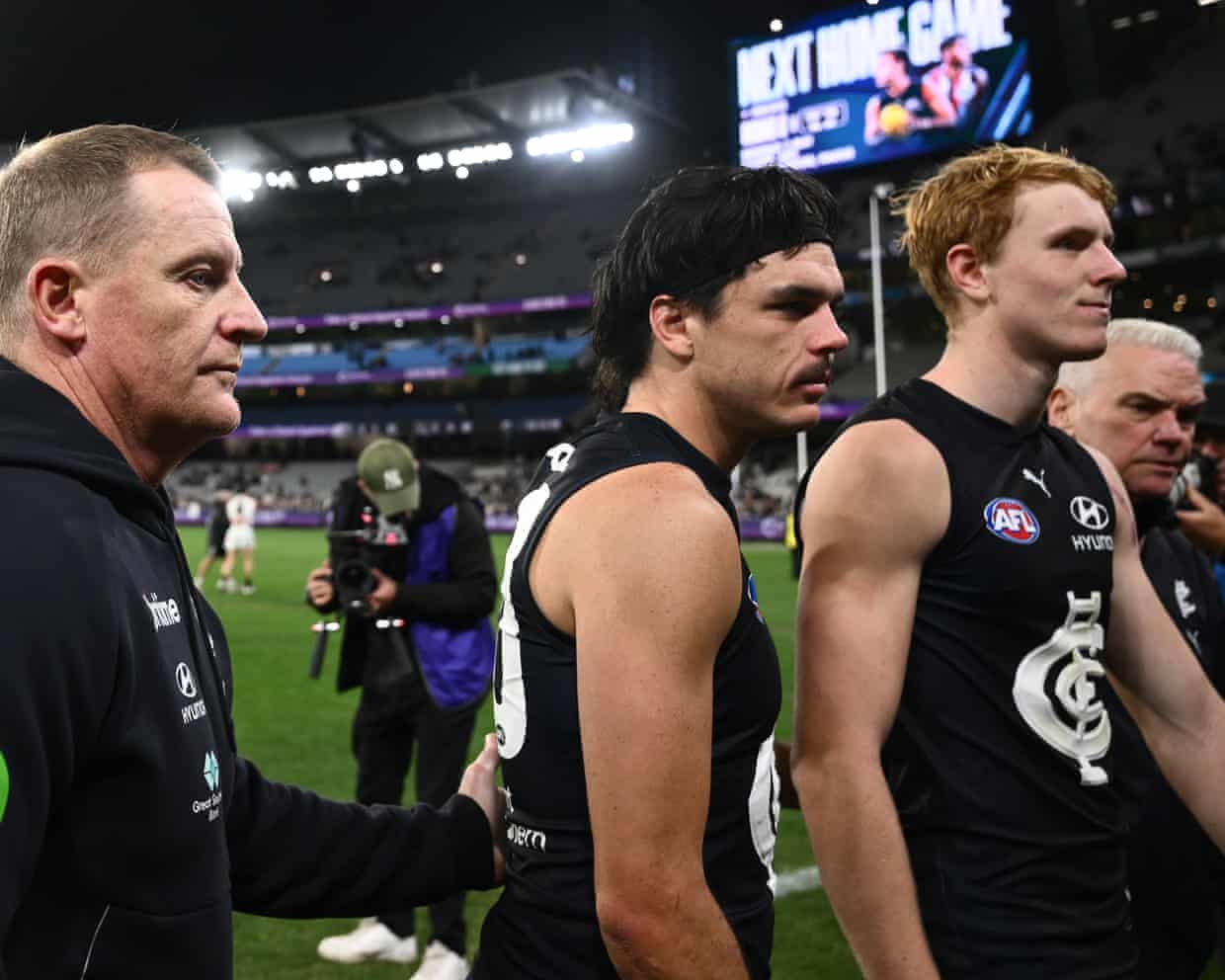
How was Elijah Hollands allowed to keep playing during a ‘mental health episode’? | Jonathan Horn
The weekend of football threw up great dollops of drama and pathos. One of the tallest and most talented players in the sport buckled like a stricken baby giraffe. Arguably the best footballer in Australia was blanketed by an Irishman. The heart and soul of his club copped a knee to the head that may spell the end of his career. In Adelaide, 46,000 people stood to acknowledge a family that had lost a brother and a son
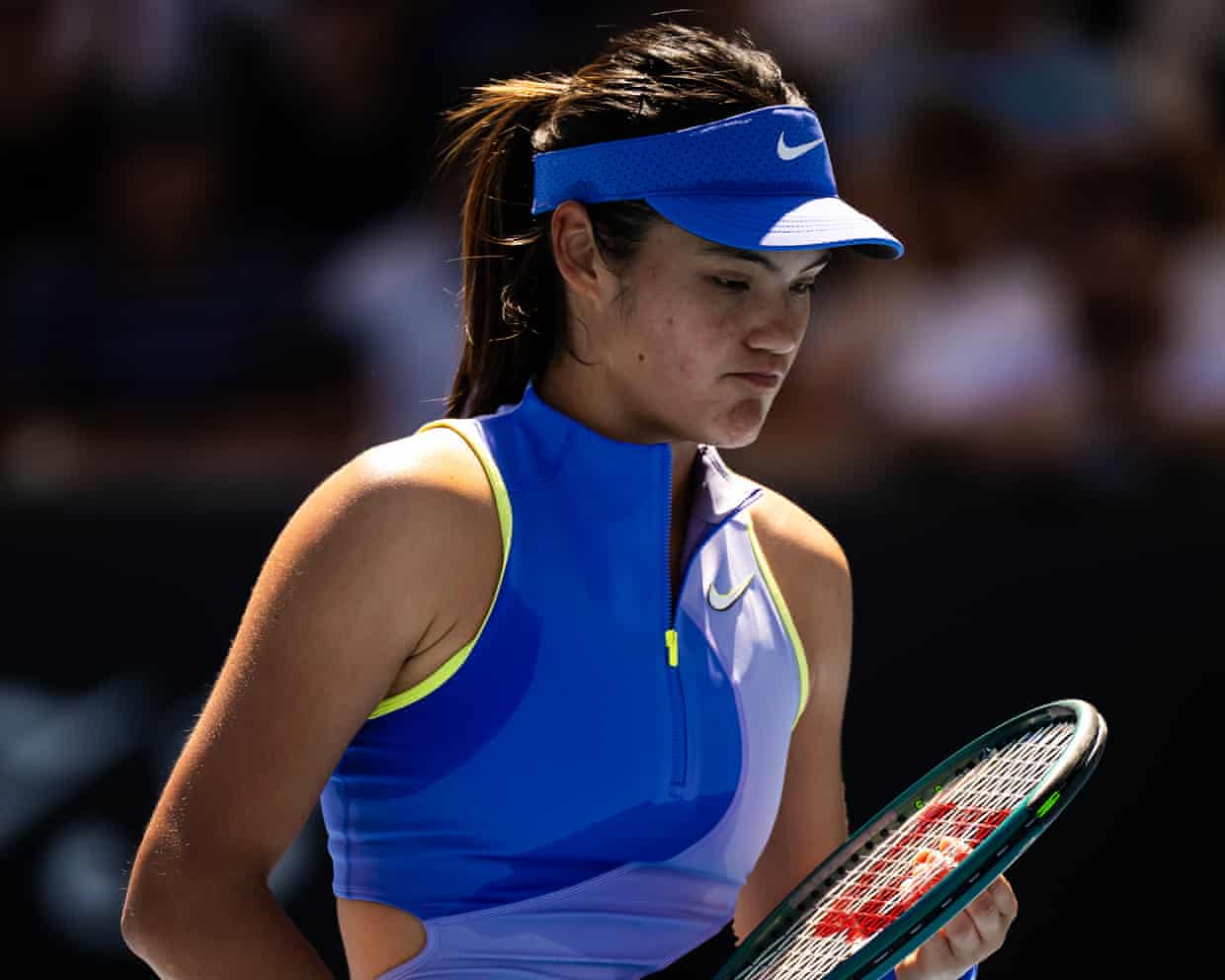
Raducanu withdraws from Madrid Open as illness absence nears two months
Emma Raducanu will extend her absence from the WTA Tour because of a viral illness to two months after she withdrew from the coming week’s Madrid Open.Raducanu has not competed since a 6-1, 6-1 loss to Amanda Anisimova in the second round of the Indian Wells Open on 8 March. She briefly trained on-site at the Miami Open just over a week later before citing lingering symptoms from an earlier viral illness as the reason for her withdrawal. Raducanu had been affected by a viral illness during the Middle East swing in February, which she said had contributed to her poor performances on the court.In the aftermath of her withdrawal from the Miami Open, Raducanu took a considerable amount of time off from training
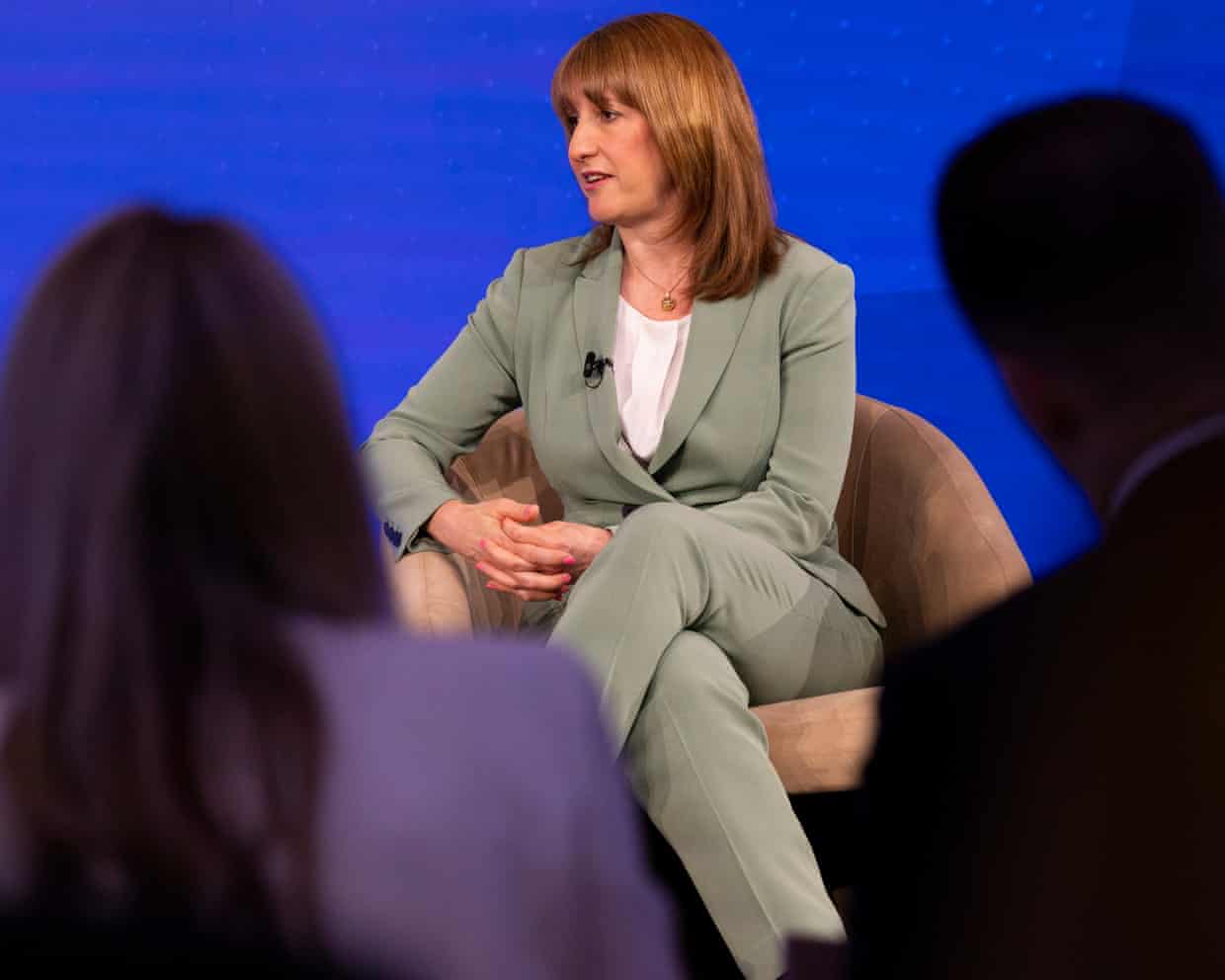
Labour’s ‘crabwise’ approach to closer EU ties must address damage of Brexit | Heather Stewart

‘I don’t want to waste the gas’: Uber and Lyft drivers reeling as fuel prices soar
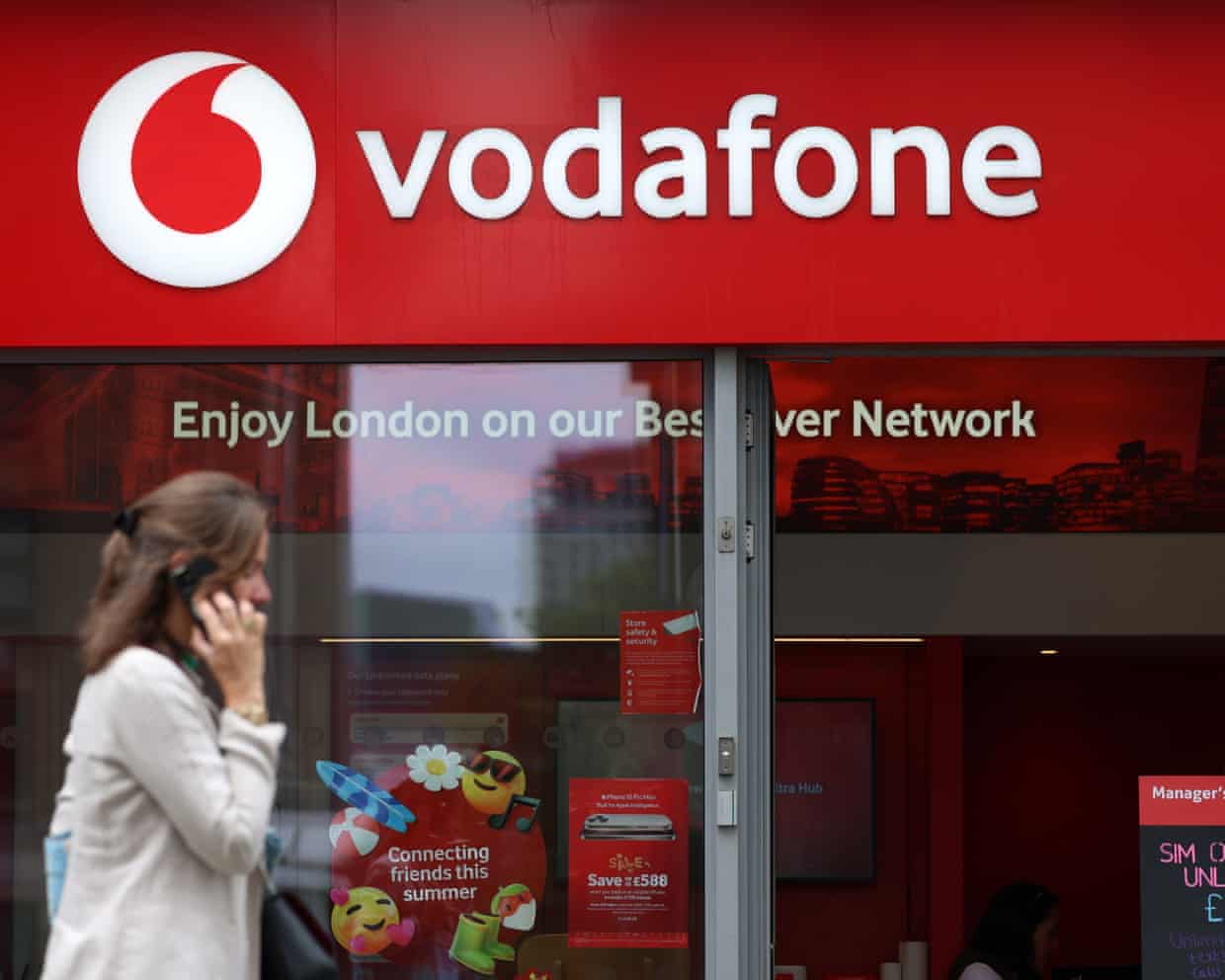
Vodafone incentivised security staff to fine its own franchisees
More Britons opt to holiday in UK this summer amid uncertainty over flights
Carmakers scramble to plug £3bn shortfall for UK loan scandal payouts
Reeves rightly fears the bond market, but she can afford to ditch one unhelpful rule | Phillip Inman