Vegemite is recognised globally – but how many people know Milo was invented in Australia?

The chocolate malt powder is sold in more than 40 countries, and Australian cafe owners say there’s ‘jingoistic pride’ in serving it on their menusGet our weekend culture and lifestyle emailWhen I order the jumbo-sized Milo Godzilla at Ho Jiak in Sydney’s Haymarket, it arrives as advertised – it’s comically large,The Malaysian restaurant prepares the drink by swirling Milo powder with hot water, adding sweet drizzles of condensed milk then chilling the mix with ice,Scoops of ice-cream are added and extra choc-malt powder is showered on top,Served in a one-litre jug, it’s so big I can’t finish it solo: staff hand me three takeaway cups to transport the leftovers,Like many beloved Milo drinks, the Godzilla is native to south-east Asia.
Without ice-cream, it’s essentially a Milo Dinosaur: an iced Milo heavily sprinkled with more of the choc-malt grains and served everywhere from Malaysian market stalls to Indian-Muslim restaurants in Singapore.For Ho Jiak co-owner Junda Khoo, the Godzilla recalls the Milo Ais (iced Milo) of his Kuala Lumpur childhood.Following his move to Sydney at 16, he constantly argued with schoolmates that Milo originated in Malaysia.“Until I finally found out the truth and admitted defeat,” he says.Sydney’s Aileen Aguirre and Francis Dela Cruz had similar revelations.
They launched Adhika, their Filipino-inspired cafe, in September with Milo lattes on the menu.They were surprised the choc-malt powder was Australian, as crunching on Milo was a foundational Filipino childhood ritual.Milo is currently sold in more than 40 countries.Colombians enjoy it in a dessert called postre de Milo, Nigerians pronounce it “Me-lo” and think it’s weird you’d say otherwise, and Milo Dinosaurs originated in Malaysia (or Singapore, depending on who you ask).Lewis McDonald, who serves the choc-malt beverage at his Adelaide cafe Idle Hands, is struck by “the quiet colonialism of Milo, just insidiously inserting itself into local cultures”.
Now owned by Swiss-based multinational Nestlé, the powdered drink was invented in Smithtown on New South Wales’s mid-north coast, where it’s still produced for the local market, along with other Nestlé products.While Vegemite has a global reputation for being Australian, Milo doesn’t share this status.Even Nestlé had to be reminded of its origins.“The Swiss could not imagine an Australian invented it,” the drink’s inventor Thomas Mayne said on Milo’s 60th anniversary.The chemical engineer created the choc-malt powder in 1934 as a Depression-era health drink for kids; it debuted at Sydney’s Royal Easter Show as “Milo tonic food” that year.
It’s a stunning origin story, given Milo can be turned into cake with just milk and microwave beeps, according to a viral TikTok hack.Its basic formula contains powdered milk, malt barley, cocoa and sugar, and varies regionally – in Malaysia, it features palm oil, which according to Khoo, creates a sweeter, choc-heavy flavour.But the beverage began as an economical way for children to consume essential minerals and vitamins.“These days, we’re so worried about childhood obesity,” says Jan O’Connell, who runs the Australian Food Timeline website.“Whereas back in that era … they were trying to put weight on children.
”Sign up for the fun stuff with our rundown of must-reads, pop culture and tips for the weekend, every Saturday morningMilo’s powers extended to other age groups, apparently.A 1957 ad in Women’s Weekly claims the drink overcomes “frayed nerves, irritability and that ‘saggy’ feeling” that emerges in hot weather.“I mean, that’s a big ask for a handful of chocolate and malt, you know?” says O’Connell, laughing.Our understanding of health has also evolved from Milo’s launch during food-scarce times.“We’re in a completely different era,” says Dr Evangeline Mantzioris, program director of human nutrition at Adelaide University.
Milo can be helpful in certain contexts.“If it’s the only way you can get your child to drink milk, then that’s important, right?” says Mantzioris.But “consuming Milo is not going to make your diet more healthy”.Nestlé claims one glass offers 34% of your daily iron intake as well as beneficial amounts of protein, calcium and vitamin D – but that’s based on a drink made with three teaspoons of powder.Mantzioris has seen teenagers throw “half a cup of Milo” into their serve.
In 2016, consumer advocacy group Choice handed Nestlé a Shonky, an award reserved for questionable products.Choice noted Milo’s 4.5 star health rating was based on a serving with 200ml of skim milk, yet “only 13% of Australians actually drink Milo with skim milk” and the drink powder was “46% sugar”.Milo has since released a 30% less added sugar product, but disregarding health advice might be the beverage’s appeal.“My brother and I would sneak tablespoons … when Mum wasn’t watching,” says Melbourne pastry chef Kay-Lene Tan, who whipped up a reinvented Milo Dinosaur on the 2023 season of MasterChef’s Dessert Masters.
Khoo’s children also eat Milo straight from the tin.“I join them,” he says, laughing.When McDonald was younger, Milo was so “heavily policed” by his parents that crunching grainy scoops resembled “acts of minor rebellion”.At his cafe, he serves Milo with three heaped tablespoons with milk in a chilled 285ml beer glass – in contrast to the two-teaspoon maximum he endured as a kid.There’s “jingoistic pride” in offering it, he says.
Though the powder has appeared on a commemorative $1 coin in Australia, it strangely doesn’t share Vegemite’s spotlight.Australian celebrities, such as Hugh Jackman, Margot Robbie and Jacob Elordi, often act as voluntary ambassadors for the salty spread on global press tours.“Vegemite needs advocates … to say, ‘Actually, it’s good – you’re just doing it wrong,’” says McDonald.Newcomers don’t require conversion to appreciate Milo.
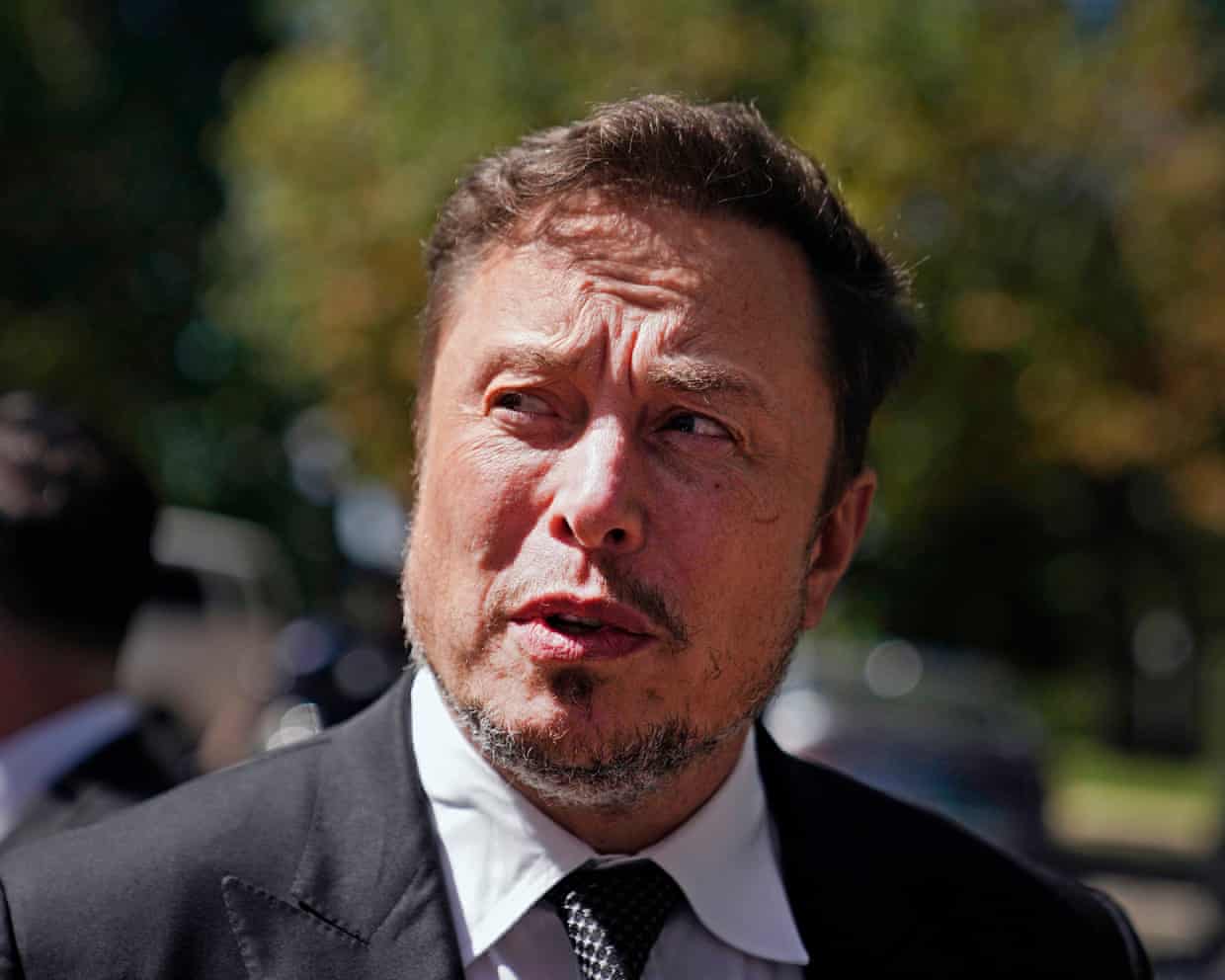
NAACP lawsuit accuses Elon Musk’s xAI of polluting Black neighborhoods near Memphis
A new lawsuit accuses Elon Musk’s artificial intelligence company of illegally spewing toxic pollutants into the Black neighborhoods on the border of Tennessee and Mississippi.The suit, filed on Tuesday in Mississippi federal court, alleges xAI is violating the Clean Air Act due to emissions from its makeshift power plant in Southaven, Mississippi, which powers its datacenters in south Memphis. The NAACP, represented by environmental groups Southern Environmental Law Center and Earthjustice, says xAI has been polluting the surrounding historically Black communities by using dozens of methane gas generators without permits. The organization is seeking to force the company to stop operating its unpermitted turbines in Southaven.“All too often, big corporations like xAI treat our communities and families like obstacles to be pushed aside,” said Derrick Johnson, the president and CEO of the NAACP

China now the ‘good guy’ on AI as Trump takes ‘wild west’ approach, MPs told
China is now the “good guy” on AI rather than Donald Trump’s US, where the technology is being pursued in a dangerous “wild west” manner, a former UN and UK government adviser has told MPs.Prof Dame Wendy Hall, who was a member of the UN’s AI advisory board and co-wrote a review of AI for Theresa May’s government, told the House of Commons business and trade committee that China was backing multinational attempts to introduce global governance of AI, in contrast to America, which had set up a race between profit-hungry companies that relied on hype.“China is doing some amazing work in AI, and in fact, at the moment they’re acting as the good guys because the US is totally against any regulation and talk about global governance,” said Hall, who is director of the Web Science Institute at the University of Southampton. “It’s all Maga. It’s all: we’re going to win at all costs
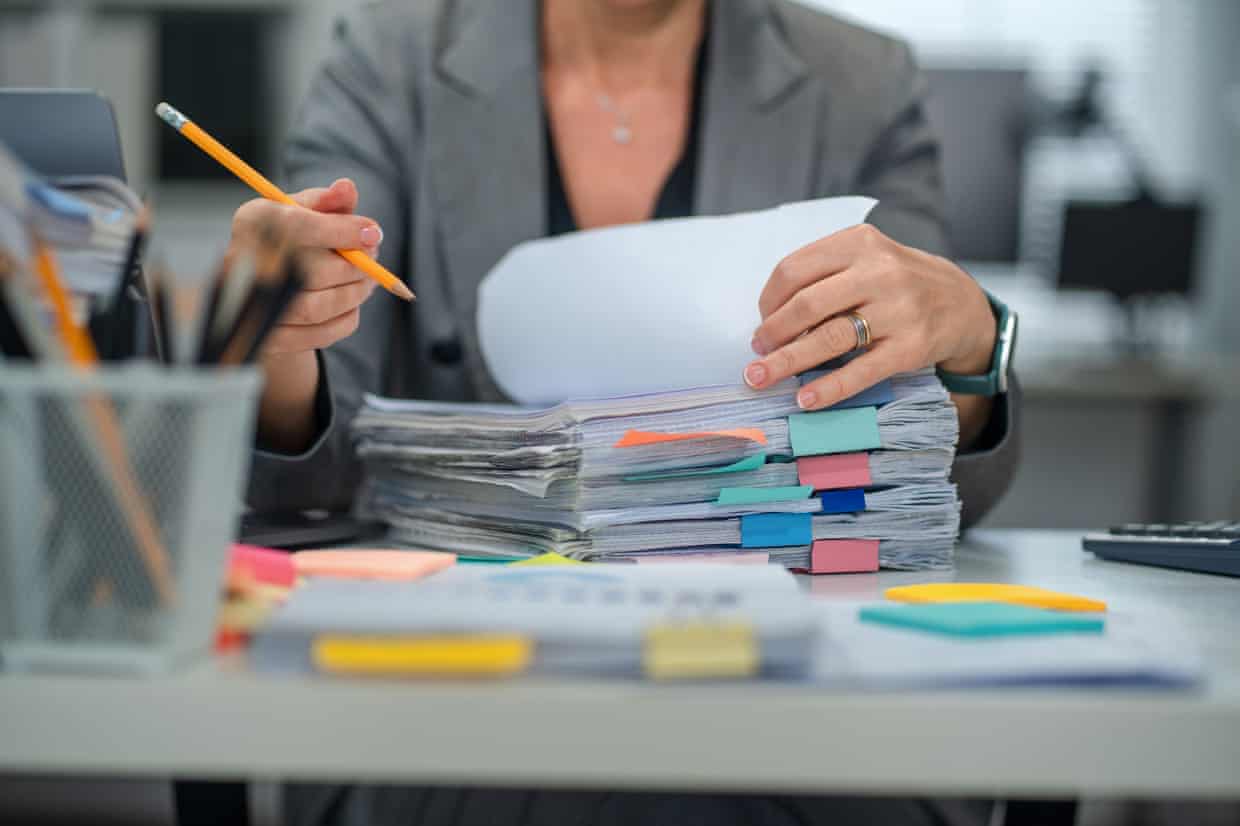
Bosses say AI boosts productivity – workers say they’re drowning in ‘workslop’
Ken, a copywriter for a large, Miami-based cybersecurity firm, used to enjoy his job. But then the “workslop” started piling up.Workslop is an unintended consequence of the AI boom. It’s what happens when employees use AI to quickly generate work that seems polished – at least superficially – but is in fact so flawed or inaccurate that it needs to be heavily corrected, cleaned up or even completely redone after it’s passed on to colleagues.For Ken, the problem started after his company’s CEO laid off several of his colleagues and mandated that remaining workers use AI chatbots, saying it would boost their productivity

AI companies make powerful tech – but they’re also savvy marketers
Hello, and welcome to TechScape. I’m your host, Blake Montgomery, the Guardian’s US tech editor, writing to you from my happy village in Pokopia.Artificial intelligence companies make powerful products. They also make outlandish claims.Last week, Anthropic released Claude Mythos, an AI model focused on cybersecurity, which has inspired widespread thrill and panic over how capable it is said to be

Don’t make Marshal Foch’s mistake on AI | Letters
Emma Brockes’ article struck a chord (It’s finally happened: I’m now worried about AI. And consulting ChatGPT did nothing to allay my fears, 8 April). I am reading Marc Bloch’s Strange Defeat, in which the eminent French historian and soon-to-be-executed resistance worker gives a first-hand account of the collapse of the French army in 1940. He attributes the debacle at least in part to a failure of imagination on the part of the French general staff, who were incapable of grasping that technology, and war, had fundamentally changed since 1918.Brockes’ article suggests that we, and our leaders, are suffering from the same inability to understand that a technology which is currently amusingly alarming will develop in less amusing ways – the future Marshal Ferdinand Foch had, according to Bloch, earlier dismissed aircraft as being a toy for hobbyists and not of any military interest
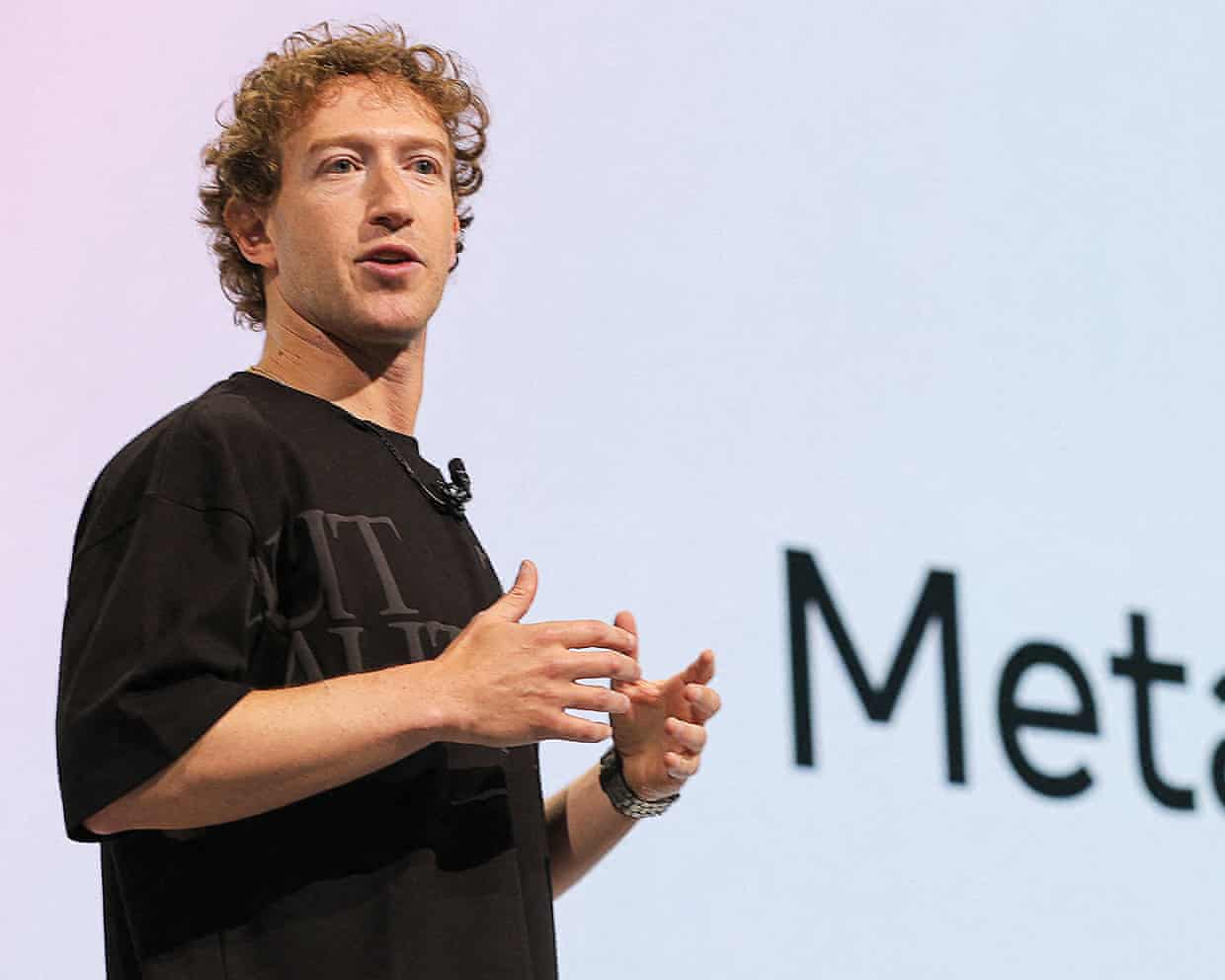
Meta creating AI version of Mark Zuckerberg so staff can talk to the boss
If you are one of Meta’s almost 79,000 employees and cannot get hold of the boss, do not worry. The owner of Facebook and Instagram is reportedly working on an AI version of Mark Zuckerberg who can answer all your queries.The AI clone of Zuckerberg, Meta’s founder and chief executive, is being trained on his mannerisms and tone as well as his public statements and thoughts on company strategy.The rationale behind the project, according to the Financial Times, is that employees could feel more connected to one of the most powerful people in Silicon Valley.The Meta chief has a history of creating and experimenting with digitalised versions of himself
Big US banks rake in near $50bn profit as Iran war shakes markets
Gina Rinehart has been forced to share her riches. But will she fight on or end the family feud?
Amazon enters agreements for nine Australian renewable projects to power datacentres
MacBook Air M5 review: Apple’s best consumer laptop speeds up

Unhappy Verstappen ‘has to be listened to’ over new rules, says F1 chief Domenicali
The Dianna Russini fallout is less about scandal than who carries blame in the NFL | Melissa Jacobs