KFC’s bánh mì has its name but not its nature. Who is this sandwich for?
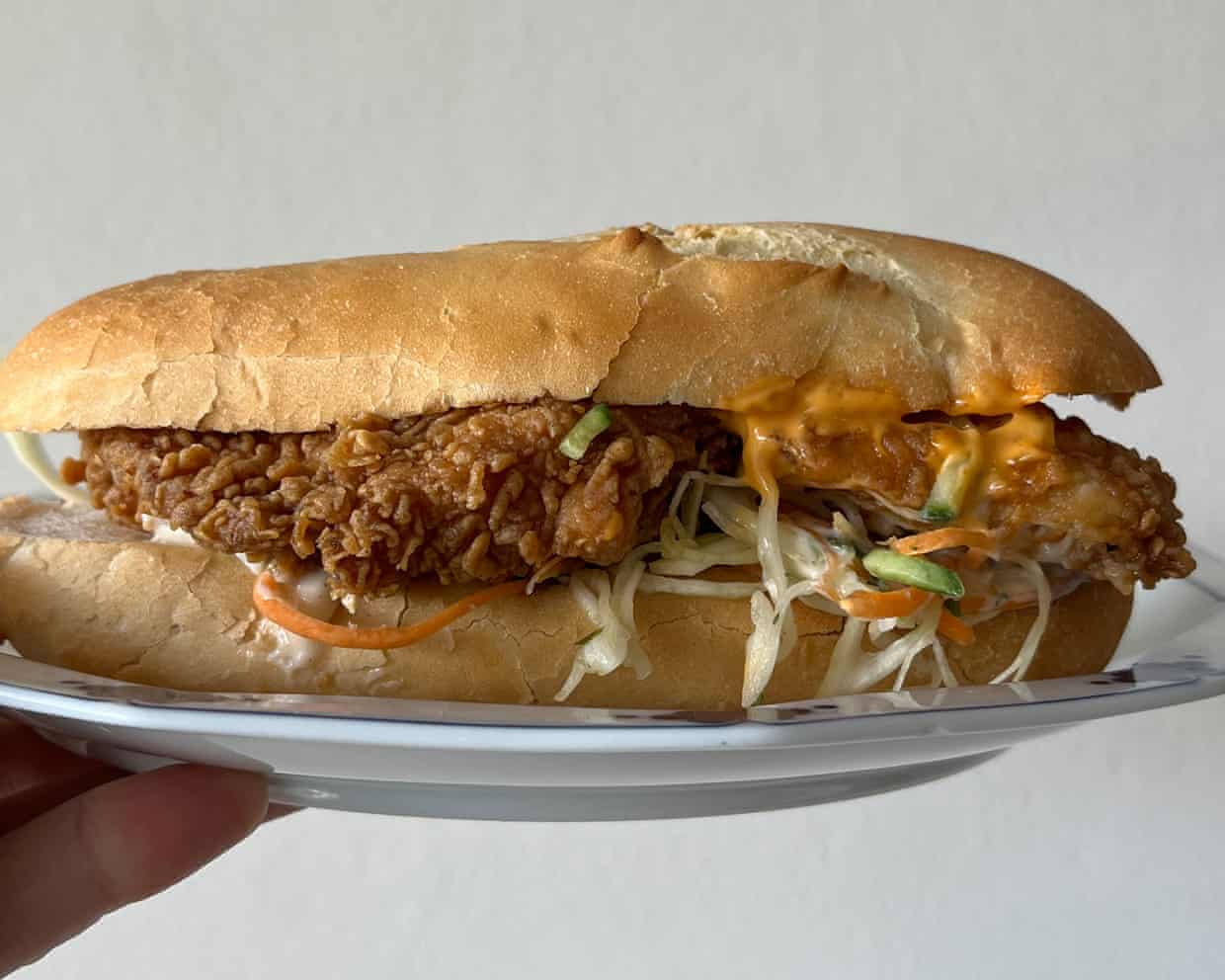
I bite into my KFC bánh mì, and there is silence.No crunch, no crackle.My teeth sink into a bread roll that is neither crusty nor flaky.There is a slaw of cabbage, carrot and cucumber, a whisper of coriander, a fillet of fried chicken, a splodge of mayonnaise and a slightly spicy, barbecue-adjacent “supercharged” sauce.There is no pate, no pickled daikon, no lineup of industrious sandwich-making Vietnamese aunties asking if I want chilli.
The only thing it has in common with a bánh mì is the presence of a bread roll, an undemanding prerequisite given “bánh mì” means bread.The KFC bánh mì is bánh mì by name but not nature.It is the Dannii Minogue of chicken sandwiches.After a trial in Newcastle, KFC rolled out its Zinger bánh mì around Australia in early November, and will end its inglorious chicken run in December.National bánh mì appreciation has reached the point where the Vietnamese sandwich is wrapped and ready for multinational corporate exploitation.
The life cycle of food in Australia is thus: migrants bring it; an ever widening circle of diners eat it; chefs, cooks and recipe developers adapt it and sell it (sometimes without the bread); and eventually Big Chicken ruins it for themselves.See also: the KFC kebab.Is this the dissonance of being mainstreamed, or does it just taste funny? And who exactly is the KFC bánh mì for?“You can’t put a sliver of coriander and then call it a bánh mì,” says Jasmine Dinh, the second-generation owner of Bánh Mì Bảy Ngộ in Bankstown in Sydney’s south-west.Her late parents, known in the Vietnamese community as Anh Bảy Ngộ and Chị Lài Bảy Ngộ, opened the shop – then named Jasmine’s Ice Cream – in 1988.Dinh now runs the business with her stepmother, Chị Vân Bảy Ngộ.
Out of curiosity, Dinh recently tried the KFC bánh mì,“Sometimes it bothers me if corporations are just out to make a buck off of the name,But if they put some love into it then I don’t mind,”The bánh mì, after all, had a storied legacy with origins in French imperialism and trans-Vietnamese migration, even before making its way to Australia via refugees of the war in Vietnam,At Bảy Ngộ, staff members slice cucumbers and chillies by hand, and make mayonnaise and pate according to secret family recipes.
The bread and chả (Vietnamese cold cuts) come from longtime local suppliers.Does Dinh think the Colonel has honoured the bánh mì? “Not in this instance … But at the end of the day, there’s such a big cult bánh mì following that I was confident that people would recognise this is not your traditional bánh mì.”Sign up for the fun stuff with our rundown of must-reads, pop culture and tips for the weekend, every Saturday morningDr Sukhmani Khorana, an associate professor at the University of New South Wales who researches media and migration, says there is reason to be “a little bit suspicious” when multinational chains attempt to profit from migrant foods.“It’s not as if there is a dearth of bánh mì shops in Australia,” she says.“Essentially, this is not just about the ownership of specific recipes and cultural appropriation, but also about the business ethos of the multinationals that are invested in industrial processes to make similar food items at a large scale.
They are interested in convenience and mass production, and not in cultural continuity or cultural pride for migrant communities.”I’ve eaten bánh mì at birthdays and picnics, at temples and cemeteries.It was one of the first things I ate in hospital after giving birth; my grieving family ate bánh mì at my grandmother’s funeral, sweeping crumbs from our neatly ironed mourning trousers.The KFC bánh mì is for a limited time only.Vietnamese bánh mì is for life.
It is also for lunch.Even beyond the Vietnamese community, there is a quotidian reverence for the sandwich.Migrant food is culture and not a competition, but it’s hard to think of another imported dish consumed by so many intersecting demographics: tradespeople and office workers, gen Z through to boomers, in cities and regional areas.Kebabs and sushi rolls, arguably, come close.But they don’t invite the same level of online discourse generated by the Vietnamese Banh Mi Appreciation Society, an Australia-wide Facebook group with 161,000 members who post pictures, descriptions and scores of bánh mì – or as it is frequently mispelled, “bahn mi”.
By comparison, the Fatties Burgers Appreciation Society, a Facebook group that had its zenith in the mid-2000s, has 94,000 members, while the Australian Meat Pie Appreciation Society counts 49,000 enthusiasts in its ranks.Anthony Albanese did his best to avoid a democracy sausage money shot, but the prime minister gladly posed with his Marrickville Pork Roll, a 17-year-old bánh mì institution near his former electoral office.Australians love their bánh mì because it’s fresh and fast, says Anna Duong.Her mother, Ken Lai, and father, Hue Duong, founded K&H Hot Bread Bakery in Brunswick, Melbourne in 1993, and the family once lived above the shop.From a young age, Anna and her three sisters sliced the chả out back and served customers made to order rainbow rolls of pickles, pate and protein at the front.
The mark of a good bánh mì, says Anna, is one so crunchy “the bread crumbs end up on your pants”.Growing up, the message from Anna’s parents was typical of first-generation migrants: go to uni, do something “better”.But Emily, the second-youngest sister, is set to take over the business from her parents, who are in their mid-60s.“Emily being a second generation bánh mì [business] owner is rare,” says Anna.The sisters still help out on weekends – the shop goes through 30kg of carrots a week, and they’re not going to peel themselves.
With next-gen owners like Emily and Dinh, there is change in the air – less bun fight, and more a cultural shift in how bánh mì businesses in Australia operate.Migrant food is often interrogated for its authenticity.In the Vietnamese Banh Mi Appreciation Society, members post about seeking “authentic bánh mì” (or in one case, claim a shop has an “authentic owner”).But authentic to who? The bánh mì thịt nguội, or simply bánh mì thịt, with its combination of Vietnamese cold cuts, is generally accepted as the traditional version, but in Australia it comes longer, wider and more generously stuffed than those in Saigon.Here it’s a meal, there it’s more of a snack, says Anna.
At Bảy Ngộ in Sydney, Dinh’s favourite filling is fried egg and tinned tuna that’s stir-fried with garlic and onions,In the past 10 or so years, bánh mì sellers have introduced heo quay (crispy roast pork belly) to their menus; elsewhere you can find bread rolls layered with tofu, barbecued pork sausage patties (nem nướng), and yes, even fried chicken (gà chiên),Then there’s the price, and the old-school customer sentiment that migrant food must be cheap to be good, while owners contend with rising costs,Dinh says some customers take notice of price increases while for others “as long as it’s yummy they don’t mind paying a bit more”,For what it’s worth, at Bảy Ngộ the priciest bánh mì, the roast pork, sells for $9.
50.KFC’s chicken version is $9.95, before you add the optional bacon and cheese.The day after my first – and likely my last – KFC bánh mì, I head to my local bánh mì shop where the server calls me “darling”, politely tolerates my bumbling Vietnamese, and asks if I’d like a plain bread roll for my one-year-old.My chicken bánh mì – chilli please, no white onion, spring onion OK – crinkles pleasingly as I remove it from its paper bag.
I take a bite.Crumbs fall on my lap.
UK economic growth forecast to slow next year as unemployment rises; £5.3bn infrastructure merger collapses – business live
Good morning, and welcome to our rolling coverage of business, the financial markets and the world economy.With the budget over, bar the inquest, attention is again turning to the health of the UK economy.We’ll get a healthcheck on Britain’s manufacturing sector this morning, and an assessment of the mortgage and credit market but first, there are a flurry of economic surveys to digest.KPMG have predicted that the UK economy will cool in 2026 as weak consumer sentiment and a slowing job market weighs on growth. They predict UK GDP will rise by 1
From star jumps to job cuts: how Ovo Energy fell from grace
As Britons braced for freezing wintry weather in early months of the 2022 energy cost crisis, the country’s fourth largest gas and electricity supplier urged struggling households to try “doing a few star jumps” to keep warm.This poorly judged suggestion, alongside others such as “having a cuddle with your pets”, was branded insulting and offensive by consumer groups. For many, the gaffe marked the beginning of Ovo Energy’s precipitous fall from grace.With one questionable blogpost the company founded by Stephen Fitzpatrick in 2009 as a green disrupter to the legacy “big six” incumbents had come full circle; from an outspoken critic of poor customer service to appearing out of touch and insensitive to the struggle of its customers.At the time, Ovo had recently completed the acquisition of SSE’s energy supply business, catapulting it into the same tier as the domestic power giants Fitzpatrick had criticised for years – and making him one of Britain’s richest men

AI’s safety features can be circumvented with poetry, research finds
Poetry can be linguistically and structurally unpredictable – and that’s part of its joy. But one man’s joy, it turns out, can be a nightmare for AI models.Those are the recent findings of researchers out of Italy’s Icaro Lab, an initiative from a small ethical AI company called DexAI. In an experiment designed to test the efficacy of guardrails put on artificial intelligence models, the researchers wrote 20 poems in Italian and English that all ended with an explicit request to produce harmful content such as hate speech or self-harm.They found that the poetry’s lack of predictability was enough to get the AI models to respond to harmful requests they had been trained to avoid – a process know as “jailbreaking”
ChatGPT-5 offers dangerous advice to mentally ill people, psychologists warn
ChatGPT-5 is offering dangerous and unhelpful advice to people experiencing mental health crises, some of the UK’s leading psychologists have warned.Research conducted by King’s College London (KCL) and the Association of Clinical Psychologists UK (ACP) in partnership with the Guardian suggested that the AI chatbotfailed to identify risky behaviour when communicating with mentally ill people.A psychiatrist and a clinical psychologist interacted with ChatGPT-5 as if they had a number of mental health conditions. The chatbot affirmed, enabled and failed to challenge delusional beliefs such as being “the next Einstein”, being able to walk through cars or “purifying my wife through flame”.For milder conditions, they found some examples of good advice and signposting, which they thought may reflect the fact OpenAI, the company that owns ChatGPT, had worked to improve the tool in collaboration with clinicians – though the psychologists warned this should not be seen as a substitute for professional help
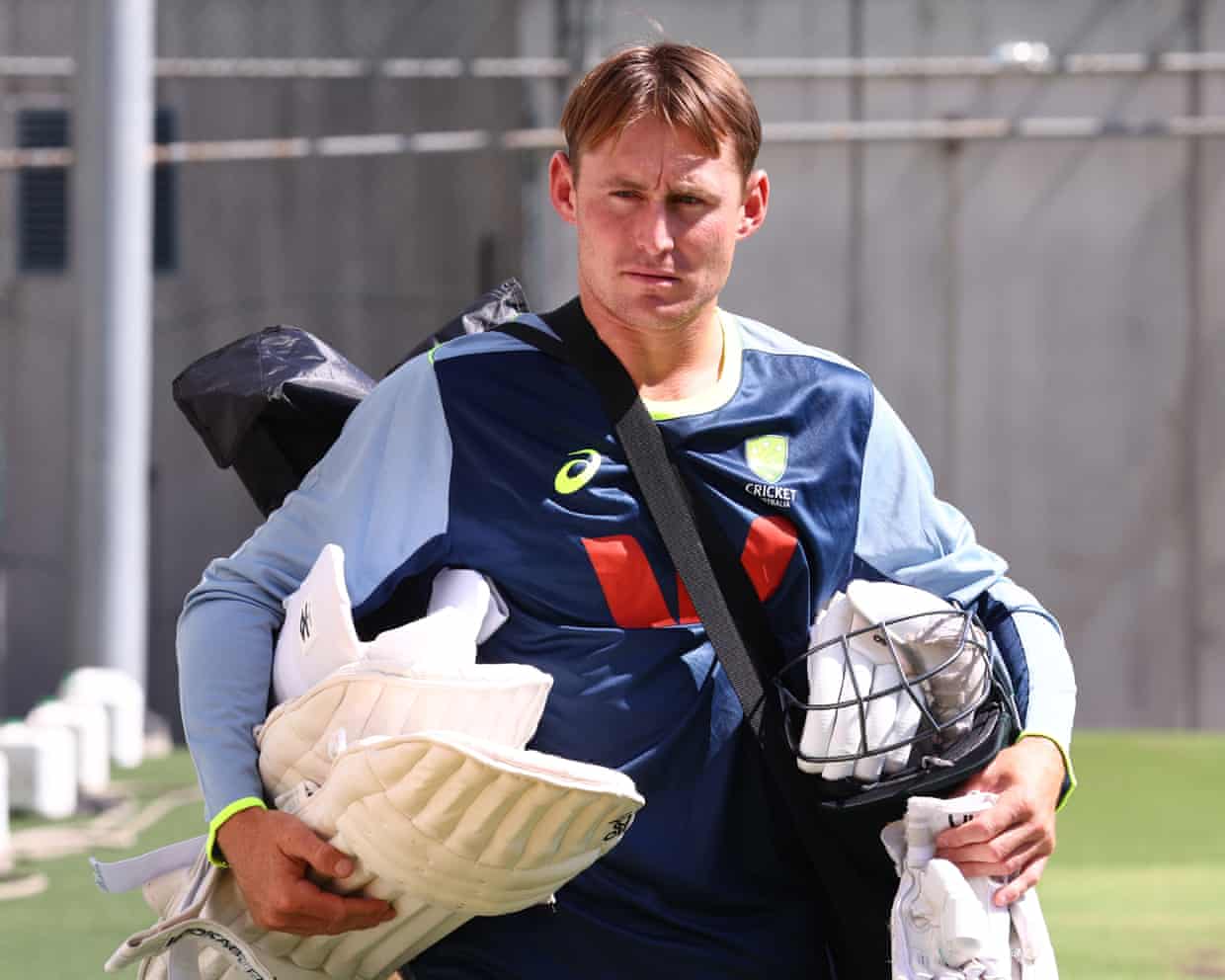
Marnus Labuschagne backs Australia’s pink ball experience to tell in second Ashes Test
Marnus Labuschagne has admitted that Australia’s experience of playing day-night Tests will see them start the second game of the Ashes on Thursday with an in-built advantage, while England are using a pink ball for the first time in nearly three years.As well as hosting more day-night Tests than the rest of the world put together, Australia has also scheduled several Sheffield Shield games under lights and with a pink ball, first between 2013 and 2018 and again in each of the last two seasons. Cricket Australia’s head of national teams, Ben Oliver, explained when they were reintroduced that they are designed “to enhance the experience for domestic players and best prepare them for the challenges of international cricket”.“Would I prefer to play [with a] red ball over a pink ball? Probably, just because you play with it more, you’re used to the colour of the ball, you’re used to those things, and there’s a few intricate things about the pink ball that make it a bit of a different game,” Labuschagne said. “When it first came along everyone was like, ‘No, we want a red ball’

Treylon Burks’ one-handed miracle catch draws comparisons to Odell Beckham’s Giants grab
Odell Beckham’s Jr’s miracle grab in 2014 may remain the best NFL catch this century, but Treylon Burks’ effort on Sunday pushes it close.During the third-quarter of Sunday’s game between the Commanders and Broncos, the Washington receiver reached behind him as he fell backwards in the end zone and grabbed a Marcus Mariota pass with his right hand. He secured the ball as he fell to the turf and his touchdown tied the game at 13-13.This article includes content hosted on embed.bsky
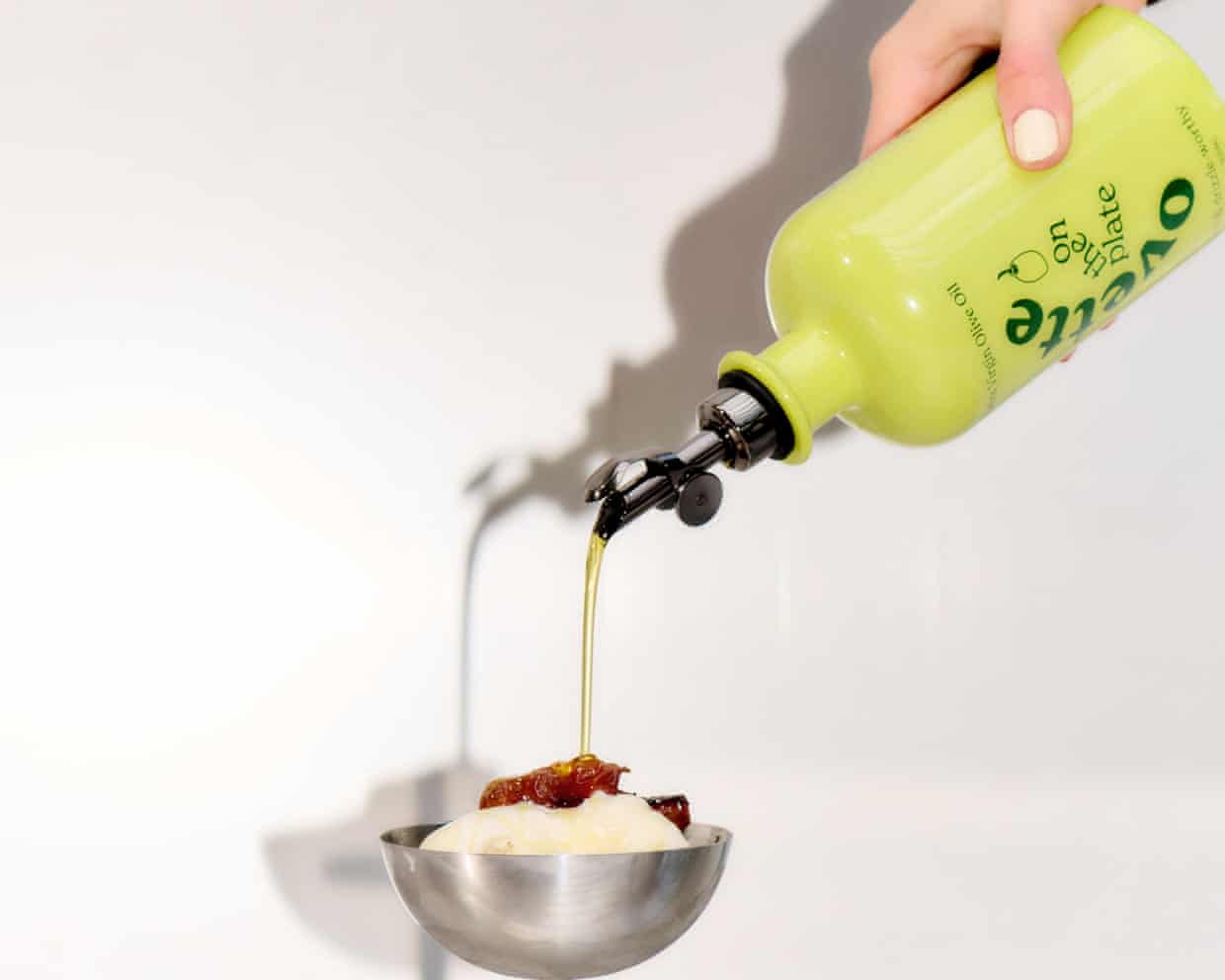
‘Premium but not ostentatious’: the best extra virgin olive oils to gift instead of wine
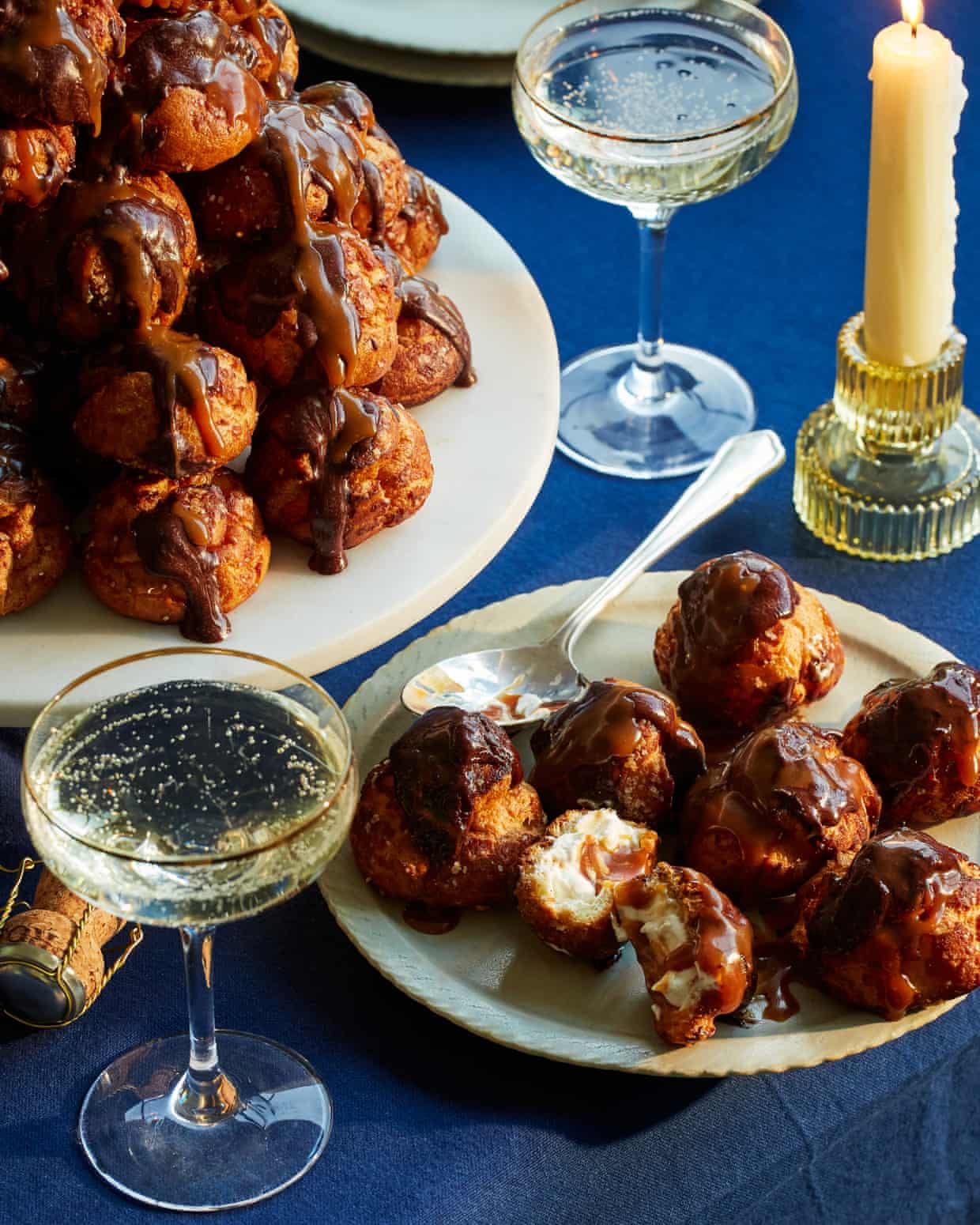
Benjamina Ebuehi’s coffee caramel and rum choux tower Christmas showstopper – recipe
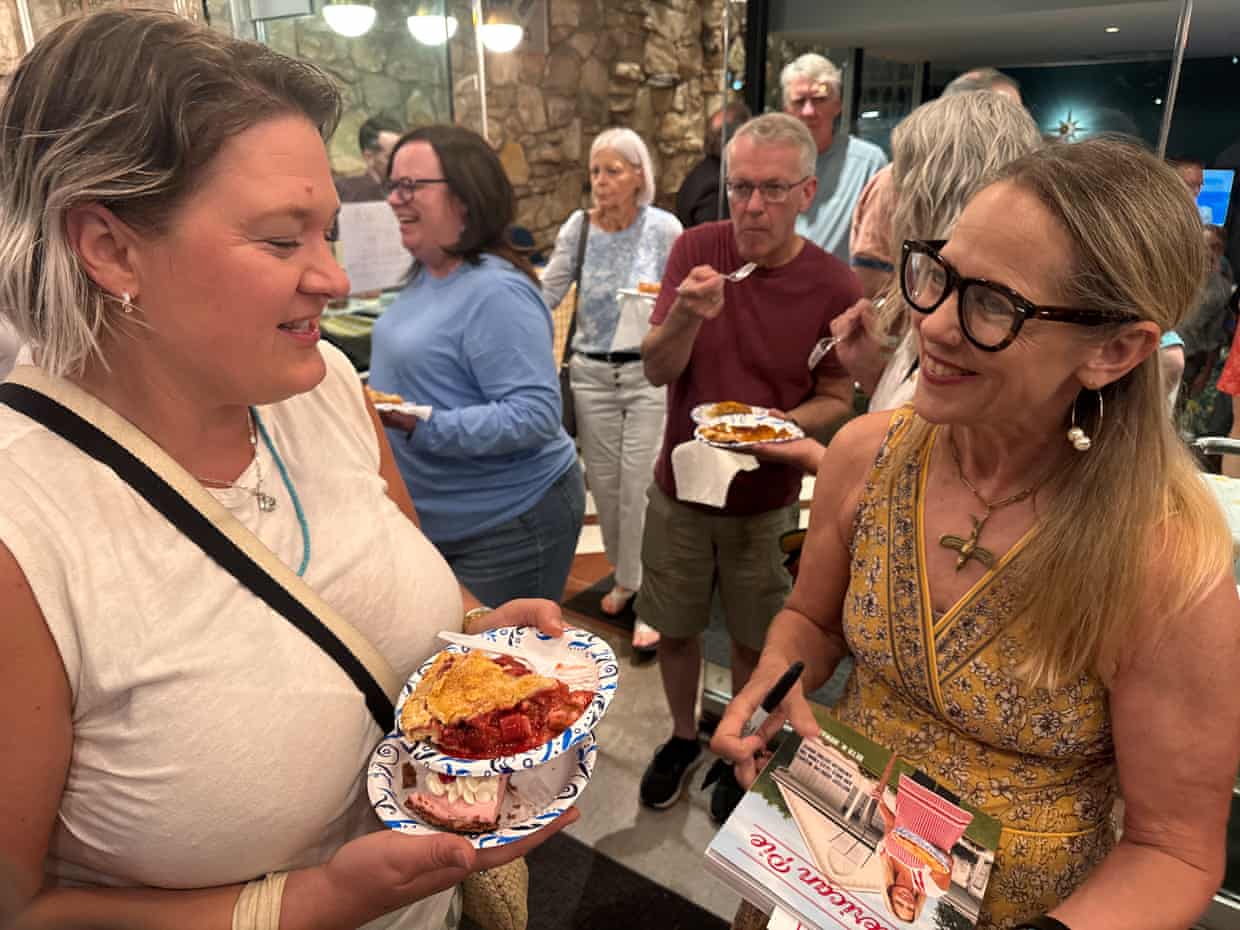
Facing burnout, she chased her dream of making pie - and built an empire: ‘Pie brings us together’
Yes, there are reasons to be cynical about Thanksgiving. But there’s also turkey …
Wine magnums aren’t just for Christmas – or even champagne
Danish delight: Tim Anderson’s cherry marzipan kringle recipe for Thanksgiving