Royal Opera House calls for release of Georgian bass singer jailed over democracy protests
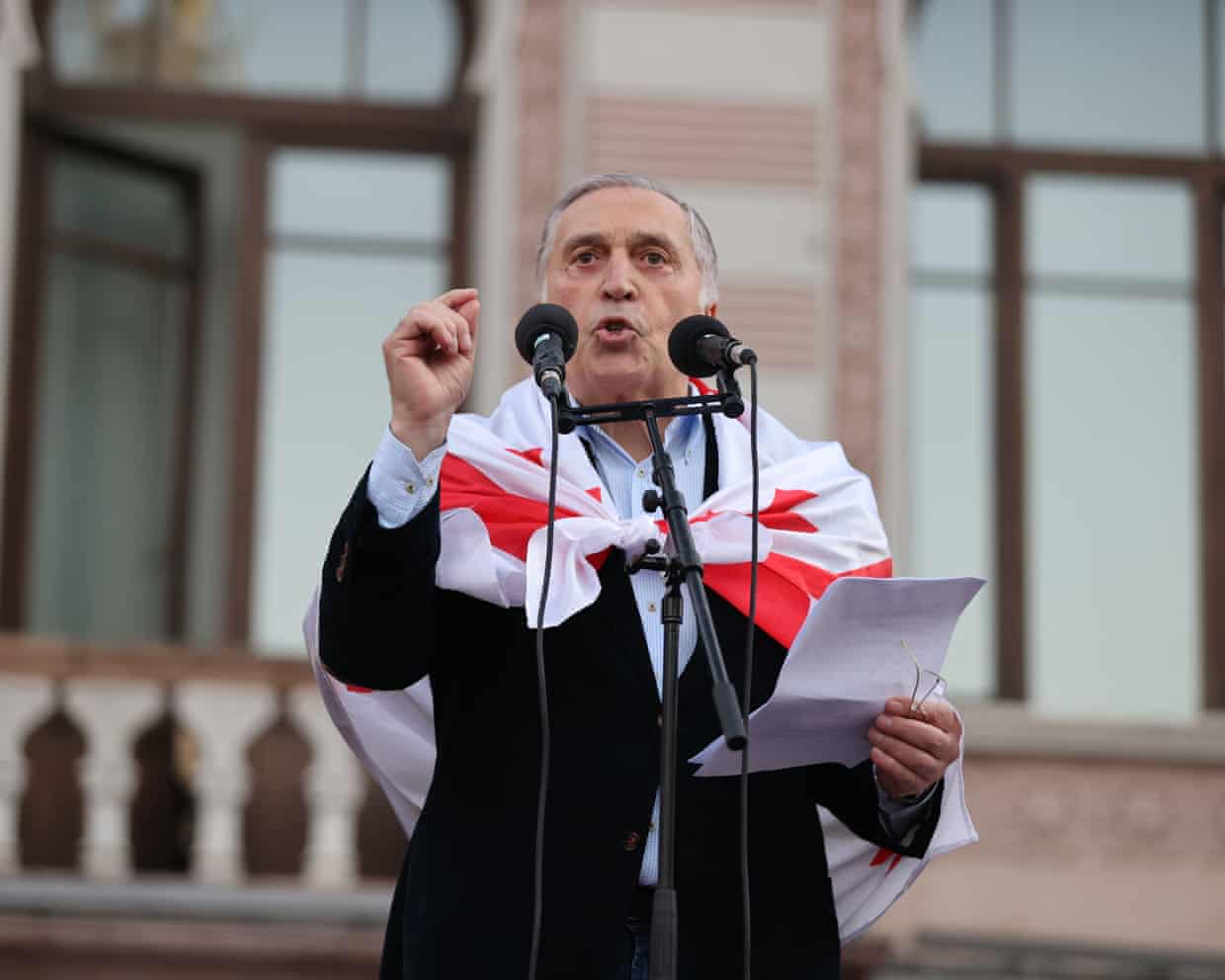
The Royal Opera House in London has urged Keir Starmer to intervene in the case of Paata Burchuladze, a world-renowned bass singer who has been imprisoned in Georgia since October on a charge of leading a coup against the country’s authoritarian leader.The 71-year-old has performed at the Royal Opera House and the Metropolitan Opera House in New York and collaborated with the likes of Luciano Pavarotti, Plácido Domingo and José Carreras.He was arrested after joining a protest outside the presidential palace in the Georgian capital, Tbilisi.Last week he was given a seven-year jail sentence which Burchuladze suggested to the court was equivalent to a life sentence given his age.Burchuladze became a rallying figure at nightly demonstrations against the government’s perceived pivot away from the west last autumn.
He frequently sang to protesters from the back of a flatbed truck in freezing temperatures, and on 4 October he read out at a declaration claiming “power returns to the people” and calling the government “illegitimate”.He was subsequently detained with nine others accused of organising violence against the ruling regime, which is in effect led by Georgia’s richest man, the billionaire Bidzina Ivanishvili.Ivanishvili is the chair of the ruling party, Georgian Dream, and was hit with sanctions by the US in 2024 for undermining Georgia’s democracy for the benefit of Vladimir Putin and Russia.In a letter to the British prime minister, the Royal Opera’s director of casting, Peter Katona, claimed that Burchuladze was “being punished as a warning to others who dare oppose the regime”.He wrote: “I am writing to draw your urgent attention to the situation of the world-renowned Georgian opera singer and our dear friend Paata Burchuladze, who is currently held in pre-trial detention and is under the criminal investigation by the pro-Russian, authoritarian regime in Georgia.
“The charges brought against Mr Burchuladze are entirely fabricated and unlawful.He is being persecuted solely because of his critical stance toward the ruling regime.”Katona told Starmer that Burchuladze had had a distinguished career at the Royal Opera House and had performed there many times over the years since his debut in 1984.“We are also considering to invite him again, also in the future in more senior roles,” he said.“Unfortunately, Paata Burchuladze is now among more than 100 political prisoners in Georgia.
During recent peaceful demonstrations, more than 500 people were arrested, and more than 300 reported torture and ill treatment.“Your attention and solidarity would mean a great deal to the people of Georgia, who are striving to preserve freedom, human rights, and their democratic future,” Katona said.It is understood that the Royal Ballet and Opera has not received a response from Downing Street.The Foreign Office has said it is monitoring developments closely and will “raise, where appropriate, the importance of safeguarding detainees’ rights, including access to legal representation and family communication”.Burchuladze, who was born in Tbilisi, has been a high-profile pro-democracy campaigner in Georgia for more than a decade and formed a short-lived political party in 2016.
He has also served as a goodwill ambassador for the UN and Unicef.In a statement made shortly before he was sentenced last week, Burchuladze said: “I am convinced that recognisable figures such as myself, however comfortable our circumstances, must stand at the forefront and set an example in the fight to defend our homeland.”During a previous court appearance, Burchuladze warned that the Georgian government was building an “iron fence” between Georgia and the west.The appeal by Britain’s Royal Opera has been echoed by Christina Scheppelmann, the general artistic director at Belgium’s national opera, La Monnaie, in Brussels.In a letter to the Belgian prime minister, Scheppelmann wrote: “It is evident that Mr Burchuladze cannot receive a fair trial.
Like other political detainees, his fundamental rights are being violated and he is being punished as a warning to others who dare oppose the regime.”Burchuladze is among 114 people in Georgia who have either been sentenced to jail or are being held in detention related to protests.The EU has suspended its negotiations over Georgia’s accession to the bloc as a result of the regime’s democratic backsliding.Eka Gigauri, from the anti-corruption watchdog Transparency International, said: “These cases illustrate a clear pattern of punishment aimed at silencing those who oppose the ruling party’s pro-Russian policies and who peacefully defend Georgia’s democratic future in the face of increasing authoritarianism.”

Capacity of lifts not kept up with UK obesity levels, study shows
Lifts are no longer big enough to fit the UK’s larger citizens, according to researchers.A study of maximum capacity in elevators in the UK and mainland Europe found lifts have not kept up with increasing obesity levels, raising concerns about safety and equity.The research, presented at the European Congress on Obesity in Istanbul, Turkey, used photos of weight limits for 112 lifts manufactured between 1972 and 2024 in the UK, France, Germany, Italy, Spain, Austria and Finland.Prof Nick Finer, the president and chair of the International Prader-Willi Syndrome Organisation and lead author of the study, compared the average maximum weight allowance (total weight allowance divided by maximum passenger limits) with the average adult weight in the year the lift was manufactured.The research found that despite adults’ continued growing weight, total lift limits have not increased since about 2004
‘Unprecedented’ global effort gives new name to polycystic ovary syndrome – and new hope to millions of women
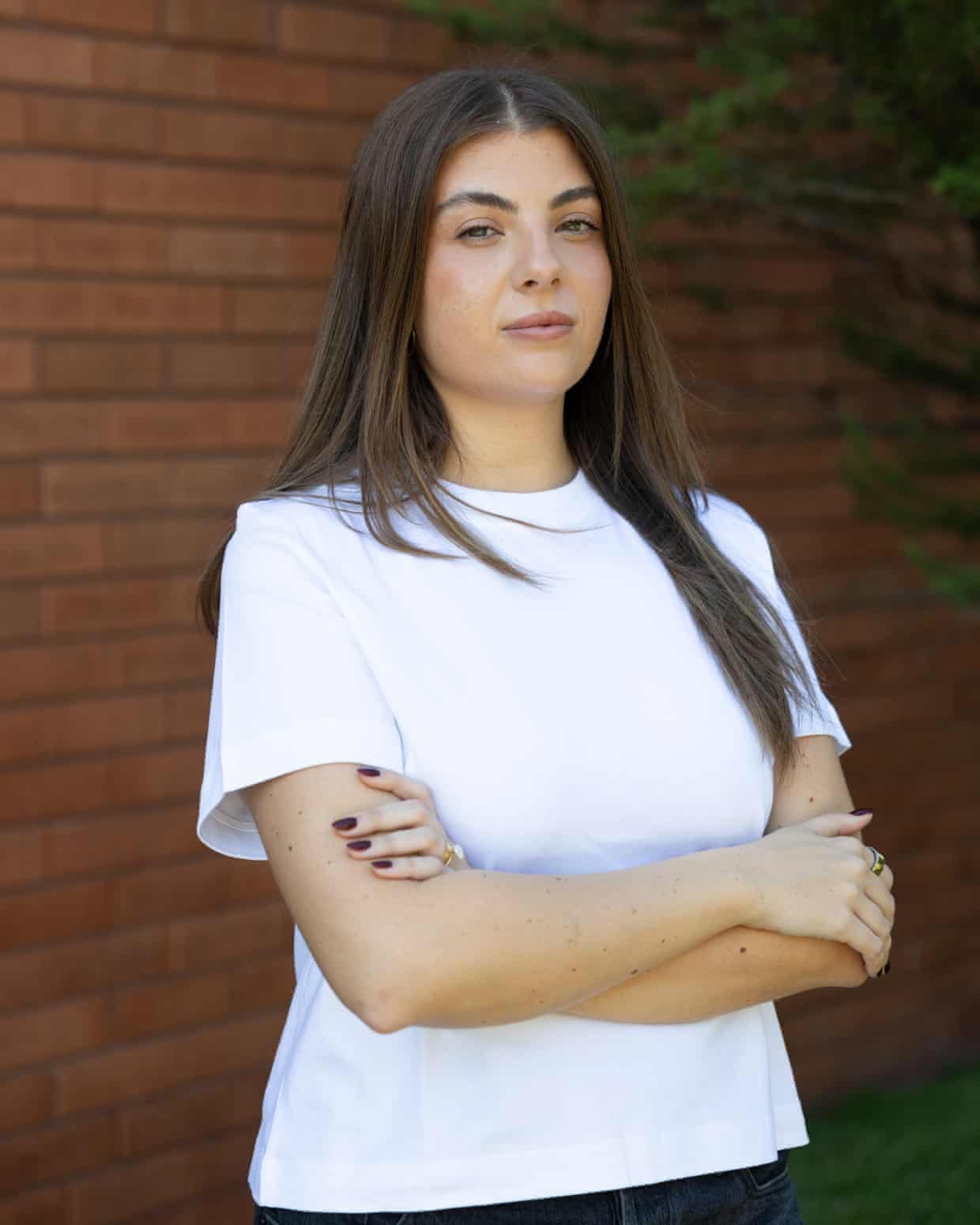
After more than a decade of global consultation, polycystic ovary syndrome (PCOS) – a condition that affects one in eight women – has been renamed.The hormonal disorder, estimated to affect 170 million women worldwide, will now be known as polyendocrine metabolic ovarian syndrome (PMOS).The name change was published in the Lancet and announced at the European Congress of Endocrinology in Prague on Tuesday, after 14 years of collaboration between international societies and patient groups across six continents.The renaming was spearheaded by the endocrinologist Prof Helena Teede, the director of Melbourne’s Monash Centre for Health Research and Implementation. For too long, experts including Teede say, the misleading nature of the term “polycystic” in PCOS contributed to delayed diagnosis and inadequate medical care

‘I still want to scream’: the loneliness and confusion of living with PMOS
The name polycystic ovary syndrome (PCOS) needed to change. It was inaccurate and it was worsening outcomes for people with the condition.It fuelled misconceptions that it is primarily a gynaecological condition, without enough focus on the whole-body effects across cardio-metabolic, mental, skin and reproductive health.A US National Institute of Health Forum described the name PCOS as a “distraction and impediment to progress … causing confusion and a barrier to effective education of clinicians and communication with the public and research funders”.On Tuesday, the new name of the disease was revealed to be polyendocrine metabolic ovarian syndrome (PMOS), and was published in the Lancet
What is PCOS, what are the symptoms and treatment, and why is it being renamed PMOS?
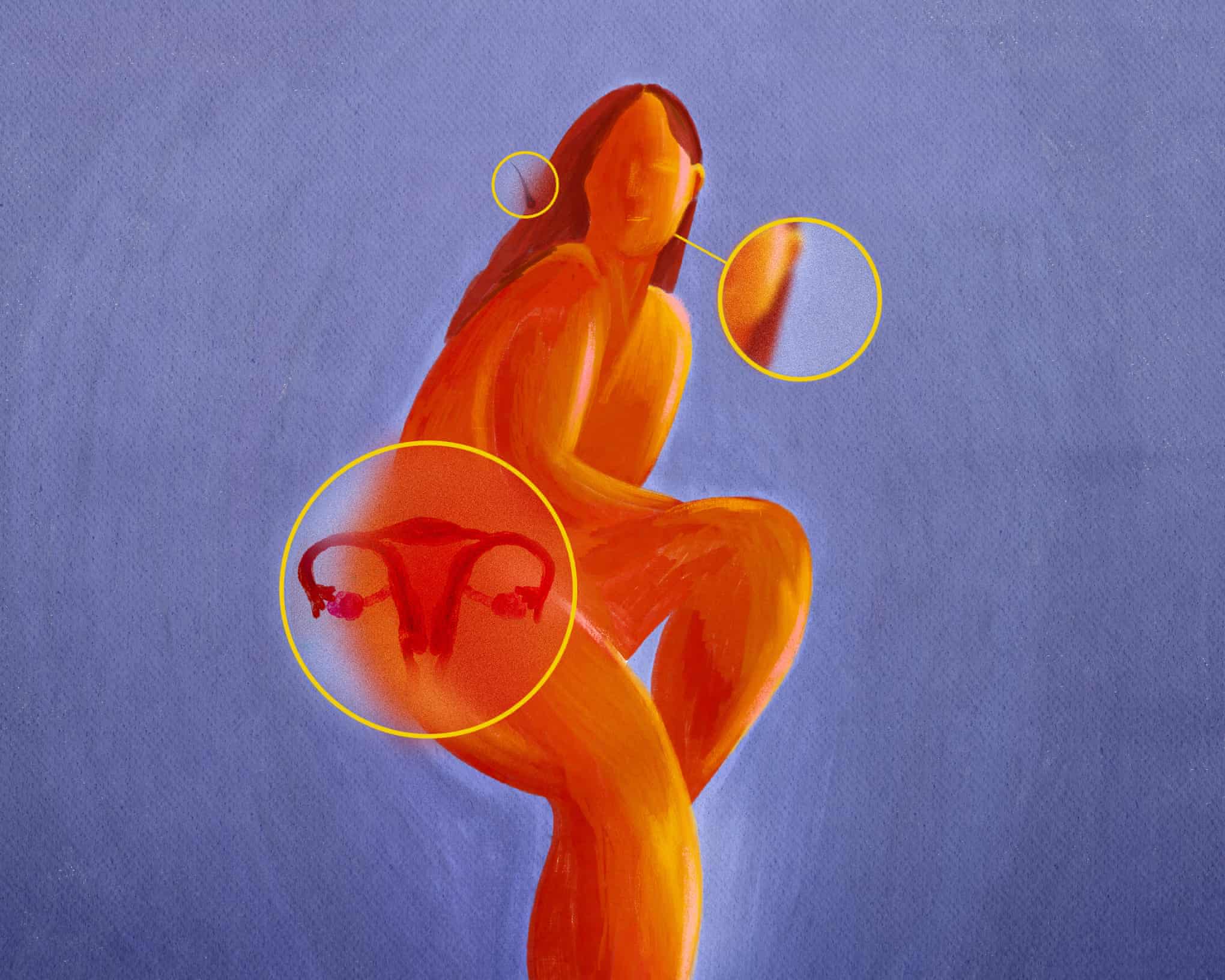
Polycystic ovary syndrome is being relabelled polyendocrine metabolic ovarian syndrome to correct the misconception that it is solely a gynaecological disease that creates ovarian cysts. Here’s what you need to know about the condition ‘Unprecedented’ global effort gives new name to polycystic ovary syndrome – and new hope to millions of women ‘I still want to scream’: the loneliness and confusion of living with PMOSWith polycystic ovary syndrome (PCOS) now being rebadged as polyendocrine metabolic ovarian syndrome (PMOS), we take a look at the condition and explore why experts have decided it is time for a new name.It’s a multifaceted condition that can affect women differently but symptoms tend to begin in late adolescence. As the NHS notes, these can include irregular or no periods, irregular ovulation, extra facial or body hair, acne, weight gain and hair loss from the head.“At different stages of your life you present in different ways,” says Prof Colin Duncan of the MRC Centre for Reproductive Health at the University of Edinburgh in Scotland
More than 6,000 children treated at obesity clinics in England, figures show
More than 6,000 children living with obesity, including hundreds as young as four, have required treatment at specialist NHS weight-loss clinics, new figures reveal.NHS England data, published for the first time, underlines the scale of the growing childhood obesity crisis.Since the first Complications from Excess Weight clinic (CEW) opened in 2021, the NHS has treated 6,497 children and teenagers. Of these, 423 were four years old, 1,088 were aged between five and eight, 1,791 were aged nine to 12 and 3,137 were aged between 13 and 17. The age of a further 58 is unknown

Consuming fruit and a cup of coffee a day can halve risk of unhealthy cell ageing, study suggests
Eating fruit and drinking a cup of coffee a day could halve the risk of cells ageing unhealthily, research suggests.Foods rich in polyphenols such as berries, apples, coffee, cocoa and tea are known to have antioxidant and anti-inflammatory properties, but a new study has found they are also associated with a lower risk of short telomeres, the “ends” or caps of DNA that, when shorter, increase the risk of cell death and unhealthy ageing.Researchers from the University of Navarra in Pamplona, Spain, measured the length of telomeres in samples from more than 1,700 adults in 2008 and also in 2015 and assessed participants’ total polyphenol consumption.The study, presented at this year’s European Congress on Obesity in Istanbul, found that compared with those who consumed the least polyphenols, those with the highest amounts in their diets had a 52% lower risk of short telomeres.Moderate coffee consumption (up to one cup per day) was associated with a 26% lower risk of short telomeres compared with non-consumers, while four to five servings of fruit a day was also linked to a lower risk, with participants consuming the most fruit having a 29% lower risk of having short telomeres compared with those who ate the least

Nissan ponders building cars for Chinese rivals at Sunderland plant
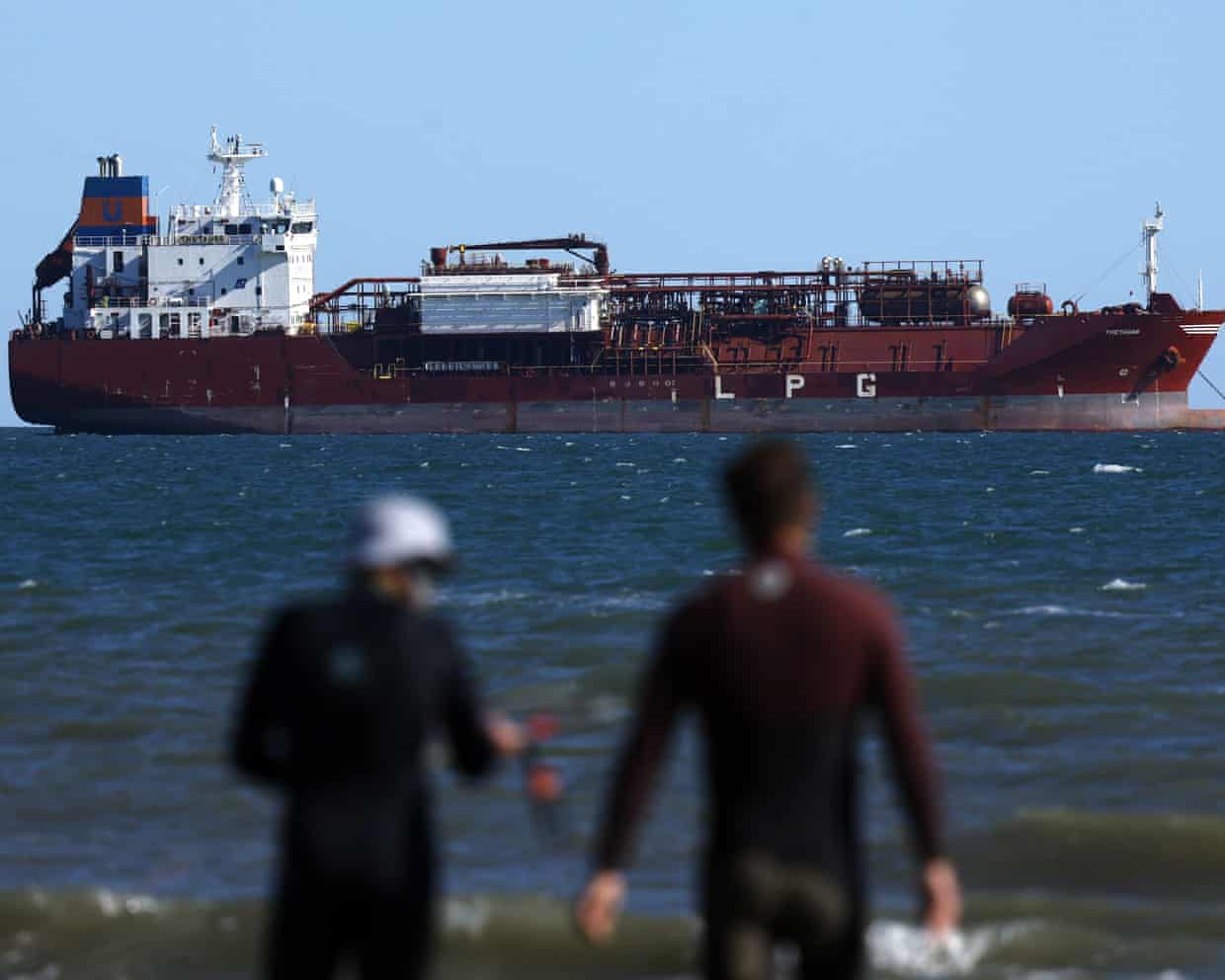
Global oil inventories falling at record pace amid Iran war; UK bond recovery fizzles out as Streeting ‘prepares challenges’ – business live
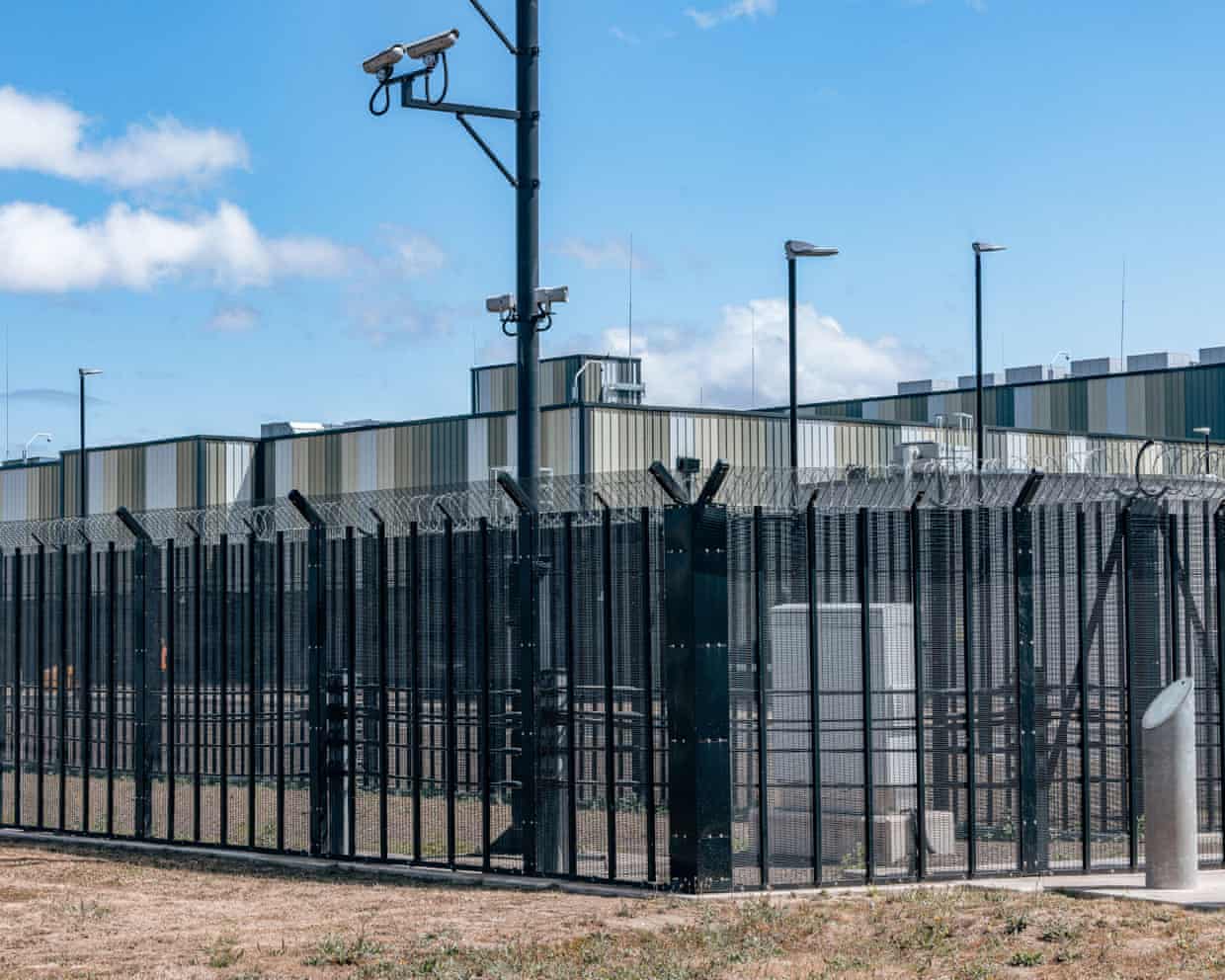
Datacentres using 6% of electricity supply in UK and US, research says

Nvidia’s Jensen Huang joins other US bosses on Trump trip to China
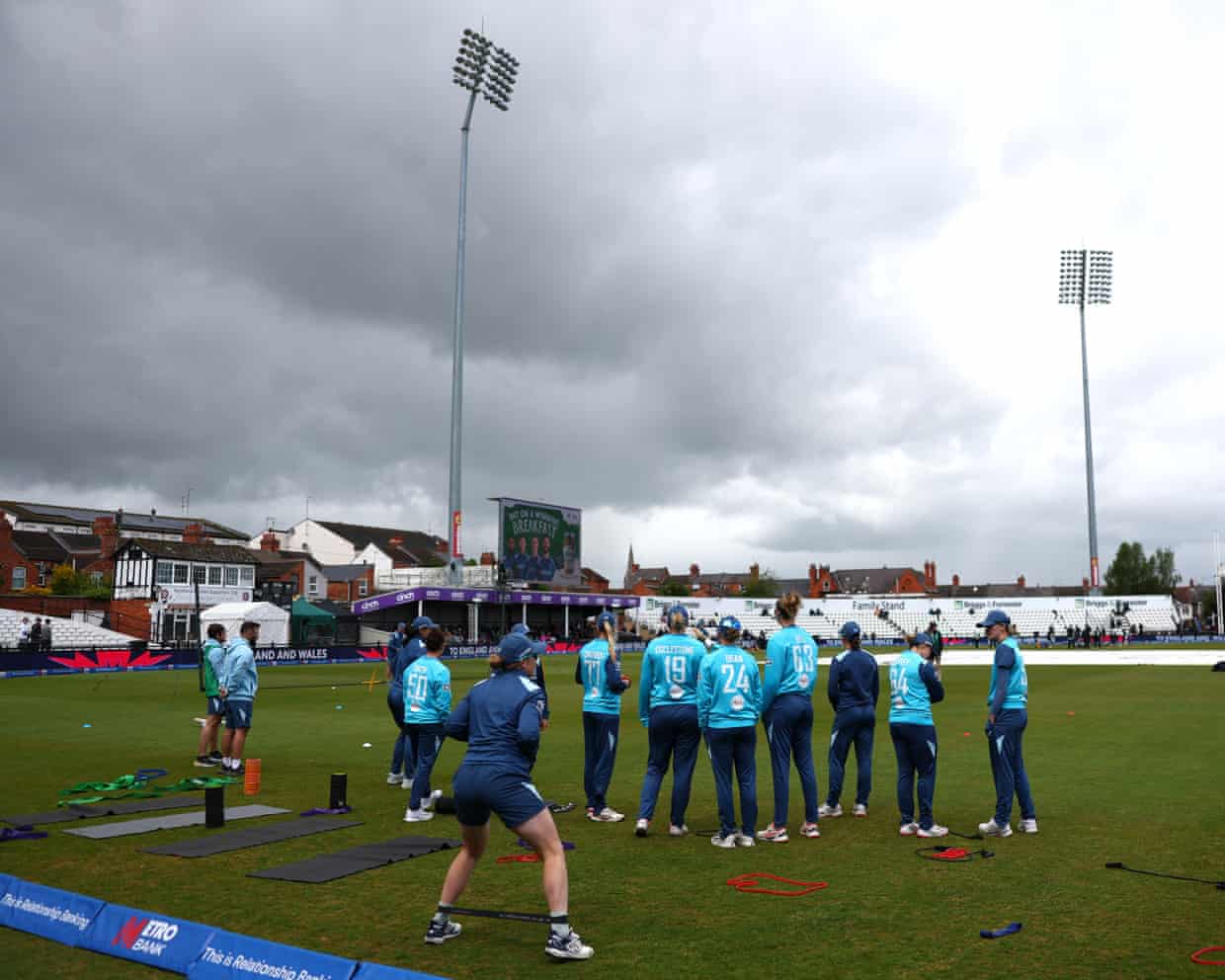
England v New Zealand: second women’s ODI delayed by rain – live

Gay, Rew and Baker called up to England Test squad and Robinson in from cold