Punk masks, Walkmans and Choppers: Museum of Youth Culture to open in London
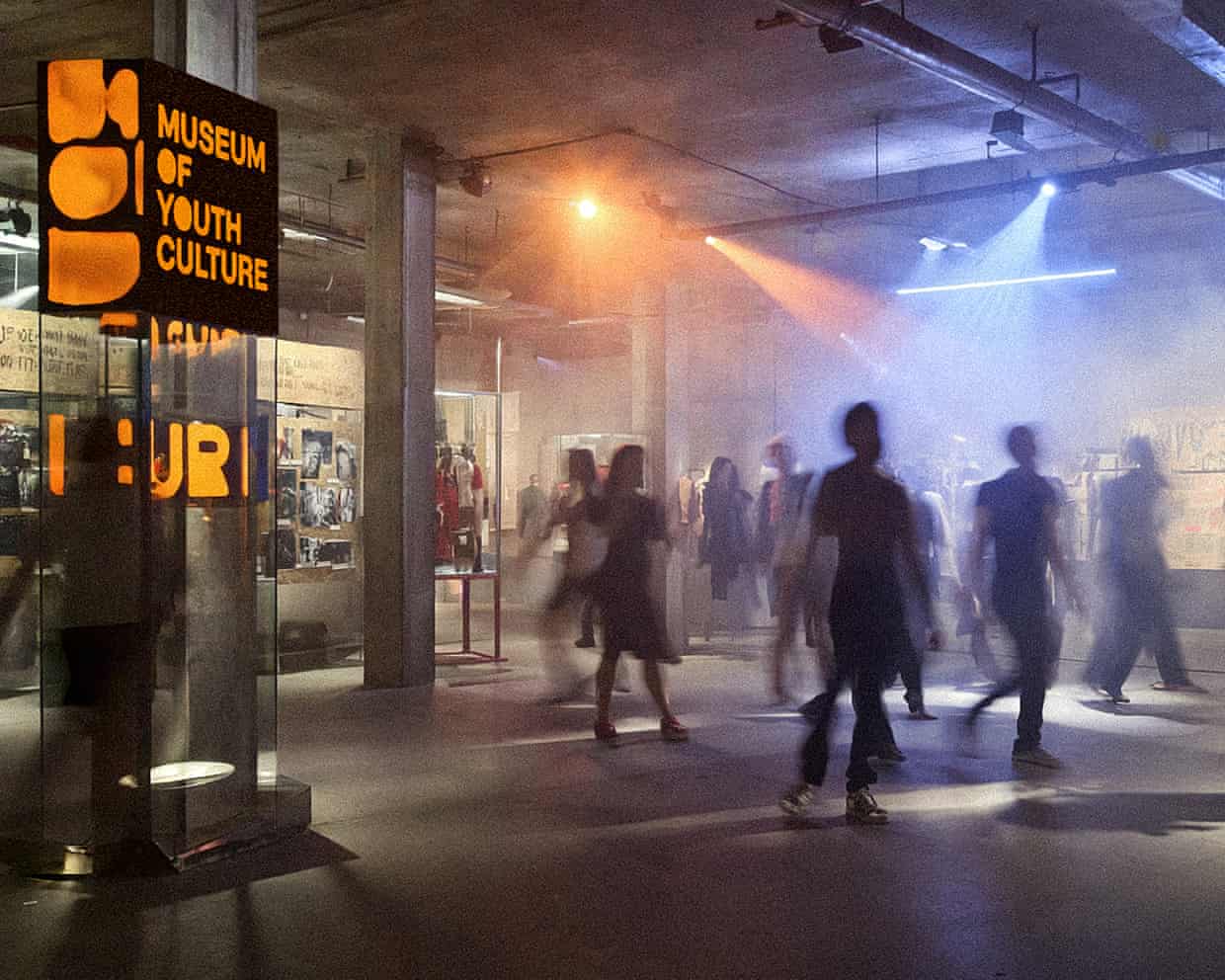
In the basement of a new-build housing block in Camden, the ventilation system is working flat out.The fans whir like a chainsaw orchestra bouncing around the concrete room as they attempt to deal with a slight damp problem.“This is what it’d sound like if there was a fire!” shouts Jon Swinstead, the driving force behind the Museum of Youth Culture, as he tries to make himself heard above the din.It’s hard to imagine but in a few weeks this empty, slightly soggy space will be transformed into an institution dedicated to all things teenage – a project Swinstead has been working on in one way or another for almost 30 years.Opening on 15 May, the museum has amassed a 100,000-item archive that tells the story of British youth subcultures from mods and rockers, to ravers and emo.
Dotted around the team’s temporary workspace are giant pictures of grime greats, slides of Gavin Watson’s work documenting skinheads, and a Raleigh Chopper, which Swinstead admits is one part of the collection that’s “worth a few quid”.“We’ve also got an original Sony Walkman,” he adds.“It has two inputs, one that says ‘guys’ and the other ‘dolls’.”They’ve invited the British public to donate items, such as an enormous collection of school leavers’ shirts, with personalised messages scrawled in felt tip.Elsewhere there are personalised handbags and customised shirts dedicated to two-tone bands.
It’s a bottom-up form of curation, which the team think is befitting cultures that were handmade, on the margins and foundational to the young people who created them,“We got a donation from a man called Steven who was going to early punk gigs in 1976 but thought he’d get sacked from his apprenticeship if he was identified,So he got a welding mask and stencilled ‘HATE’ across the top,” says Lisa der Weduwe, the community programmer at MoYC,“He also donated a copy of the Evening Standard and he’s in there wearing the mask at a Clash gig,”Swinstead says the museum is filling an obvious void in the UK, which has an award-winning Young V&A aimed at children, but nothing substantial dedicated to the teen years and the incredible amount of subcultures generated in the UK.
“If it exists for childhood, why does it not exist for teenagers?” asks Der Weduwe.“Most of the museums stop curating at 13 or 14, which is when the exciting stuff happens.”The museum started life in the garden shed of Swinstead, who began collecting photographs capturing the British subcultures that defined the second half of the 20th century.The collection initially became the photography agency PYMCA, but he changed course after being approached by an arts graduate, Jamie Brett.They both saw the cultural value in the collection and the pair began to think about creating a museum.
They’ve since run pop-up events at We Out Here festival, created a show for Coventry’s City of Culture year, and had a semi-permanent space on Shaftesbury Avenue in central London, but now they’re on the precipice of something entirely different.The museum will double as an event space, including a Rough Trade shop and a youth club.With a 20-year lease and support from City Bridge Foundation and the National Lottery Heritage Fund, Swinstead hopes the museum will become a significant part of the UK’s cultural landscape.Der Weduwe and Swinstead are quick to bat away the idea that subcultures are on the wane when compared with the myriad tribes that emerged in the 1970s and 80s.“We can’t deny the difference, but it isn’t dead,” says Swinstead.
“It’s different today.I just don’t think people run in packs in quite the same way now.”“If you look at the anime or K-pop scene, they have all the hallmarks of a traditional subculture,” says Der Weduwe.“There’s a style, there’s a visual identity, there’s music – it’s definitely more nuanced and it has definitely become much more fluid.”
What levers could Rachel Reeves pull to help with rising prices?
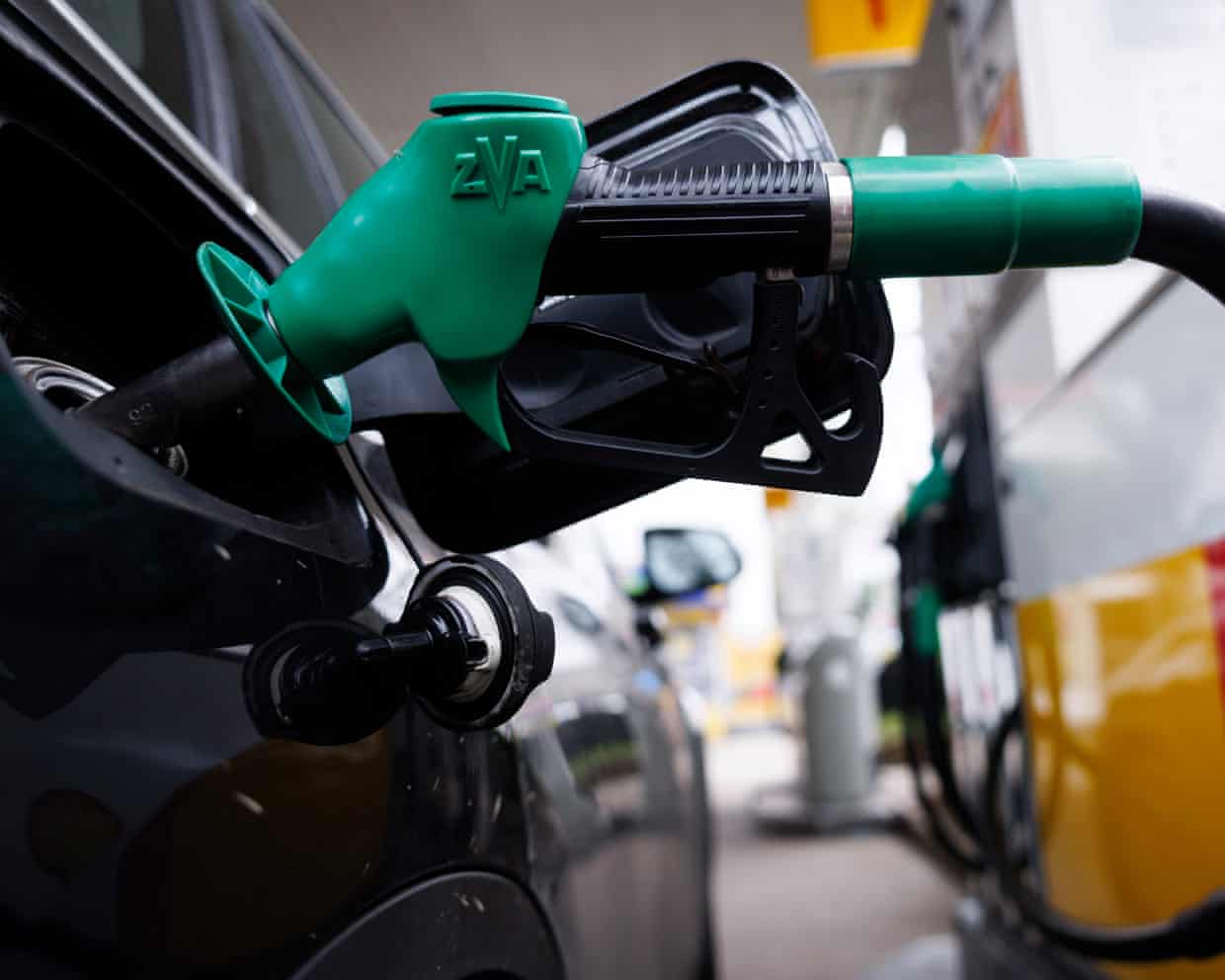
Rachel Reeves updated MPs on Tuesday about the steps the government was taking to cushion the impact of the Iran war on consumers and the UK economy. The chancellor stopped short of announcing specific immediate support but said she was contingency planning for the tough months ahead.Here are some of the levers she could pull:Speculation has been rife since the effective closure of the strait of Hormuz sent oil and gas prices soaring, that the government may be forced to step in to protect households from a jump in utility bills.But Reeves gave the clearest indication yet that she has no intention of repeating the across-the-board subsidies introduced by Liz Truss in autumn 2022, which went on to cost the Treasury about £40bn, and were worth £1,350 to households in the top 10% of earners.Reeves said Truss’s approach had “left us with high levels of national debt, a cheque written then for a bill that is still being paid today”
Seven charts that reveal how unprepared Australia was for the fuel crisis
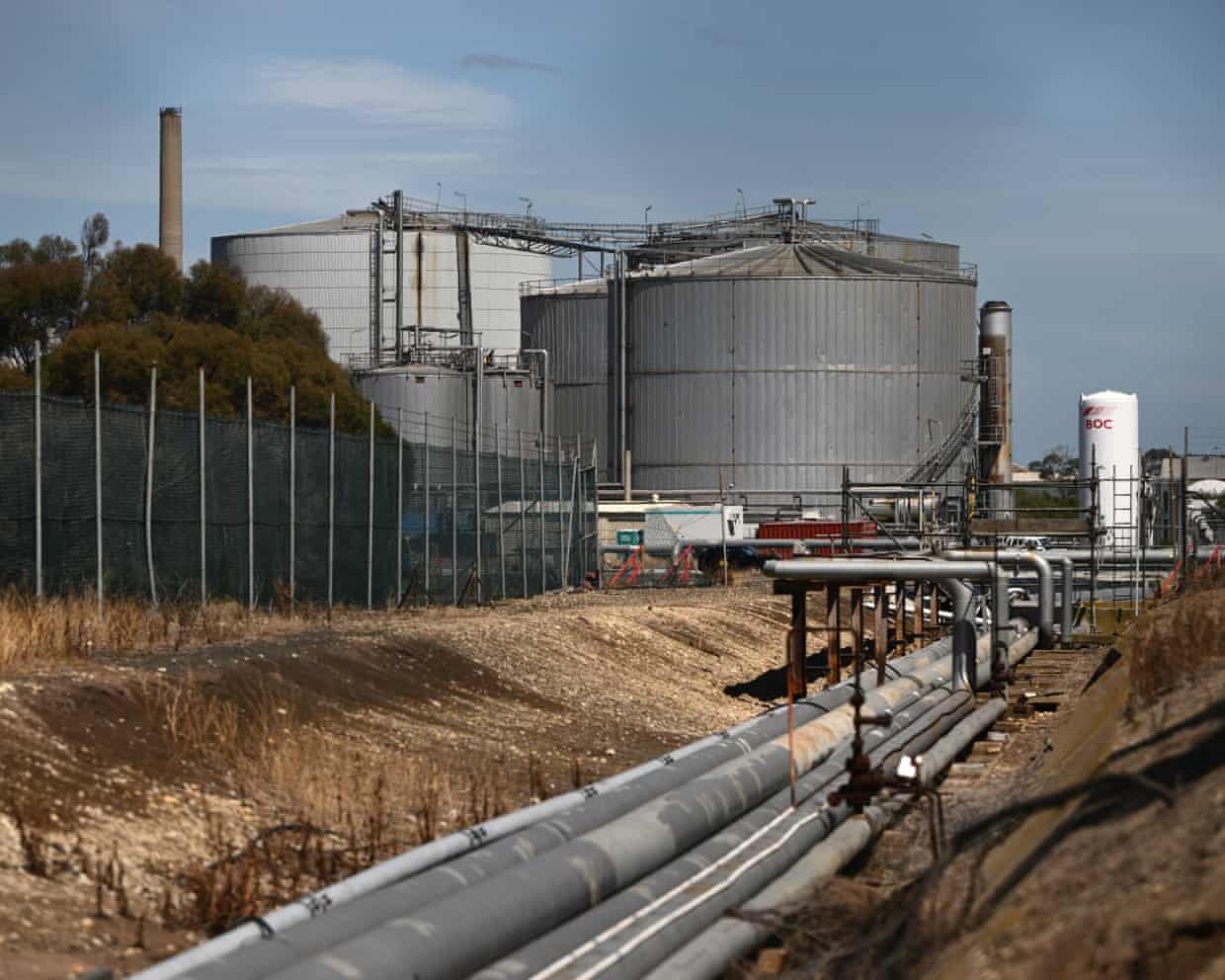
It’s been a bewildering few weeks since the start of the US-Israel war on Iran triggered a global energy shock that shows little sign of ending.Here are seven charts that tell the story so far.At the turn of this century, Australia produced 563,000 barrels of oil a day, with eight refineries supplying 98% of our total petroleum product needs.From that high point, oil and petroleum production has slumped to the point where the country relies on imports for 90% of its liquid fuel needs and oil production is at its lowest since the late 1960s.Over the past 25 years, the number of local refineries has also dropped:Mobil’s Port Stanvac refinery in South Australia was mothballed in 2003 (and permanently closed in 2009)Shell’s Clyde refinery was closed in November 2013Caltex closed its Kurnell refinery in Sydney in October 2014BP did the same with its Brisbane plant in mid-2015BP then closed its Kwinana refinery south of Fremantle in March 2021ExxonMobil’s Altona refinery in Melbourne was shuttered in August of the same year
UK manufacturers hit by sharpest rise in cost inflation since Black Wednesday in 1992
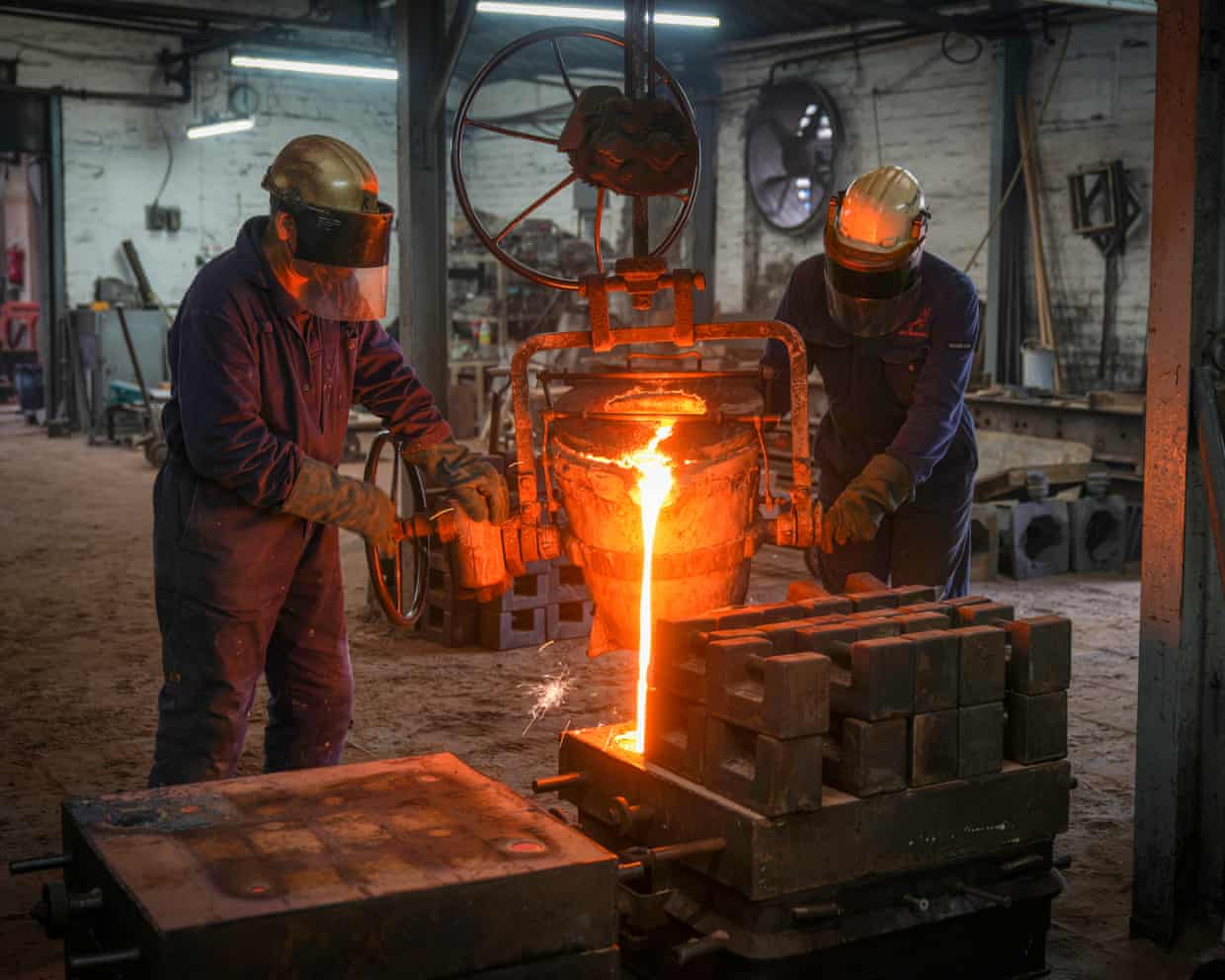
The UK’s manufacturers have suffered the sharpest one-month acceleration in costs since the aftermath of Black Wednesday in 1992 as conflict in the Middle East has driven up oil prices, new survey evidence shows.The closely watched purchasing managers’ index (PMI) lays bare the impact of the conflict on the UK economy, with growth slowing sharply across manufacturing and services and costs rising.Chris Williamson, the chief business economist at S&P Global Market Intelligence, which collects the data, said: “Output growth across manufacturing and services has slowed to a crawl as companies blamed lost business directly on the events in the Middle East, whether through heightened risk aversion among customers, surging price pressures, higher interest rates, or via travel and supply chain disruptions.“Inflationary pressures have surged higher on the back of rising energy prices and fractured supply chains.”Responding to the survey, Morgan Stanley warned the economy could potentially be dragged into “a pronounced UK recession” by the end of this year by high energy prices and interest rate hikes

Revolut warns it risks backlash over support for energy-intensive AI and crypto
The UK banking app Revolut has said it could face a backlash over its support for energy-intensive sectors such as crypto and AI, as it posted a 57% increase in profits for last year.The fintech, which can now launch as a fully fledged UK bank after a five-year wait for regulatory approval, warned in its 2025 annual report that such activities posed a “reputational risk”. Revolut offers crypto trading.Cryptocurrency mining, particularly for bitcoin, and AI datacentres demand large amounts of power, with competition for electricity supplies only getting steeper since the US-Israel war on Iran sent energy prices soaring over the past month.The company also reported a £1
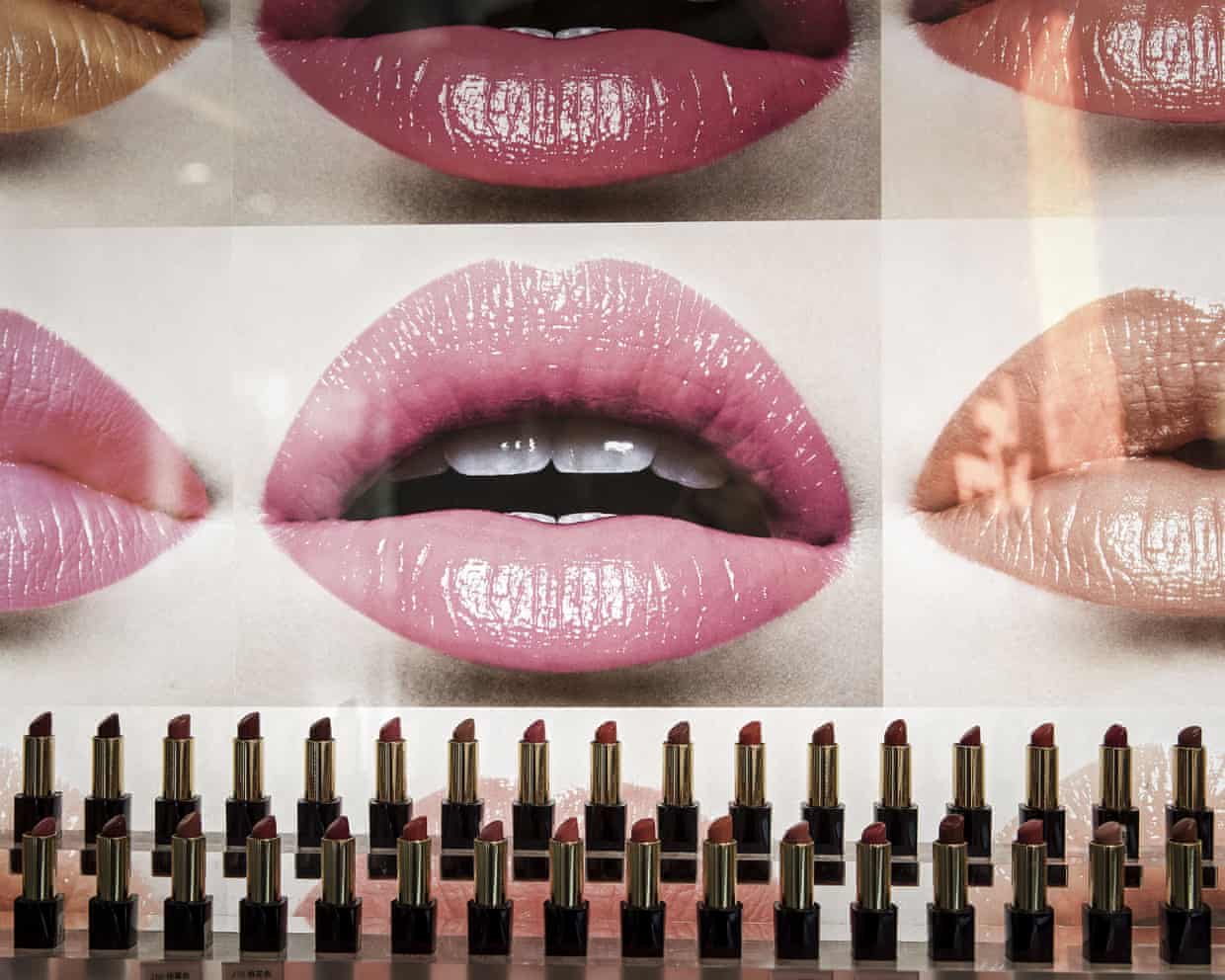
Estée Lauder in talks on merger with Jean Paul Gaultier owner Puig
The US cosmetics company Estée Lauder is in talks over a potential merger with the Spanish group Puig, the owner of brands including Jean Paul Gaultier and Rabanne, to create a $40bn fashion and beauty giant.Estée Lauder is one of the world’s biggest manufacturers of skin care, makeup and fragrances with a portfolio that includes Clinique, Bobbi Brown and Tom Ford Beauty.Puig, which floated on the Madrid stock market two years ago, owns brands including Charlotte Tilbury, Carolina Herrera and Dries van Noten.Both brands confirmed that they were holding discussions over a potential “business combination”, but gave no detail on the possible structure of the merger.“No final decision has been made and no agreement has been reached,” Puig said

UK vets face crackdown over fees as pet owners ‘left in the dark’ on bills
The UK’s competition watchdog has ordered vets to cap prescription fees at £21 and proposed a cost comparison website, after finding consumers had faced huge price rises and been “left in the dark” over bills.The Competition and Markets Authority (CMA) said public satisfaction with the cost of services was “low” after a two-and-a-half-year investigation into the £6.7bn market found “there is not strong competition between veterinary businesses”, with large chains dominant.The watchdog said vets must now tell pet owners that medicines may be cheaper online, and let them know they can get a prescription and that this could save them money.Written prescription fees will be capped at £21 for the first medicine and £12

The Breakdown | Fiji and the beautiful south reveal rugby’s soul but northern money talks loudest
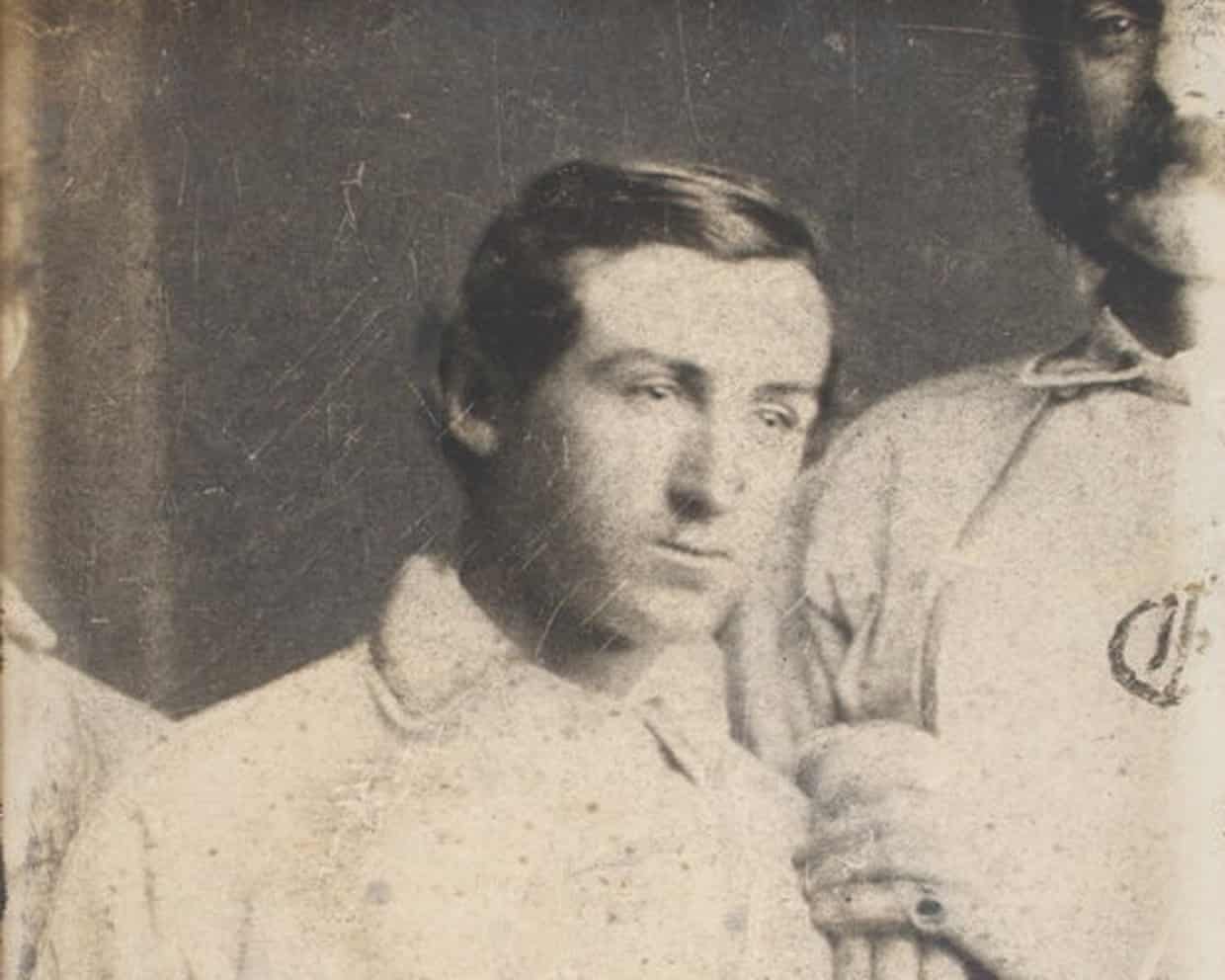
Death in the strike zone: the mysterious fate of James Creighton, baseball’s first star

Molly Miller, ‘pretty privilege’ and women’s basketball’s beauty trap

Victoria Mboko and Mirra Andreeva lead new generation of friendly rivals

ECB has taken a risk keeping McCullum and Key – who must now placate the public | Ali Martin
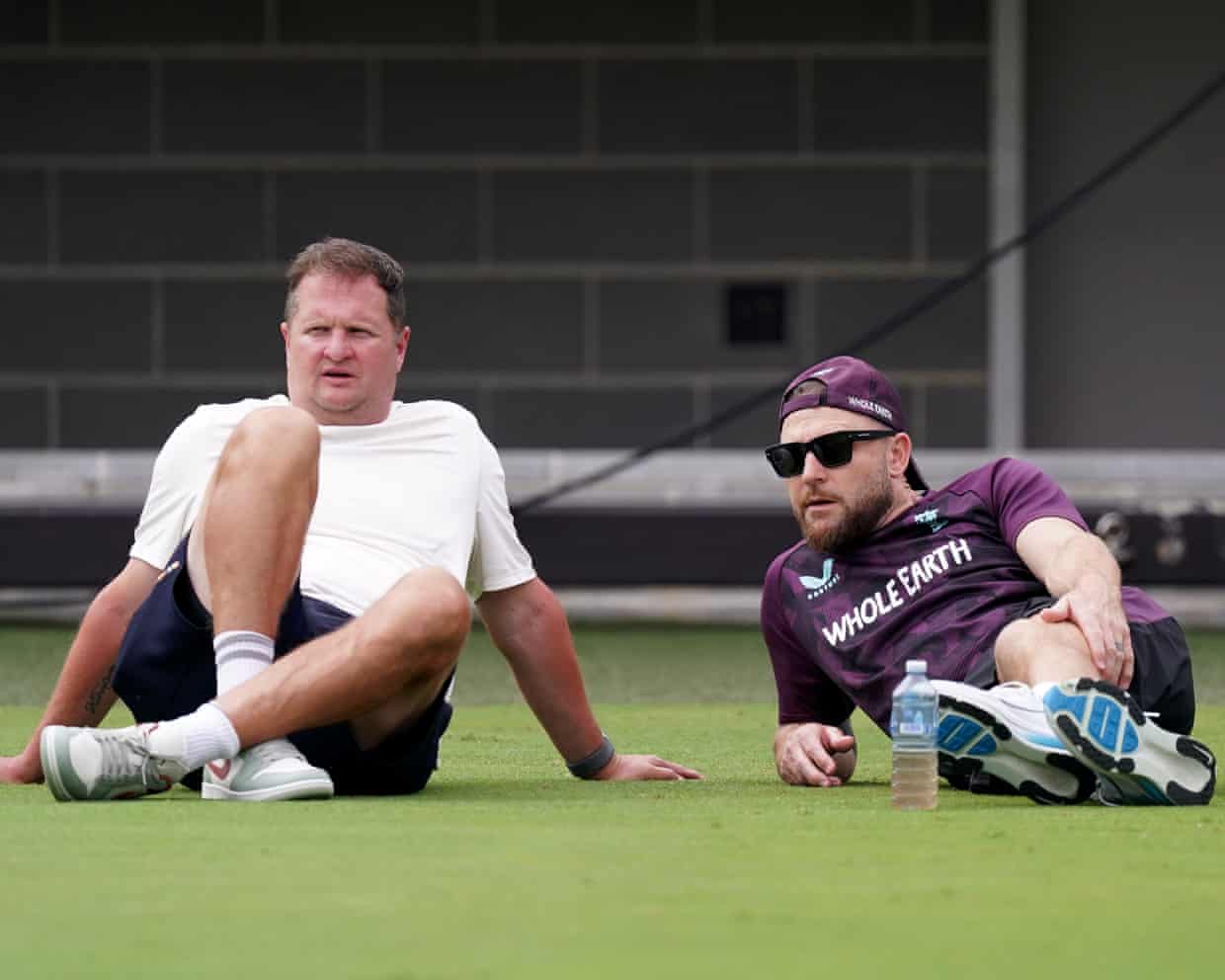
‘It may not be popular’: England stand by McCullum and Key despite Ashes debacle