Victoria Mboko and Mirra Andreeva lead new generation of friendly rivals
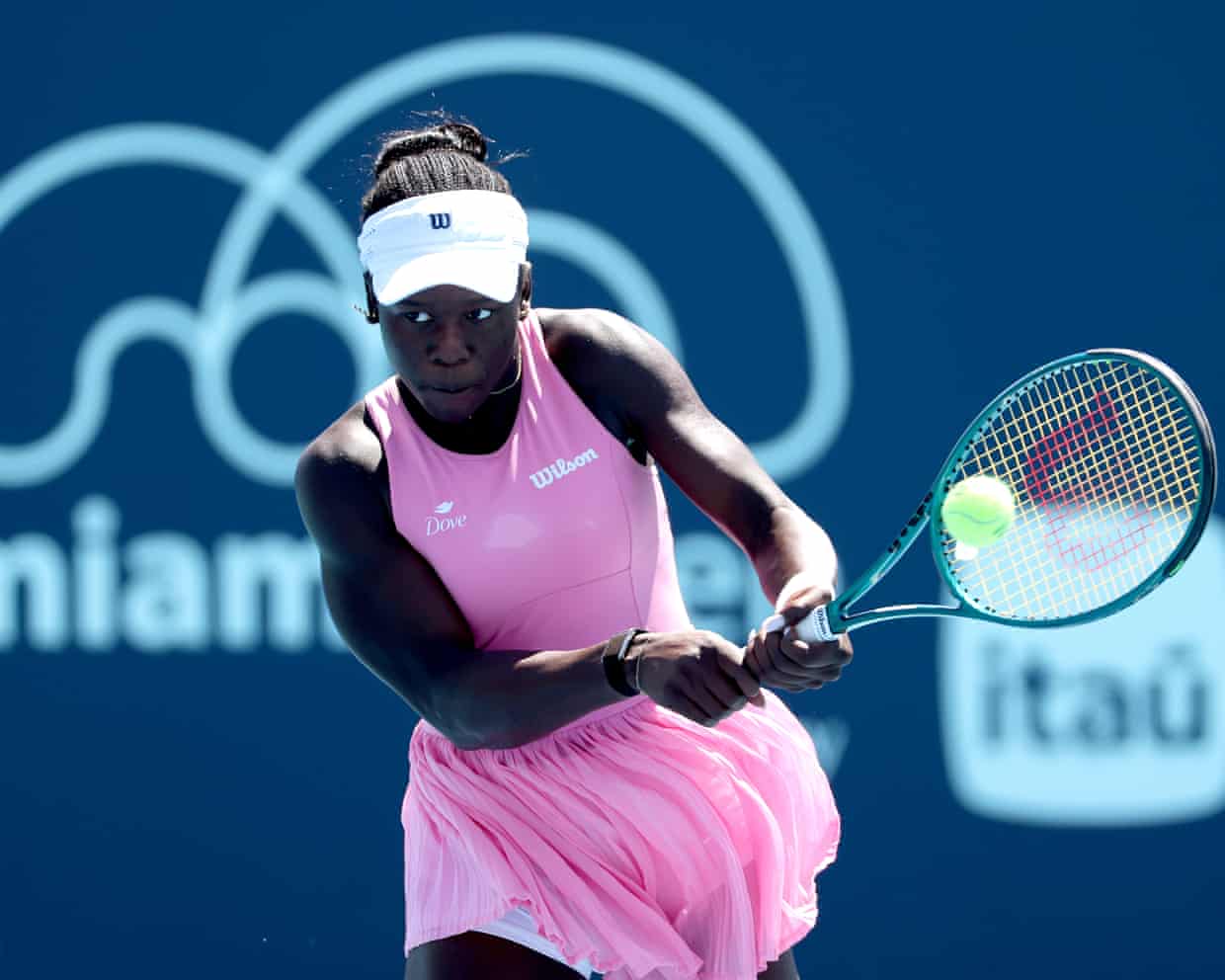
Victoria Mboko and Mirra Andreeva, the two highest-ranked teenagers in the world, prepared for their marquee Miami Open fourth-round match in an unusual manner.Aside from being the two protagonists of the freshest rivalry in women’s tennis, they are also great friends, and so they spent the afternoon before their big match against each other competing on the same side of the net in doubles.This was an opportunity to giggle, relax and enjoy themselves on one of the smaller courts in Miami, but Mboko and Andreeva are ranked No 9 and No 10 in the world for a reason.Two fiercely competitive beings determined to win every time on the court, they fought desperately and emerged with an impressive result.After trailing 0-5 against the eighth seeds, Demi Schuurs and Ellen Perez, in the opening set and facing eight set points scattered across the set, they somehow emerged from the match with a straight-sets win.
Their success and budding rivalry underlines a few things about women’s tennis in 2026.Although teenagers have been such a constant presence in the sport, dating back to the days of Chris Evert, a few years ago an 18‑year‑old Coco Gauff cut a lonely figure at the top of the sport and there was a dearth of talent beneath her.In March 2023, Gauff was the only teenager ranked inside the top 50.Today is a different story.Mboko and Andreeva are joined by a solid group of youngsters aged 20 and younger, who are steadily rising in the rankings and pushing each other on.
Not too far behind them is Iva Jovic, the 18-year-old American who reached the quarter-finals of the Australian Open and sits at No 17.Maya Joint of Australia has established herself around the top 30 at 19 years old.As the first elite player from the Philippines, at some tournaments Alexandra Eala has been an even bigger draw than players such as Carlos Alcaraz and Novak Djokovic, her fans bringing tournament grounds to a standstill.Perhaps even more striking is the friendliness between this group of emerging players and how supportive they are of each other even though they are rivals on the court.Even after her heavy defeat against Karolina Muchova on Monday night, Eala’s eyes lit up at the mention of her contemporaries on the tour.
“I think it’s super healthy that we have these friendships off the court and we’re able to balance that professional life and still separate it from our actual relationships,” Eala said.“The relationships are able to foster because at the end of the day you spend so much time with these girls and you spend so much time on tour that I think it’s very important.I am super fortunate and super grateful to have these girls on tour.”Colleagues behaving amicably is hardly noteworthy but this era is a departure from previous eras of women’s tennis, a sport built on tension with no love lost between so many of the top players.The obvious unease between certain top players was a feature of women’s tennis – one of its selling points, not a bug.
Many spectators respected the bluntness and honesty from female players when navigating their rivalries, with the greater camaraderie between men’s players sometimes reading as fake,This is after all the sport in which Martina Hingis and Lindsay Davenport essentially formed an alliance to take down the Williams sisters at the turn of the century,It is the sport of Justine Henin, whose reputation for gamesmanship generated emotions nearly as strong as her beautiful game,Maria Sharapova and Victoria Azarenka followed in the path laid out by Steffi Graf and the Williams sisters by making it clear from the beginning of their careers that they were not here to make friends,The vibes have been different for a while.
Aryna Sabalenka regularly trains with Iga Swiatek, Gauff or Elena Rybakina and there is now a general understanding that it is possible for players to put their friendships to one side once they step on to the court.A day after fighting together in doubles, Andreeva and Mboko entered the Butch Buchholz court for their third meeting of 2026.At the end of a tense, bruising tussle, Mboko emerged with a 7-6(4), 4-6, 6-0 win and a place in the quarter-finals of the Miami Open for the first time.This match also contained some reminders of the challenges of maintaining friendships in such a fiercely competitive sport.Having trailed for much of the match, Andreeva looked in pain during the second set and called for a medical timeout for her hip with the score 6-7, 4-3.
Upon the restart, Andreeva quickly won two of the next three games to force a final set.Andreeva was clearly injured and faded quickly in set three, but medical timeouts can often be contentious.At the end of the match, Andreeva made a point of apologising to Mboko as the pair hugged warmly.Having battled hard for over two hours, they departed the court as friends again.The next time they see each other they will be partners again.
What levers could Rachel Reeves pull to help with rising prices?
Rachel Reeves updated MPs on Tuesday about the steps the government was taking to cushion the impact of the Iran war on consumers and the UK economy. The chancellor stopped short of announcing specific immediate support but said she was contingency planning for the tough months ahead.Here are some of the levers she could pull:Speculation has been rife since the effective closure of the strait of Hormuz sent oil and gas prices soaring, that the government may be forced to step in to protect households from a jump in utility bills.But Reeves gave the clearest indication yet that she has no intention of repeating the across-the-board subsidies introduced by Liz Truss in autumn 2022, which went on to cost the Treasury about £40bn, and were worth £1,350 to households in the top 10% of earners.Reeves said Truss’s approach had “left us with high levels of national debt, a cheque written then for a bill that is still being paid today”
Seven charts that reveal how unprepared Australia was for the fuel crisis
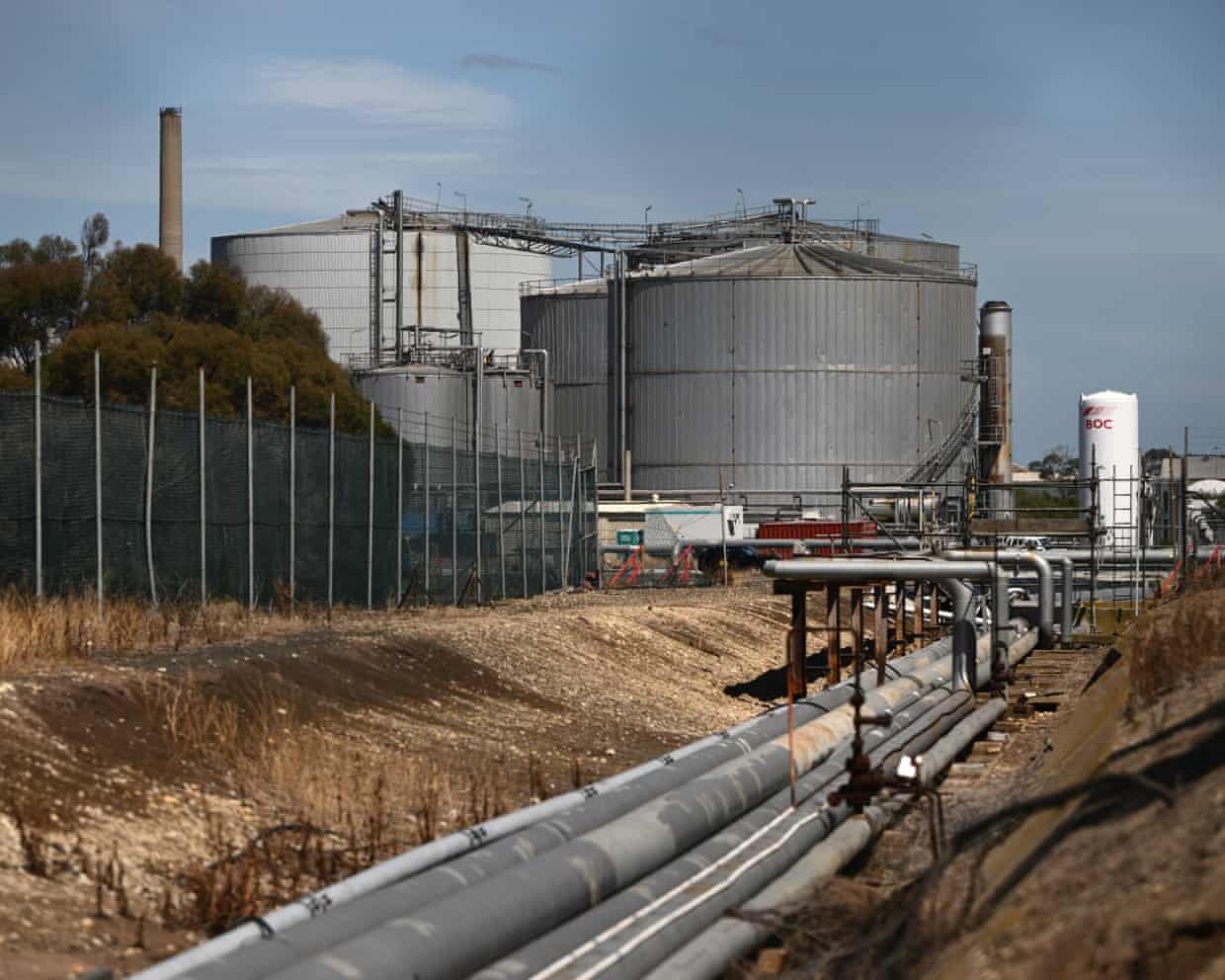
It’s been a bewildering few weeks since the start of the US-Israel war on Iran triggered a global energy shock that shows little sign of ending.Here are seven charts that tell the story so far.At the turn of this century, Australia produced 563,000 barrels of oil a day, with eight refineries supplying 98% of our total petroleum product needs.From that high point, oil and petroleum production has slumped to the point where the country relies on imports for 90% of its liquid fuel needs and oil production is at its lowest since the late 1960s.Over the past 25 years, the number of local refineries has also dropped:Mobil’s Port Stanvac refinery in South Australia was mothballed in 2003 (and permanently closed in 2009)Shell’s Clyde refinery was closed in November 2013Caltex closed its Kurnell refinery in Sydney in October 2014BP did the same with its Brisbane plant in mid-2015BP then closed its Kwinana refinery south of Fremantle in March 2021ExxonMobil’s Altona refinery in Melbourne was shuttered in August of the same year
UK manufacturers hit by sharpest rise in cost inflation since Black Wednesday in 1992
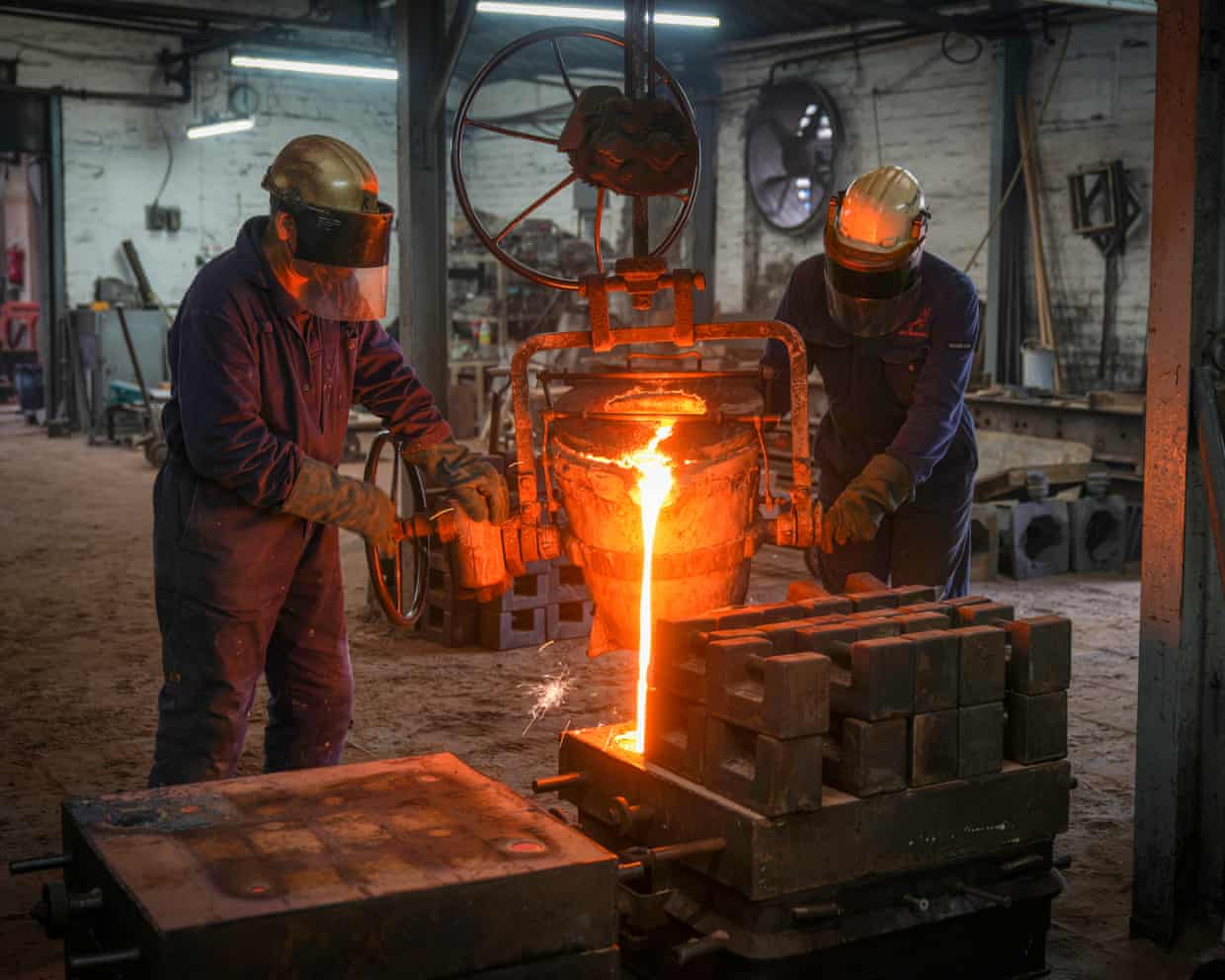
The UK’s manufacturers have suffered the sharpest one-month acceleration in costs since the aftermath of Black Wednesday in 1992 as conflict in the Middle East has driven up oil prices, new survey evidence shows.The closely watched purchasing managers’ index (PMI) lays bare the impact of the conflict on the UK economy, with growth slowing sharply across manufacturing and services and costs rising.Chris Williamson, the chief business economist at S&P Global Market Intelligence, which collects the data, said: “Output growth across manufacturing and services has slowed to a crawl as companies blamed lost business directly on the events in the Middle East, whether through heightened risk aversion among customers, surging price pressures, higher interest rates, or via travel and supply chain disruptions.“Inflationary pressures have surged higher on the back of rising energy prices and fractured supply chains.”Responding to the survey, Morgan Stanley warned the economy could potentially be dragged into “a pronounced UK recession” by the end of this year by high energy prices and interest rate hikes

Revolut warns it risks backlash over support for energy-intensive AI and crypto
The UK banking app Revolut has said it could face a backlash over its support for energy-intensive sectors such as crypto and AI, as it posted a 57% increase in profits for last year.The fintech, which can now launch as a fully fledged UK bank after a five-year wait for regulatory approval, warned in its 2025 annual report that such activities posed a “reputational risk”. Revolut offers crypto trading.Cryptocurrency mining, particularly for bitcoin, and AI datacentres demand large amounts of power, with competition for electricity supplies only getting steeper since the US-Israel war on Iran sent energy prices soaring over the past month.The company also reported a £1

Estée Lauder in talks on merger with Jean Paul Gaultier owner Puig
The US cosmetics company Estée Lauder is in talks over a potential merger with the Spanish group Puig, the owner of brands including Jean Paul Gaultier and Rabanne, to create a $40bn fashion and beauty giant.Estée Lauder is one of the world’s biggest manufacturers of skin care, makeup and fragrances with a portfolio that includes Clinique, Bobbi Brown and Tom Ford Beauty.Puig, which floated on the Madrid stock market two years ago, owns brands including Charlotte Tilbury, Carolina Herrera and Dries van Noten.Both brands confirmed that they were holding discussions over a potential “business combination”, but gave no detail on the possible structure of the merger.“No final decision has been made and no agreement has been reached,” Puig said

UK vets face crackdown over fees as pet owners ‘left in the dark’ on bills
The UK’s competition watchdog has ordered vets to cap prescription fees at £21 and proposed a cost comparison website, after finding consumers had faced huge price rises and been “left in the dark” over bills.The Competition and Markets Authority (CMA) said public satisfaction with the cost of services was “low” after a two-and-a-half-year investigation into the £6.7bn market found “there is not strong competition between veterinary businesses”, with large chains dominant.The watchdog said vets must now tell pet owners that medicines may be cheaper online, and let them know they can get a prescription and that this could save them money.Written prescription fees will be capped at £21 for the first medicine and £12
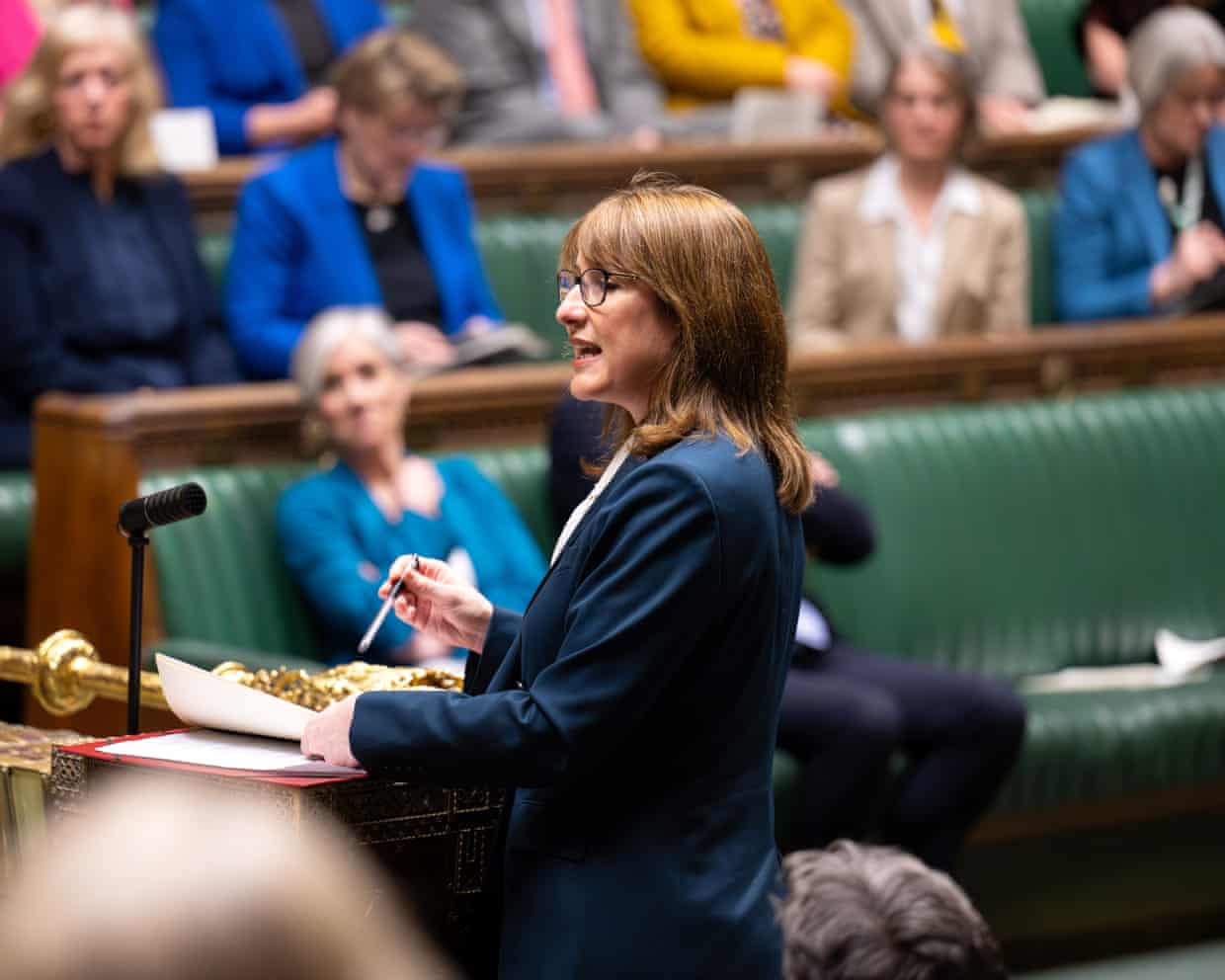
Reeves slips into yoga voice to try to soothe fears over costs of Trump’s war | John Crace
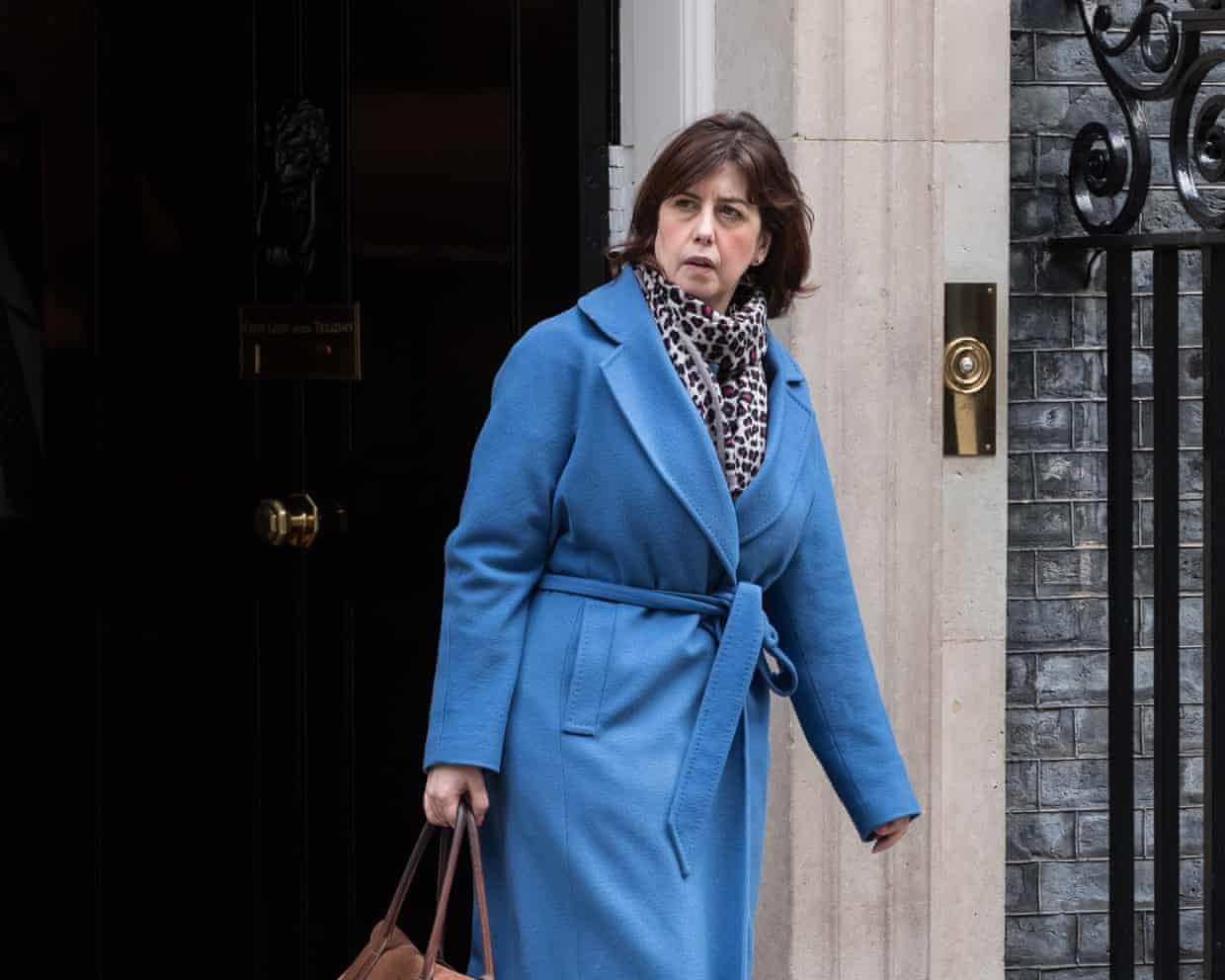
Labour lost white working-class voters to Greens in Gorton and Denton, party analysis finds
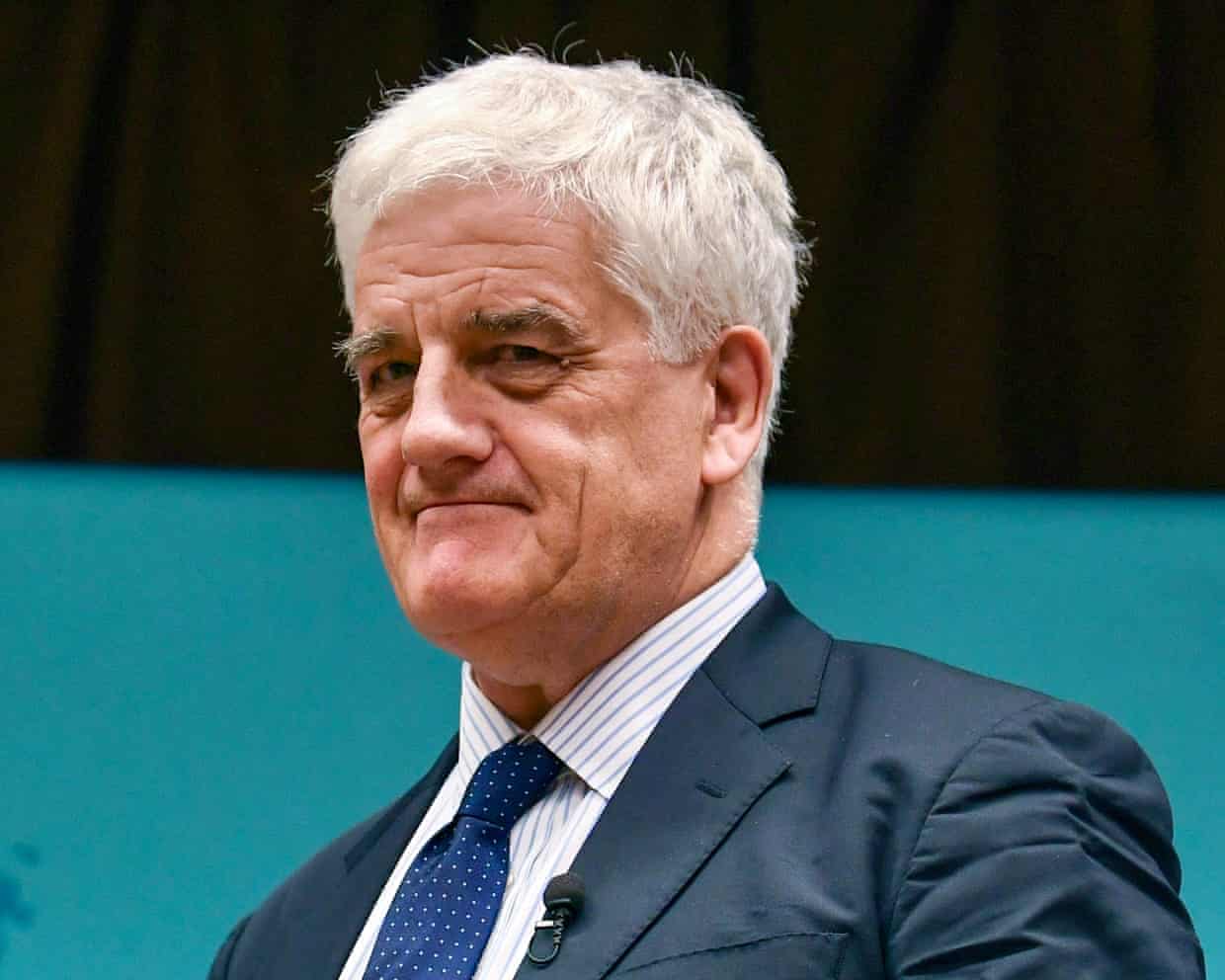
Reform UK suspends mayoral candidate over comments on Jewish group

UK defence firms ‘bleeding cash’ as delayed spending plan leaves industry in ‘paralysis’
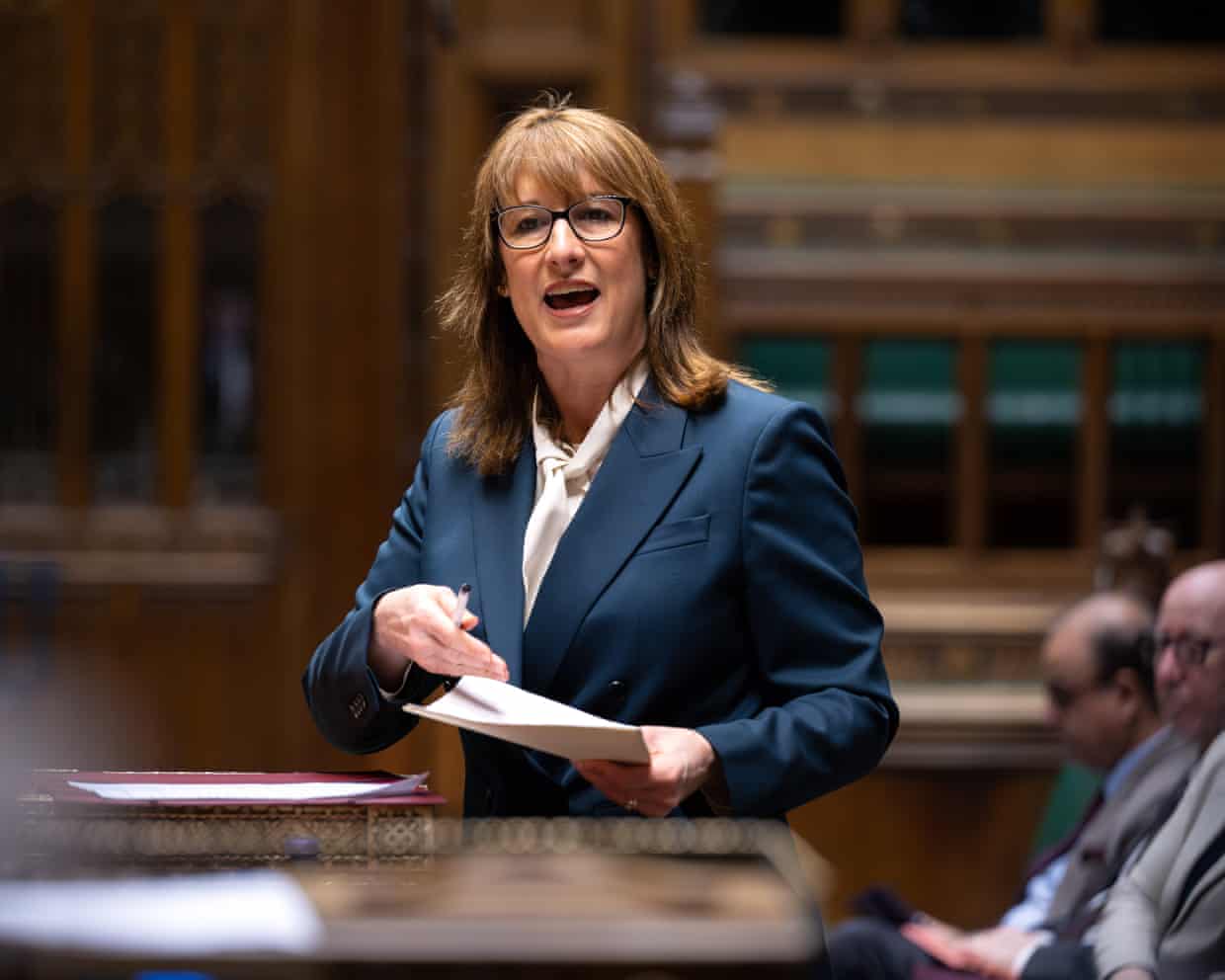
Rachel Reeves rules out universal support on energy bills
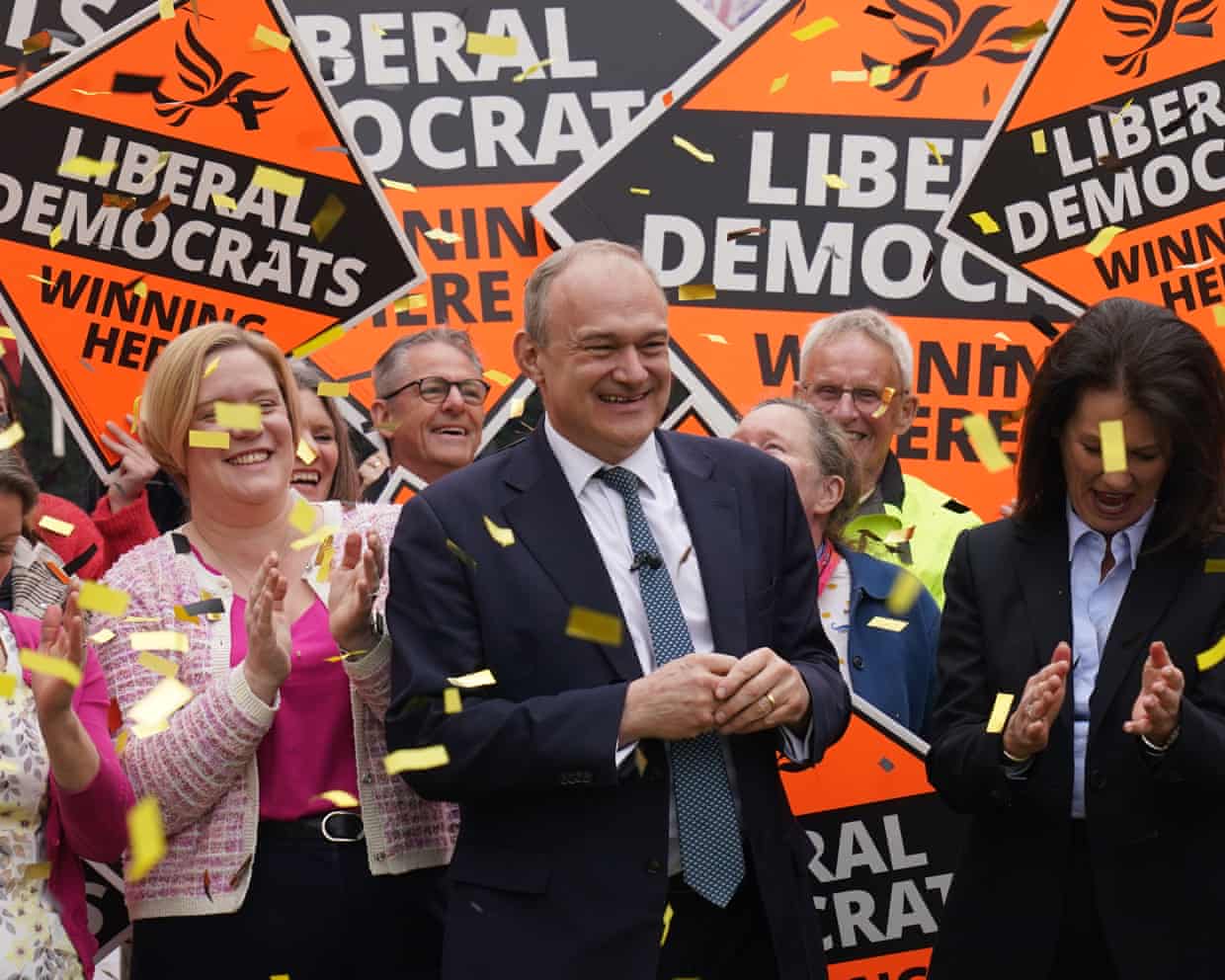
Ed Davey accuses Reform UK and Tories of importing ‘Trump-style divisive politics’